Planning a trekking holiday in Nepal in 2027? Discover how safe trekking is, which Himalayan routes to consider, the best seasons to visit, how to prepare for altitude, and why choosing an experienced local trekking company can make a difference.
Nepal is one of the world's most popular destinations for mountain trekking. From the legendary Everest Base Camp trail to the spectacular Annapurna Circuit, the peaceful Langtang Valley and the remote landscapes of Manaslu, the country offers extraordinary adventures for travelers of different ages and experience levels. However, a Himalayan trekking holiday requires careful preparation. Weather conditions, high altitude, landslides, avalanches, river crossings and remote mountain terrain can all present challenges. Recent natural disasters in Nepal have also highlighted the importance of checking local conditions before traveling. So, is trekking in Nepal safe in 2027?
Yes, trekking in Nepal can be a safe and rewarding experience when you choose a suitable route, travel during the right season, prepare properly and follow professional safety advice. However, no trekking destination is completely risk-free, and conditions can change quickly. Safety depends on the route, weather, altitude, your physical condition and the decisions made during your journey.
At Glacier Nepal Treks, we believe that an enjoyable Himalayan adventure begins with honest information, responsible planning and respect for the mountains. This guide explains what travelers should know before booking a trek in Nepal in 2027.
Nepal remains a major destination for international trekkers, offering established trails, mountain lodges, local guides and trekking services across many regions. Thousands of visitors come to experience its Himalayan landscapes, traditional villages, Buddhist monasteries and welcoming mountain communities. Nevertheless, safety should never be assumed simply because a route is popular. Nepal's geography creates several natural hazards. Heavy rainfall can trigger landslides and flash floods, while snowfall can increase avalanche risks in high mountain areas. At altitude, even experienced hikers can develop altitude sickness. Mountain weather can also change with little warning. Recent events reinforce why travelers should check conditions rather than rely only on general statements about Nepal being open for tourism. In October 2026, severe flooding and landslides affected parts of the Budhi Gandaki area in Gorkha, including Chumnubri Rural Municipality, which encompasses the Manaslu trekking region. Nepal Tourism Board issued safety advice for affected areas, recommending that travelers avoid unsafe river crossings and follow local authorities' instructions. These incidents do not mean that every trekking route in Nepal is unsafe. They do mean that conditions must be assessed route by route, particularly after extreme weather. For a trek planned in 2027, travelers should confirm the current condition of their chosen trail, roads, bridges, accommodation and transport connections before departure. A route that was safe last season may require changes following a landslide, flood or heavy snowfall.
Understanding the main risks helps travelers make better decisions and enjoy their journey with greater confidence.
Altitude sickness is one of the most important health risks for trekkers visiting Nepal's high mountains. It can affect anyone, regardless of age, fitness or previous trekking experience. As you climb higher, the amount of available oxygen decreases. Your body needs time to adjust to the changing conditions. Symptoms of acute mountain sickness can include headache, nausea, dizziness, tiredness, reduced appetite and difficulty sleeping. Many popular trekking destinations are high above sea level. Everest Base Camp is approximately 5,364 metres, while the summit of Kala Patthar reaches approximately 5,545 metres. Annapurna Circuit trekkers cross Thorong La Pass at about 5,416 metres.
To reduce altitude-related risks:
Severe headache accompanied by confusion, difficulty walking straight or breathlessness at rest requires urgent medical attention and descent. Do not assume that resting at the same altitude will solve a serious problem.
A good trekking itinerary should prioritize acclimatization rather than simply minimizing the number of days.
Weather is another major factor affecting trekking safety in Nepal. During the summer monsoon, generally from June to September, many areas experience heavy rainfall. Trails may become muddy and slippery, landslides can block roads and walking routes, and swollen rivers can make crossings dangerous. Even outside the main monsoon season, intense rainfall can occur. October and November are often popular trekking months, but they are not completely free from weather-related risks.
Travelers should pay particular attention to:
Never attempt to cross a flooded river simply because other people appear to be doing so. If a trail is blocked or a river crossing is unsafe, wait for reliable advice or change the itinerary.
High-altitude trekking routes can experience heavy snowfall, icy trails and avalanches, particularly during winter and periods of unstable weather. Passes such as Cho La on the Everest Three Passes route and Thorong La on the Annapurna Circuit can become challenging when snow accumulates. Conditions vary considerably from day to day. Avalanche danger is especially important for mountaineering expeditions and travel through steep, snow-covered terrain. Ordinary trekking experience does not automatically prepare someone to assess avalanche conditions. Before crossing a high pass, check current conditions with experienced guides and local authorities. Be prepared to delay the crossing or use an alternative route if conditions are unsafe.
Travel to trekking destinations often involves mountain roads, domestic flights or both. Roads in Nepal can be narrow, steep and vulnerable to landslides. Journeys may take longer than expected because of traffic, roadworks or weather-related closures. Flights to mountain airports, including Lukla, are also sensitive to weather and visibility. Delays and cancellations are normal possibilities. To reduce transport-related risks, allow buffer days in your itinerary, use reputable transport providers and avoid arranging international departure flights too close to your final trekking day.
Trekking in Nepal involves repeated uphill and downhill walking, often over uneven stone steps, rocky paths and remote mountain trails. Even relatively short routes can be physically demanding because of elevation gain and the number of consecutive walking days. Common problems include blisters, knee pain, muscle strain, dehydration and exhaustion. A suitable itinerary, comfortable footwear, a manageable backpack and regular breaks can help reduce these risks. Travelers should select a trek that matches their fitness and experience rather than choosing a route solely because it is popular.
Nepal has many trekking regions, and their conditions can differ significantly. No responsible trekking company should guarantee that every trail in a region is safe without checking current local information. The following destinations are worth considering for 2027, subject to route-specific assessments and conditions at the time of travel.
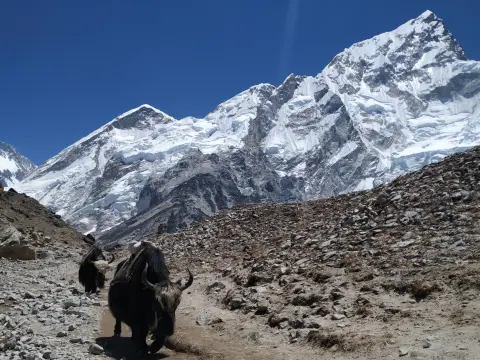
The Everest region is famous for Everest Base Camp, Gokyo Lakes, Kala Patthar and traditional Sherpa villages such as Namche Bazaar. It has established trekking trails, teahouses and experienced local guides. These facilities can make trip planning more manageable, but the region's high altitude, changing weather and occasional flight disruptions still require careful preparation.
Popular options include:
For first-time Himalayan trekkers, a shorter itinerary at a lower elevation may be more appropriate than a demanding high-altitude crossing. Trekkers choosing Everest Base Camp should allow sufficient time for acclimatization and understand that reaching the destination is never more important than safety.
The Annapurna region offers a wide range of experiences, from shorter village walks to challenging high-altitude adventures. Annapurna Base Camp, Ghorepani Poon Hill and Mardi Himal are popular choices for travelers seeking mountain scenery without undertaking the longest Himalayan expeditions. The Annapurna Circuit and Tilicho Lake routes offer more demanding itineraries, including high mountain terrain.
Popular options include:
The region has established trekking infrastructure along many routes, but road access, trail conditions and weather can change. Travelers should check for landslides and local restrictions, especially during and after heavy rain.
Langtang Valley is known for its mountain views, traditional villages, forests and access to the Langtang Himal. It can be an excellent option for travelers seeking a Himalayan trekking experience relatively close to Kathmandu. Depending on the itinerary, trekkers can explore Kyanjin Gompa and undertake additional walks toward nearby viewpoints. The Langtang Valley Trek and Langtang Gosainkunda Trek are popular choices. However, the approach road and mountain trails can be affected by landslides, particularly during periods of heavy rainfall. Travelers should check road access and current trail conditions before setting out.
The Manaslu Circuit is one of Nepal's most rewarding trekking routes, featuring traditional settlements, dramatic mountain scenery and the challenging Larkya La Pass. It is also a region where recent conditions deserve particular attention. In October 2026, severe flooding and landslides affected parts of the Budhi Gandaki area in Gorkha. Travelers planning a Manaslu Circuit or Tsum Valley trek in 2027 should not assume that every section has returned to normal. Before booking or departure, confirm whether the trail, bridges, road access and local accommodation are operating safely. Ask your trekking company to provide a current route assessment and explain any necessary changes. If authorities advise against travel through an affected area, postpone the trip or choose an alternative destination.
Upper Mustang, Upper Dolpo, Kanchenjunga and other remote trekking destinations offer spectacular scenery and distinctive cultural experiences. However, some routes have limited facilities, long distances between settlements and fewer immediate medical or evacuation options. Certain areas also require special permits and specific arrangements. These trips are best planned with a trekking company familiar with the region, its permit requirements and its logistical challenges.
The important point: Choose a destination based on current conditions, your fitness and the quality of the safety arrangements, not just the beauty of its scenery.
The best trekking season depends on the route, altitude and weather forecast. Spring and autumn are generally the most popular seasons for many Himalayan treks.
Spring offers warming temperatures, flowering rhododendron forests and excellent mountain scenery on many routes. It is a popular time for Annapurna, Langtang and Everest trekking. Higher passes may still have snow, particularly earlier in the season, so conditions should be checked before departure. Spring can also be busy on popular trails. Booking accommodation and guides in advance is sensible for well-traveled routes.
Autumn is traditionally one of the best seasons for trekking in Nepal. After the monsoon, many routes offer clear mountain views and comfortable walking conditions. October and November are especially popular for Everest Base Camp, Annapurna Base Camp, Manaslu and other major trekking routes. However, the end of the monsoon does not mean all weather hazards have disappeared. Landslides, damaged bridges and localized flooding may continue to affect particular areas. For 2027, check official travel updates and local reports before finalizing your route.
Winter trekking can be rewarding for travelers who prefer quieter trails and crisp mountain views. Lower-altitude treks may remain accessible, but high-altitude routes can become difficult because of freezing temperatures, snowfall and blocked passes. Some mountain lodges may close seasonally. Winter is not automatically unsafe, but it requires appropriate equipment, realistic expectations and careful route selection.
The monsoon brings heavy rain to much of Nepal. Landslides, slippery trails, leeches and reduced visibility can make trekking more challenging. Some rain-shadow destinations, including parts of Upper Mustang and Dolpo, may receive less rainfall than many other regions. However, their access roads, flights and approach routes can still be affected by weather. Travel during the monsoon should be based on current local conditions and professional advice rather than a general assumption that a particular region is protected from rain.
A professional local guide can significantly improve both the experience and safety of a trekking holiday. Guides understand the terrain, local customs, accommodation arrangements and the practical challenges of traveling through mountain communities. Experienced guides can also help recognize signs of altitude sickness, monitor walking pace and communicate with local people when problems arise. In remote areas, a guide can help organize changes to an itinerary if weather, trail damage or other unexpected circumstances make the original plan unsuitable.
Before booking, ask whether your guide:
Permit requirements vary by destination. Some restricted areas have specific guide, agency and group requirements, so confirm the current rules before traveling. An experienced guide cannot eliminate every risk, but good judgment and local knowledge can help prevent avoidable problems.
Altitude sickness deserves special attention because it can affect otherwise healthy and physically fit travelers. The key is gradual ascent. Walking slowly does not guarantee that you will avoid altitude sickness, but an appropriate ascent profile gives your body more time to adapt. Before choosing an itinerary, consider the maximum sleeping altitude, the rate of ascent and the availability of acclimatization days.
Useful precautions include:
Medication such as acetazolamide may be useful for some travelers, but it is not suitable for everyone. Discuss altitude prevention with a qualified healthcare professional before your trip. Do not rely on bottled oxygen or medication as permission to continue ascending when you are seriously unwell. For a safer trip, select a trekking company that treats acclimatization as an essential part of the itinerary, not an optional extra.
Appropriate equipment helps you stay comfortable and prepared for changing conditions. Your packing list should reflect the route, season, altitude and expected temperatures.
Essential items usually include:
For high-altitude trekking, additional equipment such as a warm sleeping bag, insulated jacket and suitable cold-weather accessories may be necessary. Your trekking company should explain what equipment is required, what can be rented in Kathmandu and what support equipment will be provided. Avoid carrying unnecessary weight. A properly organized backpack makes long walking days easier and reduces fatigue.
Nepal welcomes solo travelers, couples, families and groups from many countries. However, the suitability of a trekking route depends on the traveler's experience, physical condition and the support available along the trail. For first-time trekkers, established routes with regular accommodation and a manageable itinerary may be a good starting point. Ghorepani Poon Hill, selected Annapurna Base Camp itineraries, Mardi Himal and shorter Everest-region treks are worth considering, depending on fitness and the time available. Higher and more remote routes require additional planning. Solo travelers should tell someone about their itinerary, carry appropriate communication equipment and avoid continuing into unsafe conditions simply because they are traveling alone. Traveling with a guide or organized group can provide additional support, particularly on unfamiliar trails or in areas where weather and altitude present greater challenges. Families should choose routes appropriate for every member of the group. Children and older adults may need a slower pace, shorter walking days and more flexible accommodation arrangements. There is no single safest trek for everyone. The right choice is the one that matches the needs and abilities of the people taking part.
Travel insurance is an important part of planning a Himalayan holiday. Ordinary travel insurance may not cover trekking at high altitude, mountaineering activities or helicopter evacuation. Travelers should read the policy carefully rather than assume that all adventure activities are included.
Before departure, check whether your insurance covers:
Tell your insurer exactly which activities you plan to undertake. If you are climbing a trekking peak, such as Island Peak or Mera Peak, confirm that the policy specifically covers mountaineering at the relevant altitude. Keep your policy details and emergency contact information accessible during the trip. Helicopter evacuation may be possible in some circumstances, but it depends on weather, visibility, landing conditions, availability and other operational factors. It should never be treated as an immediate or guaranteed solution.
Choosing a responsible trekking operator is one of the most important decisions you can make when planning a Himalayan adventure. A reliable company should provide clear information about the itinerary, accommodation, transport, permits, guide services, safety procedures and total cost.
Before making a booking, ask the following questions.
Is the company properly registered?
Check that the operator has the required registration and licensing for its services. Official tourism authorities recommend using authorized travel and trekking agencies.
Does the itinerary allow enough time for acclimatization?
Compare sleeping altitudes and walking schedules rather than looking only at the total number of days.
What happens if weather or trail conditions change?
Ask about contingency days, alternative routes, additional accommodation costs and how the company handles delays.
What safety arrangements are available?
Ask about guide experience, communication, first aid, emergency contacts and evacuation procedures.
Are the prices and inclusions transparent?
Understand what is included in the package and what you will need to pay separately.
Does the company respond honestly to safety concerns?
A responsible operator should explain the actual conditions and risks. Be cautious of anyone who guarantees perfect weather, zero risk or uninterrupted access to every destination.
Mountain travel requires flexibility. A landslide, flood, heavy snowfall or road closure can change a trekking itinerary with little warning. A safe trekking company should be willing to adjust plans when necessary, even if doing so means missing a viewpoint or spending an additional night in a village.
If a natural disaster affects your route:
Travelers should also maintain financial flexibility for unexpected accommodation, transport or itinerary changes. If a route is seriously affected, changing destinations or postponing the trip may be the most responsible decision. For example, someone planning the Manaslu Circuit should confirm the condition of the Budhi Gandaki corridor and relevant bridges before setting out. If authorities advise against travel, it is better to postpone or select a suitable alternative than to take unnecessary risks. Safety must always come before completing a planned itinerary.
Despite the challenges, Nepal offers an exceptional variety of mountain experiences.
Travelers can walk beneath the world's highest peaks, visit traditional Himalayan settlements, experience local hospitality and explore landscapes that range from subtropical forests to high-altitude glaciers. Trekking can also provide opportunities to support local guides, porters, teahouse owners and mountain communities. A well-planned trip allows visitors to experience these places while respecting local culture and the natural environment. The key is to travel responsibly. Choose an appropriate route, prepare for the conditions, follow local advice and remain flexible when circumstances change. If you are planning your first Himalayan adventure, there is no need to begin with the most difficult trek. A shorter route can provide an unforgettable experience and help you understand how your body responds to mountain walking. For experienced trekkers, more challenging destinations such as Everest Base Camp via Gokyo, the Annapurna Circuit or Manaslu may be suitable when current conditions and individual experience support the plan. Every trek should be planned around the traveler, not simply around a fixed itinerary.
Nepal is safe and with Glacier Nepal Treks beside you, it is even safer. Our government licensed guides, real time trail monitoring, wilderness first aid training, and 24/7 emergency support ensure every trekker travels with complete confidence and genuine peace of mind throughout their entire Himalayan adventure.
It may be suitable for fit beginners who prepare properly and follow an itinerary with adequate acclimatization. However, the altitude makes it challenging, and beginners should not underestimate the physical demands.
These months are generally popular because of favorable trekking conditions on many routes. However, weather-related hazards and damage from earlier rainfall can still affect specific areas. Always check current conditions.
Do not assume that all sections are safe or fully operational. Check the latest official notices and obtain a route-specific assessment from a reliable local operator before booking or departure.
Rules depend on the route and applicable regulations. Restricted areas have specific permit requirements, and a guide can provide valuable local knowledge and support. Confirm the current requirements for your chosen trek.
Travel insurance is strongly recommended. Check that your policy covers the maximum altitude, trekking activities, emergency medical treatment and helicopter evacuation where needed.
There is no universally safest trek. Shorter, lower-altitude routes with established accommodation may suit beginners, but the safest choice depends on current trail conditions, weather, fitness and experience.
Tell your guide immediately and do not continue ascending while symptoms are being assessed. Serious or worsening symptoms require urgent medical attention and descent.
Conditions vary by district and route. Some destinations may be accessible while others need repairs or temporary closures. Consult official travel updates and local authorities before making plans.
Booking several months ahead can help secure your preferred guide, accommodation arrangements and itinerary during busy seasons. However, confirm current route conditions before finalizing travel arrangements.
At Glacier Nepal Treks, we help travelers explore Nepal through carefully planned trekking holidays, experienced local guides and itineraries designed around individual interests, fitness and available time. Whether you are considering Everest Base Camp, the Gokyo Lakes, Annapurna Base Camp, Mardi Himal, Langtang Valley or another Himalayan destination, we believe good planning begins with clear information and realistic expectations. Our approach focuses on appropriate itineraries, acclimatization, local knowledge and responsible decisions when conditions change. Before confirming your 2027 trek, we recommend discussing your travel dates, previous trekking experience, preferred destination and fitness level with our team. We can help you identify a suitable route and explain the preparations required for your journey. If your preferred region is affected by adverse weather or damaged trails, we will work with you to assess the available options and determine whether a route change or postponement is appropriate.
So, is trekking in Nepal safe in 2027? It can be, provided travelers understand the risks and make informed decisions. Nepal's mountains offer extraordinary experiences, but they demand preparation, patience and respect. Choosing the right route, allowing time for acclimatization, checking weather and trail conditions, obtaining suitable insurance and traveling with reliable support can all help reduce avoidable risks. Most importantly, safety information must remain current. Natural disasters can affect individual regions without making every trekking destination inaccessible. Evaluate your intended route using reliable information close to your departure date. With thoughtful planning and a flexible approach, you can make your 2027 trekking holiday in Nepal a rewarding experience while putting your safety first.
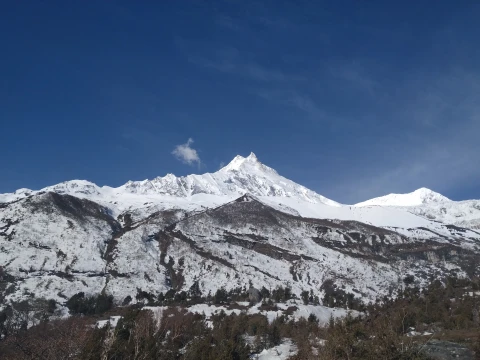
The Manaslu Circuit Trek is one of Nepal’s most spectacular and less-traveled trekking routes. With Glacier Nepal Trek, trekkers can experience the perfect combination of adventure, culture, and nature. Circling Mount Manaslu (8,163 m / 26,781 ft), the trek passes through lush valleys, remote villages, high mountain passes, and serene

Climbing a 6000-meter peak in Nepal is one of the most exciting and achievable goals for adventure seekers who want to move beyond trekking and step into real mountaineering. With proper support and guidance from Glacier Nepal Treks, even first-time climbers can safely experience the thrill of standing on a Himalayan summit. Nepal is home to some of the world’s most accessible trekking peaks, offering a perfect introduction to high-altitude climbing without the extreme technical demands of larger expedition mountains. For beginners, peaks like Island Peak (6,189m), Mera Peak (6,476m), and Lobuche East (6,119m) are ideal starting points.
Plan Your Everest Base Camp Trek with Glacier Nepal Treks Your Trusted Himalayan Partner, When it comes to planning the Everest Base Camp Trek in 2026, the single most important decision you will make is not which gear to buy, which month to travel, or even how much to budget. The single most important decision is who you choose to trek with. The Himalayas are extraordinary. They are also demanding, unpredictable, and at times genuinely unforgiving. Having the right team beside you experienced, licensed, safety conscious, and genuinely invested in your wellbeing can be the difference between the greatest adventure of your life and a deeply challenging experience. That is where Glacier Nepal Treks Pvt. Ltd. comes in.


 (31)
 94% recommend (244)

 (12)