Need help with booking? Send us a message.
Conquer the heights with an adventurous climb to Lobuche East (6,119m) in Nepal’s Everest region. Journey through dramatic glaciers and Sherpa settlements on this thrilling alpine expedition. Stand on the summit rewarded by panoramic views of Mount Everest, Lhotse, and Nuptse.
Lobuche Peak, rising to 6,119 meters (20,075 feet), is one of the most popular trekking peaks in Nepal, located in the Khumbu region near the Everest Base Camp. It offers adventurers a challenging yet achievable climb, combining high-altitude trekking with technical mountaineering. Unlike Everest, Lobuche provides a real summit experience without requiring extensive technical skills, making it a perfect choice for trekkers seeking an introduction to Himalayan mountaineering. The peak is divided into two parts: Lobuche East, which is more challenging and technically demanding, and Lobuche West, which is slightly easier but still requires careful preparation and acclimatization.
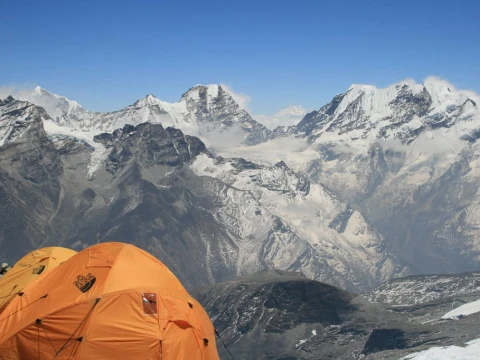
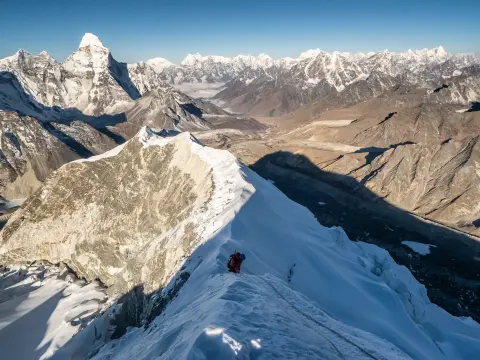
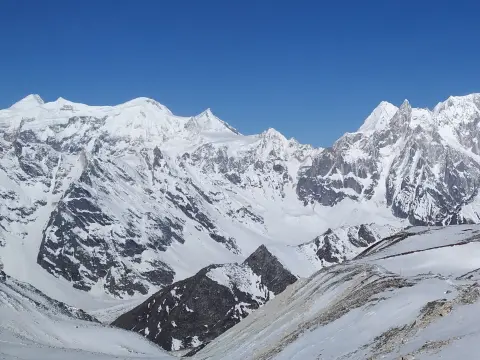
The climbing route passes through breathtaking landscapes, including glacial moraine, rugged ridges, and panoramic views of iconic peaks like Everest, Lhotse, Nuptse, and Ama Dablam. Trekkers spend several days acclimatizing in villages such as Dingboche and Gorak Shep, ensuring a safe ascent. Organized by Glacier Nepal Treks, the expedition is carefully planned to balance trekking, acclimatization, and climbing, allowing climbers to experience both the beauty of the Khumbu region and the thrill of reaching a Himalayan summit.
The ideal climbing seasons for Lobuche Peak are spring (March to May) and autumn (September to November). During these periods, the weather is relatively stable, skies are clear, and temperatures, though cold, are manageable for high-altitude climbing. Spring offers the added bonus of blooming rhododendrons and stunning views of the Himalayan landscape, while autumn provides crisp air and less crowded trails, making the experience more enjoyable.
Winter climbs are extremely challenging due to heavy snow, icy conditions, and bitter temperatures, whereas summer (monsoon) is not recommended because of frequent heavy rains, cloud cover, and high risks of landslides and avalanches. Planning your expedition during the recommended seasons ensures better safety, visibility, and overall enjoyment. Glacier Nepal Treks provides guidance on selecting the best windows for your climb and tailors itineraries to maximize acclimatization and summit success.
Short points:
Lobuche Peak is considered a moderate-to-difficult trekking peak, requiring climbers to have prior trekking experience and a reasonable fitness level. Lobuche West is technically easier, involving steep snow and ice slopes, while Lobuche East requires the use of crampons, ice axes, and rope techniques. The climb demands endurance, careful acclimatization, and familiarity with high-altitude conditions, as altitude sickness is a potential risk above 5,000 meters.
Transportation begins with a flight from Kathmandu to Lukla, followed by a series of treks through Phakding, Namche Bazaar, Tengboche, Dingboche, and Lobuche village. Each trekking day gradually ascends, allowing climbers to acclimatize before the high-altitude push to the summit. Glacier Nepal Treks organizes all transport logistics, including flights, porters, guides, and climbing equipment, ensuring a seamless journey from Kathmandu to the peak.
Short points:
During the trek to Lobuche Peak, climbers stay in a combination of teahouses and high-altitude tents. In villages like Namche Bazaar and Dingboche, teahouses provide hot meals, beds, and basic amenities. At higher altitudes, especially near Lobuche High Camp and the summit approach, Glacier Nepal Treks sets up camping facilities with sleeping tents, dining tents, and kitchen tents to ensure climbers are well-rested and nourished.
The cuisine typically includes a mix of local Nepali dishes like dal bhat (rice and lentils), noodles, soups, and energy-rich foods. For climbers, the Glacier Nepal Treks also provides additional supplements such as protein bars, dried fruits, and warm beverages. Hydration and a high-calorie diet are critical at high altitude to maintain energy for the demanding ascent.
Short points:
Climbing Lobuche Peak requires official permits from the Nepal government, which are strictly managed to ensure safety and regulation. These include the Trekking Peak Permit from the Nepal Mountaineering Association (NMA) and the Sagarmatha National Park Permit, as Lobuche lies within the park boundaries. Permits are mandatory and must be carried at all times during the trek and climb.
Glacier Nepal Treks handles all permit arrangements as part of their expedition package. This ensures climbers don’t have to worry about bureaucracy and can focus on acclimatization, trekking, and summit preparation. The permits also cover environmental regulations, ensuring minimal impact on the fragile Himalayan ecosystem.
Short points:
Choosing Glacier Nepal Treks for Lobuche Peak Climbing ensures a well-organized, safe, and enjoyable expedition. The company provides experienced high-altitude guides, support staff, and proper equipment, crucial for navigating technical snow and ice sections. Their itineraries are thoughtfully designed for proper acclimatization, increasing the chances of a successful summit while minimizing the risk of altitude sickness.
Additionally, Glacier Nepal Treks emphasizes sustainable tourism and cultural experiences, offering opportunities to interact with Sherpa communities and explore iconic Khumbu landmarks. Their personalized service, safety protocols, and deep local knowledge make them a top choice for both first-time climbers and seasoned adventurers seeking the thrill of a Himalayan summit without unnecessary risk or stress.
Short points:
During the peak trekking seasons of Spring (March–May) and Autumn (September–November), Lukla flights are in extremely high demand. With thousands of trekkers and climbers simultaneously heading to the Everest region, the pressure on Kathmandu's Tribhuvan International Airport (TIA) becomes overwhelming.
To ease this congestion, the Civil Aviation Authority of Nepal (CAAN) limits the number of direct Kathmandu–Lukla flights and operates a significant number of departures from Ramechhap (Manthali Airport) instead, a smaller regional airport located approximately 4 –5 hours east of Kathmandu.
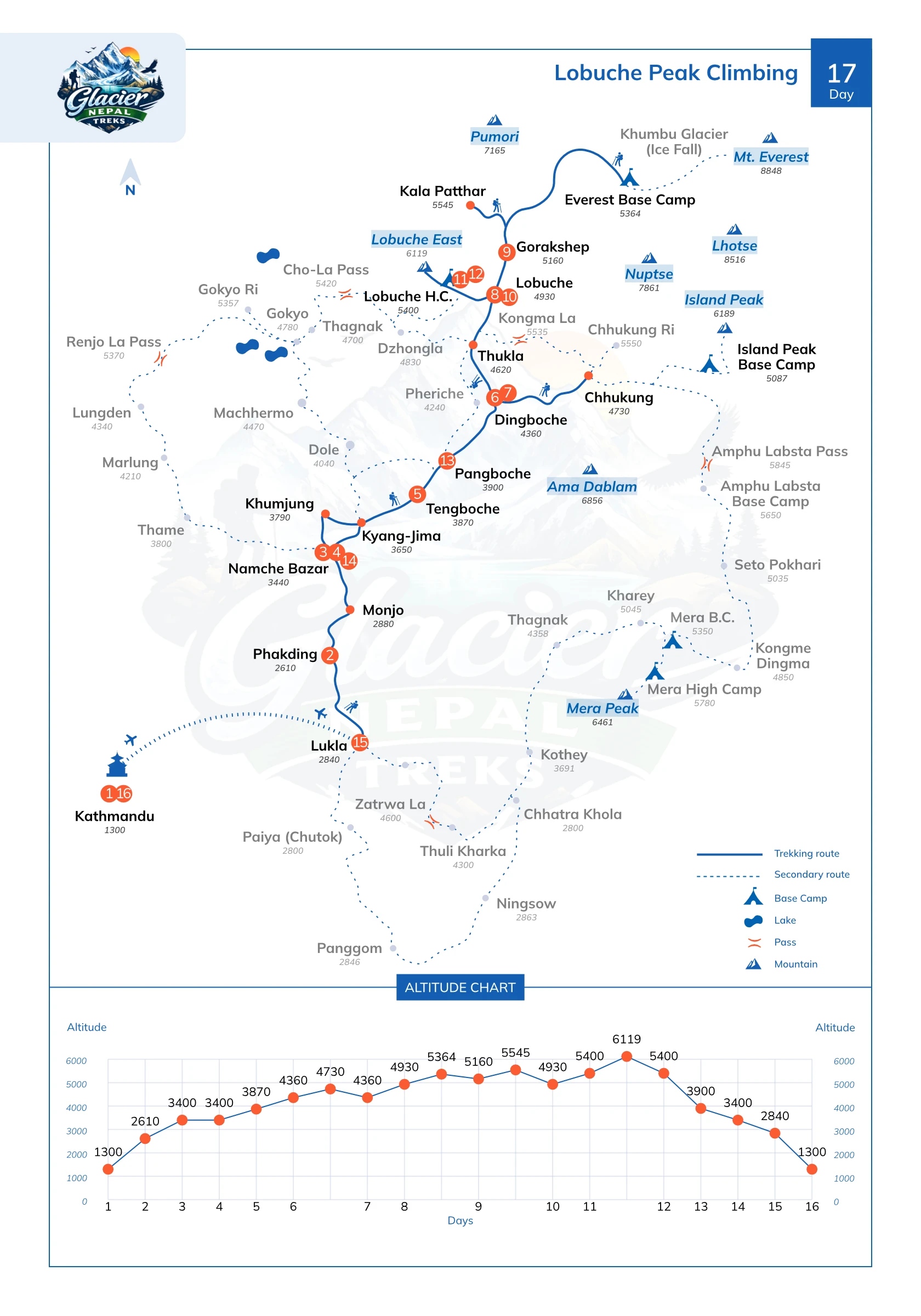
Upon your arrival at Tribhuvan International Airport in Kathmandu, you will be warmly welcomed by a representative from Glacier Nepal Trek and transferred to your comfortable hotel in the city. After settling in, you can relax and enjoy the vibrant atmosphere of Kathmandu, a city rich in culture and history. In the evening, a briefing session will be held to discuss the upcoming trek, including route details, safety instructions, and equipment checks. This day allows you to rest after your flight while immersing yourself in the Himalayan culture.
After an early breakfast, you will take a scenic 35-minute flight from Kathmandu to Lukla, known for its dramatic runway and stunning Himalayan vistas. From Lukla, the trek begins on a well-marked trail along the Dudh Koshi River, passing through small Sherpa villages and Buddhist monasteries. The route is gentle and allows time to adjust to the altitude. Reaching Phakding in the afternoon, you can explore the village, interact with locals, and rest in preparation for the more challenging trails ahead. The night will be spent at a cozy teahouse.
The trek today gradually ascends through pine forests, crossing several suspension bridges over the roaring Dudh Koshi River. You will pass charming villages such as Monjo and Jorsale, before entering the Sagarmatha National Park, a UNESCO World Heritage Site. The path becomes steeper as you approach Namche Bazaar, the bustling Sherpa hub of the region. On arrival, there’s time to explore the vibrant market, visit local shops, and enjoy spectacular views of towering peaks like Thamserku. This day offers a mix of physical challenge and cultural immersion.
Today is a rest and acclimatization day to help your body adjust to higher altitudes. Optional hikes are available, including a trek to the nearby Everest View Hotel, offering breathtaking panoramas of Everest, Lhotse, and Ama Dablam. You can also visit the Sherpa Museum to learn about local culture and mountaineering history. Spending extra time at this elevation helps reduce the risk of altitude sickness and ensures your body is prepared for the strenuous trekking ahead. The day ends with a relaxed evening in Namche Bazaar.
Leaving Namche Bazaar, the trail ascends gradually through rhododendron forests and small villages. You will encounter mani walls, prayer flags, and local monasteries along the way. The highlight of the day is reaching Tengboche, home to the famous Tengboche Monastery, which offers spectacular views of Everest, Ama Dablam, and other surrounding peaks. This is an ideal spot for photography and cultural exploration. The serene atmosphere and stunning vistas make it a memorable stop, and you will spend the night at a teahouse near the monastery.
The trail today descends slightly into the Imja Khola valley before climbing again toward Dingboche. You will pass through beautiful villages such as Pangboche, the highest permanent settlement in the area, where prayer flags flutter and stone mani walls line the paths. The air becomes thinner as you approach Dingboche, and you can see majestic peaks like Island Peak and Ama Dablam more clearly. Upon arrival, the village’s stone houses and cozy teahouses provide a warm resting spot. Evening views of the Himalayas make for a spectacular sunset.
Today focuses on acclimatization with a hike to Chukkung Valley, offering an excellent opportunity to explore surrounding mountains while minimizing altitude sickness risks. The valley is surrounded by towering peaks such as Baruntse and Imja Tse, providing breathtaking panoramic views. You can interact with local herders and observe yak grazing in the high alpine meadows. Returning to Dingboche, you will have the rest of the day to relax and prepare for higher altitude trekking. This gradual approach ensures your body adjusts properly for the demanding climbs ahead.
The trek from Dingboche to Lobuche is challenging but rewarding, gradually ascending through moraine valleys and glacial terrain. Along the way, you will witness dramatic landscapes of rugged peaks, hanging glaciers, and high-altitude deserts. Small teahouses provide brief stops for refreshments, allowing you to enjoy the crisp Himalayan air. Reaching Lobuche, the village’s remote location and breathtaking views of surrounding summits make it a perfect base for exploration and preparation for Lobuche Peak. Evening brings an early rest in anticipation of the next day’s trek.
The trail ascends gently to Gorak Shep, the last settlement before Everest Base Camp. After a short rest, the hike continues to the legendary Everest Base Camp, where climbers from around the world gather at the foot of the world’s tallest peak. Along the route, you will pass glacial moraines and scattered ice formations, capturing unforgettable views of Everest, Nuptse, and Lhotse. Spending time at the Base Camp allows for remarkable photography opportunities and a sense of achievement, followed by a return to Gorak Shep for overnight stay.
Early morning begins with a steep climb to Kala Patthar, the best viewpoint for sunrise over Everest and the surrounding Himalayan peaks. The 360-degree panoramic view offers an unforgettable experience and is a highlight of the trek. After soaking in the scenery, you will descend back through Gorak Shep to Lobuche. The trek today combines challenging climbing with rewarding vistas, giving ample photo opportunities of Khumbu Glacier and towering peaks. Reaching Lobuche, you will spend the night resting and preparing for the upcoming Lobuche Peak climb.
The trail to Lobuche High Camp is a steady ascent from the village, with increasingly rugged terrain as you approach the high camp. This camp serves as the base for the final summit push and provides an early start advantage for the climb. The surrounding landscape is stark and majestic, with views of neighboring peaks and glaciers creating a dramatic backdrop. The day allows time to organize climbing gear and mentally prepare for the summit attempt. The night at high camp is spent in anticipation of the next day’s climb.
Today is the most challenging and rewarding day of the expedition. Beginning early, you will ascend the icy and rocky slopes of Lobuche Peak under the guidance of experienced Glacier Nepal Trek guides. The climb involves steep ice and mixed terrain, requiring careful steps and teamwork. Upon reaching the summit, you will be rewarded with spectacular 360-degree views of Everest, Ama Dablam, and other Himalayan giants. After descending safely, you return to the high camp to rest and celebrate your successful ascent of Lobuche Peak, one of the region’s iconic climbs.
Descending from Lobuche, the trail gradually leads through moraine valleys and alpine meadows toward Pangboche, a traditional Sherpa village famous for its ancient monastery. Along the way, the landscapes open up to reveal stunning mountain panoramas and glacial rivers. Pangboche offers a peaceful environment and the opportunity to explore local culture and architecture. The evening is spent enjoying a comfortable teahouse stay, reflecting on the accomplishment of summiting Lobuche Peak and preparing for the final days of descent through the Khumbu region.
The trek from Pangboche back to Namche Bazaar retraces parts of the ascent route, passing through rhododendron forests, prayer flags, and traditional Sherpa villages. Crossing several suspension bridges along the Dudh Koshi River provides a sense of the Khumbu region’s rugged terrain and beauty. Arriving in Namche Bazaar, you can explore the local market, shop for souvenirs, and enjoy a warm meal in the bustling town. The night in Namche offers comfort and rest after several days at high altitude, preparing for the final trek to Lukla.
The descent to Lukla is long but enjoyable, as the trail passes through forests, rivers, and small villages. Walking downhill is easier on the lungs than ascending, allowing for a steady pace and appreciation of the changing landscapes. Along the route, you will revisit familiar villages and bridges, savoring the final moments in the high mountains. Arriving in Lukla, you can celebrate the successful completion of the trek portion of your adventure with fellow trekkers. Overnight is spent in a comfortable teahouse, ready for the flight to Kathmandu the next day.
A short, scenic morning flight returns you from Lukla to Kathmandu, offering one last aerial view of the majestic Himalayas. Upon arrival, you will be transferred to your hotel to rest and refresh. The rest of the day is free for sightseeing, shopping, or visiting cultural landmarks such as Pashupatinath Temple, Boudhanath Stupa, or Durbar Square. This day provides a relaxing conclusion to your Himalayan adventure and a chance to reflect on the incredible landscapes and experiences of the Lobuche Peak expedition with Glacier Nepal Trek.
After breakfast, you will be transferred to Tribhuvan International Airport for your onward flight. The team from Glacier Nepal Trek will bid you farewell, marking the end of a memorable journey filled with challenging treks, breathtaking peaks, and cultural experiences. You depart Kathmandu with unforgettable memories of the Khumbu region, the thrill of summiting Lobuche Peak, and the warmth of Sherpa hospitality, carrying stories and photographs to cherish for a lifetime.
Explore on an unforgettable adventure with Glacier Nepal Treks, trekking through the heart of the Khumbu region and summiting Lobuche Peak (6,119 m). This expedition combines stunning Himalayan vistas, cultural encounters, and high-altitude mountaineering, requiring proper preparation for safety, logistics, and comfort.
With Glacier Nepal Treks, you’ll have expert guides, proper acclimatization schedules, and a well-organized support system to make the Lobuche Peak climb safe, enjoyable, and unforgettable.
Your Start Date is the day you land in Nepal, and your End Date is when you fly home.
If the set Lobuche Peak Climbing group dates don’t suit your schedule, we can offer alternative dates upon request.
Proper layering is important to stay warm and comfortable in changing mountain weather.
Good footwear makes trekking easier and safer.
The right gear keeps you safe, comfortable, and prepared.
Lightweight but important items keep you clean, healthy, and comfortable.
Keep important items safe and easy to reach.
Climbing Lobuche Peak (6,119m) with Glacier Nepal Treks was without question the most extraordinary, challenging, and deeply rewarding experience of my entire life a lifetime achievement that I will carry in my heart forever. Standing on the summit surrounded by the overwhelming magnificence of Everest, Lhotse, Nuptse, Makalu, and Cho Oyu stretching endlessly across the horizon was a moment of such pure and overwhelming emotion that words simply cannot do it justice. Our climbing guide Nima was absolutely exceptional throughout technically expert, calm under pressure, genuinely caring, and deeply passionate about the mountains. A heartfelt and sincere thank you to Rabin and the entire Glacier Nepal Treks team for organizing this extraordinary adventure so flawlessly and professionally from start to finish
Lobuche Peak is considered a “trekking peak” in Nepal, which means that while technical climbing skills are required, it is suitable for trekkers with good physical fitness and some prior trekking experience. Glacier Nepal Trek provides professional guides, climbing equipment, and training to ensure climbers are well-prepared for ice and snow conditions. Previous experience with Himalayan treks is helpful, but the main requirement is stamina, mental preparation, and willingness to learn basic climbing techniques such as using crampons, ice axes, and ropes under expert supervision.
Climbing Lobuche Peak is physically demanding due to the high altitude and steep slopes. Trekkers ascend to over 6,000 meters, where oxygen levels are significantly lower, making even simple tasks more strenuous. Glacier Nepal Trek structures the itinerary with gradual acclimatization days in Namche Bazaar, Dingboche, and Lobuche to minimize the risk of altitude sickness. Daily treks can range from 4 to 7 hours, with the summit day being the most challenging. Proper fitness training, cardiovascular endurance, and prior trekking experience greatly improve the chances of a successful and safe ascent.
The success rate for Lobuche Peak varies depending on weather, individual fitness, and acclimatization. With proper preparation, guidance from Glacier Nepal Trek, and adherence to the acclimatization schedule, most climbers achieve the summit. However, high-altitude challenges, sudden weather changes, and physical conditions may sometimes prevent summiting. The company emphasizes safety over summiting, and all climbers are supported with backup plans and professional guides. Completing the trek to high camps, experiencing the stunning Khumbu region, and reaching viewpoints like Kala Patthar are achievements in themselves, even if summiting is not possible.
Physical preparation is essential for a successful Lobuche Peak expedition. Glacier Nepal Trek recommends a combination of cardiovascular exercises, strength training, and endurance activities before the trek. Hiking with a loaded backpack, running, swimming, or cycling helps build stamina. Core and leg strength exercises, such as squats and lunges, improve stability on rocky and icy terrain. Practicing on hills or stair climbing simulates trekking conditions. Mental preparation is equally important, as climbers face long, challenging days at high altitudes. Starting training at least 2–3 months in advance significantly enhances performance and reduces fatigue.
Altitude sickness can affect anyone above 3,000 meters, and symptoms range from headaches and nausea to dizziness. Glacier Nepal Trek minimizes risks by following a well-planned acclimatization schedule with rest days at Namche Bazaar, Dingboche, and Lobuche. Guides are trained to recognize early signs of altitude sickness and can adjust the pace, suggest rest, or descend if necessary. Hydration, balanced meals, and avoiding overexertion are emphasized. In severe cases, oxygen and medical evacuation options are available. Following the company’s guidelines significantly reduces the chances of serious altitude-related complications.
Yes, beginners with good fitness levels and a willingness to learn basic climbing techniques can attempt Lobuche Peak with Glacier Nepal Trek. While the climb involves technical sections with ice and rocks, the guides provide hands-on training and step-by-step support. Beginners are not expected to have prior mountaineering experience but must be physically prepared and mentally focused. The progressive acclimatization and structured itinerary allow novices to safely experience high-altitude climbing and enjoy the breathtaking Himalayan scenery while gaining valuable mountaineering skills under expert supervision.
The ideal time to climb Lobuche Peak is during the pre-monsoon (spring) season from March to May and the post-monsoon (autumn) season from late September to November. During these periods, the weather is generally stable, the skies are clear, and the mountain views are at their best. Glacier Nepal Trek carefully plans expeditions in these seasons to minimize risks from heavy snowfall or rain. Spring also offers blooming rhododendron forests along the trek, while autumn provides crisp air and excellent visibility of Everest and surrounding peaks.
Weather in the Lobuche region is highly variable, with cold temperatures and strong winds at high altitudes. During spring and autumn, days are generally clear, but nights can be freezing, often dropping well below -15°C at high camps. Snow and ice conditions may change daily, requiring climbers to be prepared for icy slopes and occasional snowstorms. Glacier Nepal Trek monitors weather reports and adjusts climbing schedules to ensure safety. Layered clothing, proper gear, and flexibility in planning are essential to manage the harsh yet breathtaking high-altitude Himalayan environment.
Climbing Lobuche Peak requires a combination of trekking and technical mountaineering equipment. Essential gear includes insulated clothing, trekking boots, crampons, harness, helmet, ice axe, gloves, and a down jacket. Glacier Nepal Trek provides guidance on all required gear and offers rental options for technical climbing equipment. Additionally, personal items such as sunglasses, sunscreen, and trekking poles are recommended. Proper gear ensures safety, warmth, and comfort at high altitudes, particularly during the summit push, where temperatures can drop drastically and the terrain becomes icy and steep.
Yes, safety is a top priority for Glacier Nepal Trek. The company employs experienced climbing guides familiar with Lobuche Peak’s terrain, weather patterns, and high-altitude risks. All climbers are briefed on safety protocols, and guides carry essential rescue equipment, first aid kits, and communication devices. The itinerary includes acclimatization days to reduce the risk of altitude sickness, and decisions to continue or retreat are made based on climbers’ health and weather conditions. While climbing always carries inherent risks, Glacier Nepal Trek ensures maximum preparation, support, and safety measures.
During the trek to Lobuche Peak, accommodations are primarily in teahouses or lodges, offering basic facilities such as beds, blankets, and shared bathrooms. Meals include traditional Nepali food like dal bhat, noodles, rice, and soups, with occasional Western options. Glacier Nepal Trek ensures clean and hygienic arrangements for both food and lodging. At high-altitude camps, the menu may be simpler due to limited supplies, but nutrition is carefully maintained to provide enough energy for climbing. Warm drinks like tea and soup are served to help combat the cold and support recovery after long trekking days.
Yes, climbing Lobuche Peak requires a permit issued by the Nepal Mountaineering Association (NMA). Glacier Nepal Trek arranges all necessary permits, including the climbing permit and Sagarmatha National Park entry fees. The permits are essential for legal climbing, conservation, and safety monitoring. Attempting the climb without a permit is illegal and strictly prohibited. The company also provides official guides as required by NMA regulations to accompany climbers during the expedition, ensuring both compliance with Nepalese laws and maximum safety during the ascent.
| No of people | Price per person |
|---|---|
| 1 - 1 | $2,850 |
| 2 - 4 | $2,600 |
| 5 - 8 | $2,550 |
| 9 - 15 | $2,450 |
| No of people | Price per person |
|---|---|
| 1 - 1 | $2,500 |
| 2 - 4 | $2,350 |
| 5 - 8 | $2,320 |
| 9 - 15 | $2,299 |
| No of people | Price per person |
|---|---|
| 1 - 1 | $2,550 |
| 2 - 4 | $2,400 |
| 5 - 8 | $2,350 |
| 9 - 16 | $2,300 |


 (31)
(31)  94% recommend (244)
 (12)
(12)