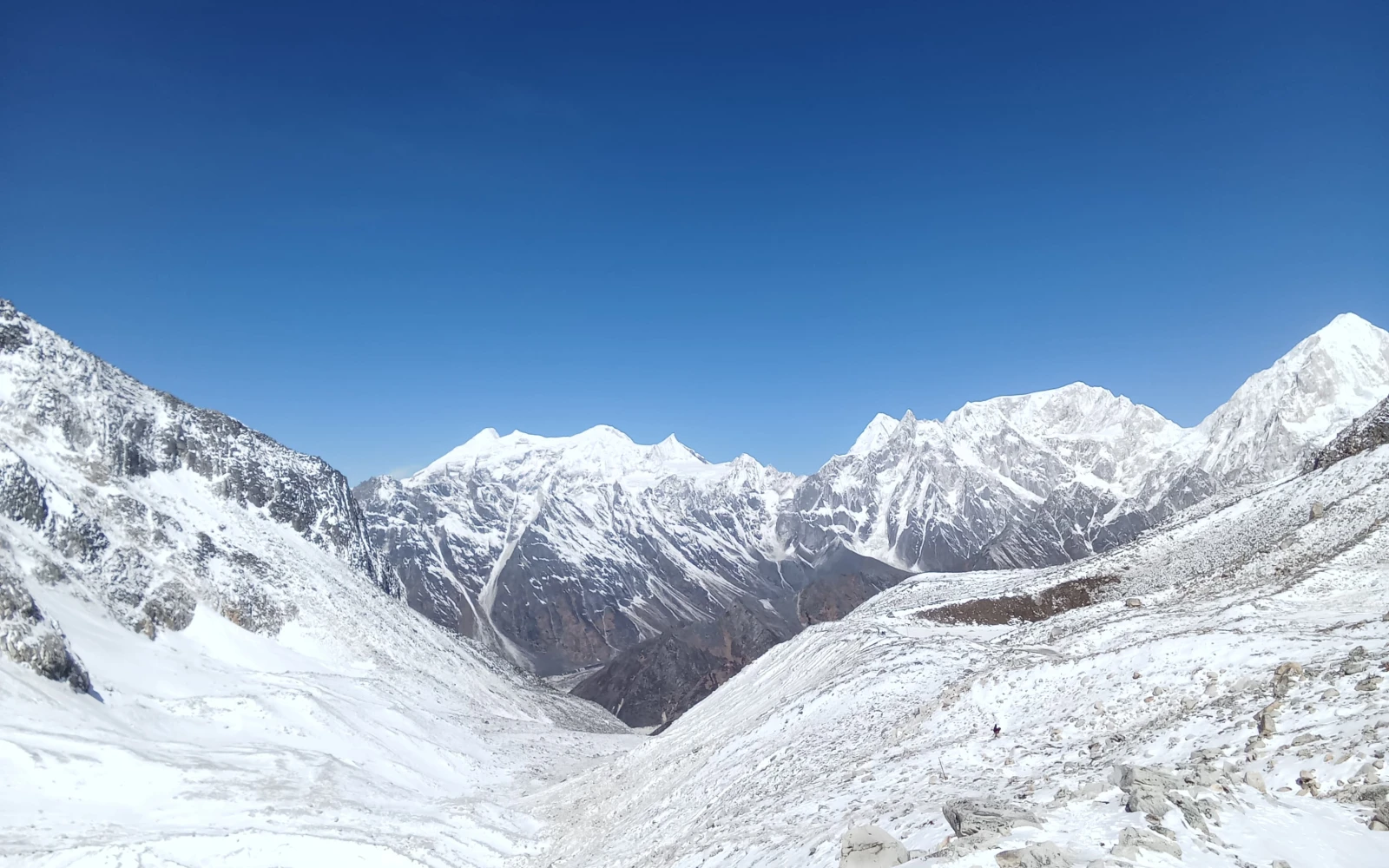
Glacier Nepal Trek offers exciting trekking adventures beyond the popular Everest and Annapurna regions, exploring the hidden and less-traveled trails of Nepal. Our Other Region Treks take you to remote destinations like Upper Mustang, Dolpo, Kanchenjunga, Makalu, and Rara Lake, where untouched landscapes, unique cultures, and breathtaking Himalayan scenery await.
These treks are perfect for travelers seeking authentic experiences, peaceful trails, and deep cultural immersion. With experienced guides, personalized service, and a strong focus on safety, Glacier Nepal Trek ensures a memorable journey into the unexplored beauty of Nepal.
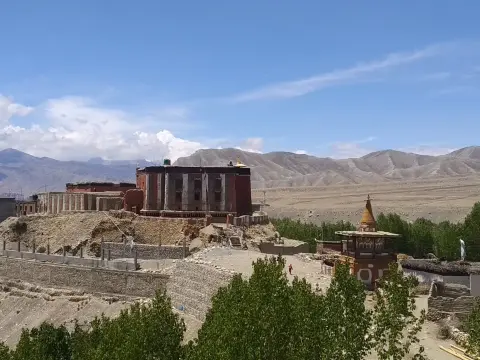
The Upper Mustang Trek, often referred to as the “Hidden Kingdom of Mustang,” is one of Nepal’s most captivating and culturally rich trekking experiences. Located in the remote northern region of Nepal, this trek takes you through the ancient walled city of Lo Manthang, remote desert landscapes, and traditional Tibetan Buddhist villages. Unlike other trekking routes in Nepal, Upper Mustang has remained largely untouched due to restricted access, preserving its unique culture, traditions, and natural beauty.The trek begins either from Jomsom or Pokhara, following the Kali Gandaki River valley before ascending to the arid plateau of Mustang. Trekkers experience a surreal blend of towering cliffs, deep gorges, and red sandstone canyons. Lo Manthang, the capital of Upper Mustang, is a living museum, showcasing monasteries, ancient palaces, and caves used by monks and hermits for centuries.Exploring the ancient walled city of Lo ManthangVisiting Chhoser caves, some dating back over 2,000 yearsStunning desert landscapes with unique rock formationsExperiencing traditional Tibetan-influenced villages such as Charang, Ghami, and DhakmarMagnificent views of the Annapurna and Dhaulagiri rangesThe trek offers not only natural beauty but also deep cultural immersion, giving visitors insight into Tibetan Buddhism, local customs, and traditional lifestyles preserved for centuries.Best Season for Upper Mustang TrekChoosing the right season is crucial to enjoying the Upper Mustang trek to its fullest. The region has a rain-shadow effect, making it significantly drier than other trekking areas in Nepal. This dry, arid climate means that trekking is possible year-round, but certain seasons offer optimal conditions.Spring (March to May): Spring is one of the most popular trekking seasons. The weather is pleasant, daytime temperatures range between 15–20°C at lower elevations, and the mustard flowers bloom, adding vibrant colors to the otherwise arid landscape.Autumn (September to November): Autumn is considered the best time for visibility and trekking comfort. Clear skies allow for panoramic mountain views, and the temperatures are moderate, making it ideal for photography and exploring monasteries.Winter (December to February): Winters are cold, and nights can drop below freezing, especially above 3,500 meters. Trekking is possible but requires extra warm clothing.Summer (June to August): This season coincides with the monsoon in Nepal, but Upper Mustang is less affected than other regions. The trails remain mostly dry, but occasional rain and dusty conditions can make trekking slightly challenging.Regardless of the season, trekkers should prepare for significant temperature variations, from hot sun during the day to chilly nights at higher altitudes. Clear skies, minimal rainfall, and the remote desert landscapes make Spring and Autumn the most recommended seasons.Upper Mustang Trek Difficulty and TransportationThe Upper Mustang Trek is moderate in difficulty, suitable for trekkers with some prior experience, though even beginners with good fitness can manage it. The trek involves gradual altitude gain, desert trails, and occasional steep ascents, especially around Lo Manthang and Dhakmar. Unlike high Himalayan treks, acclimatization is easier but still necessary due to elevations exceeding 3,500 meters.Trekking Difficulty:Daily trekking hours range from 4 to 7 hoursElevation ranges from 830m in Pokhara to 3,860m in GhilingWell-marked trails, but some areas are rocky and dustyTransportation:Arrival in Kathmandu (1400m) by international flightDrive or fly to Pokhara (830m), depending on the scheduleShort 15-minute flight from Pokhara to Jomsom is a convenient starting pointReturn flights from Jomsom to Pokhara and drive back to KathmanduLocal jeeps, private vehicles, and domestic flights make accessing Mustang relatively straightforward. However, trekkers should plan flights and road travel carefully, as weather conditions can affect schedules.Food and Accommodation for Upper Mustang TrekWhile Upper Mustang is remote, the trek offers comfortable teahouses and lodges with basic amenities along the route. Accommodation ranges from simple mountain lodges with shared bathrooms to slightly more modern teahouses in Lo Manthang.Food Options:Tibetan and Nepali cuisine dominate, including momos, dal bhat, and noodlesSnacks such as biscuits, chocolate, and instant noodles are availableBoiled water or bottled water is recommended to avoid dehydrationAccommodation:Teahouses provide beds, blankets, and basic hygiene facilitiesHot showers are limited, more commonly available in Lo ManthangStaying in local lodges gives trekkers a chance to interact with villagers and learn about their cultureCarrying light trekking gear, warm clothing, and personal snacks is advisable, especially for longer stretches between villages. Meals are usually prepared fresh, so vegetarian options are readily available.Upper Mustang Trek PermitsUpper Mustang is a restricted area, and special permits are required for trekking. Glacier Nepal Treks assists trekkers with all necessary paperwork to ensure a hassle-free journey.Permit Details:Upper Mustang Restricted Area Permit, Mandatory for all foreign trekkersTIMS Card (Trekkers Information Management System): Required for all trekking in NepalRestricted permits are usually issued through a registered trekking company like Glacier Nepal TreksPermit fees are higher than standard trekking regions due to government regulations to preserve culture and the environmentIt is important to apply for permits well in advance, as the government limits the number of trekkers to protect Mustang’s fragile ecosystem. Glacier Nepal Treks handles permit acquisition efficiently, ensuring compliance with all regulations.Why Choose Upper Mustang TrekThe Upper Mustang Trek is a rare combination of adventure, cultural immersion, and natural beauty, making it a unique experience in Nepal. Unlike popular trekking destinations, Mustang offers untouched landscapes, ancient traditions, and a sense of solitude that few regions can match.Reasons to Choose Upper Mustang Trek:Explore Lo Manthang, the ancient walled city, and centuries-old monasteriesWitness stunning desert landscapes and unique rock formationsExperience Tibetan Buddhist culture firsthand in remote villagesSafe and well-organized trekking with Glacier Nepal Treks, including permits, accommodations, and experienced guidesModerate trekking difficulty suitable for fit beginners and seasoned trekkersExceptional photography opportunities with panoramic mountain views and colorful villagesGlacier Nepal Treks ensures a safe, memorable, and culturally enriching journey, combining adventure with comfort. From meticulous planning of permits to expert guidance along the remote trails, choosing this company guarantees a hassle-free and authentic Upper Mustang trekking experience.
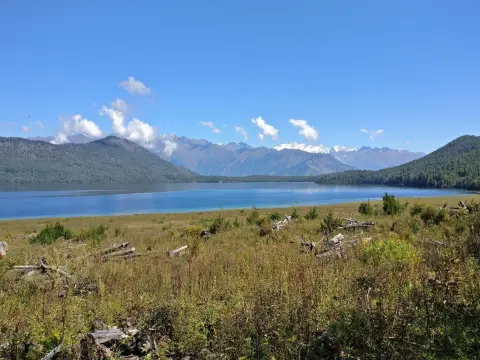
The Rara Lake Trek, organized by Glacier Nepal Treks, is one of Nepal’s most pristine and less-explored trekking adventures. Nestled in the remote northwestern region of Nepal, this trek takes you through the Karnali Province, showcasing rugged landscapes, traditional villages, and diverse flora and fauna. The highlight of the trek is Rara Lake, the largest lake in Nepal, perched at an altitude of 3,010 meters (9,876 ft). Surrounded by the majestic Rara National Park, the lake offers stunning turquoise waters reflecting snow-capped peaks, alpine meadows, and dense forests.The trek usually starts with a flight from Kathmandu to Nepalgunj and then a connecting flight to Jumla, from where the trail begins. Along the journey, trekkers explore charming villages like Chere Chaur, Chalachaur, Sinja Valley, and Ghorosingha, each offering cultural insights and interactions with local communities. The trail passes through a mixture of landscapes, including terraced farmlands, pine and rhododendron forests, and high-altitude meadows. Glacier Nepal Treks ensures every trekker experiences the serenity and untouched beauty of this remote region, far from the crowds of popular trekking areas like Everest or Annapurna.Explore Rara Lake, the “Pearl of Nepal.”Trek through remote villages and historic Sinja Valley.Experience rich biodiversity in Rara National Park.Witness spectacular Himalayan views.Best Season for Rara Lake TrekThe ideal seasons for the Rara Lake Trek are spring (March to May) and autumn (September to November). During spring, the trails are adorned with blooming rhododendrons and wildflowers, creating colorful landscapes. Temperatures are moderate, ranging from 10°C to 20°C during the day, making trekking comfortable. Autumn, on the other hand, offers clear skies and breathtaking panoramic views of the snow-capped Himalayas, ideal for photography and sightseeing.Winter (December to February) can be extremely cold with heavy snowfall, particularly around high-altitude areas like Chere Chaur and Ghorosingha, making trekking more challenging. Monsoon season (June to August) is less recommended due to landslides, slippery trails, and leeches, although the region receives comparatively lighter rainfall than eastern Nepal. Glacier Nepal Treks schedules treks carefully to match these seasons, ensuring safety and the best possible trekking experience.Seasonal advantages:Spring: Blooming rhododendrons, moderate temperatures.Autumn: Clear skies, excellent mountain views.Winter: Solitude, snow-covered landscapes (for experienced trekkers).Monsoon: Not recommended due to rain and slippery trails.Rara Lake Trek Difficulty and TransportationThe Rara Lake Trek is considered a moderate-level trek, suitable for trekkers with a basic level of fitness and prior trekking experience in the Himalayas. Daily trekking hours range from 4 to 6 hours, with altitudes ranging from 2,440 meters (8,006 ft) to 3,055 meters (10,023 ft). While there are no technical climbing sections, some trails can be steep and rocky, especially near Ghorosingha and Rara Lake, requiring careful navigation.Transportation logistics are efficiently managed by Glacier Nepal Treks. The journey begins with a domestic flight from Kathmandu to Nepalgunj, followed by a connecting flight to Jumla, a gateway to the remote Karnali region. From Jumla, all trekking is done on foot, passing through villages and forests. Glacier Nepal Treks provides porters and guides to carry luggage and offer local expertise, ensuring safety and comfort throughout the trek.Key points:Moderate difficulty, 4–6 hours trekking per day.Maximum altitude: 3,055 m (10,023 ft).Domestic flights to Jumla via Nepalgunj.Guided trek with porters for support.Food and Accommodation for Rara Lake TrekAlong the Rara Lake Trek, food and accommodation are basic but comfortable. Most villages offer tea houses and lodges, serving local Nepali meals such as dal bhat (rice and lentil soup), momo (dumplings), and noodles. Hot beverages like tea and coffee are widely available to keep trekkers warm at high altitudes. Glacier Nepal Treks ensures trekkers have access to nutritious meals, considering dietary preferences and energy requirements.Accommodation typically includes shared rooms with basic beds, blankets, and attached or common bathrooms. While facilities are rustic compared to urban hotels, they provide warmth, safety, and an authentic local experience. In more remote areas like Ghorosingha or Pina, accommodations may be simpler, emphasizing the adventure aspect of the trek.Food and lodging highlights:Traditional Nepali cuisine: dal bhat, momo, noodles.Tea house and lodge accommodations.Simple, clean, and cozy rooms.Support for vegetarian and special diets.Rara Lake Trek PermitsTo trek in the Rara Lake region, two main permits are required:TIMS (Trekkers’ Information Management System) Card Mandatory for all trekkers in Nepal to ensure safety and tracking.Rara National Park Entry Permit Required to enter and explore the protected area surrounding Rara Lake.Glacier Nepal Treks assists trekkers with all necessary permits, including their application and payment process, so trekkers can focus on enjoying the adventure. The permits not only ensure legal trekking but also help in the conservation and management of Rara National Park, preserving its pristine natural beauty and wildlife.Permit essentials:TIMS Card: identification and safety tracking.Rara National Park Entry Permit: environmental conservation.Handled efficiently by Glacier Nepal Treks.Why Choose Rara Lake Trek with Glacier Nepal TreksChoosing Glacier Nepal Treks for your Rara Lake adventure ensures a safe, organized, and memorable trekking experience. With years of experience guiding treks in remote regions of Nepal, their team provides expert guides, quality porters, and customized itineraries. They focus on safety, comfort, and cultural immersion, helping trekkers navigate the less-traveled trails with ease.The trek offers a blend of natural beauty, cultural exploration, and adventure, allowing travelers to witness untouched Himalayan landscapes, interact with local communities, and experience authentic rural life in the Karnali region. Glacier Nepal Treks’s meticulous planning ensures that every detail, from flights and accommodation to meals and permits, is taken care of, leaving trekkers free to enjoy the journey.Reasons to choose Glacier Nepal Treks:Expert guides and experienced support staff.Well-planned itinerary with flights, trekking, and accommodation.Focus on safety, culture, and environment.Access to remote, off-the-beaten-path areas.Personalized support for dietary needs and trekking preferences.
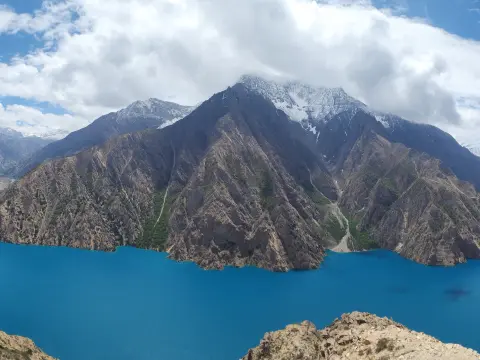
The Lower Dolpo Trek is one of Nepal’s most remote and culturally rich trekking experiences. Located in the far western region of Nepal, this trek takes adventurers through pristine landscapes, ancient Tibetan Buddhist villages, high mountain passes, and the stunning turquoise waters of Phoksundo Lake. The trail winds through dense pine forests, river valleys, and arid highlands that are home to rare wildlife like the snow leopard, blue sheep, and Himalayan marmot. Unlike more crowded trekking routes like Annapurna or Everest, Lower Dolpo offers solitude, authentic cultural encounters, and untouched natural beauty.Trekking with Glacier Nepal Treks. ensures a well-organized adventure, with expert guides who are familiar with the region’s challenging terrain and local culture. The journey begins in Kathmandu, Nepal’s bustling capital, and progresses through flights and scenic treks to remote villages such as Dunai, Chhepka, and Shyanta. The highlight of the trek is Phoksundo Lake, renowned for its stunning turquoise color, high-altitude setting at 3,611 meters (11,847 ft), and the surrounding Shey Phoksundo National Park. This trek offers not only physical challenge but also spiritual immersion, as trekkers encounter ancient gompas, mani walls, and Tibetan-style settlements along the way.Remote, off-the-beaten-path trekking route in western NepalStunning high-altitude landscapes and diverse wildlifeCultural encounters with Tibetan Buddhist communitiesHighlights: Phoksundo Lake and Shey Phoksundo National ParkBest Season for Lower Dolpo TrekThe ideal seasons for trekking in Lower Dolpo are autumn (September to November) and spring (March to May). During these months, the weather is stable, the skies are clear, and the temperature is moderate, making it perfect for long trekking days. Autumn is particularly favored for its vibrant rhododendron blooms and the post-monsoon clarity, which offers spectacular views of the surrounding Himalayan peaks. Spring is excellent for those who want to witness blooming flowers and milder temperatures in the lower valleys.Winter (December to February) is extremely cold, with heavy snowfall at higher altitudes, making trekking risky. Summer (June to August) coincides with the monsoon season, which can lead to landslides, slippery trails, and disrupted flights, so it is generally not recommended. Planning your trek during the recommended seasons with Glacier Nepal Treks ensures maximum safety, comfort, and the opportunity to fully enjoy the breathtaking landscapes of Lower Dolpo.Key Points:Best seasons: Autumn (Sept–Nov) and Spring (Mar–May)Avoid: Winter (extreme cold) and Summer (monsoon rains)Clear skies and stable weather ideal for photography and trekkingLower Dolpo Trek Difficulty and TransportationThe Lower Dolpo Trek is considered moderate to challenging due to its remote location, long trekking days, and high altitudes. Trekkers need a reasonable level of fitness, experience with multi-day hikes, and the ability to acclimatize to altitudes up to 3,600 meters (11,847 ft). While the trails are less crowded, they can be rugged and involve river crossings, steep ascents, and descents. The trek is perfect for adventure seekers looking for an off-the-beaten-path experience without the commercialized crowds of other popular trails.Transportation to Lower Dolpo involves multiple flights and transfers. The journey starts with a flight from Kathmandu to Nepalgunj, followed by a domestic flight to Jhupal, a small airstrip in Dolpo. From Jhupal, the trekking portion begins, passing through villages such as Dunai, Chhepka, and Shyanta, eventually reaching Phoksundo Lake. Glacier Nepal Treks handles all logistics, including flights, local transfers, and trekking arrangements, ensuring a seamless travel experience despite the remoteness of the region.Key Points:Difficulty: Moderate to challengingHigh-altitude trekking up to 3,611 meters (11,847 ft)Transportation: Kathmandu → Nepalgunj → Jhupal → Trekking trailRemote trails require fitness and adaptabilityFood and Accommodation for Lower Dolpo TrekFood and accommodation on the Lower Dolpo Trek are simple but comfortable, offering a mix of local and traditional meals. In villages like Dunai, Chhepka, and Shyanta, teahouses serve home-cooked Nepali dishes such as dal bhat (lentil soup with rice), momo (dumplings), and noodles. Some lodges also provide limited Western options like pasta and soups. Staying in these villages allows trekkers to experience local culture, hospitality, and a close connection with the community.Accommodations are basic, usually consisting of shared rooms with mats or simple beds and shared bathrooms. Hot showers are rare at higher altitudes, so trekkers should be prepared for rustic living conditions. Glacier Nepal Treks ensures that trekkers have reliable lodging, arrangements for safe drinking water, and nutritious meals to maintain energy during long trekking days. The rest day at Phoksundo Lake is perfect for rejuvenating, enjoying scenic views, and experiencing the serene surroundings of the Shey Phoksundo National Park.Key Points:Village teahouses with Nepali and simple Western foodBasic rooms with shared facilities; limited hot waterTrekking meals: dal bhat, momo, noodles, soupsFocus on comfort, nutrition, and local experienceLower Dolpo Trek PermitsTrekking in Lower Dolpo requires special permits due to its remote location and inclusion in a national park. Trekkers need the following permits:TIMS Card (Trekker Information Management System)Shey Phoksundo National Park Permit – Mandatory for entry into the park and to visit Phoksundo Lake.Dolpo Restricted Area Permit – Required for all foreign nationals trekking in Lower Dolpo.Obtaining these permits independently can be challenging due to the regulations and paperwork. Glacier Nepal Treks takes care of all permit arrangements, ensuring compliance with government regulations. This allows trekkers to focus entirely on their journey without worrying about legal or administrative obstacles.Key Points:Shey Phoksundo National Park PermitDolpo Restricted Area PermitGlacier Nepal Treks handles all paperworkWhy Choose Lower Dolpo TrekThe Lower Dolpo Trek is ideal for those seeking a unique, adventurous, and culturally immersive trekking experience. Its remoteness ensures tranquility and minimal tourist interference, giving trekkers a sense of true exploration. Highlights like Phoksundo Lake, ancient gompas, Tibetan-style villages, and panoramic Himalayan views make this trek unforgettable.Choosing Glacier Nepal Treks enhances the experience with professional guides, logistical support, and local expertise. Their team ensures safety, cultural insight, and smooth coordination for flights, permits, accommodation, and meals. Lower Dolpo Trek is not just a physical journey but also a spiritual and cultural adventure that leaves a lasting impression on every traveler.Key Points:Off-the-beaten-path trekking with minimal crowdsSpectacular natural and cultural attractionsGuided by experienced local professionalsAdventure, culture, and spiritual exploration combined
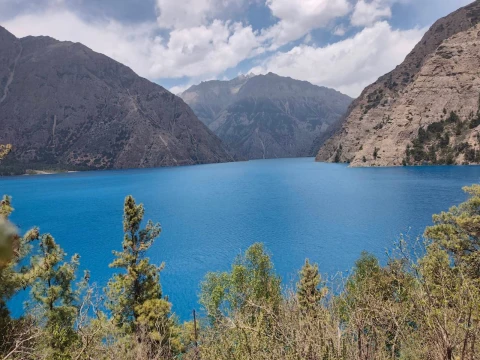
The Upper Dolpo Trek is one of Nepal’s most remote and pristine trekking experiences. Located in the far western region of Nepal, Upper Dolpo offers trekkers breathtaking landscapes, high-altitude passes, hidden Buddhist monasteries, and an authentic glimpse into traditional Tibetan culture. This trek takes you through isolated villages, turquoise glacial lakes like Phoksundo Lake, and rugged terrains rarely touched by modern tourism. It is a unique opportunity to witness untouched natural beauty, towering Himalayan peaks, and ancient Tibetan-style architecture.The trek typically begins with a flight from Kathmandu to Nepalgunj, followed by a domestic flight to the entry point of Dolpo at Jhupal. From there, trekkers gradually ascend through lush forests, high mountain passes, and arid highlands. Villages like Saldang, Tinje, and Dho Tarap showcase the lifestyle of the Dolpo people, including their distinct language, clothing, and religious practices. The Upper Dolpo Trek is not just a physical journey but also a spiritual and cultural exploration, making it ideal for travelers seeking adventure off the beaten path.Stunning views of Himalayan peaks above 5,000m.Visit to Shey Gompa, one of the highest monasteries in the world.Exploring the turquoise Phoksundo Lake and Shey Phoksundo National Park.Experiencing traditional Tibetan-Buddhist villages and culture.Best Season for Upper Dolpo TrekThe best seasons for trekking in Upper Dolpo are spring (March to May) and autumn (September to November). During spring, the valleys bloom with alpine flowers, and the weather remains relatively mild, making high-altitude trekking comfortable. Autumn, on the other hand, provides crystal-clear skies, allowing trekkers spectacular views of the Himalayan range, including peaks like Kanjiroba and Dhaulagiri.Winter months (December to February) are extremely cold with heavy snowfall at higher passes like Nangda La and Shey La, making trekking dangerous. Similarly, the monsoon season (June to August) brings heavy rains, leeches, and slippery trails, which can make remote areas inaccessible. Therefore, Glacier Nepal Treks recommends planning the trek during spring or autumn to fully enjoy the natural beauty, cultural experiences, and safe trekking conditions.Season Highlights:Spring: Blooming rhododendrons and moderate temperatures.Autumn: Clear skies and panoramic Himalayan views.Avoid the monsoon and peak winter for safety reasons.Upper Dolpo Trek Difficulty and TransportationThe Upper Dolpo Trek is considered moderate to challenging due to its high altitudes, long trekking days, and remote location. Trekkers should be prepared for altitudes exceeding 5,000 meters, rugged trails, and limited access to medical facilities. Proper physical preparation and acclimatization are essential to avoid altitude sickness, especially on passes like Nangda La (5,350m) and Shey La (5,100m).Transportation begins with flights from Kathmandu to Nepalgunj, followed by a small aircraft to Jhupal or Dunai. These flights are scenic but can be affected by weather, so flexibility is crucial. After reaching Dolpo, trekking is the primary mode of travel, with a mix of gradual ascents, steep climbs, and river crossings. Glacier Nepal Treks ensures all logistics, including local guides and porters, to help travelers navigate the challenging terrain safely.Key Points:Altitudes range from 150m (Nepalgunj) to over 5,350m (Nangda La).Trekking duration: 23–25 days.Transportation: Domestic flights + trekking.Moderate to high physical fitness required.Food and Accommodation for Upper Dolpo TrekAccommodation on the Upper Dolpo Trek is a combination of basic tea houses, lodges, and camping in some remote areas. Facilities are simple and may lack modern amenities such as hot showers or Wi-Fi. Staying in local tea houses offers a chance to experience traditional hospitality and local cuisine, but trekkers should be prepared for basic bedding and limited heating, especially at high altitudes.Meals typically consist of Dal Bhat (lentil rice), noodles, soups, and Tibetan bread. Snacks like chocolate, biscuits, and instant noodles are also available in certain villages. Glacier Nepal Treks ensures trekkers have access to safe drinking water and high-energy meals necessary for long trekking days. Carrying a reusable water bottle and purification tablets is recommended.Food & Accommodation Tips:Simple tea houses or lodges with basic facilities.Traditional Dal Bhat meals and Tibetan cuisine.Warm clothing and sleeping bags are recommended for higher altitudes.Upper Dolpo Trek PermitsTrekking in Upper Dolpo requires special permits, as it lies within a restricted area near the Tibetan border. Permits include:Dolpo Restricted Area Permit – required for all foreign trekkers.Trekkers’ Information Management System (TIMS) Card – for identification and safety.National Park Permit – necessary for visiting Shey Phoksundo National Park.Glacier Nepal Treks assists in obtaining all required permits, ensuring compliance with government regulations and avoiding last-minute issues. The restricted area permits are often processed through authorized trekking agencies only, making it difficult for independent trekkers to organize without local guidance.Permit Highlights:Dolpo Restricted Area Permit mandatory.TIMS card is required for all trekkers.National Park Permit for Shey Phoksundo National Park.Why Choose Upper Dolpo TrekUpper Dolpo Trek is perfect for travelers seeking adventure, culture, and isolation. Unlike popular trekking regions like Annapurna or Everest, Dolpo offers serenity, untouched nature, and authentic cultural experiences. You will witness traditional Tibetan Buddhist villages, ancient monasteries, and the breathtaking turquoise waters of Phoksundo Lake.Choosing Glacier Nepal Treks guarantees a professionally organized, safe, and enjoyable experience. Their expert guides, experienced porters, and local knowledge make the challenging trek manageable and memorable. With proper acclimatization, logistics support, and cultural insights, trekkers can focus on enjoying the remote landscapes, high mountain passes, and the profound tranquility of Upper Dolpo.Reasons to Choose Glacier Nepal Treks:Expert guides and experienced support staff.Complete logistics and permit management.Focus on safety, cultural immersion, and authentic experiences.
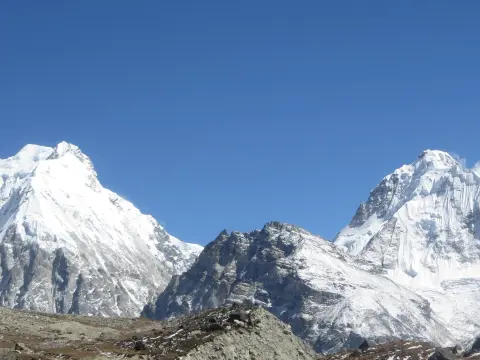
The Kanchenjunga Circuit Trek is one of Nepal’s most remote, wild, and culturally rich trekking adventures, circling the majestic Mount Kanchenjunga (8,586m), the world’s third-highest peak. This trek takes you deep into eastern Nepal, far away from crowded trekking routes, offering pristine landscapes, untouched forests, and authentic Himalayan village life. From lush lowland valleys near Bhadrapur to alpine meadows and glacial moraines, the journey is incredibly diverse and rewarding.The trek follows both the North and South Base Camps of Kanchenjunga, allowing trekkers to experience dramatic mountain views from multiple perspectives. Along the route, you pass through traditional Limbu, Rai, and Tibetan-influenced villages such as Ghunsa, Kambachen, and Cheram. The itinerary includes proper acclimatization days, gradual altitude gain, and scenic high passes like Sele La, ensuring both safety and adventure.With Glacier Nepal Treks, the journey is carefully organized from arrival in Kathmandu to final departure. The company manages permits, flights, ground transportation, experienced guides, porters, and accommodation, making this challenging trek smooth and enjoyable. This is a true expedition-style trek, ideal for trekkers seeking solitude, nature, and cultural immersion.Explore Kanchenjunga North & South Base CampsRemote and less-crowded trekking trailsRich Limbu and Tibetan Buddhist cultureDramatic mountain, glacier, and valley sceneryFully organized trek by Glacier Nepal TreksBest Season for Kanchenjunga Circuit TrekChoosing the right season is crucial for the Kanchenjunga Circuit Trek, as this region lies in a remote and weather-sensitive area of eastern Nepal. The best seasons are spring (March to May) and autumn (September to November), when weather conditions are stable, skies are clear, and mountain views are at their best.Spring is particularly beautiful as rhododendron forests bloom in vibrant red, pink, and white colors, especially between Taplejung and Ghunsa. Temperatures are moderate at lower elevations and cold but manageable at higher camps like Lonak and Ramche. Wildlife sightings, including blue sheep and Himalayan birds, are more common during this season.Autumn is considered the most popular trekking season due to crystal-clear visibility and dry trails. After the monsoon, the mountains appear fresh and sharp, offering stunning views of Kanchenjunga, Jannu, and the surrounding peaks. Days are sunny, while nights are cold at higher altitudes, making it ideal for experienced trekkers.Winter trekking is possible but extremely cold, especially above 4,000 meters, while the monsoon season brings heavy rainfall, landslides, and leeches, making it less suitable. Glacier Nepal Treks carefully selects trekking windows and monitors weather conditions to ensure safety and comfort.Best Seasons Summary:Spring (Mar–May): Flowers, mild temperatures, clear viewsAutumn (Sep–Nov): Stable weather, best visibilityWinter: Very cold, limited accessMonsoon: Not recommendedKanchenjunga Circuit Trek Difficulty and TransportationThe Kanchenjunga Circuit Trek is classified as a challenging and strenuous trek, suitable for physically fit trekkers with prior high-altitude trekking experience. The route involves long walking days, steep ascents and descents, high passes above 4,000 meters, and remote conditions with limited facilities. Proper acclimatization is essential, especially around Ghunsa, Kambachen, and Lonak.Altitude sickness is a serious concern due to the trek’s gradual climb beyond 5,000 meters at Kanchenjunga North Base Camp. Glacier crossings, rocky moraines, and unpredictable mountain weather add to the difficulty. However, with a well-planned itinerary, experienced guides, and rest days, the trek is achievable for determined adventurers.Transportation is also an adventure in itself. The journey begins with a domestic flight from Kathmandu to Bhadrapur, followed by long scenic drives through eastern hill regions to Taplejung and Sekathum. Road conditions can be rough, but Glacier Nepal Treks arranges reliable vehicles and experienced drivers to ensure safety.Due to the restricted nature of the region, independent trekking is not allowed. Glacier Nepal Treks provides licensed guides, porters, and full logistical support, allowing trekkers to focus on the experience rather than the challenges.Difficulty & Transport Overview:Strenuous and remote trekHigh altitude (up to 5,143m)Long trekking days (6–8 hours)Flight + off-road driving accessFully supported by Glacier Nepal TreksFood and Accommodation for Kanchenjunga Circuit TrekFood and accommodation along the Kanchenjunga Circuit Trek are basic but nourishing, reflecting the remoteness of the region. Most accommodations are local teahouses or simple lodges, especially in villages like Sekathum, Ghunsa, Kambachen, and Cheram. Rooms usually have twin beds with blankets, while toilets are often shared and sometimes located outside.As you gain altitude, facilities become more limited, and heating is usually available only in dining areas. Despite the simplicity, local hosts are welcoming and do their best to provide comfort in challenging terrain. Glacier Nepal Treks carefully selects the best available lodges and ensures clean, safe accommodation throughout the trek.Meals are hearty and designed to provide energy for long trekking days. Common dishes include dal bhat (rice, lentils, vegetables), noodles, soups, potatoes, tsampa, and Tibetan bread. In higher regions, food choices are limited, but hot meals and drinks are always available. Trekkers are encouraged to eat well and stay hydrated.Glacier Nepal Treks also accommodates special dietary needs when possible and ensures hygienic food practices, which is crucial in remote areas.Food & Accommodation Highlights:Basic but clean teahouse lodgingNutritious, high-energy mealsLimited menu at a higher altitudeShared facilities in remote villagesManaged carefully by Glacier Nepal TreksKanchenjunga Circuit Trek PermitsThe Kanchenjunga region is a restricted trekking area, and obtaining the correct permits is mandatory. Trekkers must have a Restricted Area Permit (RAP) as well as a Kanchenjunga Conservation Area Permit (KCAP). These permits help preserve the fragile ecosystem and support local communities.The Restricted Area Permit requires trekkers to travel in a group of at least two people and to be accompanied by a licensed trekking guide. Independent trekking is not allowed in this region. Glacier Nepal Treks handles all permit procedures efficiently, saving trekkers time and stress.Permit processing usually takes a few working days in Kathmandu. Glacier Nepal Treks ensures all documents, including passport copies, photos, and itinerary approvals, are prepared correctly. With professional handling, trekkers can focus on preparation and enjoyment.Required Permits:Kanchenjunga Restricted Area PermitKanchenjunga Conservation Area PermitLicensed guide compulsoryIssued only through registered companiesFully arranged by Glacier Nepal TreksWhy Choose Kanchenjunga Circuit TrekChoosing the Kanchenjunga Circuit Trek means choosing one of Nepal’s last truly wild trekking experiences. Unlike Everest or Annapurna, this trek offers solitude, raw landscapes, and deep cultural encounters. It is ideal for trekkers who seek adventure beyond popular trails and want to experience the Himalayas in their purest form.With Glacier Nepal Treks, you gain a trusted local company with extensive experience in remote Himalayan trekking. Their professional guides, carefully planned itineraries, safety-first approach, and personalized service ensure a memorable and secure journey. The company emphasizes responsible tourism, supporting local communities, and protecting the environment.This trek rewards you with towering peaks, massive glaciers, peaceful monasteries, and a strong sense of achievement. It is not just a trek, but a life-changing expedition.Why Trek with Glacier Nepal Treks:Expert local guides and staffFully organized logisticsRemote, uncrowded trailsAuthentic cultural experiencesCommitment to safety and sustainability
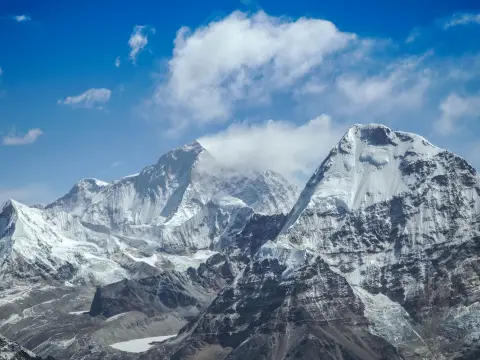
The Makalu Base Camp Trek is a remarkable journey into the remote and less-traveled regions of eastern Nepal, offering trekkers a unique opportunity to explore pristine Himalayan landscapes. Unlike more frequented treks, this route remains quiet and serene, allowing an immersive experience amidst towering peaks, lush valleys, and traditional Sherpa villages. The trek begins with a scenic flight from Kathmandu to Tumlingtar, followed by a multi-day trek through diverse terrains, including river valleys, dense forests, alpine meadows, and rugged ridges. Along the way, trekkers are rewarded with spectacular views of iconic peaks like Makalu (8,485m / 27,838ft), Kanchenjunga (8,586m / 28,169ft), and the surrounding Barun Valley. The route also provides close encounters with glaciers, waterfalls, and high-altitude wildlife, offering excellent photography and trekking opportunities.Trekking with Glacier Nepal Trek ensures a professionally guided experience, where safety, acclimatization, and cultural immersion are prioritized. The itinerary is thoughtfully designed to balance challenging trekking days with acclimatization, allowing trekkers to gradually ascend to high-altitude zones while minimizing risks of altitude sickness. Key highlights of this trek include visiting Makalu Base Camp, witnessing the Barun Glacier, exploring high-altitude pastures like Yangle Kharka and Merek, and interacting with local Sherpa communities. The journey not only tests physical endurance but also offers mental and emotional rewards, as trekkers experience the raw beauty and tranquility of eastern Nepal’s Himalayas.Remote and less crowded trekking routeSpectacular views of Makalu, Kanchenjunga, and LhotseTrek through Barun Valley, glaciers, and alpine meadowsCultural interaction with Sherpa villagesGuided by Glacier Nepal Treks with emphasis on safety and acclimatizationBest Season for Makalu Base Camp TrekThe best time to embark on the Makalu Base Camp Trek is during the pre-monsoon (spring) and post-monsoon (autumn) seasons, which offer ideal weather conditions, clear skies, and stable trekking conditions. Spring (March to May) brings blooming rhododendrons and alpine flowers, turning the trail into a colorful landscape, while temperatures remain moderate and comfortable. The skies are often clear in spring, allowing spectacular mountain panoramas, including views of Makalu, Lhotse, and Everest. Autumn (late September to November) is another excellent season, with crisp, clear air, stable weather, and minimal rainfall, offering some of the best photographic opportunities of snow-capped peaks.Winter treks are possible but are more challenging due to cold temperatures, snow on high ridges, and limited daylight. The monsoon season (June to August) is generally avoided, as heavy rainfall can make trails slippery, rivers difficult to cross, and visibility poor. Trekking during the recommended seasons ensures safety, scenic views, and a more enjoyable experience. Accompanied by Glacier Nepal Treks, you are supported with up-to-date weather information, gear guidance, and altitude acclimatization advice to make the trek safer and more rewarding.Key Points:Spring (March–May) for blooming flowers and moderate weatherAutumn (Late September–November) for clear skies and stunning panoramasWinter is possible, but cold and challengingMonsoon (June–August) is not recommendedGlacier Nepal Treks provides seasonal guidance and supportMakalu Base Camp Trek Difficulty and TransportationThe Makalu Base Camp Trek is considered a moderate to strenuous trek, suitable for experienced trekkers and fit beginners who are willing to face long trekking days and significant altitude changes. The trek covers elevations from 1,350m (Kathmandu) up to 4,870m (Makalu Base Camp), involving steep ascents, descents, and high-altitude ridge walks. Trekkers need stamina, endurance, and careful acclimatization to minimize the risk of acute mountain sickness. Trekking guides from Glacier Nepal Treks provide thorough briefings on health, pacing, and safety protocols, ensuring a smooth trekking experience.Transportation to and from the trailhead is also an important consideration. The trek begins with a short flight from Kathmandu to Tumlingtar, offering scenic views of the Arun Valley and eastern Himalayas. Local transfers between villages are typically on foot along trekking paths, and all luggage is carried by porters arranged by Glacier Nepal Treks. The return journey involves retracing the route and flying back from Tumlingtar to Kathmandu. Using domestic flights reduces overall travel time and maximizes trekking days while providing a spectacular aerial perspective of the mountains.Key Points:Moderate to strenuous trek; requires fitness and staminaAltitude ranges: 1,350m to 4,870mIncludes steep ascents, descents, and high ridgesDomestic flight Kathmandu - Tumlingtar for start/endPorters available for luggage supportFood and Accommodation for Makalu Base Camp TrekDuring the Makalu Base Camp Trek, trekkers are accommodated in teahouses and lodges located in villages along the route. Facilities are basic but comfortable, offering warm meals, cozy bedding, and a friendly atmosphere. Accommodation options vary by altitude and village size, with more amenities available in lower villages like Num and Chichila Bazar, while high-altitude stops such as Shersong, Merek, and Yangle Kharka provide simple lodges designed to support trekkers with essential comforts. Glacier Nepal Treks ensures all lodgings are safe, hygienic, and selected for convenience along the trekking route.Food along the trail is typically a combination of Nepalese cuisine, Tibetan dishes, and continental meals. Dal Bhat (rice, lentils, vegetables, and sometimes meat) is a staple, providing energy for trekking. Trekkers can also enjoy momos (dumplings), soups, noodles, and pasta. At high-altitude camps, menus are simplified, but fresh meals are still available. Drinking water is usually treated or boiled, and porters carry extra supplies when necessary. Glacier Nepal Treks advises on staying hydrated, maintaining a balanced diet, and managing energy levels throughout the trek.Key Points:Teahouse accommodation with basic but comfortable facilitiesWarm meals are available at all stops; Dal Bhat is commonHigh-altitude lodges are simpler, with essential comfortsTrekking snacks and hydration are recommendedGlacier Nepal Treks ensures quality lodging and meal planningMakalu Base Camp Trek PermitsTrekking in the Makalu region requires several permits to ensure safety, environmental protection, and access to protected areas. The primary permits include the TIMS (Trekkers’ Information Management System) card and the Makalu-Barun National Park permit, both of which are necessary for entry into the region. TIMS is used to track trekkers for safety and security purposes, while the national park permit helps conserve the fragile Himalayan ecosystem and supports local communities. Permits are typically obtained in Tumlingtar or through local government offices along the trail.Glacier Nepal Treks provides full support in managing all permits, ensuring the paperwork is completed correctly and promptly. Guides carry copies of permits, verify registration, and help trekkers understand park regulations, including rules for wildlife protection, waste management, and respectful interaction with local communities. This support allows trekkers to focus on the journey rather than administrative details, reducing stress and enhancing the overall experience.Key Points:TIMS card is required for all trekkersMakalu Barun National Park permit is mandatoryPermits support conservation and local communitiesGuides from Glacier Nepal Treks handle all paperworkEnsures compliance with park regulations and safetyWhy Choose Makalu Base Camp TrekChoosing the Makalu Base Camp Trek with Glacier Nepal Treks offers an unparalleled adventure in one of Nepal’s most pristine regions. The trek provides a balance of physical challenge, natural beauty, and cultural immersion. Unlike the more crowded Everest or Annapurna trails, this route offers solitude and serenity, allowing trekkers to experience the Himalayas in their most unspoiled form. Glacier Nepal Trek focuses on safety, local knowledge, and personalized service, ensuring that every step of the journey is well-supported.Trekkers are rewarded with spectacular views of towering peaks, glaciers, and deep valleys, alongside interactions with Sherpa communities and exposure to traditional Nepalese culture. The trek is carefully paced with acclimatization days, minimizing altitude-related risks while maximizing enjoyment. Glacier Nepal Treks’s experienced guides provide insights into geography, history, and flora/fauna, enriching the journey beyond physical trekking. From logistical support, permits, accommodation, and meals, to emergency preparedness and local insights, choosing this company ensures a seamless, safe, and unforgettable Himalayan adventure.Key Points:Pristine, less-crowded trekking route in eastern NepalSpectacular views of Makalu, Kanchenjunga, and EverestFully guided, safe, and well-paced trekCultural immersion in Sherpa villagesGlacier Nepal Treks provides complete logistical and expert support
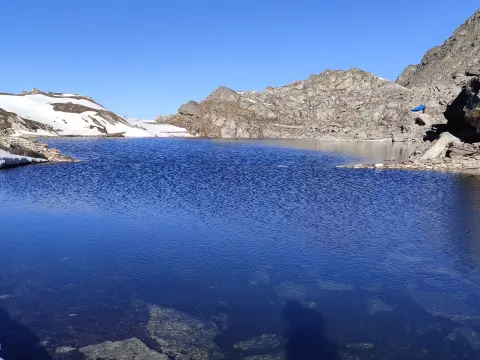
The Chakure Trek, organized by Glacier Nepal Treks, is an adventurous and culturally rich trekking route located in the remote regions of northwestern Nepal. This trek offers travelers a unique opportunity to explore untouched villages, pristine forests, and panoramic Himalayan vistas far from the usual tourist circuits. Starting from the bustling capital city of Kathmandu at 1,350 meters (4,428 ft), the journey quickly transitions from urban landscapes to serene rural life. Travelers fly to Nepalgunj, a small regional hub, before embarking on the road journey to Jajarkot, the gateway to the trek.The trek covers a variety of terrains, including river valleys, terraced farmlands, dense forests, and high mountain ridges. Along the way, trekkers will encounter traditional villages such as Kalimati, Saphukhola, and Kaulebagar, where local culture and lifestyle remain largely unchanged. The trek continues through Daha, Langna, Chautari, Tumti, Napani, and Guthichour before reaching Jumla, a historic region famous for its ancient architecture and agricultural heritage. One of the highlights is the stunning views of the Himalayan range from higher elevations, offering a photographer’s paradise.Remote trekking route in northwestern NepalStarts from Kathmandu, ends at Jumla, and returnsVillages include Kalimati, Saphukhola, Kaulebagar, and TumtiA mix of river valleys, forests, and high ridgesOpportunities for cultural immersion and photographyBest Season for Chakure TrekThe best season for trekking in Chakure is primarily during the spring (March to May) and autumn (September to November). These periods provide the most stable weather, clearer skies, and ideal temperatures for trekking. During spring, the hills and valleys come alive with rhododendron blossoms, creating breathtaking landscapes dotted with vibrant colors. Autumn offers crisp air and spectacular mountain visibility, perfect for panoramic Himalayan views, especially around Jumla and higher ridges.Winter (December to February) is generally cold with potential snow at higher elevations, which can make trails slippery and challenging, while summer (June to August) coincides with the monsoon, bringing heavy rainfall, muddy trails, and leeches in forested areas. Trekking during these off-seasons is not impossible, but it requires extra preparation and caution.Short Point List:Spring (March–May): blooming flowers, moderate temperaturesAutumn (September–November): clear skies, excellent mountain viewsWinter (December–February): cold, possible snow, less crowdedMonsoon (June–August): heavy rain, slippery trails, leechesBest months for photography and cultural exploration: March–May, September–NovemberChakure Trek Difficulty and TransportationThe Chakure Trek is considered a moderate-level trek, suitable for trekkers with some prior trekking experience and a good level of fitness. The daily walking duration ranges from 4 to 7 hours, with some sections involving steep ascents and descents. While the altitude is not extreme, trekkers still ascend up to 2,000–2,500 meters, which can be physically challenging for beginners. Proper acclimatization is crucial, especially when transitioning from lowlands such as Nepalgunj to the mid-hill regions.Transportation to the trailhead involves a short domestic flight from Kathmandu to Nepalgunj (approximately 1 hour), followed by a 6-hour drive to Jajarkot. From there, the trek begins on foot, following narrow trails through villages and forests. While some paths are well-marked, others require careful navigation, making a knowledgeable guide from Glacier Nepal Treks essential for safety and local insights.Short Point List:Trek difficulty: Moderate, suitable for fit beginnersDaily walking: 4–7 hours with moderate ascentsHighest elevation: around 2,500 metersTransportation: Kathmandu → Nepalgunj (flight) → Jajarkot (6-hour drive)Local guide recommended for navigation and safetyFood and Accommodation for Chakure TrekDuring the Chakure Trek, accommodation is primarily in local teahouses and lodges in villages along the route. These lodges offer basic but comfortable rooms, often with shared bathrooms. While facilities may not match urban hotels, they provide a welcoming and authentic experience of rural Nepali hospitality. Trekkers should be prepared for simple amenities, including limited electricity and hot water, especially in remote villages like Tumti and Guthichour.Food along the trek is generally home-cooked Nepali cuisine, including staples such as rice, dal (lentil soup), vegetables, momo (dumplings), and noodles. While dishes may be simple, they are nutritious and provide the energy needed for long trekking days. Trekkers with specific dietary requirements should inform the company beforehand, as most lodges can accommodate vegetarian or basic dietary needs. Hydration is essential, and carrying water purification tablets or using boiled water is recommended.Short Point List:Accommodation: local teahouses and lodgesBasic amenities: limited electricity, shared bathrooms, hot water available in some lodgesFood: Nepali staples like rice, dal, vegetables, momoDietary requirements: vegetarian options are usually availableStay immersed in local culture through village homestaysChakure Trekking PermitsTo undertake the Chakure Trek, trekkers require certain permits and permissions. As the trek passes through remote rural districts, the main permits include the TIMS card (Trekkers’ Information Management System) and possibly local entry permits, depending on recent regulations. TIMS registration ensures the safety of trekkers and is monitored by local authorities. Glacier Nepal Treks assists in obtaining all necessary permits before the trek begins, streamlining the process for international travelers.Additionally, trekkers should carry identification documents, such as a passport or a Nepali visa. It is also advisable to check for any updates on regional restrictions or travel advisories, as remote areas may occasionally have access limitations due to weather or infrastructure. Having a licensed trekking company handle permits reduces bureaucratic hurdles and ensures compliance with local regulations.Short Point List:TIMS card requiredPossible local district permitsA passport or Nepali visa is neededPermit assistance provided by Glacier Nepal TreksEnsures legal trekking and access to all villagesWhy Choose Chakure TrekChoosing the Chakure Trek with Glacier Nepal Treks offers a combination of adventure, culture, and tranquility that few other treks provide. Unlike popular trekking routes in Nepal, Chakure remains off-the-beaten-path, allowing trekkers to experience authentic village life, untouched natural landscapes, and the warm hospitality of local communities. The trek is ideal for those who want a peaceful journey without the crowds commonly found on routes like the Annapurna or Everest Base Camp treks.Glacier Nepal Treks brings professional planning, experienced guides, and logistical support, ensuring that trekkers can focus on enjoying the journey rather than worrying about transportation, accommodation, or permits. The company prioritizes safety, environmental sustainability, and cultural respect, giving travelers a fulfilling experience that supports local communities. Whether you are a nature enthusiast, photography lover, or culture explorer, the Chakure Trek offers an unforgettable journey into one of Nepal’s most scenic and secluded regions.Short Point List:Off-the-beaten-path trekking experienceAuthentic village and cultural immersionExperienced guides and logistical supportFocus on safety, sustainability, and comfortIdeal for photography, nature, and cultural exploration
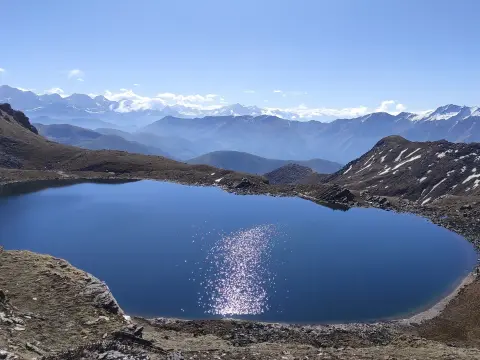
The Sisne Himal Trek is an off-the-beaten-path adventure in the remote regions of western Nepal, offering trekkers a true sense of wilderness. This trek takes you through lush valleys, terraced farmlands, dense forests, and charming villages that have retained their traditional culture. Starting from Kathmandu, you journey via Pokhara and gradually ascend through towns like Burtibang, Rukumkot, and Triptara, eventually reaching the Sisne Base Camp, which offers breathtaking views of the Sisne Himal, Baudha Himal, and other surrounding peaks. Unlike popular trekking routes in Nepal, this trek promises solitude, pristine nature, and the warm hospitality of local communities.The trail is also rich in biodiversity. Trekkers often encounter rare flora and fauna, including rhododendron forests, medicinal plants, and Himalayan bird species. The trek is not just about the mountains; it’s a cultural immersion. Villages along the route showcase traditional Gurung and Magar lifestyles, with stone houses, terraced fields, and colourful festivals. Glacier Nepal Treks ensures trekkers experience authentic village life, providing opportunities to interact with locals, witness traditional farming practices, and enjoy homemade meals in teahouses.Untouched trails far from tourist crowdsStunning panoramic views of Sisne Himal and surrounding peaksTraditional villages and cultural immersionRich flora and fauna along the routeAdventure through forests, rivers, and remote valleysBest Season for Sisne Himal TrekThe best time to undertake the Sisne Himal Trek is during the autumn (September to November) and spring (March to May) seasons. During these periods, the weather is stable, the skies are clear, and visibility is excellent, providing spectacular mountain vistas. Autumn brings fresh greenery, while spring is famous for blooming rhododendrons and vibrant wildflowers, adding a colourful backdrop to your trekking experience.The monsoon season (June to August) is generally avoided due to heavy rainfall, slippery trails, and the risk of landslides. Winter (December to February) can also be challenging because of snowfall and cold temperatures, though it offers a serene snowy landscape for experienced trekkers seeking solitude. Planning your trek with Glacier Nepal Treks during peak seasons ensures the best weather conditions and safety.Seasonal Highlights:Autumn: Clear skies, moderate temperatures, ideal for photographySpring: Blooming rhododendrons and wildlife spottingWinter: Snow-capped peaks for adventure enthusiasts (challenging)Monsoon: Risk of slippery trails and reduced visibilitySisne Himal Trek Difficulty and TransportationThe Sisne Himal Trek is categorised as moderate to challenging, making it suitable for physically fit trekkers who enjoy longer walks, steep ascents, and remote trekking. Daily hiking durations range from 4 to 7 hours, with altitudes reaching around 3,000–3,500 meters. Trekkers should prepare for uneven trails, river crossings, and occasional rugged paths that require stamina and endurance. While not technically extreme, the trek demands good physical fitness and a spirit of adventure.Transportation to the starting point is relatively convenient. Most itineraries begin in Kathmandu, followed by a 6–7 hour tourist bus ride to Pokhara, then onward by road to Baglung, Burtibang, and Rukumkot. Glacier Nepal Treks provides reliable private vehicles or local buses for transfers, ensuring safety and comfort. Porters and guides accompany trekkers along the trail, helping with luggage and navigating the remote sections.Key Details:Trek Duration: 18 days (including arrival and departure)Daily Hiking: 4–7 hoursMaximum Altitude: ~3,500m (Sisne Base Camp)Transportation: Tourist buses, private vehicles, and local jeepsTrekking Guide & Porters: Provided by Glacier Nepal TreksFood and Accommodation for Sisne Himal TrekDuring the Sisne Himal Trek, trekkers stay in basic teahouses, lodges, and local guesthouses that offer clean rooms and meals prepared with local ingredients. While the amenities are modest, the warmth and hospitality of the local families make the stay memorable. Glacier Nepal Treks ensures that trekkers experience comfortable accommodations wherever possible, with attention to hygiene and safety.Food along the trail is primarily Nepali cuisine, including dal bhat (rice and lentils), momo (dumplings), noodles, and locally grown vegetables. Hot drinks like tea, coffee, and soup are available at every stop, providing energy and warmth during cold mornings or evenings. Trekkers are encouraged to carry snacks and energy bars for long trekking days. For those with specific dietary requirements, Glacier Nepal Treks can coordinate meal plans in advance.Highlights:Accommodation: Tea houses, lodges, and guesthousesFood: Local Nepali dishes, vegetarian and non-vegetarian optionsSpecial Care: Clean drinking water and packed snacksComfort: Warm meals and hospitality in remote villagesSisne Himal Trek PermitsTo trek in the Sisne Himal region, certain permits are required for safety and legal purposes. Trekkers need the following:TIMS (Trekkers’ Information Management System) Card: Mandatory for all trekkers in NepalACAP/Land Use Permits: Required in protected areas and for entry into specific regions of Rukum and BaglungLocal Area Permit: Often managed by Glacier Nepal Treks to streamline the processGlacier Nepal Treks provides full assistance in securing permits before departure, ensuring a hassle-free trekking experience. This allows trekkers to focus on the journey rather than bureaucracy. Carrying proper permits is crucial, as local authorities may check documents at checkpoints along the trail.Permits Checklist:TIMS Card (mandatory)Local trekking permits (Baglung & Rukum regions)Special protected area permits (if applicable)Assistance from Glacier Nepal Treks for paperworkWhy Choose Sisne Himal Trek with Glacier Nepal TreksChoosing Glacier Nepal Treks for the Sisne Himal Trek guarantees an authentic, safe, and well-organised trekking experience. The company is known for its professional guides, knowledgeable porters, and strong commitment to client satisfaction. Trekkers receive expert advice on preparation, gear, and acclimatisation schedules. Guides are trained in first aid, navigation, and local culture, ensuring both safety and cultural enrichment.Additionally, Glacier Nepal Treks emphasises sustainable tourism. The company works closely with local communities, supports eco-friendly practices, and encourages responsible trekking habits. From arranging transportation, permits, meals, and accommodations to providing cultural insights and scenic photography tips, the company ensures every detail is covered, making your Sisne Himal adventure smooth and memorable.Reasons to Choose Glacier Nepal Treks:Experienced guides and trained portersComprehensive trekking packages with permits and logistics includedFocus on safety, comfort, and cultural experiencesSupport for eco-friendly and community-based tourismPersonalised service and flexibility in itinerary
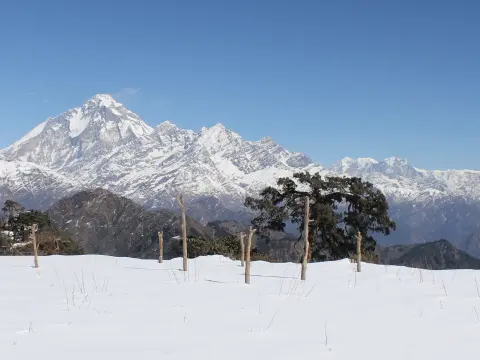
The Guerrilla Trek is one of Nepal’s most unique and off-the-beaten-path trekking experiences, situated in the remote western region of the country. Unlike the popular trails of the Annapurna or Everest regions, this trek explores untouched landscapes, winding through villages that remain largely undiscovered by mainstream tourism. Trekkers traverse dense forests, terraced farmlands, and high ridges, often alongside rivers and streams, with dramatic views of the Annapurna and Dhaulagiri ranges. A distinctive aspect of this trek is its historical significance: villages like Jelbang were key bases for guerrilla fighters during the Maoist civil war, offering a glimpse into Nepal’s recent history and the resilience of its communities.The trek spans 16 days, beginning and ending in Kathmandu, and passes through remote settlements such as Beni, Takam, Moreni, Gujarat, Dhorpatan, and Sulichaur. Each day is carefully balanced to combine trekking adventure with cultural immersion. The trail features moderate to challenging paths, with varying altitudes from 830m (Sulichaur) to 3,020m (Gujarat), providing opportunities for acclimatization and safe trekking. Beyond the adventure, trekkers will witness the warm hospitality of Gurung, Magar, and other local communities, offering a rare and authentic cultural experience.Remote and less crowded trails away from mainstream tourismStunning mountain views of the Annapurna and Dhaulagiri rangesHistorical villages like Jelbang, tied to Nepal’s civil warInteraction with traditional Gurung and Magar communitiesLush forests, terraced landscapes, and wildlifeExploration of the Dhorpatan Hunting ReserveAdventure and tranquility combined in a single trekBest Season for Guerrilla TrekThe ideal time for the Guerrilla Trek is during the pre-monsoon spring (March–May) and post-monsoon autumn (September–November) seasons. These periods provide the most favorable weather conditions, making the trails safe and the mountain views breathtaking.Spring (March to May): The valleys bloom with colorful rhododendrons and other wildflowers. Temperatures are moderate, offering comfortable trekking conditions with warm days and cool nights. Snow from higher elevations still enhances the scenery, especially in the Dhaulagiri and Sisne Himal regions.Autumn (September to November): Known for clear skies, this season allows trekkers uninterrupted panoramic views of snow-capped peaks. The air is crisp, and the trekking routes are dry and stable, reducing the risk of landslides or slippery trails.Winter trekking (December–February) can be challenging due to cold temperatures and potential snowfall in higher villages like Gujarat. Meanwhile, the monsoon season (June–August) brings heavy rainfall, slippery trails, and landslides, making trekking hazardous. Therefore, spring and autumn are highly recommended to experience both the adventure and the scenic beauty of the Guerrilla Trek in optimal conditions.Seasonal Highlights:Rhododendron blooms in springClear, panoramic mountain views in autumnModerate daytime temperatures with cool nightsIdeal trekking safety and trail conditionsGuerrilla Trek Difficulty and TransportationThe Guerrilla Trek is categorized as moderate to challenging, making it suitable for trekkers with a reasonable level of fitness and some prior trekking experience. The trail involves daily walking of 5–8 hours, moderate ascents and descents, and trekking at altitudes ranging from 830m (Sulichaur) to 3,020m (Gujarat). Proper fitness and acclimatization are essential to prevent altitude sickness, particularly on higher days.Daily Walking Durations:Average: 5–8 hours per dayHighest altitude: Gujarat at 3,020m / 9,908ftTransportation:Kathmandu to Beni: By private jeep or tourist bus, approximately 8–9 hoursReturn to Kathmandu: Jeep or bus from Sulichaur, about 8 hoursThe trek combines road travel with trekking, allowing visitors to witness Nepal’s rural landscape along the way. While roads connect the starting and ending points, the trekking trails themselves are mostly untouched and remote, giving adventurers an authentic Himalayan experience.Key Points on Difficulty and Transport:Moderate to challenging trails suitable for fit trekkersLong walking days with variable altitudeA combination of road and trekking routesOpportunity to experience rural Nepal’s roads, rivers, and villagesFood and Accommodation for Guerrilla TrekAlong the Guerrilla Trek, food is primarily traditional Nepali cuisine. Daily meals include dal bhat (rice and lentils), seasonal vegetables, noodles, soups, and occasionally meat. Most teahouses offer tea, coffee, and energy snacks such as biscuits or chocolate to sustain trekkers on long walking days.Accommodation:Basic village lodges and teahouses in villages like Moreni, Gujarat, and SukulbangSimple but comfortable rooms, typically with shared bathroomsLimited hot water availability at higher altitudesStaying in local lodges allows trekkers to experience authentic village life, interact with residents, and understand traditional practices. Carrying personal water purification tablets is recommended, as access to clean water may be limited in remote villages. Meals and lodging arranged through Glacier Nepal Treks ensure comfort while maintaining the trek’s cultural authenticity.Food and Accommodation Highlights:Traditional Nepali meals for energy and nourishmentVillage teahouses offering warmth and cultural exposureClean but simple facilities with shared bathroomsAccess to tea, coffee, and snacks for long trekking daysGuerrilla Trek PermitsTrekking in this region of Nepal requires proper permits to ensure legal and safe travel. Glacier Nepal Treks assists trekkers in obtaining all necessary documentation.Required Permits:Annapurna Conservation Area Permit (ACAP): Mandatory for trekking within the protected reserveTrekkers’ Information Management System (TIMS) Card: Ensures tracking and safety of trekkersTips for Permits:Carry multiple copies at all timesKeep permits accessible for routine checksConfirm with guides for any local updatesThese permits not only ensure legal trekking but also contribute to conservation efforts and safety monitoring, allowing trekkers to enjoy the Guerrilla Trek responsibly.Permit Highlights:Ensures legal trekking in protected areasFacilitates safety and trackingCan be arranged conveniently through Glacier Nepal TreksWhy Choose Guerrilla TrekThe Guerrilla Trek offers a combination of adventure, history, and cultural immersion unlike any other trail in Nepal. It is perfect for travelers seeking solitude, spectacular scenery, and authentic village experiences.Reasons to Choose This Trek:Off-the-beaten-path trails, free from tourist crowdsStunning views of Dhaulagiri, Sisne Himal, and other peaksHistorical and cultural insights into villages like JelbangInteraction with Gurung, Magar, and other ethnic communitiesExpert guidance by experienced local guidesAdvantages of Trekking with Glacier Nepal Treks:Well-organized itineraries and transportationKnowledgeable guides and trained portersEmergency support and safety arrangementsPersonalized service and cultural guidanceBy choosing Glacier Nepal Treks for the Guerrilla Trek, adventurers not only explore pristine Himalayan landscapes but also connect with the heart of Nepal’s history and culture, making this trek an unforgettable experience.
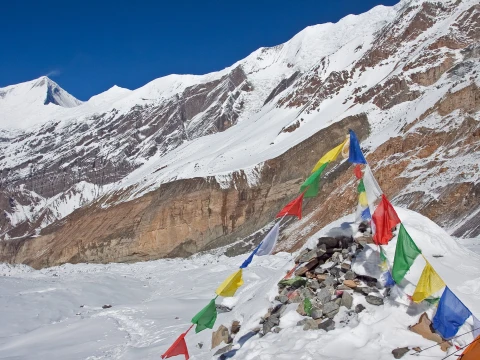
The Dhaulagiri Circuit Trek is a spectacular journey around Mount Dhaulagiri (8,167 m / 26,795 ft), the world’s seventh-highest peak. This remarkable trek offers an adventurous and challenging experience, taking trekkers from warm subtropical valleys to cool alpine hills covered with forests of pine, oak, and rhododendron.The route gradually leads into high Himalayan terrain where trekkers walk across glacial moraines, ice fields, and rugged landscapes near Dhaulagiri Base Camp. One of the most exciting highlights is crossing the high French Pass, which opens into the spectacular Hidden Valley, surrounded by breathtaking Himalayan panoramas.Located in the remote north-western Himalayas of Nepal, the Dhaulagiri Circuit remains one of the least-visited and most challenging trekking routes in the country. The trail passes through traditional farming villages and follows the upstream course of the Myagdi Khola to its source near Dhaulagiri Base Camp, offering insight into authentic rural mountain life. Trekkers experience an incredible diversity of landscapes from lush vegetation and terraced hillsides to barren high-altitude terrain covered with snow, glaciers, and moraines. Along the way, the trek provides stunning views of the mighty Dhaulagiri massif from several different angles.Another major highlight is crossing the high Dhampus Pass (also known as Thapa Pass) at 5,244 m, where trekkers are rewarded with magnificent panoramic views of the Dhaulagiri Range and the neighboring Annapurna Range. This dramatic crossing marks the final high point of the adventure before descending toward the famous Kali Gandaki Valley. Overall, the Dhaulagiri Circuit Trek is a true wilderness adventure perfect for experienced trekkers seeking remote trails, challenging high passes, and unforgettable Himalayan scenery. Trekking Overview Mode of Trek: Camping Trek (with basic lodges in lower villages) Trekking Grade: Challenging to StrenuousDaily Trek Duration: 5–8 hours per dayTotal Trek Duration: 15–17 days (customizable)Total Trip Duration (Including Kathmandu): 18–20 daysLocationSituated in the remote western Himalayas of Nepal, the trek circles the mighty Mount Dhaulagiri and passes through the wild landscapes of the Dhaulagiri Range and the Myagdi District region.Key Elevations & ViewpointsBeni – 830 m – Trek starting pointItalian Base Camp – 3,660 m – Spectacular glacier viewsDhaulagiri Base Camp – 4,740 m – Surrounded by towering Himalayan peaksFrench Pass – Dramatic glacier crossingHidden Valley – 5,000 m – Stunning alpine valleyDhampus Pass – Panoramic Himalayan viewpointTop Places Along the TrekBeni & DarbangMuriItalian Base CampDhaulagiri Base CampHidden ValleyMarphaTop Elevation / View PointsFrench Pass – Spectacular glacier panoramaDhampus Pass – Views of Mount Dhaulagiri and Annapurna RangeDhaulagiri Base Camp – Surrounded by glaciers and icefallsAlpine viewpoints around Hidden ValleyCultural InsightsExplore traditional villages of the Magar people and Thakali peopleExperience authentic rural Himalayan lifestyle in remote western NepalObserve local farming traditions, mountain culture, and warm hospitalityVisit ancient monasteries, prayer flags, and traditional settlementsOptimal SeasonsSpring (Mar–May): Rhododendron forests in bloom and pleasant temperaturesAutumn (Sep–Nov): Clear skies and best mountain viewsWinter: Very cold at high altitude but quiet trailsMonsoon (Jun–Aug): Generally avoided due to rain and landslidesEssential TipsProper acclimatization is important due to high passesCarry warm layers, down jacket, and trekking gearDrink plenty of water and walk slowly at altitudeTrek with experienced guides and full camping supportPrepare physically for challenging mountain terrainTrekking PermitsAnnapurna Conservation Area Permit (ACAP)TIMS CardPermits can be arranged by Glacier Nepal Treks.Key Viewplaces & Area HighlightsSpectacular views of Mount Dhaulagiri and surrounding Himalayan peaksMassive glaciers and icefalls near Dhaulagiri Base CampRemote wilderness trekking in the Dhaulagiri RangeCrossing two dramatic Himalayan passes: French Pass and Dhampus PassScenic landscapes from lush valleys to high alpine glaciers Why choose Glacier Nepal Treks highlights:Professional guides and trained local staff for safetyWell-organized logistics and comfortable teahouse staysAuthentic cultural experiences in Sherpa villagesStunning Himalayan scenery and close-up views of DhaulagiriTrekking along the historic paths of famous mountaineersLife-changing adventure combining challenge, culture, and nature


 (31)
(31)  94% recommend (244)
 (12)
(12)