Need help with booking? Send us a message.
Experience the historic Guerrilla Trek in the remote hills of western Nepal. Walk through quiet villages and untouched natural landscapes. Enjoy authentic culture and a peaceful off-the-beaten-path adventure.
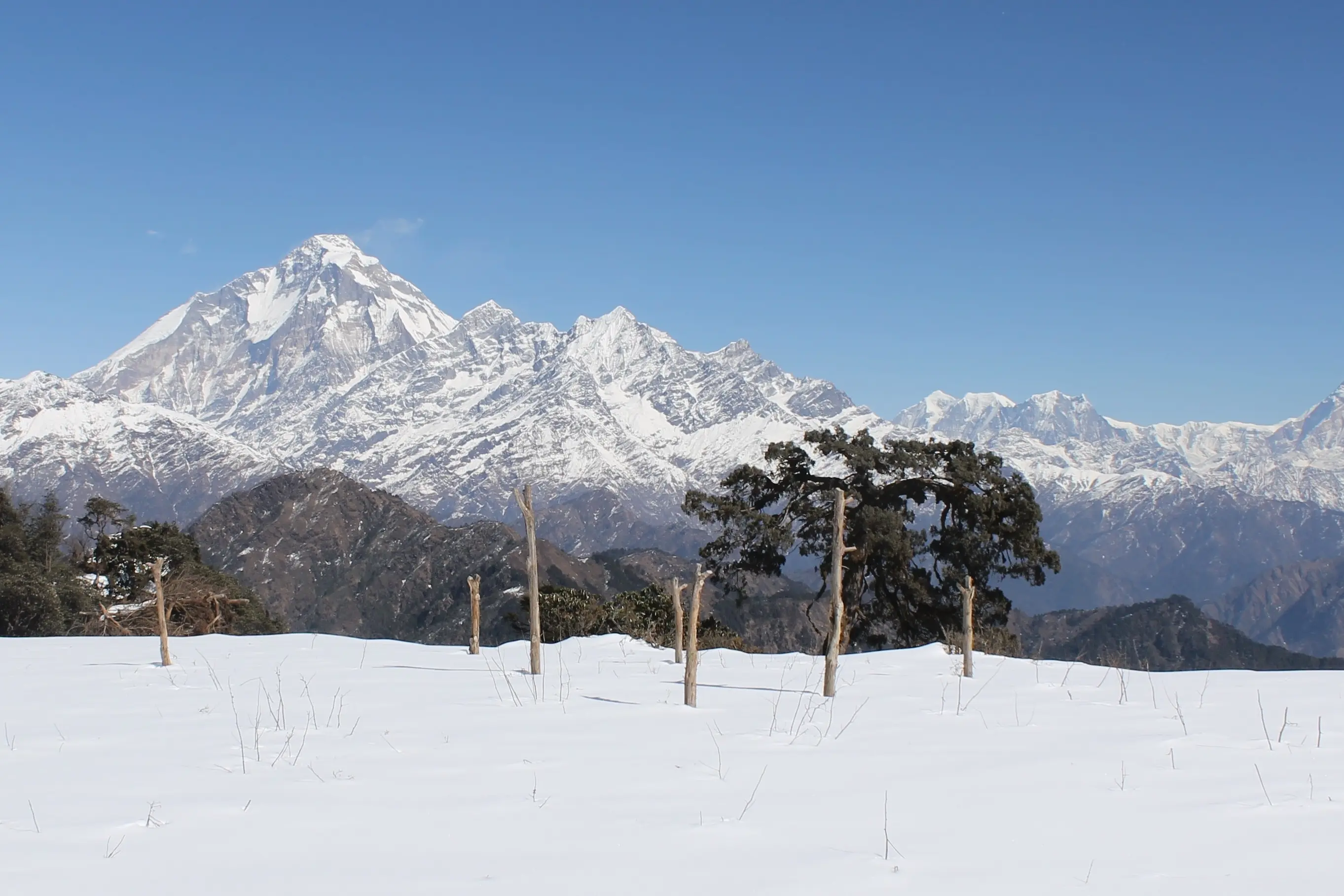
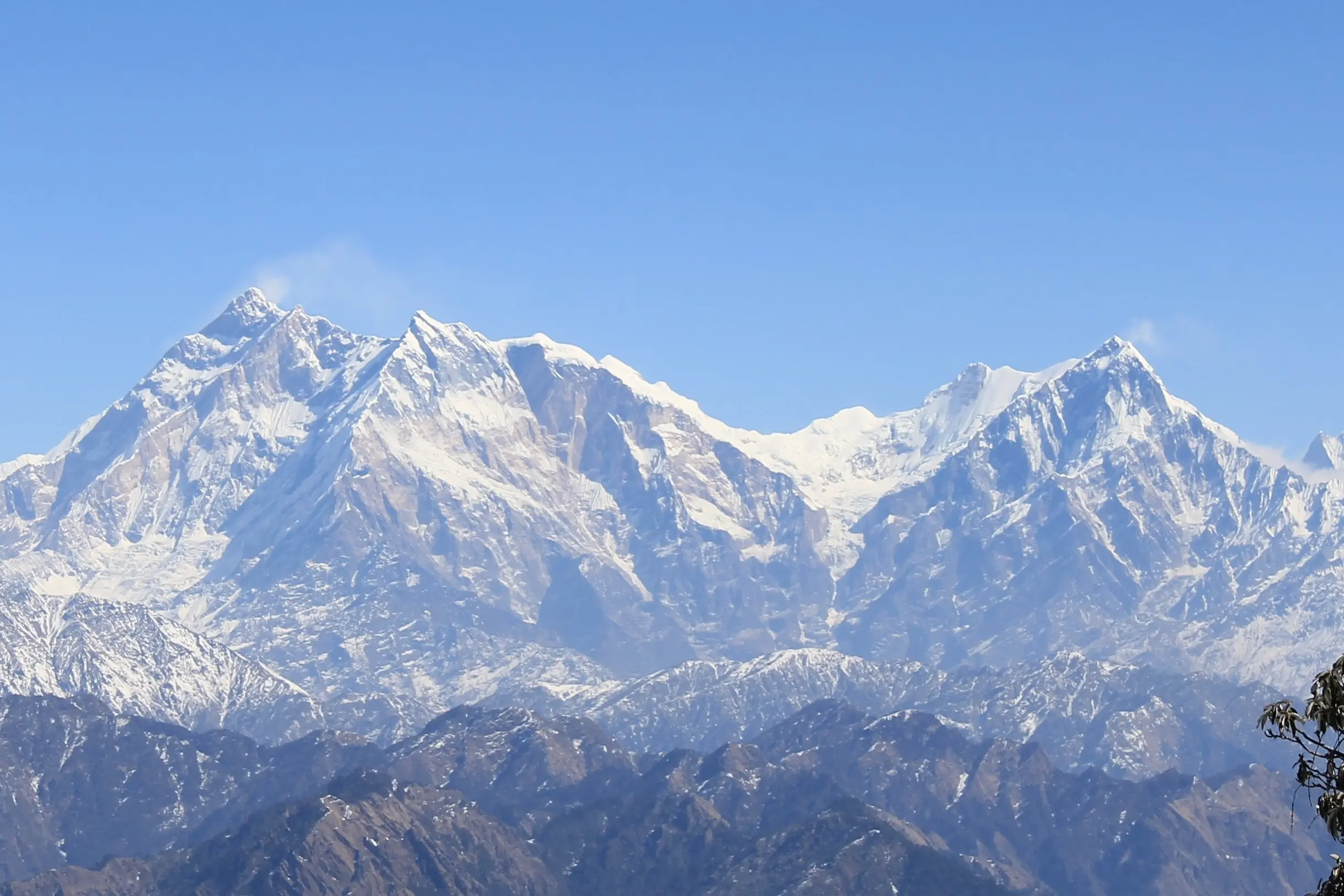
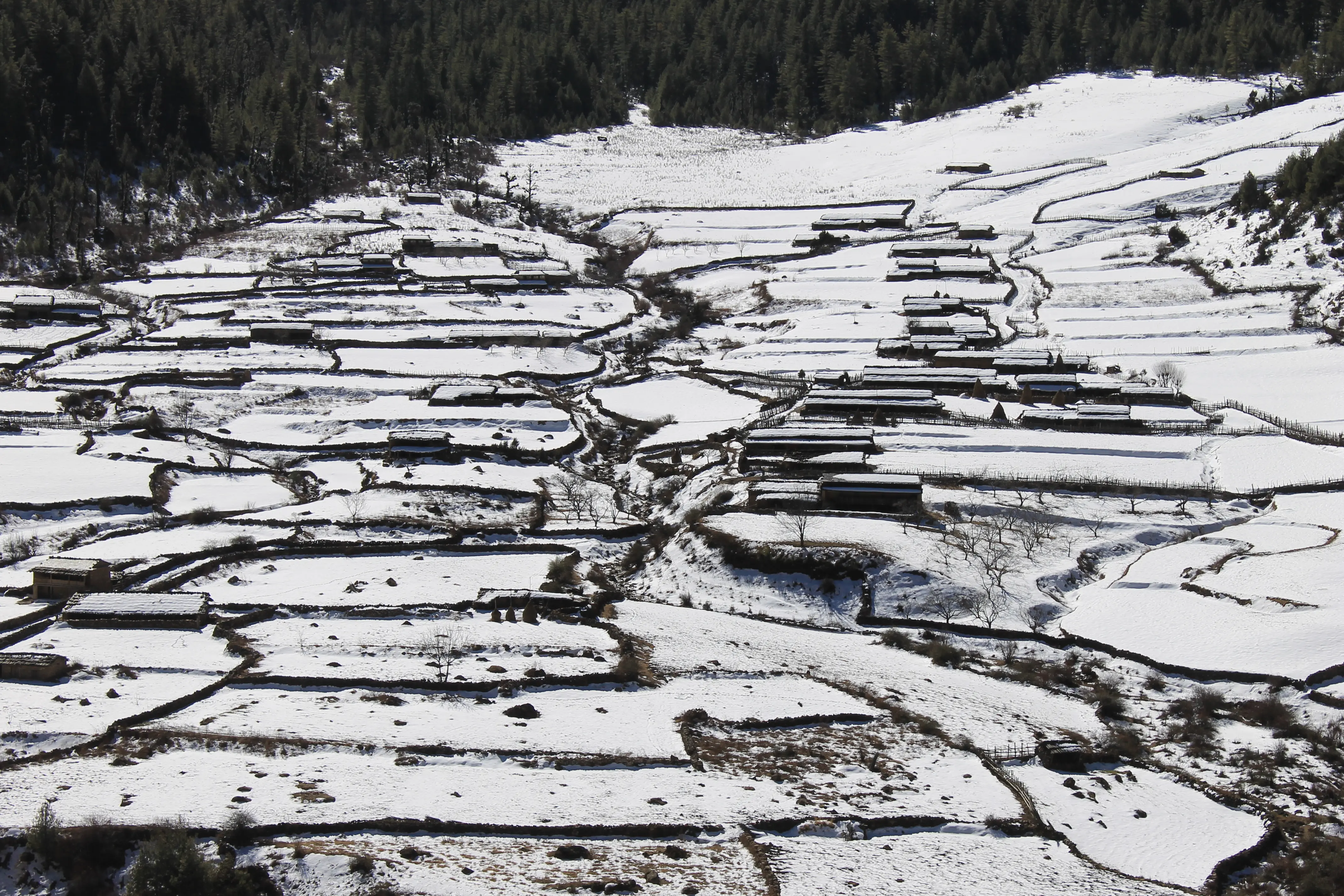
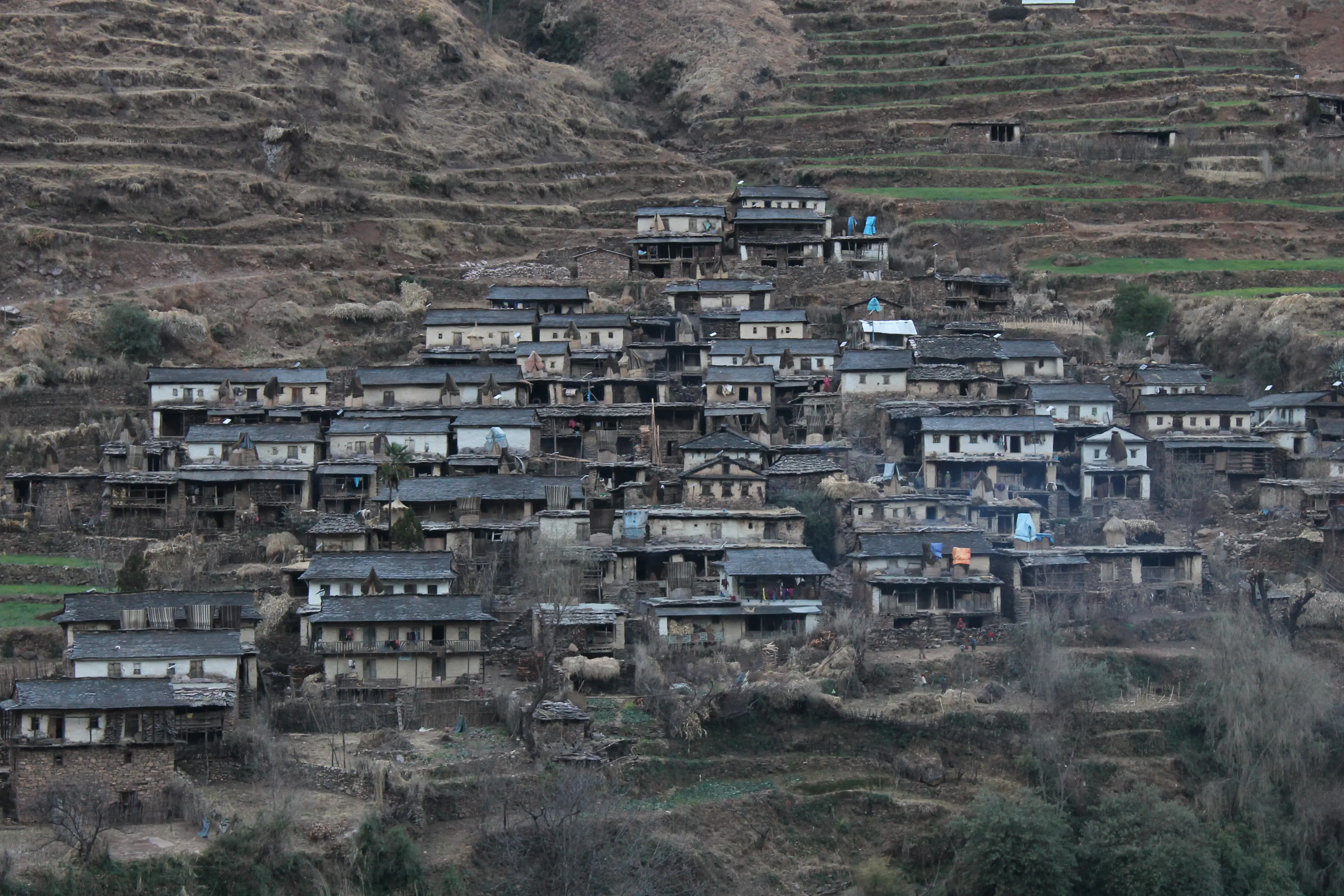
The Guerrilla Trek is one of Nepal’s most unique and off-the-beaten-path trekking experiences, situated in the remote western region of the country. Unlike the popular trails of the Annapurna or Everest regions, this trek explores untouched landscapes, winding through villages that remain largely undiscovered by mainstream tourism. Trekkers traverse dense forests, terraced farmlands, and high ridges, often alongside rivers and streams, with dramatic views of the Annapurna and Dhaulagiri ranges. A distinctive aspect of this trek is its historical significance: villages like Jelbang were key bases for guerrilla fighters during the Maoist civil war, offering a glimpse into Nepal’s recent history and the resilience of its communities.
The trek spans 16 days, beginning and ending in Kathmandu, and passes through remote settlements such as Beni, Takam, Moreni, Gujarat, Dhorpatan, and Sulichaur. Each day is carefully balanced to combine trekking adventure with cultural immersion. The trail features moderate to challenging paths, with varying altitudes from 830m (Sulichaur) to 3,020m (Gujarat), providing opportunities for acclimatization and safe trekking. Beyond the adventure, trekkers will witness the warm hospitality of Gurung, Magar, and other local communities, offering a rare and authentic cultural experience.
The ideal time for the Guerrilla Trek is during the pre-monsoon spring (March–May) and post-monsoon autumn (September–November) seasons. These periods provide the most favorable weather conditions, making the trails safe and the mountain views breathtaking.
Spring (March to May): The valleys bloom with colorful rhododendrons and other wildflowers. Temperatures are moderate, offering comfortable trekking conditions with warm days and cool nights. Snow from higher elevations still enhances the scenery, especially in the Dhaulagiri and Sisne Himal regions.
Autumn (September to November): Known for clear skies, this season allows trekkers uninterrupted panoramic views of snow-capped peaks. The air is crisp, and the trekking routes are dry and stable, reducing the risk of landslides or slippery trails.
Winter trekking (December–February) can be challenging due to cold temperatures and potential snowfall in higher villages like Gujarat. Meanwhile, the monsoon season (June–August) brings heavy rainfall, slippery trails, and landslides, making trekking hazardous. Therefore, spring and autumn are highly recommended to experience both the adventure and the scenic beauty of the Guerrilla Trek in optimal conditions.
Seasonal Highlights:
The Guerrilla Trek is categorized as moderate to challenging, making it suitable for trekkers with a reasonable level of fitness and some prior trekking experience. The trail involves daily walking of 5–8 hours, moderate ascents and descents, and trekking at altitudes ranging from 830m (Sulichaur) to 3,020m (Gujarat). Proper fitness and acclimatization are essential to prevent altitude sickness, particularly on higher days.
Daily Walking Durations:
Transportation:
The trek combines road travel with trekking, allowing visitors to witness Nepal’s rural landscape along the way. While roads connect the starting and ending points, the trekking trails themselves are mostly untouched and remote, giving adventurers an authentic Himalayan experience.
Key Points on Difficulty and Transport:
Along the Guerrilla Trek, food is primarily traditional Nepali cuisine. Daily meals include dal bhat (rice and lentils), seasonal vegetables, noodles, soups, and occasionally meat. Most teahouses offer tea, coffee, and energy snacks such as biscuits or chocolate to sustain trekkers on long walking days.
Accommodation:
Staying in local lodges allows trekkers to experience authentic village life, interact with residents, and understand traditional practices. Carrying personal water purification tablets is recommended, as access to clean water may be limited in remote villages. Meals and lodging arranged through Glacier Nepal Trek ensure comfort while maintaining the trek’s cultural authenticity.
Food and Accommodation Highlights:
Trekking in this region of Nepal requires proper permits to ensure legal and safe travel. Glacier Nepal Trek assists trekkers in obtaining all necessary documentation.
Required Permits:
Tips for Permits:
These permits not only ensure legal trekking but also contribute to conservation efforts and safety monitoring, allowing trekkers to enjoy the Guerrilla Trek responsibly.
Permit Highlights:
The Guerrilla Trek offers a combination of adventure, history, and cultural immersion unlike any other trail in Nepal. It is perfect for travelers seeking solitude, spectacular scenery, and authentic village experiences.
Reasons to Choose This Trek:
Advantages of Trekking with Glacier Nepal Trek:
By choosing Glacier Nepal Trek for the Guerrilla Trek, adventurers not only explore pristine Himalayan landscapes but also connect with the heart of Nepal’s history and culture, making this trek an unforgettable experience.
The Guerrilla Trek itinerary is thoughtfully designed to offer a safe, immersive, and culturally rich adventure through the remote hills of western Nepal. The journey typically begins with a scenic drive from Kathmandu to the mid-western region, followed by gradual trekking through traditional Magar villages, terraced farmlands, and forested ridgelines. The route follows historic trails once connected to Nepal’s insurgency era, providing insight into local history while allowing trekkers to experience authentic rural life far from commercial trekking routes.
As the trek progresses, the trail winds through peaceful countryside, river valleys, and high hill viewpoints offering sweeping mountain panoramas. Along the way, trekkers stay in community lodges or homestays, enjoy traditional Nepali meals, and engage with welcoming local communities. The return journey follows scenic alternate paths, revealing new landscapes and village perspectives before driving back to Kathmandu. This well-paced itinerary balances light adventure, cultural discovery, and natural beauty, making it ideal for travelers seeking a unique and less-crowded Himalayan experience.
Upon arrival at Tribhuwan International Airport in Kathmandu, a representative from Glacier Nepal Trek will warmly welcome you and transfer you to your hotel by private vehicle. After settling in and resting from your journey, you will have a brief orientation with your trekking guide at the company office. This is an ideal time to ask questions about the upcoming trek, gear, and itinerary. In the evening, you can relax, enjoy the hotel amenities, and prepare for the exciting journey ahead. Overnight stay at the hotel.
Today, you will explore the rich cultural heritage of Kathmandu. Highlights include the sacred Pashupatinath Temple, the massive Boudhanath Stupa, and the iconic Swayambhunath Stupa (Monkey Temple). You will also visit Kathmandu Durbar Square, marveling at its ancient palaces and intricate carvings. In the evening, your trekking guide will check your gear and equipment, ensuring everything is ready for the adventure. This is also an opportunity to complete any last-minute trekking paperwork and enjoy a relaxed evening in the vibrant capital city before your journey begins.
Depart Kathmandu early in the morning by bus to Beni. The route covers approximately 200 km to Pokhara and an additional 96 km to Beni, which lies at the confluence of the Kali Gandaki and Myagdi Khola rivers. Beni is the largest town and the district headquarters of Myagdi. Along the way, you will experience scenic valleys, terraced fields, and glimpses of local village life. Beni also holds historical significance, including tragic events from March 2004. Overnight stay in Beni prepares you for the trek ahead.
After breakfast, your trek begins along the Myagdi Khola, following the road uphill. Along the way, you can stop at the hot springs in Tatopani, a perfect spot to relax tired muscles. The trail continues to Darbang, where you cross the Myagdi River and ascend toward Takam. Weather permitting, you will be treated to stunning views of snow-capped peaks in the distance. The hike today combines both natural scenery and cultural encounters, offering a gentle introduction to the Guerrilla Trek. Overnight stay at Takam.
From Takam, the trail gradually ascends, leading to a junction where the Dhaulagiri Round Trek route splits. Staying left toward Dhorpatan, the path meanders through lush forests and traditional villages. After approximately four and a half hours of hiking, you will reach Moreni, nestled amidst serene landscapes. Today’s trek offers a balance of moderate hiking and scenic beauty, with opportunities to observe local agricultural practices and rural life. Overnight at Moreni, where the quiet mountain surroundings provide a peaceful evening after the day’s walk.
This is one of the longer trekking days, so an early start is essential. The trail ascends gradually for 50 minutes before continuing for three more hours to Jaljala Pass (3,414m / 11,200ft). Here, you will enjoy panoramic views of the surrounding Himalayan peaks. The descent leads to the Utter Ganga River, following its course toward Dhorpatan. After an additional hour, you will reach Gujarat, a quiet village nestled in the mountains. The day combines high-altitude trekking, spectacular scenery, and riverside trails, offering a rewarding experience for those ready to challenge themselves. Overnight at Gujarat.
After breakfast, you will enjoy a shorter trekking day as you make your way to Dhorpatan, allowing more time to explore this famous hunting reserve. Dhorpatan is visited annually by international hunters in search of blue sheep and Himalayan tahr. The reserve’s unique landscape, consisting of alpine meadows and dense forests, offers excellent opportunities for wildlife observation and photography. This lighter trekking day provides a chance to acclimatize, enjoy the local scenery, and appreciate the cultural and ecological importance of this Himalayan region. Overnight at Dhorpatan.
Today’s route follows the Utter Ganga River downstream for approximately an hour and a half before leaving Dhorpatan. The trail continues through the villages of Kanga, crossing Khanga Khola along the way. Gradual ascents through lush terrain eventually lead you to Nisi Dhor, a tranquil village offering beautiful mountain views. The hike combines river valleys, dense forests, and small settlements, providing insight into traditional Himalayan life. The scenery is serene and rejuvenating, making it an ideal spot for photography and enjoying the calm of remote mountain landscapes. Overnight at Nisi Dhor.
The trek continues along the Utter Ganga River, weaving through forested paths and crossing the Danchen Khola. The trail remains near the riverbank, offering occasional glimpses of wildlife and local settlements. As you ascend gradually, you will reach Taka, a large community with numerous traditional homes. This day allows you to experience both nature and local village life, interacting with friendly residents and observing farming practices. The mix of river valleys, forested trails, and scenic views makes this a fulfilling day, culminating in a restful overnight stay at Taka.
After breakfast, the trek crosses a bridge over the Utter Ganga River and passes by a small Shiva Temple. The trail ascends steeply into the hills for roughly an hour and a half, followed by a steep descent into a gully along Jhari Khola, eventually leading to Lukum. Recently, road access has made the area slightly more connected, but it retains its peaceful mountain charm. Today’s trek combines moderate climbing with a scenic descent, giving trekkers panoramic views and an immersive experience of the remote Himalayan countryside. Overnight at Lukum.
The trail heads west from Lukum, reaching Kankri village within five minutes, where you can visit the Magar Museum. Descending along the path, you cross Sedabang, Lukum, and bridges over various rivers. Entering Rolpa district, the trail follows the Mangra Khola, climbing gradually to a wide stone staircase leading to Thawang. This trek offers a blend of cultural experiences, including local traditions, and scenic beauty, with lush valleys and river crossings. Overnight stay at Thawang allows you to rest and prepare for another long day ahead.
A long day of trekking begins with early morning departure. The trail crosses multiple streams, including Richibang Khola, before reaching Dharamsala, a resting point. You then ascend toward Jaljala Pass, enjoying expansive views of the Himalayan range. Continuing along a stone-laid path, the trail descends to cross Galphu Khola and gradually ascends southeast to Sukulbang. This day requires endurance and offers spectacular scenery, including remote villages, flowing rivers, and high mountain passes. Overnight at Sukulbang provides a well-earned rest amid serene surroundings.
After breakfast, the trek descends steeply along a ridgeline, passing Nimkung and several small villages. Approximately an hour later, you reach a river crossing before ascending slightly to arrive at Jelbang, historically significant as a base for guerrillas during the Nepalese conflict. The area is rich in history, culture, and natural beauty, offering trekkers a unique glimpse into the country’s past. Today’s hike is shorter, allowing more time to explore the village and learn about the local heritage. Overnight at Jelbang.
The trail descends from Jelbang, crossing Jelbang Khola and reaching a suspension bridge within ten minutes. Following the valley downstream, you pass through small settlements and forests. Upon arrival at Sulichaur, you can rest and prepare for your journey back to Kathmandu. Sulichaur serves as a key trailhead for the surrounding region and a gateway to connecting roads. The descent offers scenic river valleys, forested paths, and glimpses of terraced fields, providing a relaxing end to the trekking portion of the adventure. Overnight at Sulichaur.
Drive back to Kathmandu in a private vehicle, enjoying the changing landscapes as you descend from the hills to the valley. The journey takes approximately eight to nine hours. Upon arrival, you have time for last-minute shopping, sightseeing, or simply relaxing. In the evening, Glacier Nepal Trek hosts a farewell dinner, celebrating the completion of your Guerrilla Trek adventure. This is a special opportunity to share experiences, photos, and stories with fellow trekkers before spending the night at your Kathmandu hotel.
Today marks the conclusion of your Nepal journey. A representative from Glacier Nepal Trek will transfer you by private vehicle to Tribhuwan International Airport, ensuring a smooth departure. As you leave the majestic Himalayas behind, you take with you memories of breathtaking scenery, challenging trails, and unique cultural experiences. Safe travels home, carrying the stories of your Guerrilla Trek adventure and the remarkable landscapes of Nepal.
The Guerrilla Trek is a unique off-the-beaten-path adventure in western Nepal, following historic trails once used during the country’s insurgency period. This moderate trek takes you through rolling hills, remote villages, dense forests, and untouched rural landscapes, offering an authentic cultural experience far from busy trekking regions. Trekkers stay in simple community lodges or homestays, enjoy traditional Nepali meals, and experience warm local hospitality while exploring a less-visited part of the Himalayas. The journey is ideal during spring (March–May) and autumn (September–November) for pleasant weather and clear views. Necessary trekking permits are arranged in advance to ensure a smooth and well-organized trip.
Key Points to Know:
Your Start Date is the day you land in Nepal, and your End Date is when you fly home.
If the set Guerrilla Trek group dates don’t suit your schedule, we can offer alternative dates upon request.
Proper layering is important to stay warm and comfortable in changing mountain weather.
Good footwear makes trekking easier and safer.
The right gear keeps you safe, comfortable, and prepared.
Lightweight but important items keep you clean, healthy, and comfortable.
Keep important items safe and easy to reach.
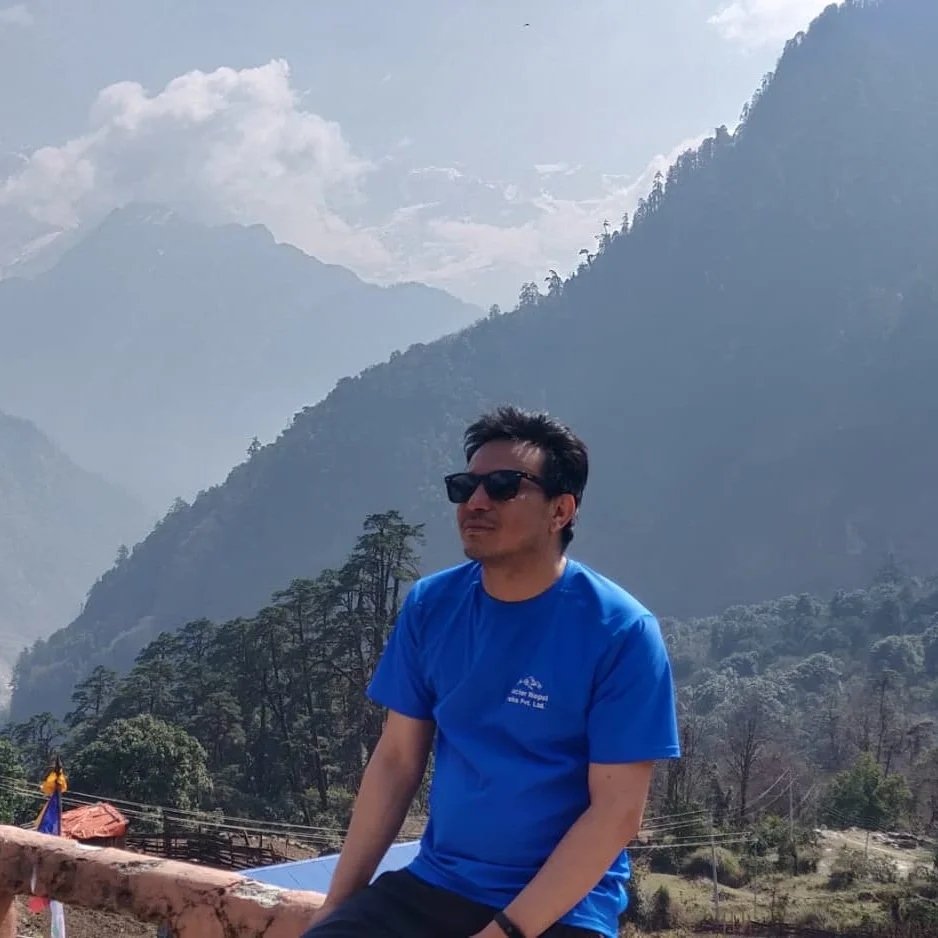
I had a fantastic experience on the Guerrilla Trek with Glacier Nepal Treks. This journey through the remote areas of Western Nepal, including Rukum and Rolpa, was very different from the popular trekking routes in Nepal. The trek offered beautiful mountain views, traditional villages, local culture, and a fascinating glimpse into the history of the region. Our guide, Hem, was excellent throughout the journey. He was friendly, knowledgeable, and always made sure everything was well organized and comfortable.
The Guerrilla Trek is considered a moderate to challenging trek due to daily hiking durations ranging from 4 to 8 hours and elevations reaching above 3,400 meters at Jaljala Pass. Trekkers should be physically fit and accustomed to walking long distances on uneven terrain. While the trek does not require technical climbing skills, stamina, and endurance are essential. Glacier Nepal Trek provides experienced guides and porters to support trekkers, ensuring safety, guidance, and assistance throughout the journey.
Prior trekking experience is not mandatory, but it is highly recommended for those attempting the Guerrilla Trek. This trek includes long hiking days, river crossings, high passes, and steep ascents. Trekkers with basic fitness and experience on hill trails will find it easier to adapt. Glacier Nepal Trek designs the itinerary with gradual acclimatization and provides guidance on training and preparation, ensuring that even first-time trekkers can enjoy the trek safely while experiencing the cultural and natural beauty of Nepal.
The trek passes through remote villages and communities, where trekkers can observe the traditions, lifestyle, and architecture of ethnic groups such as Magar and Gurung people. You will encounter traditional houses, local farming practices, and religious sites along the route. Glacier Nepal Trek emphasizes responsible tourism, encouraging trekkers to respect local customs and interact with communities in a positive way. This cultural exposure adds a unique dimension to the trek, allowing travelers to experience Nepal beyond its mountains.
The Guerrilla Trek can be undertaken almost year-round, but the best seasons are spring (March to May) and autumn (September to November). During these months, the weather is generally stable, skies are clear, and mountain views are spectacular. Spring offers blooming rhododendrons and lush forests, while autumn provides crisp air and colorful landscapes. Glacier Nepal Trek advises avoiding the monsoon season (June to August) due to slippery trails and heavy rainfall, which can make trekking dangerous.
Weather conditions, landslides, or other unforeseen events can impact the trek. Glacier Nepal Trek prioritizes the safety of trekkers above all else. In case of bad weather or other emergencies, the itinerary may be modified, delayed, or rerouted. Guides and support staff are trained to handle such situations, including arranging safe accommodations and alternative routes. Trekkers are advised to remain flexible, patient, and follow the instructions of guides to ensure a safe and enjoyable trekking experience despite unpredictable conditions.
During the Guerrilla Trek, trekkers will stay in tea houses and lodges along the trail, which are basic but comfortable. Most accommodations provide meals, a bed with blankets, and shared or private toilets depending on availability. Glacier Nepal Trek ensures trekkers have access to clean and safe lodgings, prioritizing hygiene and comfort. While remote areas may have limited facilities, the tea houses offer a warm environment for rest, interaction with locals, and cultural immersion.
Glacier Nepal Trek provides three meals daily during the trek: breakfast, lunch, and dinner. Meals typically include traditional Nepali cuisine such as dal bhat (lentils and rice), soups, noodles, vegetables, and occasional meat dishes. Trekkers can also request vegetarian or special dietary requirements in advance. Tea, coffee, and other hot beverages are usually available at tea houses, though some may incur extra charges. This ensures trekkers remain well-nourished and energized for long days on the trail.
Yes, trekkers are required to carry a Trekkers’ Information Management System (TIMS) card and pay the relevant national park fees during the Guerrilla Trek. These permits are mandatory and regulated by the Nepal government to ensure safety and conservation of trekking areas. Glacier Nepal Trek arranges all permits, including TIMS cards, on behalf of trekkers, so they can focus on the journey without worrying about paperwork. Guides also carry a copy of permits to ensure compliance during the trek.
Trekkers should prepare for variable weather, ranging from warm valley temperatures to cold high-altitude conditions. Essential items include hiking boots, trekking pants, layered clothing, a down jacket, gloves, hats, and rain gear. Glacier Nepal Trek provides a detailed gear list before departure. Additional items such as trekking poles, water bottles, and a daypack are recommended. For overnight stays, the company provides sleeping bags and duffle bags, which must be returned at the end of the trek, ensuring comfort during remote nights.
While the Guerrilla Trek is non-technical, altitude sickness is a potential risk at higher elevations like Jaljala Pass. Glacier Nepal Trek ensures proper acclimatization and schedules gradual ascents to minimize health risks. Trekkers are advised to maintain hydration, eat well, and avoid overexertion. A well-equipped medical kit is carried by the guide, including basic medicines and first aid supplies. For serious conditions, emergency evacuation procedures are in place. Pre-trek medical consultation and travel insurance are highly recommended.
| No of people | Price per person |
|---|---|
| 1 - 1 | $1,600 |
| 2 - 4 | $1,450 |
| 5 - 7 | $1,400 |
| 8 - 15 | $1,350 |
| No of people | Price per person |
|---|---|
| 1 - 1 | $2,000 |
| 2 - 4 | $1,850 |
| 5 - 8 | $1,800 |
| 9 - 16 | $1,750 |
| No of people | Price per person |
|---|---|
| 1 - 1 | $2,500 |
| 2 - 4 | $2,399 |
| 5 - 8 | $2,300 |
| 9 - 15 | $2,199 |


 (30)
(30)  94% recommend (244)
 (12)
(12)