Need help with booking? Send us a message.
Explore the hidden kingdom of Upper Dolpa, a land of dramatic landscapes and ancient Tibetan culture. Trek across high mountain passes, remote valleys, and centuries-old monasteries in one of Nepal’s most isolated regions. Experience breathtaking Himalayan scenery, spiritual heritage, and raw wilderness far beyond the modern world.
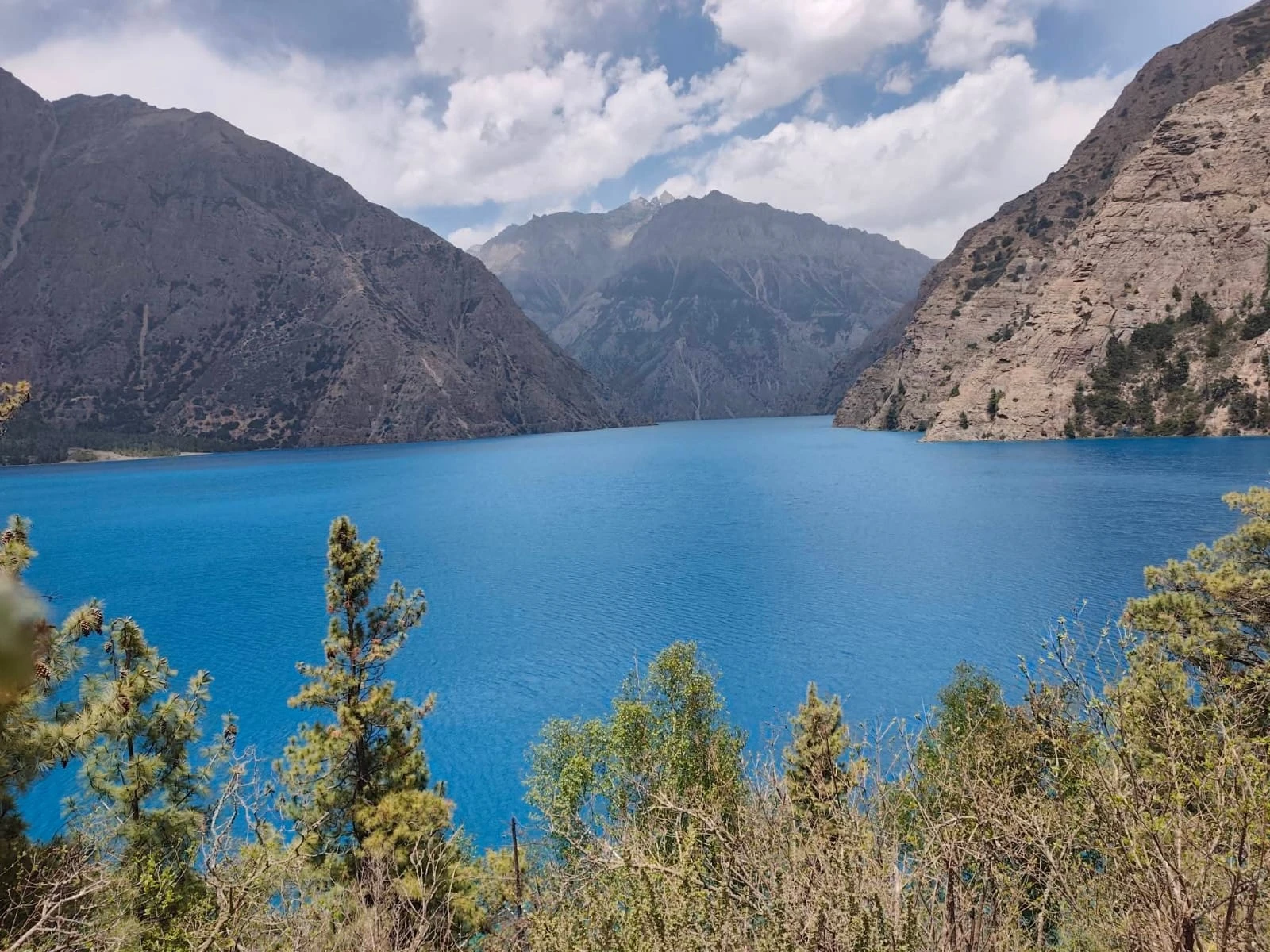
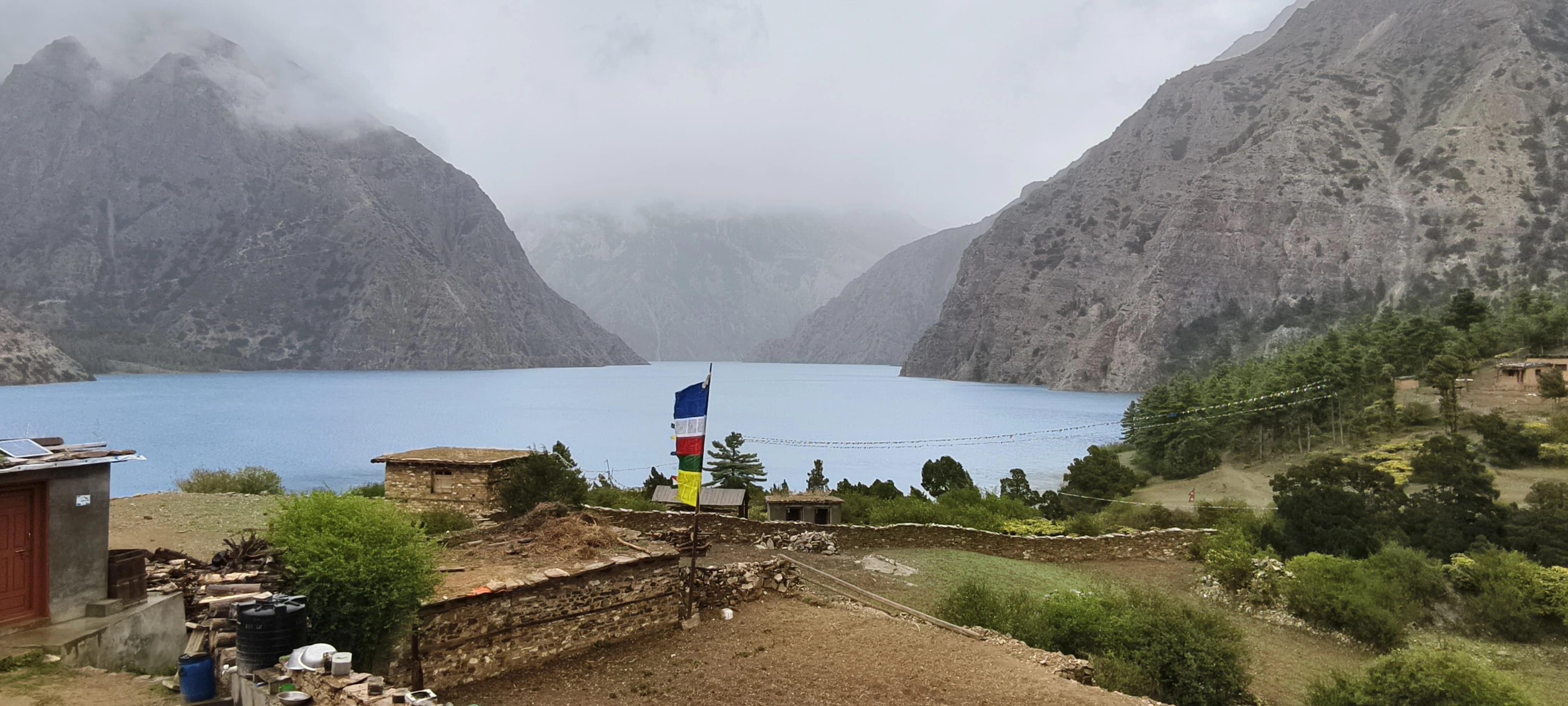
The Upper Dolpo Trek is one of Nepal’s most remote and pristine trekking experiences. Located in the far western region of Nepal, Upper Dolpo offers trekkers breathtaking landscapes, high-altitude passes, hidden Buddhist monasteries, and an authentic glimpse into traditional Tibetan culture. This trek takes you through isolated villages, turquoise glacial lakes like Phoksundo Lake, and rugged terrains rarely touched by modern tourism. It is a unique opportunity to witness untouched natural beauty, towering Himalayan peaks, and ancient Tibetan-style architecture.
The trek typically begins with a flight from Kathmandu to Nepalgunj, followed by a domestic flight to the entry point of Dolpo at Jhupal. From there, trekkers gradually ascend through lush forests, high mountain passes, and arid highlands. Villages like Saldang, Tinje, and Dho Tarap showcase the lifestyle of the Dolpo people, including their distinct language, clothing, and religious practices. The Upper Dolpo Trek is not just a physical journey but also a spiritual and cultural exploration, making it ideal for travelers seeking adventure off the beaten path.
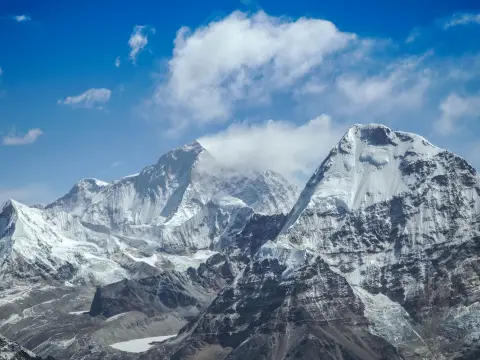
The best seasons for trekking in Upper Dolpo are spring (March to May) and autumn (September to November). During spring, the valleys bloom with alpine flowers, and the weather remains relatively mild, making high-altitude trekking comfortable. Autumn, on the other hand, provides crystal-clear skies, allowing trekkers spectacular views of the Himalayan range, including peaks like Kanjiroba and Dhaulagiri.
Winter months (December to February) are extremely cold with heavy snowfall at higher passes like Nangda La and Shey La, making trekking dangerous. Similarly, the monsoon season (June to August) brings heavy rains, leeches, and slippery trails, which can make remote areas inaccessible. Therefore, Glacier Nepal Treks recommends planning the trek during spring or autumn to fully enjoy the natural beauty, cultural experiences, and safe trekking conditions.
Season Highlights:
The Upper Dolpo Trek is considered moderate to challenging due to its high altitudes, long trekking days, and remote location. Trekkers should be prepared for altitudes exceeding 5,000 meters, rugged trails, and limited access to medical facilities. Proper physical preparation and acclimatization are essential to avoid altitude sickness, especially on passes like Nangda La (5,350m) and Shey La (5,100m).
Transportation begins with flights from Kathmandu to Nepalgunj, followed by a small aircraft to Jhupal or Dunai. These flights are scenic but can be affected by weather, so flexibility is crucial. After reaching Dolpo, trekking is the primary mode of travel, with a mix of gradual ascents, steep climbs, and river crossings. Glacier Nepal Treks ensures all logistics, including local guides and porters, to help travelers navigate the challenging terrain safely.
Key Points:
Accommodation on the Upper Dolpo Trek is a combination of basic tea houses, lodges, and camping in some remote areas. Facilities are simple and may lack modern amenities such as hot showers or Wi-Fi. Staying in local tea houses offers a chance to experience traditional hospitality and local cuisine, but trekkers should be prepared for basic bedding and limited heating, especially at high altitudes.
Meals typically consist of Dal Bhat (lentil rice), noodles, soups, and Tibetan bread. Snacks like chocolate, biscuits, and instant noodles are also available in certain villages. Glacier Nepal Treks ensures trekkers have access to safe drinking water and high-energy meals necessary for long trekking days. Carrying a reusable water bottle and purification tablets is recommended.
Food & Accommodation Tips:
Trekking in Upper Dolpo requires special permits, as it lies within a restricted area near the Tibetan border. Permits include:
Glacier Nepal Treks assists in obtaining all required permits, ensuring compliance with government regulations and avoiding last-minute issues. The restricted area permits are often processed through authorized trekking agencies only, making it difficult for independent trekkers to organize without local guidance.
Permit Highlights:
Upper Dolpo Trek is perfect for travelers seeking adventure, culture, and isolation. Unlike popular trekking regions like Annapurna or Everest, Dolpo offers serenity, untouched nature, and authentic cultural experiences. You will witness traditional Tibetan Buddhist villages, ancient monasteries, and the breathtaking turquoise waters of Phoksundo Lake.
Choosing Glacier Nepal Treks guarantees a professionally organized, safe, and enjoyable experience. Their expert guides, experienced porters, and local knowledge make the challenging trek manageable and memorable. With proper acclimatization, logistics support, and cultural insights, trekkers can focus on enjoying the remote landscapes, high mountain passes, and the profound tranquility of Upper Dolpo.
Reasons to Choose Glacier Nepal Treks:
The Upper Dolpo Trek is one of Nepal's most remote and rewarding trekking adventures, taking you deep into a hidden corner of the Himalayas where ancient Tibetan culture, breathtaking landscapes, and untouched wilderness still thrive. Your journey begins with scenic flights to Juphal via Nepalgunj, followed by a trek through charming villages, dense pine forests, and the beautiful Shey Phoksundo National Park.
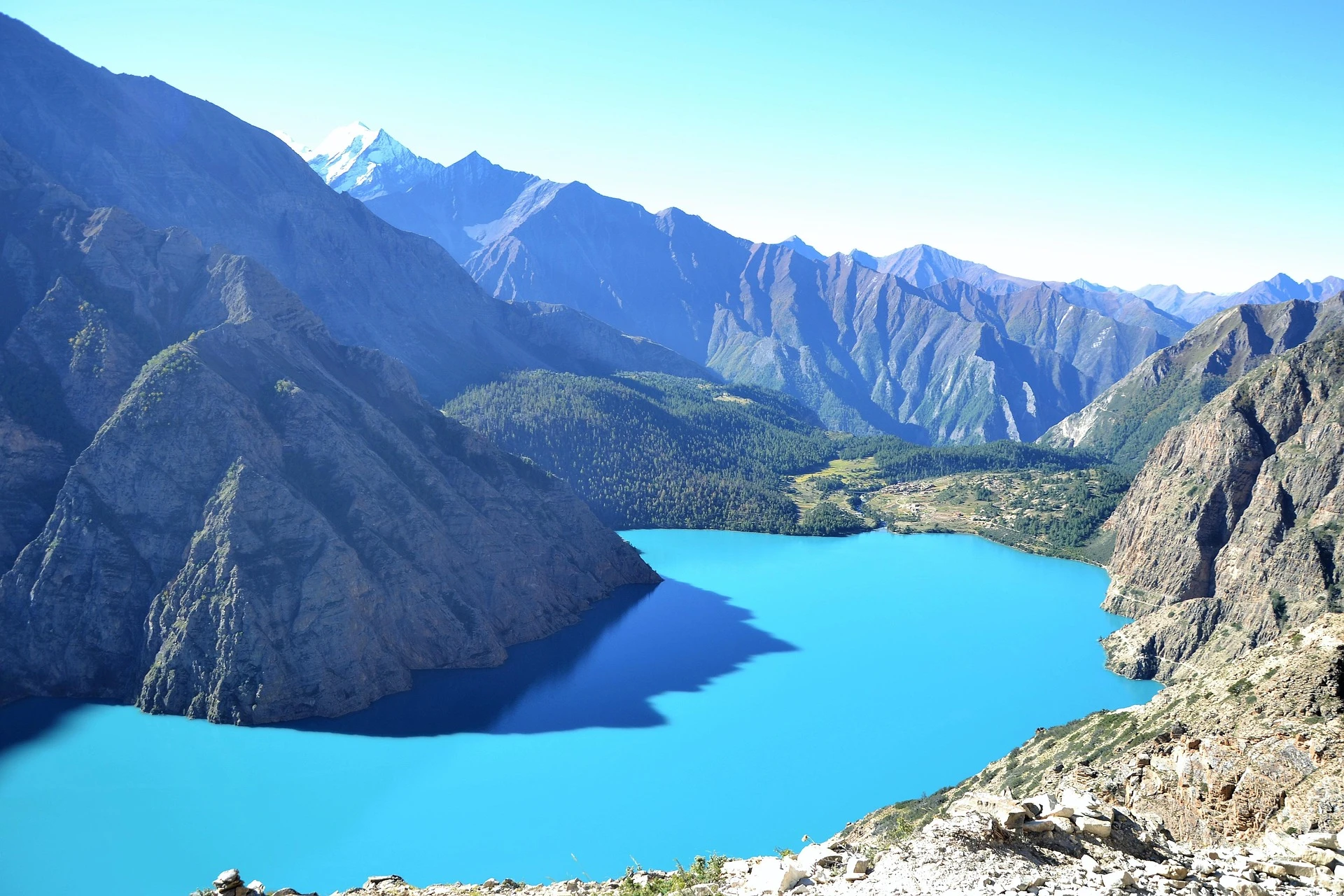
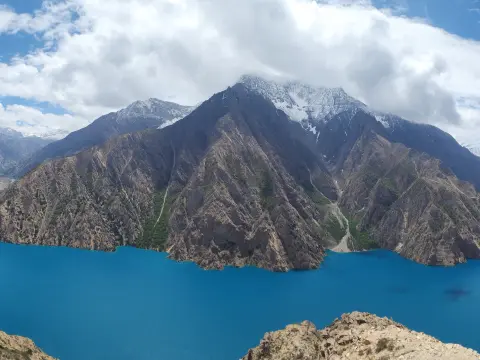
One of the highlights of the trek is the stunning Phoksundo Lake, famous for its crystal-clear turquoise water and dramatic mountain backdrop. As you continue deeper into Upper Dolpo, the trail passes traditional stone villages, high alpine meadows, and centuries-old monasteries that reflect the region's rich Buddhist heritage. Visiting the sacred Shey Gompa offers a unique glimpse into the spiritual life of the local people.
The adventure becomes even more exciting as you cross high mountain passes such as Kang La (5,360 m), where incredible views of snow-covered peaks and the vast Tibetan Plateau await. Along the way, you may spot blue sheep, Himalayan griffons, and, if you're lucky, the elusive snow leopard.
This fully supported camping trek is designed for adventurous travelers looking to experience one of Nepal's last true wilderness regions. With spectacular scenery, authentic local culture, and peaceful trails far from the crowds, the Upper Dolpo Trek offers an unforgettable Himalayan journey unlike any other.
Upon arrival at Tribhuwan International Airport, a warm welcome awaits you from the Glacier Nepal Treks representative, who will assist with your transfer to the hotel in Kathmandu. After settling in, you’ll have some time to relax and refresh from your flight. Later, you will meet your trekking guide at our office, who will provide a detailed briefing about the Upper Dolpo Trek, including routes, safety, and cultural insights. This is also an excellent opportunity to ask questions about your upcoming adventure. Overnight stay at the hotel in Kathmandu.
 Accommodation Three-star Hotel in Thamel, Kathmandu
  Meals Breakfast
  Max. altitude 1,350m / 4,429ft.
 After an early breakfast, you will board a short domestic flight to Nepalgunj, the gateway to western Nepal. Nepalgunj, known as a bustling trade hub, is warmer than Kathmandu and has a unique cultural blend of people. Upon arrival, Glacier Nepal Treks staff will transfer you to the hotel. You can explore the local markets, enjoy a traditional Tharu meal, or simply rest in preparation for the flight to Dolpo the next day. Overnight stay at the hotel in Nepalgunj.
A morning flight from Nepalgunj to Jhupal sets the stage for the trek ahead. Jhupal is a small airstrip serving as the entry point to Dolpo, often accessed early in the morning to avoid high winds. From Jhupal, your trek begins with a gradual descent to Dunai, the administrative center of Dolpo. Along the way, enjoy glimpses of the surrounding Himalayan landscapes and local villages. Dunai offers the first taste of remote Dolpo life and provides an overnight stay at a local hotel, preparing you for the trek into Shey Phoksundo National Park.
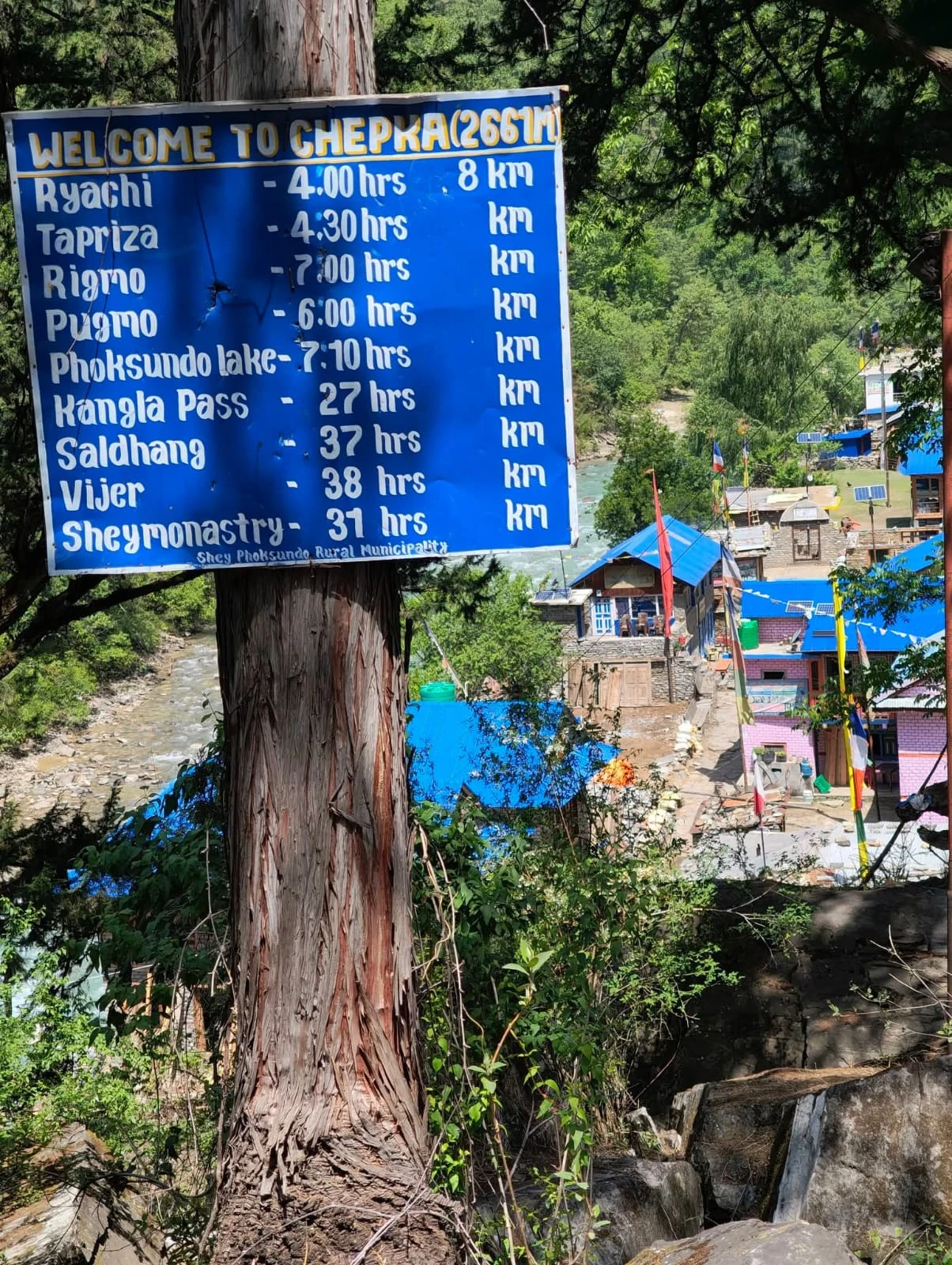
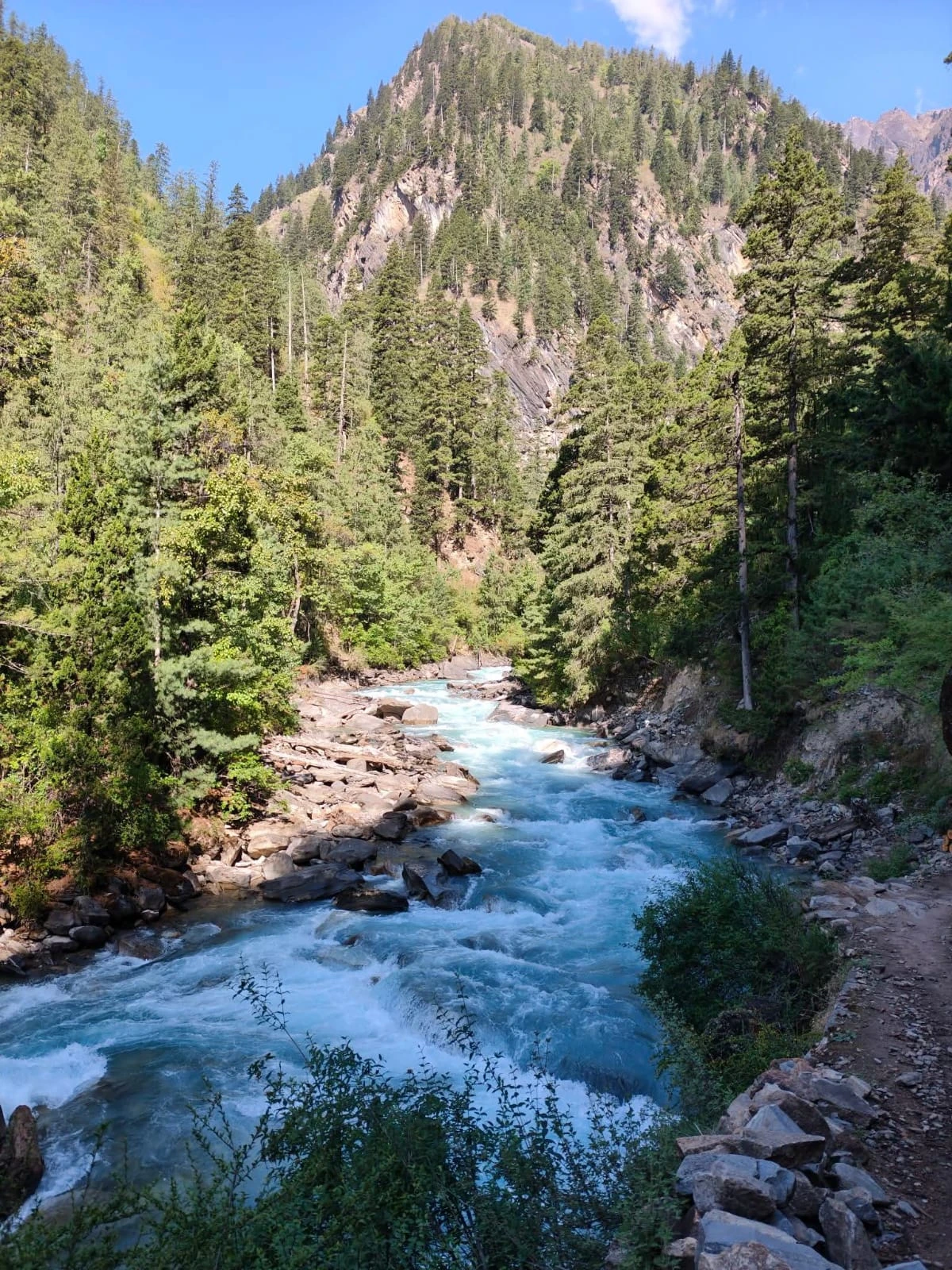
The trek from Dunai begins with a crossing over a suspension bridge, then turns west along the Thulo Bheri River. You will stop at the national park office to register your trekking permit for Shey Phoksundo National Park. Passing through small villages like Kageni and Sankta, you will experience the traditional Dolpo way of life and the pristine beauty of untouched landscapes. The trail gradually ascends into the park, culminating in your overnight stay at Chhepka, surrounded by the tranquil beauty of Dolpo’s high valleys.
Today’s route follows a newly established trail alongside the river, weaving through forested areas and small villages. You will climb ridges and cross streams, enjoying breathtaking views of the rugged Dolpo terrain. The trail passes the village of Renje before reaching Jharana, a charming lodge providing comfort and local hospitality. This stretch offers opportunities to interact with villagers and experience the simplicity of life in Dolpo. Overnight stay is arranged at Jharana Hotel, where you can relax after a moderately challenging day.
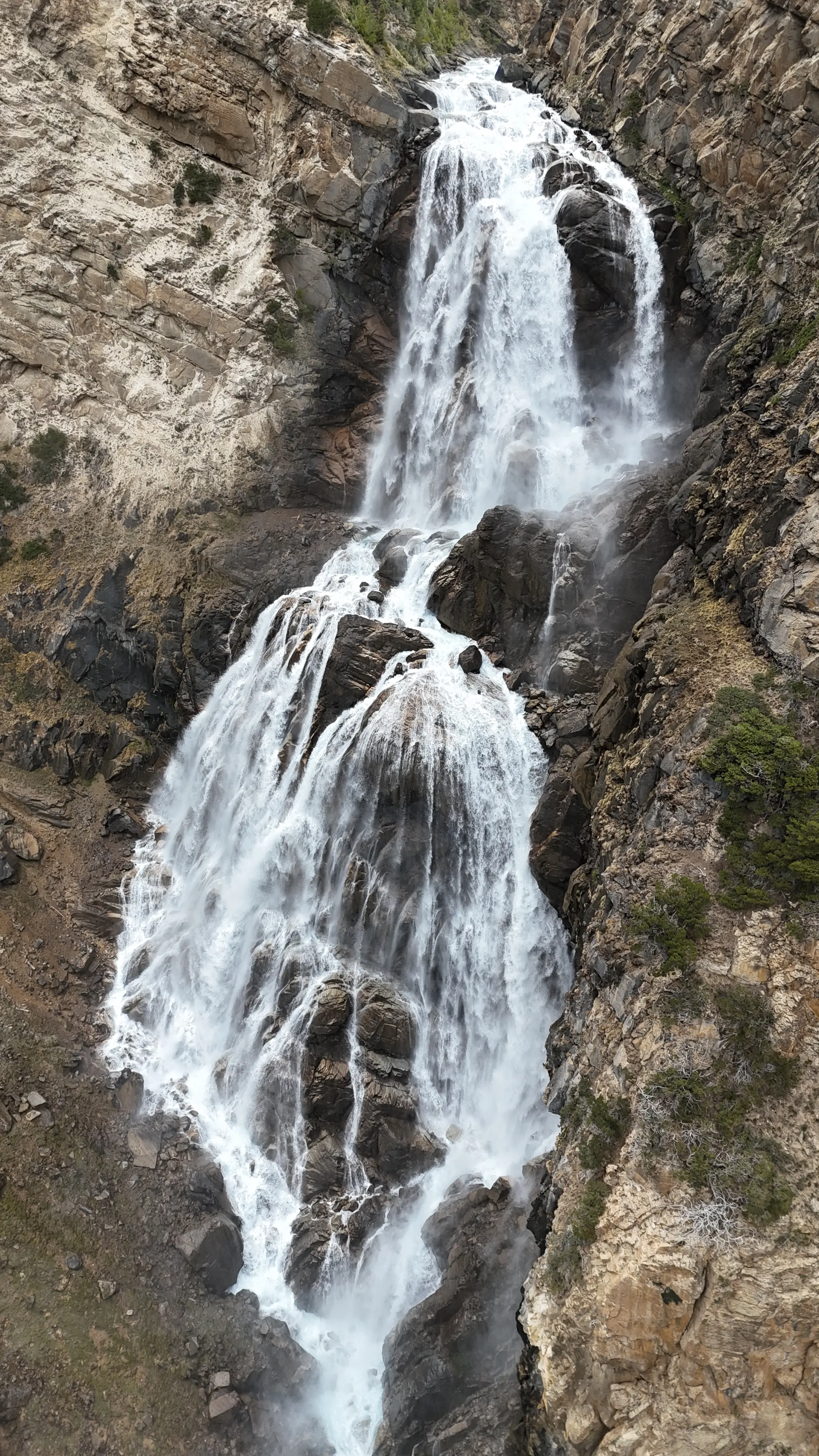
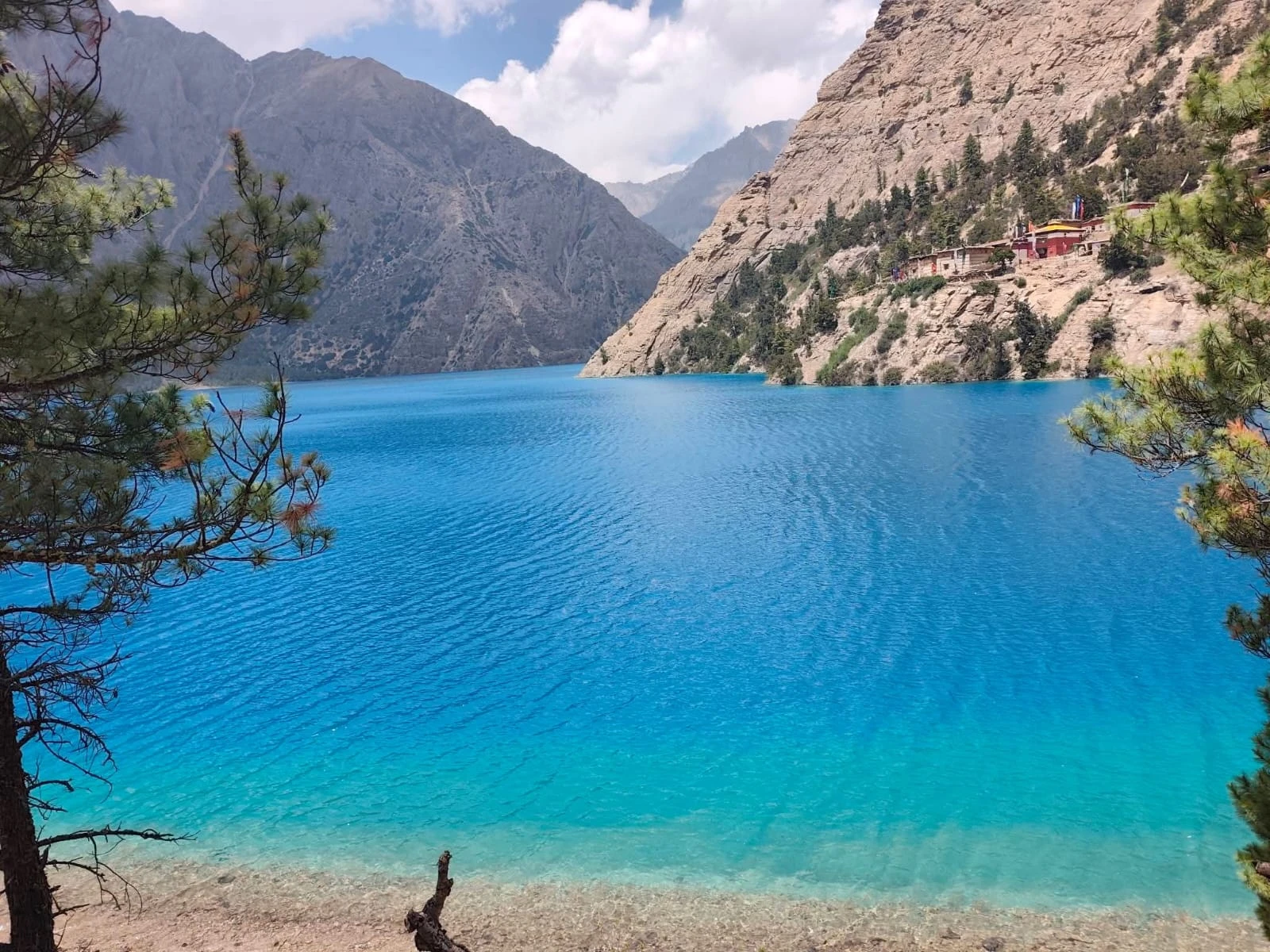
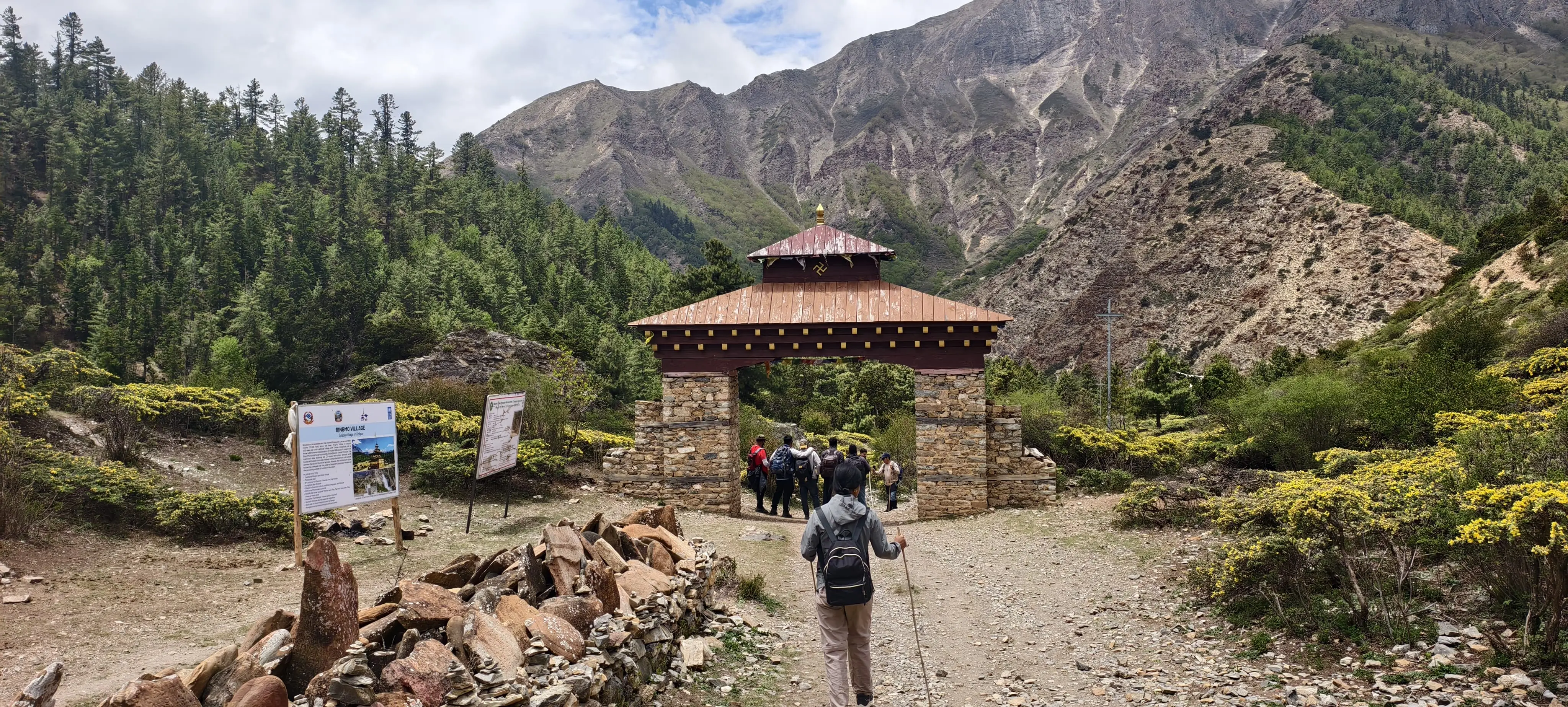
The trek to Phoksundo Lake is one of the highlights of Upper Dolpo. The trail switchbacks steeply through open terrain and birch forests, offering distant views of the magnificent lake and a spectacular 200-meter-high waterfall. As you approach Ringmo village, you will cross a bridge and follow the trail to the ranger station at Phoksundo Lake, set in the heart of Shey Phoksundo National Park. The lake’s turquoise waters and surrounding cliffs provide an unforgettable scene. Overnight stay near Phoksundo Lake.
A well-deserved rest day at Phoksundo Lake allows for exploration of the deepest lake in Nepal, measuring over 650 meters in depth. You can visit the Bonpo monastery, interact with local monks, or hike around the lake to appreciate its legendary origin said to have been created by a female demon’s wrath. The day offers an opportunity to acclimatize, take photographs, and immerse yourself in the serene and mystical beauty of the Dolpo region. Overnight stay near Phoksundo Lake.
The journey from Phoksundo to Sallaghari follows trails through rugged hills and remote valleys. The route passes through pristine landscapes, offering stunning vistas of terraced fields, cliffs, and scattered hamlets. You will cross small streams and gently ascend through undulating terrain, allowing you to experience the tranquility of Dolpo’s wilderness. Sallaghari, a quiet village with simple lodges, provides an ideal resting point for acclimatization. The day is rewarding for nature lovers and photographers. Overnight stay at Sallaghari.
Today marks a significant ascent into the high Dolpo region. The trail climbs steadily through rocky slopes and alpine meadows, gradually reaching Nangdala High Camp. This high-altitude campsite offers panoramic views of surrounding snow-capped peaks and is a critical stop for acclimatization before crossing higher passes. Trekking at this elevation requires a steady pace, and you may notice the thin air. Overnight stay at Nangdala High Camp.
The trek to Shey Gompa is a challenging but spectacular journey. You will cross the mighty Nangda La Pass, the highest point of the trek, offering awe-inspiring views of the surrounding Himalayas. Descending from the pass, the trail leads to Shey Gompa, a remote monastery perched on a hilltop. The area is steeped in spiritual significance, providing a glimpse into the Bonpo culture and ancient traditions. Overnight stay near Shey Gompa, surrounded by mystical landscapes.
Today’s trek crosses Shey La Pass, offering stunning high-altitude panoramas of Dolpo’s rugged terrain. The trail descends toward Namgung Gompa, another ancient monastery that provides insight into the spiritual life of the region. Along the way, the landscape alternates between barren cliffs and serene valleys, showcasing Dolpo’s unique ecology. This day demands careful trekking due to altitude, but the reward is witnessing one of Nepal’s most remote and culturally rich areas. Overnight stay at Namgung Gompa.
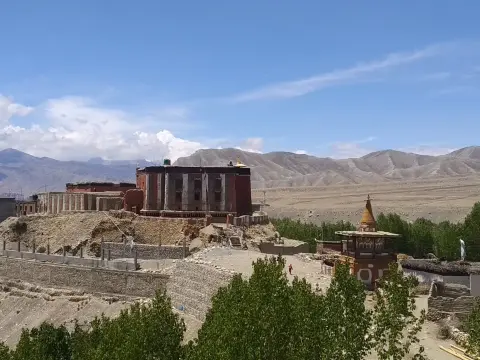
Descending gently from Namgung Gompa, you reach the village of Saldang, one of Upper Dolpo’s largest settlements. The village is famous for its Tibetan-style architecture and stone houses perched along the hillsides. Along the route, observe yak herding, mani walls, and prayer flags fluttering in the wind. Saldang offers lodges and home stays, where trekkers experience warm local hospitality. The afternoon allows for exploration of the village’s monasteries and surrounding landscapes. Overnight stay in Saldang.
A day hike to Yangjer Gompa provides an excellent opportunity for acclimatization and panoramic views. The trail passes traditional stone villages, prayer wheels, and barren highland valleys. Upon reaching Yangjer Gompa, enjoy sweeping vistas of the surrounding Dolpo mountains and the high-altitude plains. After soaking in the scenery, descend back to Saldang for an overnight stay, enriched by the spiritual and natural beauty of the region.
The trail today traverses high-altitude plains, rocky ridges, and small villages. You will witness nomadic lifestyles and herding of yaks and goats along the way. Komash Village, a small settlement with stone houses and prayer flags, is your destination for the night. The scenery alternates between barren landscapes and alpine meadows, offering solitude and breathtaking views. Overnight stay in Komash Village provides a glimpse into the daily life of Dolpo’s remote communities.
Leaving Komash, the trail descends gradually toward Shimen, passing highland pastures and streams. The path offers beautiful views of Dolpo’s rugged terrain and distant peaks. Along the route, you may encounter nomadic shepherds and their yaks. Shimen is a small village with a lodge where you can rest and interact with locals, experiencing the tranquil life of Upper Dolpo. Overnight stay in Shimen.
The route to Tinje climbs through open valleys and rocky ridges. Tinje Village, a prominent settlement in Upper Dolpo, is known for its monasteries and traditional architecture. The village serves as a central hub for trekkers and offers comfortable lodges. Along the way, enjoy panoramic views of surrounding Himalayan peaks, highland pastures, and scattered villages. Overnight stay in Tinje Village.
From Tinje, the trail continues to Yak Kharka, a high-altitude pasture and small settlement. The trek offers spectacular views of snow-capped peaks, steep cliffs, and the vast Dolpo plateau. Yak Kharka is a remote location where yaks graze freely, making it an authentic glimpse into the pastoral life of the region. Overnight stay in simple lodges or tents with local hospitality.
Today’s trail moves through remote valleys, passing grazing lands and rugged terrain. Tokyu is a tiny settlement, where trekkers experience isolation and the untouched beauty of Upper Dolpo. The village is surrounded by towering cliffs and mountain views, making it an excellent spot for photography and cultural interaction. Overnight stay in Tokyu.
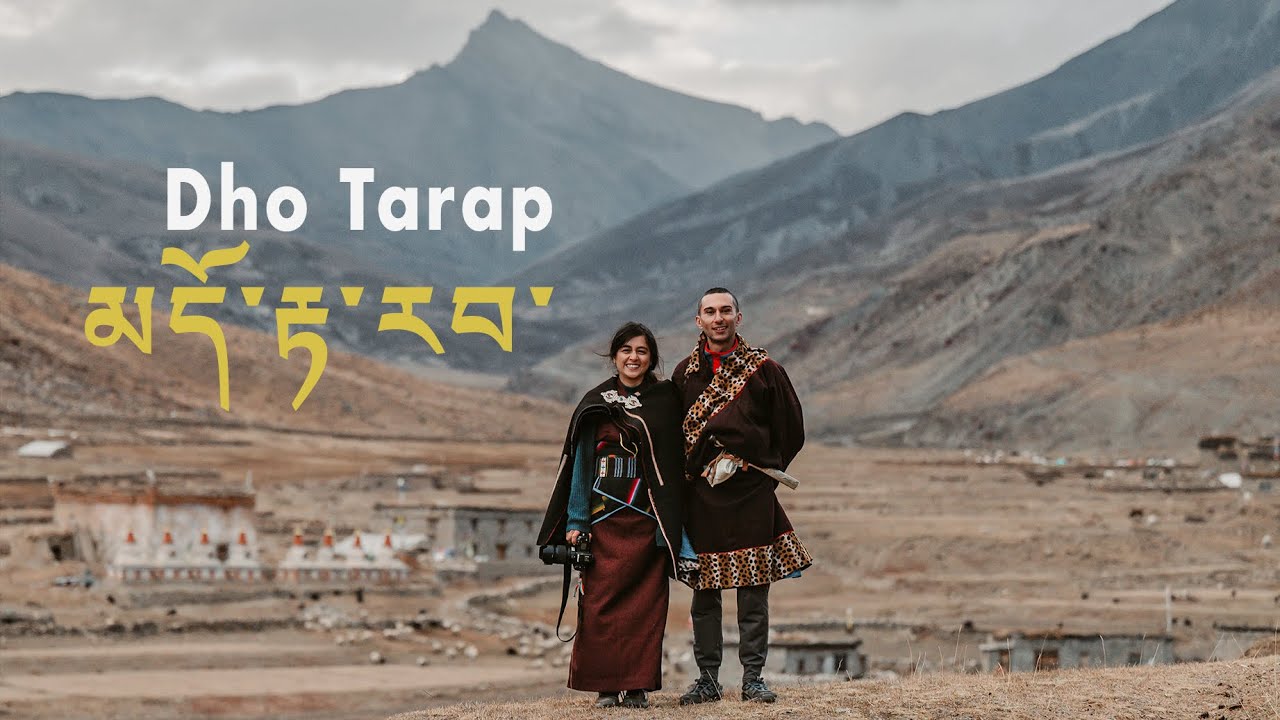
The path descends gradually to Dho Tarap, one of Upper Dolpo’s most famous villages. Dho Tarap is known for its ancient fortress-like houses, narrow streets, and monasteries. The village offers insight into the rich cultural heritage of the region and is a hub for trekkers exploring the western Dolpo area. Overnight stay in Dho Tarap, with opportunities to explore the village and interact with locals.
The trail today leads to the famous Chhegur Cave, a spiritual site with religious significance. The path meanders through open landscapes, past small streams and traditional villages. Chhegur Cave is not only a pilgrimage site but also offers remarkable views of the surrounding hills and valleys. Overnight stay near Chhegur Cave in a local lodge or camping site.
Descending from Chhegur Cave, you reach Tarakot, a peaceful village nestled in the lower Dolpo region. The village features terraced fields, stone houses, and friendly locals. The descent provides relief from high-altitude trekking and offers lush landscapes and streams along the route. Overnight stay in Tarakot, where you can enjoy the calm and scenic environment.
The trail today descends further along the Thulo Bheri River toward Dunai. The path passes small villages, farmlands, and suspension bridges, allowing trekkers to witness rural Dolpo life. Returning to Dunai, you reconnect with local markets and accommodations where you can rest and refresh after weeks of trekking. Overnight stay at a hotel in Dunai.
The final day of trekking takes you back to Jhupal airport. The trail is relatively easy, passing along rivers and small settlements. Upon arrival, you will prepare for your return flights, reflecting on the incredible journey through Upper Dolpo. Overnight stay at Jhupal or transfer to Nepalgunj for early morning flight.
Early morning flight from Jhupal to Nepalgunj, followed by a connecting flight to Kathmandu. Once in Kathmandu, you can enjoy free time for last-minute shopping, sightseeing, or relaxing. In the evening, Glacier Nepal Treks hosts a farewell dinner to celebrate the successful completion of the Upper Dolpo Trek, sharing memories and photos from this incredible journey. Overnight stay in Kathmandu.
On your final day, Glacier Nepal Treks representatives will transfer you to Tribhuwan International Airport for your departure. Bid farewell to Nepal with memories of breathtaking landscapes, unique cultural encounters, and the satisfaction of completing one of the world’s most remote treks. Homeward bound, carrying stories and experiences from Upper Dolpo that will last a lifetime.
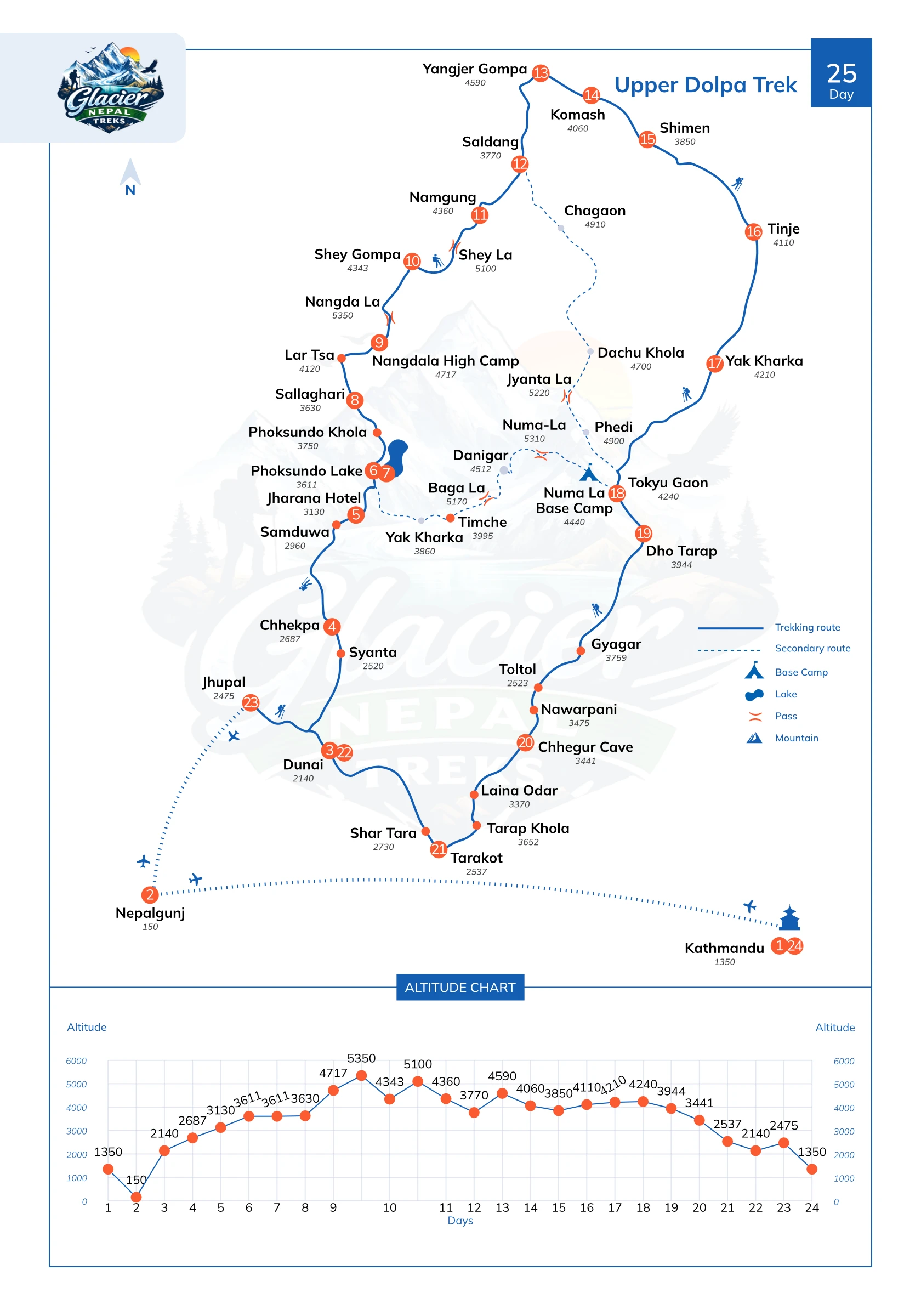
The Upper Dolpo Trek with Glacier Nepal Treks is a breathtaking journey through remote Himalayan landscapes, traditional Tibetan-influenced villages, high passes, and pristine lakes. Spanning 25 days, the trek starts with Kathmandu and Nepalgunj flights, follows a loop through Dunai, Phoksundo Lake, Shey Gompa, Saldang, Tinje, and Dho Tarap, and ends back in Kathmandu. Trekkers experience high-altitude trekking, cultural immersion, and off-the-beaten-path exploration in one of Nepal’s least-visited regions. The route includes moderate to challenging hiking, altitude changes from 150 m (492 ft) to over 5,350 m (17,552 ft), and scenic remote villages.
This trek offers unmatched natural beauty, cultural encounters, and a true adventure for experienced trekkers seeking an off-the-beaten-path Himalayan experience.
Airport & Transportation
Accommodation
Meals
Permits & Documentation
Trekking Staff & Support
Trekking Equipment & Safety
Additional Services
Your Start Date is the day you land in Nepal, and your End Date is when you fly home.
If the set Upper Dolpo Trek group dates don’t suit your schedule, we can offer alternative dates upon request.
Proper layering is important to stay warm and comfortable in changing mountain weather.
Good footwear makes trekking easier and safer.
The right gear keeps you safe, comfortable, and prepared.
Lightweight but important items keep you clean, healthy, and comfortable.
Keep important items safe and easy to reach.
The Upper Dolpo Trek with Glacier Nepal Treks was without question the most extraordinary and challenging adventure of my life. Twenty-five days through one of the most remote and breathtaking corners of the Himalayas ancient monasteries, sacred Phoksundo Lake, dramatic high passes including Nangda La at 5,350m, and the deeply spiritual villages of Saldang, Tinje, and Dho Tarap every single day exceeded every expectation. Our guide Narayan Gurung was absolutely outstanding deeply knowledgeable, incredibly calm under pressure, and genuinely passionate about the Dolpo region's extraordinary culture and wilderness. His expertise made every challenging moment feel completely manageable. A heartfelt and sincere thank you to Rabin KC for organizing this entire journey so flawlessly from start to finish.
Flight to Juphal and the long walks through remote valleys to the incredible views of Phoksundo Lake, every day brought something new and special. This was a real camping trek, and we loved the feeling of being completely surrounded by untouched Himalayan wilderness. The landscapes were spectacular, with beautiful forests, high alpine meadows, dramatic mountains, traditional stone villages, and ancient monasteries. Phoksundo Lake was definitely one of the highlights, with its turquoise water and peaceful surroundings. Crossing Kang La at around 5,360 meters was challenging but incredibly rewarding. The views from the pass were simply breathtaking. A big part of what made the journey so enjoyable was our guide, Ram Thami. He was friendly, experienced, patient, and always made sure we were comfortable and safe. His knowledge of the remote trails and local culture added so much to the experience.
The Upper Dolpo Trek is considered a high-altitude, strenuous trek, suitable for experienced trekkers or those in excellent physical condition. Daily trekking ranges from 4 to 7 hours, often through rugged terrain, high passes, and remote villages. Altitudes exceed 5,000 meters at some passes, requiring careful acclimatization. Glacier Nepal Trek emphasizes that proper physical preparation, including cardiovascular training, hiking experience, and altitude adaptation strategies, is essential for safety and enjoyment during this demanding yet incredibly rewarding trek.
Yes, altitude sickness is a potential risk on the Upper Dolpo Trek due to the high elevations, including passes above 5,000 meters. Symptoms can include headaches, nausea, dizziness, and fatigue. Proper acclimatization, gradual ascent, staying hydrated, and listening to your guide are crucial to prevent serious complications. Glacier Nepal Trek’s guides are trained to monitor symptoms and manage altitude sickness, including recommending rest days or descending if necessary, ensuring trekkers’ safety throughout the expedition.
Upper Dolpo is one of Nepal’s most remote regions, with limited electricity, no mobile network in many areas, and basic facilities. Communication with the outside world is often restricted to satellite phones, which Glacier Nepal Trek can provide in emergencies. The remoteness is part of the trek’s appeal, offering pristine landscapes and cultural immersion, but it also requires preparedness. Trekkers should inform family and friends about limited connectivity and carry all necessary supplies for a self-sufficient journey.
Preparation for the Upper Dolpo Trek requires both physical and mental readiness. Physically, regular cardio exercises, long hikes with a weighted backpack, and altitude training if possible are recommended. Mentally, trekkers should be prepared for long days, unpredictable weather, and the isolation of high-altitude terrain. Glacier Nepal Trek provides guidance on pre-trek training and mental preparation tips, helping participants build endurance, resilience, and confidence to fully enjoy this extraordinary adventure.
Dolpo is home to Tibetan-influenced villages, ancient monasteries, and Bonpo spiritual practices. Trekkers will visit monasteries like Shey Gompa, Namgung Gompa, and Yangjer Gompa, meet monks, and witness traditional festivals and rituals. Local communities maintain centuries-old customs and hospitality, offering insights into a lifestyle largely untouched by modernity. Glacier Nepal Trek emphasizes respectful cultural interaction and ensures that trekkers gain a deep appreciation of Dolpo’s unique heritage while preserving its authenticity.
Yes, trekking to Upper Dolpo requires multiple permits. Travelers need a Restricted Area Permit (RAP) as the region lies in a restricted border area, along with a Shey Phoksundo National Park entry permit. These permits are mandatory and help ensure visitor safety while preserving the unique ecology and culture of Dolpo. Glacier Nepal Trek assists clients in arranging all permits in advance, ensuring a hassle-free start to the trek without bureaucratic delays upon arrival in Nepal.
The Upper Dolpo Trek is best undertaken during the pre-monsoon (March to May) and post-monsoon (September to November) seasons. During these periods, the weather is relatively stable, the skies are clear, and the views of the snow-capped Himalayas are breathtaking. Winter months can be extremely cold with heavy snow, making some high passes impassable, while the monsoon season brings heavy rainfall, slippery trails, and potential flooding, which can make trekking dangerous. Glacier Nepal Trek recommends careful planning around these ideal windows.
Accommodation on the Upper Dolpo Trek is basic but comfortable, mostly in tea houses, lodges, or local guesthouses. In very remote regions, camping may be necessary, with Glacier Nepal Trek providing tents and sleeping equipment. Facilities are simple, with shared bathrooms and limited hot water in higher villages. Meals are typically local Dal-Bhat, noodles, and tea. The focus is on authentic experience and immersion in local culture rather than luxury, allowing trekkers to enjoy the natural and cultural beauty of Dolpo.
Meals on the trek mostly consist of traditional Nepali and Tibetan cuisine, including Dal-Bhat (rice and lentils), noodles, momo dumplings, tsampa, and local vegetables. In villages and tea houses, options are limited but wholesome. Snacks like chocolate, nuts, and energy bars are recommended for long trekking days. Glacier Nepal Trek ensures that all food is hygienic and nutritious to support high-energy trekking, and dietary preferences or restrictions can be accommodated with prior notice to the company.
Yes, hiring a licensed guide and porter is highly recommended for the Upper Dolpo Trek due to its remoteness, restricted permits, and complex trails. Guides help with navigation, cultural interpretation, and safety, while porters carry heavy luggage, allowing trekkers to enjoy the journey comfortably. Glacier Nepal Trek provides experienced guides and porters familiar with the terrain, high-altitude conditions, and local communities, ensuring a smooth and safe trekking experience while supporting responsible tourism in the region.
The Upper Dolpo Trek is challenging and best suited for experienced trekkers and adventurous solo travelers. While small groups can undertake the trek, families with young children may find it too demanding due to high altitudes, long trekking hours, and limited facilities. Glacier Nepal Trek encourages solo travelers to join guided groups for safety and companionship and provides expert support, including logistics, porters, and guides, making the trek accessible while ensuring cultural respect and safety in this remote Himalayan region.
Trekkers should bring layered clothing for varying temperatures, including thermal wear, waterproof jackets, trekking pants, gloves, hats, and sturdy trekking boots. Sunglasses, sunscreen, and a good-quality sleeping bag are essential for cold nights. Trekking poles are highly recommended for high passes and steep trails. Glacier Nepal Trek provides a detailed gear list and packing guide, ensuring trekkers are fully prepared for extreme weather, altitude, and remote conditions while maintaining safety and comfort throughout the journey.
| No of people | Price per person |
|---|---|
| 1 - 1 | $2,450 |
| 2 - 4 | $2,300 |
| 5 - 8 | $2,250 |
| 9 - 16 | $2,099 |
| No of people | Price per person |
|---|---|
| 1 - 1 | $2,000 |
| 2 - 4 | $1,850 |
| 5 - 8 | $1,800 |
| 9 - 16 | $1,750 |
| No of people | Price per person |
|---|---|
| 1 - 1 | $2,500 |
| 2 - 4 | $2,399 |
| 5 - 8 | $2,300 |
| 9 - 15 | $2,199 |


 (31)
(31)  94% recommend (244)
 (12)
(12)