Need help with booking? Send us a message.
Discover the harmony of nature and mindfulness on the Poon Hill Yoga Trek in the heart of the Himalayas. Follow peaceful trails through terraced fields and traditional villages to the iconic viewpoint of Poon Hill. Practice rejuvenating yoga sessions surrounded by breathtaking sunrise views
The Poon Hill Yoga Trek is a serene combination of Himalayan trekking and daily yoga practice, designed for those seeking both physical activity and spiritual rejuvenation. Starting from Pokhara, the trek follows a well-established trail through the Annapurna region, passing through lush rhododendron forests, traditional Gurung villages, and terraced farmlands. Along the journey, trekkers experience panoramic views of the Annapurna and Dhaulagiri mountain ranges, culminating in the unforgettable sunrise from Poon Hill (3,210m/10,531ft). This trek is suitable for beginners to moderate trekkers and yoga enthusiasts, offering a perfect blend of adventure, nature, and mindfulness.
The trek is structured to provide daily yoga sessions, either in the morning or evening, often overlooking breathtaking Himalayan vistas. Guided meditation sessions help in grounding the mind while the body is gently strengthened through yoga asanas tailored for trekkers. The route passes through Thikhedhunga, Ghorepani, Tadapani, and Ghandruk, allowing trekkers to immerse themselves in local culture and hospitality. The experience not only challenges the body but nourishes the soul, making it a holistic journey for mental, physical, and spiritual wellness.
The Poon Hill Yoga Trek can be undertaken throughout the year, but certain seasons offer optimal conditions for both trekking and yoga practice. Autumn (September to November) is widely regarded as the best season due to clear skies, stable weather, and vibrant landscapes. The Himalayan peaks, including Annapurna South, Dhaulagiri, and Machapuchare, are clearly visible, providing ideal backdrops for sunrise yoga and meditation. Autumn also features moderate temperatures, making the trek comfortable while reducing the risk of altitude-related discomfort.
Spring (March to May) is another excellent season, as rhododendron forests along the trail bloom with vivid colors, creating a visually stunning environment for trekking and yoga. The temperatures are moderate, and the days are longer, offering more daylight for trekking and photography. Winter (December to February) offers quieter trails and snow-dusted landscapes, ideal for solitude and mindful practice, although mornings and evenings can be extremely cold. Monsoon season (June to August) is generally avoided due to heavy rainfall, landslides, and slippery trails, which can make trekking and yoga practice unsafe.
Best Season Highlights:
The Poon Hill Yoga Trek is classified as a moderate trek, suitable for individuals with a basic level of fitness and a willingness to enjoy daily walking at high altitudes. The trek includes gradual ascents, forested trails, and a few steep sections, particularly from Thikhedhunga to Ulleri and Ghorepani. Trekkers are encouraged to take their time during the ascent to Poon Hill, especially to avoid altitude sickness, while enjoying daily yoga sessions to stretch, strengthen, and relax the body.
Transportation logistics are straightforward and well-managed by Glacier Nepal Treks. Trekkers typically start the journey in Kathmandu with a transfer to Pokhara either by a 6–7 hour tourist bus or a 30-minute scenic flight. From Pokhara, a private vehicle transports the group to Nayapul, the official starting point of the trek. After completing the trek, the route back follows the same path in reverse, ending in Pokhara, and then returning to Kathmandu by road. The mix of trekking and organized transport ensures a smooth journey, allowing trekkers to focus on yoga practice and the natural beauty around them.
Difficulty & Transportation Overview:
Accommodation during the Poon Hill Yoga Trek is primarily in teahouses and guesthouses, offering a cozy environment and a chance to experience local hospitality. Facilities are basic but clean, with shared or private rooms depending on the location and availability. Some guesthouses offer hot showers and charging points, although electricity can be limited in remote villages. Staying in local lodges allows trekkers to immerse themselves in the culture, interact with locals, and support village economies.
Food along the trail is a combination of local Nepalese cuisine and simple Western dishes. Typical meals include dal bhat (lentil soup with rice), vegetable curries, noodles, pasta, and momos (dumplings). Breakfast options may include porridge, eggs, pancakes, and tea or coffee. Hydration is emphasized, and trekkers are advised to drink bottled or boiled water. Daily yoga sessions are complemented by nutritious meals to maintain energy levels for trekking and meditation.
Food & Accommodation Highlights:
Trekking in the Annapurna region requires specific permits, which are handled efficiently by Glacier Nepal Treks. The two main permits for this trek are:
Annapurna Conservation Area Permit (ACAP):
Trekkers’ Information Management System (TIMS) Card:
Permit Management Highlights:
Choosing the Poon Hill Yoga Trek with Glacier Nepal Treks ensures a seamless, safe, and holistic trekking experience. The company is known for professional guides, experienced support staff, and personalized itineraries tailored to individual fitness and yoga needs. Daily yoga sessions integrated into the trek promote flexibility, endurance, and mindfulness, complementing the physical challenge of trekking. Glacier Nepal Treks also emphasizes sustainable tourism, supporting local communities along the route.
Trekkers benefit from a fully organized trip, including airport transfers, accommodations, meals, permits, and expert guidance. Safety is a top priority, with trained guides ready to assist with altitude management and first aid. Additionally, the company’s deep knowledge of the Annapurna region ensures an enriching cultural experience, including visits to traditional Gurung villages and local museums. The combination of adventure, nature, yoga, and cultural immersion makes this trek ideal for travelers seeking well-being, adventure, and unforgettable Himalayan vistas.
Reasons to Choose Glacier Nepal Treks:
The Poon Hill Yoga Trek is a rejuvenating journey that combines Himalayan adventure, breathtaking mountain scenery, and daily yoga and meditation. Starting from Pokhara, this trek takes you through the beautiful Annapurna region, where peaceful trails wind through lush rhododendron and pine forests, terraced farmland, waterfalls, and traditional Gurung villages. The highlight of the journey is the early-morning hike to Poon Hill (3,210m/10,531ft), one of Nepal’s most famous viewpoints. From the summit, you can witness a spectacular sunrise illuminating the Annapurna, Dhaulagiri, and Machapuchare ranges. Throughout the trek, daily yoga and meditation sessions provide opportunities to relax, stretch tired muscles, improve breathing, and reconnect with nature in peaceful Himalayan surroundings.
The route passes through charming settlements including Tikhedhunga, Ghorepani, Tadapani, and Ghandruk. Staying in comfortable teahouses and local guesthouses allows you to experience authentic Gurung hospitality, traditional village life, and local culture. Visits to Gurung communities and museums add a meaningful cultural dimension to the adventure. Designed for beginners and moderate trekkers, the Poon Hill Yoga Trek offers a balanced pace with enough time to enjoy nature, photography, meditation, and local experiences. It is an ideal Himalayan escape for travelers seeking wellness, mindfulness, cultural discovery, and unforgettable mountain views in one rewarding journey.
You will arrive at Tribhuwan International Airport, where a friendly representative from Glacier Nepal Treks will warmly welcome you and escort you to your hotel in Kathmandu by private vehicle. After settling in and taking a short rest to recover from your flight, you will meet your trekking guide at the company office. This is an excellent opportunity to ask questions about the trek, clarify any doubts, and discuss the itinerary in detail. You can spend the evening exploring nearby streets or simply relaxing at the hotel, preparing yourself for the adventure ahead. Overnight stay is at a comfortable hotel in Kathmandu.
 Accommodation Three-star Hotel in Thamel, Kathmandu
  Meals Breakfast
  Max. altitude 1,350m / 4,429ft.
 After enjoying breakfast at your hotel, you will depart from Kathmandu and begin the scenic drive to Pokhara, which takes approximately 6 to 7 hours. The route offers stunning views of the Trishuli River, terraced fields, and small villages along the way. If preferred, you can also opt for a quick 30-minute flight to Pokhara, which gives more time to explore the city. Once in Pokhara, you can take a relaxing walk along the Lakeside area, visit local cafés, or enjoy the serene ambiance of Phewa Lake. Overnight stay is at a hotel in Pokhara.
Accommodation Three-star Hotel in Pokhara Meals Breakfast Max. altitude 830m / 2,723ft. After breakfast, scenic drive of around 1.5 hours from Pokhara to Nayapul, the traditional starting point of the trek. From Nayapul, you will continue along the trail through Birethanti and beautiful countryside, passing terraced fields, small villages, lush forests, and streams. After a gradual walk, you will reach Tikhedhunga, where you will check into a comfortable teahouse and enjoy some time to rest and refresh. In the evening, take part in a peaceful yoga and meditation session surrounded by the tranquil Himalayan landscape. The practice begins with gentle stretching and simple yoga postures to relax your legs, back, and shoulders after the day's walk. Breathing exercises help calm the mind and improve relaxation, followed by a short guided meditation to encourage mindfulness and inner peace
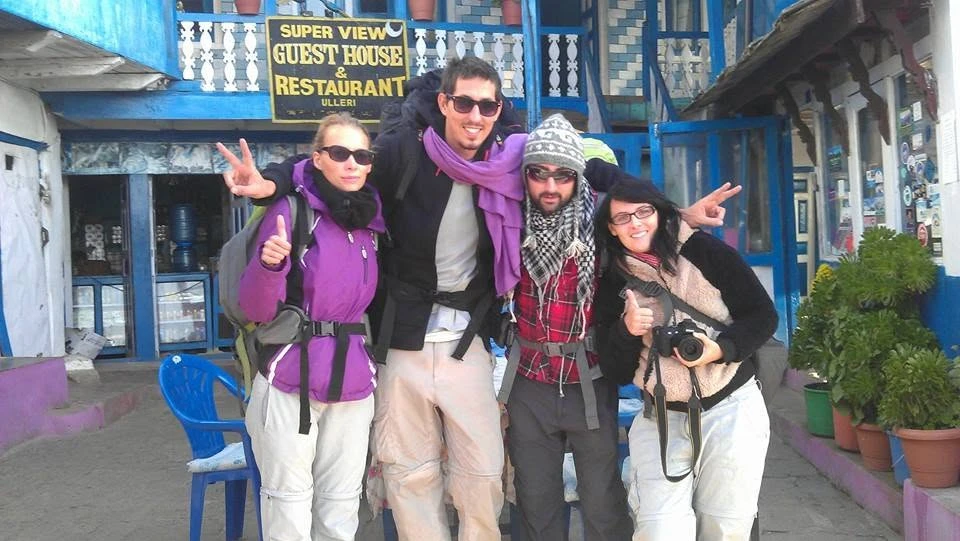
Accommodation Tea House / Lodge Meals Breakfast, Lunch, Dinner Max. altitude 1,577m / 5,174ft. The morning starts with the most demanding climb of the entire trek a long and relentless ascent from Tikhedhunga through the large and fascinating Magar village of Ulleri at 2,010m, where traditional stone houses, terraced hillside farms, and warm local smiles offer the first genuine taste of the rich cultural tapestry that defines this beautiful region. Beyond Ulleri the trail disappears into one of the most enchanting forests on the entire route a dense and wonderfully atmospheric canopy of oak, rhododendron, and bamboo that closes around you like a living cathedral. The air grows noticeably cooler and fresher, occasional glimpses of distant snow-capped peaks appear through breaks in the treeline, and the sound of birdsong replaces the noise of the valley far below.
A welcome rest stop at Banthanti at 2,250m provides the perfect opportunity to catch your breath, refuel with hot tea and snacks, and appreciate just how far your legs have carried you today. The final push through the upper forest rewards every difficult step magnificently as Ghorepani at 2,850m emerges from the trees with the first truly breathtaking panoramic views of the mighty Annapurna and Dhaulagiri ranges stretching endlessly across the horizon.
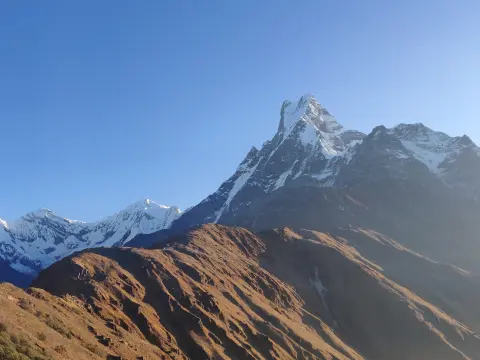
Accommodation Tea House / Lodge Meals Breakfast, Lunch, Dinner Max. altitude 2,850m / 9,350ft. Rise before dawn, roll out your mat one final time in the cool mountain darkness, and begin the sacred pre-dawn climb to Poon Hill at 3,210m. What awaits at the summit is beyond any photograph, beyond any description the most breathtaking Himalayan sunrise on earth. Watch in complete and reverent stillness as Annapurna South, Dhaulagiri, and the sacred Machapuchare (Fishtail Mountain) slowly emerge from deep shadow and catch fire in the first golden light of morning. This is the moment the entire yoga trek has been building toward a naturally transcendent experience of such overwhelming beauty that meditation simply happens without effort. After descending to Ghorepani for a nourishing breakfast and a gentle morning yoga and meditation session overlooking the magnificent mountain panorama, the trail continues through enchanting pine and rhododendron forests, passing through Deurali at 3,200m before descending peacefully and mindfully to the serene and beautifully situated village of Tadapani at 2,650m. The tranquil atmosphere, fresh mountain air, and extraordinary natural surroundings of Tadapani make it the perfect place to rest, reflect, and absorb everything this extraordinary day has given you.
Accommodation Tea House / Lodge Meals Breakfast, Lunch, Dinner Max. altitude 2,650m / 8,694ft. After a nourishing breakfast and a gentle morning yoga session breathing in the crisp mountain air, the trail descends peacefully through magnificent forests of rhododendron and pine toward one of the most beautiful and culturally rich villages in the entire Annapurna region. Ghandruk one of the largest and most celebrated Gurung villages in Nepal welcomes you with extraordinary close-up views of Annapurna South and Hiunchuli rising dramatically above the traditional stone rooftops. The afternoon is yours to explore freely wander the ancient alleyways, visit the fascinating Gurung Museum, and connect meaningfully with the warm and welcoming local community As the mountains glow golden in the evening light, settle into a quiet evening meditation session before retiring to your guesthouse your mind calm, your heart full.
Accommodation Tea House / Lodge Meals Breakfast, Lunch, Dinner Max. altitude 2,010m / 6,594ft. After breakfast, the trek descends from Ghandruk to Nayapul, taking approximately 4 hours along scenic trails and through small villages. Lunch is typically taken at Birethanti before a short drive back to Pokhara. Upon arrival, you have ample time to explore this vibrant city, including attractions like Devi’s Falls, the World Peace Pagoda, the Mountain Museum, and the Tibetan Refugee Camp. The city’s lakeside offers a relaxing atmosphere to unwind after the trek, enjoy local cuisine, and shop for souvenirs. Overnight stay is at a hotel in Pokhara.
Accommodation Three-star Hotel in Pokhara Meals Breakfast Lunch Max. altitude 830m / 2,723ft. After breakfast, you will depart from Pokhara around 7:30 am for the drive back to Kathmandu. The journey takes approximately 6–7 hours and offers beautiful views of the countryside, rivers, and villages along the way. Upon arrival in Kathmandu, you can spend your free time shopping for handicrafts, visiting temples, or exploring the lively streets of Thamel. In the evening, Glacier Nepal Treks organizes a farewell dinner to celebrate the completion of your memorable adventure. Overnight stay is at a hotel in Kathmandu.
Accommodation Three-star Hotel in Thamel, Kathmandu Meals Breakfast Max. altitude 1,350m / 4,429ft. Today marks the end of your Himalayan adventure. After breakfast, a representative from Glacier Nepal Treks will transfer you to Tribhuwan International Airport in a private vehicle for your onward flight. You depart with unforgettable memories of the Annapurna region, its majestic peaks, rich culture, and the camaraderie shared during the trek. Homeward bound, you carry experiences of sunrise at Poon Hill, the serenity of Ghandruk, and the warmth of Nepalese hospitality.
Accommodation NA Meals Breakfast Max. altitude 1,350m / 4,429ft. 
Experience the perfect blend of gentle yoga, Himalayan scenery, and cultural immersion on the Poon Hill Yoga Trek. Starting in the bustling city of Kathmandu, you'll journey to the serene town of Pokhara before trekking through charming villages like Thikhedhunga, Ghorepani, Tadapani, and Ghandruk. Highlights include sunrise views from Poon Hill, traditional Gurung villages, terraced landscapes, and rejuvenating daily yoga sessions amidst nature. Comfortable lodges, local meals, and knowledgeable guides ensure a smooth and enriching adventure, suitable for beginners and seasoned trekkers alike.
This trek combines wellness, culture, and nature seamlessly, making it an ideal choice for travelers seeking both adventure and inner peace.


Private vehicle (car/jeep/Bus) Pokhara to Nayapul 40–45 km (approx. 1 – 1.5 hrs)
Attached bathroom facilities are available where available along the trekking route.
Welcome or farewell dinner in a typical Nepali restaurant
All government taxes, VAT and official paperwork required for trekking
Trekking company service charge and field management
Emergency coordination service (in case of rescue / evacuation)
Your Start Date is the day you land in Nepal, and your End Date is when you fly home.
If the set Poonhill Yoga Trek group dates don’t suit your schedule, we can offer alternative dates upon request.
Proper layering is important to stay warm and comfortable in changing mountain weather.
Good footwear makes trekking easier and safer.
The right gear keeps you safe, comfortable, and prepared.
Lightweight but important items keep you clean, healthy, and comfortable.
Keep important items safe and easy to reach.
The Poon Hill Yoga Trek was the perfect combination of thrilling adventure and deep mindfulness. Combining trekking through the lush Annapurna landscapes with daily yoga sessions made this journey extraordinarily peaceful and unique. Our trekking guide, Rabin KC, was amazing attentive, knowledgeable, and always ensuring our safety and comfort along the trail. Yoga Guru Deependra Bhatta led exceptional sessions that helped us stretch, meditate, and recharge after every hike. Practicing yoga while watching the sunrise illuminate the mountain peaks at Poon Hill was an unforgettable highlight. Everything was organized seamlessly, making it a wonderful experience for both mind and body. I highly recommend this trip to anyone seeking a special blend of nature and wellness!
The Poon Hill Yoga Trek is classified as a moderate trek suitable for beginners with a reasonable level of fitness. The trails involve steady ascents and descents through hills, forests, and small villages. Daily trekking durations range from 4 to 6 hours, making it manageable even for those new to trekking. Glacier Nepal Trek ensures a comfortable pace with frequent breaks, allowing participants to enjoy yoga and meditation sessions along the route, while acclimatization is gradual to reduce the risk of altitude sickness.
No prior trekking or yoga experience is required for this trek. The trail is designed to be beginner-friendly, and Glacier Nepal Trek provides support throughout the journey. Yoga sessions are tailored to all levels, focusing on breathing, flexibility, and mindfulness that complement the trekking experience. Participants can join at their own pace, and guidance from experienced instructors ensures that even beginners can safely perform yoga postures, enjoy meditation, and experience the health benefits while soaking in the serene Himalayan landscapes.
Altitude sickness is less of a concern on the Poon Hill Yoga Trek, as the highest point is Poon Hill at 3,210 meters (10,531 feet), which is considered moderate altitude. However, individual susceptibility varies. Glacier Nepal Trek emphasizes a gradual ascent, adequate hydration, proper rest, and regular monitoring of participants to minimize risks. Yoga and breathing exercises offered along the trek can also help with acclimatization and lung capacity. Trekkers are advised to inform the guide of any symptoms such as headaches, nausea, or fatigue immediately.
The Poon Hill Yoga Trek typically lasts 8 to 9 days, starting from Pokhara and culminating at Poon Hill and surrounding villages. Daily trekking ranges from 4 to 6 hours, interspersed with yoga and meditation sessions. Mornings often begin with sunrise hikes and yoga exercises to energize the body, followed by breakfast, trekking, and scenic breaks. Evenings include relaxation, yoga stretches, or guided meditation sessions to unwind and restore energy. Glacier Nepal Trek carefully structures the itinerary to balance trekking, yoga, rest, and cultural exploration for an immersive wellness experience.
The best time to undertake the Poon Hill Yoga Trek is during the spring (March to May) and autumn (September to November) seasons. During these months, the weather is clear and stable, offering spectacular panoramic views of the Annapurna and Dhaulagiri ranges. Spring brings blooming rhododendrons and lush greenery, while autumn has crisp skies and excellent visibility. Glacier Nepal Trek advises avoiding monsoon season due to heavy rainfall, slippery trails, and potential landslides, and winter may bring cold temperatures and snow on higher trails.
During the Poon Hill Yoga Trek, accommodation is provided in a combination of tea houses, guesthouses, and lodges along the trail. These are typically basic but comfortable, offering clean rooms and warm bedding. Shared bathrooms are common, although some lodges provide private facilities. Meals are served in dining areas or common rooms, where you can enjoy traditional Nepalese cuisine. Glacier Nepal Trek ensures that all accommodations meet hygiene and safety standards, providing trekkers a cozy and welcoming environment to rest and relax after long days of trekking and yoga.
All meals during the trek—breakfast, lunch, and dinner—are included in the package provided by Glacier Nepal Trek. Menus usually feature a mix of Nepalese and Western dishes, including dal bhat (lentil soup with rice), noodles, soups, bread, eggs, and fresh vegetables. Vegetarian options are readily available, and the team can accommodate most dietary preferences if informed in advance. Meals are freshly prepared at each tea house or guesthouse, ensuring nutritious and energy-rich food to sustain trekkers for daily yoga and trekking activities.
Packing for the Poon Hill Yoga Trek requires a combination of trekking and yoga essentials. Key items include comfortable trekking shoes, layered clothing for fluctuating temperatures, warm jackets, rain gear, a hat, gloves, and trekking poles. Yoga mats, water bottles, sunscreen, and personal toiletries are recommended. Glacier Nepal Trek provides guidance on a detailed packing list before departure to ensure participants carry only necessary items. Keeping the pack light while being prepared for sudden weather changes is crucial for comfort and safety throughout the trek.
Yes, travel insurance is highly recommended for the Poon Hill Yoga Trek. While the trail is considered moderate, trekking involves variable terrain, and travel insurance protects against unexpected emergencies such as accidents, illness, or evacuation. Glacier Nepal Trek advises trekkers to obtain comprehensive coverage, including medical emergencies, helicopter rescue, and trip cancellations. Ensuring insurance coverage provides peace of mind, allowing participants to fully enjoy the trek and yoga activities without worrying about unforeseen incidents.
Booking the Poon Hill Yoga Trek with Glacier Nepal Trek is simple and convenient. Interested participants can contact the company via email, phone, or through the website. Once your booking is confirmed, the team provides detailed pre-trek instructions, including packing lists, permit arrangements, and flight or transport guidance. Glacier Nepal Trek offers personalized support to answer questions, recommend travel options, and customize the trek if desired. Early booking is encouraged, especially during peak trekking seasons, to secure accommodations and guarantee a smooth and enjoyable trekking experience.
| No of people | Price per person |
|---|---|
| 1 - 1 | $1,450 |
| 2 - 4 | $1,250 |
| 5 - 8 | $1,210 |
| 9 - 16 | $1,190 |
| No of people | Price per person |
|---|---|
| 1 - 1 | $1,700 |
| 2 - 4 | $1,560 |
| 5 - 8 | $1,520 |
| 9 - 16 | $1,500 |
| No of people | Price per person |
|---|---|
| 1 - 1 | $1,750 |
| 2 - 4 | $1,650 |
| 5 - 8 | $1,600 |
| 9 - 16 | $1,550 |


 (31)
(31)  94% recommend (244)
 (12)
(12)