Need help with booking? Send us a message.
journey with the Langtang Gosaikunda Trek. Walk through lush forests and traditional Tamang villages in the Langtang Valley, then ascend to the sacred alpine lakes of Gosaikunda and cross the scenic Lauribina Pass. Experience breathtaking mountain views, spiritual serenity, and the raw beauty of the Langtang region.
The Langtang Gosaikunda Trek is one of Nepal’s most iconic trekking routes, offering a perfect blend of natural beauty, cultural heritage, and spiritual exploration. Starting from the bustling capital of Kathmandu, trekkers pass through lush forests, traditional villages, and high alpine landscapes, eventually reaching the sacred Gosaikunda Lake, which holds immense religious significance for Hindus and Buddhists alike. This trek is ideal for adventurers seeking a less crowded alternative to the Everest and Annapurna regions while still experiencing dramatic Himalayan scenery.
The trail combines the serene Langtang Valley, dotted with rustic villages like Lama Hotel, Langtang Village, and Kyanjin Gompa, with the challenging high-altitude adventure to Gosaikunda Lake, situated at 4,380 meters. Along the way, trekkers witness diverse flora and fauna, stunning views of peaks such as Langtang Lirung, and the vibrant lifestyle of Tamang communities. This trek typically takes around 12–14 days, making it suitable for those with moderate trekking experience and a love for immersive cultural and natural experiences.
The best time to trek in the Langtang Gosaikunda region is during spring (March to May) and autumn (September to November). Spring brings vibrant rhododendron blooms, clear skies, and pleasant temperatures, creating perfect trekking conditions. Autumn, on the other hand, offers crisp air, excellent visibility of the Himalayan peaks, and a festive atmosphere in local villages.
Winter treks (December to February) are possible but challenging due to snow-covered trails, especially near Gosaikunda. Monsoon season (June to August) is generally avoided because of heavy rainfall, landslides, and leeches along lower trails. Choosing the right season ensures safety, better weather, and more enjoyable trekking experiences.
Seasonal Highlights:
The trek is considered moderate to challenging, depending on your fitness level and altitude experience. Daily treks range from 4 to 7 hours with gradual ascents, except for day hikes to high-altitude peaks like Tserko Ri (5,000m) or the climb to Gosaikunda Lake (4,380m). Acclimatization days are crucial to avoid altitude sickness, especially around Kyanjin Gompa and Gosaikunda.
Transportation is convenient with a private vehicle or tourist bus from Kathmandu to starting points like Syabrubesi. Roads are partially paved and scenic, offering views of rivers, terraced fields, and rural villages. Returning to Kathmandu after the trek is typically via road, which allows trekkers to rest and enjoy local scenery before heading home.
Transportation Highlights:
Along the Langtang Gosaikunda Trek, accommodation mainly consists of teahouses and lodges, offering basic but comfortable rooms with shared or private bathrooms. These lodges provide warmth, a cozy resting place, and a chance to interact with local families. In Kyanjin Gompa and near Gosaikunda, lodges are more basic, and trekkers may need sleeping bags during colder nights. Food along the trek is simple but nutritious, often including Dal Bhat (lentil rice), noodles, soups, pancakes, and local Tibetan dishes like momo (dumplings). Hot beverages like tea and coffee are widely available, keeping trekkers energized in the chilly mountain climate. Glacier Nepal Treks ensures trekkers have access to well-maintained accommodation and quality meals throughout the journey.
Food & Stay Highlights:
To trek in the Langtang and Gosaikunda region, you must obtain the following permits:
Permits can be obtained in Kathmandu before the trek or at the park entrance in Syabrubesi. Glacier Nepal Treks provides assistance in securing all necessary permits, ensuring a hassle-free start to your trekking adventure. Proper permits are essential for environmental conservation and legal access to these protected regions.
Permit Highlights:
Choosing the Langtang Gosaikunda Trek with Glacier Nepal Treks guarantees a balance of adventure, culture, and safety. This trek is perfect for travelers seeking a mix of natural beauty, serene alpine lakes, and authentic village life, away from overcrowded trails. Glacier Nepal Treks provides experienced guides, porters, and full logistical support, ensuring a smooth, enjoyable, and memorable experience.
Additionally, the trek is highly rewarding, offering stunning high-altitude panoramas, religiously significant sites like Gosaikunda Lake, and cultural interaction with the Tamang and Sherpa communities. This combination of adventure, culture, and comfort makes it one of the most cherished trekking experiences in Nepal.
Reasons to Choose:
The Langtang Gosaikunda Trek is one of Nepal's most diverse and spiritually rewarding Himalayan adventures, combining the breathtaking natural beauty of the Langtang Valley with the sacred and deeply revered Gosaikunda Lake in one extraordinary journey.
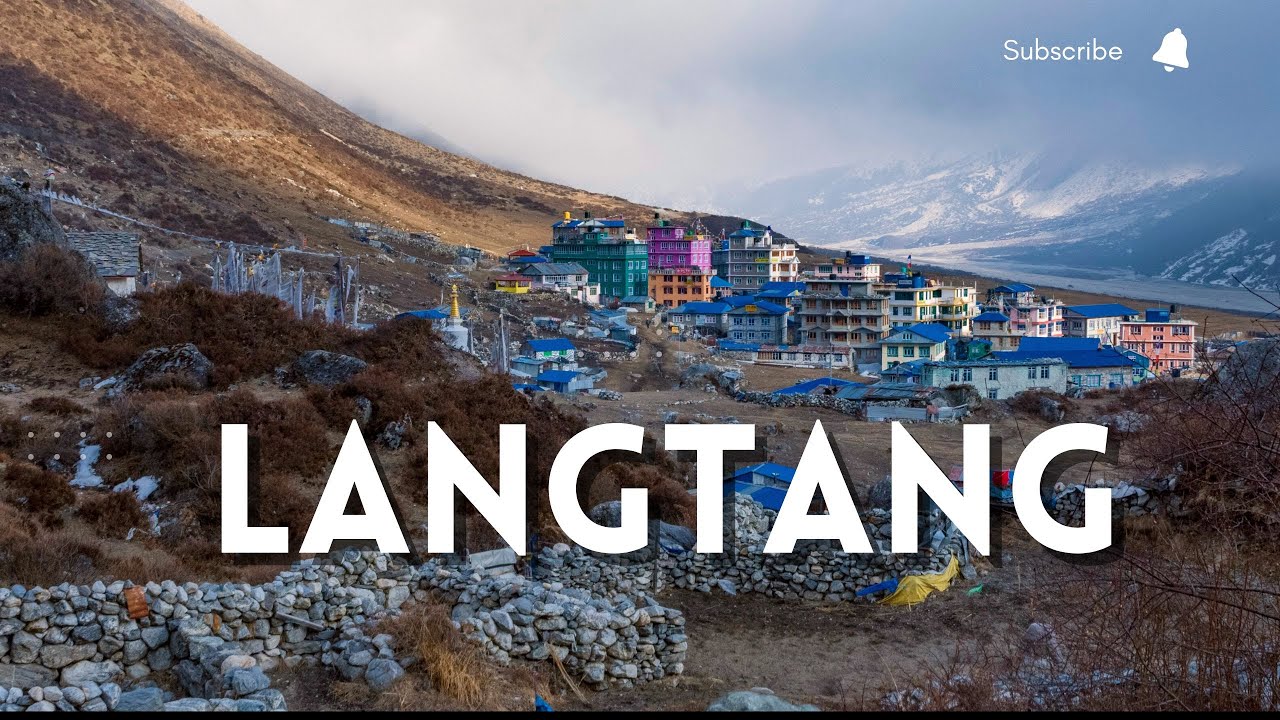
The trek begins in Kathmandu before a scenic drive to Syabrubesi, the charming gateway to the Langtang region. The trail climbs steadily through magnificent rhododendron and oak forests alongside the Langtang Khola River, passing through traditional Tamang villages and the remarkably rebuilt Langtang Village before reaching the famous Kyanjin Gompa monastery at 3,870m.
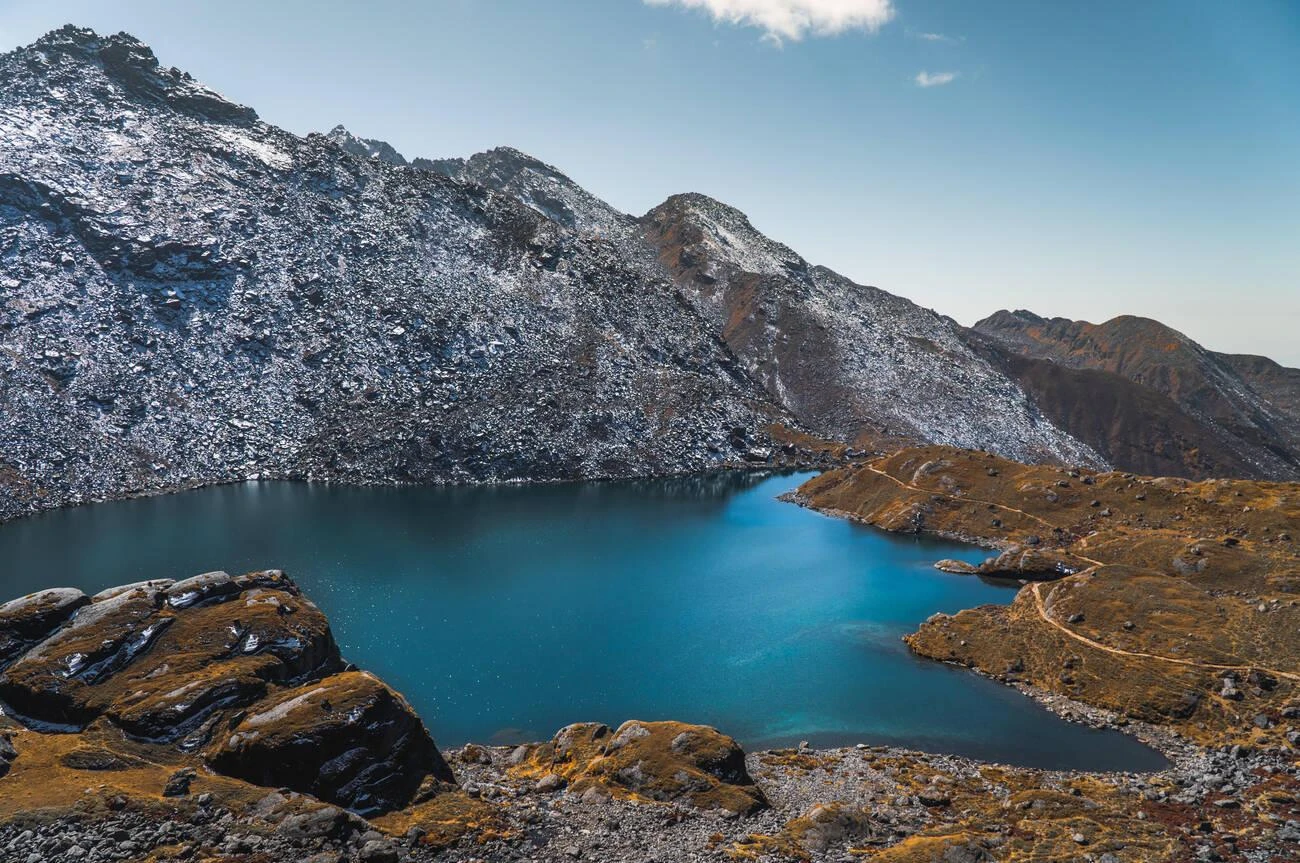
From Kyanjin Gompa the route descends back through the valley before ascending toward the sacred Gosaikunda Lake at 4,380m via Sing Gompa and Chandanbari. This holy lake holds immense religious significance for both Hindu and Buddhist pilgrims and its remote, ethereal and deeply spiritual atmosphere is unlike anything else in Nepal.
The sight of the sacred lake reflecting the surrounding snow capped peaks is one of the most powerful and moving moments of the entire trek. The journey concludes with a beautiful descent through Dhunche before returning to Kathmandu.
Your Langtang Gosaikunda Trek begins the moment you land at Tribhuvan International Airport, where a friendly Glacier Nepal Treks representative will be waiting to welcome you and transfer you comfortably to your hotel in a private vehicle. Take the rest of the day to unwind, freshen up, and recover from your journey. Later, head to the Glacier Nepal Treks office to meet your trekking guide for a comprehensive pre-trek briefing. Together you will go through the day by day route, daily walking hours, altitude considerations, and all important safety measures. Your guide will happily answer every question you have whether about gear, weather, local culture, or simply what to expect on the trail ahead. Overnight Hotel in Kathmandu.
 Accommodation Three-star Hotel in Thamel, Kathmandu
  Meals Breakfast
  Max. altitude 1,350m / 4,429ft.
 After an early breakfast at the hotel, we begin our scenic drive from Kathmandu to Syabrubesi, the starting point of our trek. The journey takes approximately 7 to 8 hours, passing through winding mountain roads, terraced farmlands, and traditional villages. Along the way, you will be rewarded with stunning views of snow-capped peaks such as Annapurna, Manaslu, Ganesh Himal, and the mountains of the Langtang region. The drive also follows rivers and lush hills, offering insight into rural Nepali life. Occasional stops are made for refreshments and photos. Upon arrival in Syabrubesi, you will check into a local lodge, enjoy a warm meal, and rest in preparation for the trekking days ahead. Overnight stay at Syabrubesi.
Accommodation Tea House / Lodge Meals Breakfast, Lunch, Dinner Max. altitude 1,510m / 4,954ft. Today marks the first day of trekking. After breakfast, we begin our walk heading northwest from Syabrubesi. The trail initially crosses a suspension bridge over the Bhote Koshi River before joining the Langtang Khola. We pass through small settlements and visit a local Gompa, gaining insight into the region’s Buddhist culture. The path follows a stone-paved trail through dense forests of bamboo, oak, and rhododendron. As we ascend gradually, we encounter waterfalls and hear birdsong echoing through the valley. After crossing several bridges and climbing over rocky ridges, we reach Rimche and continue to the settlement of Chantang, commonly known as Lama Hotel. This peaceful forest location offers a restful overnight stay at a Lama Hotel.
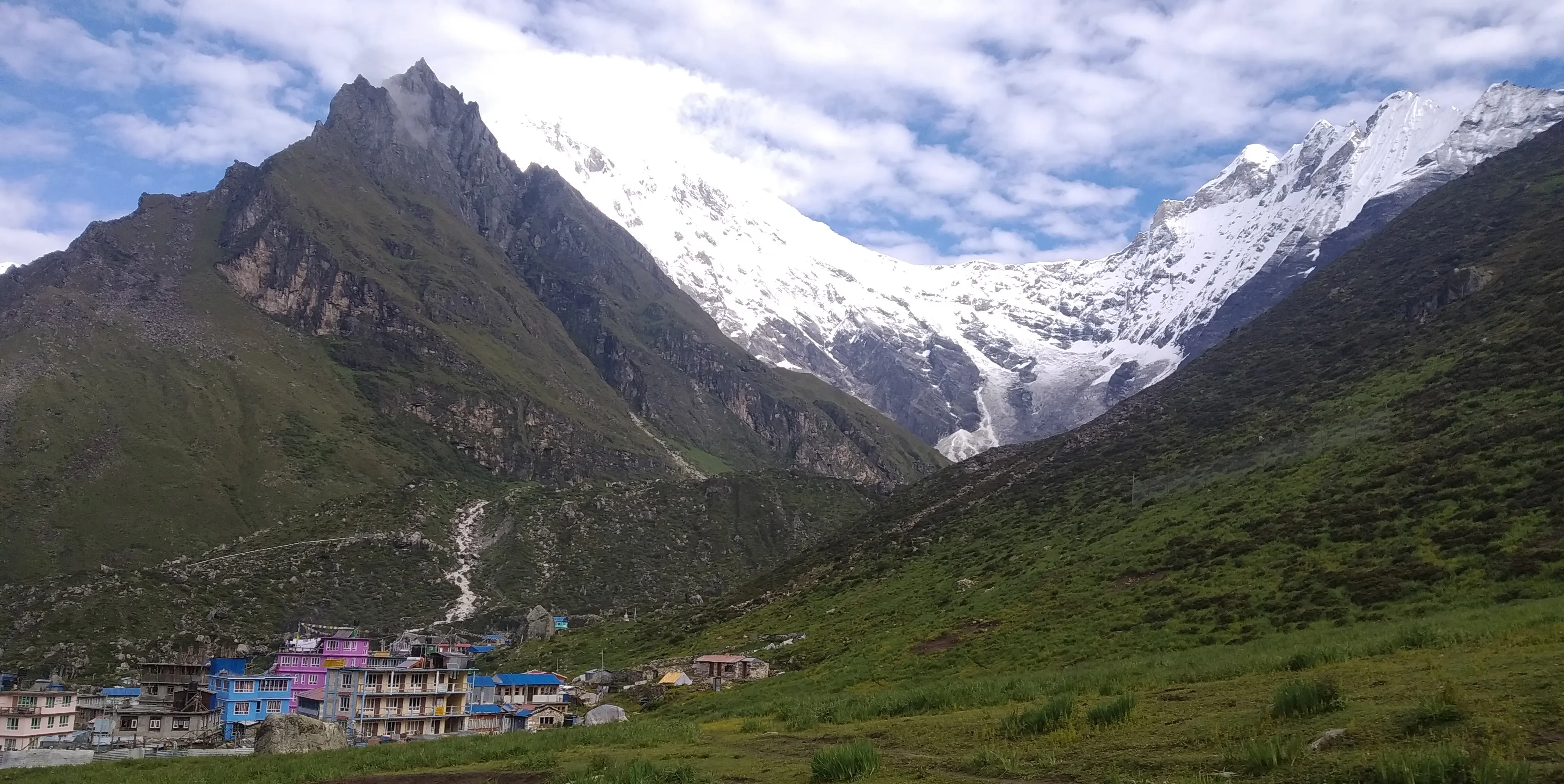
Accommodation Tea House / Lodge Meals Breakfast, Lunch, Dinner Max. altitude 2,380m / 7,808ft. Today’s trek becomes steeper as we ascend toward Langtang Village, passing through forests, rocky trails, and cascading streams. The altitude gain is significant, so we take it slow to acclimatize properly. Along the route, you’ll see yak herders and experience breathtaking views of Langtang Lirung and other towering peaks. Arriving in Langtang Village, a settlement partially rebuilt after the 2015 earthquake, you’ll feel the warmth of local hospitality in the guesthouses. The village offers panoramic views of snow-capped mountains and lush valleys, making it an unforgettable spot to rest and enjoy a hearty Nepali meal.Overnight stay at a lodge in Langtang Village.
Accommodation Tea House / Lodge Meals Breakfast, Lunch, Dinner Max. altitude 3,430m / 11,253ft. From Langtang Village, the trail gradually ascends through alpine meadows and past glacial moraines toward Kyanjin Gompa. Along the way, we witness incredible mountain vistas, including Langtang Lirung, and have the opportunity to observe traditional Buddhist monasteries and cheese-making by locals. Kyanjin Gompa is a small settlement famous for its monastery and panoramic views of surrounding peaks. Once we arrive, you can explore the Gompa, visit yak cheese farms, and enjoy the tranquility of the high-altitude valley. The evening is perfect for stargazing and soaking in the serene Himalayan environment.Overnight stay at a lodge in Kyanjin Gompa.
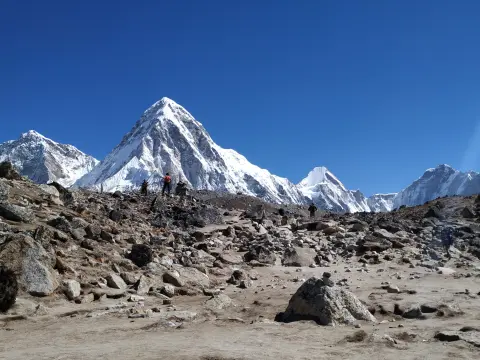
Accommodation Tea House / Lodge Meals Breakfast, Lunch, Dinner Max. altitude 3,870m / 12,697ft. Today is the most exciting and rewarding day of the entire Langtang Valley Trek the exhilarating hike to the summit of Tserko Ri at 4,985m. We rise early and set off from Kyanjin Gompa under a sky full of stars, the trail climbing steeply through open alpine terrain as the first light of dawn slowly illuminates the magnificent peaks surrounding us. The ascent is long and demanding but every single step is worth it. As the summit comes into view, the panorama that unfolds is simply extraordinary Langtang Lirung(7,227m), Dorje Lakpa(6,966), Yala Peak, Kimshung(6,781m) and on a clear day the distant giant of Shishapangma (8,027m) across the Tibetan border stretching endlessly before you. After soaking in the breathtaking summit views, we descend back to Kyanjin Gompa for a well deserved rest and warm meal. Overnight Teahouse at Kyanjin Gompa.
Accommodation Tea House / Lodge Meals Breakfast, Lunch, Dinner Max. altitude 4,985m / 16,355ft. After breakfast, we begin our return journey by retracing the trail back down the Langtang Valley. Walking downhill allows for a more relaxed pace, giving you time to appreciate the landscapes you may have missed on the ascent. We pass once again through Langtang Village and other small settlements, enjoying views of forests, rivers, and distant peaks. The descent takes us back into thicker vegetation as oxygen levels increase and the air becomes warmer. The familiar sounds of the Langtang Khola accompany us as we continue toward Lama Hotel. Upon arrival, you can rest, reflect on the journey so far, and enjoy a peaceful evening in the forest setting. Overnight stay at Lama Hotel.
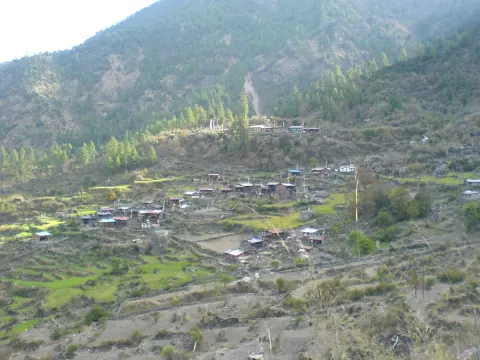
Accommodation Tea House / Lodge Meals Breakfast, Lunch, Dinner Max. altitude 3,870m / 12,697ft. Leaving Lama Hotel, we continue trekking toward Thulo Syabru through serene forests and terraced fields. The trail undulates gently, offering scenic views of nearby peaks and charming traditional villages. Thulo Syabru is a quiet village with traditional stone houses, providing an authentic experience of rural Nepali life. On arrival, you can explore the village, meet locals, and enjoy a traditional Nepali meal in the teahouse. This stage of the trek prepares us for the ascent toward the Gosaikunda region, allowing the body to acclimatize while offering stunning landscapes and cultural insights.
Accommodation Tea House / Lodge Meals Breakfast, Lunch, Dinner Max. altitude 2,380m / 7,808ft. The trek today is moderately challenging as we ascend through dense forests and alpine terrain toward Sing Gompa. The trail meanders through rhododendron forests, stone stairways, and glacial streams. En route, we encounter small shrines and mani walls, reflecting the Tibetan Buddhist culture of the region. Sing Gompa itself is a peaceful settlement with traditional stone houses and teahouses where trekkers rest. The location provides spectacular views of Ganesh Himal and surrounding peaks. After reaching Sing Gompa, you can relax, enjoy local hospitality, and prepare for the high-altitude trek to Gosaikunda the following day.
Accommodation Tea House / Lodge Meals Breakfast, Lunch, Dinner Max. altitude 3,330m / 10,925ft. Today’s trek is the highlight of the journey as we ascend to the sacred Gosaikunda Lake. The trail passes through rugged terrain, high-altitude meadows, and small alpine lakes. Gosaikunda Lake, revered in Hindu mythology, is surrounded by snow-capped peaks and offers a serene, spiritual environment. Upon arrival, we explore the lake area, visit small shrines, and enjoy the breathtaking scenery. This is an ideal place for photography and reflection. After soaking in the tranquil atmosphere, we rest in nearby teahouses, preparing for the descent. The crisp mountain air and panoramic views make this a truly unforgettable experience.
Accommodation Tea House / Lodge Meals Breakfast, Lunch, Dinner Max. altitude 4,380m / 14,370ft. After breakfast, we spend time exploring the surrounding areas of Gosaikunda, visiting smaller alpine lakes and enjoying the pristine environment. You can take short hikes along the ridge for better viewpoints and capture stunning photographs of the Himalayan panorama. After exploring, we begin our descent back toward Chandanbari near Sing Gompa. The downhill trek offers a change of pace and a chance to enjoy the lush forests, streams, and terraced fields on the way. On arrival, we check into a teahouse, relax, and reflect on the spiritual and natural beauty experienced during our visit to Gosaikunda.
Accommodation Tea House / Lodge Meals Breakfast, Lunch, Dinner Max. altitude 3,330m / 10,925ft. Descending further, today’s trek takes us to Dhunche through pine forests and terraced farmland. The trail is less steep, allowing for a relaxed pace and plenty of opportunities to enjoy the surrounding valleys. We pass through small villages, interact with locals, and witness daily life in rural Nepal. Dhunche is a small town serving as the district headquarters, offering basic amenities and comfortable lodging. Upon arrival, you can rest, enjoy a warm meal, and prepare for the final drive back to Kathmandu. The descent provides a gentle reintroduction to lower altitudes while enjoying beautiful landscapes.
Accommodation Tea House / Lodge Meals Breakfast, Lunch, Dinner Max. altitude 1,950m / 6,398ft. After breakfast, we drive back to Kathmandu along winding mountain roads, passing through rivers, terraced fields, and rural villages. The journey offers a final chance to enjoy the scenic beauty of the Langtang region. Upon arrival in Kathmandu, we transfer to the hotel where you can rest, enjoy the city’s lively atmosphere, or shop for souvenirs. The evening is perfect for a farewell dinner with the Glacier Nepal Trek team, sharing memories, and celebrating the completion of the trek. This day provides a smooth transition from the mountains back to urban life.
Accommodation Three-star Hotel in Thamel, Kathmandu Meals Breakfast Max. altitude 1,350m / 4,429ft. Final day of your unforgettable journey in Nepal. After breakfast at the hotel, a representative from Glacier Nepal Treks will meet you and arrange your transfer to Tribhuvan International Airport in a private vehicle, ensuring a comfortable and timely departure. As you leave Kathmandu, you take with you wonderful memories of the Langtang Gosaikunda Trek, breathtaking Himalayan landscapes, warm hospitality, and cultural encounters. Our team bids you a heartfelt farewell and hopes to welcome you again for another adventure in Nepal. Until then, we wish you a safe journey back home, sweet home.
Meals Breakfast Max. altitude 1,350m / 4,429ft. 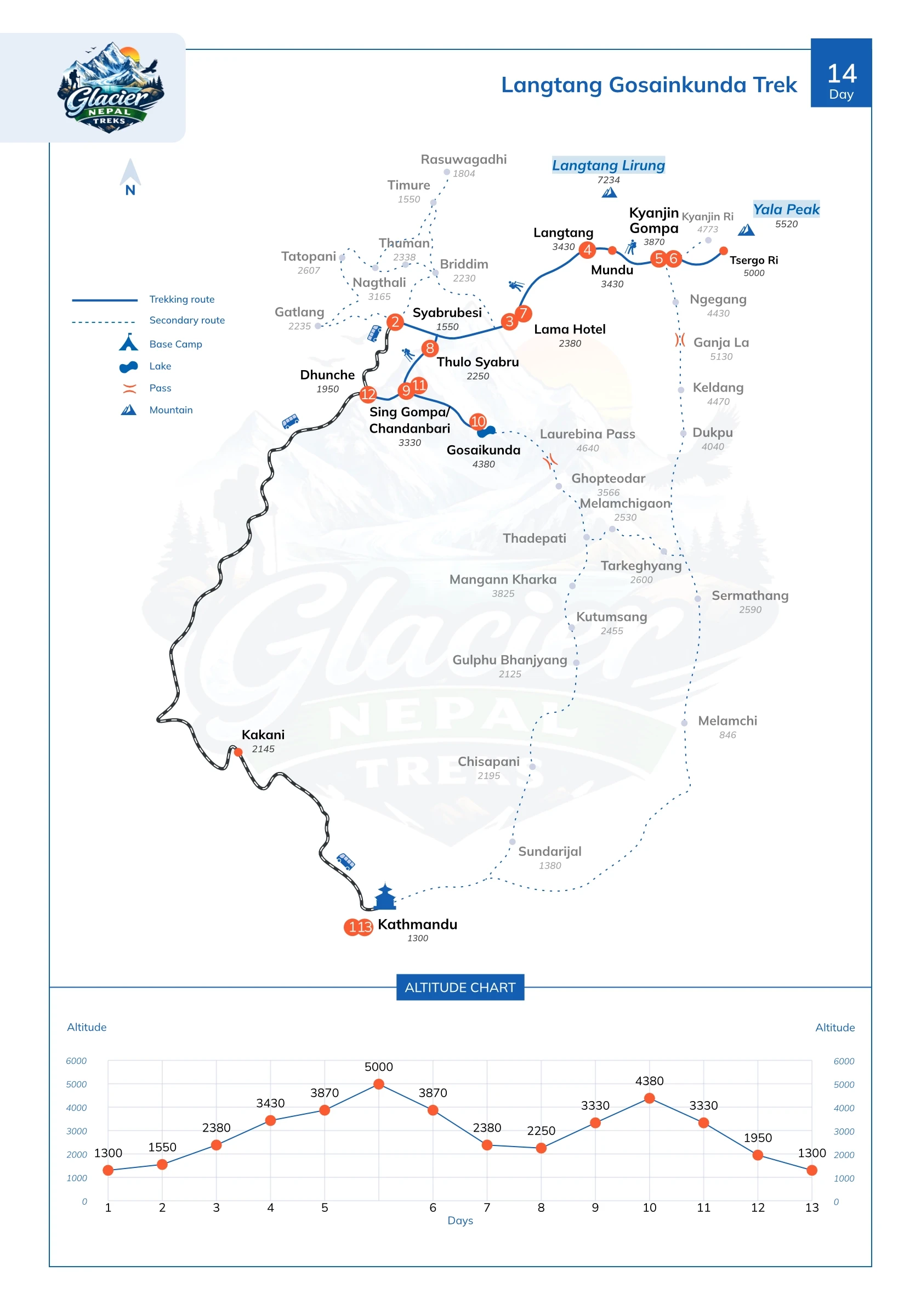
The Langtang Gosaikunda Trek is a spectacular Himalayan journey through Langtang Valley and the sacred alpine lakes of Gosaikunda Lake, starting and ending in Kathmandu. This 14-day adventure blends cultural immersion, high-mountain scenery, and pilgrimage trails, offering breathtaking views from Tserko Ri (5,000m). With Glacier Nepal Treks, travelers experience well-organized logistics, experienced guides, and authentic teahouse hospitality throughout the trek.
Glacier Nepal Treks ensures professional guides, safety-first service, and memorable Himalayan experiences on this remarkable trekking route.
Airport & Transportation
Public bus from Kathmandu to Syabrubesi and return as per langtang trekking route.
Accommodation
Attached bathroom facilities are available where available along the trekking route.
Meals
Welcome or farewell dinner in a typical Nepali restaurant
Permits & Documentation
All government taxes, VAT and official paperwork required for trekking
Trekking Staff & Support
Trekking company service charge and field management
Trekking Equipment & Safety
Emergency coordination service (in case of rescue / evacuation)
Additional Services
Your Start Date is the day you land in Nepal, and your End Date is when you fly home.
If the set Langtang Gosaikunda Trek group dates don’t suit your schedule, we can offer alternative dates upon request.
Proper layering is important to stay warm and comfortable in changing mountain weather.
Good footwear makes trekking easier and safer.
The right gear keeps you safe, comfortable, and prepared.
Lightweight but important items keep you clean, healthy, and comfortable.
Keep important items safe and easy to reach.
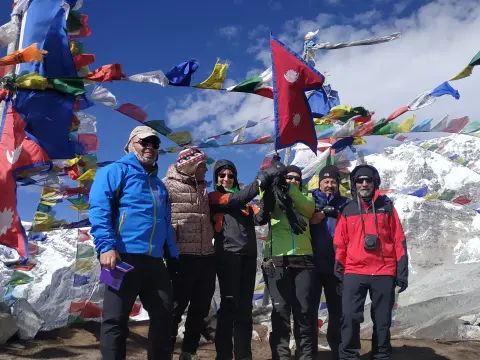
I cannot speak highly enough of my Langtang Gosaikunda Trek experience with Glacier Nepal Treks. From the very first day to the last, everything was handled with genuine care, professionalism, and warmth. Our guide Rabin KC was absolutely outstanding knowledgeable, encouraging, safety conscious, and wonderfully warm throughout every single day on the trail. His deep understanding of the mountains, local culture, and Tamang traditions made every step of the journey richer and more meaningful. Our porter Ram was equally exceptional always cheerful, incredibly hardworking, and reliable regardless of the terrain or weather conditions. Standing at the sacred Gosaikunda Lake surrounded by snow capped peaks was a moment I will carry in my heart forever
We booked our Langtang Gosaikunda Trek through the Glacier Nepal Treks website, and it was a great decision for us. Supporting a local trekking company made the experience feel more personal, and the entire trip was well organized from beginning to end. Our guide, Arjun, was friendly, helpful, and knowledgeable, making the trek comfortable and enjoyable. The beautiful Gosaikunda Holy Lake was one of the highlights of our journey, surrounded by incredible Himalayan scenery. We also enjoyed the challenging hike to Kyangin Ri, where the mountain views were absolutely spectacular. The combination of beautiful landscapes, peaceful trails, local villages, and Himalayan culture made this trek unforgettable. A big thank you to Arjun and the whole Glacier Nepal Treks team for their excellent support. We highly recommend them to anyone planning a trek in Nepal
I had a wonderful experience on the Langtang Gosaikunda Trek with Glacier Nepal Treks. Our journey started from Syabrubesi and continued through beautiful villages and forests to Langtang Valley and Kyanjin Gompa. The mountain scenery was incredible, and Kyanjin was one of my favorite places on the trek. Our guide, Raju, was friendly, experienced, and always helpful throughout the journey. We then continued toward the beautiful and holy Gosaikunda Lake, which was a truly special experience. I would also like to thank Rabin KC, the manager of Glacier Nepal Treks, for arranging everything smoothly. Highly recommended
The entire journey was beautiful, from the scenic trails and traditional villages of Langtang Valley to the stunning mountain views along the route. Langtang Valley was especially impressive, with its peaceful landscapes and welcoming local people. The highlight of the trek was reaching the beautiful Gosaikunda Lake, surrounded by high mountains and a truly special atmosphere. Our guide, Mahesh, was friendly, knowledgeable, and very supportive throughout the trek. Our porter, Hari, also did a fantastic job and was always helpful with a smile. Everything was well organized, making the trek enjoyable and comfortable. Thank you to Mahesh, Hari, and Glacier Nepal Treks for such a memorable Himalayan adventure
My Langtang Gosaikunda Trek was a wonderful experience filled with beautiful scenery, peaceful trails, and rich Himalayan culture. The journey through rhododendron and oak forests, traditional Tamang villages, and alpine landscapes was truly memorable. Langtang Valley offered spectacular views of Langtang Lirung, Ganesh Himal, and surrounding peaks. Reaching Kyanjin Gompa and experiencing the peaceful mountain atmosphere of the trek. The visit to sacred Gosaikunda Lake at 4,380m was another unforgettable moment, with its spiritual atmosphere and stunning natural surroundings. I also enjoyed the panoramic views from the Tserko Ri hike. Our guide, Mahesh, was friendly, knowledgeable, and supportive throughout the journey. He made sure everything was well organized and helped us enjoy the trek comfortably.
Langtang Gosaikunda Trek was an incredible experience and one of the most rewarding journeys I have had in Nepal. From the scenic drive to Syabrubesi, every day brought something new. Walking through beautiful rhododendron and oak forests, traditional Tamang villages, and the peaceful Langtang Valley was truly special. Kyanjin Gompa at 3,870 meters was one of my favorite places on the trek. The surrounding mountains and peaceful atmosphere were unforgettable. The journey to sacred Gosaikunda Lake at 4,380 meters was another highlight. Seeing the crystal-clear lake surrounded by snow-capped mountains felt deeply spiritual and incredibly beautiful. This trek gave me wonderful memories of Nepal’s mountains, culture, and spirituality
The Langtang Gosaikunda Trek is considered moderate to challenging due to its high-altitude sections and gradual ascents. While much of the trail is well-maintained and passes through villages, alpine forests, and rocky paths, certain sections, especially the ascent to Gosaikunda Lake and Tserko Ri, can be steep and physically demanding. Glacier Nepal Trek recommends prior cardiovascular conditioning, endurance training, and practice hikes. Proper acclimatization is crucial to prevent altitude sickness, and the trek is suitable for fit beginners with a spirit of adventure as well as seasoned trekkers.
Altitude sickness can be a concern on the Langtang Gosaikunda Trek because the trek reaches elevations above 4,000 meters, particularly at Gosaikunda Lake and Tserko Ri. Symptoms can include headache, nausea, dizziness, and fatigue. Glacier Nepal Trek emphasizes proper acclimatization, a slow pace, hydration, and monitoring for any warning signs. Our experienced guides are trained to manage altitude-related issues and can advise on rest days, medication, and descent if symptoms become severe. Most trekkers who follow the schedule carefully adjust well to the altitude.
A moderate level of physical fitness is sufficient for the Langtang Gosaikunda Trek, though good stamina and endurance are important due to long trekking days and high-altitude ascents. Daily walks of 3-5 hours over hills or stairs, cardiovascular exercises like jogging, and leg-strength workouts before the trek can make your journey much more enjoyable. Glacier Nepal Trek encourages preparation through consistent exercise and practice hikes. Mental preparation is equally important, as the trail involves long stretches with limited facilities and changing weather conditions.
Daily trekking hours on the Langtang Gosaikunda Trek typically range between 4 to 7 hours, depending on the altitude and terrain. Some days, like the ascent to Gosaikunda Lake or Tserko Ri, involve longer and steeper hikes, while descent days are shorter and easier. Glacier Nepal Trek schedules each day carefully to balance trekking time with rest, acclimatization, and sightseeing. Regular breaks along the trail allow trekkers to hydrate, enjoy views, and take photographs, ensuring the trek is enjoyable without overexertion.
Mobile network coverage is limited along the Langtang Gosaikunda Trek, especially in higher-altitude areas like Kyanjin Gompa and Gosaikunda. Some teahouses may offer Wi-Fi for a small fee, but it is often slow and intermittent. Glacier Nepal Trek advises trekkers to inform family or colleagues beforehand and enjoy a digital detox to fully immerse in the natural beauty. In case of emergencies, guides carry satellite phones or can assist in contacting Kathmandu. The limited connectivity adds to the serenity of the trek and the Himalayan experience.
The best time for the Langtang Gosaikunda Trek is during the spring (March to May) and autumn (September to November) seasons. During these months, the weather is stable, the skies are clear, and mountain views are spectacular. Spring brings vibrant rhododendron blooms along the trails, while autumn offers crisp, sunny days perfect for photography. Glacier Nepal Trek advises avoiding the monsoon season (June to August) due to heavy rainfall, landslides, and slippery trails, and winter (December to February) unless you are experienced in high-altitude trekking and cold-weather conditions.
Yes, trekking in the Langtang region requires two main permits: the Langtang National Park permit and the TIMS (Trekkers’ Information Management System) card. The Langtang National Park permit ensures the preservation of the natural and cultural heritage of the region, while the TIMS card tracks trekkers for safety purposes. Glacier Nepal Trek handles all permit arrangements for trekkers, ensuring that you have valid documentation before starting. Carrying these permits is mandatory, and park officials may check them at various checkpoints along the trail.
Accommodation on the Langtang Gosaikunda Trek consists primarily of teahouses and lodges, offering basic but comfortable facilities. Most lodges provide meals, hot showers (sometimes limited), and shared dormitory-style rooms or private rooms depending on availability. Glacier Nepal Trek selects teahouses that are clean, safe, and provide warm meals, giving trekkers a cozy resting place after long days on the trail. While not luxurious, the accommodation offers the opportunity to experience local culture and meet fellow trekkers in a friendly, communal environment.
Trekking meals in the Langtang region include a mix of Nepali, Tibetan, and Western cuisine. Popular dishes include dal bhat (rice with lentils), momo (dumplings), noodles, and soups, as well as seasonal vegetables and local yak cheese. Glacier Nepal Trek ensures that trekkers have access to nutritious meals to sustain energy during long hiking days. While food options are more limited at higher altitudes, teahouses provide hot beverages like tea, coffee, and soups. Vegetarians and dietary restrictions can generally be accommodated with prior notice.
While it is technically possible to trek independently, Glacier Nepal Trek strongly recommends hiring an experienced guide and porter team for safety and convenience. A guide is invaluable for navigation, cultural insights, and managing logistics, while porters can carry heavy luggage, allowing trekkers to enjoy the journey with minimal strain. The region’s trails can be tricky, especially in poor weather or at high altitude, and a guide ensures you acclimatize safely, access the best teahouses, and have support in case of emergencies.
Packing for the trek requires a balance of warm clothing, trekking gear, and personal items. Essentials include layered clothing for cold mornings and nights, a waterproof jacket, sturdy trekking boots, gloves, a hat, sunglasses, and a sleeping bag suitable for sub-zero temperatures. Other important items include trekking poles, a daypack, water bottles, sunscreen, and personal medications. Glacier Nepal Trek provides a detailed packing list for all clients, ensuring trekkers are fully prepared for varied weather, high altitudes, and long trekking days while keeping luggage manageable for porters.
| No of people | Price per person |
|---|---|
| 1 - 1 | $1,600 |
| 2 - 4 | $1,450 |
| 5 - 8 | $1,425 |
| 9 - 16 | $1,375 |
| No of people | Price per person |
|---|---|
| 1 - 1 | $1,250 |
| 2 - 4 | $1,150 |
| 5 - 8 | $1,100 |
| 9 - 16 | $1,050 |
| No of people | Price per person |
|---|---|
| 1 - 1 | $3,800 |
| 2 - 4 | $3,600 |
| 5 - 7 | $3,500 |
| 8 - 16 | $3,400 |


 (31)
(31)  94% recommend (244)
 (12)
(12)