Glacier Nepal Treks offers a unique Yoga Trek experience that combines scenic Himalayan trekking with daily yoga and meditation sessions. Designed for those seeking physical adventure and inner peace, this journey allows you to explore beautiful mountain trails while rejuvenating your mind, body, and spirit.
Practicing yoga in the serene surroundings of the Himalayas enhances relaxation, improves breathing, and deepens your connection with nature. Led by experienced guides and professional yoga instructors, Glacier Nepal Treks ensures a balanced and transformative adventure in the heart of Nepal.
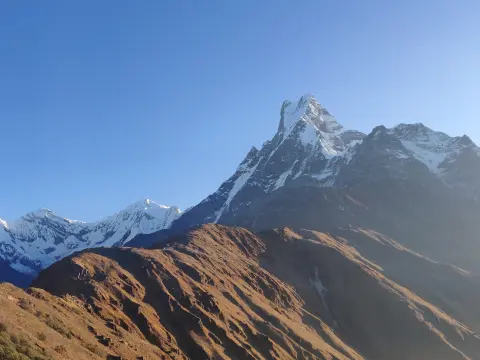
The Mardi Himal Yoga Trek is a unique Himalayan journey that blends adventure, mindfulness, and cultural exploration. Nestled in the Annapurna region of Nepal, this trek offers a perfect balance of challenging mountain trails and serene natural landscapes, making it ideal for trekkers seeking both physical activity and mental rejuvenation. The trek begins in Pokhara, a city known for its tranquil lakes and Himalayan vistas, and winds its way through lush forests, traditional villages, and alpine meadows before reaching the breathtaking Mardi Himal Base Camp. Along the way, trekkers experience unparalleled views of Annapurna South, Machapuchare (Fishtail), and Hiunchuli, providing countless photo opportunities.What makes this trek unique is its focus on yoga and mindfulness practices in nature. Early mornings can be spent practicing yoga with panoramic mountain views, while evenings offer meditation sessions at tranquil guesthouses. This combination of adventure trekking and holistic wellness creates a deeply immersive experience, allowing participants to connect with nature, local culture, and their inner selves. The trail passes through charming villages such as Pothana, Forest Camp, and Siding, where trekkers can witness Nepali traditions, hospitality, and rural life firsthand.Panoramic views of Annapurna South, Machapuchare, and HiunchuliOpportunity to practice yoga and meditation in the Himalayan landscapesVisits to traditional Nepali villages and cultural immersionModerate trekking routes with diverse terrains, including forests, meadows, and mountain trailsSpectacular sunrise and sunset views from High Camp and Mardi Himal Base CampBest Season for Mardi Himal Yoga TrekThe Mardi Himal Yoga Trek can be undertaken almost year-round, but the best seasons are spring (March to May) and autumn (September to November). During spring, the forests and alpine meadows are alive with blooming rhododendrons, vibrant wildflowers, and lush greenery. The weather is generally mild, and the skies are often clear, providing crisp views of the surrounding peaks. Autumn is equally spectacular, as the monsoon clouds clear and the air becomes crisp and clean, creating perfect conditions for photography and mountain vistas.Winter (December to February) is colder, especially at higher altitudes, and may bring snow to the trails, which can enhance the trekking experience for those seeking a quiet, serene journey, but requires proper gear. Summer (June to August) coincides with the monsoon, and while the trek is possible, trails can be muddy, and visibility may be limited due to clouds and rain. Choosing the right season ensures not only safer trekking conditions but also a more enjoyable yoga and meditation experience amidst the Himalayas.Best Season Highlights:Spring (March–May): Blooming rhododendrons, mild weather, clear mountain viewsAutumn (September–November): Crisp air, vibrant landscapes, excellent photography conditionsWinter (December–February): Snow-capped serenity, quieter trailsSummer (June–August): Lush greenery, but a higher chance of rain and cloud coverMardi Himal Yoga Trek Difficulty and TransportationThe Mardi Himal Yoga Trek is categorized as a moderate trek, suitable for trekkers with a reasonable level of fitness. The trek involves gradual ascents, some steep sections, and high-altitude trekking up to 4,500m at Mardi Himal Base Camp. While no technical climbing skills are required, trekkers should be prepared for long walking days of 4–6 hours, uneven trails, and occasional altitude challenges. The key to a successful trek is proper acclimatisation, pacing, and hydration, all of which are carefully planned by Glacier Nepal Treks to ensure safety and comfort. Transportation for this trek begins in Kathmandu, where trekkers are transferred to Pokhara either by a scenic 6–7 hour tourist bus or a short 30-minute domestic flight, offering aerial views of the Himalayas. From Pokhara, a private vehicle or jeep takes trekkers to the starting point at Kande, from where the trekking journey begins. Local transport options, combined with the carefully planned trekking route, make the journey accessible and comfortable, while providing opportunities to enjoy the landscapes and cultural stops along the way.Difficulty and Transportation Highlights:Difficulty: Moderate; suitable for trekkers with basic fitnessMaximum Altitude: 4,500m (Mardi Himal Base Camp)Trekking Duration: 6–7 hours on the longest daysTransportation: Kathmandu to Pokhara by bus or flight; Pokhara to Kande by private vehicleTrail Conditions: Forest paths, alpine meadows, and terraced villagesFood and Accommodation for Mardi Himal Yoga TrekDuring the Mardi Himal Yoga Trek, food and accommodation are carefully arranged to ensure comfort, nutrition, and a taste of local culture. Trekkers stay in teahouses and guesthouses, which are cosy, well-maintained, and offer basic amenities. While higher camps may have simpler facilities due to altitude, the accommodations are clean and welcoming, with warm bedding, hot showers where available, and spaces for evening yoga and meditation sessions.Meals during the trek feature a combination of Nepali cuisine and international dishes. Popular options include dal bhat (lentil soup with rice), vegetable curry, soups, noodles, and pasta. Guests can also enjoy fresh fruits, local snacks, and tea or coffee. All meals are prepared with locally sourced ingredients, ensuring both freshness and authenticity. Glacier Nepal Treks ensures that dietary requirements and preferences are considered, providing vegetarian, vegan, or gluten-free options on request.Food and Accommodation Highlights:Guesthouses/teahouses at each overnight stopClean rooms with bedding; hot showers at most stopsTraditional Nepali meals and international cuisineOpportunities for local cultural interaction over mealsDedicated spaces for yoga and meditation in serene natural settingsMardi Himal Yoga Trek PermitsTrekking in the Annapurna region requires certain permits to ensure safety and environmental responsibility. For the Mardi Himal Yoga Trek, the key permits include the Annapurna Conservation Area Permit (ACAP) and the Trekkers’ Information Management System (TIMS) card. These permits allow access to protected areas, help regulate trekking traffic, and support local conservation initiatives. Glacier Nepal Treks assists trekkers in obtaining all required permits before the trek begins, streamlining the process and minimising logistical challenges.The ACAP permit ensures that visitors contribute to the conservation of the Annapurna region, which is home to diverse wildlife, forests, and pristine mountain landscapes. The TIMS card acts as an identification and safety tool for trekkers, allowing authorities to track trekkers in case of emergencies. Together, these permits not only comply with regulations but also support responsible tourism that benefits local communities and preserves the Himalayan ecosystem for future generations.Permit Highlights:ACAP Permit: Required for Annapurna Conservation Area accessTIMS Card: Tracks trekkers for safety and emergency purposesResponsibility: Promotes sustainable tourism and environmental protectionAssistance: Glacier Nepal Treks handles all permits for trekkersWhy Choose Mardi Himal Yoga TrekChoosing the Mardi Himal Yoga Trek with Glacier Nepal Treks is an investment in adventure, wellness, and cultural exploration. This trek is ideal for individuals seeking a holistic experience, combining mindful trekking, yoga, and immersion in local culture. With expert guides, detailed itineraries, and personalised attention, Glacier Nepal Treks ensures that trekkers enjoy a seamless and memorable journey in the Annapurna region. The company is renowned for its professionalism, safety standards, and commitment to responsible tourism, offering peace of mind for first-time and experienced trekkers alike.Beyond the logistical support, the Mardi Himal Trek is designed to nurture body, mind, and soul. Trekkers enjoy mountain vistas, pristine forests, and alpine meadows while engaging in yoga and meditation practices. The trek encourages reflection, relaxation, and connection with nature, making it more than a physical challenge it’s a rejuvenating experience. Cultural interactions with local villages, traditional foods, and the warm hospitality of guesthouses add a human dimension, making every step rewarding.Why Choose Mardi Himal Yoga Trek Highlights:Experienced guides and professional trekking supportFocus on yoga, meditation, and mindfulness in natureModerate trek suitable for most fitness levelsImmersive cultural experience in Nepali villagesScenic Himalayan views and once-in-a-lifetime photo opportunities
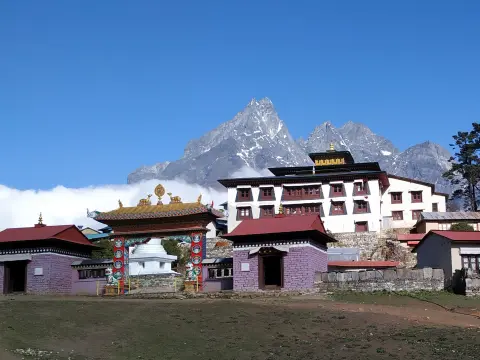
The Everest Panorama Yoga Trek offered by Glacier Nepal Treks is a unique journey combining the thrill of trekking in the Everest region with wellness-focused yoga practices. Unlike standard Everest Base Camp treks, this itinerary emphasizes mindful movement, meditation, and rejuvenation amidst the Himalayan landscape. Starting from Kathmandu, the trek covers scenic flights, picturesque villages, suspension bridges, rivers, and iconic Sherpa settlements. Key highlights include Namche Bazaar, Tengboche Monastery, and multiple viewpoints offering panoramic views of Everest, Lhotse, Ama Dablam, Nuptse, and other Himalayan giants. Along the trek, participants enjoy daily yoga sessions designed to aid acclimatization, reduce muscle tension, and enhance flexibility. The trek’s moderate pace allows for cultural immersion, including interaction with Sherpa communities, visiting local monasteries, and exploring traditional markets. This combination of adventure and wellness makes the Everest Panorama Yoga Trek ideal for travelers seeking spiritual, cultural, and physical enrichment in one transformative journey.Scenic flights between Kathmandu and LuklaPanoramic views of Everest, Lhotse, Ama Dablam, NuptseAcclimatization hikes and yoga sessions in Namche BazaarVisits to Tengboche Monastery and Sherpa villagesCultural immersion in local markets and traditional craftsBest Season for Everest Panorama Yoga TrekThe Everest Panorama Yoga Trek is best undertaken during two main trekking seasons: pre-monsoon (March to May) and post-monsoon (late September to November). During these months, the weather is generally stable, with clear skies and optimal visibility of the Himalayan peaks. March to May offers the additional charm of blooming rhododendron forests, while September to November provides crisp, fresh air and vibrant mountain landscapes.Winter months (December to February) are colder, especially at higher altitudes, and some trails may be icy or snow-covered, requiring additional gear and experience. Monsoon season (June to early September) is generally avoided due to heavy rainfall, slippery trails, and the risk of landslides. Planning your trek during the recommended seasons ensures better weather, safer trekking conditions, and more rewarding yoga and meditation experiences amidst panoramic Himalayan views.Seasonal Overview:Spring (March–May): Blooming rhododendrons, moderate temperaturesAutumn (September–November): Clear skies, excellent mountain viewsWinter (December–February): Cold, fewer crowds, snow-covered trailsMonsoon (June–August): Heavy rains, slippery paths, and less visibilityEverest Panorama Yoga Trek Difficulty and TransportationThe Everest Panorama Yoga Trek is classified as a moderate trek, suitable for trekkers with basic fitness levels and a willingness to walk 4–7 hours daily at high altitudes. The trail features a mix of uphill climbs, downhill descents, suspension bridges, and narrow paths along rivers, requiring a good sense of balance and endurance. Acclimatization days, gentle hiking, and yoga sessions are built into the itinerary to minimize altitude sickness and fatigue.Transportation during the trek includes:Private vehicle transfer from Kathmandu to the airportScenic flights between Kathmandu and Lukla (approx. 35 minutes)Daily trekking on well-marked trailsReturn flights from Lukla to Kathmandu for convenience and comfortThe combination of scenic flights, moderate trekking hours, and yoga-focused rest days ensures a balanced adventure for physical activity and mental rejuvenation, even for those new to Himalayan trekking.Key Points:Moderate trekking difficulty; 4–7 hours/daySteep ascents and descents, suspension bridgesAltitude up to 3,867m (Tengboche)Yoga sessions to aid acclimatization and flexibilityFlights reduce overall trekking strainFood and Accommodation for Everest Panorama Yoga TrekGlacier Nepal Treks ensures that trekkers enjoy comfortable lodges and traditional Nepali cuisine throughout the Everest Panorama Yoga Trek. Lodges range from basic to moderately comfortable, with hot showers, clean bedding, and cozy dining areas. In Namche Bazaar and Tengboche, trekkers have access to more developed facilities while still experiencing authentic Himalayan hospitality. Meals focus on nutritious, energy-sustaining options essential for trekking and yoga practice. Breakfasts typically include eggs, porridge, bread, and tea or coffee, while lunches feature dal bhat (rice and lentils), soups, and sandwiches. Dinner offers hearty meals to restore energy after trekking, including local specialties, vegetarian options, and hot beverages. Tea breaks and snacks are available throughout the day to maintain energy levels and hydration.Highlights:Accommodation in cozy lodges with clean beddingHot meals and beverages, with vegetarian and non-vegetarian optionsLocal Nepali dishes like dal bhat, momo, and soupsEnergy snacks during trekking and yoga breaksHygienic and safe food preparation practicesEverest Panorama Yoga Trek PermitsTrekking in the Everest region requires several permits, which Glacier Nepal Treks arranges for trekkers to ensure a hassle-free journey. Two primary permits are needed: Sagarmatha National Park Entry Permit and Khumbu (or Solukhumbu) Trekking Permit (TIMS card). These permits are essential for accessing protected areas, monitoring trekkers, and supporting conservation efforts.The permits are obtained through registered agencies, with ID verification and fees paid at the start of the trek. Carrying these permits is mandatory, and rangers in the national park may check them at entry points. Glacier Nepal Treks also provides guidance on additional permits if trekking routes extend beyond the standard Everest Panorama Yoga Trek, ensuring full compliance with local regulations and a safe trekking experience.Permit Summary:Sagarmatha National Park Entry Permit – required for park entryTIMS (Trekkers’ Information Management System) Card – for trekking in the Khumbu regionPermits arranged by Glacier Nepal TreksMandatory for safety, legal compliance, and conservation supportWhy Choose Everest Panorama Yoga Trek with Glacier Nepal TreksChoosing Glacier Nepal Treks for the Everest Panorama Yoga Trek ensures a professional, safe, and immersive experience. The company has extensive expertise in Himalayan trekking and focuses on personalized service, cultural immersion, and wellness integration. Every aspect of the trek from flight arrangements and accommodation to yoga sessions and guided hikes is designed to provide a seamless experience for trekkers of varying skill levels.Glacier Nepal Treks emphasizes responsible tourism and local community support, including hiring Sherpa guides, porters, and staff from local villages. Their experienced guides offer insightful commentary on Himalayan culture, flora, fauna, and geography, while maintaining high safety standards. Additionally, the combination of trekking with yoga sessions, meditation breaks, and cultural exploration makes this trek uniquely holistic, balancing physical exertion with mental relaxation and spiritual enrichment.Reasons to Choose Glacier Nepal Trek:Expert guidance by certified Himalayan trekking guidesOrganized logistics: flights, accommodation, and mealsFocus on wellness: yoga, meditation, and rejuvenationCultural immersion in Sherpa villages and monasteriesCommitment to safety, sustainability, and responsible tourism
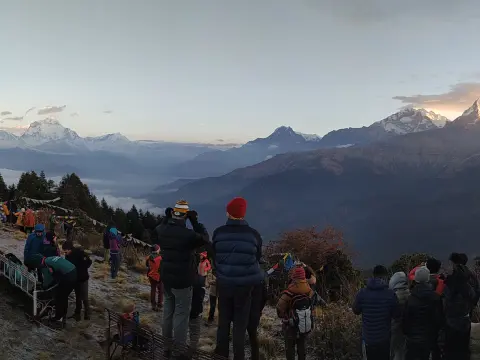
The Poon Hill Yoga Trek is a serene combination of Himalayan trekking and daily yoga practice, designed for those seeking both physical activity and spiritual rejuvenation. Starting from Pokhara, the trek follows a well-established trail through the Annapurna region, passing through lush rhododendron forests, traditional Gurung villages, and terraced farmlands. Along the journey, trekkers experience panoramic views of the Annapurna and Dhaulagiri mountain ranges, culminating in the unforgettable sunrise from Poon Hill (3,210m/10,531ft). This trek is suitable for beginners to moderate trekkers and yoga enthusiasts, offering a perfect blend of adventure, nature, and mindfulness.The trek is structured to provide daily yoga sessions, either in the morning or evening, often overlooking breathtaking Himalayan vistas. Guided meditation sessions help in grounding the mind while the body is gently strengthened through yoga asanas tailored for trekkers. The route passes through Thikhedhunga, Ghorepani, Tadapani, and Ghandruk, allowing trekkers to immerse themselves in local culture and hospitality. The experience not only challenges the body but nourishes the soul, making it a holistic journey for mental, physical, and spiritual wellness.Sunrise view from Poon Hill with panoramic Himalayan scenery.Daily yoga and meditation sessions integrated with trekking.Visit traditional Gurung villages and experience local culture.Moderate trekking suitable for beginners and yoga practitioners.Stunning rhododendron forests and terraced landscapes along the trail.Best Season for Poon Hill Yoga TrekThe Poon Hill Yoga Trek can be undertaken throughout the year, but certain seasons offer optimal conditions for both trekking and yoga practice. Autumn (September to November) is widely regarded as the best season due to clear skies, stable weather, and vibrant landscapes. The Himalayan peaks, including Annapurna South, Dhaulagiri, and Machapuchare, are clearly visible, providing ideal backdrops for sunrise yoga and meditation. Autumn also features moderate temperatures, making the trek comfortable while reducing the risk of altitude-related discomfort.Spring (March to May) is another excellent season, as rhododendron forests along the trail bloom with vivid colors, creating a visually stunning environment for trekking and yoga. The temperatures are moderate, and the days are longer, offering more daylight for trekking and photography. Winter (December to February) offers quieter trails and snow-dusted landscapes, ideal for solitude and mindful practice, although mornings and evenings can be extremely cold. Monsoon season (June to August) is generally avoided due to heavy rainfall, landslides, and slippery trails, which can make trekking and yoga practice unsafe.Best Season Highlights:Autumn (Sept–Nov): Clear skies, perfect Himalayan views, moderate weather.Spring (Mar–May): Blooming rhododendrons, long daylight hours, pleasant temperatures.Winter (Dec–Feb): Fewer crowds, serene landscapes, colder mornings and evenings.Avoid the monsoon (Jun–Aug) due to slippery trails and heavy rain.Poon Hill Yoga Trek Difficulty and TransportationThe Poon Hill Yoga Trek is classified as a moderate trek, suitable for individuals with a basic level of fitness and a willingness to enjoy daily walking at high altitudes. The trek includes gradual ascents, forested trails, and a few steep sections, particularly from Thikhedhunga to Ulleri and Ghorepani. Trekkers are encouraged to take their time during the ascent to Poon Hill, especially to avoid altitude sickness, while enjoying daily yoga sessions to stretch, strengthen, and relax the body.Transportation logistics are straightforward and well-managed by Glacier Nepal Treks. Trekkers typically start the journey in Kathmandu with a transfer to Pokhara either by a 6–7 hour tourist bus or a 30-minute scenic flight. From Pokhara, a private vehicle transports the group to Nayapul, the official starting point of the trek. After completing the trek, the route back follows the same path in reverse, ending in Pokhara, and then returning to Kathmandu by road. The mix of trekking and organized transport ensures a smooth journey, allowing trekkers to focus on yoga practice and the natural beauty around them.Difficulty & Transportation Overview:Moderate trekking is suitable for beginners with basic fitness.Gradual ascents with some steep sections (Thikhedhunga → Ulleri).Daily trekking duration: 4–6 hours, with rest stops.Transportation: Kathmandu ↔ Pokhara by bus or flight; Pokhara → Nayapul by private vehicle.Trek return: Nayapul → Pokhara → Kathmandu.Food and Accommodation for Poon Hill Yoga TrekAccommodation during the Poon Hill Yoga Trek is primarily in teahouses and guesthouses, offering a cozy environment and a chance to experience local hospitality. Facilities are basic but clean, with shared or private rooms depending on the location and availability. Some guesthouses offer hot showers and charging points, although electricity can be limited in remote villages. Staying in local lodges allows trekkers to immerse themselves in the culture, interact with locals, and support village economies.Food along the trail is a combination of local Nepalese cuisine and simple Western dishes. Typical meals include dal bhat (lentil soup with rice), vegetable curries, noodles, pasta, and momos (dumplings). Breakfast options may include porridge, eggs, pancakes, and tea or coffee. Hydration is emphasized, and trekkers are advised to drink bottled or boiled water. Daily yoga sessions are complemented by nutritious meals to maintain energy levels for trekking and meditation.Food & Accommodation Highlights:Cozy guesthouses and teahouses with basic amenities.Traditional Nepalese and western meals (dal bhat, noodles, momos, etc.).Options for hot showers and electricity in some lodges.Interaction with local villagers and cultural immersion.Healthy meals to support trekking and yoga practice.Poon Hill Yoga Trek PermitsTrekking in the Annapurna region requires specific permits, which are handled efficiently by Glacier Nepal Treks. The two main permits for this trek are:Annapurna Conservation Area Permit (ACAP):Mandatory for trekking in the Annapurna region.Fees vary depending on nationality, typically around USD 30–50.Helps preserve the environment and wildlife in the conservation area.Trekkers’ Information Management System (TIMS) Card:Required for all trekkers in Nepal.Ensures safety and monitoring of trekkers.The fee is generally USD 20–30, depending on nationality.Permit Management Highlights:Glacier Nepal Treks organizes all permits before the trek.Permits are checked at checkpoints along the trail.Supports local conservation and responsible tourism.Why Choose Poon Hill Yoga Trek with Glacier Nepal TreksChoosing the Poon Hill Yoga Trek with Glacier Nepal Treks ensures a seamless, safe, and holistic trekking experience. The company is known for professional guides, experienced support staff, and personalized itineraries tailored to individual fitness and yoga needs. Daily yoga sessions integrated into the trek promote flexibility, endurance, and mindfulness, complementing the physical challenge of trekking. Glacier Nepal Treks also emphasizes sustainable tourism, supporting local communities along the route.Trekkers benefit from a fully organized trip, including airport transfers, accommodations, meals, permits, and expert guidance. Safety is a top priority, with trained guides ready to assist with altitude management and first aid. Additionally, the company’s deep knowledge of the Annapurna region ensures an enriching cultural experience, including visits to traditional Gurung villages and local museums. The combination of adventure, nature, yoga, and cultural immersion makes this trek ideal for travelers seeking well-being, adventure, and unforgettable Himalayan vistas.Reasons to Choose Glacier Nepal Treks:Professional guides and experienced trekking staff.Daily yoga and meditation sessions are integrated into trekking.Fully organized itinerary including transport, meals, and permits.Emphasis on safety and altitude management.Cultural immersion and support for local communities.Stunning panoramic views and a serene trekking experience.
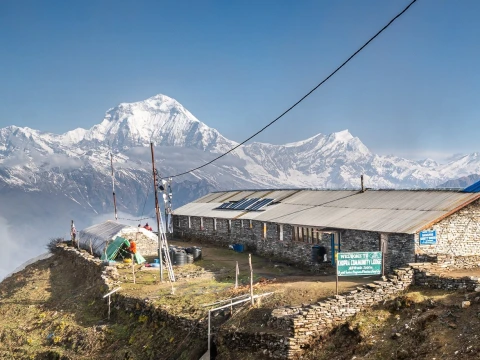
The Khopra Danda Yoga Trek, organized by Glacier Nepal Treks, is a serene and less-crowded Himalayan adventure designed for those seeking both physical challenge and spiritual rejuvenation. Unlike the popular Annapurna Base Camp or Poon Hill treks, this route offers a peaceful escape into the heart of the Annapurna region, passing through remote villages, dense rhododendron and oak forests, terraced hillsides, and high ridges. The trek provides an excellent opportunity to disconnect from the modern world and immerse yourself in nature while practicing yoga and meditation in tranquil surroundings. The highlight is Khopra Danda, a ridge at 3,660 meters that offers panoramic views of Dhaulagiri, Tukuche Peak, Nilgiri, Annapurna I, Annapurna South, and other majestic Himalayan peaks. A side excursion to Khayer Lake (4,600m) further enhances the spiritual and adventurous aspect of this trek.This trek is ideal for travelers looking for a combination of adventure, culture, and wellness. The route passes through traditional Gurung and Magar villages, where trekkers can interact with local families, observe age-old traditions, and savor authentic Nepali cuisine. With Glacier Nepal Treks, trekkers are guided by experienced professionals who provide logistical support, cultural insights, and safety precautions, ensuring a smooth and enriching experience. The trek is designed to offer a balance of moderate trekking, spiritual retreats, and breathtaking photography opportunities, making it suitable for both first-time trekkers and experienced hikers who value serenity over crowded trails.Remote, less-crowded trekking route in the Annapurna regionPanoramic Himalayan views from Khopra Danda and Khayer LakeCultural immersion in Gurung and Magar villagesOpportunities for yoga, meditation, and spiritual reflectionScenic forests, terraced hills, and high ridgesBest Season for Khopra Danda Yoga TrekThe best seasons for the Khopra Danda Yoga Trek are autumn (September to November) and spring (March to May). During autumn, the skies are generally clear, offering crisp, unobstructed views of the Himalayan peaks, while the weather is mild, making trekking comfortable. Spring brings blooming rhododendrons, lush green landscapes, and moderate temperatures that enhance the overall trekking experience. Both seasons are ideal for photography, hiking, and outdoor yoga practices, as the trails are safer and the weather conditions are stable.Winter (December to February) can be very cold, especially at higher altitudes like Khopra Danda and Khayer Lake. Heavy snowfall may also block trails, making trekking difficult and increasing risks. Summer (June to August) coincides with the monsoon season, bringing heavy rains, slippery paths, and leeches in the lower forested sections. While some trekkers do visit in summer for solitude, it is generally not recommended due to potential weather hazards. Glacier Nepal Treks carefully plans itineraries during the best seasons to maximize safety, scenic beauty, and spiritual experiences.Best season highlights:Autumn: Clear skies, mild temperatures, ideal for panoramic photographySpring: Blooming rhododendrons, moderate weather, vibrant landscapesAvoid: Monsoon (June–August) and deep winter (December–February) for safetyKhopra Danda Yoga Trek Difficulty and TransportationThe Khopra Danda Yoga Trek is considered moderate in difficulty, suitable for trekkers with basic fitness levels. While most days involve 4–6 hours of walking, certain sections, like the ascent to Khopra Danda and the hike to Khayer Lake, are steep and require stamina. The altitude is another factor; the trek reaches a maximum of 4,600m at Khayer Lake, where acclimatization is crucial to avoid altitude sickness. Proper preparation, such as cardiovascular exercises, hiking practice, and core strength workouts, is recommended before departure. Transportation to the starting point is convenient with multiple options. Trekkers begin in Kathmandu and have the choice of a scenic 6–7 hour drive or a 30-minute flight to Pokhara. From Pokhara, a 1.5-hour taxi ride takes you to Nayapul, the trek’s starting point. After the trek, the descent route passes through Tikhedunga to Nayapul, followed by a taxi ride back to Pokhara, and finally a tourist bus or flight to Kathmandu. Glacier Nepal Treks ensures all transportation is private, safe, and comfortable, with opportunities to stop for refreshments and photo breaks.Key points:Moderate trekking difficulty, 4–6 hrs/dayMaximum altitude: 4,600m at Khayer LakeInitial transportation: Kathmandu → Pokhara (bus or flight)Trek start: Nayapul, Pokhara taxi transferReturn: Tikhedunga → Nayapul → Pokhara → KathmanduFood and Accommodation for Khopra Danda Yoga TrekDuring the trek, food and accommodation are a mix of teahouses and lodges offering authentic Nepali meals and basic amenities. Teahouses serve a variety of dishes such as dal bhat (rice and lentil soup), noodles, momo (dumplings), soups, and continental breakfasts, catering to different dietary preferences. Trekking with Glacier Nepal Treks, you are provided with nutritious, freshly prepared meals to maintain energy levels throughout the trek, along with warm drinks and snacks.Accommodation is generally simple yet comfortable, with shared or private rooms depending on availability. Most lodges provide blankets, pillows, and basic hygiene facilities, while higher-altitude locations like Khopra Danda may have more basic amenities. Despite simplicity, the accommodations offer spectacular views and cozy spaces for relaxation after a long day of trekking and yoga practice. The combination of local hospitality, scenic surroundings, and home-cooked meals makes each overnight stay memorable.Highlights:Teahouses offering Nepali and continental cuisineNutritious meals for trekking energySimple yet comfortable lodging with Himalayan viewsShared or private rooms, depending on locationKhopra Danda Yoga Trek PermitsTrekking in the Annapurna region requires a few essential permits, which Glacier Nepal Treks assists with. The key permits include:Annapurna Conservation Area Permit (ACAP): Mandatory for all trekkers entering the Annapurna region. The permit helps fund conservation efforts and preserve the natural and cultural heritage of the area.Trekkers’ Information Management System (TIMS) Card: Ensures trekkers’ safety and allows monitoring by local authorities. For this trek, a green card (individual trekker) or a group card (if trekking with a guide) is issued.Glacier Nepal Treks handles all permit arrangements in advance, ensuring trekkers avoid bureaucratic delays. It is advisable for travelers to carry a passport-sized photo and a copy of their passport for permit processing. Proper permits are essential not only for legality but also for safety and access to the full trekking route, including high ridges like Khopra Danda and excursions such as Khayer Lake.Permit Summary:ACAP Permit: Required for the Annapurna regionTIMS Card: Mandatory for trekking registration and safetyGlacier Nepal Treks assists with processing to ensure smooth travelWhy Choose Khopra Danda Yoga TrekThe Khopra Danda Yoga Trek stands out as a unique trekking experience because it combines adventure, culture, wellness, and spirituality in one journey. Unlike popular trails, it remains off the beaten path, offering solitude, tranquility, and authentic interactions with rural communities. Trekkers can practice yoga and meditation in pristine environments with minimal distractions, making it perfect for mental rejuvenation and self-reflection. The ridge at Khopra Danda and the serene Khayer Lake provide unmatched panoramic views of the Annapurna and Dhaulagiri ranges, making it a photographer’s paradise.Choosing Glacier Nepal Treks guarantees a professionally organized experience. They provide experienced guides, porters, quality accommodations, and full logistical support, ensuring safety, comfort, and a culturally rich trekking journey. Their itineraries are thoughtfully designed to allow proper acclimatization, ample rest, and time for yoga or meditation. The trek is suitable for a wide range of travelers from wellness enthusiasts to moderate trekkers who want a holistic Himalayan adventure combining nature, culture, and spiritual well-being.Reasons to choose:Off-the-beaten-path trekking with fewer crowdsPanoramic Himalayan views and spiritual retreat opportunitiesProfessional guides and logistical support by Glacier Nepal TreksCultural immersion in Gurung and Magar villagesPerfect blend of trekking, yoga, and meditation
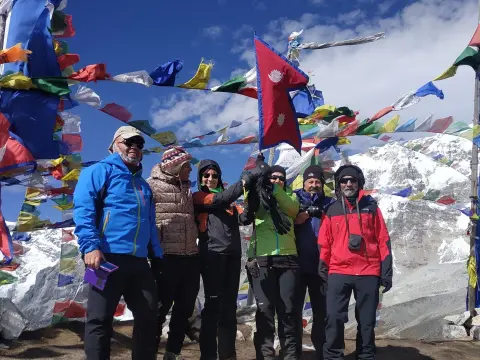
The Langtang Valley Yoga Trek, organized by Glacier Nepal Treks, is a unique Himalayan adventure that combines the physical challenge of trekking with the mental and spiritual benefits of yoga. Nestled in the Langtang region of Nepal, this trek takes you through pristine valleys, dense forests, and traditional Tamang and Sherpa villages, offering both natural beauty and cultural immersion. Unlike many high-altitude treks, this journey is accessible yet rewarding, making it suitable for beginners and experienced trekkers alike. Daily yoga sessions amidst breathtaking landscapes provide a chance to reconnect with your body, mind, and the serene surroundings of the Himalayas.The trek begins in Kathmandu, followed by a scenic drive to Syabrubesi, the trailhead of the Langtang Valley. From here, you ascend gradually through forested valleys and traditional villages like Lama Hotel, Langtang Village, and Kyangjin Gompa. Highlights include panoramic views from Tserko Ri, encounters with glaciers, and the chance to explore local monasteries (Gompas). Each day is designed to balance trekking and yoga, allowing your body to acclimatize and your mind to rejuvenate. Key features include:Trekking through the Langtang Khola ValleyExperiencing traditional Tamang and Sherpa cultureYoga and meditation sessions in natural Himalayan settingsStunning views of Langtang Lirung, Ganesh Himal, and Annapurna rangesOpportunities to witness glaciers, waterfalls, and alpine meadowsThis trek is not just about walking; it is a journey of self-discovery. With the guidance of Glacier Nepal Treks, trekkers receive support in planning, acclimatization, and cultural understanding, ensuring both safety and enjoyment. Whether you are seeking adventure, wellness, or a blend of both, the Langtang Valley Yoga Trek offers a holistic Himalayan experience.Best Season for Langtang Valley Yoga TrekTiming is crucial for trekking in the Langtang Valley, as the region experiences distinct seasonal variations. The best seasons for the Langtang Valley Yoga Trek are spring (March to May) and autumn (September to November).In spring, the valley comes alive with blooming rhododendrons and vibrant alpine flowers, creating a colorful landscape ideal for photography and meditation. Weather conditions are mild, with clear skies that offer panoramic mountain views. Temperatures are moderate, making trekking comfortable while practicing yoga outdoors. Spring is also a season of festivals in Nepal, allowing trekkers to experience local culture and traditions along the route.In autumn, the weather is stable, and visibility is excellent, providing clear views of towering Himalayan peaks. The post-monsoon environment ensures lush green landscapes, flowing rivers, and vibrant wildlife sightings. Days are warm, but nights can be chilly, especially at higher altitudes like Kyangjin Gompa and Tserko Ri. Trekking in winter (December–February) is possible but comes with challenges such as snow, cold temperatures, and occasional trail closures, while summer (June–August) is best avoided due to heavy monsoon rains and landslide risks.Season highlights at a glance:Spring (Mar–May): Blooming flowers, moderate temperatures, festival seasonAutumn (Sep–Nov): Clear skies, excellent visibility, lush green landscapesWinter (Dec–Feb): Cold, snow at high altitudes, fewer trekkersMonsoon (Jun–Aug): Heavy rainfall, slippery trails, landslide risksChoosing the right season ensures safety, better acclimatization, and a more enjoyable yoga trekking experience.Langtang Valley Yoga Trek Difficulty and TransportationThe Langtang Valley Yoga Trek is classified as moderate difficulty, making it suitable for trekkers with basic fitness levels. While the trek does involve ascending to high altitudes, it allows for gradual acclimatization. Daily trekking distances range from 4 to 8 hours, with well-marked trails passing through forests, rivers, and alpine meadows. The highest point, Tserko Ri (4,985m/16,350ft), offers a panoramic view but requires moderate climbing and stamina.The trek is designed to balance physical activity with rest and yoga practice. Acclimatization days, such as the hike to Tserko Ri from Kyangjin Gompa, help prevent altitude sickness and enhance endurance. Trekkers can expect some steep ascents, suspension bridges over rivers, and rocky paths, but no technical climbing equipment is needed. Daily yoga sessions are adapted to the altitude and physical conditions, ensuring safety and relaxation.Transportation to the trailhead is convenient, with a scenic drive from Kathmandu to Syabrubesi (7–8 hours). Private vehicles arranged by Glacier Nepal Treks ensure comfort and flexibility. Upon completion, the trek concludes with a return drive to Kathmandu. Key points about difficulty and transport include:Moderate difficulty with gradual ascents and descentsTrekking duration: 4–8 hours per dayHighest altitude: Tserko Ri – 4,985mNo technical climbing requiredPrivate vehicle transport from Kathmandu to Syabrubesi and backScenic road journey with views of the Himalayan ranges and rural NepalThis combination of manageable trekking distances, proper acclimatization, and guided transport makes the Langtang Valley Yoga Trek accessible without compromising adventure.Food and Accommodation for Langtang Valley Yoga TrekDuring the Langtang Valley Yoga Trek, Glacier Nepal Treks ensures that trekkers enjoy both comfort and traditional local experiences. Accommodation is primarily in tea houses and lodges, which provide cozy rooms with basic amenities. While facilities may be simple, the focus is on clean and warm accommodations that allow trekkers to rest and rejuvenate after a day on the trail. Higher altitude stops like Kyangjin Gompa offer more limited options, but lodges still provide hot meals, warm bedding, and communal spaces to meet fellow trekkers.Food along the trek is a mix of local and familiar dishes, catering to both Nepali flavors and international tastes. Traditional meals include dal bhat (lentil soup with rice), momo (dumplings), noodles, and vegetable curries. Breakfasts are usually light and energizing, while dinners are hearty to replenish calories lost during trekking. Tea, coffee, and other beverages are readily available. Vegetarian options are widely accessible, and special dietary needs can be accommodated with prior notice.Highlights of food and accommodation:Comfortable lodges and tea houses in villages like Lama Hotel, Langtang Village, and Kyangjin GompaClean rooms with shared or private bathroomsHot showers at select lodges (higher altitudes may be limited)Nutritious meals: Nepali and international cuisineLocal specialties: dal bhat, momo, and herbal teasCommunal spaces for relaxation and yoga practiceThe combination of simple yet comfortable lodges and nourishing meals ensures trekkers remain energized and relaxed throughout the journey.Langtang Valley Yoga Trek PermitsTrekking in the Langtang region requires specific permits to ensure safety, conservation, and legal compliance. Glacier Nepal Treks facilitates all necessary paperwork, making the process smooth for trekkers. The key permits include the Langtang National Park Entry Permit (TIMS) and, in some cases, special trekking permits for restricted areas.The Trekkers’ Information Management System (TIMS) card is essential for all Nepalese treks. It helps monitor trekkers and ensures safety in case of emergencies. Langtang National Park, established to protect the unique biodiversity of the region, requires an entry fee, which contributes to conservation efforts and the welfare of local communities. Permits are typically verified at the park entrance and checkpoints along the trek. Carrying permits at all times is mandatory, as park officials and local authorities may request them.Permit highlights:TIMS Card: Required for all trekkers; managed by Glacier Nepal TreksLangtang National Park Entry Permit: Mandatory for entering the protected areaFees contribute to park conservation and local communitiesPermit arrangements are handled by the trekking companyEasy to obtain with prior coordinationBy organizing permits beforehand, Glacier Nepal Treks ensures a hassle-free trekking experience, allowing you to focus on the journey, yoga, and Himalayan exploration.Why Choose Langtang Valley Yoga Trek with Glacier Nepal TreksChoosing Glacier Nepal Treks for your Langtang Valley Yoga Trek guarantees a combination of expertise, safety, and personalized service. As a reputable trekking company, Glacier Nepal Treks has extensive experience in guiding treks in the Langtang region and other Himalayan destinations. Their trained guides provide cultural insights, altitude acclimatization strategies, and yoga instructions, ensuring a holistic trekking experience.The company emphasizes safety, well-being, and environmental responsibility. Trekkers benefit from carefully planned itineraries, comfortable accommodations, nutritious meals, and logistical support throughout the journey. Additionally, Glacier Nepal Treks promotes responsible tourism by supporting local communities and preserving the natural beauty of the Langtang Valley. Choosing them ensures peace of mind, whether you are an experienced trekker or new to Himalayan adventures.Reasons to choose Glacier Nepal Treks:Experienced guides with knowledge of Langtang and Himalayan trailsHolistic itineraries combining trekking, yoga, and cultural immersionEmphasis on safety, acclimatization, and wellnessComfortable lodges, nutritious meals, and logistical supportEnvironmentally responsible and community-focused practicesPersonalized attention and flexible arrangementsBy trekking with Glacier Nepal Treks, you embark on a journey that nourishes body, mind, and soul, leaving you with unforgettable memories of the Himalayas.
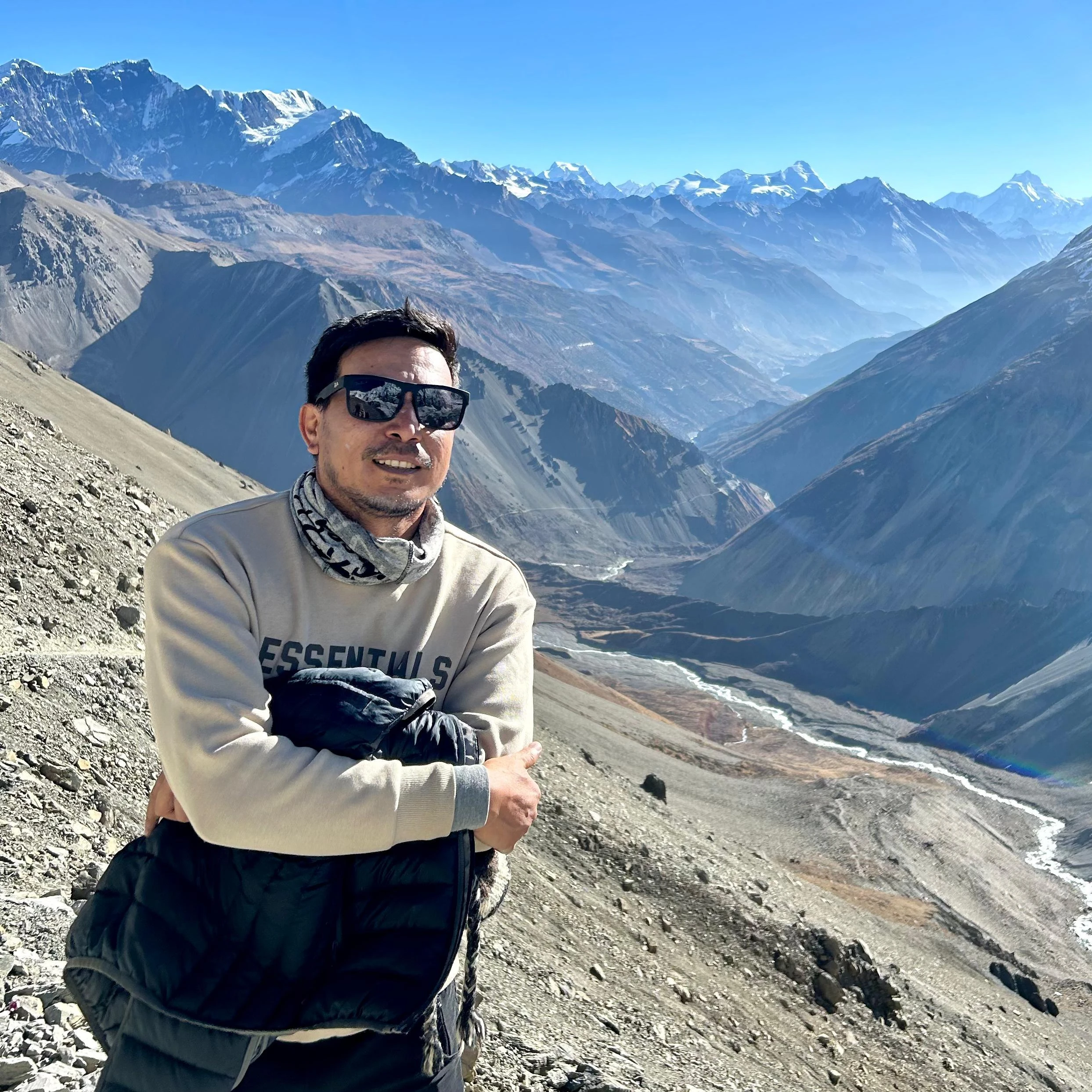
Feel free to inquire, and together, we'll design the perfect journey to suit your preferences and desires.


 (31)
(31)  94% recommend (244)
 (12)
(12)