Need help with booking? Send us a message.
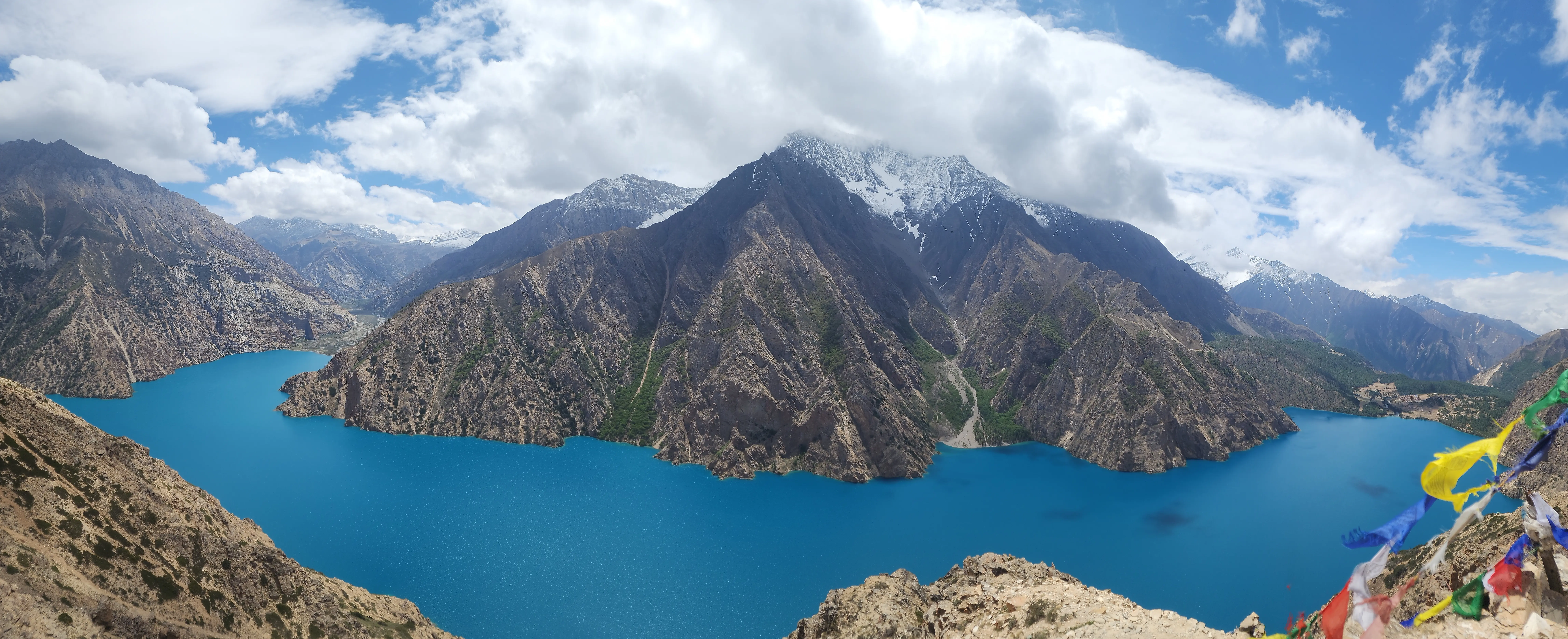
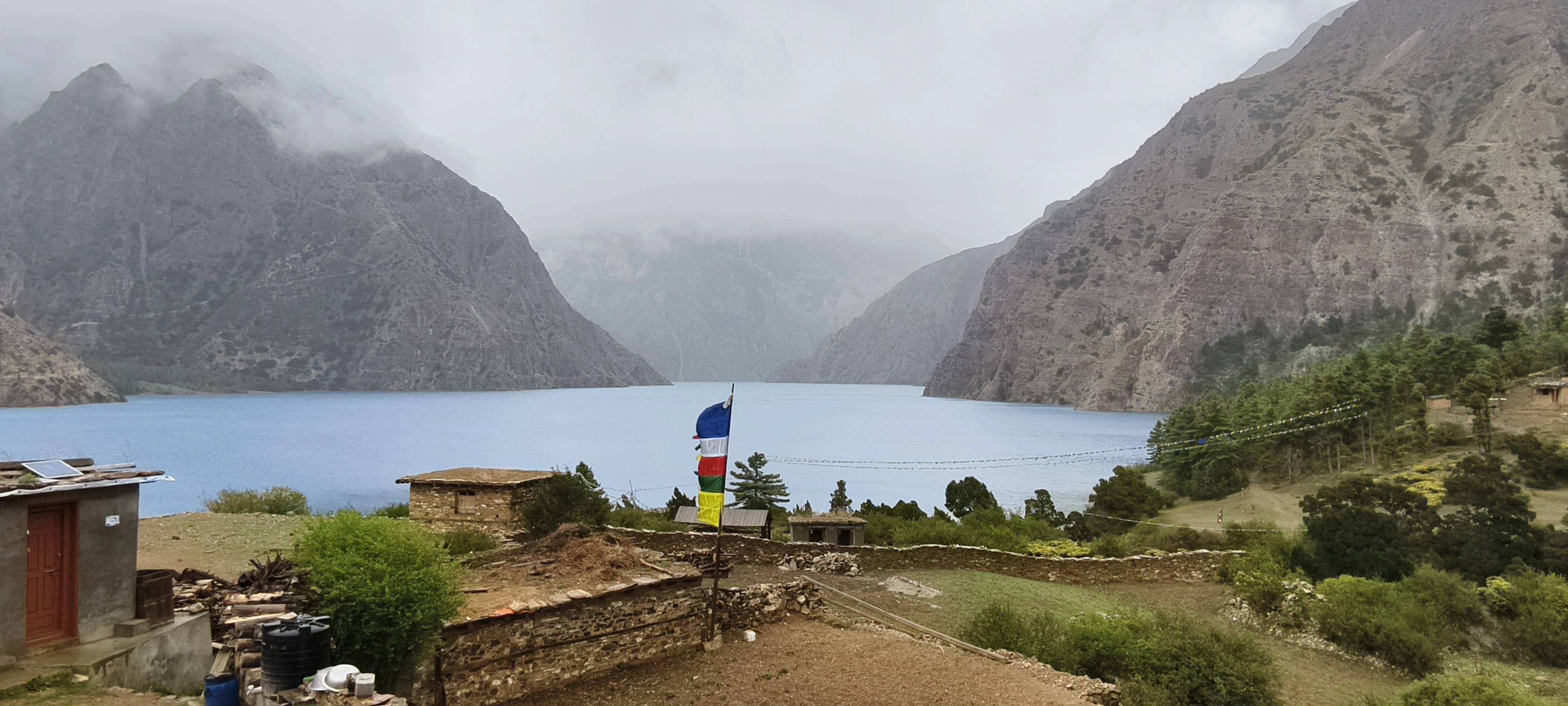
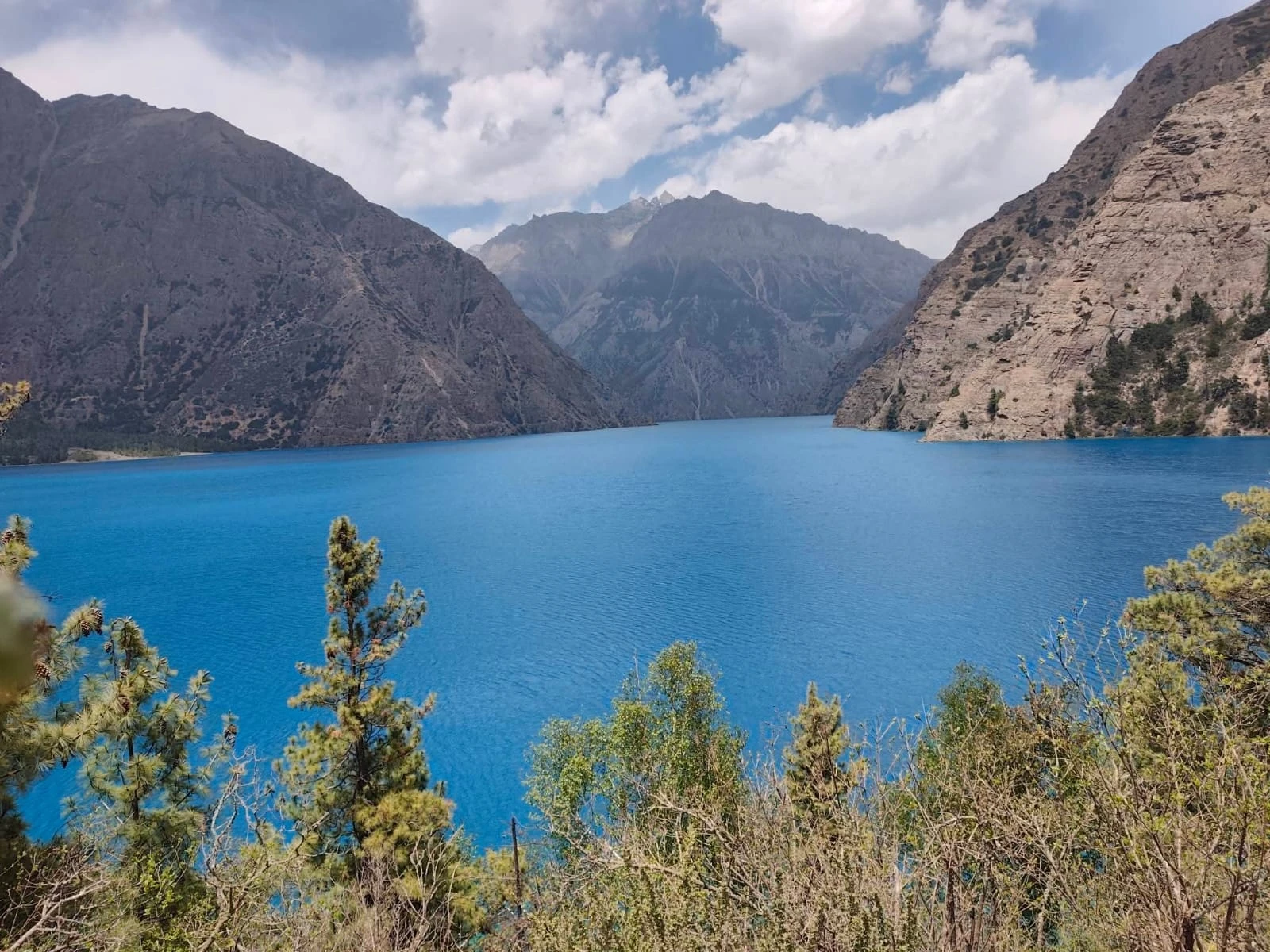
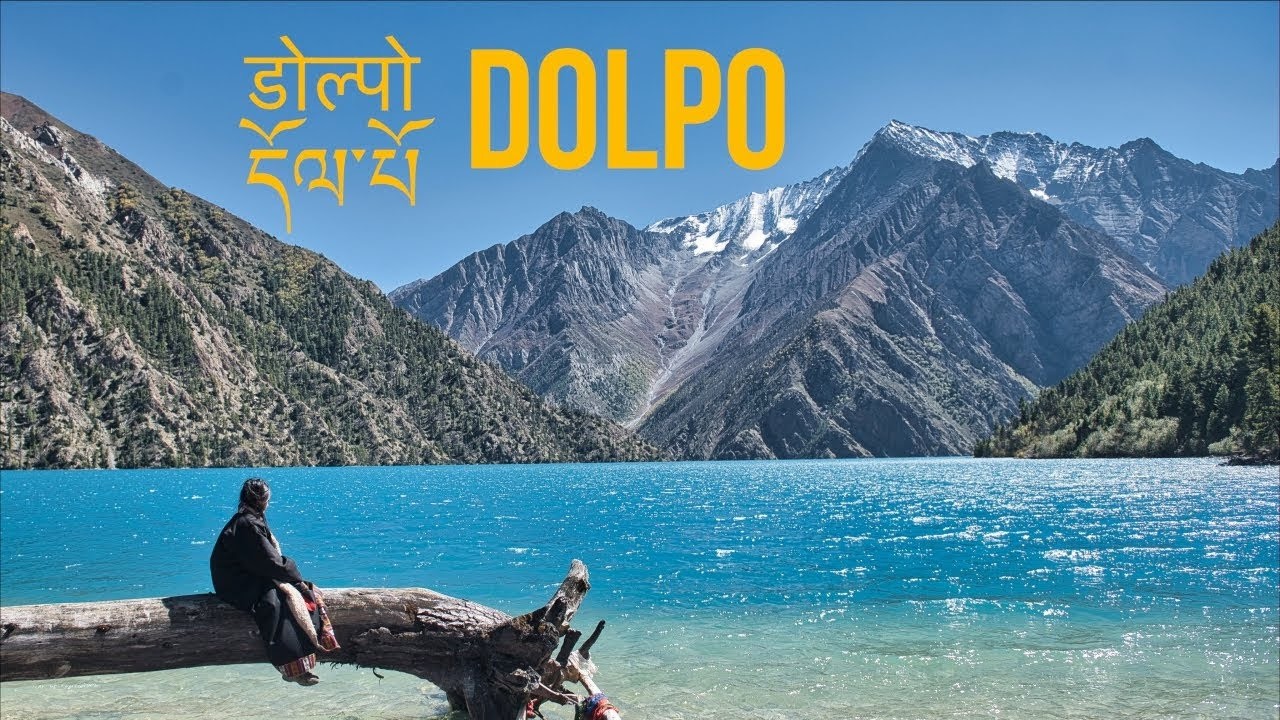
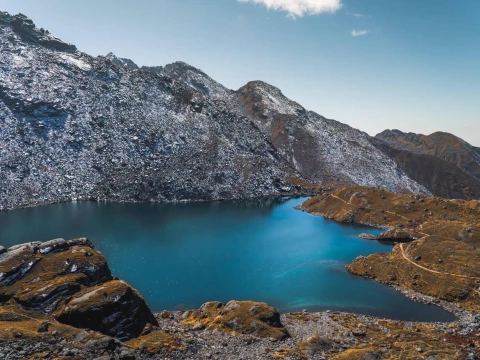
Explore the untouched wilderness of Lower Dolpo, a remote Himalayan region rich in ancient culture and dramatic landscapes. Marvel at the turquoise waters of Shey Phoksundo Lake surrounded by breathtaking cliffs and snow-capped peaks.
The Lower Dolpo Trek is one of Nepal’s most remote and culturally rich trekking experiences. Located in the far western region of Nepal, this trek takes adventurers through pristine landscapes, ancient Tibetan Buddhist villages, high mountain passes, and the stunning turquoise waters of Phoksundo Lake. The trail winds through dense pine forests, river valleys, and arid highlands that are home to rare wildlife like the snow leopard, blue sheep, and Himalayan marmot. Unlike more crowded trekking routes like Annapurna or Everest, Lower Dolpo offers solitude, authentic cultural encounters, and untouched natural beauty.
Trekking with Glacier Nepal Treks. ensures a well-organized adventure, with expert guides who are familiar with the region’s challenging terrain and local culture. The journey begins in Kathmandu, Nepal’s bustling capital, and progresses through flights and scenic treks to remote villages such as Dunai, Chhepka, and Shyanta. The highlight of the trek is Phoksundo Lake, renowned for its stunning turquoise color, high-altitude setting at 3,611 meters (11,847 ft), and the surrounding Shey Phoksundo National Park. This trek offers not only physical challenge but also spiritual immersion, as trekkers encounter ancient gompas, mani walls, and Tibetan-style settlements along the way.
The ideal seasons for trekking in Lower Dolpo are autumn (September to November) and spring (March to May). During these months, the weather is stable, the skies are clear, and the temperature is moderate, making it perfect for long trekking days. Autumn is particularly favored for its vibrant rhododendron blooms and the post-monsoon clarity, which offers spectacular views of the surrounding Himalayan peaks. Spring is excellent for those who want to witness blooming flowers and milder temperatures in the lower valleys.
Winter (December to February) is extremely cold, with heavy snowfall at higher altitudes, making trekking risky. Summer (June to August) coincides with the monsoon season, which can lead to landslides, slippery trails, and disrupted flights, so it is generally not recommended. Planning your trek during the recommended seasons with Glacier Nepal Treks ensures maximum safety, comfort, and the opportunity to fully enjoy the breathtaking landscapes of Lower Dolpo.
Key Points:
The Lower Dolpo Trek is considered moderate to challenging due to its remote location, long trekking days, and high altitudes. Trekkers need a reasonable level of fitness, experience with multi-day hikes, and the ability to acclimatize to altitudes up to 3,600 meters (11,847 ft). While the trails are less crowded, they can be rugged and involve river crossings, steep ascents, and descents. The trek is perfect for adventure seekers looking for an off-the-beaten-path experience without the commercialized crowds of other popular trails.
Transportation to Lower Dolpo involves multiple flights and transfers. The journey starts with a flight from Kathmandu to Nepalgunj, followed by a domestic flight to Jhupal, a small airstrip in Dolpo. From Jhupal, the trekking portion begins, passing through villages such as Dunai, Chhepka, and Shyanta, eventually reaching Phoksundo Lake. Glacier Nepal Treks handles all logistics, including flights, local transfers, and trekking arrangements, ensuring a seamless travel experience despite the remoteness of the region.
Key Points:
Food and accommodation on the Lower Dolpo Trek are simple but comfortable, offering a mix of local and traditional meals. In villages like Dunai, Chhepka, and Shyanta, teahouses serve home-cooked Nepali dishes such as dal bhat (lentil soup with rice), momo (dumplings), and noodles. Some lodges also provide limited Western options like pasta and soups. Staying in these villages allows trekkers to experience local culture, hospitality, and a close connection with the community.
Accommodations are basic, usually consisting of shared rooms with mats or simple beds and shared bathrooms. Hot showers are rare at higher altitudes, so trekkers should be prepared for rustic living conditions. Glacier Nepal Treks ensures that trekkers have reliable lodging, arrangements for safe drinking water, and nutritious meals to maintain energy during long trekking days. The rest day at Phoksundo Lake is perfect for rejuvenating, enjoying scenic views, and experiencing the serene surroundings of the Shey Phoksundo National Park.
Key Points:
Trekking in Lower Dolpo requires special permits due to its remote location and inclusion in a national park. Trekkers need the following permits:
Obtaining these permits independently can be challenging due to the regulations and paperwork. Glacier Nepal Treks takes care of all permit arrangements, ensuring compliance with government regulations. This allows trekkers to focus entirely on their journey without worrying about legal or administrative obstacles.
Key Points:
The Lower Dolpo Trek is ideal for those seeking a unique, adventurous, and culturally immersive trekking experience. Its remoteness ensures tranquility and minimal tourist interference, giving trekkers a sense of true exploration. Highlights like Phoksundo Lake, ancient gompas, Tibetan-style villages, and panoramic Himalayan views make this trek unforgettable.
Choosing Glacier Nepal Treks enhances the experience with professional guides, logistical support, and local expertise. Their team ensures safety, cultural insight, and smooth coordination for flights, permits, accommodation, and meals. Lower Dolpo Trek is not just a physical journey but also a spiritual and cultural adventure that leaves a lasting impression on every traveler.
Key Points:
The Lower Dolpo Trek is a remarkable journey into one of Nepal’s most isolated and culturally rich regions. Located in the far western Himalayas, Dolpo offers a unique blend of rugged mountain scenery, ancient Tibetan Buddhist traditions, and untouched wilderness. This adventure begins with flights from Kathmandu to Nepalgunj and Juphal, followed by trekking through remote villages, deep valleys, and spectacular landscapes.
The trail passes through traditional settlements such as Dunai, Tarakot, and Dho Tarap, where trekkers can experience the authentic lifestyle of the local people. Along the way, you will cross high mountain passes, walk through forests of pine and juniper, and enjoy breathtaking views of snow-capped peaks. One of the major highlights of the trek is the magnificent Phoksundo Lake, Nepal’s deepest and most beautiful alpine lake, famous for its crystal-clear turquoise waters.
The trek also offers opportunities to visit ancient monasteries, prayer walls, and centuries-old cultural sites that reflect the strong influence of Tibetan Buddhism. Lower Dolpo remains far less crowded than Nepal’s popular trekking regions, making it ideal for travelers seeking solitude and genuine cultural experiences. Combining natural beauty, challenging trails, and rich heritage, the Lower Dolpo Trek provides an unforgettable Himalayan adventure that reveals a hidden side of Nepal.
Upon your arrival at Tribhuwan International Airport in Kathmandu, a representative from Glacier Nepal Treks will warmly welcome you and transfer you to your hotel by private vehicle. After checking in, you can take a short rest to recover from your journey. Later, you will meet your trekking guide at the company office to discuss the itinerary, address any questions you may have, and review the necessary trekking permits and documentation. This orientation ensures a smooth start to your adventure. Overnight stay at the hotel.
 Accommodation Three-star Hotel in Thamel, Kathmandu
  Meals Breakfast
  Max. altitude 1,350m / 4,429ft.
 Today is a leisure and sightseeing day in Kathmandu. You will explore some of the most iconic heritage and spiritual sites, including Pashupatinath Temple, the sacred cremation site of the Hindus; Boudhanath Stupa, one of the largest Buddhist stupas in the world; Swayambhunath Stupa (Monkey Temple), perched atop a hill offering panoramic city views; and Kathmandu Durbar Square, a UNESCO World Heritage Site. In the evening, your trekking guide will help check your trekking gear, backpacks, and clothing to ensure you are fully prepared for the Lower Dolpo trek. Overnight at the hotel.
Accommodation Three-star Hotel in Thamel, Kathmandu Meals Breakfast Max. altitude 1,350m / 4,429ft. After breakfast, you will board a domestic flight to Nepalgunj, the trade hub of western Nepal and the district headquarters of Banke. The flight offers spectacular views of the lowlands and hills of western Nepal. Upon arrival, you will be transferred to the hotel and have some time to rest or explore the local market. Nepalgunj is known for its warm climate and diverse culture. Your guide will brief you on the upcoming trek and ensure all logistics are in place. Overnight stay at the hotel in Nepalgunj.
Accommodation Three-star Hotel in Nepalgunj Meals Breakfast Max. altitude 150m / 492ft. In the morning, you will take a scenic flight from Nepalgunj to Jhupal, which serves as the gateway to Lower Dolpo. After arranging trekking staff and porters, you will begin your trek with a gentle descent along the side of the Bheri River. The trail leads you to Dunai, the administrative center of Dolpo District and the hub for treks in the Shey Phoksundo National Park region. Dunai offers basic facilities, local markets, and charming Himalayan scenery. Overnight stay at a guesthouse in Dunai.
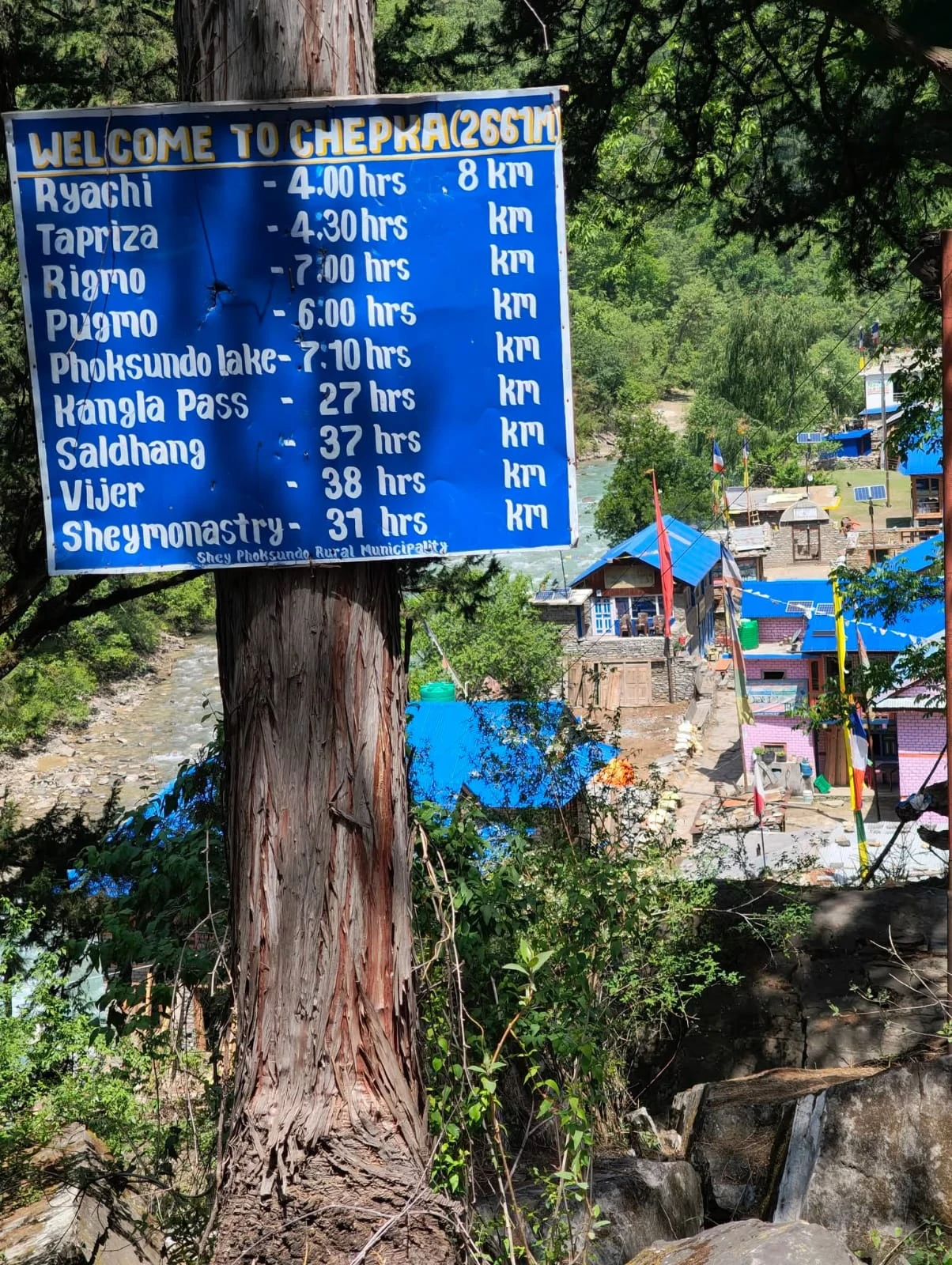
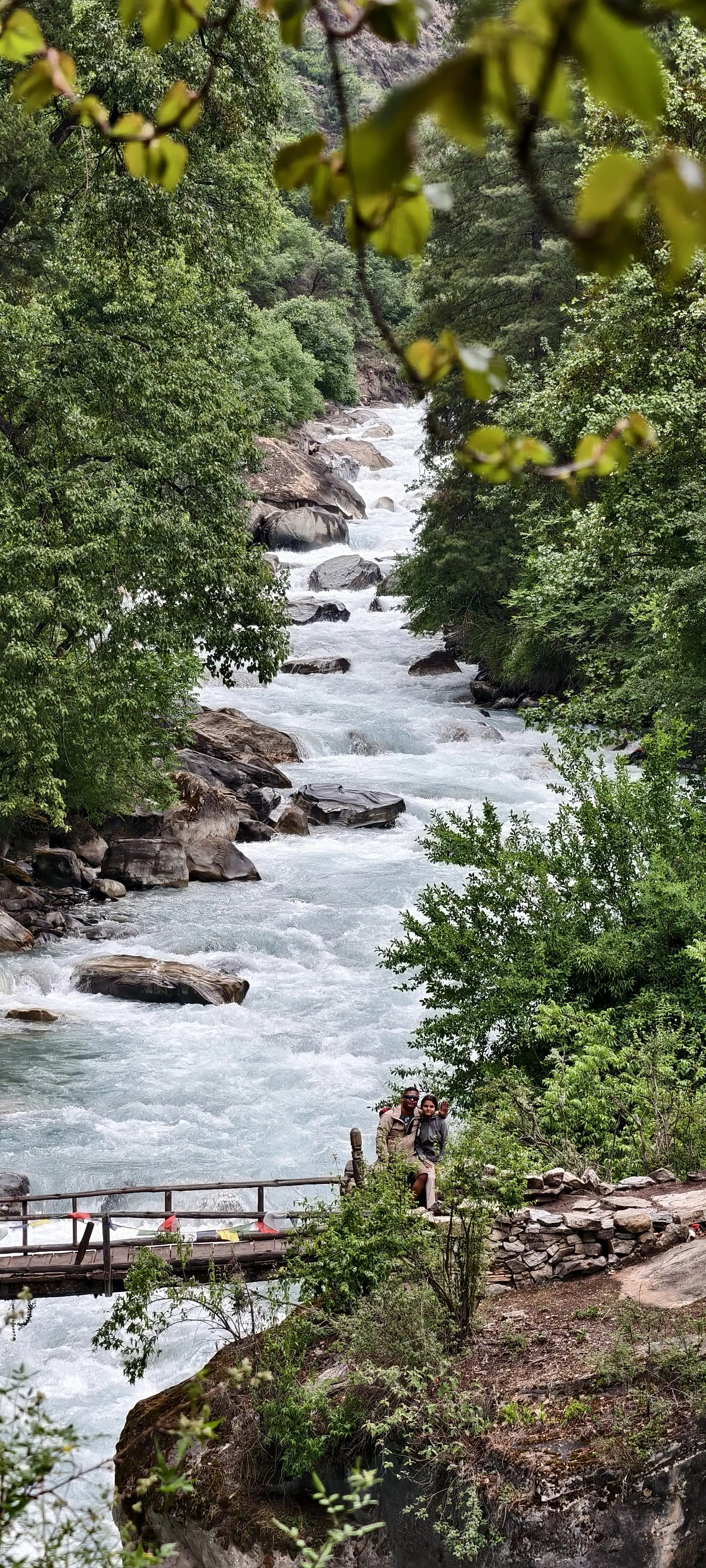
Accommodation Tea House / Lodge Meals Breakfast, Lunch, Dinner Max. altitude 2,140m / 7,021ft. Leaving Dunai, you cross a large steel suspension bridge and follow the river trail along Thulo Burrito until it merges with the Suli Gaad at 2,070m. You continue to Raktang at 2,260m and then climb over a ridge reaching 2,710m, where breathtaking Himalayan views unfold. From here, the trail descends along a rocky path to Chhepka, a small settlement ideal for camping. The trek is moderately challenging, passing through lush forests, traditional villages, and offering your first glimpse of Dolpo’s rugged landscapes. Overnight stay at Chhepka.
Accommodation Tea House / Lodge Meals Breakfast, Lunch, Dinner Max. altitude 2,687m / 8,816ft. Today’s trek involves crossing small ridges and following a trail that stays close to the river, passing through dense forests and remote villages. The trail briefly climbs over hills before crossing to the west side and returning east near the National Park camping ground. You continue upstream, reaching Renje village, with nine scattered houses, before arriving at Jharana Hotel, a simple lodge-style accommodation. The trek today is shorter but offers incredible scenic views of river valleys, terraced fields, and a sense of isolation in Lower Dolpo’s untouched landscapes. Overnight stay at Jharana Hotel.
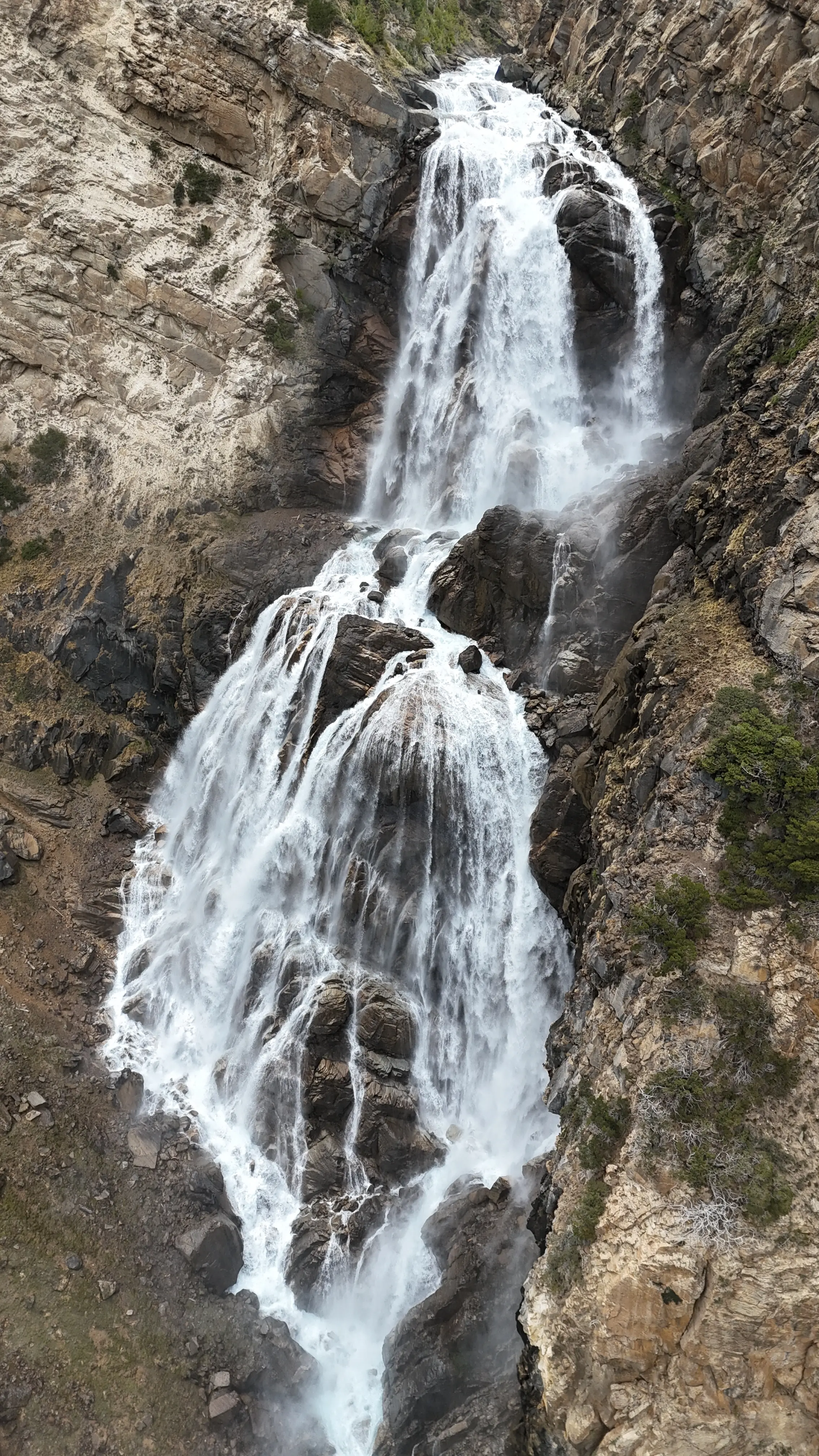
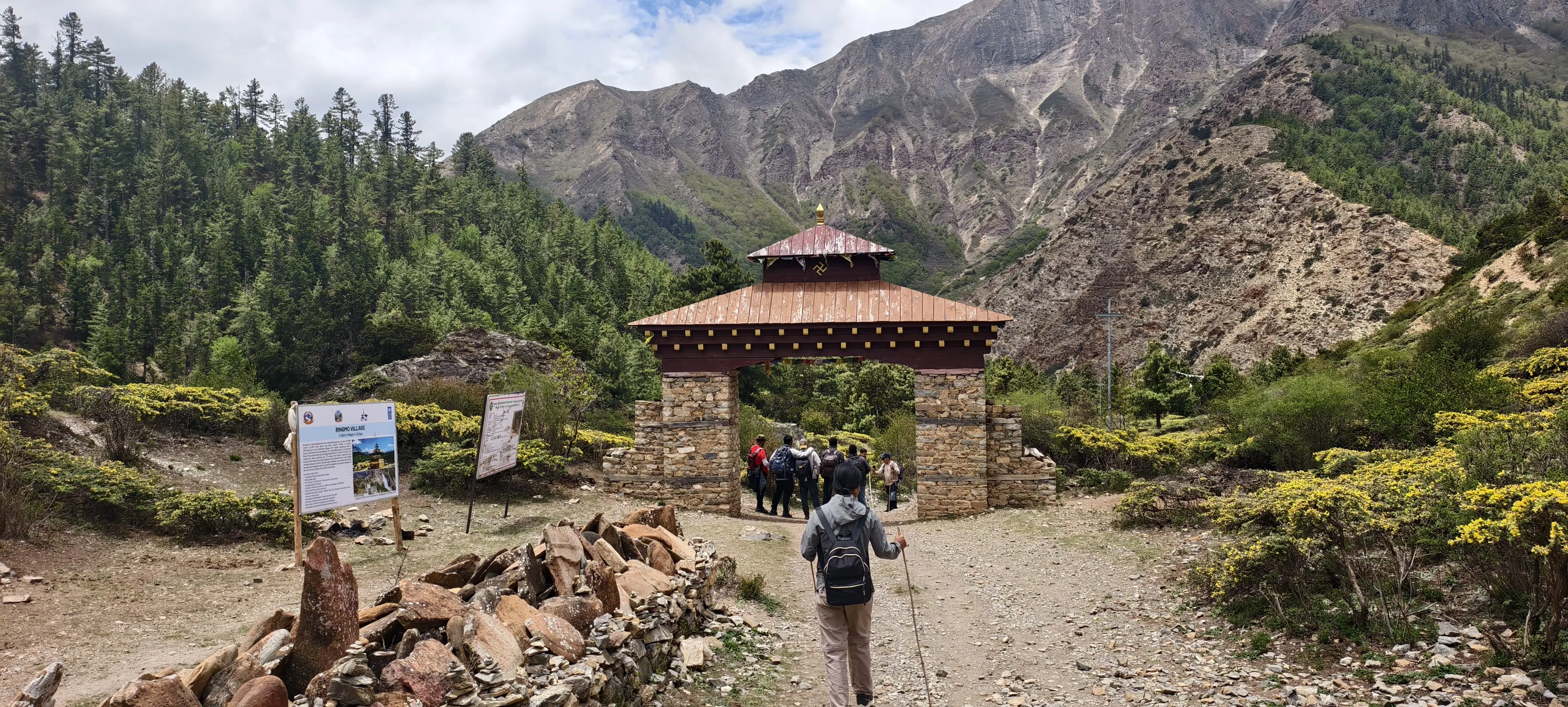
Accommodation Tea House / Lodge Meals Breakfast, Lunch, Dinner Max. altitude 3,130m / 10,269ft. The trail today is challenging but spectacular. You begin with steep switchbacks on a sandy trail, gradually ascending to 3,300m, then continue climbing to a ridge at 3,780m. From this ridge, you enjoy your first distant views of the turquoise Phoksundo Lake and a majestic 167m waterfall. The path then descends through birch forests to the Phoksundo Khola, followed by a gentle climb to Ringmo village. Crossing a bridge near Ringmo, you reach the National Park camping ground at Phoksundo Lake, where you will stay overnight, surrounded by pristine alpine scenery.
Accommodation Tea House / Lodge Meals Breakfast, Lunch, Dinner Max. altitude 3,611m / 11,847ft. Today is a well-deserved rest day, allowing you to fully appreciate the tranquil beauty of Phoksundo Lake, one of Nepal’s deepest and most pristine lakes. You can explore the nearby Bon Po Monastery, interact with local villagers, and take in panoramic views of the surrounding cliffs and waterfalls. The clear turquoise waters of the lake, reflecting the surrounding mountains, provide perfect photo opportunities. This day also helps your body acclimatize to the altitude, ensuring you are prepared for the return trek. Overnight stay at Phoksundo Lake.
Accommodation Tea House / Lodge Meals Breakfast, Lunch, Dinner Max. altitude 3,611m / 11,847ft. After breakfast, you start descending from the serene Phoksundo Lake, passing waterfalls and lush forests along the trail. The route offers continuous views of cliffs, rivers, and remote villages, making it a visual delight. The trek involves moderate descents with occasional ups and downs, allowing you to enjoy the unique landscape of Lower Dolpo. You arrive in Shyanta, a quiet village surrounded by high hills, where local lodges provide simple accommodation. The evening is peaceful, offering a chance to relax and reflect on the beautiful journey so far. Overnight stay at Shyanta.
Accommodation Tea House / Lodge Meals Breakfast, Lunch, Dinner Max. altitude 2,460m / 8,071ft. The trail today winds through dense forests, river valleys, and terraced farmland, gradually descending with a few gentle climbs before reaching Jhupal, the gateway to Lower Dolpo. Along the way, you will see traditional Dolpo houses and grazing yaks, providing insight into local life. The trek is moderately challenging but rewarding, with scenic vistas of the surrounding hills. Upon reaching Jhupal, you stay overnight at a guesthouse, preparing for the next day’s flight back to Nepalgunj. Overnight stay at Jhupal.
Accommodation Tea House / Lodge Meals Breakfast, Lunch, Dinner Max. altitude 2,475m / 8,120ft. Early in the morning, you board a short domestic flight from Jhupal back to Nepalgunj. After arrival, you are transferred to your hotel to rest or explore the town. Nepalgunj offers local markets, cultural sites, and a glimpse into the plains of western Nepal. This day is mostly for relaxation, giving your body a break after the trek. Dinner can be enjoyed at local restaurants, sampling Nepali cuisine, before retiring for the night. Overnight stay at a hotel in Nepalgunj.
Accommodation Three-star Hotel in Nepalgunj Meals Breakfast Max. altitude 150m / 492ft. You fly back to Kathmandu, arriving in the capital city where you have the option for last-minute shopping or city exploration. In the evening, Glacier Nepal Treks organizes a farewell dinner, celebrating the successful completion of your Lower Dolpo adventure. You can reflect on your trek, share experiences with fellow trekkers, and enjoy traditional Nepali food in a festive atmosphere. Overnight stay at the hotel in Kathmandu.
Accommodation Three-star Hotel in Thamel, Kathmandu Meals Breakfast Max. altitude 1,350m / 4,429ft. Today is your departure day. A Glacier Nepal Treks representative will transfer you to Tribhuwan International Airport in a private vehicle for your flight home. You leave Nepal with incredible memories of the Lower Dolpo trek, pristine landscapes, cultural experiences, and lifelong stories. Home sweet home!
Accommodation Three-star Hotel in Thamel, Kathmandu Meals Breakfast 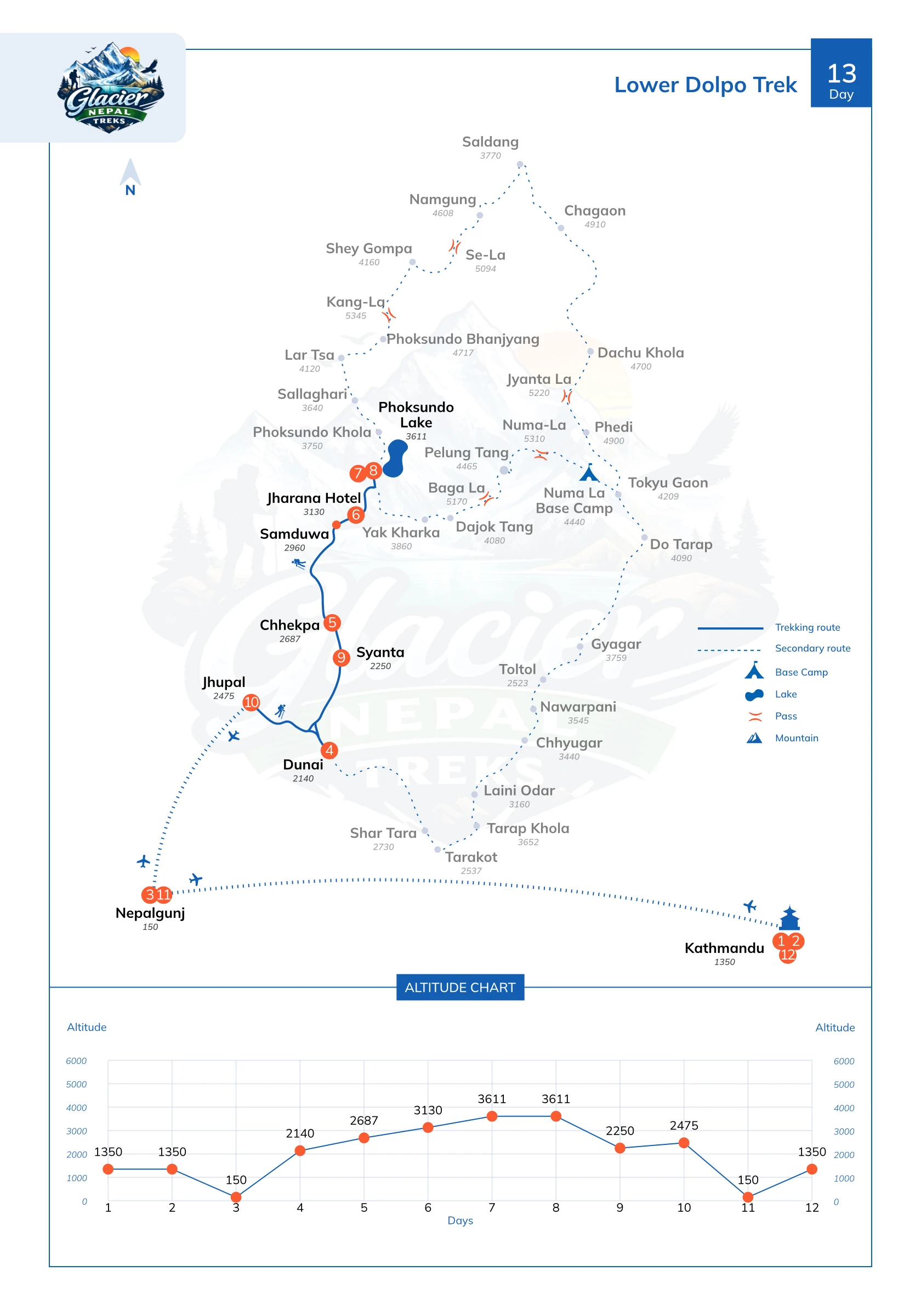
The Lower Dolpo Trek is a spectacular off-the-beaten-path journey into the remote western region of Nepal, featuring dramatic landscapes, ancient Tibetan-influenced culture, and the stunning turquoise waters of Phoksundo Lake. This 13-day adventure with Glacier Nepal Treks combines scenic mountain flights, traditional villages, and moderate to challenging trekking days, offering an authentic Himalayan wilderness experience far from crowded trails.
With professional guidance, proper preparation, and support from Glacier Nepal Treks, the Lower Dolpo Trek becomes a safe, culturally enriching, and unforgettable Himalayan adventure.
Airport & Transportation
Accommodation
Meals
Permits & Documentation
Trekking Staff & Support
Trekking Equipment & Safety
Additional Services
Your Start Date is the day you land in Nepal, and your End Date is when you fly home.
If the set Lower Dolpo Trek group dates don’t suit your schedule, we can offer alternative dates upon request.
Proper layering is important to stay warm and comfortable in changing mountain weather.
Good footwear makes trekking easier and safer.
The right gear keeps you safe, comfortable, and prepared.
Lightweight but important items keep you clean, healthy, and comfortable.
Keep important items safe and easy to reach.
Our Lower Dolpo Trek was an unforgettable adventure through one of Nepal's most remote and beautiful regions. The landscapes were breathtaking, from deep valleys and pine forests to the stunning turquoise waters of Phoksundo Lake. Every day offered incredible scenery, peaceful trails, and authentic cultural experiences in traditional villages. A special thank you to our guide, Sagar, who was knowledgeable, friendly, and always ensured our safety and comfort throughout the trek. He shared fascinating insights into the local culture and made every day enjoyable with his positive attitude. The entire trip was perfectly organized by GNT (Glacier Nepal Treks), with excellent planning, reliable logistics, comfortable teahouse arrangements, and smooth transportation. Everything ran seamlessly from start to finish, allowing us to fully enjoy the experience without any worries. We also appreciate Rabin for his excellent communication and prompt support before and during the trek. We highly recommend Glacier Nepal Treks to anyone looking for a professional, trustworthy, and memorable trekking experience in Nepal.
We had an amazing experience on the Lower Dolpo Trek, and it was one of the best treks we have booked through a website. The whole journey was beautiful, with remote landscapes, traditional villages, high mountain trails, and unforgettable scenery. The beautiful lake was one of the highlights of our trip and made the experience even more special. Our guide, Ram, was excellent throughout the trek. He was friendly, experienced, and always made sure we were comfortable and safe. His knowledge of the region and careful management made the journey smooth and enjoyable. Lower Dolpo is truly a special destination for anyone looking for a remote and authentic trekking experience in Nepal. Everything was well organized, and we are very happy with Glacier Nepal Treks. Highly recommended
Twelve days in the remote and extraordinary wilderness of Lower Dolpa passed so quickly I could hardly believe it was over. From the scenic flights to Nepalgunj and Jhupal to the breathtaking trek through Dunai, Chhepka, and the magnificent sacred turquoise waters of Phoksundo Lake every single day was more beautiful and more memorable than the last. guide Ram Thami was simply outstanding throughout deeply knowledgeable, warm, and genuinely passionate about western Nepal’s extraordinary wilderness and culture. A heartfelt thank you to Rabin for organizing this entire adventure so flawlessly and professionally from start to finish.
The Lower Dolpo Trek is considered moderate to challenging due to its remote location, long walking days, and variable terrain. While you do not need mountaineering experience, good physical fitness and stamina are essential. Trekkers should be comfortable walking 5–7 hours per day, including uphill and downhill trails at high altitudes. Glacier Nepal Trek advises regular cardiovascular exercises, long hikes, and stair climbing before your trek. Mental preparation and acclimatization are equally important to enjoy the stunning but isolated Dolpo region safely.
Yes, altitude sickness can affect some trekkers, especially above 3,500 meters. The Lower Dolpo Trek reaches altitudes around 3,700–3,800 meters, where the risk of mild to moderate altitude sickness exists. Glacier Nepal Trek emphasizes gradual acclimatization, proper hydration, and avoiding overexertion to minimize risks. Guides are trained to recognize symptoms and will adjust the pace or itinerary if needed. Carrying medications like Diamox is optional, but consultation with a doctor before the trek is recommended for anyone with a history of altitude-related issues.
Mobile network coverage in Lower Dolpo is very limited, and in many remote areas, there is no signal at all. Internet access is rare and usually only available at some lodges or larger villages, often through satellite connections. Glacier Nepal Trek advises trekkers to disconnect and enjoy the isolation of the Dolpo region. Carrying offline maps and keeping family informed before departure is recommended. This remoteness is part of the charm of the trek, offering true immersion in nature and a break from digital distractions.
The best seasons for the Lower Dolpo Trek are spring (March to May) and autumn (September to November). During these periods, the weather is generally stable, with clear skies and mild temperatures, offering excellent visibility of the Himalayan peaks and landscapes. Spring brings blooming rhododendrons and alpine flowers, while autumn showcases golden fields and crisp air. Glacier Nepal Trek recommends planning your trek during these seasons to avoid heavy monsoon rains and the extreme winter cold that can make high passes inaccessible.
Yes, trekking in the Lower Dolpo region requires a special Restricted Area Permit, in addition to the standard Trekkers’ Information Management System (TIMS) card. The Dolpo region is a restricted area for foreigners to preserve its fragile culture and environment. Glacier Nepal Trek will arrange all necessary permits for you, including approvals from local authorities and park entry fees. These permits must be carried during the trek, as officials may check them at checkpoints along the trail.
Most villages in Lower Dolpo do not accept credit cards or digital payments, so trekkers must carry sufficient cash in Nepalese Rupees for tea houses, small purchases, tips, and emergencies. Glacier Nepal Trek advises bringing extra cash for unforeseen expenses, but most major costs, including permits, accommodation, and meals, are often arranged by the company in advance. It is also advisable to carry small denominations, as making change in remote villages can be difficult. Planning ahead ensures a smooth and stress-free trekking experience.
Accommodation on the Lower Dolpo Trek varies from basic tea houses and lodges in villages to camping sites in more remote areas. Facilities are simple, often offering shared bathrooms and basic bedding. Meals are prepared using local ingredients and can cater to vegetarian diets, though options may be limited in some villages. Glacier Nepal Trek ensures all lodging is comfortable and safe, providing tents and camping equipment when required. Staying in local lodges also offers an authentic cultural experience of Dolpo life.
Meals on the trek are typically Nepali and Tibetan-inspired cuisine, including rice, lentil soup (dal bhat), noodles, and local vegetables. In tea houses and lodges, trekkers can also find soups, pasta, eggs, and occasional meat dishes. Glacier Nepal Trek ensures that meals are nutritious and sufficient to provide energy for long trekking days. Boiled water is generally available, but carrying a water purification system is recommended. Meals are often prepared fresh, and trekkers can request vegetarian or special dietary options when planning ahead.
Packing for the Lower Dolpo Trek requires warm clothing, layered outfits, sturdy trekking boots, and essential gear. Key items include a sleeping bag, insulated jacket, trekking poles, hat, gloves, and a first-aid kit. Sunglasses, sunscreen, and water purification tablets are also recommended. Glacier Nepal Trek provides a detailed packing list, including options for renting sleeping bags or equipment locally. Light packing is crucial since porters carry most heavy loads, but personal items and daily essentials should be in your daypack for comfort.
While the Lower Dolpo Trek is generally safe, it is highly recommended to trek with an experienced guide and group, especially for solo travelers. The region is remote, with rugged terrain, limited communication, and unpredictable weather. Glacier Nepal Trek provides experienced guides, porters, and local support to ensure safety, navigation, and cultural understanding. Solo trekkers will benefit from joining a group or guided trek, ensuring proper accommodation, food, and emergency support throughout the journey. Safety is a top priority in such isolated regions.
| No of people | Price per person |
|---|---|
| 1 - 1 | $1,700 |
| 2 - 4 | $1,550 |
| 5 - 7 | $1,500 |
| 8 - 15 | $1,460 |
| No of people | Price per person |
|---|---|
| 1 - 1 | $1,600 |
| 2 - 4 | $1,450 |
| 5 - 7 | $1,400 |
| 8 - 15 | $1,350 |
| No of people | Price per person |
|---|---|
| 1 - 1 | $1,350 |
| 2 - 4 | $1,200 |
| 5 - 7 | $1,140 |
| 8 - 15 | $1,100 |


 (31)
(31)  94% recommend (244)
 (12)
(12)