Need help with booking? Send us a message.
Step beyond the Himalayas and into another world entirely. Journey through the ancient streets of Lhasa, stand before the legendary Potala Palace, and immerse yourself in the profound spiritual traditions of Tibetan Buddhism on an adventure that transcends ordinary travel and touches something deep within the soul.
The Tibet Lhasa Tour is a captivating journey into the heart of the Tibetan Plateau, offering travelers a unique blend of spiritual heritage, ancient architecture, and breathtaking Himalayan landscapes. This tour typically begins in Kathmandu, Nepal, where travelers explore the rich cultural and historical sites of the Kathmandu Valley before flying to Lhasa, the sacred capital of Tibet. In Lhasa, visitors can immerse themselves in centuries-old Buddhist traditions while witnessing iconic landmarks such as the Potala Palace, Jokhang Temple, Drepung Monastery, and Sera Monastery. The tour balances cultural exploration with the opportunity to experience the Tibetan lifestyle, bustling local markets, and the stunning vistas of the Himalayan region.
Travelers will begin their journey with a detailed Kathmandu sightseeing tour, visiting UNESCO World Heritage Sites such as Patan Durbar Square, Bhaktapur Durbar Square, Swayambhunath Stupa, and Boudhanath Stupa, offering insights into Nepalese architecture and spirituality. After exploring Kathmandu, a short flight to Lhasa introduces visitors to Tibet’s spiritual core. In Lhasa, guided tours provide a deep understanding of Tibetan Buddhism, the historical significance of ancient monasteries, and the regal aura of the Potala Palace, the former residence of the Dalai Lama. The tour concludes with a return to Kathmandu, leaving travelers with lasting memories of Himalayan culture, spirituality, and history.
The ideal time for a Tibet Lhasa tour is spring (April to June) and autumn (September to October). During these months, the weather is generally stable, skies are clear, and temperatures are moderate, ranging from 10°C to 20°C, making sightseeing and trekking comfortable. Spring brings blossoming rhododendrons across the valley and a lively atmosphere in local markets, while autumn offers crisp air and panoramic views of snow-capped mountains surrounding Lhasa.
Winter (November to February) is cold and less crowded, but travelers may experience limited access to certain high-altitude regions due to snowfall. Summer (July to August) sees occasional heavy rains and cloudy skies, which can limit visibility of the Himalayan peaks. Planning a trip during the recommended seasons ensures travelers enjoy pleasant weather, smooth flights, and vibrant cultural experiences.
Best Season Highlights:
The Tibet Lhasa tour is considered moderate in difficulty, as travelers need to acclimate to Lhasa's high altitude (3,650 meters). While no strenuous trekking is required for standard tours, visitors should allow time for acclimatization to avoid altitude sickness. A slow pace is recommended on the first day in Lhasa, along with adequate hydration and rest. Those with pre-existing heart or lung conditions should consult a doctor before the trip.
Transportation is well-organized with domestic flights connecting Kathmandu to Lhasa and internal travel in Lhasa arranged via private vehicles. Local guided tours include short walks around historic sites, markets, and monasteries. Most roads are paved and accessible, ensuring a comfortable experience for travelers of varying ages. For more adventurous travelers, optional excursions to nearby highland regions can be arranged.
Transportation & Difficulty Highlights:
During the Tibet Lhasa tour, travelers can enjoy a combination of local Tibetan cuisine and international dishes. Popular Tibetan foods include momos (dumplings), thukpa (noodle soup), yak butter tea, and tsampa (roasted barley flour). Most hotels in Lhasa offer a mix of Chinese, Tibetan, and continental breakfasts, ensuring that travelers with diverse dietary preferences are accommodated.
Accommodation is carefully arranged in well-rated hotels in both Kathmandu and Lhasa. In Kathmandu, travelers stay in comfortable city hotels close to cultural sites, while Lhasa offers mid-range to luxury hotels with modern amenities, heating, and easy access to major attractions. Special arrangements can be made for travelers requiring vegetarian or specific dietary options. Staying in central locations allows travelers to explore Lhasa’s attractions conveniently on foot.
Food & Accommodation Highlights:
Traveling to Tibet requires special permits due to local regulations. For foreign tourists, the Tibet Travel Permit is mandatory and must be arranged in advance through a licensed travel agency, such as Glacier Nepal Treks. This permit allows entry into Lhasa and other designated areas. Additionally, travelers may require the Alien Travel Permit for visits to restricted zones outside Lhasa.
Glacier Nepal Treks ensures all permits are arranged before departure, saving travelers the hassle of bureaucratic procedures. Passengers must carry a valid passport and a Chinese visa, as these are essential for the permit process. Permits typically take a few days to process, so early booking is recommended to ensure smooth travel.
Permit Highlights:
Choosing the Glacier Nepal Treks for the Tibet Lhasa Tour ensures a well-organized, safe, and culturally immersive experience. With years of expertise in Himalayan travel, the company provides professional guides, secure accommodations, and hassle-free transportation. Glacier Nepal Treks also manages all permits, local liaison services, and flight arrangements, allowing travelers to focus solely on the experience.
Moreover, Glacier Nepal Treks emphasizes authentic cultural experiences, including guided tours of sacred monasteries, local markets, and historic sites. Travelers benefit from knowledgeable guides who share insights into Tibetan Buddhism, architecture, and local traditions. With personalized itineraries, comfortable travel options, and dedicated support, Glacier Nepal Treks makes the Tibet Lhasa Tour a seamless, memorable journey for first-time visitors and seasoned travelers alike.
Why Choose Glacier Nepal Treks:
Rising dramatically above the world on the vast and windswept Tibetan Plateau at over 3,650 metres above sea level, Lhasa is one of the most extraordinary and spiritually powerful cities on earth and the Tibet Lhasa Tour with Glacier Nepal Treks is your gateway to experiencing it in all its ancient and magnificent glory. The adventure begins in Kathmandu, where all necessary Tibet Travel Permits and documentation are arranged on your behalf before a scenic overland drive or flight across the Himalayas delivers you into the heart of the Roof of the World.
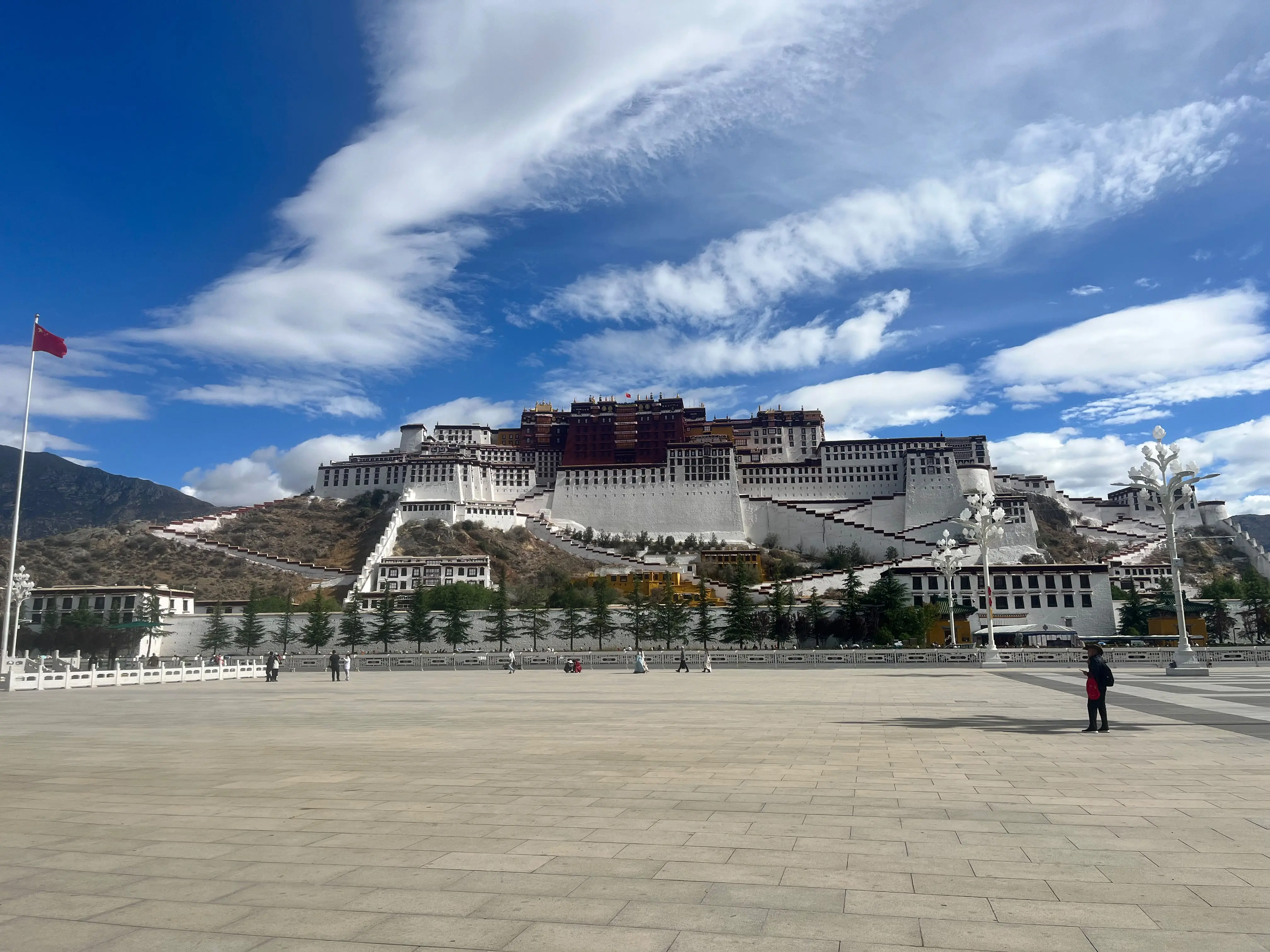
In Lhasa the itinerary unfolds through a series of deeply memorable experiences standing before the iconic Potala Palace, the former winter residence of the Dalai Lama rising 13 storeys above the city in a breathtaking display of Tibetan architecture. Exploring the sacred Jokhang Temple the most revered Buddhist shrine in all of Tibet and wandering the colourful and endlessly fascinating lanes of the ancient Barkhor Street market that surrounds it. Further highlights include the magnificent Drepung and Sera Monasteries once among the largest Buddhist monasteries in the world and the serene and beautiful Norbulingka Palace.
Upon your arrival at Tribhuvan International Airport in Kathmandu, you will be warmly welcomed by a representative from Glacier Nepal Treks. After completing airport formalities, you will be transferred to your hotel in the heart of Kathmandu. Take some time to relax and acclimatize to the altitude. In the evening, you can explore the local surroundings or enjoy a traditional Nepali dinner at the hotel. Your guide will brief you on the Tibet Lhasa tour, providing information about your itinerary, travel tips, and necessary preparations for the high-altitude journey ahead.
 Accommodation Three-star Hotel in Thamel, Kathmandu
  Meals Breakfast
  Max. altitude 1,350m / 4,429ft.
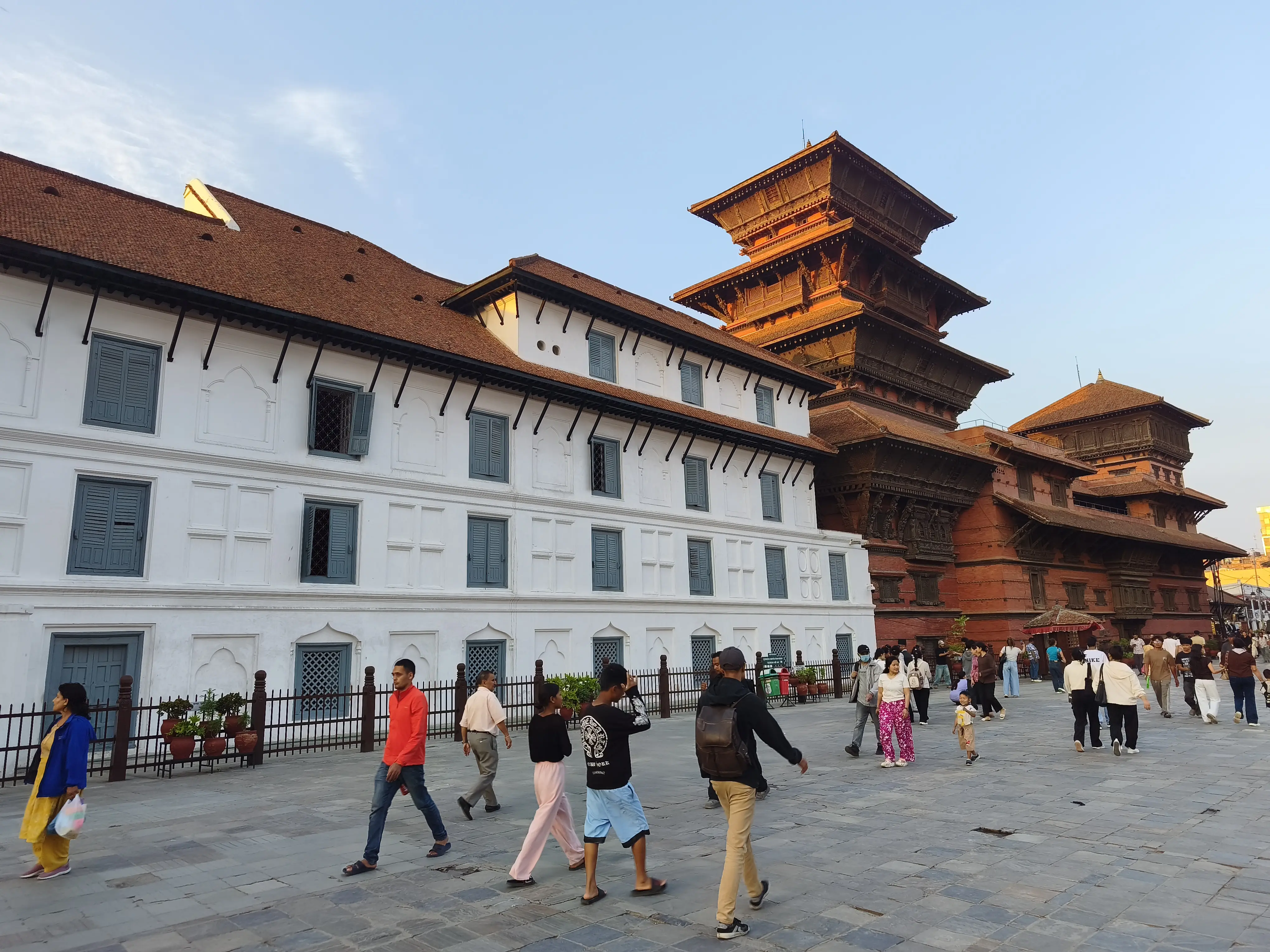
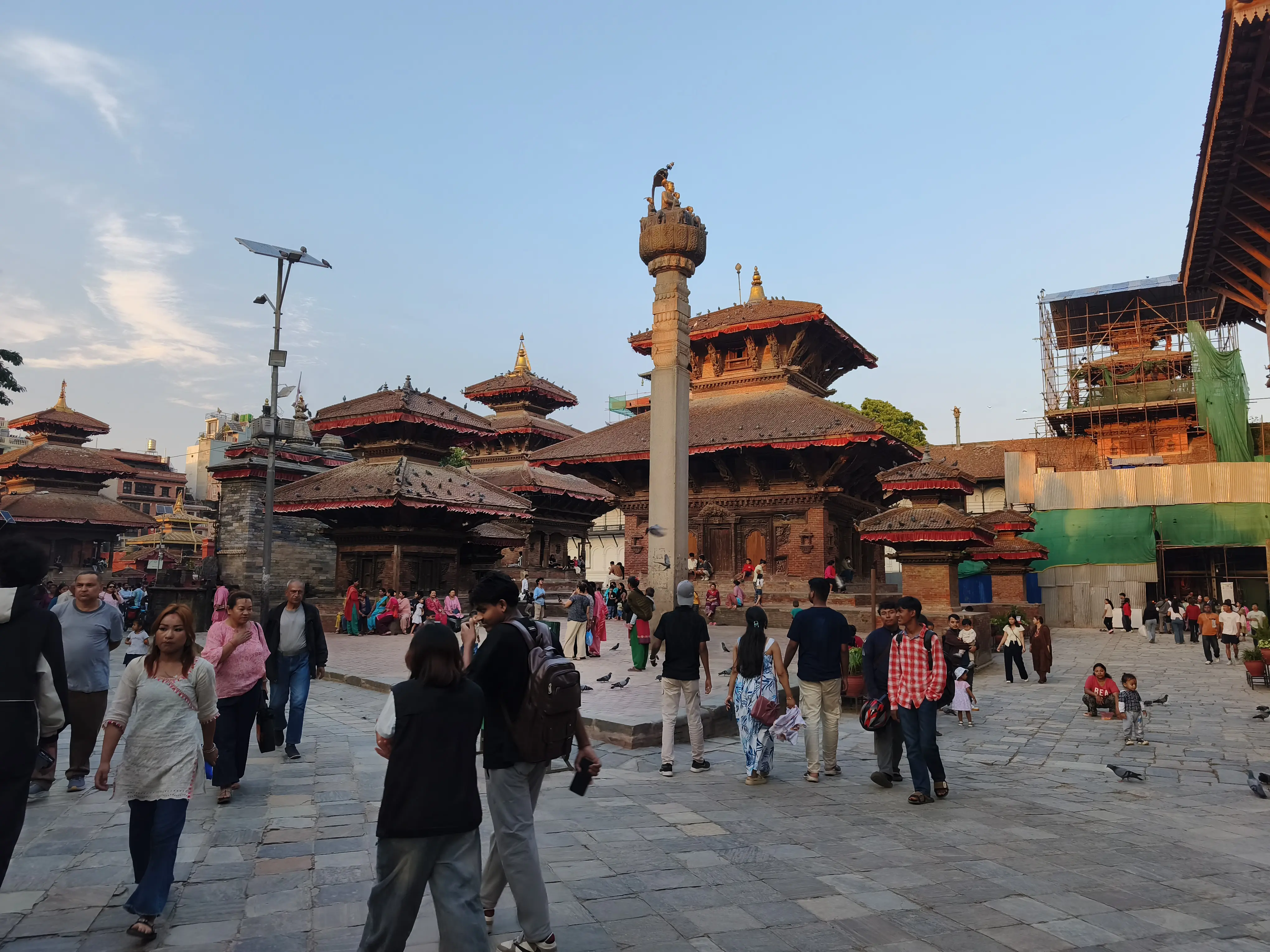
 After breakfast, embark on a full-day sightseeing tour of Kathmandu’s cultural landmarks. Start at Kathmandu Durbar Square, a UNESCO World Heritage Site, where you can admire ancient palaces, temples, and courtyards that reflect Nepalese architecture. Continue to Patan Durbar Square, renowned for its exquisite Newari art, stone carvings, and vibrant streets filled with local crafts. In the afternoon, visit Swayambhunath Stupa, also known as the Monkey Temple, which offers panoramic views of the Kathmandu Valley. End your day by exploring the bustling local markets, allowing you to soak in the rich culture and vibrant energy of the city.
Accommodation Three-star Hotel in Thamel, Kathmandu Meals Breakfast Max. altitude 1,350m / 4,429ft. Start the day with a visit to Changunarayan Temple, the oldest Hindu temple in Nepal, perched on a hill with stunning views of the surrounding valley. Continue to Bhaktapur Durbar Square, a medieval city renowned for its traditional Newari architecture, pottery, and wooden carvings. Next, visit Pashupatinath Temple, the holiest Hindu temple dedicated to Lord Shiva, witnessing sacred rituals along the Bagmati River. End your tour with a visit to Boudhanath Stupa, one of the largest stupas in Nepal, where you can walk around the prayer wheels and feel the spiritual ambiance of this UNESCO World Heritage Site.
Accommodation Three-star Hotel in Thamel, Kathmandu Meals Breakfast Max. altitude 1,350m / 4,429ft. After breakfast, take a scenic flight from Kathmandu to Lhasa, the capital of Tibet. As you descend into the high-altitude city, you’ll be greeted by the breathtaking views of the Himalayan peaks. Upon arrival at Lhasa Gonggar Airport, you will be transferred to your hotel. Take time to rest and acclimatize to the high altitude of 3,650 meters. In the evening, a short stroll around Lhasa city will give you your first glimpse of Tibetan life, local shops, and traditional Tibetan architecture. Your guide will brief you on the upcoming city tours and cultural visits.
After breakfast, begin your exploration of Lhasa with a visit to Drepung Monastery, one of the largest monasteries in Tibet, famous for its majestic halls, religious artifacts, and historical significance. Spend time observing the monastic lifestyle and the spiritual practices of Tibetan monks. In the afternoon, visit Sera Monastery, renowned for its lively monk debates on Buddhist philosophy, offering a unique cultural experience. Take a leisurely walk through the monastery courtyard and enjoy the serene atmosphere. In the evening, return to your hotel and relax while reflecting on the spiritual essence of Lhasa.
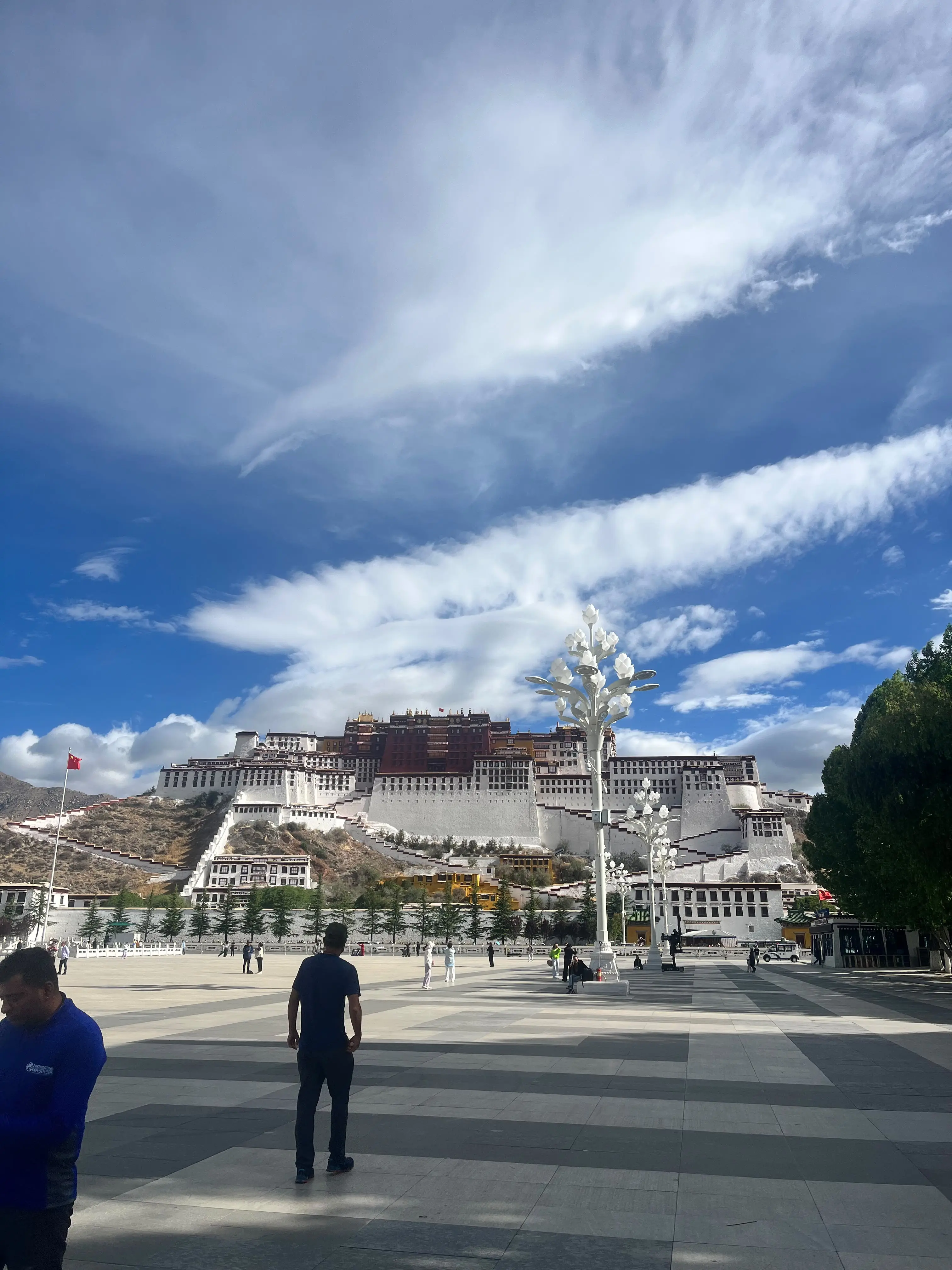
Today, visit the iconic Potala Palace, the former residence of the Dalai Lama and a UNESCO World Heritage Site. Explore its grand halls, chapels, and museums filled with religious artifacts and Tibetan history. Afterward, visit Jokhang Temple, Tibet’s most sacred temple, and witness devotees performing traditional kora (circumambulation) rituals. In the afternoon, stroll along Barkhor Street, a lively marketplace surrounding the temple, where you can shop for traditional Tibetan crafts, jewelry, and souvenirs while observing the vibrant local culture. End your day with a peaceful evening in the spiritual heart of Lhasa.
After breakfast, you will take a return flight from Lhasa to Kathmandu. Upon arrival, a representative from Glacier Nepal Treks will escort you to your hotel. Spend the afternoon at leisure, resting from your journey and enjoying the comforts of Kathmandu. You can also explore nearby markets or enjoy a traditional Nepali meal at a local restaurant. This day provides an opportunity to reflect on your incredible journey through Tibet, capturing memories of the Himalayan landscapes, cultural richness, and spiritual experiences before your departure.
On your final day, after breakfast, you will be transferred to Tribhuvan International Airport for your onward flight. Depending on your flight schedule, you may have some free time for last-minute shopping or a quick visit to nearby attractions. Bid farewell to Nepal, taking with you unforgettable memories of your journey through Kathmandu and Lhasa. The team at Glacier Nepal Treks ensures a smooth departure, providing support with airport formalities and ensuring that your travel experience ends on a positive and memorable note.
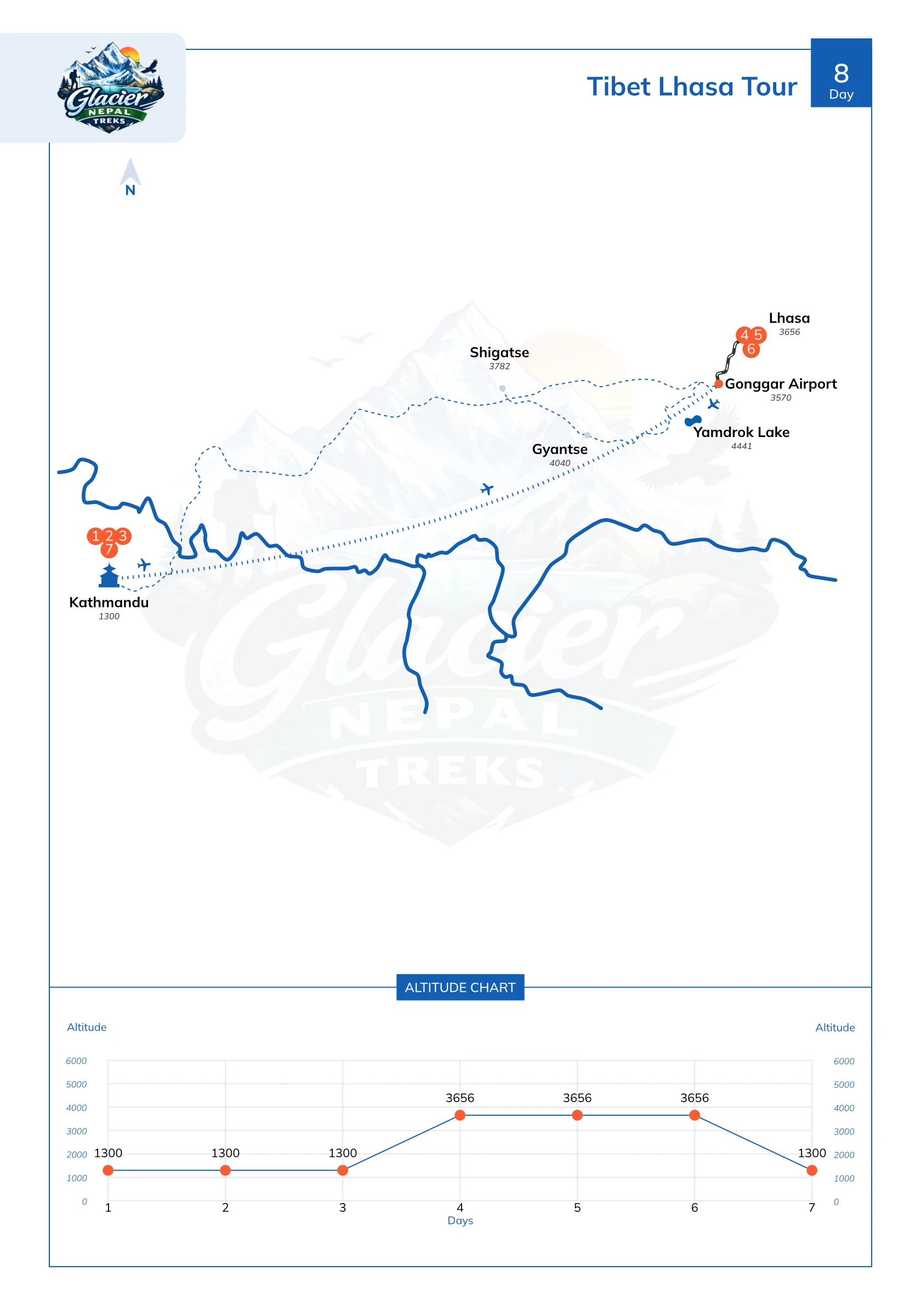
Experience the rich culture, history, and spirituality of Tibet and Nepal with Glacier Nepal Treks on this 8-day journey. Starting in Kathmandu, explore iconic heritage sites like Durbar Square, Patan, Swayambhunath, Changunarayan, Bhaktapur, Pashupatinath, and Boudhanath. Fly to Lhasa to visit the Potala Palace, Jokhang Temple, Drepung and Sera Monasteries, and immerse yourself in the vibrant life of Barkhor Street. The tour balances guided sightseeing with opportunities to discover hidden local gems, ensuring a seamless blend of comfort, culture, and adventure.
This tour by Glacier Nepal Treks ensures a smooth, culturally immersive experience while prioritizing your safety, comfort, and convenience throughout.
Your Start Date is the day you land in Nepal, and your End Date is when you fly home.
If the set Tibet Lhasa Tour group dates don’t suit your schedule, we can offer alternative dates upon request.
Proper layering is important to stay warm and comfortable in changing mountain weather.
Good footwear makes trekking easier and safer.
The right gear keeps you safe, comfortable, and prepared.
Lightweight but important items keep you clean, healthy, and comfortable.
Keep important items safe and easy to reach.
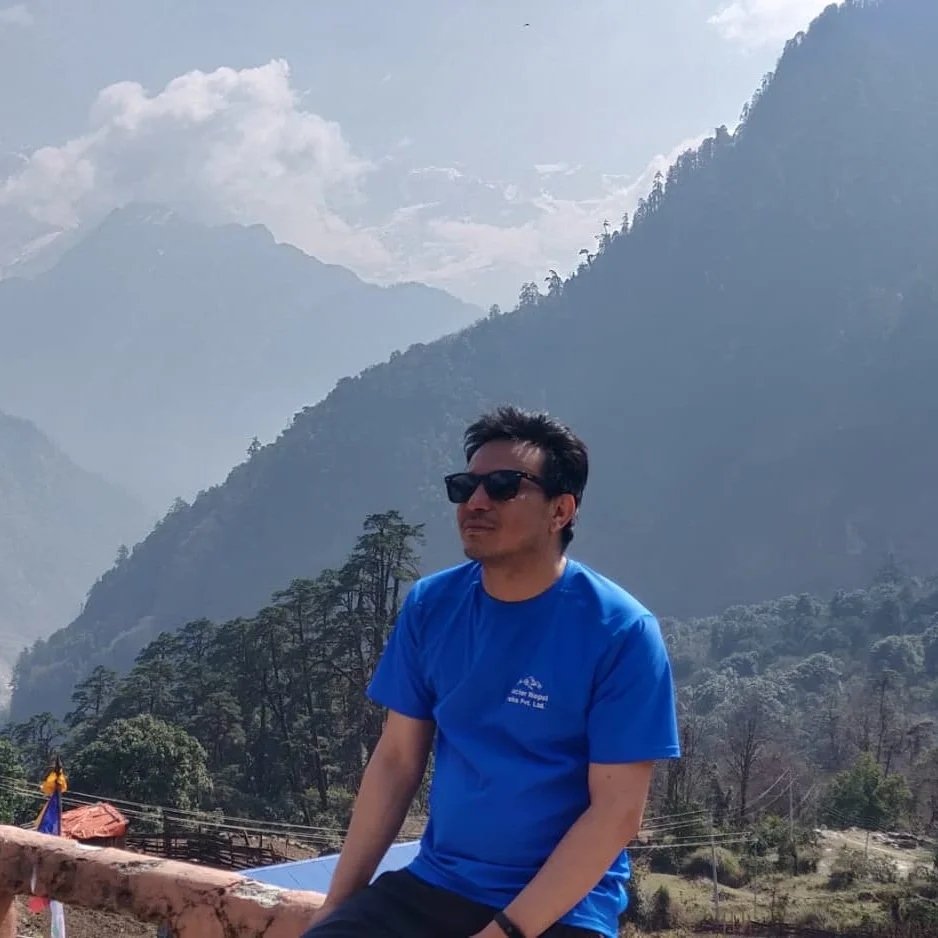
I had a wonderful Tibet Lhasa Tour with Glacier Nepal Treks. Last year, I completed the Everest Base Camp Trek with the same company, so I was happy to travel with them again. Once again, the trip was well organized and professionally managed by Rabin KC. From the planning stage to the end of the tour, everything went smoothly. Visiting Lhasa was an unforgettable experience. The beautiful landscapes, Tibetan culture, historic monasteries, and unique atmosphere made the journey very special. The arrangements for transportation, accommodation, permits, and sightseeing were handled efficiently. I really appreciated the support and quick communication from Rabin KC and the Glacier Nepal Treks team. I highly recommend Glacier Nepal Treks to anyone planning a trip to Tibet. Thanks to the whole team for another memorable adventure
Lhasa sits at an elevation of 3,650 meters (11,975 feet), so altitude sickness is a concern. Glacier Nepal Trek recommends spending the first day resting, avoiding strenuous activity, staying hydrated, and eating light meals. Gradual acclimatization helps your body adjust to lower oxygen levels. Some travelers also bring medications like acetazolamide (Diamox) as a preventive measure, but consultation with a doctor is advised. Our guides carefully monitor guests for signs of altitude sickness to ensure safety throughout the journey.
Yes, all foreign travelers require a Tibet Travel Permit to enter Tibet, in addition to a Chinese visa. The permit is mandatory and is usually arranged by tour operators such as Glacier Nepal Trek. You cannot enter Tibet independently without this permit. Our team handles the entire permit process, including submitting your documents to the Tibet Tourism Bureau and ensuring approval before your trip. This process typically takes around 7–10 business days, depending on your nationality and timing.
Lhasa tours typically involve moderate walking, including monastery visits, palace exploration, and street strolls in Barkhor. Some areas, like Potala Palace, have stairs and uneven surfaces, so guests should be prepared for short bouts of physical activity. Walking is also a way to acclimatize gradually to the altitude. Glacier Nepal Trek ensures itineraries are paced appropriately, allowing plenty of rest periods while still providing an immersive experience of Tibetan culture, architecture, and local life.
The official currency in Tibet is the Chinese Yuan (CNY/RMB). Most hotels, restaurants, and shops in Lhasa accept cash, and major banks or ATMs are available for withdrawals. Credit cards are only accepted in select hotels and stores, so carrying sufficient local currency is recommended. Glacier Nepal Trek advises travelers to exchange money in Kathmandu or bring some cash in Chinese Yuan for convenience. Additionally, small denominations are helpful for tips and local purchases.
Absolutely! Lhasa hosts several vibrant Tibetan festivals, such as Saga Dawa (celebrating Buddha’s birth and enlightenment) and Shoton Festival (yogurt and opera festival). These festivals feature colorful rituals, cultural performances, and local celebrations that provide a unique insight into Tibetan life. Glacier Nepal Trek can plan your itinerary to coincide with festival dates, offering opportunities to witness religious ceremonies, traditional music, and dance while maintaining a smooth travel experience in high-altitude conditions.
The ideal time to visit Lhasa is between April and October, when the weather is relatively mild and the skies are clear. During these months, the days are warm, and sightseeing is comfortable, with less risk of altitude-related difficulties. Winters (November–March) can be extremely cold, with temperatures often below freezing, but the tourist crowds are minimal. Glacier Nepal Trek can help you plan your tour during the optimal season, considering your preferences for climate, festivals, and high-altitude acclimatization.
Packing for Lhasa requires layered clothing due to fluctuating temperatures. Lightweight, breathable layers are ideal for daytime, while warm jackets, gloves, and hats are necessary for cooler mornings, evenings, and higher altitudes. Comfortable walking shoes are essential for monastery visits and city exploration. Sunglasses, sunscreen, and a water bottle are also recommended due to strong UV radiation at high altitudes. Glacier Nepal Trek provides packing advice specific to your travel season and planned activities to ensure comfort and safety.
No, independent travel to Tibet is generally not allowed for foreign tourists. A registered tour operator like Glacier Nepal Trek is required to arrange permits, transportation, accommodation, and guided services. This ensures compliance with local regulations and provides safe, structured travel in a region where foreign access is controlled. Our packages include flights, hotels, sightseeing, and experienced guides, making it easier to focus on the cultural and scenic experience without worrying about paperwork or logistics.
Travelers to Tibet should consult a doctor for a high-altitude health assessment before departure. Conditions such as heart or lung problems can be aggravated by Lhasa’s elevation. Vaccinations are not mandatory for Tibet, but routine immunizations should be up-to-date. Travelers should also carry altitude sickness medication, sunscreen, and basic first aid. Glacier Nepal Trek provides guidance on preparing physically and mentally for high-altitude travel and offers support during the tour to address any health concerns promptly.
Yes, Tibet is generally safe for tourists, with low crime rates and friendly locals. However, travelers must follow local regulations and respect cultural norms, especially around monasteries, religious sites, and photography restrictions. Political demonstrations are rare, but avoiding political discussions and large gatherings is wise. Glacier Nepal Trek provides experienced guides who ensure your safety, help navigate local customs, and provide emergency support if needed, making your tour comfortable and worry-free.
| No of people | Price per person |
|---|---|
| 1 - 1 | $1,500 |
| 2 - 4 | $1,300 |
| 5 - 8 | $1,250 |
| 9 - 15 | $1,150 |

| No of people | Price per person |
|---|---|
| 1 - 1 | $1,250 |
| 2 - 4 | $1,150 |
| 5 - 8 | $1,125 |
| 9 - 16 | $1,100 |
| No of people | Price per person |
|---|---|
| 1 - 2 | $3,800 |
| 3 - 5 | $3,690 |
| 6 - 9 | $3,600 |
| 10 - 18 | $3,500 |


 (31)
(31)  94% recommend (244)
 (12)
(12)