Need help with booking? Send us a message.
Explore the remote beauty of the Makalu region on a true off-the-beaten-path Himalayan adventure. Journey through lush forests, deep river gorges, and high alpine landscapes toward the majestic slopes of Makalu. Witness untouched wilderness, rich culture, and spectacular mountain panoramas in peaceful solitude.
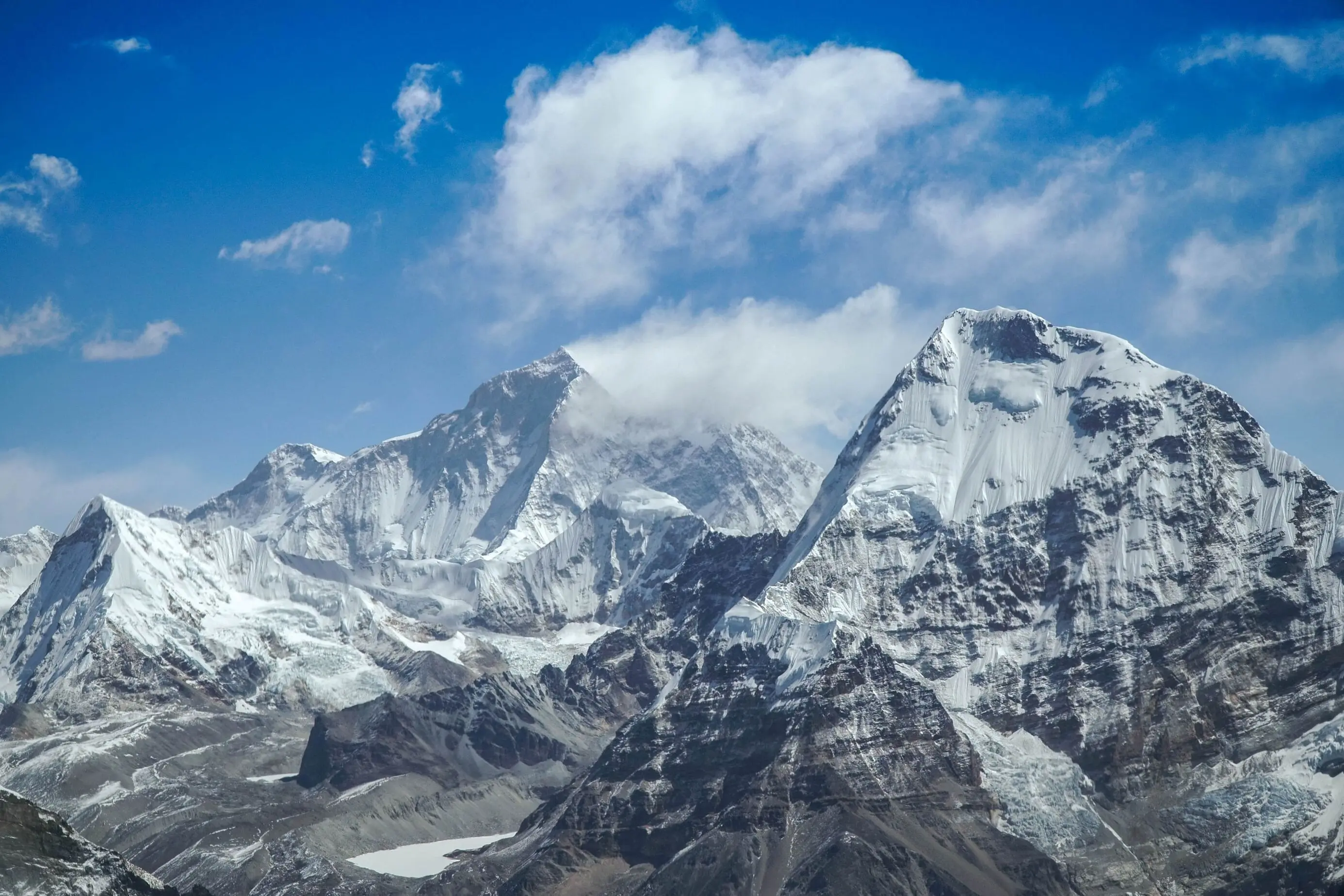
The Makalu Base Camp Trek is a remarkable journey into the remote and less-traveled regions of eastern Nepal, offering trekkers a unique opportunity to explore pristine Himalayan landscapes. Unlike more frequented treks, this route remains quiet and serene, allowing an immersive experience amidst towering peaks, lush valleys, and traditional Sherpa villages. The trek begins with a scenic flight from Kathmandu to Tumlingtar, followed by a multi-day trek through diverse terrains, including river valleys, dense forests, alpine meadows, and rugged ridges. Along the way, trekkers are rewarded with spectacular views of iconic peaks like Makalu (8,485m / 27,838ft), Kanchenjunga (8,586m / 28,169ft), and the surrounding Barun Valley. The route also provides close encounters with glaciers, waterfalls, and high-altitude wildlife, offering excellent photography and trekking opportunities.
Trekking with Glacier Nepal Trek ensures a professionally guided experience, where safety, acclimatization, and cultural immersion are prioritized. The itinerary is thoughtfully designed to balance challenging trekking days with acclimatization, allowing trekkers to gradually ascend to high-altitude zones while minimizing risks of altitude sickness. Key highlights of this trek include visiting Makalu Base Camp, witnessing the Barun Glacier, exploring high-altitude pastures like Yangle Kharka and Merek, and interacting with local Sherpa communities. The journey not only tests physical endurance but also offers mental and emotional rewards, as trekkers experience the raw beauty and tranquility of eastern Nepal’s Himalayas.
The best time to embark on the Makalu Base Camp Trek is during the pre-monsoon (spring) and post-monsoon (autumn) seasons, which offer ideal weather conditions, clear skies, and stable trekking conditions. Spring (March to May) brings blooming rhododendrons and alpine flowers, turning the trail into a colorful landscape, while temperatures remain moderate and comfortable. The skies are often clear in spring, allowing spectacular mountain panoramas, including views of Makalu, Lhotse, and Everest. Autumn (late September to November) is another excellent season, with crisp, clear air, stable weather, and minimal rainfall, offering some of the best photographic opportunities of snow-capped peaks.
Winter treks are possible but are more challenging due to cold temperatures, snow on high ridges, and limited daylight. The monsoon season (June to August) is generally avoided, as heavy rainfall can make trails slippery, rivers difficult to cross, and visibility poor. Trekking during the recommended seasons ensures safety, scenic views, and a more enjoyable experience. Accompanied by Glacier Nepal Trek, you are supported with up-to-date weather information, gear guidance, and altitude acclimatization advice to make the trek safer and more rewarding.
Key Points:
The Makalu Base Camp Trek is considered a moderate to strenuous trek, suitable for experienced trekkers and fit beginners who are willing to face long trekking days and significant altitude changes. The trek covers elevations from 1,350m (Kathmandu) up to 4,870m (Makalu Base Camp), involving steep ascents, descents, and high-altitude ridge walks. Trekkers need stamina, endurance, and careful acclimatization to minimize the risk of acute mountain sickness. Trekking guides from Glacier Nepal Trek provide thorough briefings on health, pacing, and safety protocols, ensuring a smooth trekking experience.
Transportation to and from the trailhead is also an important consideration. The trek begins with a short flight from Kathmandu to Tumlingtar, offering scenic views of the Arun Valley and eastern Himalayas. Local transfers between villages are typically on foot along trekking paths, and all luggage is carried by porters arranged by Glacier Nepal Trek. The return journey involves retracing the route and flying back from Tumlingtar to Kathmandu. Using domestic flights reduces overall travel time and maximizes trekking days while providing a spectacular aerial perspective of the mountains.
Key Points:
During the Makalu Base Camp Trek, trekkers are accommodated in teahouses and lodges located in villages along the route. Facilities are basic but comfortable, offering warm meals, cozy bedding, and a friendly atmosphere. Accommodation options vary by altitude and village size, with more amenities available in lower villages like Num and Chichila Bazar, while high-altitude stops such as Shersong, Merek, and Yangle Kharka provide simple lodges designed to support trekkers with essential comforts. Glacier Nepal Trek ensures all lodgings are safe, hygienic, and selected for convenience along the trekking route.
Food along the trail is typically a combination of Nepalese cuisine, Tibetan dishes, and continental meals. Dal Bhat (rice, lentils, vegetables, and sometimes meat) is a staple, providing energy for trekking. Trekkers can also enjoy momos (dumplings), soups, noodles, and pasta. At high-altitude camps, menus are simplified, but fresh meals are still available. Drinking water is usually treated or boiled, and porters carry extra supplies when necessary. Glacier Nepal Trek advises on staying hydrated, maintaining a balanced diet, and managing energy levels throughout the trek.
Key Points:
Trekking in the Makalu region requires several permits to ensure safety, environmental protection, and access to protected areas. The primary permits include the TIMS (Trekkers’ Information Management System) card and the Makalu-Barun National Park permit, both of which are necessary for entry into the region. TIMS is used to track trekkers for safety and security purposes, while the national park permit helps conserve the fragile Himalayan ecosystem and supports local communities. Permits are typically obtained in Tumlingtar or through local government offices along the trail.
Glacier Nepal Trek provides full support in managing all permits, ensuring the paperwork is completed correctly and promptly. Guides carry copies of permits, verify registration, and help trekkers understand park regulations, including rules for wildlife protection, waste management, and respectful interaction with local communities. This support allows trekkers to focus on the journey rather than administrative details, reducing stress and enhancing the overall experience.
Key Points:
Choosing the Makalu Base Camp Trek with Glacier Nepal Trek offers an unparalleled adventure in one of Nepal’s most pristine regions. The trek provides a balance of physical challenge, natural beauty, and cultural immersion. Unlike the more crowded Everest or Annapurna trails, this route offers solitude and serenity, allowing trekkers to experience the Himalayas in their most unspoiled form. Glacier Nepal Trek focuses on safety, local knowledge, and personalized service, ensuring that every step of the journey is well-supported.
Trekkers are rewarded with spectacular views of towering peaks, glaciers, and deep valleys, alongside interactions with Sherpa communities and exposure to traditional Nepalese culture. The trek is carefully paced with acclimatization days, minimizing altitude-related risks while maximizing enjoyment. Glacier Nepal Trek’s experienced guides provide insights into geography, history, and flora/fauna, enriching the journey beyond physical trekking. From logistical support, permits, accommodation, and meals, to emergency preparedness and local insights, choosing this company ensures a seamless, safe, and unforgettable Himalayan adventure.
Key Points:
Upon arrival at Tribhuwan International Airport in Kathmandu, you will be warmly greeted by a Glacier Nepal Trek representative who will transfer you to your hotel in a private vehicle. After settling in and relaxing for a short while, you will meet your trekking guide at the company office. This meeting is an opportunity to ask any questions about the trek, gear requirements, or itinerary details. Your guide will also review your trekking checklist and provide advice to ensure you are fully prepared. Overnight at the hotel in Kathmandu.
Today is dedicated to exploring the cultural and historical highlights of Kathmandu. You will visit the sacred Pashupatinath Temple, an important Hindu pilgrimage site, followed by the giant Boudhanath Stupa, a UNESCO World Heritage site and center of Tibetan Buddhism. Later, you will explore Swayambhunath Stupa (Monkey Temple), offering panoramic city views, and Kathmandu Durbar Square, filled with ancient palaces and temples. In the evening, your trekking guide will check your trekking gear, answer any remaining questions, and finalize paperwork such as permits. Overnight at the hotel.
In the morning, you take a scenic flight to Tumlingtar. Upon landing, the trek begins through the district headquarters of Khadbari and continues to Naya Bazar, home to the Makalu-Barun project office. Along the way, you may spot the spectacular peaks of Chhamang (7,319m) and Jaljale (5,333m). After completing the TIMS card registration and trekking permits, the trail leads through small Sherpa villages before reaching Chichila Bazar. The afternoon is spent exploring the surroundings and acclimatizing to the local environment. Overnight at Chichila Bazar.
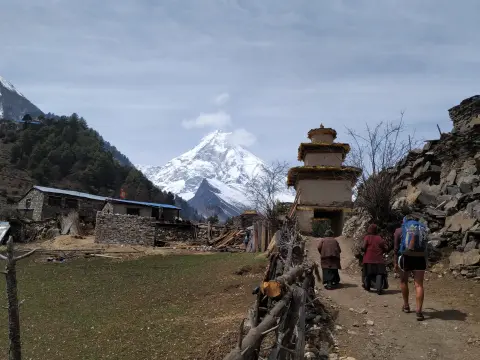
The trek today takes you along a ridge through open forests and small Sherpa settlements. You pass mani walls at Sakurati Majuwa before continuing through the forested ridge to the village of Mure. From Mure, the trail descends steeply toward the Arun River, offering magnificent views of the valley below. The trek is challenging but scenic, with opportunities to observe local flora and fauna. Upon reaching Num, you settle into a local teahouse and enjoy the serene river views. Overnight at Num.
Today's trek begins with a gradual climb along a northern ridge, passing through villages and agricultural terraces. The path descends steeply to Lumbang, then crosses the Arun River via a suspension bridge. From here, the trail ascends approximately 1,000 meters, demanding stamina but rewarding trekkers with spectacular views of the surrounding hills. You arrive at Seduwa, the entry point of Makalu-Barun National Park, where your guide will check permits and park regulations. The village offers basic accommodations and a peaceful environment for an overnight stay.
After breakfast, the trek continues north through paddy fields toward Manigaon village. From here, the trail gradually ascends westward, passing Chyaksadanda Village and school fields before reaching Tashigaon. Along the way, trekkers can enjoy distant views of Num and the Arun valley. The climb is moderate, allowing for comfortable acclimatization. Tashigaon is a small village offering cozy lodges and a chance to experience local Sherpa culture. Overnight at Tashigaon.
This is one of the more challenging sections, involving a steep 1,400-meter ascent. The trail winds through forests and ridges, gradually exposing trekkers to higher altitudes. If this is your first time above 3,500 meters, pay close attention to potential altitude sickness symptoms. Reaching Khongma Danda, you are rewarded with panoramic views of the Himalayas, including Mt. Kanchenjunga to the east. The village offers simple accommodations, and the evening is ideal for resting and acclimatizing for higher altitudes. Overnight at Khongma Danda.
Today is dedicated to acclimatization. You will take a short hike up the ridge above Khongma, enjoying breathtaking views of Mt. Kanchenjunga (8,586m / 28,169ft) and surrounding peaks. This gentle hike helps your body adjust to higher altitudes while allowing photography and nature observation. The rest of the day is spent exploring the village, interacting with locals, or relaxing in preparation for the challenging ascents ahead. Overnight at Khongma Danda.
After breakfast, the trail climbs steeply along the ridge to a small chorten, then continues to Tutu La (4,050m / 13,287ft). You descend slightly to Kala Pokhari before ascending to Shipton La (4,216m / 13,832ft), named after explorer Eric Shipton. The trek continues through rocky terrain toward Mumbuk, offering panoramic views of the Barun Valley and distant peaks. The day involves a challenging combination of ascent and descent, but the alpine landscapes and glacier views make it extremely rewarding. Overnight at Mumbuk.
The trek descends steeply into the Barun Valley, a natural corridor surrounded by dramatic mountain scenery. The trail crosses the Barun River on a wooden bridge and gradually ascends toward Yangle Kharka, a high pasture dotted with traditional teahouses. Along the way, you may see grazing yaks and alpine flora. The village is a serene place to rest, providing essential facilities and opportunities to interact with local shepherds. Overnight at Yangle Kharka.
After breakfast, the trek gently ascends toward Nghe Kharka, where the landscape becomes dramatically alpine, with rocky terrain and the snowline seemingly within reach. Along the way, you pass through several small high-altitude pastures, including Riphuk Kharka, Jhak Kharka, and Yak Kharka, each offering stunning views of the surrounding peaks and glaciers. The trail gradually climbs toward Merek, where the high-altitude environment begins to feel more pronounced, and trekkers can spot distant peaks emerging from the Barun Valley. Overnight at Merek, giving ample time to rest and acclimatize.
Today is a short trekking day designed to help your body adjust before reaching higher altitudes. The trail heads north through a valley, offering panoramic views of the surrounding high peaks and the Barun Glacier. As you approach Shersong, glimpses of Mt. Makalu appear, building excitement for the base camp visit. The short trek allows trekkers to explore the area on foot, observe the local wildlife, and enjoy the serenity of the high Himalayas. Overnight at Shersong, resting well for the next day’s adventure.
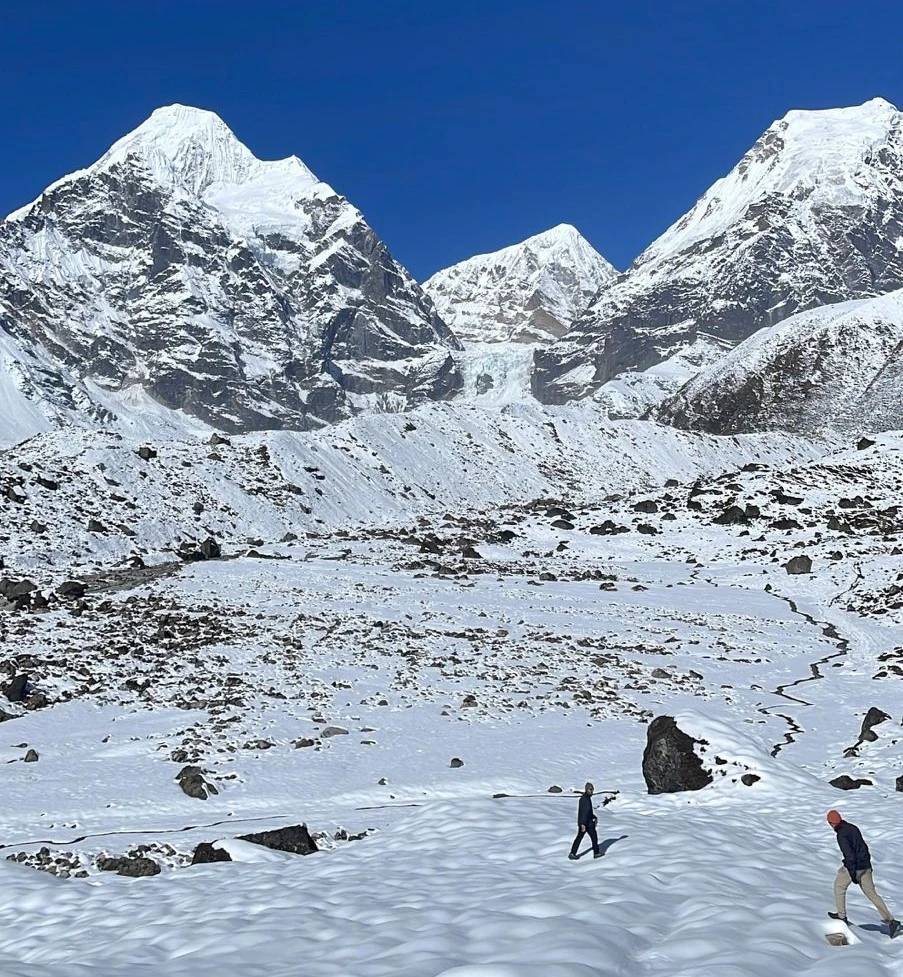
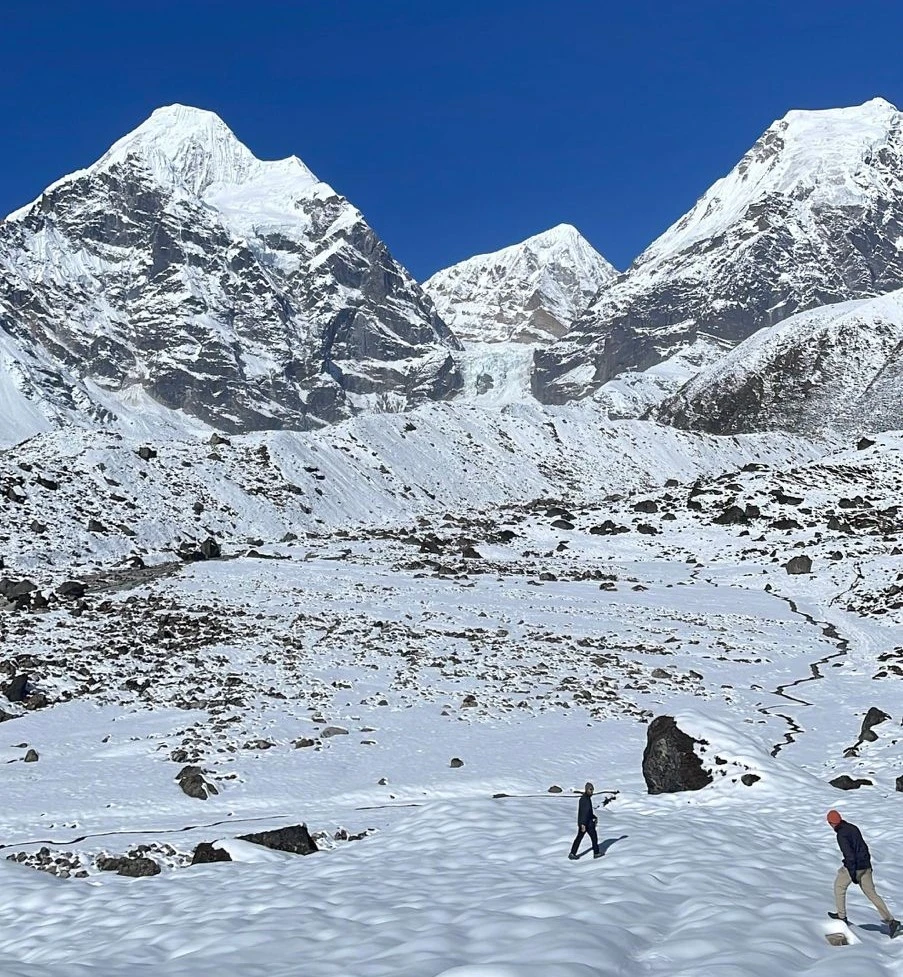
After an early breakfast, you set off to explore the Makalu Base Camp, walking alongside the spectacular Barun Glacier. The trail leads to a viewpoint at 5,250m / 17,224ft, where the grandeur of Mt. Lhotse, Lhotse Shar, and Mount Everest on the northwest side can be appreciated. The hike allows for photography, short rests, and moments of quiet reflection in the remote Himalayas. After spending time at the base camp and enjoying the breathtaking views, you retrace your steps back to Shersong. Overnight at Shersong.
Today begins the descent along the Barun Valley, retracing the previous trail and descending approximately 1,100 meters. The journey provides a different perspective of the towering peaks seen from above and the lush alpine meadows and pastures. Trekkers enjoy the peaceful environment, observe high-altitude flora, and pass through several small yak grazing areas. By afternoon, you arrive back at Yangle Kharka, where teahouses offer a warm meal and a place to rest. This descent helps your body gradually adjust to lower altitudes while still enjoying breathtaking Himalayan scenery.
After breakfast, the trail descends through rocky terrain with intermittent climbs, providing a challenging but scenic path. You gradually make your way back toward Mumbuk, covering approximately 520 meters of descent and 400 meters of ascent. Along the route, trekkers pass through rocky ridges and alpine meadows, with clear views of the surrounding mountains and valleys. The afternoon is spent reaching Mumbuk, where lodges provide hot meals and warm beds. The day is moderately challenging, balancing altitude adjustments with enjoyable Himalayan landscapes. Overnight at Mumbuk.
Today’s trek retraces part of the earlier trail, ascending to Shipton La (4,216m / 13,832ft) before descending back toward Khongma Danda. This day involves steady downhill trekking, providing opportunities to reflect on the high-altitude adventures and enjoy the panoramic mountain views one last time from higher ridges. The terrain includes rocky paths and alpine meadows, allowing trekkers to appreciate the unique flora and fauna of the Barun Valley. Overnight at Khongma Danda, resting before descending further to lower altitudes.
After breakfast, the trail descends 1,260 meters through alpine forests, ridges, and small villages, providing dramatic views of the valleys below. The trek passes through terraced farmlands, with occasional glimpses of distant peaks fading as you move lower. Upon reaching Tashigaon, trekkers are welcomed by local lodges offering meals and warm accommodations. This descent is gradual but long, giving ample opportunity to rest and reflect on the trek so far. Overnight at Tashigaon.
Today involves a long descent of 1,500 meters, followed by a short ascent of around 900 meters. The trail passes through forested slopes, terraced fields, and small settlements. Trekkers enjoy views of the Arun Valley and local villages, observing traditional lifestyles and rustic highland architecture. The hike is long but rewarding, offering peaceful surroundings and birdwatching opportunities along the way. Upon arrival at Num, lodges provide basic but comfortable accommodation, where trekkers can rest and prepare for the final days of the journey. Overnight at Num.
The trek continues retracing the earlier route, ascending gently through villages, ridges, and forests. The path passes familiar landmarks like mani walls, agricultural terraces, and small settlements. As you approach Chichila Bazar, the views open up toward the distant peaks of the Makalu region. The atmosphere is serene, with fewer trekkers on the trail. The village provides teahouses for rest, meals, and overnight accommodation. This day is less strenuous but allows you to appreciate the return journey and the contrast between high and mid-altitude landscapes. Overnight at Chichila.
The final day of trekking begins with a descent toward Khadbari and eventually Tumlingtar, passing through small villages, rivers, and lush green forests. The trail gradually lowers in elevation, allowing trekkers to relax after the high-altitude challenges of the previous days. Upon arrival in Tumlingtar, you are transferred to local lodges for a comfortable stay. This marks the end of the trekking portion of the journey. Trekkers can enjoy a celebratory meal, reflect on the adventure, and prepare for the flight back to Kathmandu. Overnight at Tumlingtar.
After an early breakfast, you take a scenic flight from Tumlingtar back to Kathmandu, enjoying aerial views of the eastern Himalayan peaks and the Arun Valley below. Once you land, a Glacier Nepal Trek representative will transfer you to your hotel in Kathmandu. The afternoon is free to explore the bustling streets of Thamel, where you can shop for souvenirs, trekking gear, or traditional handicrafts. In the evening, you will enjoy a farewell dinner at a traditional Nepalese restaurant with cultural dance performances, celebrating the completion of your trek. Overnight at the hotel.
On your final day in Nepal, after breakfast, a Glacier Nepal Trek representative will pick you up from the hotel and transfer you to Tribhuwan International Airport in a private vehicle. This marks the conclusion of your Makalu Base Camp adventure. Before departing, you may reflect on the remarkable experiences, from trekking along high Himalayan ridges to exploring remote villages and reaching the base of the mighty Makalu. With memories of breathtaking mountains, local culture, and a successful trek, you board your flight home, carrying an unforgettable journey in your heart.
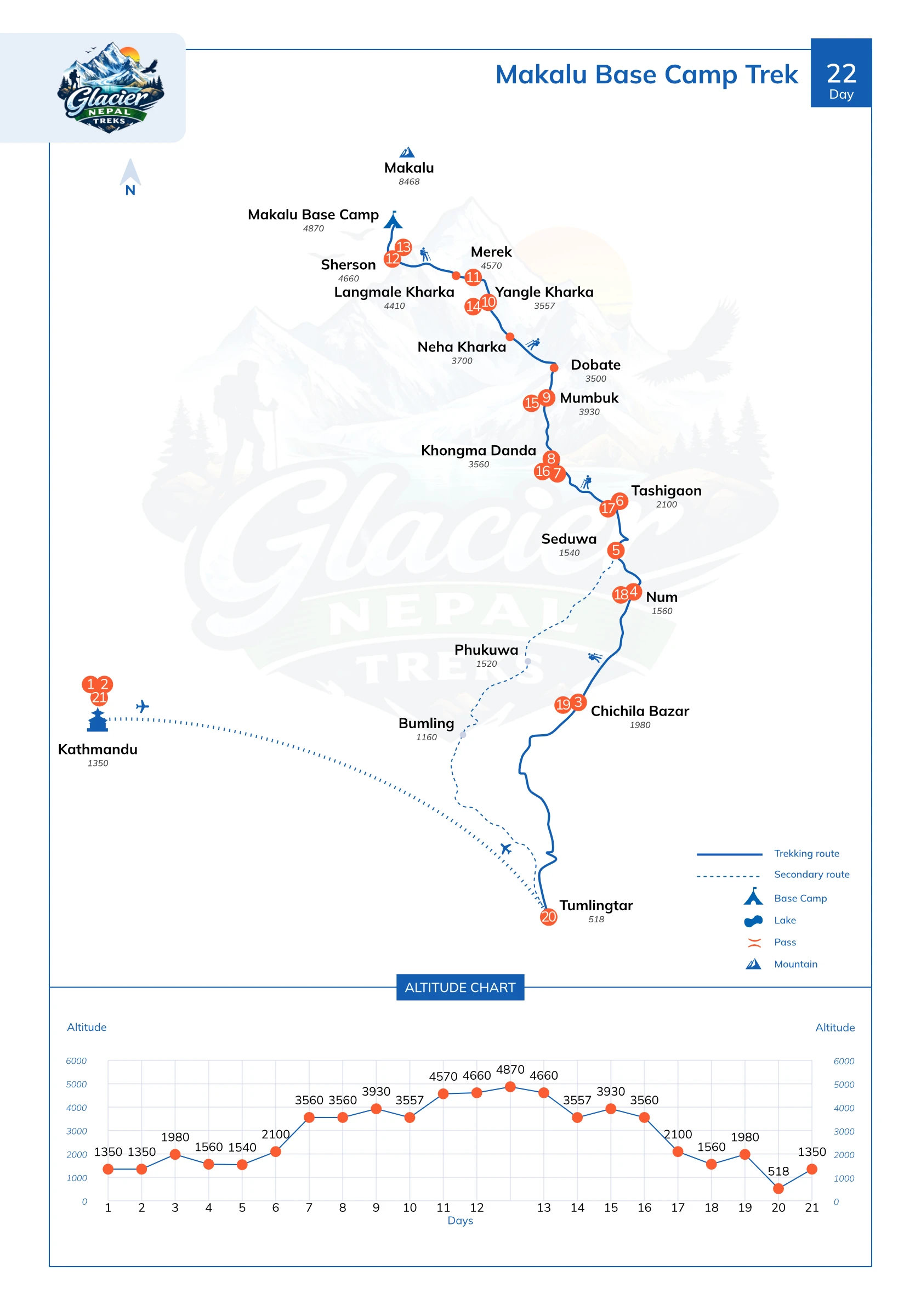
The Makalu Base Camp Trek with Glacier Nepal Trek is an adventurous journey through remote Himalayan landscapes, from lush lowlands to high-altitude alpine zones. Over 22 days, trekkers experience cultural villages, diverse ecosystems, and breathtaking views of the world’s fifth-highest peak, Makalu (8,485m). The trek blends moderate to challenging daily hikes with acclimatization days, offering an authentic off-the-beaten-path Himalayan experience.
This trek is ideal for those seeking a high-adventure, culturally rich Himalayan experience with expert guidance from Glacier Nepal Trek.
Your Start Date is the day you land in Nepal, and your End Date is when you fly home.
If the set Makalu Base Camp Trek group dates don’t suit your schedule, we can offer alternative dates upon request.
Proper layering is important to stay warm and comfortable in changing mountain weather.
Good footwear makes trekking easier and safer.
The right gear keeps you safe, comfortable, and prepared.
Keep important items safe and easy to reach.
Lightweight but important items keep you clean, healthy, and comfortable.
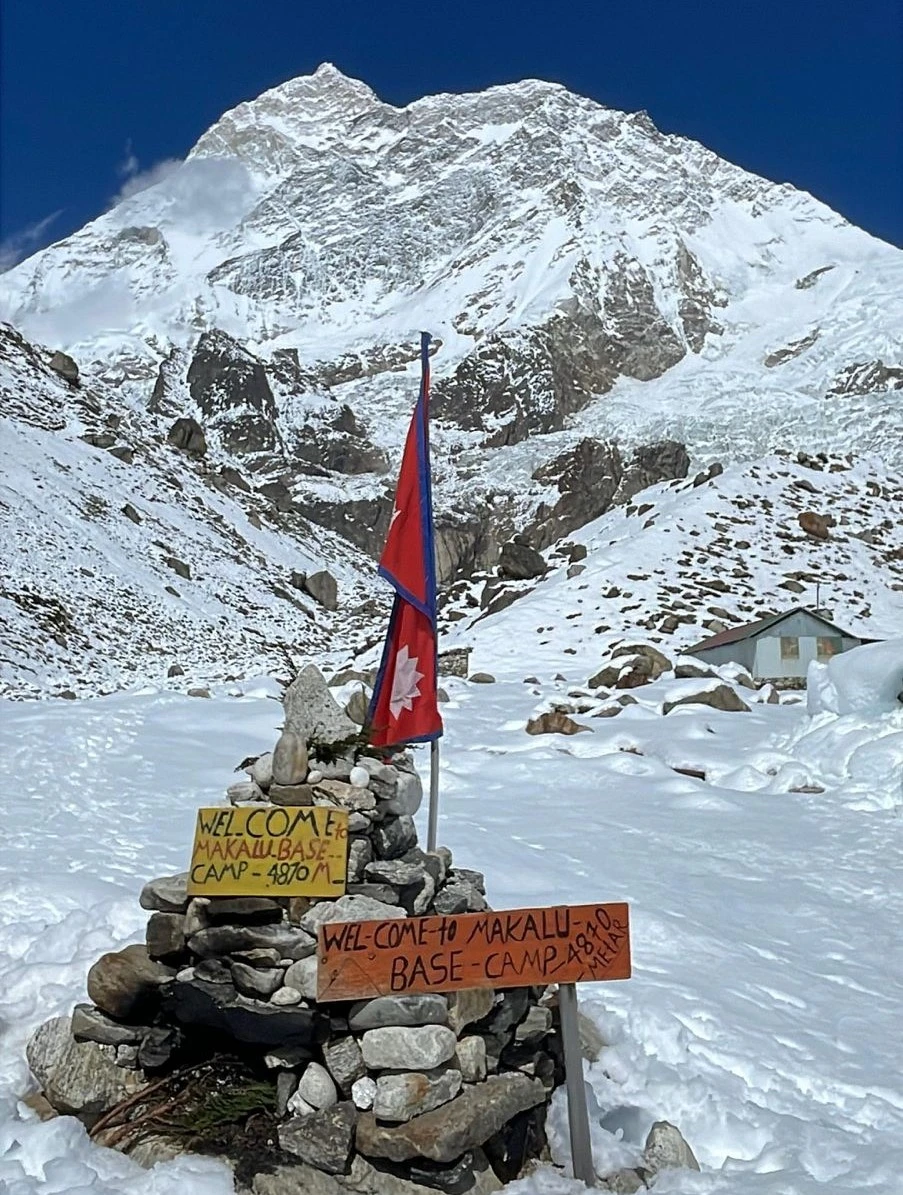
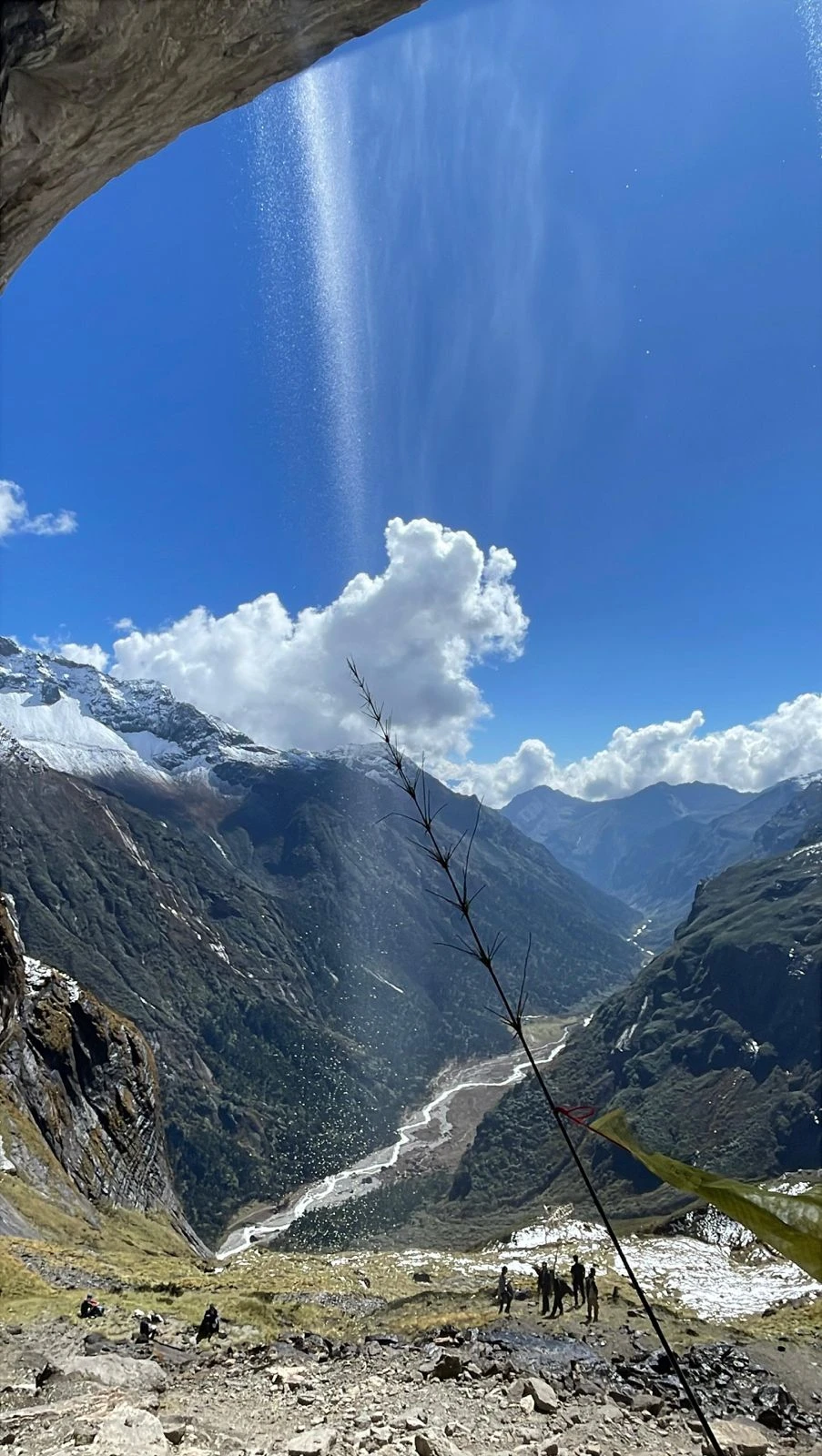
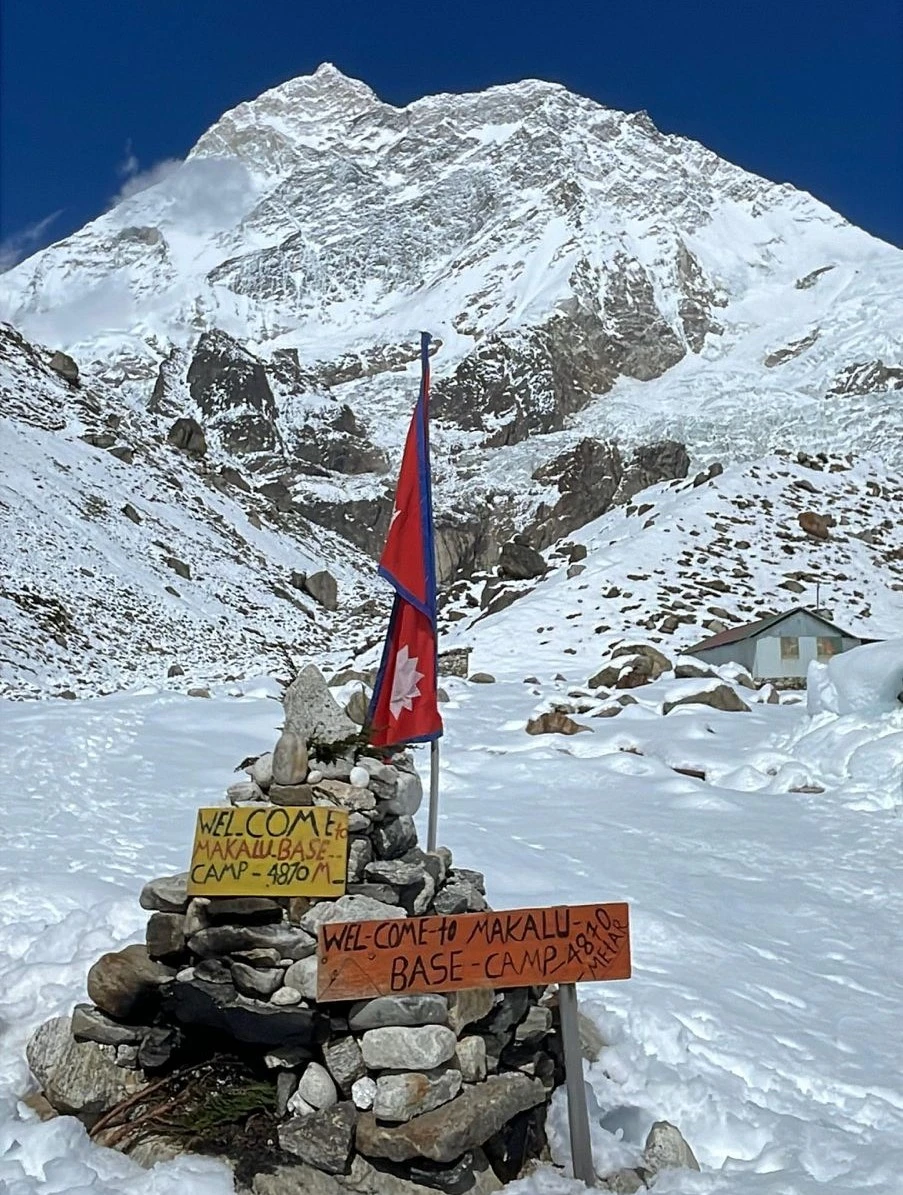
trek to Makalu Base Camp with friends was an unforgettable adventure filled with breathtaking landscapes and meaningful experiences. From the lush forests and traditional villages to the high alpine valleys, every day of the trek brought something new and exciting. Trekking together as a group made the journey even more special, as we shared laughs, challenges, and incredible mountain views along the way. One of the most memorable moments was reaching Makalu Base Camp, where we were welcomed by fresh snowfall. Watching snow gently cover the dramatic Himalayan landscape with the towering peak of Mount Makalu nearby was truly magical. The cold weather and the white scenery made the moment feel peaceful and rewarding after days of trekking. Another highlight was visiting Shiva Dhara, a sacred site believed to be religious for Hindus. Many trekkers and locals respect this holy water source, and it added a spiritual touch to our adventure in the mountains.

My Makalu Base Camp Trek with GNT was an incredible adventure and one of the most rewarding trekking experiences I have ever had. From the flight to Tumlingtar and the trek through Chichila, Num, Seduwa, and Tashigaon, every day brought new landscapes and challenges. Our guide, Pasang, was excellent throughout the journey. He was experienced, friendly, patient, and always made sure we were comfortable and safe. The climb toward Khongma Danda, Mumbuk, Yangle Kharka, Merek, and Shersong was challenging but absolutely beautiful. The acclimatization day at Khongma Danda was very helpful before continuing to higher elevations. Reaching Makalu Base Camp and seeing the spectacular Himalayan scenery was the highlight of the trek. The remote trails, peaceful villages, forests, and dramatic mountain views made the whole journey unforgettable
The Makalu Base Camp Trek is considered a moderately to highly challenging trek due to the combination of high altitude, long daily trekking hours, and steep ascents and descents. Trekkers should be physically fit and prepared for several days above 3,500 meters. Regular walking, stamina training, and cardiovascular exercise before the trek can help you adjust. Glacier Nepal Trek provides experienced guides who pace the trek according to your ability, ensuring safe acclimatization and proper rest periods to minimize the risk of altitude sickness.
Altitude is a key factor on the Makalu Base Camp Trek, with elevations ranging from 1,350 meters in Kathmandu to 5,250 meters at the viewpoint near the base camp. Glacier Nepal Trek includes acclimatization days, such as at Khongma Danda and Shersong, to help your body adjust gradually. Guides monitor trekkers for altitude sickness symptoms, and the itinerary is designed to follow the “climb high, sleep low” principle. Proper hydration, pacing, and following guide instructions are crucial to safely complete the trek.
The Makalu Base Camp Trek is suitable for trekkers with a reasonable level of fitness, even if they have no prior high-altitude trekking experience. Beginners can complete the trek as long as they prepare physically beforehand and follow the pace set by the experienced guides from Glacier Nepal Trek. The itinerary includes acclimatization days and moderate daily trekking hours to reduce risks. However, prior hiking experience or regular fitness routines will make the trek more enjoyable and reduce fatigue during the higher-altitude sections.
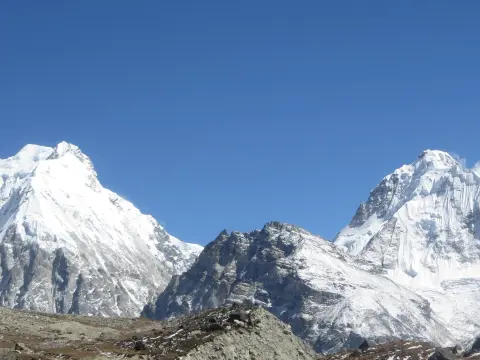
Trekkers on the Makalu Base Camp Trek will experience some of the most spectacular Himalayan scenery, including towering peaks like Makalu (8,481m), Lhotse, Kanchenjunga, and Everest. The trail passes through dense rhododendron forests, alpine meadows, remote Sherpa and Rai villages, glaciers, rivers, and high-altitude pastures. Glacier Nepal Trek ensures trekkers can explore viewpoints and glaciers safely, with ample opportunities for photography and wildlife spotting. The combination of cultural encounters and panoramic mountains makes this trek a uniquely rewarding adventure.
The best seasons to undertake the Makalu Base Camp Trek with Glacier Nepal Trek are pre-monsoon (March to May) and post-monsoon (September to November). During these months, the weather is generally clear, providing spectacular views of the towering Himalayan peaks including Makalu, Kanchenjunga, and Everest. The temperatures are moderate, the trails are safer, and the flora is in full bloom during spring. Autumn offers crisp air and visibility, making it ideal for photography and enjoying panoramic mountain vistas.
During the trek, accommodation is mainly in tea houses and lodges, offering basic but comfortable amenities such as warm beds, shared or private bathrooms, and home-cooked meals. In lower-altitude villages, rooms are more spacious, whereas in higher-altitude settlements like Merek or Shersong, facilities are simpler due to the remoteness. Glacier Nepal Trek ensures that every lodge provides adequate hygiene and food, including breakfast, lunch, and dinner, allowing trekkers to focus on enjoying the stunning landscapes and acclimatizing safely for the high-altitude sections.
During the trek, Glacier Nepal Trek provides three meals per day: breakfast, lunch, and dinner. These are typically nutritious and high-energy meals suitable for trekking, including dal bhat (traditional Nepali rice and lentils), noodles, soups, and local vegetables. Tea, coffee, and hot drinks are usually available at tea houses. In addition, guides ensure food safety and hygiene. While meals are included, trekkers may want to carry extra snacks, energy bars, or chocolates for quick energy during long trekking days or in case of extra exertion.
Yes, proper trekking gear is essential for safety and comfort. Glacier Nepal Trek recommends layered clothing including thermal wear, waterproof jackets, trekking pants, hats, gloves, and sturdy trekking boots. High-altitude sections require down jackets and warm clothing, while lower altitudes are milder. Sleeping bags and duffle bags are provided but must be returned after the trek. Sunglasses, sunscreen, and trekking poles are also recommended. Carrying lightweight gear ensures easier movement, while layered clothing helps adapt to changing weather conditions along the trek.
While not mandatory, travel insurance is strongly recommended for all trekkers. The Makalu Base Camp trek involves high-altitude trekking, remote areas, and unpredictable weather, making insurance for medical emergencies, evacuation, and trip cancellations essential. Glacier Nepal Trek does not provide insurance, so trekkers should obtain a policy that covers high-altitude trekking, helicopter evacuation, and medical treatment in Nepal. Having proper insurance ensures peace of mind and protection against unforeseen circumstances during your Himalayan adventure.
The trek is fully supported by licensed guides and experienced porters provided by Glacier Nepal Trek. Guides handle navigation, permit checks, altitude monitoring, and cultural interpretation, while porters carry camping gear and heavy luggage, allowing trekkers to focus on the journey. The company ensures guides and porters are well-trained, insured, and receive proper salaries and accommodations. Trekkers only need to carry a daypack with essentials. This support structure enhances safety, comfort, and efficiency throughout the Makalu Base Camp Trek.
| No of people | Price per person |
|---|---|
| 1 - 1 | $1,900 |
| 2 - 4 | $1,699 |
| 5 - 7 | $1,650 |
| 8 - 15 | $1,600 |
| No of people | Price per person |
|---|---|
| 1 - 1 | $2,000 |
| 2 - 4 | $1,850 |
| 5 - 8 | $1,800 |
| 9 - 16 | $1,750 |
| No of people | Price per person |
|---|---|
| 1 - 1 | $2,500 |
| 2 - 4 | $2,350 |
| 5 - 8 | $2,320 |
| 9 - 16 | $2,299 |


 (30)
(30)  94% recommend (244)
 (12)
(12)