Need help with booking? Send us a message.
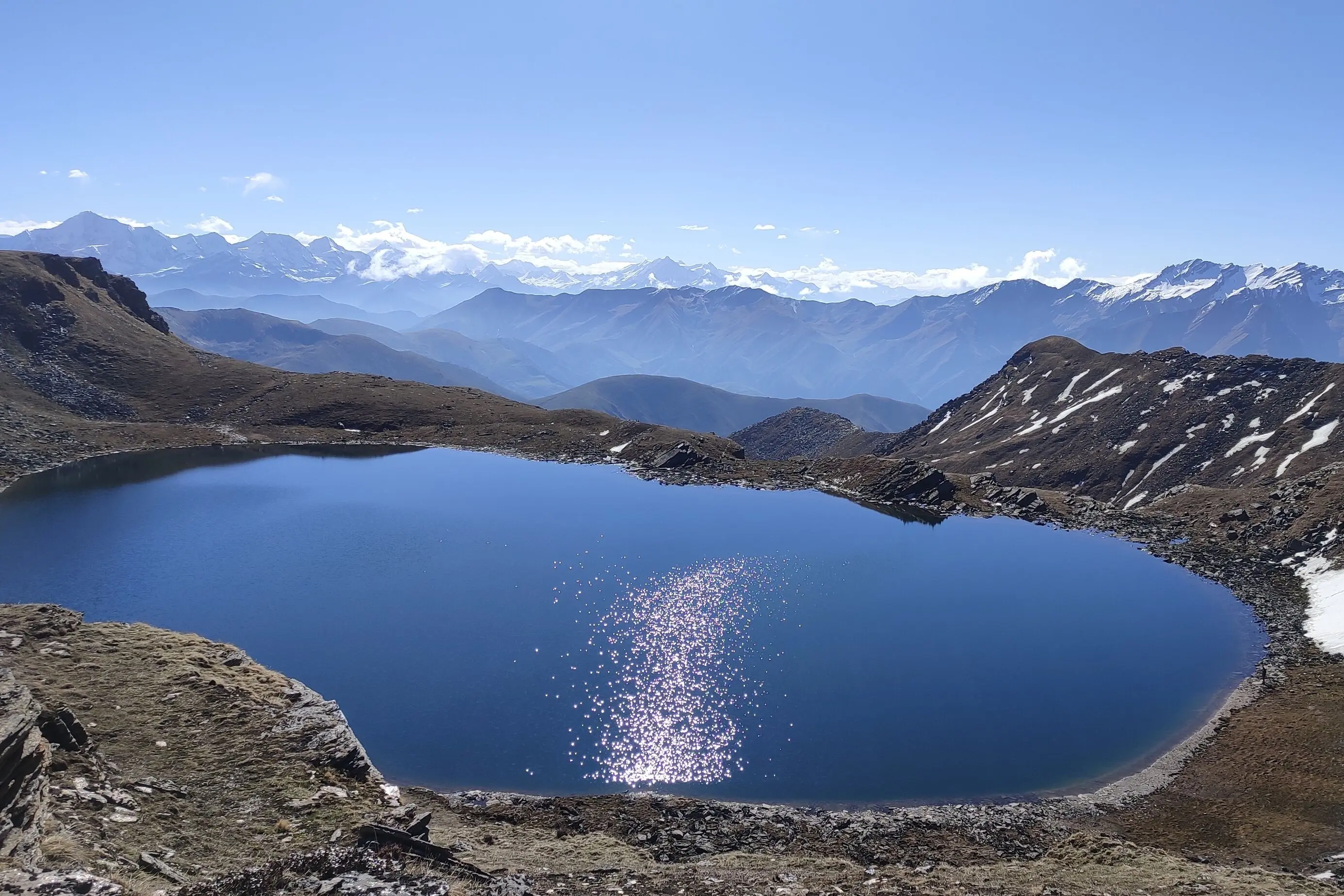
Experience the breathtaking Sisne Himal Trek in the remote mountains of western Nepal. Journey through quiet villages, alpine meadows, and pristine natural landscapes beneath the towering presence of Sisne Himal.
The Sisne Himal Trek is an off-the-beaten-path adventure in the remote regions of western Nepal, offering trekkers a true sense of wilderness. This trek takes you through lush valleys, terraced farmlands, dense forests, and charming villages that have retained their traditional culture. Starting from Kathmandu, you journey via Pokhara and gradually ascend through towns like Burtibang, Rukumkot, and Triptara, eventually reaching the Sisne Base Camp, which offers breathtaking views of the Sisne Himal, Baudha Himal, and other surrounding peaks. Unlike popular trekking routes in Nepal, this trek promises solitude, pristine nature, and the warm hospitality of local communities.
The trail is also rich in biodiversity. Trekkers often encounter rare flora and fauna, including rhododendron forests, medicinal plants, and Himalayan bird species. The trek is not just about the mountains; it’s a cultural immersion. Villages along the route showcase traditional Gurung and Magar lifestyles, with stone houses, terraced fields, and colourful festivals. Glacier Nepal Treks ensures trekkers experience authentic village life, providing opportunities to interact with locals, witness traditional farming practices, and enjoy homemade meals in teahouses.
The best time to undertake the Sisne Himal Trek is during the autumn (September to November) and spring (March to May) seasons. During these periods, the weather is stable, the skies are clear, and visibility is excellent, providing spectacular mountain vistas. Autumn brings fresh greenery, while spring is famous for blooming rhododendrons and vibrant wildflowers, adding a colourful backdrop to your trekking experience.
The monsoon season (June to August) is generally avoided due to heavy rainfall, slippery trails, and the risk of landslides. Winter (December to February) can also be challenging because of snowfall and cold temperatures, though it offers a serene snowy landscape for experienced trekkers seeking solitude. Planning your trek with Glacier Nepal Treks during peak seasons ensures the best weather conditions and safety.
Seasonal Highlights:
The Sisne Himal Trek is categorised as moderate to challenging, making it suitable for physically fit trekkers who enjoy longer walks, steep ascents, and remote trekking. Daily hiking durations range from 4 to 7 hours, with altitudes reaching around 3,000–3,500 meters. Trekkers should prepare for uneven trails, river crossings, and occasional rugged paths that require stamina and endurance. While not technically extreme, the trek demands good physical fitness and a spirit of adventure.
Transportation to the starting point is relatively convenient. Most itineraries begin in Kathmandu, followed by a 6–7 hour tourist bus ride to Pokhara, then onward by road to Baglung, Burtibang, and Rukumkot. Glacier Nepal Treks provides reliable private vehicles or local buses for transfers, ensuring safety and comfort. Porters and guides accompany trekkers along the trail, helping with luggage and navigating the remote sections.
Key Details:
During the Sisne Himal Trek, trekkers stay in basic teahouses, lodges, and local guesthouses that offer clean rooms and meals prepared with local ingredients. While the amenities are modest, the warmth and hospitality of the local families make the stay memorable. Glacier Nepal Treks ensures that trekkers experience comfortable accommodations wherever possible, with attention to hygiene and safety.
Food along the trail is primarily Nepali cuisine, including dal bhat (rice and lentils), momo (dumplings), noodles, and locally grown vegetables. Hot drinks like tea, coffee, and soup are available at every stop, providing energy and warmth during cold mornings or evenings. Trekkers are encouraged to carry snacks and energy bars for long trekking days. For those with specific dietary requirements, Glacier Nepal Treks can coordinate meal plans in advance.
Highlights:
To trek in the Sisne Himal region, certain permits are required for safety and legal purposes. Trekkers need the following:
Glacier Nepal Treks provides full assistance in securing permits before departure, ensuring a hassle-free trekking experience. This allows trekkers to focus on the journey rather than bureaucracy. Carrying proper permits is crucial, as local authorities may check documents at checkpoints along the trail.
Permits Checklist:
Choosing Glacier Nepal Treks for the Sisne Himal Trek guarantees an authentic, safe, and well-organised trekking experience. The company is known for its professional guides, knowledgeable porters, and strong commitment to client satisfaction. Trekkers receive expert advice on preparation, gear, and acclimatisation schedules. Guides are trained in first aid, navigation, and local culture, ensuring both safety and cultural enrichment.
Additionally, Glacier Nepal Treks emphasises sustainable tourism. The company works closely with local communities, supports eco-friendly practices, and encourages responsible trekking habits. From arranging transportation, permits, meals, and accommodations to providing cultural insights and scenic photography tips, the company ensures every detail is covered, making your Sisne Himal adventure smooth and memorable.
Reasons to Choose Glacier Nepal Treks:
The Sisne Himal Trek itinerary is thoughtfully designed to deliver a safe, rewarding, and immersive adventure in the remote mountains of western Nepal. The journey begins with a scenic drive from Kathmandu to the far-western region, followed by gradual trekking through traditional villages, terraced farmlands, and forested hills. As you ascend, breathtaking views of Sisne Himal and surrounding peaks unfold, offering a true wilderness experience far from crowded trails.
As the trek progresses, the route crosses alpine meadows, high ridgelines, and peaceful valleys with sweeping Himalayan panoramas. Trekkers stay in simple local lodges or homestays, enjoy authentic Nepali meals, and experience warm rural hospitality. The return journey follows scenic alternate paths, revealing new landscapes before driving back to Kathmandu. This balanced itinerary blends adventure, culture, and pristine mountain beauty, making it ideal for those seeking an untouched Himalayan escape.
You arrive at Tribhuwan International Airport in Kathmandu, where a friendly representative from Glacier Nepal Trek will warmly welcome you and escort you to your hotel by private vehicle. After settling in, you’ll have some time to rest and recover from your flight. Later, you will meet your trekking guide at the company’s office, who will brief you about the trek, discuss safety measures, and answer any questions you may have. In the evening, you can explore nearby areas or relax at the hotel, preparing for the adventure ahead. Overnight stay at the hotel.
After breakfast, you will board a comfortable tourist bus from Kathmandu to Pokhara, enjoying scenic views of terraced hills, rivers, and local villages along the way. Pokhara, known as the “City of Lakes,” offers stunning vistas of the Annapurna and Dhaulagiri ranges. Upon arrival, Glacier Nepal Trek staff will transfer you to your hotel, where you can relax and explore the Lakeside area. You can stroll along Phewa Lake, enjoy local cafés, and prepare your gear for the upcoming trek. Overnight stay in Pokhara.
You leave Pokhara early in the morning and drive towards Burtibang, passing through scenic hills, forests, and rivers. The journey takes you through local villages, giving you a glimpse of rural Nepali life. Burtibang is a small town with basic facilities, making it an ideal starting point for the Sisne Himal trek. Upon arrival, you will settle into a guesthouse, rest, and prepare for the first day of trekking. The evening offers time to meet your trekking crew and enjoy the peaceful surroundings. Overnight stay in Burtibang.
Today, you begin your trek from Burtibang to Rukumkot, walking through lush forests, terraced farmlands, and small rivers. You’ll experience local villages and meet friendly villagers along the way. The route gradually ascends, allowing you to acclimatize comfortably. Glacier Nepal Trek guides will provide insights into local culture and traditions, making the journey both educational and scenic. By late afternoon, you reach Rukumkot, a quaint village surrounded by natural beauty. Overnight stay in Rukumkot in a teahouse or guesthouse with traditional hospitality.
From Rukumkot, your trek continues to Triptara. The trail meanders through dense forests, open valleys, and terraced hills, offering panoramic views of distant mountains. Along the way, you may encounter streams, waterfalls, and local wildlife. The journey is moderately challenging, providing a perfect introduction to higher-altitude trekking. Upon reaching Triptara, you will rest in a cozy teahouse, enjoying a warm meal and the serene environment. The evening allows you to interact with fellow trekkers and prepare mentally and physically for the days ahead. Overnight stay in Triptara.
The trek today leads from Triptara to Bhatechour, where you traverse rolling hills, forested paths, and small rivers. This part of the trek offers stunning views of the Sisne Himal peaks in the distance. Villages along the way provide opportunities to experience local culture, sample fresh produce, and observe traditional farming practices. The trail gradually ascends, helping with acclimatization while offering photo-worthy landscapes. In the evening, you reach Bhatechour, where a warm meal and rest await. Overnight stay in Bhatechour.
You will hike from Bhatechour to Sisne Village, entering more remote areas with breathtaking natural scenery. The trail passes through dense forests, small streams, and traditional villages, giving you a sense of the rural lifestyle. Sisne Village is nestled in the hills, surrounded by terraced fields and lush greenery. Local hospitality in the village is warm, and you will enjoy traditional meals prepared by local families. This day offers both adventure and cultural immersion as you prepare for higher altitudes ahead. Overnight stay in Sisne Village.
From Sisne Village, the trek continues to Bhedewodar. The path becomes steeper, taking you through pine and rhododendron forests, which are particularly colorful during spring. Streams and small waterfalls accompany the trail, creating a serene environment. The journey provides excellent opportunities for photography and nature observation. Upon reaching Bhedewodar, you will find a comfortable teahouse where you can rest and enjoy a hearty meal. This stage is crucial for acclimatization as you move closer to the Sisne Himal base area. Overnight stay in Bhedewodar.
Today is an exciting day as you trek from Bhedewodar to the Sisne Base Camp. The trail becomes more rugged and remote, offering spectacular views of the Sisne Himal and surrounding peaks. You’ll cross rivers, navigate rocky terrain, and enjoy the pristine beauty of the higher Himalayas. Upon arrival at the base camp, you can soak in the majesty of the towering peaks while resting in the camp. This day marks a highlight of the trek as you are now deep in the heart of the Sisne Himal region. Overnight stay at Sisne Base Camp.
From the base camp, you begin your descent to Damar. The trail winds through alpine meadows, forested slopes, and occasional rocky paths. The descent provides different perspectives of the peaks you admired the previous day. Along the way, you may encounter local shepherds and small wildlife. Damar offers a peaceful retreat with a teahouse or lodge where you can rest, enjoy a warm meal, and share experiences with fellow trekkers. The day is less strenuous but still filled with stunning scenery and opportunities for relaxation. Overnight stay in Damar.
The trek continues from Damar to Gupta Daha, passing through beautiful landscapes of rolling hills and forests. The trail is a mix of gradual ascents and descents, keeping the hike moderate yet rewarding. You may spot terraced farms and local wildlife, while interacting with villagers along the way. Gupta Daha, known for its tranquility and natural surroundings, provides an ideal spot to rest and enjoy the peaceful Himalayan environment. The evening is perfect for reflecting on the trek so far and preparing for the next stage. Overnight stay in Gupta Daha.
Today’s trek leads from Gupta Daha to Laipa, where the path traverses dense forests, cascading streams, and scenic hilltops. The trail offers uninterrupted views of distant Himalayan peaks and local villages dotted along the hillsides. Laipa is a small, serene village where local culture and hospitality shine. You can enjoy traditional Nepali meals and interact with villagers to learn more about their way of life. This day allows both relaxation and adventure, as the trek gradually transitions to lower altitudes while maintaining breathtaking scenery. Overnight stay in Laipa.
From Laipa, you trek to Chhipkhola, passing through undulating hills, terraced fields, and forested areas. The trail provides panoramic views of distant valleys and small settlements. You will cross streams and encounter local wildlife, making the journey immersive and memorable. Chhipkhola is a peaceful village with basic amenities, where you can rest after a rewarding day of trekking. The evening is ideal for enjoying local meals, interacting with the friendly community, and reflecting on the trek’s cultural and natural experiences. Overnight stay in Chhipkhola.
The trek continues from Chhipkhola to Rukum Pokhara, winding through terraced farmland, forests, and scenic ridges. The journey offers continuous panoramic views and opportunities to observe rural life. Villagers are welcoming, and the local culture adds richness to your experience. Upon reaching Rukum Pokhara, you can rest in a comfortable guesthouse, enjoy traditional food, and recount the highlights of the trek so far. This day is moderately challenging and sets the pace for the return journey toward Burtibang and Pokhara. Overnight stay in Rukum Pokhara.
Today, you retrace your route from Rukum Pokhara or Rukumkot to Burtibang. The descent is less strenuous, offering a relaxing pace and time to enjoy the scenery. You will pass through forests, small streams, and local villages, witnessing everyday life in the rural hills. Burtibang welcomes you with its quiet charm, where you can rest and enjoy a hearty meal at a guesthouse. The day is perfect for reflecting on your trek while preparing for the return journey to Pokhara. Overnight stay in Burtibang.
You drive back from Burtibang to Pokhara by bus, enjoying the scenic route once again. This leg of the journey offers time to relax after days of trekking and to appreciate the landscapes you crossed. In Pokhara, you can explore the Lakeside area, shop for souvenirs, or enjoy leisure activities such as boating on Phewa Lake. Your hotel will provide comfortable accommodation, allowing you to rest and celebrate the success of your trek with the beautiful backdrop of the Himalayas. Overnight stay in Pokhara.
After breakfast, you will take a tourist bus from Pokhara back to Kathmandu. The drive passes through rivers, terraced fields, and picturesque villages, offering one last glimpse of the Nepali countryside. Upon arrival, Glacier Nepal Trek staff will transfer you to your hotel, where you can rest and enjoy your final evening in Kathmandu. You may explore local markets, enjoy cultural performances, or savor Nepali cuisine, preparing for your departure the next day. Overnight stay in Kathmandu.
On your final day in Nepal, a Glacier Nepal Trek representative will pick you up from your hotel and transfer you to Tribhuwan International Airport by private vehicle. You will bid farewell to the mountains, the people, and the culture you experienced, carrying memories of the Sisne Himal trek for a lifetime. Check-in and departure procedures will be assisted by your guide, ensuring a smooth journey home. As you board your flight, reflect on the adventure, friendships, and stunning landscapes that made this trek truly unforgettable.
The Sisne Himal Trek is a remote and rewarding adventure in western Nepal, leading trekkers into pristine mountain landscapes beneath the majestic Sisne Himal. This moderate trek passes through rolling hills, alpine meadows, dense forests, and traditional villages, offering breathtaking Himalayan scenery and an authentic rural cultural experience far from crowded trails. Trekkers stay in simple lodges or homestays, enjoy traditional Nepali meals, and experience warm local hospitality in one of Nepal’s less-visited regions. The trek is best undertaken during spring (March–May) and autumn (September–November) for clear skies and comfortable temperatures. Required trekking permits are arranged in advance to ensure a smooth and well-managed journey.
Key Points to Know:
Your Start Date is the day you land in Nepal, and your End Date is when you fly home.
If the set Sisne Himal trek group dates don’t suit your schedule, we can offer alternative dates upon request.
Proper layering is important to stay warm and comfortable in changing mountain weather.
Good footwear makes trekking easier and safer.
The right gear keeps you safe, comfortable, and prepared.
Lightweight but important items keep you clean, healthy, and comfortable.
Keep important items safe and easy to reach.
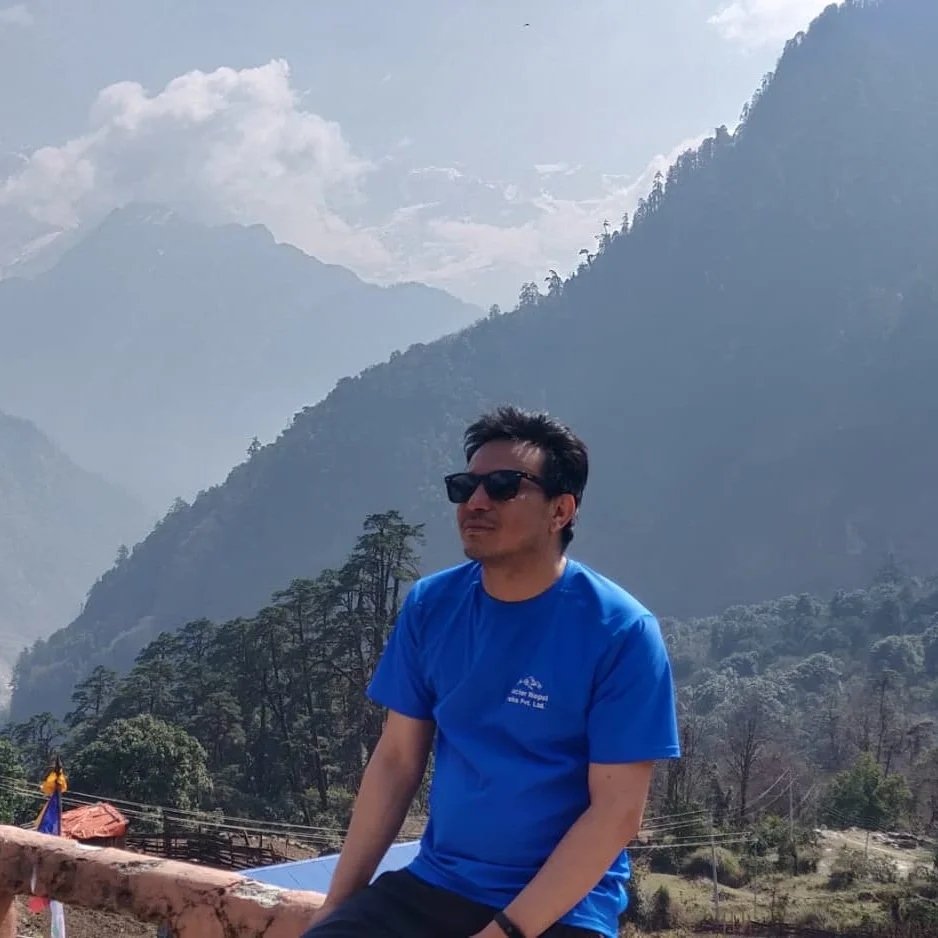
The Sisne Himal Trek was an amazing experience in the remote and beautiful Rukum region of West Nepal. Our guide, Hem Raj, was friendly, experienced, and very helpful throughout the journey. The untouched landscapes, peaceful villages, green hills, and magnificent Himalayan views made this trek truly special. I really enjoyed exploring a less-crowded part of Nepal and experiencing the authentic local culture and lifestyle. Glacier Nepal Treks organized the trek very well, with good arrangements and excellent support throughout the trip. Sisne Himal is a wonderful destination for trekkers looking for adventure, natural beauty, and an off-the-beaten-path experience. I highly recommend Glacier Nepal Treks and the Sisne Himal Trek for anyone wanting to discover the hidden beauty of West Nepal.
The Sisne Himal Trek is considered a moderate to challenging trek. While it doesn’t require technical climbing skills, trekkers must be prepared for long hiking days, steep ascents, and high-altitude conditions, reaching elevations above 3,500 meters. Glacier Nepal Trek ensures that all trekkers receive proper guidance from licensed trekking guides, who adjust the pace according to individual fitness levels. Prior trekking experience is recommended, but a reasonable level of physical fitness, stamina, and mental preparation will help make the journey enjoyable and safe.
Prior trekking experience is helpful but not strictly necessary for the Sisne Himal Trek. Glacier Nepal Trek caters to both beginners and experienced trekkers. Those with little or no prior experience should engage in regular physical activity before the trek, including cardio, hiking, and strength exercises. The trek is moderately challenging, and our guides provide support, advice, and safety measures at all times. With proper preparation, even first-time trekkers can enjoy the stunning scenery, local culture, and Himalayan adventure safely.
Altitude sickness can occur at elevations above 2,500 meters, so acclimatization is crucial. Glacier Nepal Trek ensures that the itinerary allows gradual ascents, rest days, and hydration to minimize risks. Symptoms may include headache, nausea, or dizziness. If symptoms worsen, guides are trained to manage the situation, including descent to lower altitudes if necessary. Trekkers are advised to move at a comfortable pace, avoid alcohol, and notify guides immediately if they feel unwell. Proper preparation, fitness, and attention to acclimatization protocols make the trek safer and more enjoyable.
Yes, Glacier Nepal Trek is flexible and can assist with itinerary customization or extensions. Some trekkers may wish to explore nearby villages, additional viewpoints, or spend more days acclimatizing. Changes depend on availability, trekking permits, and safety considerations. Our team evaluates your requests to ensure they are feasible and safe. Customizations may affect transportation, accommodation, and guide arrangements, and additional costs may apply. Communicating your preferences in advance allows Glacier Nepal Trek to plan a personalized trek that meets your interests while maintaining comfort and safety.
The ideal time to trek the Sisne Himal is during the spring (March to May) and autumn (September to November) seasons. During these months, the weather is generally stable, skies are clear, and mountain views are spectacular. Spring brings vibrant rhododendron forests, while autumn offers crisp air and bright, colorful landscapes. Glacier Nepal Trek recommends avoiding the monsoon season (June to August) due to heavy rains, slippery trails, and limited visibility, which can make trekking more challenging and potentially unsafe.
During the Sisne Himal Trek, accommodation is primarily in local tea houses and lodges, which offer basic but comfortable amenities. Meals, including breakfast, lunch, and dinner, are usually provided. Facilities such as hot showers, Wi-Fi, or private rooms are limited, especially in remote villages, as Glacier Nepal Trek emphasizes a true trekking experience immersed in nature. Staying in local lodges also provides opportunities to interact with villagers and experience their hospitality, making the trek culturally enriching as well as physically rewarding.
Glacier Nepal Trek provides full board during the trek, including breakfast, lunch, and dinner at tea houses and lodges. Meals are typically Nepali and include rice, lentils, vegetables, soups, noodles, and sometimes eggs or meat dishes depending on availability. Breakfast is usually light to prepare you for the day’s hike, while lunch offers a hearty energy boost on the trail. Dinners are filling and comforting, giving you time to relax after a long day of trekking. Special dietary requests can often be accommodated with advance notice.
Our licensed trekking guides play a crucial role in ensuring your safety, comfort, and enjoyment throughout the Sisne Himal Trek. They lead the route, manage logistics, provide cultural insights, and assist with any health or altitude-related issues. Porters carry your luggage, allowing you to trek comfortably with a lighter load, while guides and porters are fully insured and provided with meals, accommodation, and salary by Glacier Nepal Trek. Both guides and porters are highly trained and familiar with the terrain, weather, and emergency procedures.
Packing wisely is key to a successful trek. Essentials include layered clothing for varying temperatures, trekking boots, a waterproof jacket, warm clothing for higher altitudes, gloves, a hat, sunscreen, sunglasses, and a water bottle. Glacier Nepal Trek also provides sleeping bags and duffle bags, which must be returned after the trek. Personal items such as toiletries, a small first-aid kit, snacks, and camera are recommended. Packing light ensures comfort while trekking, but carrying all necessary clothing and gear is vital for safety and enjoying the Himalayan experience fully.
Yes, travel insurance is highly recommended for the Sisne Himal Trek. Glacier Nepal Trek advises trekkers to have insurance covering high-altitude trekking, medical emergencies, evacuation, and accidents. Insurance ensures peace of mind in case of unforeseen circumstances such as illness, injury, or natural events. While our guides are trained to handle emergencies, insurance provides an additional layer of security. Trekkers should arrange insurance prior to departure and carry relevant documents during the trek, as this is essential for both safety and compliance with local regulations in Nepal.
| No of people | Price per person |
|---|---|
| 1 - 1 | $950 |
| 2 - 4 | $800 |
| 5 - 8 | $775 |
| 9 - 16 | $750 |
| No of people | Price per person |
|---|---|
| 1 - 1 | $1,900 |
| 2 - 4 | $1,699 |
| 5 - 7 | $1,650 |
| 8 - 15 | $1,600 |
| No of people | Price per person |
|---|---|
| 1 - 1 | $1,900 |
| 2 - 4 | $1,800 |
| 5 - 7 | $1,780 |
| 8 - 15 | $1,750 |


 (30)
(30)  94% recommend (244)
 (12)
(12)