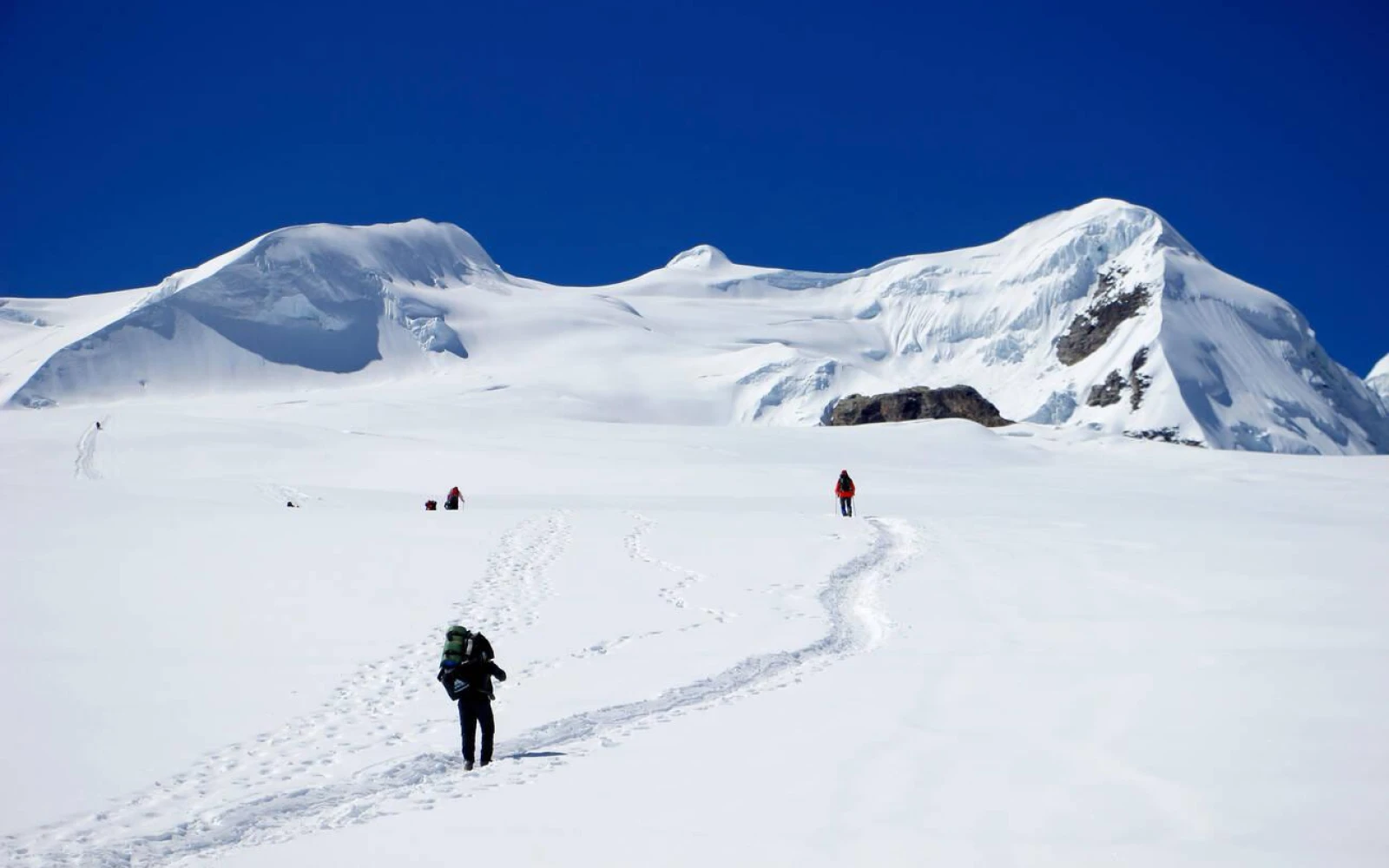
For those seeking the ultimate Himalayan challenge, Glacier Nepal Treks offers peak climbing and expedition experiences. Nepal alone is home to over 200 peaks above 6,000 meters, including iconic climbs like Island Peak, Mera Peak, and, for seasoned climbers, Mount Everest. Expeditions require careful planning, acclimatization, and expert guidance, all of which Glacier Nepal Treks provides. Climbers receive support from highly trained Sherpas, equipment guidance, and logistical assistance, ensuring safety and success in the high mountains.
Peak climbing is not only a physical achievement but a journey of mental strength and perseverance. Glacier Nepal Treks’s expeditions combine rigorous training, scenic trekking routes, and immersive encounters with mountain culture. Whether it’s summiting a trekking peak or attempting a technical climb, every expedition is tailored to the climber’s experience level, promising an unforgettable adventure in the world’s highest mountains.
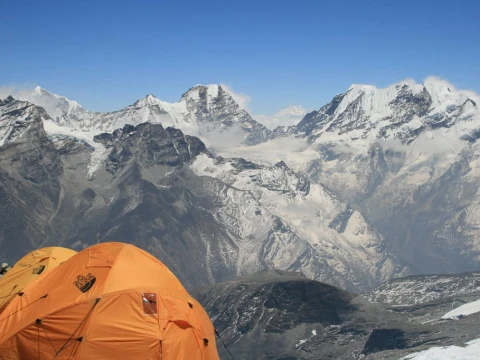
Mera Peak Climbing is one of Nepal’s most rewarding high-altitude adventures, offering an unforgettable Himalayan experience combined with cultural exploration and alpine climbing. Standing at 6,461 meters (21,199 ft), Mera Peak is the highest trekking peak in Nepal and is ideal for climbers who want to step into mountaineering without highly technical challenges. The journey begins in Kathmandu and gradually moves through remote valleys, traditional Sherpa villages, dense rhododendron forests, and high-altitude glaciers before reaching the summit.The climbing route via Paiya, Panggom, and Khare is less crowded than the classic route, making it perfect for trekkers seeking solitude and pristine landscapes. From the summit, climbers are rewarded with spectacular panoramic views of Everest, Lhotse, Makalu, Cho Oyu, and Kanchenjunga. Glacier Nepal Treks carefully designs this itinerary with proper acclimatization days, pre-climb training, and a reserve day to maximize summit success and safety.The highest trekking peak in NepalStunning views of five 8,000m peaksRemote and less crowded trekking routeIdeal for beginner mountaineersBest Season for Mera Peak ClimbingThe best seasons for Mera Peak Climbing are spring (March to May) and autumn (September to November). During spring, the weather is stable, the skies are clear, and the trekking trails are beautifully decorated with blooming rhododendrons. This season offers warmer temperatures at lower elevations and excellent summit conditions at higher altitudes.Autumn is another prime season due to its crystal-clear mountain views, dry trails, and stable weather patterns. After the monsoon, the landscapes are fresh and green, and visibility is at its best. Although winter climbing is possible, extreme cold and heavy snowfall make it more challenging. Monsoon season is generally not recommended due to flight delays and slippery trails.Best Months:March, April, MaySeptember, October, NovemberStable weather and clear visibilityMera Peak Climbing Difficulty and TransportationMera Peak is classified as a moderately difficult trekking peak, making it suitable for trekkers with good physical fitness and some high-altitude trekking experience. Technical climbing skills are not mandatory, but basic knowledge of crampons, ice axes, and rope techniques is required. Glacier Nepal Treks provides pre-climb training at Khare to ensure climbers are confident and prepared.Transportation plays a vital role in the adventure. The journey includes a scenic flight from Kathmandu to Lukla, one of the most thrilling mountain airports in the world. From Lukla, the trek progresses gradually through remote regions, allowing climbers to acclimatize properly before summit day.Difficulty Factors:High altitude and long trekking daysGlacier walking and snow climbingRequires good stamina and mental strengthFood and Accommodation for Mera Peak ClimbingDuring the trek, accommodation is provided in local teahouses and lodges, offering basic but comfortable facilities. Rooms are usually twin-sharing with shared bathrooms at lower elevations. At higher camps, especially Mera High Camp, accommodation is in well-equipped tents managed by Glacier Nepal Treks’s experienced climbing crew.Meals are nutritious and designed to maintain energy levels at high altitude. Trekkers can enjoy traditional Nepali food such as dal bhat, as well as international options like pasta, noodles, soup, potatoes, eggs, and porridge. Special hygienic care is taken during food preparation, especially at higher altitudes.Food & Stay Features:Clean teahouses during trekTent camping at High CampHigh-energy and hygienic mealsMera Peak Climbing PermitsMera Peak Climbing requires several official permits regulated by the Nepal Government and Nepal Mountaineering Association (NMA). Glacier Nepal Treks arranges all necessary permits, ensuring a hassle-free experience for climbers. These permits help conserve the environment and support local communities. Required permits include the Mera Peak Climbing Permit, Makalu Barun National Park Permit, and TIMS Card. Permit costs vary depending on the season, with spring being the most expensive and winter the least.Required Permits:NMA Mera Peak Climbing PermitMakalu Barun National Park PermitTIMS CardWhy Choose Mera Peak Climbing with Glacier Nepal TreksChoosing Glacier Nepal Treks for your Mera Peak Climbing adventure means choosing safety, experience, and personalized service. Our team consists of highly experienced, government-licensed guides and climbing Sherpas who have successfully summited Mera Peak multiple times. We prioritize acclimatization, safety protocols, and proper logistics to ensure a successful and enjoyable climb.Glacier Nepal Treks is committed to responsible tourism, fair treatment of staff, and customer satisfaction. From airport pickup to final departure, every detail is professionally managed, allowing you to focus entirely on your adventure and achievement.Why Glacier Nepal Treks:Experienced climbing guides and SherpasHigh summit success ratePersonalized and flexible itinerariesStrong focus on safety and acclimatization
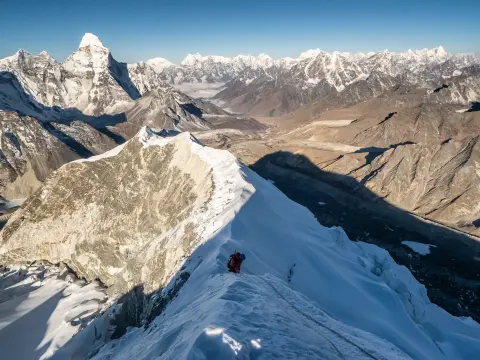
Island Peak Climbing, also known as Imja Tse (6,189 m / 20,305 ft), is one of Nepal’s most popular trekking peaks and a perfect introduction to Himalayan mountaineering. Located in the heart of the Everest region, Island Peak rises dramatically above the Imja Valley and offers climbers an unforgettable blend of high-altitude trekking, technical climbing, and breathtaking alpine scenery. The journey combines the classic Everest Base Camp trail with an adventurous summit push, making it ideal for trekkers who want to step into the world of mountaineering.The carefully designed itinerary allows for proper acclimatization through stops at Namche Bazaar and Dingboche, ensuring safety and comfort at altitude. Along the way, climbers pass through traditional Sherpa villages, ancient monasteries like Tengboche, and glacial valleys surrounded by towering peaks such as Ama Dablam, Lhotse, Nuptse, and Mount Everest. Reaching Island Peak Base Camp itself is a major achievement, offering stunning views of icefalls and surrounding summits.The summit day is the highlight of the expedition, involving glacier travel, fixed ropes, and a thrilling ridge climb to the top. Standing on the summit delivers an immense sense of accomplishment and panoramic views of the eastern Himalayas. With Glacier Nepal Treks, the climb is conducted with experienced guides, quality equipment, and a strong emphasis on safety and success, making the adventure both challenging and deeply rewarding.Peak height: 6,189 m (20,305 ft)Combines trekking and mountaineeringStunning Everest region sceneryIdeal first Himalayan climbing peakFully guided by Glacier Nepal Treks expertsBest Season for Island Peak ClimbingChoosing the right season is crucial for a successful and enjoyable Island Peak Climbing experience. The best seasons are spring (March–May) and autumn (September–November), when weather conditions are stable, and mountain views are at their best. During these months, climbers benefit from clearer skies, moderate temperatures, and safer climbing conditions on the glacier and summit ridge.Spring is particularly popular as the weather gradually warms and the Himalayas come alive with blooming rhododendrons at lower elevations. Snow conditions during spring are often ideal for climbing, providing good grip on the glacier and headwall. This season also attracts climbers preparing for higher expeditions, creating a vibrant mountaineering atmosphere along the trail.Autumn, on the other hand, offers crisp air, minimal rainfall, and excellent visibility after the monsoon season. The landscapes appear fresh and clean, and the trekking trails are lively with fellow adventurers. Autumn is especially favored for its stable weather window, making summit success rates high. While winter and monsoon climbs are possible, they are generally recommended only for highly experienced climbers due to extreme cold or heavy snowfall.Best season summary:Spring (March–May): warmer, excellent snow conditionsAutumn (September–November): clear skies, stable weatherAvoid the monsoon due to rain and cloudsWinter climbs require advanced experienceHigher success rates in peak seasonsIsland Peak Climbing Difficulty and TransportationIsland Peak Climbing is classified as a moderately challenging trekking peak, suitable for physically fit trekkers with basic mountaineering skills. While it does not require extreme technical expertise, climbers must be comfortable with long trekking days, high altitude, and using equipment such as crampons, ice axes, and fixed ropes. The most demanding part is the summit day, which involves glacier travel, ascending a steep ice headwall, and navigating a narrow ridge near the summit.Altitude is the main challenge rather than technical difficulty. Proper acclimatization days at Namche Bazaar and Dingboche significantly reduce the risk of altitude sickness. Training before the climb such as cardio workouts, hiking, and strength training greatly enhances the experience. Glacier Nepal Treks provides pre-climb briefings and on-site training at base camp to ensure climbers are confident and well-prepared.Transportation plays a key role in the adventure. The journey begins with a scenic flight from Kathmandu to Lukla, one of the world’s most thrilling mountain airstrips. From Lukla, the trek continues on foot through the Khumbu region. All logistics, including flights, porter support, and ground transfers, are professionally handled by Glacier Nepal Treks, allowing climbers to focus solely on the experience.Difficulty & transport highlights:Moderate technical difficultyHigh altitude is the main challengeRequires good fitness and preparationScenic flight from Kathmandu to LuklaFull logistical support by Glacier Nepal TreksFood and Accommodation for Island Peak ClimbingFood and accommodation during Island Peak Climbing are designed to keep climbers well-nourished, comfortable, and energized throughout the journey. Along the trekking route, accommodation is primarily in well-maintained teahouses that offer basic yet cozy rooms with twin beds, warm blankets, and shared dining areas. In popular villages like Namche Bazaar and Dingboche, teahouses are more developed, often providing hot showers, Wi-Fi, and charging facilities.As the climb progresses higher, accommodation becomes more basic, especially at Island Peak Base Camp, where climbers stay in fully serviced camping tents. Glacier Nepal Treks provides high-quality tents, sleeping mats, and dining tents to ensure safety and comfort at high altitude. The camping experience adds an authentic expedition feel to the climb.Meals are carefully planned to provide sufficient calories and nutrition. Trekkers can enjoy a variety of local and international dishes such as dal bhat, noodles, soups, pasta, rice, potatoes, eggs, and seasonal vegetables. At base camp, meals are freshly prepared by experienced cooks, focusing on hygiene and energy-rich foods. Special dietary requirements can also be arranged in advance.Food & accommodation summary:Comfortable teahouses during the trekFully supported camping at base campNutritious, high-energy mealsHygienic food preparationDietary needs accommodatedIsland Peak Climbing PermitsIsland Peak Climbing requires several official permits to ensure legal access and environmental conservation in the Everest region. These permits are mandatory and must be arranged before starting the climb. One of the key permits is the Island Peak Climbing Permit, issued by the Nepal Mountaineering Association (NMA). The cost of this permit varies by season, with spring being the most expensive due to high demand.In addition to the climbing permit, trekkers need the Sagarmatha National Park Entry Permit, which supports conservation efforts in the Everest region. Another essential document is the Khumbu Pasang Lhamu Rural Municipality Permit, which replaces the former TIMS card requirement for this area. These permits are checked at various points along the trail.Handling permits can be confusing for first-time visitors, but Glacier Nepal Treks manages all paperwork efficiently on behalf of clients. This ensures a smooth, hassle-free experience and allows climbers to focus on preparation and enjoyment. Having permits arranged in advance also prevents delays during the trek.Required permits:Island Peak Climbing Permit (NMA)Sagarmatha National Park PermitKhumbu Rural Municipality PermitAll permits arranged by Glacier Nepal TreksNo administrative stress for climbersWhy Choose Island Peak Climbing with Glacier Nepal TreksChoosing the right company is vital for a safe and successful Island Peak Climbing experience, and Glacier Nepal Treks stands out for its professionalism, local expertise, and commitment to client satisfaction. With years of experience in the Everest region, the company offers well-planned itineraries that prioritize acclimatization, safety, and summit success. Their climbing guides are certified, highly experienced, and deeply familiar with the terrain and conditions.Glacier Nepal Treks provides a personalized approach, whether you are a first-time climber or an experienced trekker looking to expand your skills. Small group sizes, quality equipment, and thorough pre-climb training ensure that every climber feels confident and supported. Safety protocols, emergency response plans, and ethical trekking practices are strictly followed throughout the expedition.Beyond logistics, the company emphasizes cultural connection and environmental responsibility. By working closely with local Sherpa communities and using eco-friendly practices, Glacier Nepal Treks ensures that your adventure contributes positively to the region. Their transparent pricing, responsive communication, and excellent client reviews make them a trusted choice for Himalayan adventures.Why Glacier Nepal Treks:Experienced, certified climbing guidesHigh success and safety recordPersonalized and ethical serviceComplete logistical supportTrusted local trekking company
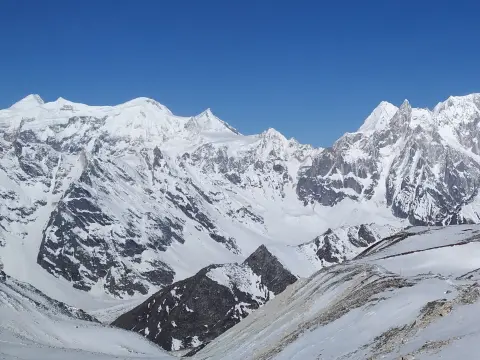
Pisang Peak is a prominent trekking peak located in the Manang region of the Annapurna range in Nepal. Standing at 6,091 meters (19,985 ft), it offers an exciting mix of trekking and mountaineering, making it an ideal peak for both beginners and experienced climbers who want to experience high-altitude mountaineering in the Himalayas. The climb provides breathtaking views of the Annapurna II, Annapurna III, Lamjung Himal, and Pisang Himal peaks, along with a chance to explore the rich culture and lifestyle of the local Gurung and Manangi communities. Glacier Nepal Treks ensures a well-organized expedition, providing professional guides, porters, and logistical support to make the climb safe and enjoyable.The Pisang Peak climbing itinerary typically starts from Kathmandu and takes trekkers through beautiful villages, lush forests, and dramatic landscapes. Along the way, climbers experience acclimatization days, high mountain passes, and base camp setups that prepare them for the summit. The climb itself is a combination of snow and ice climbing, with the final ascent requiring proper technical equipment and guidance. Overall, it is a perfect opportunity for adventurers who want a mix of trekking, culture, and mountaineering in one expedition.Summit height: 6,091 meters (19,985 ft)Spectacular views of Annapurna II, Annapurna III, and Pisang HimalTrek through Manang Valley and traditional Gurung villagesGlacier Nepal Treks provides professional climbing supportBest Season for Pisang Peak ClimbingThe optimal season for climbing Pisang Peak is either pre-monsoon (March to May) or post-monsoon (September to November). During these periods, the weather is relatively stable, skies are clear, and temperatures are more manageable for high-altitude trekking and climbing. In the pre-monsoon season, the snow conditions are usually ideal for climbing, and the flora in the lower regions of Manang and Upper Pisang is at its peak bloom, offering vibrant scenery. Post-monsoon offers crisp air, clear skies, and outstanding panoramic views of the Annapurna and Dhaulagiri ranges.Climbing during the winter months (December to February) is challenging due to heavy snow and extreme cold, while the monsoon season (June to August) is generally avoided because of slippery trails, risk of landslides, and unpredictable weather. Glacier Nepal Treks customizes itineraries depending on the season to ensure maximum safety and enjoyment. Climbers are also advised to plan acclimatization days during these windows to reduce the risk of altitude sickness.Season Highlights:Pre-monsoon (March–May): Ideal snow conditions, blooming floraPost-monsoon (September–November): Clear skies, panoramic Himalayan viewsWinter and monsoon seasons are not recommendedBest time ensures a safe and scenic Pisang Peak climbPisang Peak Climbing Difficulty and TransportationPisang Peak is considered a moderately challenging trekking peak. While it is suitable for beginners with prior trekking experience, the climb involves glacier travel, snow, and ice slopes, which require proper guidance, technical climbing equipment, and a trained team. The ascent is gradual, allowing trekkers to acclimatize properly at villages like Chame, Upper Pisang, and Manang. Glacier Nepal Treks provides expert climbing guides, safety briefings, and ensures all climbers are well-prepared for the technical sections. The high camp and summit push require stamina, mental focus, and adherence to safety protocols.Transportation to the starting point of the climb is convenient. Most expeditions begin in Kathmandu, from where climbers take a scenic drive to Jagat. The journey passes through winding roads, river valleys, and terraced fields, giving travelers a glimpse of rural Nepal. After reaching the trailhead, all trekking and climbing are done on foot, with porters carrying heavy loads and support staff assisting at camps. Glacier Nepal Treks manages all logistics, including transportation, porters, and permits, ensuring a smooth experience.Key Points:Moderate difficulty; suitable for trekkers with some experienceInvolves glacier travel, snow slopes, and technical climbing sectionsGradual acclimatization through villages like Chame, Pisang, and ManangTransportation: Drive from Kathmandu to Jagat, then trek on footFood and Accommodation for Pisang Peak ClimbingDuring the Pisang Peak expedition, trekkers enjoy a mix of local and international cuisine at teahouses, lodges, and base camps. Lower-altitude villages like Jagat, Dharapani, and Chame have cozy lodges offering traditional Nepali food such as dal bhat (lentil soup with rice), momo (dumplings), noodles, and soups. As you ascend to Upper Pisang and Manang, meals are slightly more limited but still sufficient to provide energy for trekking and acclimatization. Glacier Nepal Treks ensures climbers have access to hot meals and sufficient nutrition to sustain high-altitude energy requirements.Accommodation is simple but comfortable, with shared rooms, blankets, and heating options at lodges. At higher altitudes, especially at Pisang Peak Base Camp and High Camp, tents are provided. These are sturdy, weatherproof, and equipped with sleeping bags. The combination of teahouse stays and high-altitude camps allows climbers to rest adequately before summit attempts. Guides and porters also help with setup, meal preparation, and safety monitoring, ensuring a smooth experience even in remote areas.Food & Accommodation Highlights:Teahouses and lodges in villages up to ManangTented camps at Base Camp and High CampTraditional Nepali and energy-rich meals were providedGlacier Nepal Treks handles meal prep, accommodation, and logisticsPisang Peak Climbing PermitsClimbing Pisang Peak requires a combination of trekking and climbing permits. Trekkers must obtain the Annapurna Conservation Area Permit (ACAP) and the Trekking Peak Permit issued by the Nepal Mountaineering Association (NMA). ACAP ensures the preservation of the Annapurna region’s natural and cultural heritage, while the climbing permit regulates safe mountaineering practices. Glacier Nepal Treks assists in obtaining all necessary permits before the trek, saving time and ensuring full compliance with local regulations.Permits also provide emergency support in case of altitude sickness, accidents, or rescue operations. The cost of permits varies depending on nationality, peak, and duration. It is crucial to carry original permits during the trek, as authorities frequently check them at checkpoints along the route. Glacier Nepal Treks ensures that permits are issued in advance, allowing climbers to focus on trekking and acclimatization without administrative stress.Permit Highlights:Annapurna Conservation Area Permit (ACAP) requiredPisang Peak Trekking Peak Permit from NMA requiredGlacier Nepal Treks arranges permits in advancePermits ensure legality, safety, and environmental protectionWhy Choose Pisang Peak Climbing with Glacier Nepal TreksChoosing Glacier Nepal Treks for your Pisang Peak expedition guarantees a professional and memorable experience. The company has years of expertise in high-altitude treks and climbing, ensuring safety, comfort, and cultural immersion. Their team includes certified guides, experienced mountaineers, and trained porters who manage all logistics, from transportation to high camp arrangements. The personalized service helps climbers focus on the adventure without worrying about equipment, route planning, or meals.Beyond logistics, Glacier Nepal Treks emphasizes acclimatization, safety protocols, and sustainable tourism practices. Their guides educate trekkers about local culture, environment, and mountain safety. Choosing this company also provides a structured itinerary with contingency days for weather delays or acclimatization, maximizing the chances of a successful summit. In essence, climbers benefit from professional support, local knowledge, and an organized approach to a challenging yet rewarding Himalayan adventure.Why Glacier Nepal Treks:Experienced guides and porters for safety and supportFull logistical support: permits, transport, accommodation, mealsFocus on acclimatization and summit successEmphasis on safety, sustainability, and local cultural experiences
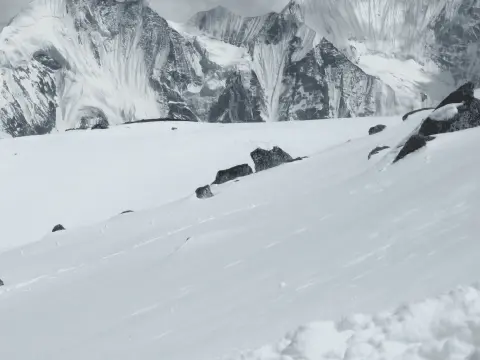
Lobuche Peak, rising to 6,119 meters (20,075 feet), is one of the most popular trekking peaks in Nepal, located in the Khumbu region near the Everest Base Camp. It offers adventurers a challenging yet achievable climb, combining high-altitude trekking with technical mountaineering. Unlike Everest, Lobuche provides a real summit experience without requiring extensive technical skills, making it a perfect choice for trekkers seeking an introduction to Himalayan mountaineering. The peak is divided into two parts: Lobuche East, which is more challenging and technically demanding, and Lobuche West, which is slightly easier but still requires careful preparation and acclimatization.The climbing route passes through breathtaking landscapes, including glacial moraine, rugged ridges, and panoramic views of iconic peaks like Everest, Lhotse, Nuptse, and Ama Dablam. Trekkers spend several days acclimatizing in villages such as Dingboche and Gorak Shep, ensuring a safe ascent. Organized by Glacier Nepal Treks, the expedition is carefully planned to balance trekking, acclimatization, and climbing, allowing climbers to experience both the beauty of the Khumbu region and the thrill of reaching a Himalayan summit.Height: 6,119 meters (20,075 ft)Location: Khumbu region, NepalTypes: Lobuche East (technical), Lobuche West (moderate)Organized by: Glacier Nepal TreksBest Season for Lobuche Peak ClimbingThe ideal climbing seasons for Lobuche Peak are spring (March to May) and autumn (September to November). During these periods, the weather is relatively stable, skies are clear, and temperatures, though cold, are manageable for high-altitude climbing. Spring offers the added bonus of blooming rhododendrons and stunning views of the Himalayan landscape, while autumn provides crisp air and less crowded trails, making the experience more enjoyable.Winter climbs are extremely challenging due to heavy snow, icy conditions, and bitter temperatures, whereas summer (monsoon) is not recommended because of frequent heavy rains, cloud cover, and high risks of landslides and avalanches. Planning your expedition during the recommended seasons ensures better safety, visibility, and overall enjoyment. Glacier Nepal Treks provides guidance on selecting the best windows for your climb and tailors itineraries to maximize acclimatization and summit success.Short points:Best seasons: Spring (Mar–May) & Autumn (Sep–Nov)Avoid: Monsoon (Jun–Aug) & Winter (Dec–Feb)Clear skies and stable weather are ideal for the summitLobuche Peak Climbing Difficulty and TransportationLobuche Peak is considered a moderate-to-difficult trekking peak, requiring climbers to have prior trekking experience and a reasonable fitness level. Lobuche West is technically easier, involving steep snow and ice slopes, while Lobuche East requires the use of crampons, ice axes, and rope techniques. The climb demands endurance, careful acclimatization, and familiarity with high-altitude conditions, as altitude sickness is a potential risk above 5,000 meters.Transportation begins with a flight from Kathmandu to Lukla, followed by a series of treks through Phakding, Namche Bazaar, Tengboche, Dingboche, and Lobuche village. Each trekking day gradually ascends, allowing climbers to acclimatize before the high-altitude push to the summit. Glacier Nepal Treks organizes all transport logistics, including flights, porters, guides, and climbing equipment, ensuring a seamless journey from Kathmandu to the peak.Short points:Difficulty: Moderate to challengingTechnical requirements: Snow/ice climbing skills for East, basic for WestTransportation: Kathmandu → Lukla flight → Trekking via Khumbu villagesAltitude risks: Acclimatization is essentialFood and Accommodation for Lobuche Peak ClimbingDuring the trek to Lobuche Peak, climbers stay in a combination of teahouses and high-altitude tents. In villages like Namche Bazaar and Dingboche, teahouses provide hot meals, beds, and basic amenities. At higher altitudes, especially near Lobuche High Camp and the summit approach, Glacier Nepal Treks sets up camping facilities with sleeping tents, dining tents, and kitchen tents to ensure climbers are well-rested and nourished.The cuisine typically includes a mix of local Nepali dishes like dal bhat (rice and lentils), noodles, soups, and energy-rich foods. For climbers, the Glacier Nepal Treks also provides additional supplements such as protein bars, dried fruits, and warm beverages. Hydration and a high-calorie diet are critical at high altitude to maintain energy for the demanding ascent.Short points:Lodging: Teahouses (lower altitude), Tents (high altitude)Food: Local Nepali cuisine, high-energy snacksEssential: Hydration and calorie-rich mealsLobuche Peak Climbing PermitsClimbing Lobuche Peak requires official permits from the Nepal government, which are strictly managed to ensure safety and regulation. These include the Trekking Peak Permit from the Nepal Mountaineering Association (NMA) and the Sagarmatha National Park Permit, as Lobuche lies within the park boundaries. Permits are mandatory and must be carried at all times during the trek and climb.Glacier Nepal Treks handles all permit arrangements as part of their expedition package. This ensures climbers don’t have to worry about bureaucracy and can focus on acclimatization, trekking, and summit preparation. The permits also cover environmental regulations, ensuring minimal impact on the fragile Himalayan ecosystem.Short points:Required permits: NMA Trekking Peak Permit, Sagarmatha National Park PermitOrganized by: Glacier Nepal TreksPurpose: Safety, regulation, environmental protectionWhy Choose Lobuche Peak Climbing with Glacier Nepal TreksChoosing Glacier Nepal Treks for Lobuche Peak Climbing ensures a well-organized, safe, and enjoyable expedition. The company provides experienced high-altitude guides, support staff, and proper equipment, crucial for navigating technical snow and ice sections. Their itineraries are thoughtfully designed for proper acclimatization, increasing the chances of a successful summit while minimizing the risk of altitude sickness.Additionally, Glacier Nepal Treks emphasizes sustainable tourism and cultural experiences, offering opportunities to interact with Sherpa communities and explore iconic Khumbu landmarks. Their personalized service, safety protocols, and deep local knowledge make them a top choice for both first-time climbers and seasoned adventurers seeking the thrill of a Himalayan summit without unnecessary risk or stress.Short points:Experienced guides and support staffAcclimatization-focused itinerarySustainable tourism and cultural immersionSafety and equipment management
Feel free to inquire, and together, we'll design the perfect journey to suit your preferences and desires.


 (31)
(31)  94% recommend (244)
 (12)
(12)