Need help with booking? Send us a message.
Discover the untouched beauty of the Kanchenjunga region, one of Nepal’s most remote trekking destinations. Journey through dense forests, high alpine valleys, and traditional villages in the shadow of Kangchenjunga. Enjoy dramatic mountain scenery, peaceful trails, and an authentic Himalayan adventure far from the crowds.
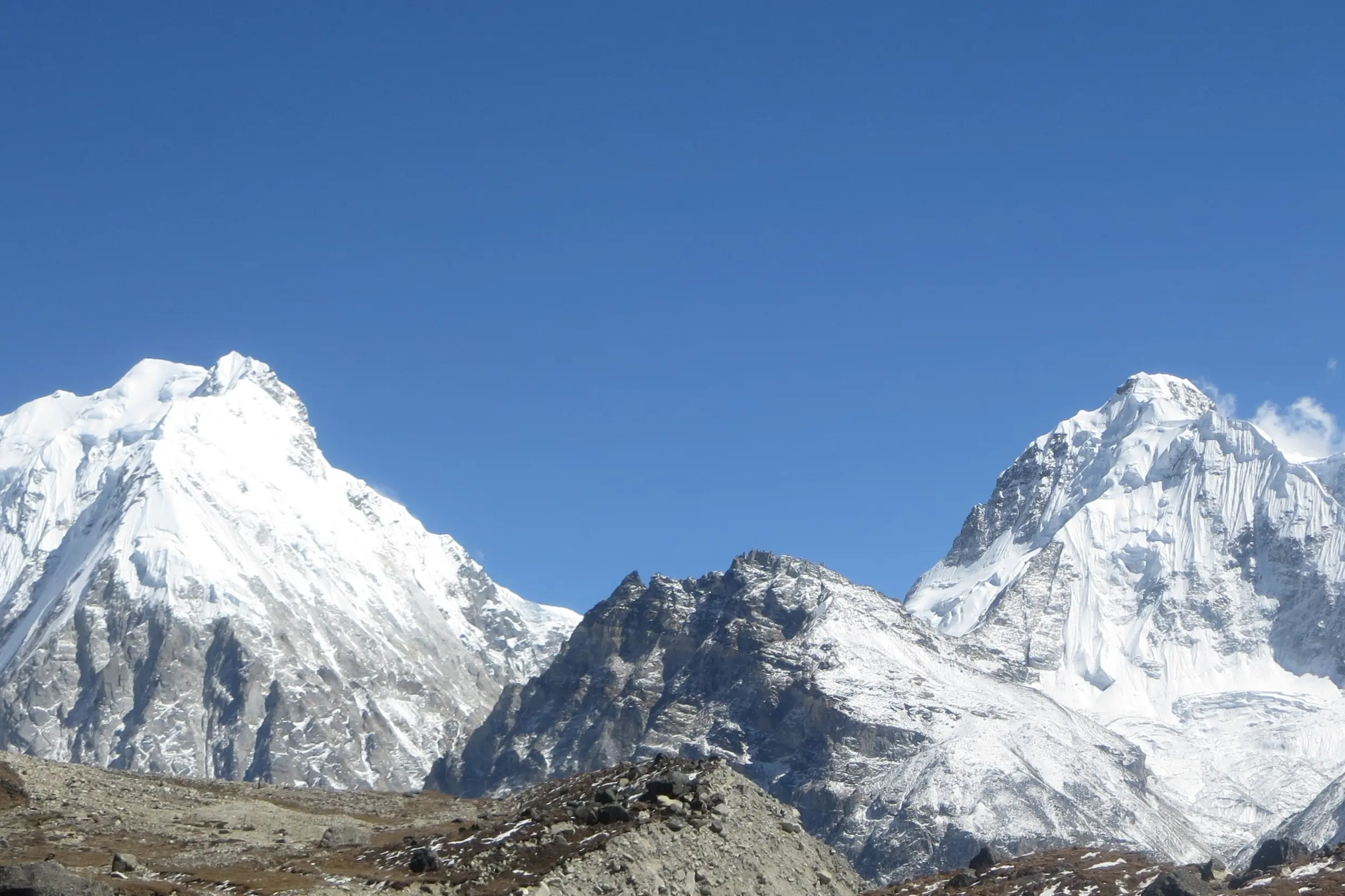
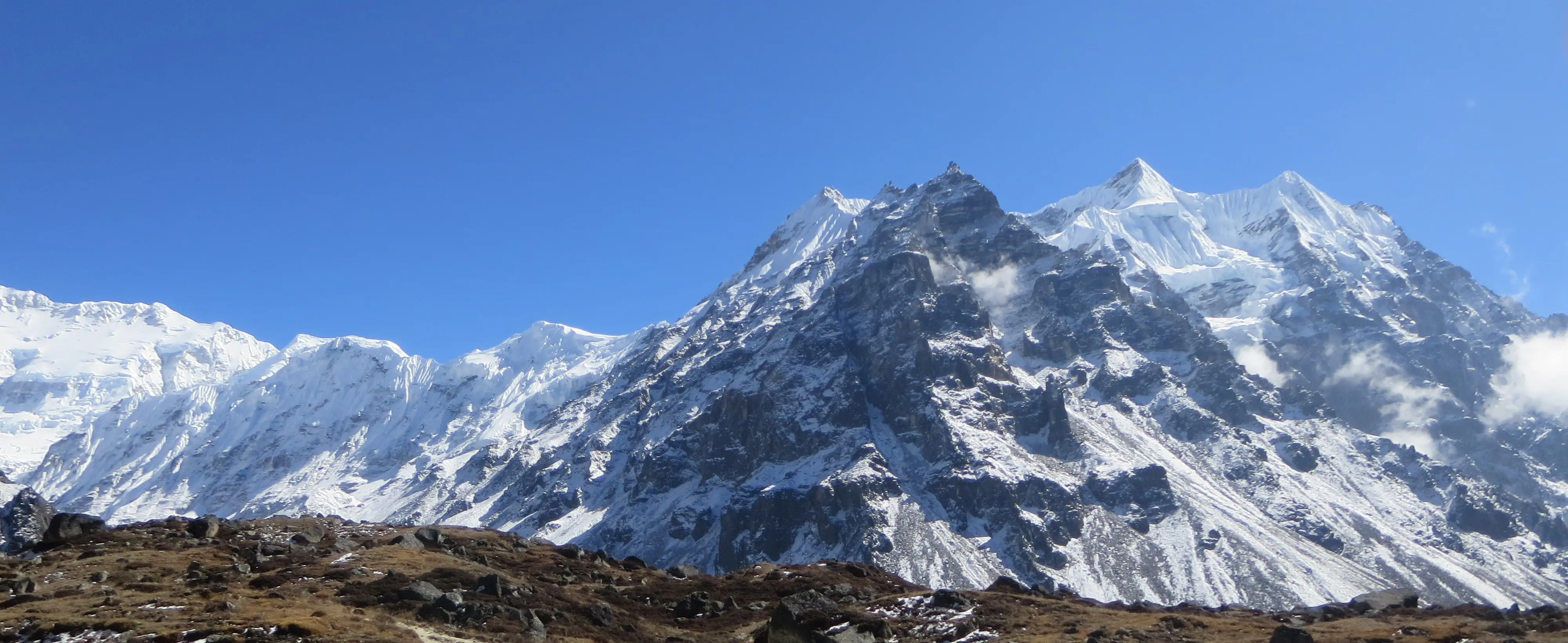
The Kanchenjunga Circuit Trek is one of Nepal’s most remote, wild, and culturally rich trekking adventures, circling the majestic Mount Kanchenjunga (8,586m), the world’s third-highest peak. This trek takes you deep into eastern Nepal, far away from crowded trekking routes, offering pristine landscapes, untouched forests, and authentic Himalayan village life. From lush lowland valleys near Bhadrapur to alpine meadows and glacial moraines, the journey is incredibly diverse and rewarding.
The trek follows both the North and South Base Camps of Kanchenjunga, allowing trekkers to experience dramatic mountain views from multiple perspectives. Along the route, you pass through traditional Limbu, Rai, and Tibetan-influenced villages such as Ghunsa, Kambachen, and Cheram. The itinerary includes proper acclimatization days, gradual altitude gain, and scenic high passes like Sele La, ensuring both safety and adventure.
With Glacier Nepal Treks, the journey is carefully organized from arrival in Kathmandu to final departure. The company manages permits, flights, ground transportation, experienced guides, porters, and accommodation, making this challenging trek smooth and enjoyable. This is a true expedition-style trek, ideal for trekkers seeking solitude, nature, and cultural immersion.
Choosing the right season is crucial for the Kanchenjunga Circuit Trek, as this region lies in a remote and weather-sensitive area of eastern Nepal. The best seasons are spring (March to May) and autumn (September to November), when weather conditions are stable, skies are clear, and mountain views are at their best.
Spring is particularly beautiful as rhododendron forests bloom in vibrant red, pink, and white colors, especially between Taplejung and Ghunsa. Temperatures are moderate at lower elevations and cold but manageable at higher camps like Lonak and Ramche. Wildlife sightings, including blue sheep and Himalayan birds, are more common during this season.
Autumn is considered the most popular trekking season due to crystal-clear visibility and dry trails. After the monsoon, the mountains appear fresh and sharp, offering stunning views of Kanchenjunga, Jannu, and the surrounding peaks. Days are sunny, while nights are cold at higher altitudes, making it ideal for experienced trekkers.
Winter trekking is possible but extremely cold, especially above 4,000 meters, while the monsoon season brings heavy rainfall, landslides, and leeches, making it less suitable. Glacier Nepal Treks carefully selects trekking windows and monitors weather conditions to ensure safety and comfort.
Best Seasons Summary:
The Kanchenjunga Circuit Trek is classified as a challenging and strenuous trek, suitable for physically fit trekkers with prior high-altitude trekking experience. The route involves long walking days, steep ascents and descents, high passes above 4,000 meters, and remote conditions with limited facilities. Proper acclimatization is essential, especially around Ghunsa, Kambachen, and Lonak.
Altitude sickness is a serious concern due to the trek’s gradual climb beyond 5,000 meters at Kanchenjunga North Base Camp. Glacier crossings, rocky moraines, and unpredictable mountain weather add to the difficulty. However, with a well-planned itinerary, experienced guides, and rest days, the trek is achievable for determined adventurers.
Transportation is also an adventure in itself. The journey begins with a domestic flight from Kathmandu to Bhadrapur, followed by long scenic drives through eastern hill regions to Taplejung and Sekathum. Road conditions can be rough, but Glacier Nepal Treks arranges reliable vehicles and experienced drivers to ensure safety.
Due to the restricted nature of the region, independent trekking is not allowed. Glacier Nepal Treks provides licensed guides, porters, and full logistical support, allowing trekkers to focus on the experience rather than the challenges.
Difficulty & Transport Overview:
Food and accommodation along the Kanchenjunga Circuit Trek are basic but nourishing, reflecting the remoteness of the region. Most accommodations are local teahouses or simple lodges, especially in villages like Sekathum, Ghunsa, Kambachen, and Cheram. Rooms usually have twin beds with blankets, while toilets are often shared and sometimes located outside.
As you gain altitude, facilities become more limited, and heating is usually available only in dining areas. Despite the simplicity, local hosts are welcoming and do their best to provide comfort in challenging terrain. Glacier Nepal Treks carefully selects the best available lodges and ensures clean, safe accommodation throughout the trek.
Meals are hearty and designed to provide energy for long trekking days. Common dishes include dal bhat (rice, lentils, vegetables), noodles, soups, potatoes, tsampa, and Tibetan bread. In higher regions, food choices are limited, but hot meals and drinks are always available. Trekkers are encouraged to eat well and stay hydrated.
Glacier Nepal Treks also accommodates special dietary needs when possible and ensures hygienic food practices, which is crucial in remote areas.
Food & Accommodation Highlights:
The Kanchenjunga region is a restricted trekking area, and obtaining the correct permits is mandatory. Trekkers must have a Restricted Area Permit (RAP) as well as a Kanchenjunga Conservation Area Permit (KCAP). These permits help preserve the fragile ecosystem and support local communities.
The Restricted Area Permit requires trekkers to travel in a group of at least two people and to be accompanied by a licensed trekking guide. Independent trekking is not allowed in this region. Glacier Nepal Treks handles all permit procedures efficiently, saving trekkers time and stress.
Permit processing usually takes a few working days in Kathmandu. Glacier Nepal Treks ensures all documents, including passport copies, photos, and itinerary approvals, are prepared correctly. With professional handling, trekkers can focus on preparation and enjoyment.
Required Permits:
Choosing the Kanchenjunga Circuit Trek means choosing one of Nepal’s last truly wild trekking experiences. Unlike Everest or Annapurna, this trek offers solitude, raw landscapes, and deep cultural encounters. It is ideal for trekkers who seek adventure beyond popular trails and want to experience the Himalayas in their purest form.
With Glacier Nepal Treks, you gain a trusted local company with extensive experience in remote Himalayan trekking. Their professional guides, carefully planned itineraries, safety-first approach, and personalized service ensure a memorable and secure journey. The company emphasizes responsible tourism, supporting local communities, and protecting the environment.
This trek rewards you with towering peaks, massive glaciers, peaceful monasteries, and a strong sense of achievement. It is not just a trek, but a life-changing expedition.
Why Trek with Glacier Nepal Treks:
Upon your arrival at Tribhuvan International Airport in Kathmandu, a representative from Glacier Nepal Treks will warmly welcome you and assist with your transfer to the hotel. After checking in, you can rest from your journey or take a short walk around the lively streets of Thamel to experience Nepal’s vibrant culture. In the evening, there will be a brief orientation meeting where your trek guide will introduce the Kanchenjunga Circuit adventure, discuss safety measures, and answer questions. This day is designed to help you recover from travel fatigue and prepare mentally and physically for the journey ahead.
This day is dedicated to essential trek preparations and cultural exploration. Glacier Nepal Treks will handle all required permits, including the Kanchenjunga Conservation Area Permit and Restricted Area Permit. While paperwork is processed, you will enjoy a guided sightseeing tour of Kathmandu Valley, visiting UNESCO World Heritage Sites such as Pashupatinath Temple, Boudhanath Stupa, and Kathmandu Durbar Square. These historical landmarks offer insight into Nepal’s rich spiritual and architectural heritage. In the evening, final gear checks are completed, ensuring everything is ready for the remote trekking days ahead.
Early in the morning, you will be transferred to the domestic airport for a scenic flight to Bhadrapur in eastern Nepal. The flight offers stunning aerial views of rolling hills, rivers, and changing landscapes as you descend to the lowlands. Upon arrival, the warmer climate is immediately noticeable. After meeting the trekking crew, you will transfer to a comfortable hotel. The remainder of the day is for rest and light exploration of the local area. This transition day helps you adjust gradually before heading into the Himalayan foothills.
Today involves a long but scenic drive from the plains of Bhadrapur to the hill town of Taplejung. The journey passes through lush tea gardens, terraced farmland, and traditional villages, offering a glimpse into rural eastern Nepal. As the road ascends, the air becomes cooler and mountain views begin to emerge. Glacier Nepal Treks ensures comfortable transportation with experienced drivers familiar with the terrain. Upon reaching Taplejung, you will check into a local lodge. The evening is free to rest and enjoy the peaceful mountain atmosphere.
After breakfast, the adventure continues with a rugged drive toward Sekathum, the gateway to the Kanchenjunga trekking region. The road winds through remote valleys, dense forests, and alongside roaring rivers. Although challenging, the drive is rewarding with dramatic scenery and limited human settlement. Sekathum lies at the confluence of the Tamor and Ghunsa rivers, surrounded by steep hills. Upon arrival, you will settle into a simple lodge. This marks the transition from road travel to trekking, and excitement builds for the days ahead.
Your first trekking day begins with a gradual ascent through lush forests of bamboo and rhododendron. The trail is narrow and sometimes steep, following the river and crossing suspension bridges. As you gain altitude, the surroundings become quieter and more pristine. Small settlements and prayer flags appear along the route, reflecting Tibetan Buddhist influence. Glacier Nepal Treks guides maintain a steady pace to ensure comfort and safety. After several hours of trekking, you reach Amjilasa, a small village nestled among forested slopes, where you will rest overnight.
Today’s trek continues through dense forests and along the Ghunsa River. The trail gradually climbs, offering occasional glimpses of waterfalls and snow-capped peaks through the trees. You may encounter yaks and herders along the way, adding to the authentic Himalayan experience. The air becomes cooler as altitude increases, and your guide will monitor acclimatization closely. Upon reaching Gyabla, a traditional Tibetan-style village, you will stay in a local teahouse. The peaceful environment makes this an ideal place to relax and enjoy the mountain setting.
The trail today opens into a wider valley as you trek toward Ghunsa, one of the largest and most important villages in the region. You pass through pine and juniper forests, with increasing views of surrounding peaks. Ghunsa is a culturally rich settlement inhabited mainly by the Sherpa and Tibetan communities. Glacier Nepal Treks arranges a comfortable lodge stay here. In the afternoon, you can explore the village, visit the monastery, and observe daily mountain life. This is a key acclimatization stop before heading higher.
To support proper acclimatization, you will spend an extra day in Ghunsa. A short hike to Ghunsa Ri provides excellent panoramic views of the surrounding mountains, including parts of the Kanchenjunga range. This active rest day helps your body adapt to the altitude while keeping muscles engaged. After the hike, you return to Ghunsa for lunch and rest. The afternoon can be spent interacting with locals, enjoying the peaceful atmosphere, or preparing for higher elevations. Glacier Nepal Treks emphasizes acclimatization for safety and success.
Leaving Ghunsa, the trail gradually ascends through rocky terrain and alpine landscapes. Vegetation becomes sparse, and the views more dramatic as you approach higher elevations. The path follows glacial moraines and riverbeds, offering close-up views of snow-covered peaks. The pace is slow and steady to manage altitude gain. Upon reaching Kambachen, a small settlement surrounded by towering mountains, you will settle into a basic lodge. The cold is more noticeable here, but the breathtaking scenery makes the effort worthwhile.
This is a challenging but rewarding trekking day as you move deeper into the high alpine zone. The trail crosses barren landscapes shaped by glaciers and ancient ice flows. Along the way, you may spot blue sheep or Himalayan birds adapted to the harsh environment. As you approach Lonak, the terrain becomes stark and remote, with vast open spaces and towering peaks. Glacier Nepal Treks ensures careful pacing and regular breaks. Lonak is a seasonal settlement with basic facilities, offering an unforgettable high-altitude experience.
Today is one of the highlights of the entire trek. After an early start, you trek toward Kanchenjunga North Base Camp, following a glacial path with incredible views of Kanchenjunga, the world’s third-highest mountain. The air is thin, and movement is slow, but the sense of achievement is immense. Upon reaching the base camp, you have time to take photos, absorb the dramatic surroundings, and celebrate this milestone. After spending quality time at base camp, you return to Lonak for overnight rest.
The return journey begins as you retrace your steps back toward Ghunsa. Descending allows for easier breathing and a more relaxed pace. The familiar trail offers new perspectives as the landscape gradually changes from barren high-altitude terrain to alpine valleys. Passing through Kambachen, you continue down to Ghunsa, where warmer temperatures and richer vegetation welcome you back. Glacier Nepal Treks ensures a comfortable stay, and the evening is perfect for reflecting on the achievement of reaching the north base camp.
Today’s trek is demanding, involving a steep ascent toward the high passes of the Sele La region. The trail climbs through rocky slopes and open alpine terrain. As you gain altitude, panoramic views of surrounding peaks unfold, making the effort worthwhile. The campsite at Sele La is exposed and cold, but it offers a true high-mountain experience. Glacier Nepal Treks provides well-organized camping or lodge arrangements, along with warm meals. Early rest is important, as the next day involves crossing high passes.
This day involves crossing the Sele La Passes, one of the most scenic and challenging sections of the trek. From the top, you enjoy stunning views of Kanchenjunga, Makalu, and surrounding peaks. The descent toward Cheram is gradual but long, passing through glacial valleys and alpine meadows. Upon reaching Cheram, a beautiful settlement near the Yalung Glacier, you will stay in a lodge. The atmosphere here is peaceful, and the scenery is dramatic, making it a favorite stop for many trekkers.
The trail today follows the Yalung Glacier as you head toward Ramche. The landscape is rugged, with icy streams, moraines, and towering peaks surrounding you. As altitude increases, the pace slows, but the proximity to Kanchenjunga South Face is awe-inspiring. Ramche is a high-altitude campsite used mainly by trekkers and herders. Glacier Nepal Treks ensures proper rest, warm meals, and close monitoring of health. The night here is cold, but anticipation builds for the next day’s viewpoint hike.
Early in the morning, you hike to Oktang Viewpoint, one of the best vantage points of the Kanchenjunga massif. From here, you can see the south face of Kanchenjunga in stunning detail, along with surrounding glaciers and peaks. The sunrise views are particularly spectacular. After spending time at the viewpoint, you descend back to Ramche for breakfast and rest. This day is shorter but incredibly rewarding, offering some of the most iconic scenery of the entire trek.
Today marks a significant descent as you leave the high alpine zone and head toward lower elevations. The trail drops steadily through rocky paths, alpine meadows, and eventually into greener landscapes. As oxygen levels increase, energy returns, making the trek more comfortable. Tortang is a small settlement surrounded by forested hills, offering a warmer and more relaxed environment. Glacier Nepal Treks arranges a cozy lodge stay, allowing you to enjoy the comfort of lower altitude after several demanding days.
The trail continues descending through dense forests, crossing rivers and suspension bridges along the way. You pass through remote villages and farmland, experiencing a gradual return to everyday rural life. The sound of flowing rivers and birdlife accompanies the trek. Upon reaching Sekathum, where your trekking journey began, there is a sense of completion and accomplishment. You stay overnight in a local lodge, enjoying a final evening in the mountains with your trekking team.
After breakfast, you begin the drive from Sekathum to Ilam, a region famous for its lush tea gardens and cool climate. The road passes through rolling hills, terraced fields, and scenic viewpoints. Ilam offers a refreshing contrast to the rugged mountain terrain, with green landscapes and comfortable accommodations. Glacier Nepal Treks arranges a pleasant hotel stay here. The afternoon is free to explore tea estates, local markets, or simply relax and enjoy the peaceful surroundings.
Today you drive from Ilam back to Bhadrapur, enjoying the final views of eastern Nepal’s countryside. Upon arrival in Bhadrapur, you catch a domestic flight back to Kathmandu. The return flight offers one last aerial glimpse of the diverse landscapes you have traveled through. In Kathmandu, you are transferred to your hotel. The evening is free for shopping, dining, or celebrating the successful completion of the Kanchenjunga Circuit Trek with Glacier Nepal Treks.
Your incredible journey with Glacier Nepal Treks comes to an end today. After breakfast, you will be transferred to Tribhuvan International Airport for your onward flight. As you depart, you carry unforgettable memories of remote Himalayan valleys, towering peaks, rich local culture, and the achievement of completing one of Nepal’s most adventurous treks. The Kanchenjunga Circuit Trek offers not only physical challenge but also deep cultural and natural immersion, making it a truly life-changing experience.
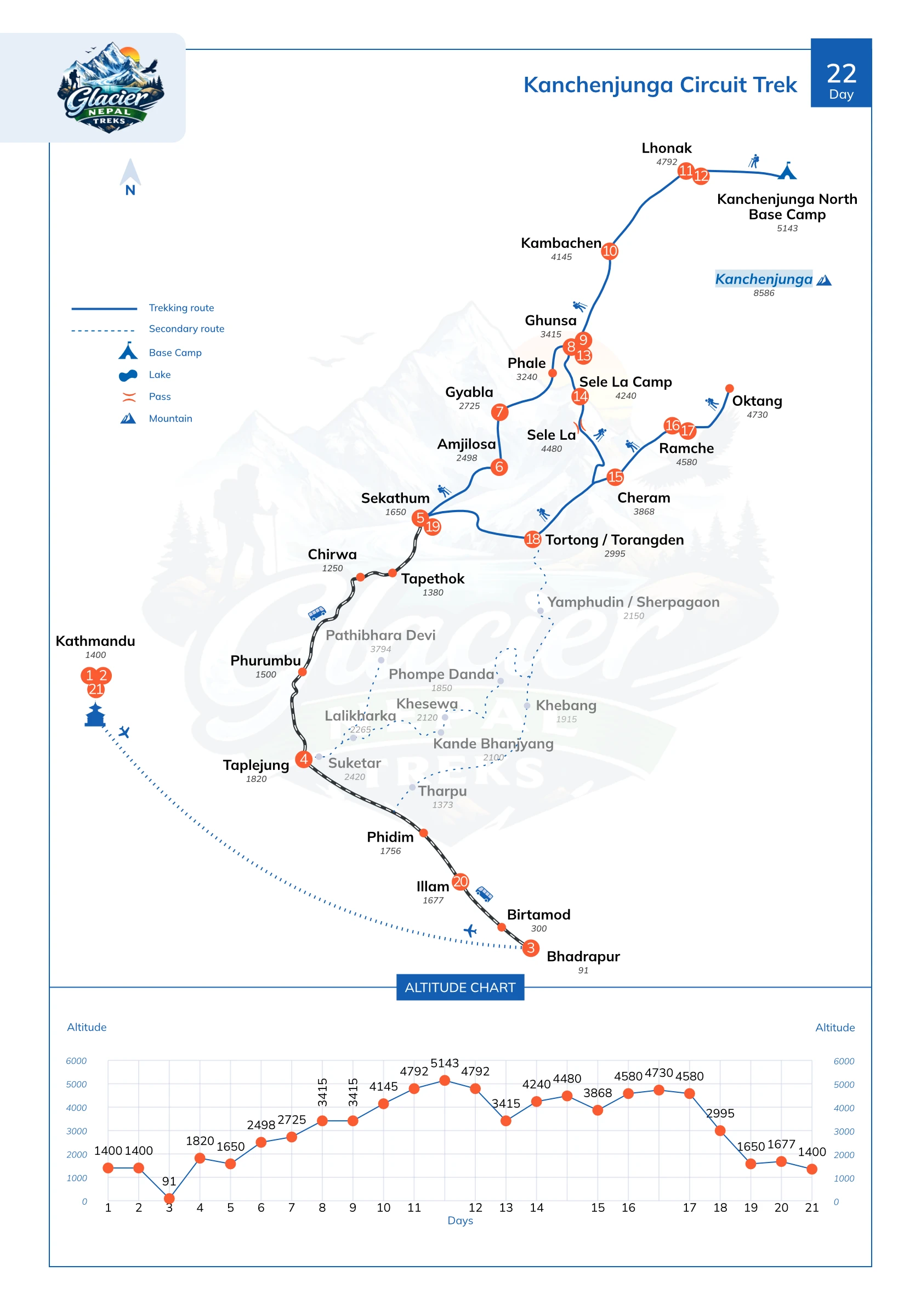
The Kanchenjunga Circuit Trek with Glacier Nepal Treks is an adventurous journey through remote Himalayan villages, high mountain passes, and spectacular landscapes. Beginning in Kathmandu, the trek combines domestic flights, scenic drives, and multi-day trekking, reaching elevations over 5,100 m at Kanchenjunga North Base Camp. Along the route, trekkers experience authentic local culture, serene forests, and panoramic mountain views. This trek is suitable for moderately experienced trekkers who are prepared for high-altitude conditions, occasional rough trails, and variable weather.
This trek promises a unique adventure combining nature, culture, and the thrill of high-altitude exploration under the guidance of Glacier Nepal Treks, known for safe, well-organized Himalayan expeditions.
Your Start Date is the day you land in Nepal, and your End Date is when you fly home.
If the set Kanchenjunga Circuit Trek group dates don’t suit your schedule, we can offer alternative dates upon request.
Proper layering is important to stay warm and comfortable in changing mountain weather.
Good footwear makes trekking easier and safer.
The right gear keeps you safe, comfortable, and prepared.
Lightweight but important items keep you clean, healthy, and comfortable.
Keep important items safe and easy to reach.
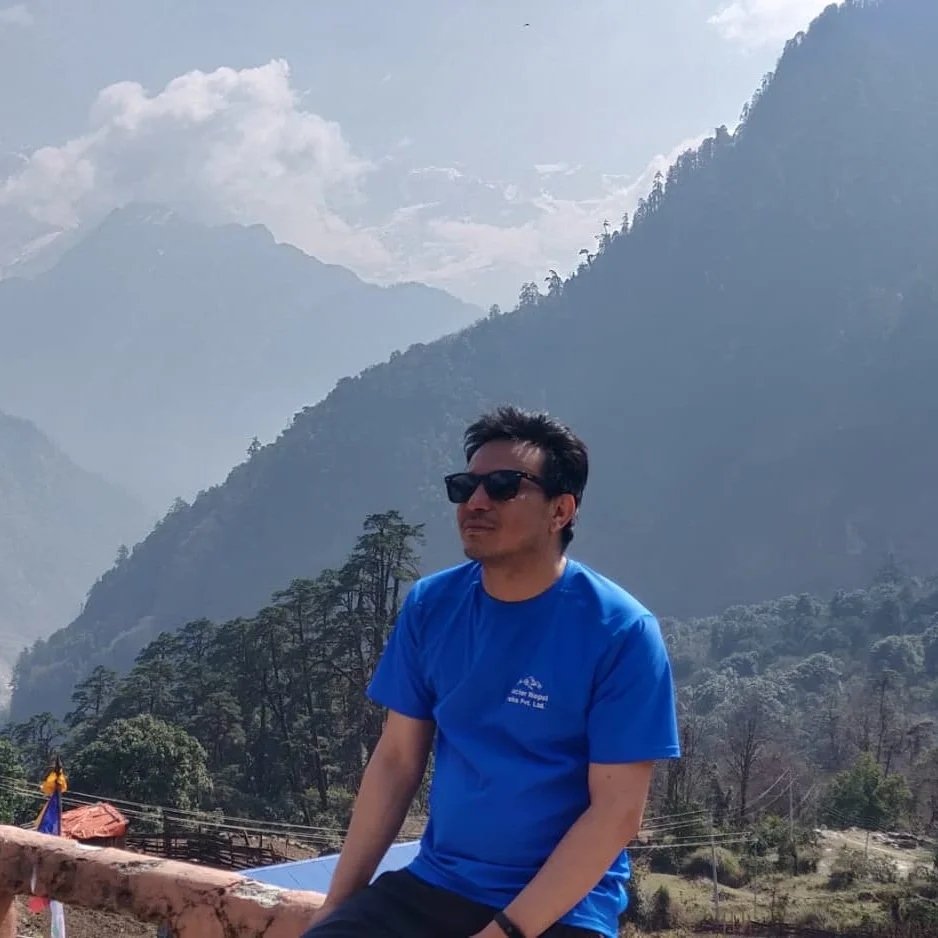
We did kanchenjunga circuit 29 days trek. We get basic tea house, we stayed at KBC one night . Personally, I really appeared Hemraj help and support thank you and see you soon. and thanks to Glacier Nepal treks to arrange this trekking.
I had a fantastic experience on the Kanchenjunga Circuit Trek with Glacier Nepal Treks. This is truly an off-the-beaten-path adventure, offering beautiful mountain scenery, peaceful trails, and an authentic trekking experience. Compared to the Everest and Annapurna regions, the teahouses are very basic, but that is part of the charm of this remote trek. Our guide, Ganesh Rai, was experienced, friendly, and always helpful throughout the journey. We were also lucky to have great weather, which made the mountain views even more enjoyable. The entire trek was well organized, and we had a wonderful time exploring this beautiful region. Special thanks to Glacier Nepal Treks and Rabin for managing everything so well. I hope to see you again on another adventure
The Kanchenjunga Circuit Trek with Glacier Nepal Treks was without question the most remote, wild, and deeply rewarding trekking adventure of my entire life. Circling the mighty Mount Kanchenjunga (8,586m) the world's third highest peak through some of the most pristine, untouched, and extraordinarily beautiful wilderness in all of Nepal was an experience that touched the very deepest part of my soul. The journey through traditional Limbu, Rai, and Tibetan-influenced villages of Ghunsa, Kambachen, and Cheram, the dramatic crossing of Sele La Pass, the overwhelming views from both the North and South Base Camps, and the profound sense of genuine solitude and exploration that permeated every single day on the trail everything about this trek was extraordinary beyond words. Our guide Narayan was simply exceptional throughout deeply knowledgeable, incredibly experienced, and genuinely passionate about eastern Nepal's extraordinary culture, wilderness, and mountain heritage. His calm expertise and warm personality made every challenging day feel completely manageable and deeply meaningful.
The Kanchenjunga Circuit Trek is one of Nepal’s most remote and least crowded trekking routes, taking you around Mount Kanchenjunga, the world’s third-highest mountain. Unlike popular treks such as Everest or Annapurna, this route offers deep wilderness, pristine landscapes, and authentic cultural experiences in untouched Himalayan villages. Trekkers pass through diverse ecosystems, from subtropical forests to high alpine glaciers, while experiencing Tibetan-influenced cultures. Glacier Nepal Trek considers this trek ideal for adventurers seeking solitude, raw mountain beauty, and a challenging yet deeply rewarding trekking experience far from mass tourism.
The Kanchenjunga Circuit Trek is classified as a strenuous and challenging trek, best suited for experienced trekkers or physically fit adventurers. The journey involves long trekking days, significant altitude gain, remote trails, and limited facilities. High passes, rough terrain, and basic accommodation add to the difficulty. Proper acclimatization and mental preparedness are essential for success. Glacier Nepal Trek carefully designs the itinerary with rest days and gradual ascents, ensuring safety and comfort. While demanding, the trek is achievable with good fitness, determination, and professional guidance.
While prior high-altitude trekking experience is not mandatory, it is highly recommended for the Kanchenjunga Circuit Trek. The trek involves long walking hours, steep ascents, high passes, and elevations above 5,000 meters. Trekkers with experience in routes like Everest Base Camp or Annapurna Circuit will find themselves better prepared. Glacier Nepal Trek advises participants to engage in physical training, including hiking, cardio, and strength exercises, before the trek. Mental resilience and a positive attitude are equally important for a successful journey.
The Kanchenjunga region is one of the most remote trekking areas in Nepal, with very limited infrastructure. Villages are scattered and far apart, and access to electricity, internet, and mobile networks is minimal or nonexistent in many places. Medical facilities are extremely basic or unavailable. This remoteness is what makes the trek special but also challenging. Glacier Nepal Trek ensures thorough logistical planning, experienced staff, and emergency preparedness, allowing trekkers to enjoy the wilderness while minimizing potential risks associated with isolation.
Choosing Glacier Nepal Trek for the Kanchenjunga Circuit Trek means traveling with a trusted and experienced Himalayan trekking company. We specialize in remote and challenging treks, providing professional guides, personalized service, and well-planned itineraries. Our strong local connections ensure smooth permit processing, reliable logistics, and authentic cultural experiences. We prioritize safety, sustainability, and client satisfaction at every stage of the journey. With Glacier Nepal Trek, you are not just trekking—you are embarking on a carefully crafted adventure led by passionate mountain professionals.
Trekkers need two special permits for the Kanchenjunga Circuit Trek: the Kanchenjunga Conservation Area Permit (KCAP) and a Restricted Area Permit (RAP). These permits are mandatory and can only be arranged through a registered trekking company. Glacier Nepal Trek manages the entire permit process on your behalf, ensuring all legal requirements are met before the trek begins. Because the area is restricted and sensitive, independent trekking is not allowed. Having the correct permits also supports conservation efforts and helps regulate tourism in this fragile Himalayan region.
The best seasons for the Kanchenjunga Circuit Trek are spring (March to May) and autumn (September to November). During these months, weather conditions are generally stable, skies are clear, and mountain views are at their best. Spring offers blooming rhododendron forests, while autumn provides crisp air and excellent visibility. Winter trekking is possible but extremely cold with heavy snow at high passes, while summer monsoon brings rain and leeches. Glacier Nepal Trek strongly recommends spring or autumn for the safest and most enjoyable experience.
Accommodation along the Kanchenjunga Circuit Trek is mostly in basic teahouses and lodges, especially in remote villages. Rooms are simple, often with twin beds and shared toilets. At higher altitudes, facilities become more limited. Meals typically include local Nepali dishes such as dal bhat, noodles, soups, potatoes, and simple Tibetan-style foods. Glacier Nepal Trek ensures hygienic food choices and the best available lodges at each stop. While comfort is basic, the warm hospitality and mountain atmosphere make the experience memorable and authentic.
Safety is a top priority for Glacier Nepal Trek on the Kanchenjunga Circuit Trek. Our experienced guides are trained in altitude sickness awareness, first aid, and emergency response. The itinerary includes proper acclimatization days and gradual altitude gain to reduce risks. Guides monitor trekkers’ health daily and adjust pace as needed. In case of emergencies, evacuation procedures are in place, including helicopter rescue when necessary. Traveling with a professional company is essential in this remote region, where medical facilities and communication options are extremely limited.
Packing properly is crucial for the Kanchenjunga Circuit Trek due to changing climates and high altitudes. Essential items include warm layered clothing, a high-quality down jacket, waterproof trekking gear, sturdy boots, gloves, hats, and a sleeping bag suitable for sub-zero temperatures. Trekking poles, sunglasses, sunscreen, and personal medications are also important. Glacier Nepal Trek provides a detailed packing list before departure and offers guidance to ensure you are well-prepared. Carrying the right gear greatly enhances comfort, safety, and overall enjoyment of the trek.
| No of people | Price per person |
|---|---|
| 1 - 1 | $1,900 |
| 2 - 4 | $1,699 |
| 5 - 7 | $1,650 |
| 8 - 15 | $1,600 |
| No of people | Price per person |
|---|---|
| 1 - 1 | $4,500 |
| 2 - 4 | $4,200 |
| 5 - 8 | $4,000 |
| 9 - 15 | $3,800 |
| No of people | Price per person |
|---|---|
| 1 - 1 | $1,900 |
| 2 - 4 | $1,800 |
| 5 - 7 | $1,780 |
| 8 - 15 | $1,750 |


 (31)
(31)  94% recommend (244)
 (12)
(12)