Need help with booking? Send us a message.
Experience the stunning Chakure Trek in the remote mountains of western Nepal. Trek through peaceful villages, lush forests, and pristine alpine landscapes beneath the majestic peaks of the Chakure region.
The Chakure Trek, organized by Glacier Nepal Treks, is an adventurous and culturally rich trekking route located in the remote regions of northwestern Nepal. This trek offers travelers a unique opportunity to explore untouched villages, pristine forests, and panoramic Himalayan vistas far from the usual tourist circuits. Starting from the bustling capital city of Kathmandu at 1,350 meters (4,428 ft), the journey quickly transitions from urban landscapes to serene rural life. Travelers fly to Nepalgunj, a small regional hub, before embarking on the road journey to Jajarkot, the gateway to the trek.
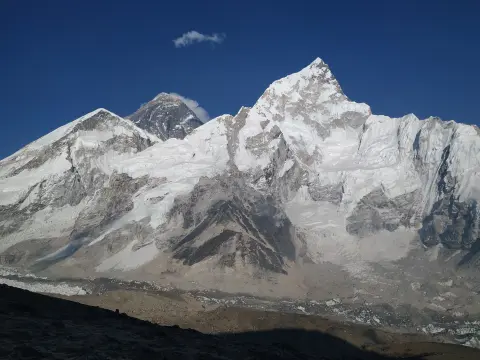
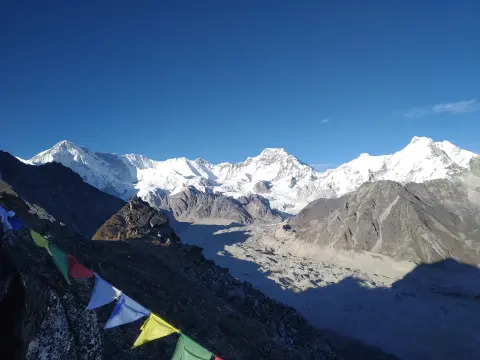
The trek covers a variety of terrains, including river valleys, terraced farmlands, dense forests, and high mountain ridges. Along the way, trekkers will encounter traditional villages such as Kalimati, Saphukhola, and Kaulebagar, where local culture and lifestyle remain largely unchanged. The trek continues through Daha, Langna, Chautari, Tumti, Napani, and Guthichour before reaching Jumla, a historic region famous for its ancient architecture and agricultural heritage. One of the highlights is the stunning views of the Himalayan range from higher elevations, offering a photographer’s paradise.
The best season for trekking in Chakure is primarily during the spring (March to May) and autumn (September to November). These periods provide the most stable weather, clearer skies, and ideal temperatures for trekking. During spring, the hills and valleys come alive with rhododendron blossoms, creating breathtaking landscapes dotted with vibrant colors. Autumn offers crisp air and spectacular mountain visibility, perfect for panoramic Himalayan views, especially around Jumla and higher ridges.
Winter (December to February) is generally cold with potential snow at higher elevations, which can make trails slippery and challenging, while summer (June to August) coincides with the monsoon, bringing heavy rainfall, muddy trails, and leeches in forested areas. Trekking during these off-seasons is not impossible, but it requires extra preparation and caution.
Short Point List:
The Chakure Trek is considered a moderate-level trek, suitable for trekkers with some prior trekking experience and a good level of fitness. The daily walking duration ranges from 4 to 7 hours, with some sections involving steep ascents and descents. While the altitude is not extreme, trekkers still ascend up to 2,000–2,500 meters, which can be physically challenging for beginners. Proper acclimatization is crucial, especially when transitioning from lowlands such as Nepalgunj to the mid-hill regions.
Transportation to the trailhead involves a short domestic flight from Kathmandu to Nepalgunj (approximately 1 hour), followed by a 6-hour drive to Jajarkot. From there, the trek begins on foot, following narrow trails through villages and forests. While some paths are well-marked, others require careful navigation, making a knowledgeable guide from Glacier Nepal Treks essential for safety and local insights.
Short Point List:
During the Chakure Trek, accommodation is primarily in local teahouses and lodges in villages along the route. These lodges offer basic but comfortable rooms, often with shared bathrooms. While facilities may not match urban hotels, they provide a welcoming and authentic experience of rural Nepali hospitality. Trekkers should be prepared for simple amenities, including limited electricity and hot water, especially in remote villages like Tumti and Guthichour.
Food along the trek is generally home-cooked Nepali cuisine, including staples such as rice, dal (lentil soup), vegetables, momo (dumplings), and noodles. While dishes may be simple, they are nutritious and provide the energy needed for long trekking days. Trekkers with specific dietary requirements should inform the company beforehand, as most lodges can accommodate vegetarian or basic dietary needs. Hydration is essential, and carrying water purification tablets or using boiled water is recommended.
Short Point List:
To undertake the Chakure Trek, trekkers require certain permits and permissions. As the trek passes through remote rural districts, the main permits include the TIMS card (Trekkers’ Information Management System) and possibly local entry permits, depending on recent regulations. TIMS registration ensures the safety of trekkers and is monitored by local authorities. Glacier Nepal Treks assists in obtaining all necessary permits before the trek begins, streamlining the process for international travelers.
Additionally, trekkers should carry identification documents, such as a passport or a Nepali visa. It is also advisable to check for any updates on regional restrictions or travel advisories, as remote areas may occasionally have access limitations due to weather or infrastructure. Having a licensed trekking company handle permits reduces bureaucratic hurdles and ensures compliance with local regulations.
Short Point List:
Choosing the Chakure Trek with Glacier Nepal Treks offers a combination of adventure, culture, and tranquility that few other treks provide. Unlike popular trekking routes in Nepal, Chakure remains off-the-beaten-path, allowing trekkers to experience authentic village life, untouched natural landscapes, and the warm hospitality of local communities. The trek is ideal for those who want a peaceful journey without the crowds commonly found on routes like the Annapurna or Everest Base Camp treks.
Glacier Nepal Treks brings professional planning, experienced guides, and logistical support, ensuring that trekkers can focus on enjoying the journey rather than worrying about transportation, accommodation, or permits. The company prioritizes safety, environmental sustainability, and cultural respect, giving travelers a fulfilling experience that supports local communities. Whether you are a nature enthusiast, photography lover, or culture explorer, the Chakure Trek offers an unforgettable journey into one of Nepal’s most scenic and secluded regions.
Short Point List:
The Chakure Trek itinerary is carefully crafted to provide a safe, rewarding, and immersive adventure in the remote mountains of western Nepal. The journey begins with a scenic drive from Kathmandu to the far-western region, followed by gradual trekking through traditional villages, terraced fields, and forested hills. As you ascend, spectacular views of the Chakure peaks and surrounding mountains unfold, offering a true wilderness experience far from popular trekking routes.
As the trek continues, the trail passes through alpine meadows, high ridgelines, and serene valleys with sweeping Himalayan panoramas. Trekkers stay in simple local lodges or homestays, enjoy authentic Nepali meals, and connect with welcoming rural communities. The return journey follows scenic alternate paths, revealing fresh perspectives of the mountains and countryside before driving back to Kathmandu. This well-balanced itinerary combines adventure, culture, and pristine mountain beauty, making it perfect for travelers seeking an off-the-beaten-path Himalayan experience
Upon arrival at Tribhuwan International Airport in Kathmandu, a representative from Glacier Nepal Treks will greet you and escort you to your hotel in a private vehicle. After settling in, you will have some time to rest and recover from your journey. Later, you will visit the Glacier Nepal Treks office to meet your trekking guide, who will brief you on the trek and answer any questions about equipment, itinerary, and safety measures. Overnight stay at a comfortable hotel in Kathmandu, preparing for the adventure ahead.
After an early breakfast, take a one-hour domestic flight from Kathmandu to Nepalgunj, enjoying aerial views of the Terai plains. Upon arrival, you will begin a scenic six-hour drive along the Bheri River to reach Jajarkot. The journey covers approximately 190 km of winding roads through rural villages, terraced fields, and lush forests. Along the way, you can observe the traditional lifestyle of local communities and enjoy occasional photo stops. Upon reaching Jajarkot, check in at a local guesthouse and rest. Overnight stay in Jajarkot.
Your trek officially begins as you leave Jajarkot and head towards Kalimati. Today’s route passes through terraced farmlands, dense forests, and small rural settlements. Walking along narrow trails, you will experience the authentic rural lifestyle, crossing wooden bridges over streams and observing local farmers at work. The gradual ascent allows you to acclimatize while enjoying spectacular views of the surrounding hills. Your guide will point out interesting flora and fauna along the way. Arrive at Kalimati by late afternoon, where a cozy teahouse awaits for your overnight stay, providing local cuisine and hospitality.
The trail from Kalimati to Saphukhola takes you deeper into remote forested valleys. You will pass through lush rhododendron forests, vibrant wildflowers, and small streams, with occasional glimpses of distant Himalayan peaks. The path is moderately challenging, with gentle ascents and descents along ridges and riverbanks. Villagers in remote hamlets may offer warm greetings, giving insight into their simple mountain life. Reaching Saphukhola, you will find a welcoming teahouse for the night. This stretch is perfect for photography and enjoying the tranquility of untouched nature. Overnight at Saphukhola.
Today, the trek takes you from Saphukhola to Kaulebagar, traversing a mix of forested trails and open hillsides. The route gradually ascends through thick pine and oak forests, occasionally offering panoramic views of the surrounding valleys. You may encounter traditional stone houses and terraced farms, allowing you to interact with locals and learn about their daily life. The trek is moderately strenuous, requiring good stamina, but your guide will pace the group for comfort. Evening arrival in Kaulebagar provides an opportunity to relax and enjoy a warm meal at a local teahouse.
The trek today is both scenic and culturally rich as you move from Kaulebagar to Daha. The trail winds through mixed forests and open meadows, passing several small streams. You will encounter remote villages where traditional customs are still practiced, offering a glimpse of rural Nepali life. The terrain varies from gentle slopes to steeper ascents, so your guide will ensure a comfortable pace. Upon arrival in Daha, you will check into a teahouse and enjoy a hearty dinner. Evening views of the surrounding hills and valleys are truly breathtaking.
From Daha, the trek continues to Langna, with paths that traverse forested ridges and terraced agricultural fields. The trail offers spectacular views of the distant mountains while winding through villages dotted with stone and mud houses. Along the way, you may observe livestock grazing and villagers engaged in daily activities. The trek is moderately challenging but rewarding with its serene landscapes and cultural encounters. Arrival at Langna brings rest and relaxation at a local teahouse, where you can enjoy freshly cooked Nepali meals and connect with fellow trekkers.
Today’s trek takes you from Langna to Chautari through dense forests and rolling hills. The path follows streams, crosses small wooden bridges, and occasionally ascends steep ridges offering panoramic views. The villages along the way reflect the simplicity and warmth of rural Nepalese life. Interactions with locals and glimpses of traditional lifestyles enhance the cultural experience. Reaching Chautari in the late afternoon, you will settle in at a teahouse for an overnight stay. The evening is perfect for photography, enjoying local cuisine, and relaxing amid tranquil surroundings.
The trail from Chautari to Tumti is marked by gradual ascents and descents through scenic valleys and dense forests. The region is rich in biodiversity, and your guide will introduce you to native plants, birds, and occasional wildlife sightings. Passing small rural settlements, you will observe traditional farming techniques and the hospitality of local families. Tumti, a peaceful village, offers teahouses where you can enjoy authentic meals and relax after the day’s trek. The evening sky with views of distant hills creates a perfect setting for reflection and rest.
This leg of the trek takes you from Tumti to Napani, following narrow trails through forested slopes and open fields. The journey showcases the region’s stunning natural beauty, including cascading streams and distant mountain views. You may interact with villagers along the way, learning about their lifestyle, culture, and local crafts. The trek is moderately challenging, offering a balance of walking and scenic pauses. Upon reaching Napani, you will check into a teahouse where a warm meal and comfortable overnight stay await, providing a chance to recharge for the next day.
From Napani, the trail leads to Guthichour, a village perched on a hillside. You will pass through mixed forests, terraced fields, and occasional river crossings, making this section both scenic and invigorating. The villagers’ traditional lifestyle remains largely unchanged, providing an authentic cultural experience. The trek involves moderate ascents, with your guide ensuring the group’s pace is comfortable. Arriving in Guthichour, you will stay at a local teahouse, enjoy fresh home-cooked meals, and rest while soaking in the serene surroundings of the remote Himalayan landscape.
Today you trek from Guthichour to Jumla, descending gradually into a more populated region. The path is lined with terraced fields, quaint villages, and local markets where you can observe daily life and buy handicrafts. Jumla, a historic district, provides a glimpse into traditional architecture and local culture. Upon arrival, you will check into a comfortable guesthouse arranged by Glacier Nepal Treks. This day offers a balance of scenic trekking and cultural immersion, with time in the evening to explore the town or rest in preparation for the journey back to the lowlands.
After breakfast, you will take a domestic flight from Jumla to Nepalgunj. The aerial views offer stunning glimpses of the Himalayan range and Terai plains below. Upon arrival in Nepalgunj, a private vehicle arranged by Glacier Nepal Treks will transfer you to your hotel. The evening is free to relax, explore local markets, or enjoy the amenities at your hotel. This is a perfect time to reflect on the trek, share memories with fellow trekkers, and prepare for the journey back to Kathmandu. Overnight stay in Nepalgunj.
Take a domestic flight from Nepalgunj to Kathmandu. Upon arrival, a representative from Glacier Nepal Treks will pick you up and transfer you to your hotel in the capital. The rest of the day is free to explore Kathmandu, shop for souvenirs, or visit nearby cultural landmarks such as Thamel, Durbar Square, or Pashupatinath Temple. You can enjoy a farewell dinner with your trekking group, sharing experiences and photos from the trek. Overnight stay in Kathmandu, marking the near end of your adventure.
On your final day, a representative from Glacier Nepal Treks will pick you up from your hotel and drop you at Tribhuwan International Airport in a private vehicle. You will bid farewell to Nepal with memories of spectacular landscapes, cultural encounters, and trekking achievements. Board your flight home, carrying unforgettable experiences from the Chakure Trek. Home sweet home, with stories to share and dreams to plan for your next Himalayan adventure.
The Chakure Trek is a remote and rewarding adventure in western Nepal, guiding trekkers through pristine mountain landscapes beneath the towering Chakure peaks. This moderate trek passes through rolling hills, alpine meadows, dense forests, and traditional villages, offering spectacular Himalayan scenery and an authentic rural cultural experience far from popular trekking routes. Trekkers stay in simple lodges or homestays, enjoy traditional Nepali meals, and experience warm local hospitality in one of Nepal’s least-visited regions. The trek is best undertaken during spring (March–May) and autumn (September–November) for clear skies and comfortable temperatures. Required trekking permits are arranged in advance to ensure a smooth and well-organized journey.
Key Points to Know:
Airport & Transportation
Round-trip domestic flight ticket (Kathmandu – Nepalgunj – Kathmandu)
Accommodation
Attached bathroom facilities are provided if available at the lodge.
Meals
Welcome or farewell dinner in a typical Nepali restaurant
Permits & Documentation
All government taxes, VAT and official paperwork required for trekking
Trekking Staff & Support
Trekking company service charge and field management
Trekking Equipment & Safety
Emergency coordination service (in case of rescue / evacuation)
Additional Services
Your Start Date is the day you land in Nepal, and your End Date is when you fly home.
If the set Chakure Trek group dates don’t suit your schedule, we can offer alternative dates upon request.
Proper layering is important to stay warm and comfortable in changing mountain weather.
Good footwear makes trekking easier and safer.
The right gear keeps you safe, comfortable, and prepared.
Lightweight but important items keep you clean, healthy, and comfortable.
Keep important items safe and easy to reach.
The Chakure Trek was one of the most unique trekking experiences I have had in Nepal. This route takes you through a very remote and less explored part of Western Nepal, starting from the Jajarkot area. We were the only trekking group on the trail at that time, which made the journey feel even more special and peaceful. Most of the time, we stayed in local homestays and had the chance to experience the simple lifestyle and warm hospitality of the local people. Our guide, Rabin, was friendly, experienced, and managed everything very well throughout the trek. Glacier Nepal Treks organized the entire trip smoothly, from transportation to accommodation and daily arrangements. I highly recommend this trek for anyone looking for a real off-the-beaten-path adventure in Nepal.
The Chakure Trek is considered a moderate trek suitable for those with good fitness levels and some prior trekking experience. The route involves gradual ascents, occasional steep climbs, and several river crossings. Trekkers should be prepared for long walking days of 5–7 hours on uneven trails. Glacier Nepal Trek ensures a well-paced itinerary, experienced guides, and porter support to help manage the physical challenges. Regular walking, cardio exercises, and stamina training before the trek are highly recommended.
While the Chakure Trek is moderate in difficulty, it can be suitable for beginners who are physically fit and well-prepared. Beginners should engage in regular cardio and endurance exercises before the trek to build stamina. Glacier Nepal Trek provides detailed guidance on preparation, pace, and acclimatization strategies. With the support of an experienced guide and optional porter assistance, even novice trekkers can enjoy the trek safely, taking in the scenic landscapes and cultural encounters without feeling overwhelmed by the trail’s challenges.
Altitude sickness is generally less severe on the Chakure Trek, as the highest elevations are moderate compared to higher Himalayan treks. However, some trekkers may still experience mild symptoms such as headache, nausea, or fatigue. Glacier Nepal Trek prioritizes acclimatization and safe trekking practices, including gradual ascents and rest days. Drinking plenty of water, eating well, and following the guide’s advice can minimize risks. Trekkers with pre-existing health conditions should consult their doctor before the trek to ensure safety at higher elevations.
The Chakure Trek is best undertaken during the pre-monsoon (March to May) and post-monsoon (September to November) seasons. During these months, the weather is generally clear and stable, offering excellent views of the surrounding Himalayan ranges, vibrant rhododendron forests, and lush valleys. Rainfall is minimal, and trails are less muddy compared to the monsoon season. Glacier Nepal Trek recommends these periods not only for optimal scenic beauty but also for safer and more comfortable trekking conditions.
Yes, a guide and porters are highly recommended for safety, navigation, and a more comfortable experience. Glacier Nepal Trek provides experienced English-speaking guides who are familiar with local terrain, culture, and emergency protocols. Porters can carry heavy luggage, allowing you to focus on trekking without exhaustion. Guides also share cultural insights, point out flora and fauna, and ensure proper acclimatization. Hiring a guide and porter ensures a safe, efficient, and enriching trekking experience throughout the Chakure Trek.
Accommodation on the Chakure Trek is primarily in local teahouses, guesthouses, and small lodges. These provide basic but comfortable rooms with beds, blankets, and often attached or shared bathrooms. Hot showers may be limited in remote areas, but meals are freshly prepared with local ingredients. Glacier Nepal Trek carefully selects teahouses with good hygiene and hospitality standards. Staying in teahouses allows trekkers to experience local life, enjoy traditional Nepali cuisine, and interact with village communities along the trail.
During the Chakure Trek, meals are mostly traditional Nepali dishes such as dal bhat (lentil soup with rice), vegetable curries, noodles, and soups. Tea, coffee, and local snacks are also available in teahouses. Glacier Nepal Trek ensures that food is hygienically prepared and nutritious to support your energy needs. Some teahouses may also offer limited Western-style options. Trekkers with dietary restrictions or preferences should inform the company in advance to ensure that suitable meals are available throughout the trek.
Yes, trekkers require specific permits to enter the regions along the Chakure Trek. These include the Kalikot and Jumla region trekking permits, and possibly TIMS (Trekker’s Information Management System) cards for safety. Glacier Nepal Trek handles all permit arrangements on behalf of trekkers, ensuring compliance with local regulations. Trekkers are advised to carry a passport-sized photo and their identification, as permits are issued in-person. Having permits ensures legal access to restricted regions and contributes to the safety and regulation of trekking activities.
Booking the Chakure Trek with Glacier Nepal Trek is straightforward. You can contact the company via their website, email, or phone to confirm availability, itinerary, and costs. After booking, you will receive detailed pre-trek information, including packing lists, permits, and flight arrangements. Payment options are flexible, with part payment required to secure your slot. The team at Glacier Nepal Trek ensures personalized service from arrival in Kathmandu to departure, taking care of logistics, accommodation, and safety throughout the trek for a smooth and memorable adventure.
Packing appropriately is crucial for a comfortable trekking experience. Essential items include layered clothing for variable temperatures, a warm jacket, trekking boots, rain gear, a hat, gloves, and a water bottle. Personal hygiene items, a first aid kit, and any medications are also recommended. Glacier Nepal Trek provides a detailed packing list before departure, ensuring you are well-prepared for the varying climate and trail conditions. Proper packing ensures comfort, safety, and enjoyment throughout the trek, especially in remote areas with limited resources.
| No of people | Price per person |
|---|---|
| 1 - 1 | $1,675 |
| 2 - 4 | $1,550 |
| 5 - 7 | $1,495 |
| 8 - 12 | $1,435 |
| 13 - 20 | $1,385 |
| No of people | Price per person |
|---|---|
| 1 - 1 | $1,700 |
| 2 - 4 | $1,550 |
| 5 - 7 | $1,500 |
| 8 - 15 | $1,460 |
| No of people | Price per person |
|---|---|
| 1 - 1 | $1,600 |
| 2 - 4 | $1,450 |
| 5 - 7 | $1,400 |
| 8 - 15 | $1,350 |


 (31)
(31)  94% recommend (244)
 (12)
(12)