Need help with booking? Send us a message.
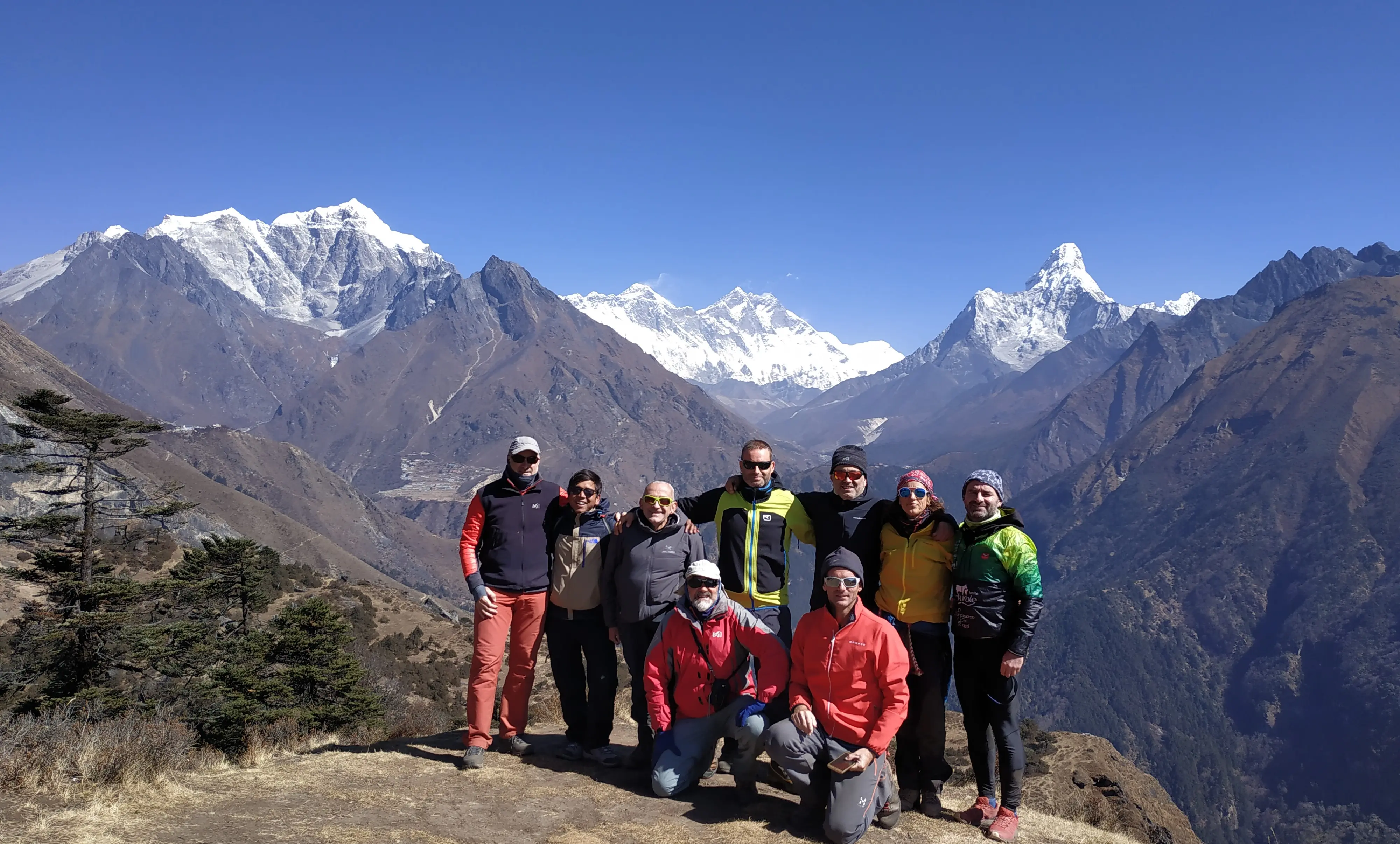
Begin your adventure from Jiri, following the historic trail through diverse landscapes and traditional mountain villages. Journey from lush hills to the rugged high Himalayas, immersing yourself in authentic Sherpa culture along the way. Reach Everest Base Camp and ascend Kala Patthar for unforgettable panoramic views of the world’s highest peaks.
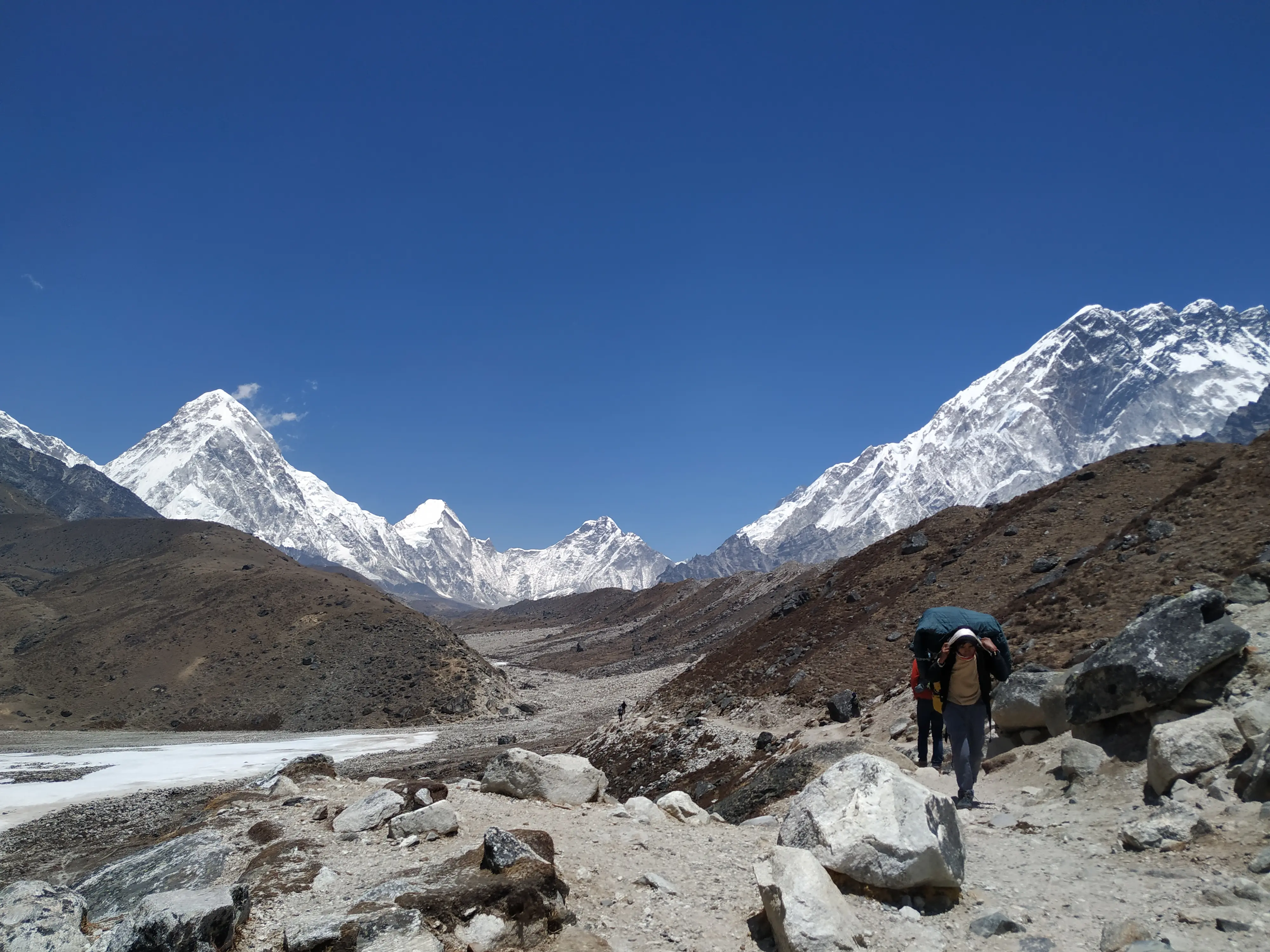
The Everest Base Camp (EBC) Trek via Jiri is one of the most authentic and traditional trekking routes in the Everest region. Unlike the more popular Lukla-based approach, the Jiri route starts from a lower elevation in eastern Nepal, allowing trekkers to gradually acclimatize to higher altitudes while immersing themselves in Sherpa culture and rural Himalayan life. The trek begins with a scenic drive from Kathmandu to Bhandar via Jiri, winding through terraced fields, dense forests, and remote villages. This route follows ancient trade paths historically used by porters and traders traveling to Tibet, offering a unique perspective on local livelihoods and the natural environment.
As the trek progresses, travelers move through picturesque villages such as Sete, Junbeshi, Bupsa, and Surke, passing through rhododendron forests, pine groves, and sparkling rivers. Higher up, destinations like Namche Bazaar, Tengboche, Dingboche, and Lobuche provide a mix of vibrant Sherpa culture and stunning Himalayan panoramas. The journey culminates at Everest Base Camp (5,364m), with an optional hike to Kala Patthar (5,545m) for breathtaking sunrise views of Everest, Lhotse, and Nuptse. The return journey retraces parts of the trail to Lukla, offering a well-balanced mix of adventure, cultural immersion, and natural beauty.
Glacier Nepal Treks ensures every part of the journey is safe, well-organized, and culturally enriching, providing experienced guides, comfortable lodging, and expert logistical support.
The best time to trek via Jiri to Everest Base Camp is during the pre-monsoon spring (March to May) and post-monsoon autumn (late September to November) seasons. During spring, the valleys and hillsides bloom with colorful rhododendrons, and the weather is generally clear, offering panoramic views of the Himalayan peaks. The temperatures are moderate at lower altitudes, making the trek comfortable while providing excellent photography opportunities. In autumn, the skies are usually clear and dry, with crisp air enhancing the visibility of distant peaks. This season also coincides with major Sherpa festivals and cultural events, offering trekkers the chance to witness local traditions.
While summer (June to August) brings lush green landscapes, it is also the monsoon period, characterized by heavy rainfall, slippery trails, and reduced visibility of mountain peaks. Winter (December to February) is the least crowded but can be extremely cold, especially above 4,000 meters, with snow making trails challenging. Proper winter gear and prior trekking experience are essential during this season.
Seasonal considerations for trekking via Jiri:
Glacier Nepal Treks provides tailored itineraries to match the season, ensuring trekkers maximize safety, comfort, and scenic enjoyment.
The EBC Trek via Jiri is a moderately challenging trek due to its length, gradual altitude gain, and rugged terrain. Starting from 1,350m in Kathmandu and reaching 5,364m at Everest Base Camp, trekkers experience a cumulative altitude gain of more than 4,000 meters over 18 days. The trek is physically demanding, with daily walks ranging from 4–8 hours, including steep ascents, rocky trails, and occasional river crossings. Despite the challenges, the gradual climb from Jiri allows for better acclimatization, reducing the risk of altitude sickness compared to the standard Lukla route.
Transportation to the trailhead involves a scenic drive from Kathmandu to Bhandar via Jiri. This journey passes through rolling hills, terraced farmland, and quaint villages, offering trekkers a taste of rural Nepal before the adventure begins on foot. The return journey includes a short flight from Lukla to Kathmandu, providing a dramatic aerial perspective of the Everest region. Local jeeps or buses can also be arranged depending on the group size and schedule.
Key points on difficulty and transportation:
This trek is ideal for trekkers with good fitness levels who seek both adventure and cultural immersion in the Himalayan heartland.
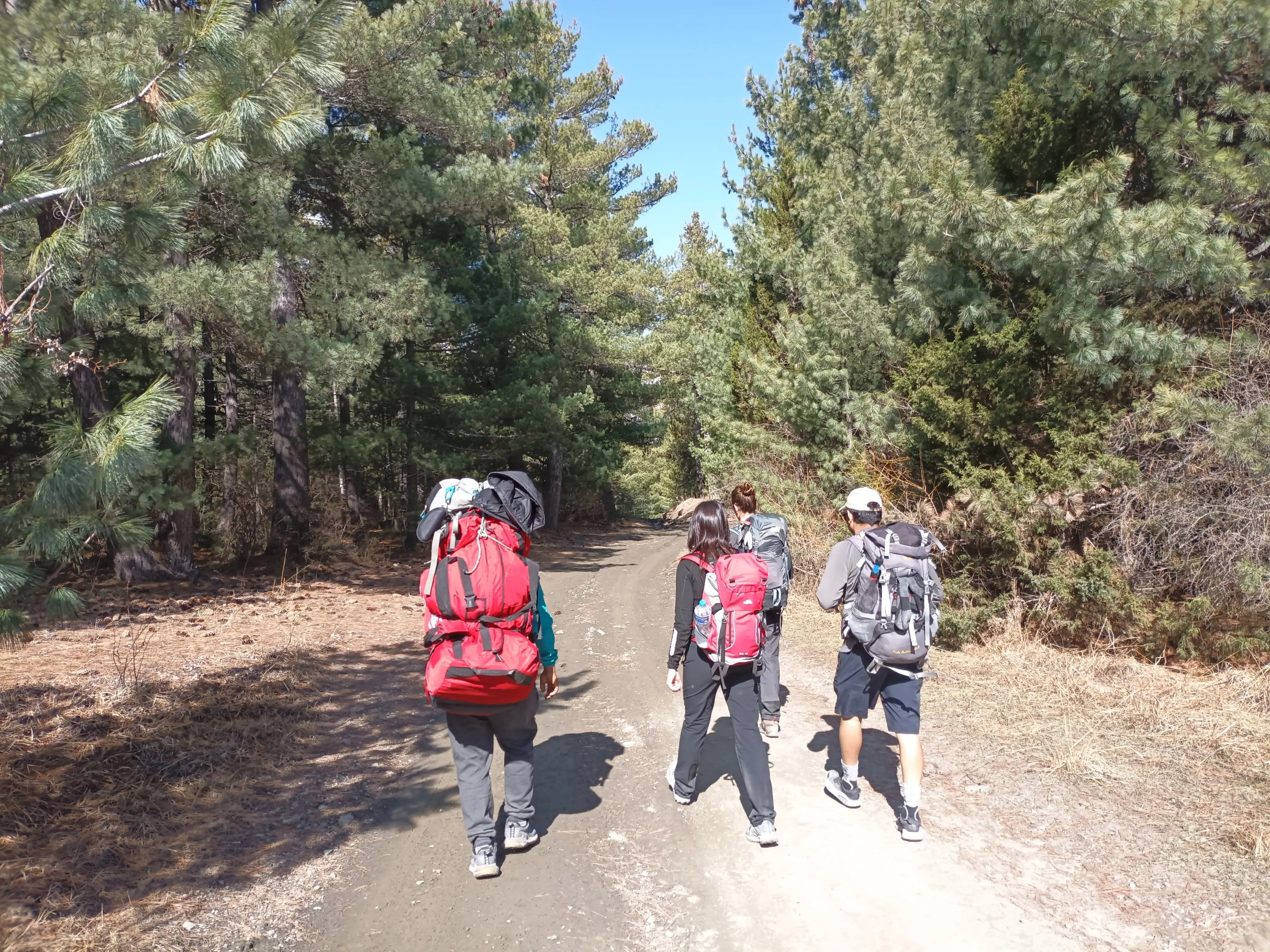
Along the Jiri to Everest Base Camp route, accommodation primarily consists of teahouses, which are simple lodges offering basic rooms, warmth, and meals. These teahouses are found in almost every village along the trail, from Bhandar to Lobuche and Gorak Shep. Facilities improve in larger villages such as Namche Bazaar, Tengboche, and Dingboche, where some teahouses offer private rooms, Wi-Fi, and hot showers. Despite their simplicity, teahouses provide a cozy atmosphere and a chance to interact with local Sherpa families, learn about their culture, and share trekking experiences with fellow adventurers.
Food on the trek is hearty and designed to provide the necessary energy for long days of trekking. Common meals include dal bhat (rice and lentils), noodles, pasta, soups, and vegetables, with local specialties such as momo (dumplings) and sherpa bread. While most meals are vegetarian-friendly, options with meat or eggs are also available. Tea, coffee, and hot chocolate are popular beverages, helping trekkers stay warm at higher altitudes. Glacier Nepal Treks ensures that trekkers are guided to clean and hygienic teahouses, with attention to dietary preferences and altitude nutrition needs.
Highlights of food and accommodation:
This combination of local lodging and nutritious meals ensures comfort while maintaining an authentic trekking experience.
Trekking in the Everest region requires specific permits to ensure safe, regulated, and environmentally responsible travel. For the EBC Trek via Jiri, the following permits are mandatory:
These permits serve multiple purposes: they help authorities monitor trekking traffic, contribute to park conservation, and ensure trekkers’ safety in high-altitude environments. Glacier Nepal Treks assists in acquiring all necessary permits before departure, providing a hassle-free experience. Additionally, guides carry copies of permits, ensuring that trekkers comply with regulations at all checkpoints along the trail.
Permit essentials for Jiri EBC Trek:
Securing these permits through a trusted company like Glacier Nepal Treks guarantees peace of mind and a smooth trekking experience in the Everest region.
The Jiri route to Everest Base Camp is ideal for trekkers seeking an authentic, immersive Himalayan experience. Unlike the more commercial Lukla route, Jiri provides a gradual acclimatization path, rich cultural exposure, and a true sense of adventure. Starting at lower elevations, the trek allows trekkers to witness traditional Sherpa villages, prayer walls, monasteries, and terraced fields, offering a deeper connection with the people and landscapes of the Solukhumbu region.
Choosing Glacier Nepal Treks enhances this experience. With years of expertise, professional guides, experienced porters, and comprehensive logistical support, the company ensures safety, comfort, and a personalized trekking experience. Glacier Nepal Treks also emphasizes cultural immersion, sustainable practices, and off-the-beaten-path exploration, allowing trekkers to fully appreciate the Everest region beyond the usual tourist routes. Whether it’s photographing sunrise from Kala Patthar, exploring Namche Bazaar, or reaching the iconic Everest Base Camp, Glacier Nepal Treks provides every support to make the journey unforgettable.
Reasons to choose EBC Trek via Jiri with Glacier Nepal Treks:
This trek is perfect for adventurers seeking a challenging yet rewarding Himalayan experience with a focus on both natural beauty and local culture.
During the peak trekking seasons of Spring (March–May) and Autumn (September–November), Lukla flights are in extremely high demand. With thousands of trekkers and climbers simultaneously heading to the Everest region, the pressure on Kathmandu's Tribhuvan International Airport (TIA) becomes overwhelming.
To ease this congestion, the Civil Aviation Authority of Nepal (CAAN) limits the number of direct Kathmandu–Lukla flights and operates a significant number of departures from Ramechhap (Manthali Airport) instead, a smaller regional airport located approximately 4 –5 hours east of Kathmandu.
The Jiri to Everest Base Camp Trek offers a classic and immersive high-altitude trekking experience, beginning with a scenic drive or flight from Kathmandu to Jiri, the traditional starting point of the Everest trail. From Jiri, the trek gradually ascends through lush forests, terraced farmlands, and charming villages, allowing trekkers to experience authentic rural life in the Solu region. Key stops include Shivalaya, Bhandar, Sete, and Junbesi, where trekkers can enjoy local culture, monasteries, and warm Sherpa hospitality while gradually acclimatizing to higher altitudes.
The route continues through Namche Bazaar, the gateway to the high Himalayas, with proper acclimatization days to explore the vibrant market, nearby viewpoints, and Tengboche Monastery. Trekking further, the trail passes through Pangboche, Dingboche, and Lobuche, offering spectacular views of snow-capped peaks, glaciers, and the iconic Khumbu landscape.
The highlight of the journey is reaching Everest Base Camp (5,364 m), where trekkers stand at the foot of the world’s highest mountain. An early-morning hike to Kala Patthar (5,545 m) rewards trekkers with unforgettable sunrise views over Mount Everest, Lhotse, and Ama Dablam. The return journey follows the same scenic trail through Pangboche and Namche Bazaar back to Lukla, before flying back to Kathmandu. This extended itinerary from Jiri provides a thorough, rewarding experience of both Himalayan adventure and Sherpa culture.
Upon arrival at Tribhuvan International Airport in Kathmandu, our friendly representative from Glacier Nepal Treks will greet you and transfer you to your hotel. Take this day to rest and recover from your international journey while soaking in the vibrant atmosphere of Kathmandu. Depending on your arrival time, you may explore nearby streets, enjoy a traditional Nepali meal, or start familiarizing yourself with the local culture. In the evening, a briefing session will be held by your trekking guide to go over the trek itinerary, safety tips, and equipment essentials.
 Accommodation Three-star Hotel in Thamel, Kathmandu
  Meals Breakfast
  Max. altitude 1,350m / 4,429ft.
 After breakfast, you will embark on an adventurous scenic drive from Kathmandu to Bhandar, passing through the gateway town of Jiri. This drive offers breathtaking views of terraced hills, traditional villages, and lush forests, gradually transitioning into the Solukhumbu region. At Jiri, often called the “Gateway to Everest,” you’ll have a chance to stretch, take photographs, and observe local life. Continuing onward, the road winds through small hamlets before reaching Bhandar. Upon arrival, check into your teahouse and enjoy the serene surroundings. This day marks the beginning of your gradual ascent toward the Himalayas.
Accommodation Tea House / Lodge Meals Breakfast, Lunch, Dinner Max. altitude 2,190m / 7,185ft. Today’s trek starts with gentle slopes as you leave Bhandar and enter a scenic trail lined with pine and rhododendron forests. You’ll pass through remote villages where traditional Sherpa life is evident in terraced fields and prayer flags fluttering in the wind. The trail steadily climbs, offering panoramic views of the surrounding mountains and valleys. After several hours of trekking, you will reach Sete, a quiet village with a few welcoming teahouses. Here, you can relax, enjoy a warm meal, and prepare for the higher elevations ahead while soaking in the tranquil Himalayan atmosphere.
Accommodation Tea House / Lodge Meals Breakfast, Lunch, Dinner Max. altitude 2,575m / 8,448ft. Leaving Sete, your trail continues through beautiful forests and past small settlements, gradually climbing to Junbeshi. Along the way, you will encounter several traditional Mani walls, prayer wheels, and small Buddhist monasteries, giving insight into the spiritual life of the Sherpa community. The route also offers glimpses of the higher Himalayan peaks emerging on the horizon. Junbeshi itself is a peaceful village where local hospitality is prominent, and the teahouses provide cozy lodging. Evening walks around the village allow you to experience Sherpa culture, enjoy stunning sunsets, and prepare for the upcoming trekking days.
Accommodation Tea House / Lodge Meals Breakfast, Lunch, Dinner Max. altitude 2,675m / 8,776ft. Today’s trek from Junbeshi to Nun Thala takes you deeper into the Solukhumbu region, with trails winding through dense forests of pine, fir, and rhododendron. You’ll pass sparkling streams, traditional stone bridges, and small villages where local life continues at a gentle pace. As the elevation gradually increases, you may begin feeling the altitude, making a slow pace ideal. Nun Thala is a small hamlet offering a peaceful night’s rest amidst stunning mountain surroundings. The evening is perfect for acclimatization walks, photography, and enjoying the serenity of this remote Himalayan village.
Accommodation Tea House / Lodge Meals Breakfast, Lunch, Dinner Max. altitude 2,854m / 9,364ft. From Nun Thala, the trail gently descends and ascends through terraced fields and dense forests to reach the quaint village of Bupsa. En route, you will cross small suspension bridges and pass through settlements that display traditional Nepali architecture. Bupsa is known for its serene environment and warm teahouse hospitality, making it a comfortable stop. You can take a short hike around the village to observe local farming practices and mountain views. Today’s trek is moderate in difficulty, allowing your body to adjust to the increasing altitude while enjoying the pristine landscapes of the Solukhumbu region.
Accommodation Tea House / Lodge Meals Breakfast, Lunch, Dinner Max. altitude 2,700m / 8,858ft. Today, the trail gently descends through lush forests, terraced fields, and small hamlets until you reach Surke. The journey allows you to interact with local villagers and observe their daily routines, including farming and livestock care. The route is scenic, featuring rivers, small waterfalls, and vibrant flora. Surke is a charming village with welcoming teahouses and offers breathtaking views of the surrounding hills. Spending the night here helps your body prepare for the steeper climbs ahead. Evenings in Surke are peaceful, with opportunities for reflection, photography, and enjoying the crisp mountain air.
Accommodation Tea House / Lodge Meals Breakfast, Lunch, Dinner Max. altitude 2,300m / 7,546ft. The trek from Surke to Phakding is relatively gentle, following the trail along the Dudh Koshi River. Along the way, you will cross several suspension bridges and pass through pine forests, small villages, and mani walls. Phakding is a small settlement that serves as a gateway to the higher Solukhumbu region. Upon arrival, you can relax at a teahouse and enjoy the peaceful surroundings. The day is ideal for acclimatization and preparing for the more challenging trek to Namche Bazaar, with beautiful mountain views providing motivation throughout the journey.
Accommodation Tea House / Lodge Meals Breakfast, Lunch, Dinner Max. altitude 2,651m / 8,698ft. Today’s trek is more challenging as you gradually ascend into the heart of the Everest region. The trail follows the Dudh Koshi River, crossing several suspension bridges and offering views of snow-capped peaks. You will pass through traditional Sherpa villages and rhododendron forests, making the climb both scenic and culturally rich. Arriving in Namche Bazaar, the bustling hub of the Khumbu region, you’ll find a mix of local shops, cafés, and teahouses. Spend the evening acclimatizing, strolling through the lively market, and enjoying stunning views of Ama Dablam and surrounding peaks.
Accommodation Tea House / Lodge Meals Breakfast, Lunch, Dinner Max. altitude 3,440m / 11,286ft. An important day for acclimatization, you can take short hikes to nearby viewpoints such as the Everest View Hotel or the Syangboche airstrip. These hikes provide spectacular panoramas of Everest, Lhotse, and other Himalayan giants. Explore Namche Bazaar, interact with Sherpas, and learn about their traditions and lifestyles. Your guide may organize a visit to the local museum or monastery, giving insights into regional history and culture. Proper rest, hydration, and light walks help your body adapt to higher altitudes, ensuring safety and comfort for the days ahead.
Accommodation Tea House / Lodge Meals Breakfast, Lunch, Dinner Max. altitude 3,440m / 11,286ft. The trail to Tengboche involves a steady climb through pine and rhododendron forests, crossing wooden bridges and passing through small villages such as Phunki Tenga and Pangboche. The highlight of today is reaching Tengboche Monastery, the largest gompa in the region, offering spiritual ambiance and magnificent mountain views. You can attend evening prayers or simply enjoy the serene surroundings. The trail provides breathtaking panoramas of Ama Dablam, Thamserku, and other peaks. Tengboche is an ideal place to rest and acclimatize, with cozy teahouses and warm hospitality making your stay memorable.
Accommodation Tea House / Lodge Meals Breakfast, Lunch, Dinner Max. altitude 3,867m / 12,687ft. Leaving Tengboche, the trail gradually climbs along the Imja Khola valley, offering spectacular views of Ama Dablam, Lhotse, and Island Peak. You’ll pass through the villages of Pangboche and Somare, where traditional Sherpa culture is evident. The trek today is longer, with a steady ascent preparing you for higher altitudes. Dingboche, a small Himalayan village surrounded by fields and mountains, offers stunning sunrise and sunset views. Spending the night here helps with acclimatization and provides the perfect setting to enjoy the quiet and majestic Himalayan environment.
Accommodation Tea House / Lodge Meals Breakfast, Lunch, Dinner Max. altitude 4,360m / 14,304ft. Today, you’ll leave Dingboche and trek through rocky terrain and moraines, gradually climbing toward Lobuche. The air becomes thinner, and trekking at a slower pace is crucial. Along the way, you’ll witness panoramic views of Everest, Nuptse, and other towering peaks. Lobuche is a small settlement serving as a final stop before Gorak Shep. Despite its remote location, teahouses here provide basic comfort, warm meals, and stunning views. Evening preparation focuses on gear checks and rest to ensure you are ready for the demanding trek to Everest Base Camp tomorrow.
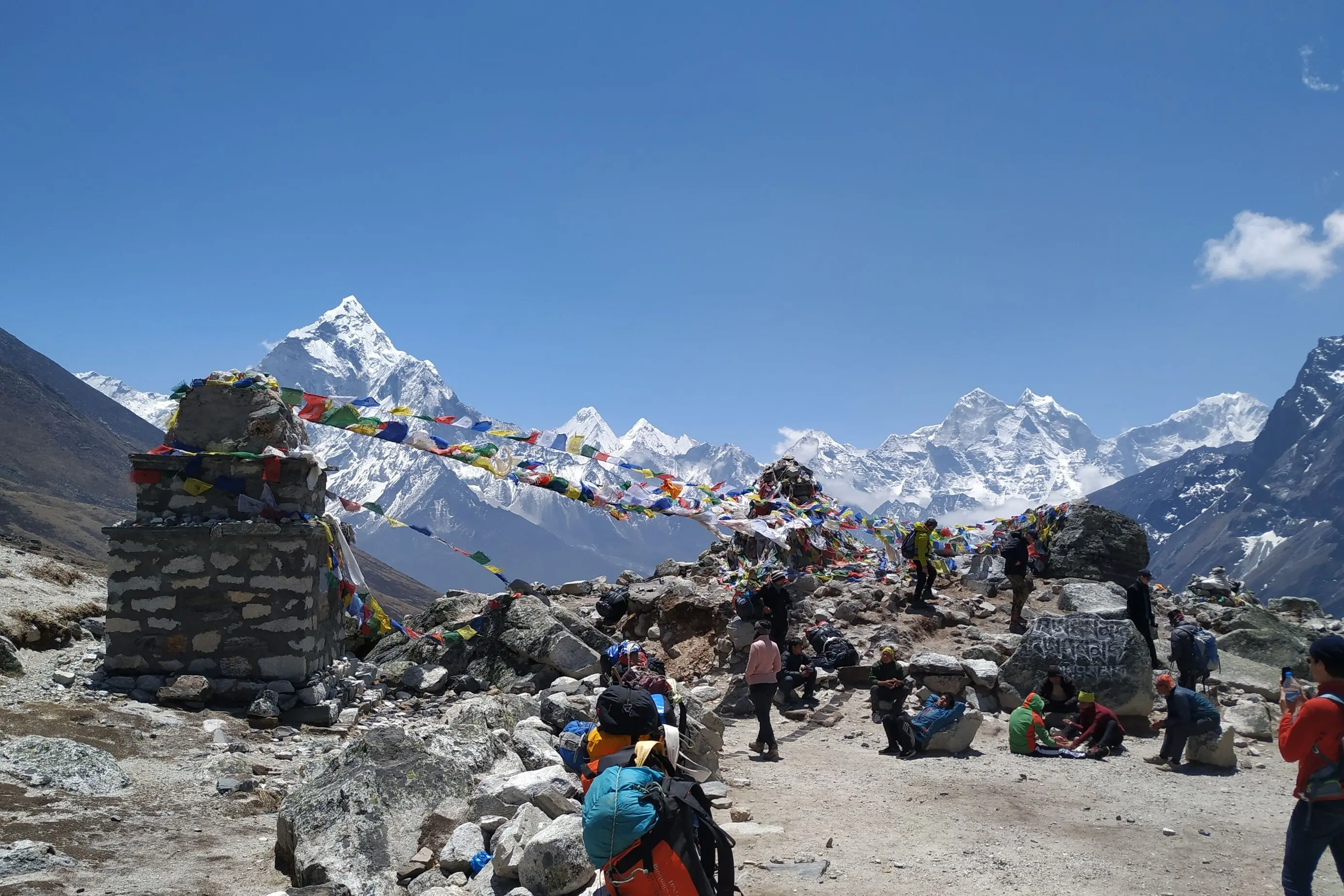
Accommodation Tea House / Lodge Meals Breakfast, Lunch, Dinner Max. altitude 4,940m / 16,207ft. A challenging yet exhilarating day begins with a trek from Lobuche to Gorak Shep. After a short rest, you’ll continue to the iconic Everest Base Camp, witnessing the Khumbu Icefall, prayer flags, and climbers’ tents. The sense of achievement is unmatched as you reach the foot of the world’s highest peak. After spending time at Base Camp, capturing photographs and enjoying the surroundings, you’ll descend back to Gorak Shep for overnight stay. Despite the altitude and physical exertion, the breathtaking scenery and historic significance of the area make this a day to remember forever.
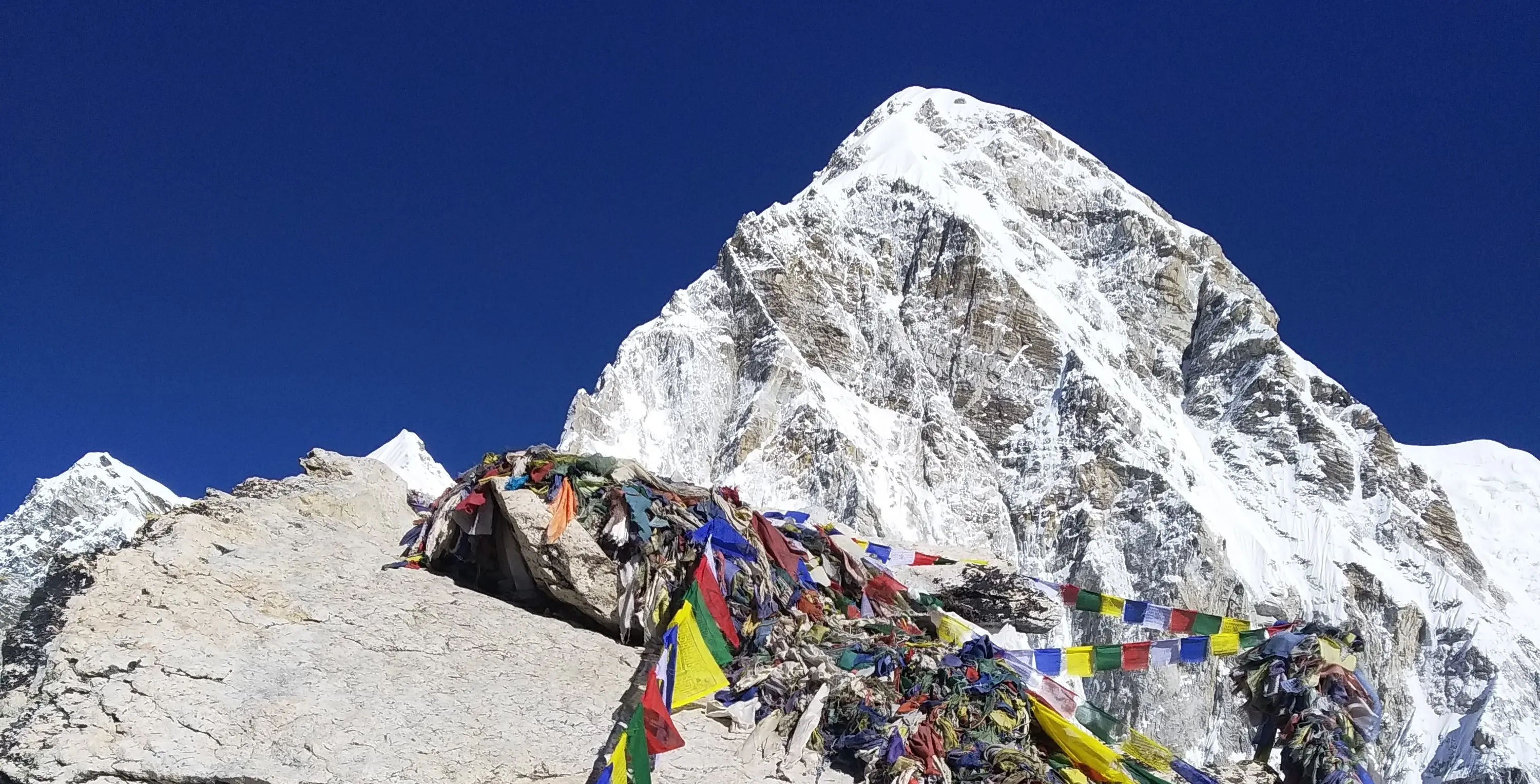
Accommodation Tea House / Lodge Meals Breakfast, Lunch, Dinner Max. altitude 5,364m / 17,598ft. Today, an early morning hike to Kala Patthar offers panoramic sunrise views of Everest, Lhotse, and Nuptse, considered one of the most spectacular viewpoints in the world. The ascent is steep and challenging due to high altitude, but the reward is unparalleled photographic opportunities and a sense of accomplishment. After enjoying the scenery and capturing memories, you descend to Pheriche for a well-deserved rest. The trek allows for gradual acclimatization during descent, with teahouses providing warmth, comfort, and hearty meals to recover from the high-altitude exertion.
Accommodation Tea House / Lodge Meals Breakfast, Lunch, Dinner Max. altitude 5,545m / 18,192ft. Descending from Pheriche, the trail passes through Pangboche and Tengboche, retracing the route taken earlier. The journey is scenic, offering views of forests, rivers, and terraced fields while allowing your body to recover from the higher altitudes. Reaching Namche Bazaar provides a chance to relax in a more developed environment with shops, cafés, and local markets. This descent is also psychologically uplifting as you retrace familiar paths and reflect on the trek’s progress while enjoying the spectacular surroundings and the companionship of fellow trekkers.
Accommodation Tea House / Lodge Meals Breakfast, Lunch, Dinner Max. altitude 3,440m / 11,286ft. Today, the trek continues through the beautiful Sagarmatha National Park, descending along the Dudh Koshi River with multiple suspension bridges and scenic viewpoints. The trail passes through small villages such as Phakding, allowing you to enjoy the lush forests and cultural landmarks one last time. Arriving in Lukla marks the conclusion of the trekking portion of the journey. Lukla’s bustling airport and teahouses provide a sense of relief and accomplishment, offering comfortable lodging and the opportunity to celebrate the completion of this epic adventure.
Accommodation Tea House / Lodge Meals Breakfast, Lunch, Dinner Max. altitude 2,860m / 9,383ft. A scenic early morning flight from Lukla to Kathmandu offers breathtaking aerial views of the Himalayan peaks and valleys. Upon arrival in Kathmandu, you will be transferred to your hotel. The remainder of the day is free for sightseeing, shopping, or relaxing in the vibrant Thamel area. This is the perfect opportunity to reflect on your Everest adventure, explore cultural landmarks, and enjoy a traditional Nepali meal before preparing for departure.
Accommodation Three-star Hotel in Thamel, Kathmandu Meals Breakfast Max. altitude 1,350m / 4,429ft. After breakfast, Glacier Nepal Treks will provide a transfer to Tribhuvan International Airport for your onward flight. This marks the end of your unforgettable Everest Base Camp adventure via Jiri. Take with you memories of breathtaking mountains, Sherpa culture, and personal achievement. Safe travels as you carry the spirit of the Himalayas back home, with experiences that will stay with you for a lifetime.
Accommodation NA Meals Breakfast Max. altitude 1,350m / 4,429ft. 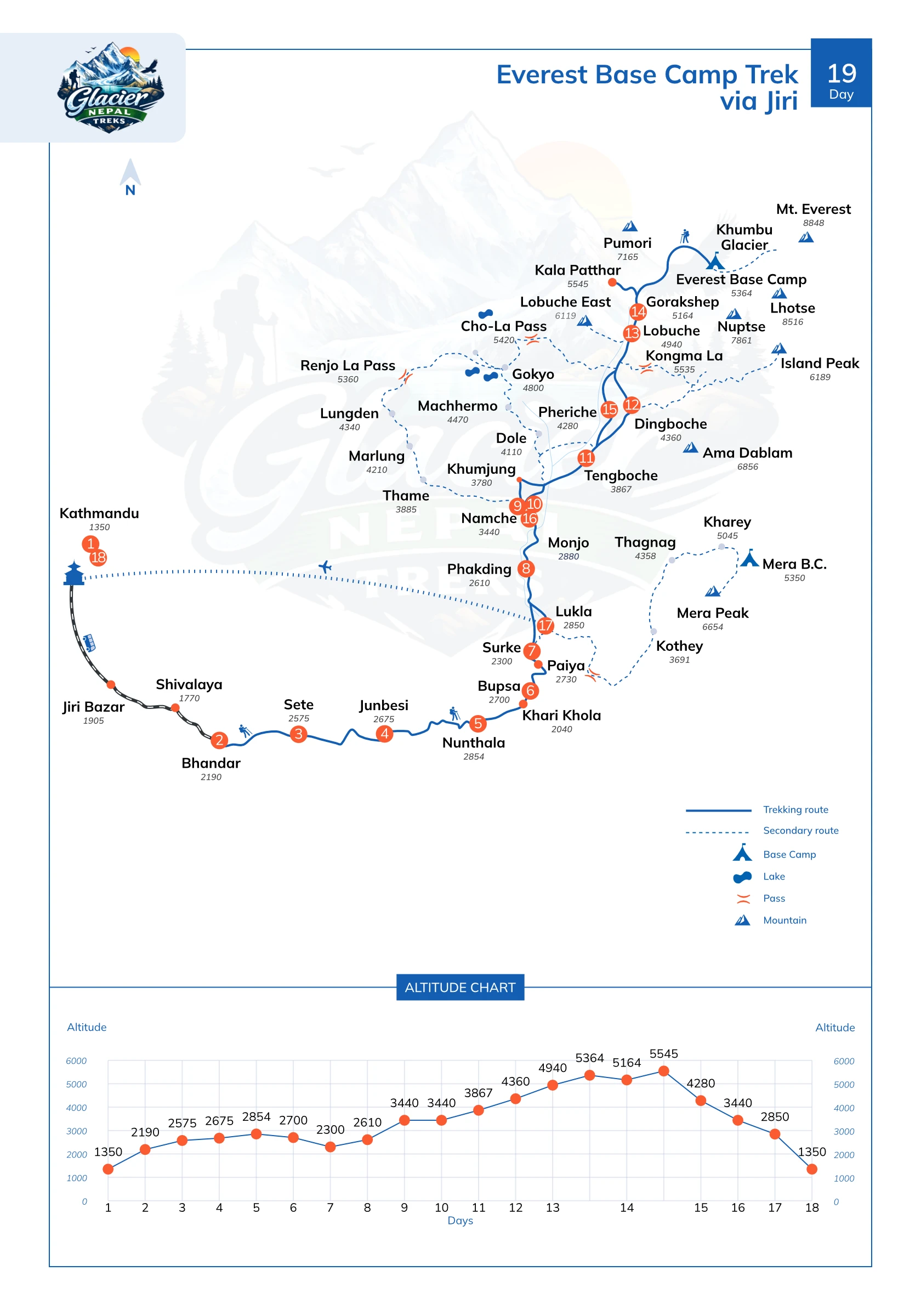
Explore on a spectacular 19-day adventure with Glacier Nepal Treks, starting from the bustling city of Kathmandu and trekking through traditional Sherpa villages, lush forests, and rugged Himalayan landscapes to reach the iconic Everest Base Camp. This route via Jiri offers a more authentic, off-the-beaten-path experience, allowing gradual acclimatization and cultural immersion in remote settlements like Sete, Junbeshi, and Tengboche, culminating in breathtaking views of Everest, Ama Dablam, and the Khumbu region.
Transportation
Accommodation / Meals
Money & Payments / Travel Insurance
Travel Documents
Common Travel Phrases / Local Culture
Sightseeing / Off the Beaten Path
Travel Advisory / Health & Safety
Traveling with Glacier Nepal Treks ensures expert guidance, reliable logistics, and a memorable Himalayan adventure combining culture, nature, and the thrill of reaching Everest Base Camp.
Airport & Transportation
Accommodation
Meals
Permits & Documentation
Trekking Staff & Support
Trekking Equipment & Safety
Additional Services
Your Start Date is the day you land in Nepal, and your End Date is when you fly home.
If the set Everest Base Camp Trek via Jiri group dates don’t suit your schedule, we can offer alternative dates upon request.
Proper layering is important to stay warm and comfortable in changing mountain weather.
Good footwear makes trekking easier and safer.
The right gear keeps you safe, comfortable, and prepared.
Lightweight but important items keep you clean, healthy, and comfortable.
Keep important items safe and easy to reach.
After meeting Hem in Family peace house, Kathmandu. He put us in touch with our guide Ganesh for a 20 day trek from Phaplu to Gokyo, Renjo La pass and back to Phaplu. All the transportation to and from Kathmandu was organised efficiently and well. Our guide who tailor made the trek for us was great. He also shared a common interest in us with food and we spent the days trekking through the amazing Himalayas from the lower lush forests to the high barren snow covered peaks staying in local tea houses eating incredible food and experiencing local life. We feel that if we had of done the trek without the guide we would have missed out on so much, little things like learning about local foods, plants to gems we descovered in the glacier. I couldn't recommend Glacier Nepal treks any higher and will no doubt return to trek other areas of Nepal with them.
Our guide and porter from Glacier Nepal Treks (GNT), arranged by Rabin, accompanied us throughout the entire journey. We completed the Everest Base Camp trek, crossed the challenging Cho La Pass, and returned to Lukla in 18 unforgettable, adventure-filled days—tough, inspiring, and truly rewarding. From the moment we were picked up at the airport, everything was well organized. Rabin kept in touch during the trek and even managed to secure our flight back from Lukla to Kathmandu, which was greatly appreciated. Our guide and porter were incredibly supportive, always putting our safety first. Their experience and dedication helped us through many challenging moments. We truly couldn’t have asked for a better team.
I want to say thank you to Rabin for the very nice 20 day trek from Jiri to Everest Base Camp. This journey was amazing for me. The views in the Everest region were very beautiful and I will never forget this experience. I highly recommend other travellers to choose Glacier Nepal Treks company for trekking, because they have very good guides, good itinerary, and great service.
When I reached Everest Base Camp, standing near prayer flags and high mountains, I felt very happy and excited. Before Lukla, we walked through small villages, not crowded by tourists, with waterfalls and rhododendron forests. Trekking via Namche, Tengboche, and Dingboche helped me adjust slowly to high altitude. My guide Ramesh was very helpful and kind. This was best treks of my life. thanks to Rabin and Glacier Nepal Treks for all the help and great arrangement.
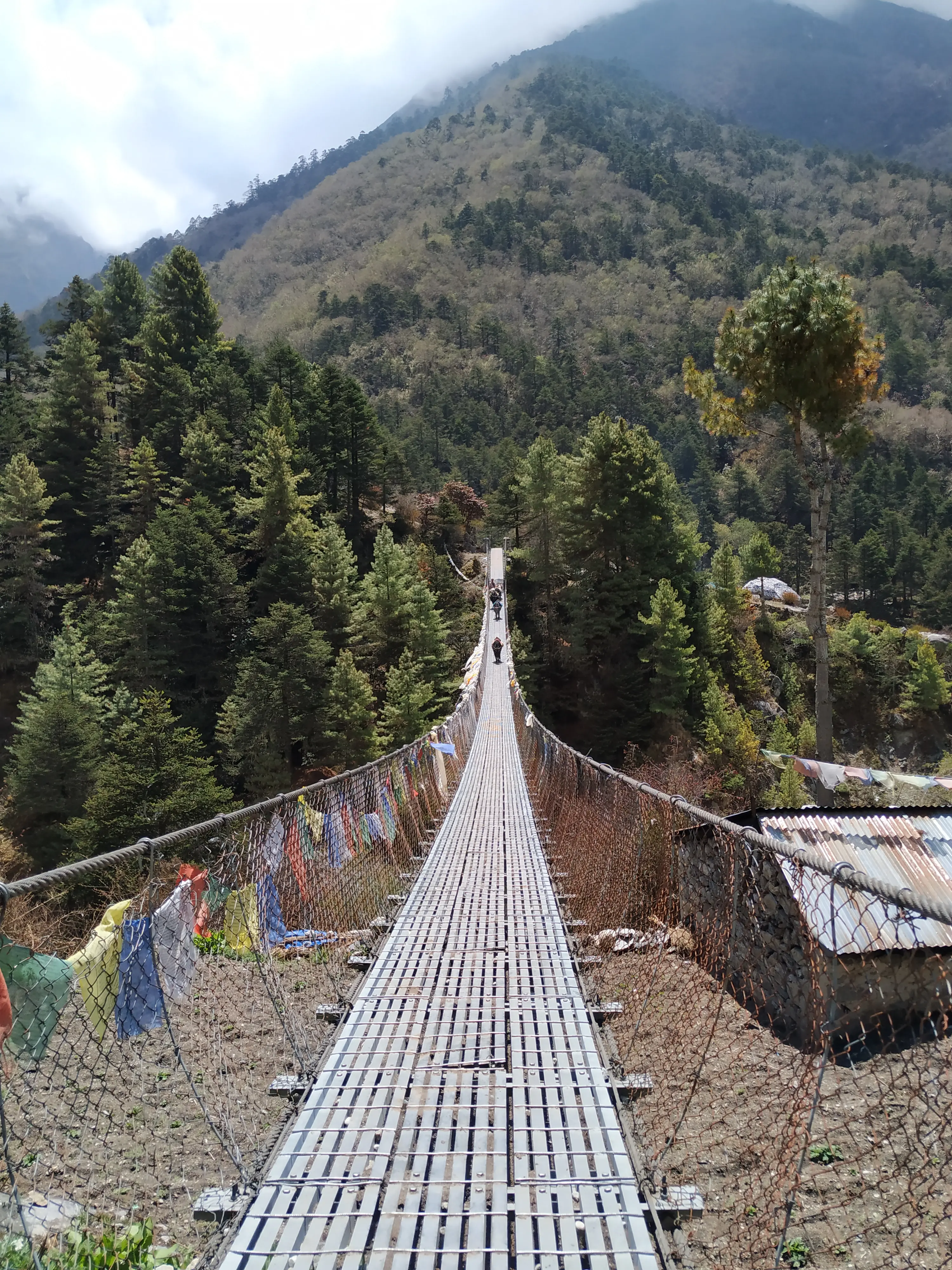
The trek from Jiri to Everest Base Camp was an amazing and authentic experience. The weather was clear and pleasant, offering beautiful views of Everest, Lhotse, Ama Dablam, and Thamserku. Each day, we enjoyed fresh and tasty meals at local teahouses. Crossing suspension bridges, including the famous Hillary Bridge, was exciting. The trail passed through peaceful villages, forests, and terraced fields before reaching Namche, Tengboche, and Dingboche. Our guide was friendly, knowledgeable, and very supportive throughout the journey. This trek is perfect for those who want a quieter and more traditional route to Everest Base Camp.
Trekking from Jiri to Everest Base Camp was an unforgettable Himalayan journey. The mostly clear weather made hiking enjoyable and energizing each day. Crossing suspension bridges, especially the famous Hillary Bridge, added excitement and stunning views. The trail passed through peaceful villages, lush forests, and terraced fields. Our guide was knowledgeable, caring, and ensured the trek was safe and comfortable. This route offers a truly authentic Everest experience, combining breathtaking scenery, local culture, and a sense of adventure far from the crowded trails.
My friend had done a trek with Rabin many years ago and highly recommended him when I was planning my Nepal trek. After meeting Rabin, I immediately liked his friendly personality and positive vibes, so choosing Glacier Nepal Treks felt like the right decision. We started our trek from Salleri, following the classic route toward Everest Base Camp. I personally think this is a better option than flying directly to Lukla because the journey is more gradual and gives you more time to enjoy the villages, forests, and changing landscapes of the Everest region. The trek was challenging but incredibly rewarding, especially as we reached Everest Base Camp and Kala Patthar. The Salleri route also allows for gradual acclimatization
Everest Base Camp Trek via Jiri with Glacier Nepal Treks was an unforgettable adventure and a wonderful way to experience the traditional Everest route. Starting from Jiri allowed us to enjoy peaceful trails, beautiful terraced fields, dense rhododendron forests, remote villages, and authentic Sherpa culture before reaching the busy Khumbu region. Reaching Everest Base Camp at 5,364 meters was a truly rewarding moment, while the sunrise from Kala Patthar offered breathtaking views of Everest, Lhotse, and Nuptse. Our guide, Krisna Malla, was fantastic throughout the trek. He was friendly, experienced, knowledgeable, and always attentive to our safety and comfort. He patiently guided us through challenging sections and shared interesting stories about the local culture and mountains.
Unforgettable experience trekking to Everest Base Camp via Jiri with Glacier Nepal Treks. Booking my trek through their website was easy and the communication was excellent from the beginning. The Jiri route felt truly authentic, taking us through beautiful villages, peaceful trails, and giving us a gradual approach to the high mountains. Our guide, Ram, was fantastic throughout the journey. He was friendly, knowledgeable, patient, and always made sure I was comfortable and enjoying the trek. Namche Bazaar, Tengboche, Dingboche, and Lobuche offered amazing Sherpa culture and breathtaking Himalayan scenery. Reaching Everest Base Camp at 5,364 meters was the highlight of the trip and a moment I will never forget.
Amazing experience and gave us a much deeper connection with the Himalayas. We started with the scenic drive from Kathmandu to Jiri, passing through beautiful countryside, terraced fields, forests, and traditional villages. The gradual journey was challenging at times but made the trek feel more authentic and rewarding. One of my favorite places was Namche Bazaar, a lively mountain town with great views, cozy cafés, and plenty of nice places to hang out and enjoy the Sherpa atmosphere. Reaching Everest Base Camp was a proud moment, but the highlight for me was the hike to Kala Patthar. The panoramic views of Everest, Lhotse, and Nuptse were absolutely breathtaking. Our guide Sagar was friendly, experienced, and supportive throughout the trek. We finished by flying from Lukla back to Ramechhap, which was a great way to end the adventure.
Our 19-day Jiri to Everest Base Camp Trek with Glacier Nepal Treks was an unforgettable adventure. We booked our trek online, and the entire process was smooth and well organized from the beginning. Starting from Kathmandu, we traveled through beautiful landscapes, lush forests, terraced farmland, and traditional Sherpa villages. The gradual ascent through Shivalaya, Bhandar, Sete, and Junbeshi allowed us to experience authentic local culture and warm mountain hospitality. Our guide, Ram Thami, was excellent throughout the journey. He was friendly, experienced, and always supportive, making sure we were comfortable and enjoying every step of the trek. peaceful trails, charming villages, and stunning scenery made this trek truly special.
Yes, the Jiri route is significantly longer than the traditional Lukla route, adding several days to your trek. Unlike Lukla, which is accessed by a short flight, Jiri allows trekkers to gradually acclimatize while walking through lower hills, forests, and rural villages. This gradual ascent reduces the risk of altitude sickness and provides an authentic experience of local culture. Glacier Nepal Trek specifically organizes the Jiri route for travelers seeking adventure, cultural immersion, and a more scenic and traditional approach to Everest Base Camp.
The trek is moderately to highly demanding due to its duration, altitude, and varying terrain. Daily hikes typically range from 4 to 8 hours, with steep ascents and descents along rocky trails and suspension bridges. Trekking experience is helpful but not mandatory, as Glacier Nepal Trek provides experienced guides who pace the group and ensure safety. Good physical preparation through cardio, hiking, and strength exercises is recommended. With proper acclimatization, rest, and guidance, most healthy individuals can successfully complete the trek and enjoy the breathtaking Himalayan scenery.
Everest Base Camp sits at an elevation of approximately 5,364 meters (17,598 feet), while the nearby viewpoint Kala Patthar reaches 5,545 meters (18,192 feet). Kala Patthar is highly recommended for trekkers as it provides unparalleled panoramic views of Mount Everest, Lhotse, Nuptse, and surrounding peaks. Glacier Nepal Trek ensures gradual acclimatization with stops in Namche, Dingboche, and Lobuche to help trekkers adjust to the high altitude safely, minimizing the risk of altitude sickness and allowing you to enjoy your ascent comfortably.
Previous trekking experience is helpful but not mandatory for the Jiri route. The trek is designed to accommodate both beginners and experienced hikers, though it requires good stamina and a positive mindset. Glacier Nepal Trek provides trained guides and porters to assist you throughout the journey, manage logistics, and support you in challenging sections. Physical preparation through cardio, endurance, and leg-strength exercises is recommended, and following the guide’s advice on pace, hydration, and acclimatization ensures a safe and enjoyable trek, even for first-time trekkers.
The trek begins with a drive from Kathmandu to Bhandar via Jiri, passing through scenic hills, rivers, and traditional villages. The journey typically takes 8–10 hours by local bus or private vehicle, offering a gradual immersion into the Solukhumbu region. The route provides travelers with stunning mountain views and opportunities to experience rural Nepali life. Glacier Nepal Trek organizes all transportation, ensuring a comfortable and safe ride while providing guidance about acclimatization, trekking tips, and cultural insights before the trek officially begins.
The best time to trek to Everest Base Camp via Jiri is during the pre-monsoon (spring) season from March to May and the post-monsoon (autumn) season from late September to November. During these months, the weather is stable, skies are generally clear, and mountain views are spectacular. Spring offers blooming rhododendrons and pleasant temperatures, while autumn provides crisp air and perfect visibility of Everest and surrounding peaks. Glacier Nepal Trek recommends planning your trek within these periods for the safest and most enjoyable experience.
Accommodation along the Jiri route and Everest region consists mainly of teahouses and lodges, offering basic but comfortable rooms. Facilities may include a bed with blankets, shared bathrooms, and hot showers (sometimes for an extra fee). Meals are provided, usually two per day, and are mostly traditional Nepali dishes such as dal bhat, noodles, and soups. Glacier Nepal Trek ensures that all accommodations are clean, safe, and strategically located along the trekking route. Staying in local teahouses also provides a chance to interact with Sherpa communities and experience authentic Himalayan culture.
Glacier Nepal Trek provides two meals per day during the trekking portion, typically breakfast and dinner. Meals consist of local Nepali dishes, including rice, lentils, vegetables, and occasionally meat. Hot drinks such as tea and coffee are available, though they may be charged separately. Lunch can be purchased along the trail at teahouses if desired. The focus is on nutritious, high-energy meals to support trekking at high altitudes. Trekkers are encouraged to drink plenty of water and hydrate frequently to prevent altitude sickness and fatigue.
While it is possible to trek independently, Glacier Nepal Trek strongly recommends hiring a guide and porter. Guides are trained in navigation, safety, and first aid, and they provide insights into local culture and traditions. Porters carry heavy luggage, allowing you to trek comfortably and focus on acclimatization and enjoyment. Hiring guides and porters ensures a safer, more organized trek, especially on longer routes like Jiri. Glacier Nepal Trek provides experienced, friendly staff who prioritize trekkers’ safety, comfort, and overall experience throughout the journey.
Packing appropriately is crucial for safety and comfort. Essentials include layered clothing for varying temperatures, a warm sleeping bag, sturdy trekking boots, gloves, hats, sunglasses, trekking poles, water bottles, and personal hygiene items. High-altitude sun protection and a good first-aid kit are also recommended. Glacier Nepal Trek provides a detailed packing list before departure to ensure nothing is missed. Luggage is carried by porters, so trekkers only need a daypack for essentials like water, snacks, and cameras, making the trek more comfortable and enjoyable.
| No of people | Price per person |
|---|---|
| 1 - 1 | $1,400 |
| 2 - 4 | $1,300 |
| 5 - 8 | $1,275 |
| 9 - 16 | $1,250 |
| No of people | Price per person |
|---|---|
| 1 - 1 | $1,600 |
| 2 - 4 | $1,450 |
| 5 - 8 | $1,425 |
| 9 - 16 | $1,375 |
| No of people | Price per person |
|---|---|
| 1 - 1 | $1,600 |
| 2 - 4 | $1,450 |
| 5 - 7 | $1,400 |
| 8 - 15 | $1,350 |


 (31)
(31)  94% recommend (244)
 (12)
(12)