Climbing a 6,000-meter peak in Nepal is a dream for many adventure seekers who want to take the next step beyond trekking and experience the world of mountaineering. Standing on a Himalayan summit surrounded by snow-covered mountains is an unforgettable achievement, but reaching that point requires preparation, physical fitness, acclimatization, the right equipment, and experienced mountain guides. The good news is that you do not necessarily need years of mountaineering experience to attempt a 6,000-meter peak. Nepal has several climbing peaks that provide an excellent introduction to high-altitude mountaineering. Among the most popular options are Island Peak (6,189m), Mera Peak (6,476m), and Lobuche East Peak (6,119m). With professional guidance, proper acclimatization, basic climbing training, and a carefully designed itinerary, a physically fit first-time climber can take on one of these Himalayan peaks. At Glacier Nepal Treks, we focus on helping climbers understand what is involved before they begin their journey. From airport arrival and trekking arrangements to climbing equipment, acclimatization, summit preparation, and return to Kathmandu, our team provides support throughout the adventure. If your dream is to stand on your first Himalayan summit above 6,000 meters, Nepal is one of the best places to begin.
Nepal is internationally recognized as one of the world's leading destinations for trekking and mountaineering. The country is home to Mount Everest and many of the world's highest mountains, but it also offers numerous lower-altitude peaks that allow climbers to gain valuable high-altitude experience. One of the biggest advantages of climbing in Nepal is the combination of spectacular mountain scenery and established trekking infrastructure. Many climbing routes begin along popular trekking trails, meaning climbers can gradually gain altitude while staying in mountain lodges and villages before reaching base camp. Nepal also has an extensive network of experienced trekking and climbing guides. Local mountain professionals understand the terrain, weather patterns, altitude challenges, and logistics required for Himalayan expeditions.
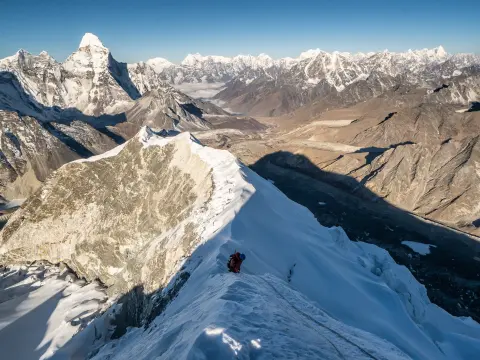
For a first climbing experience, this combination can make Nepal a practical and rewarding choice.
A 6,000-meter peak is a mountain summit located between 6,000 and 6,999 meters above sea level. Although these mountains are lower than the world's 8,000-meter giants, climbing above 6,000 meters is still a serious high-altitude undertaking. At this elevation, the air contains significantly less oxygen than at sea level. The human body must work harder, and even simple activities such as walking uphill can become physically demanding.
A 6,000-meter climb may involve several different stages:
The exact itinerary depends on the mountain, route, weather, acclimatization requirements, and climbing conditions. For beginners, the goal should not simply be to reach the highest possible elevation. The priority should be to learn basic mountaineering skills, acclimatize properly, climb safely, and enjoy the experience.
Nepal offers several peaks that can be considered by climbers with limited or no previous high-altitude climbing experience. However, each mountain has different terrain and difficulty, so choosing the right peak is important. Three of the most popular options are Island Peak, Mera Peak, and Lobuche East.
Island Peak is one of Nepal's most popular climbing peaks and is a particularly attractive option for trekkers who want to combine an Everest Base Camp-region adventure with their first climbing experience. Located in the Everest region, Island Peak provides an opportunity to experience glacier travel, crampons, ropes, an ice axe, and a high-altitude summit climb. The approach route passes through famous Sherpa settlements, including Namche Bazaar, and offers spectacular views of some of the world's highest mountains.
Island Peak should not be considered an easy hike. The summit involves technical climbing skills and exposure to high altitude. Beginners should be prepared to follow their climbing guide's instructions and participate seriously in pre-summit training. For someone who has already completed high-altitude trekking and wants to experience technical climbing, Island Peak can be an excellent progression.
Mera Peak is the highest of the three peaks discussed here and is often considered a suitable choice for climbers seeking a comparatively straightforward technical introduction to high-altitude mountaineering. The climb can involve snow and glacier travel, and climbers need to use equipment such as crampons, harnesses, ropes, and an ice axe depending on conditions and route requirements. Mera Peak is particularly attractive because of its incredible Himalayan panorama. From the upper sections and summit area, climbers can enjoy views toward some of the region's most famous mountains, including Everest, Lhotse, Makalu, and other Himalayan giants.
Although Mera Peak is sometimes described as a beginner-friendly mountain, its altitude should never be underestimated. A climber can be technically capable and still struggle because of altitude, weather, fatigue, or inadequate acclimatization.
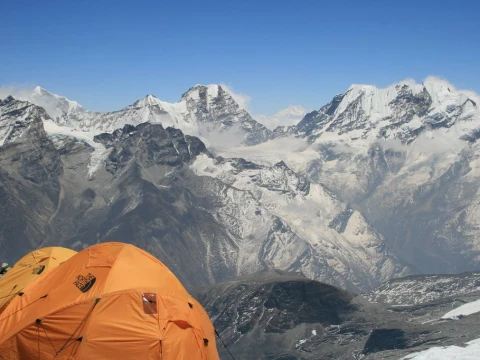
Lobuche East is another popular choice for climbers looking for their first Himalayan peak. Located close to the Everest Base Camp trekking route, Lobuche East can be combined with a trek through the Khumbu region. This allows climbers to experience famous locations such as Namche Bazaar, Tengboche, Dingboche, and the Everest Base Camp area before attempting the summit. Compared with some of the more straightforward climbing peaks, Lobuche East can provide a more challenging summit experience, including steeper sections and technical terrain depending on the route and conditions.
For beginners who want to develop technical climbing skills while experiencing the Everest region, Lobuche East can be a rewarding option.
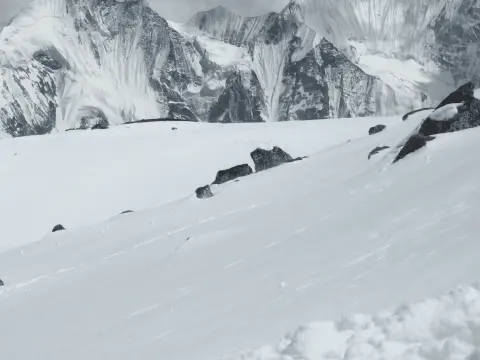
One of the most common questions beginners ask is whether they need previous mountaineering experience. The answer depends on the peak, your physical condition, your ability to learn basic climbing techniques, and the current mountain conditions. Previous experience with crampons, ropes, ice axes, or glacier travel can certainly be helpful, but some beginner-oriented peaks can be attempted by fit and properly prepared trekkers under professional supervision. However, "beginner-friendly" does not mean "easy." A 6,000-meter peak is a serious mountain objective. You should be comfortable walking for several hours a day, carrying a backpack, hiking on uneven terrain, and dealing with cold and high altitude. Before departure, it is also important to understand the risks associated with altitude and to be prepared to follow your guide's decisions.
If you have never used mountaineering equipment before, do not worry. A professional climbing team can provide practical instruction before the summit attempt. Depending on the peak and itinerary, training may include:
Training is not simply an extra activity. It is an important part of preparing for the summit. The purpose is to make you familiar with your equipment before you encounter difficult terrain. At Glacier Nepal Treks, our climbing team helps beginners understand the equipment and techniques required for their particular peak.
Good physical fitness is one of the most important factors in a successful climb. You do not necessarily need to be an elite athlete, but you should have good cardiovascular endurance, leg strength, balance, and mental stamina. A useful training program should begin several weeks before your departure.
Activities such as:
can help improve cardiovascular endurance.
Focus particularly on:
Squats, lunges, step-ups, planks, and other functional exercises can help prepare your body for long days on the trail.
Nothing replaces actual hiking experience. Before your trip, try to complete regular hikes while carrying a backpack. Gradually increase the duration and elevation gain. The goal is to become comfortable walking for several hours at a time. Starting your preparation approximately 6–8 weeks before the trip can be helpful, although longer preparation is even better for people who are new to endurance activities.
Physical fitness is only part of the challenge. A 6,000-meter climb also tests your patience, confidence, concentration, and ability to deal with discomfort. You may experience:
There may also be moments when the summit feels much farther away than expected. Maintaining a positive but realistic mindset is important. A successful climber understands that mountain conditions can change quickly and that reaching the summit is never guaranteed. Your guide may recommend turning around if weather, health, snow conditions, or other safety factors make continuing dangerous. A safe return is always more important than reaching the summit.
Altitude is one of the greatest challenges of climbing a 6,000-meter peak. As elevation increases, the amount of available oxygen decreases. Your body needs time to adapt to the changing environment. That is why a properly designed itinerary includes gradual ascent and acclimatization periods. Possible symptoms of altitude illness can include:
More serious symptoms require immediate attention and descent may be necessary. Never try to hide altitude symptoms from your guide simply because you want to continue toward the summit. Communicating openly with your climbing team is essential.
Acclimatization days allow your body to adjust before you continue to higher elevations.
A good itinerary balances:
Glacier Nepal Treks plans climbing itineraries with acclimatization in mind, while guides monitor climbers throughout the journey.
Having the right equipment is critical. Mountain conditions can be cold, windy, wet, and unpredictable. Your exact equipment list will depend on the peak and season, but commonly required gear includes:
Mountaineering Boots :- High-altitude mountaineering boots should provide warmth, protection, stability, and compatibility with crampons when required. Make sure your boots are properly broken in before the trek.
Crampons :- Crampons provide traction on snow and ice. You should learn how to attach and use them correctly during your climbing training.
Ice Axe :- An ice axe is an important tool for certain snow and ice sections. Your guide will explain how to carry and use it safely.
Harness and Helmet :- A climbing harness and helmet may be required for technical sections and roped climbing.
Down Jacket:- A warm down jacket is essential for cold mornings, evenings, base camp, and the summit push.
Waterproof Jacket and Pants :- A waterproof outer layer protects you from rain, snow, and wind.
Thermal Layers :- Thermal base layers help retain body heat while moving moisture away from your skin.
Gloves and Warm Hat :- Carry warm insulated gloves and a good hat that covers your ears. Depending on the season, multiple glove layers may be useful.
Sleeping Bag :- A high-quality sleeping bag suitable for the expected mountain temperatures is important for staying warm at night.
Sunglasses :- Strong UV exposure becomes a serious concern at high altitude. Good-quality UV-protection sunglasses are essential.
Sunscreen :- Use high-SPF sunscreen on exposed skin and reapply regularly.
Water Bottles :- Carry sufficient water capacity for the day's hiking. Insulated bottles can be useful in cold conditions.
Headlamp :- A reliable headlamp with spare batteries is essential for early-morning summit starts.
Trekking Poles :- Trekking poles can improve balance and reduce stress on your knees during long ascents and descents.
Personal First-Aid Kit :- Carry essential personal medications and basic first-aid supplies such as blister treatment, bandages, antiseptic wipes, medical tape, and pain-relief medication.
Your guide and expedition team will also carry appropriate group safety and medical equipment.
The cost of climbing a 6,000-meter peak varies considerably depending on the mountain, duration, group size, services, permits, accommodation, transportation, equipment, and level of support. A broad estimate for a professionally organized climbing trip can be around USD 2,000–4,500 per person, although individual peak packages may fall outside this range.
Before booking, always check exactly what is included.
A climbing package may include:
Personal expenses, international flights, travel insurance, personal climbing equipment, tips, emergency evacuation, and other optional expenses may be additional. Glacier Nepal Treks provide a clear breakdown of inclusions and exclusions before you book.
Climbing a Himalayan peak requires the appropriate permits and documentation. The exact permits depend on the mountain and route. Depending on the itinerary, climbers may need climbing permits, conservation or national park permits, and trekking-related documentation. Permit regulations and fees can change, so it is important to confirm the current requirements before departure. Glacier Nepal Treks can assist clients with the required permit arrangements and documentation as part of the expedition planning process.
The main climbing seasons in Nepal are generally spring and autumn.
Spring is one of the most popular seasons for Himalayan climbing.
Advantages include:
Autumn is another excellent season for trekking and climbing.
The monsoon has generally cleared the atmosphere, often producing excellent mountain visibility.
Advantages include:
Winter brings colder temperatures and potentially difficult conditions at higher elevations. Experienced climbers may still undertake certain climbs, but beginners should carefully consider the conditions and choose an appropriate itinerary.
Heavy rainfall affects many trekking regions during the monsoon season. Some routes can become wet and muddy, while flight and trail conditions may also be affected.
The best season ultimately depends on the mountain and current conditions.
A guide provides much more than navigation.
On a high-altitude climb, an experienced guide helps with:
For beginners, professional guidance can make the experience significantly more organized and educational.
At Glacier Nepal Treks, our goal is not simply to take clients to a mountain. We want climbers to understand the journey, prepare properly, learn essential skills, and make informed decisions throughout the expedition.
A 6,000-meter climb is an adventure, but it is not without challenges.
High Altitude -: The lack of oxygen makes physical activity significantly harder.
Cold -: Temperatures can drop considerably, particularly at night and during summit attempts.
Long Summit Day-: The summit attempt may involve many hours of walking and climbing.
Weather-: Mountain weather can change rapidly. Strong winds, snowfall, cloud, and low temperatures can affect plans.
Fatigue-: Several days of trekking followed by climbing can be physically demanding.
Uncertainty-: Even with excellent preparation, the summit cannot be guaranteed. Weather and mountain conditions ultimately determine what is safe. Understanding these challenges before departure helps you prepare mentally and physically.
If you are preparing for your first Himalayan climbing experience, keep the following advice in mind:
Begin your physical preparation several weeks or even months before arriving in Nepal. A 6,000-meter climb requires excellent endurance, leg strength, balance, and stamina for long trekking days, steep ascents, and demanding summit attempts.
Never take brand-new trekking or mountaineering boots directly onto a long Himalayan trail. Wear them during training hikes beforehand so your feet become comfortable with them and you can identify potential pressure points or fitting problems.
Beginners should become familiar with essential climbing equipment before attempting the summit. Learn how to correctly use crampons, an ice axe, harness, helmet, ropes, and carabiners under the supervision of an experienced climbing guide.
Drink water regularly throughout the day, even when you do not feel particularly thirsty. Cold temperatures and high-altitude conditions can reduce your awareness of thirst, while dehydration can contribute to fatigue, headaches, and reduced physical performance.
High-altitude trekking requires considerable energy because you are walking for several hours, often carrying equipment while dealing with cold temperatures. Eat regular meals containing carbohydrates, protein, fats, and other nutrients to maintain energy throughout the expedition.
Do not try to compete with faster trekkers during a high-altitude expedition. Walking slowly and consistently helps conserve energy, control breathing, and reduce unnecessary fatigue, especially as the trail becomes steeper and oxygen availability decreases.
Experienced mountain guides understand the route, weather, terrain, altitude, and current climbing conditions. Follow their instructions regarding pace, rest, equipment, acclimatization, and safety because their decisions are based on protecting the entire climbing team.
Good communication is essential during a mountain expedition. Tell your guide when you are tired, uncomfortable, cold, or concerned about something. Open communication allows the team to identify problems early and make better safety decisions.
Avoid carrying unnecessary equipment because additional weight becomes increasingly noticeable during long climbs. At the same time, never remove essential safety equipment simply to reduce your backpack weight. Follow the recommended packing list for your specific peak.
A 6,000-meter peak should never be underestimated. The Himalayas are beautiful but unpredictable, and conditions can change rapidly. Respect the mountain, listen to experienced professionals, remain humble, and understand that returning safely is always more important than reaching the summit.
Reaching a Himalayan summit is about much more than altitude.
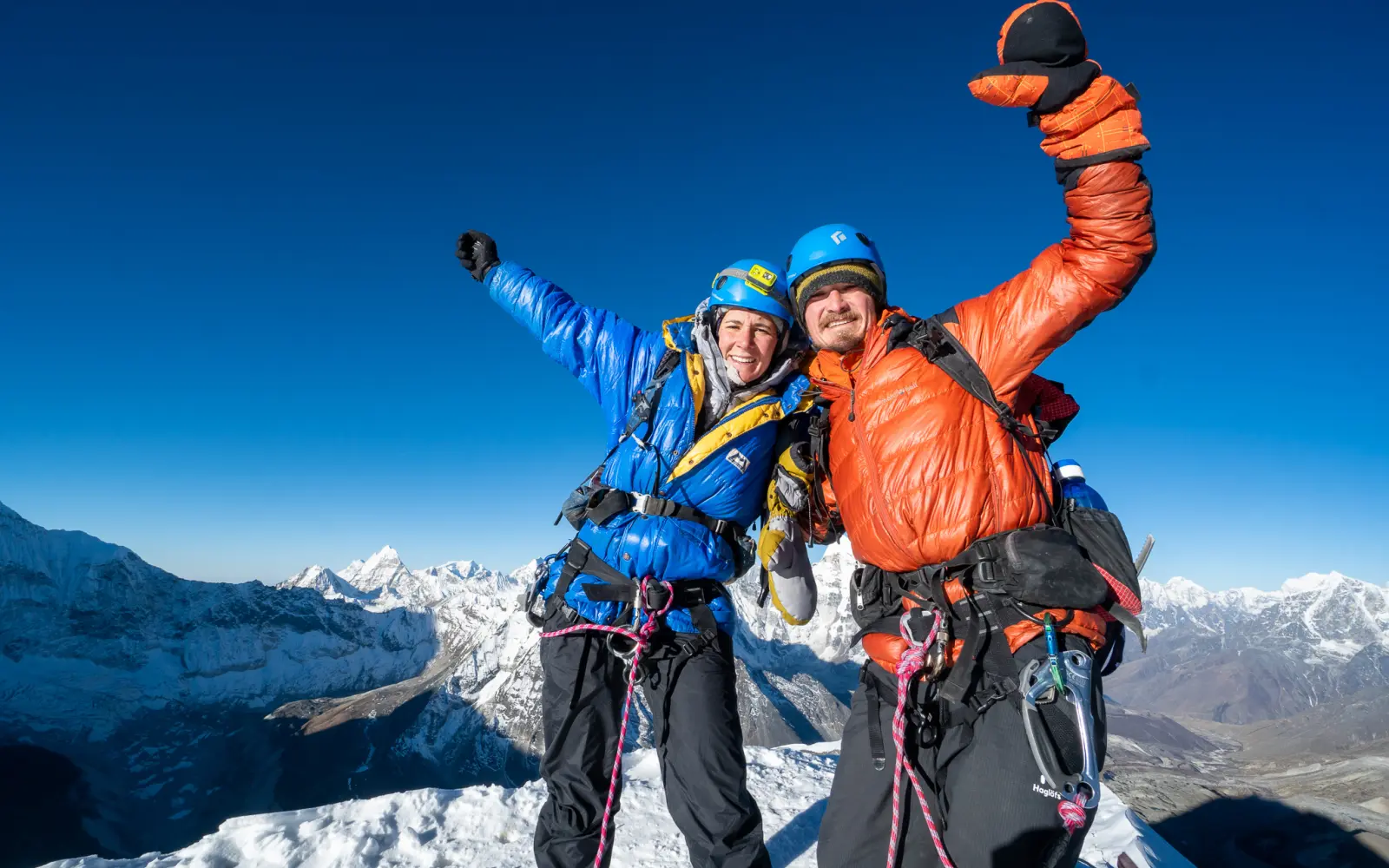
Along the way, you experience remote mountain landscapes, traditional villages, Buddhist culture, local hospitality, changing environments, and the unique rhythm of life in the Himalayas. You may start your journey in the busy streets of Kathmandu and, within days, find yourself walking through quiet mountain valleys surrounded by enormous snow-covered peaks. The summit itself can be an emotional moment. After weeks or months of preparation, you finally stand above 6,000 meters. The mountains stretch across the horizon, the air is thin, and the landscape looks completely different from anything you have experienced before. That moment becomes a memory that lasts for a lifetime.
A first 6,000-meter climb should be approached with enthusiasm, preparation, and respect for the mountains. You do not need to be an experienced mountaineer to begin your journey, but you do need to be physically prepared, mentally determined, properly equipped, and willing to learn. Whether you choose Island Peak, Mera Peak, or Lobuche East, each mountain offers a different combination of trekking, climbing, culture, and Himalayan scenery. With careful acclimatization, professional guidance, appropriate equipment, and a well-planned itinerary, your first Himalayan climbing adventure can become one of the most rewarding experiences of your life. Glacier Nepal Treks is ready to help you plan your journey from the moment you arrive in Nepal until you safely return from the mountains. Your first 6,000-meter summit could be the beginning of a lifelong passion for Himalayan mountaineering.
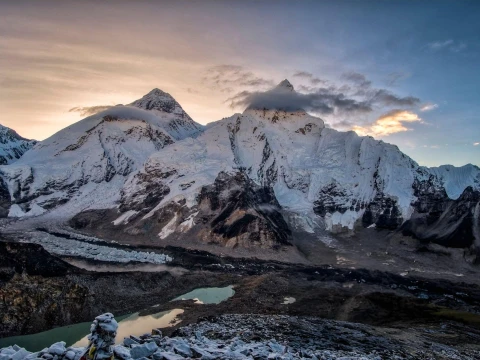
Trekking to Everest Base Camp is more than a hike it’s a journey through legendary landscapes, ancient Sherpa culture, and the heart of the Himalayas, all leading to the foot of the world’s highest mountain.
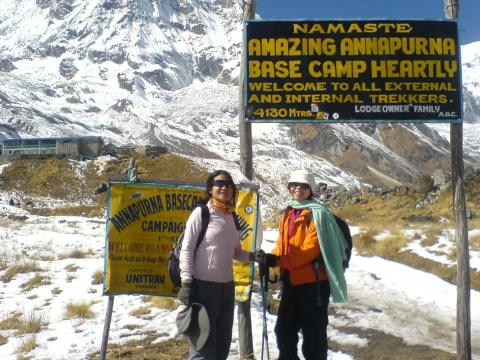
The Annapurna Base Camp (ABC) Trek for Beginners 2026, offered by Glacier Nepal Trek, is one of Nepal’s most rewarding Himalayan adventures designed specifically for first-time trekkers. This trek combines comfortable pacing, gradual altitude gain, and well-established trekking infrastructure, making it ideal for travelers who want a true
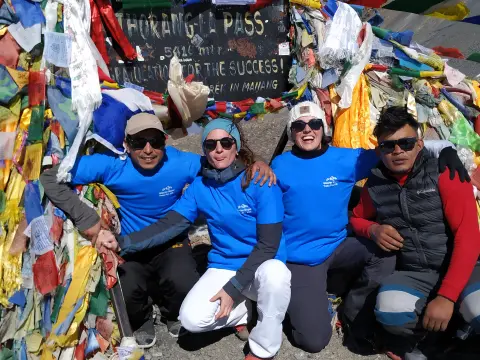
Glacier Nepal Treks is one of Kathmandu's most trusted and highly rated trekking companies, with a TripAdvisor rating of 5.0 and hundreds of satisfied trekkers from around the world. Our experienced and licensed guides have crossed Thorong La Pass hundreds of times and know every step of the trail intimately. We handle everything permits, accommodation, guides, porters, transfers, and emergency support so you can focus entirely on the extraordinary adventure that awaits you.


 (31)
 94% recommend (244)

 (12)