The Annapurna Base Camp (ABC) Trek for Beginners 2026, offered by Glacier Nepal Treks, is one of Nepal’s most rewarding Himalayan adventures designed specifically for first-time trekkers. This trek combines comfortable pacing, gradual altitude gain, and well-established trekking infrastructure, making it ideal for travelers who want a true mountain experience without technical climbing. From lush forests and traditional villages to dramatic glaciers and snow-capped peaks, the journey delivers variety and inspiration every single day.
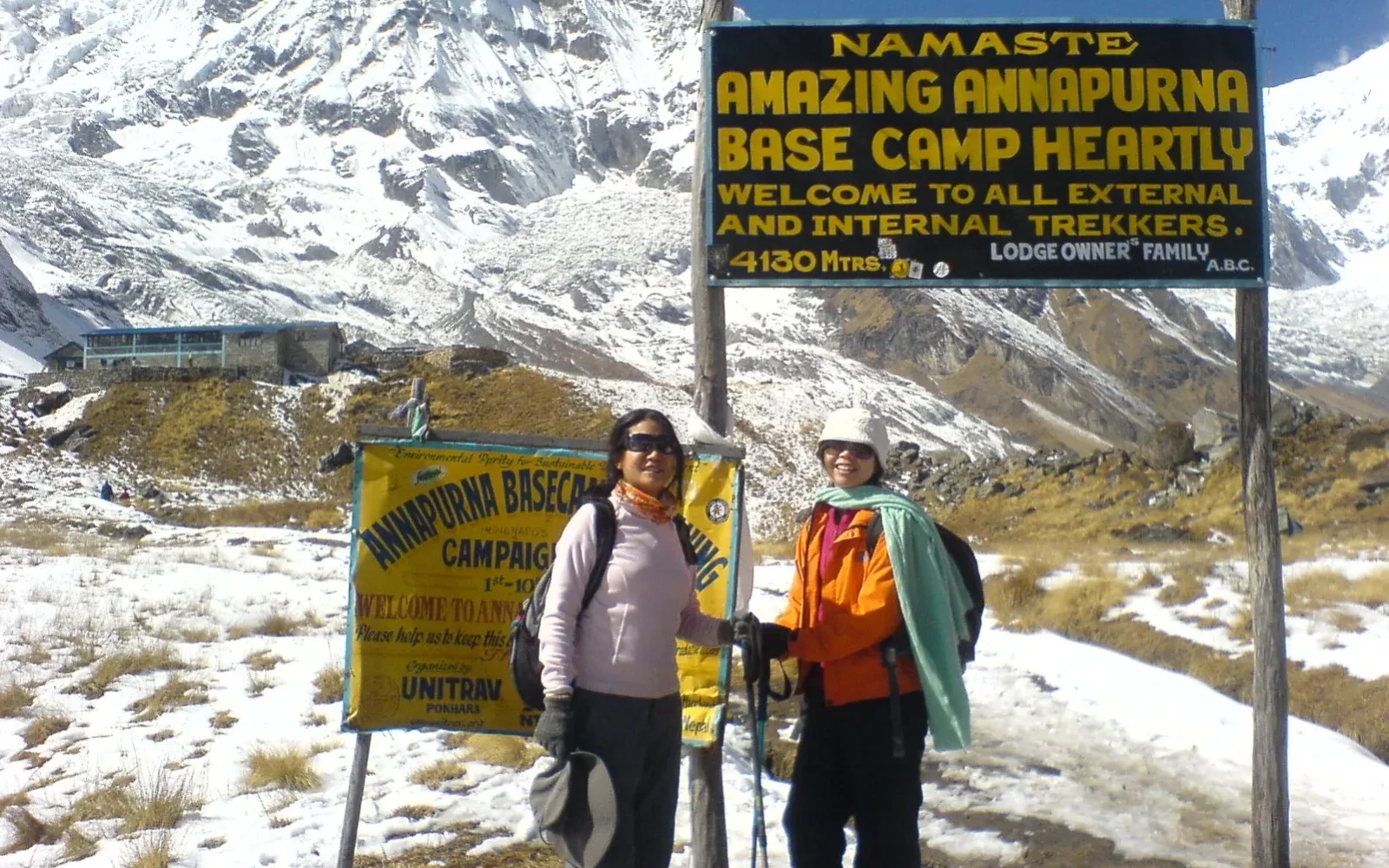
What makes this trek especially beginner-friendly is the thoughtfully structured itinerary. With enough time for acclimatization and rest, trekkers can enjoy the trail safely while building confidence along the way. The trek reaches Annapurna Base Camp at 4,130 meters, placing you right in the heart of the Annapurna Sanctuary surrounded by giants like Annapurna I, Machapuchare (Fishtail), Hiunchuli, and Annapurna South. Glacier Nepal Treks ensures experienced guides, quality accommodations, and full logistical support to make the journey smooth and memorable.
Key Highlights
The Annapurna Base Camp Trek stands out as one of the best Himalayan treks for beginners because it strikes a perfect balance between adventure and accessibility. Unlike more demanding high-altitude treks, ABC does not require prior mountaineering skills, special equipment, or extreme endurance. The trails are well-marked, villages are frequent, and daily walking hours are manageable, making it approachable for trekkers with basic fitness.
Another reason ABC is ideal for beginners is the availability of excellent trekking facilities. From cozy teahouses and hot meals to medical posts and communication access, the route is well developed. With Glacier Nepal Treks, beginners benefit from professional guides who monitor altitude, pace the trek properly, and provide encouragement and support allowing trekkers to focus on enjoying the journey rather than worrying about logistics.
Why Beginners Love ABC
Annapurna Base Camp is located in central Nepal, within the Annapurna Conservation Area, one of the most diverse protected regions in the Himalayas. Nestled at an altitude of 4,130 meters (13,546 feet), ABC lies deep inside the Annapurna Sanctuary a natural amphitheater of towering Himalayan peaks. The trek begins from Pokhara, Nepal’s scenic lakeside city, and passes through charming Gurung and Magar villages such as Ghandruk and Chomrong.
The region is famous not only for its dramatic mountain scenery but also for its biodiversity and cultural richness. Trekkers walk through rhododendron forests, bamboo groves, alpine landscapes, and glacial valleys, all within a relatively short trekking duration. Because of its location and accessibility, Annapurna Base Camp is considered one of the most scenic yet achievable base camp treks in Nepal.
Location Facts
Yes, the Annapurna Base Camp Trek is highly suitable for first-time trekkers, especially when done with a reputable company like Glacier Nepal Treks. The trail does not involve technical sections, rope work, or exposure to extreme weather if trekked in the right season. With proper guidance, beginners can comfortably complete the trek while enjoying a strong sense of achievement.
The key to success for first-time trekkers lies in preparation, pacing, and support all of which are built into Glacier Nepal Treks’s itinerary. The gradual ascent allows the body to adapt naturally to altitude, while experienced guides ensure safety and motivation. Even trekkers with no prior Himalayan experience often find ABC to be the perfect introduction to trekking in Nepal.
Beginner Suitability Checklist
The Annapurna Base Camp (ABC) Trek can be undertaken almost year-round, but certain seasons are ideal for beginners seeking clear trails, comfortable weather, and spectacular views. Autumn (September to November) is the most popular time, offering stable weather, warm temperatures during the day, and incredible visibility of the Himalayan peaks. This period is perfect for first-time trekkers as the trails are dry and teahouses are fully operational.
Spring (March to May) is another excellent season when rhododendrons bloom, coloring the trails in vibrant shades of red, pink, and white. The weather is slightly warmer than in autumn, and snow is minimal on the lower trails, making trekking easier for beginners. Glacier Nepal Treks recommends avoiding the monsoon season (June to August), when heavy rainfall can make trails slippery and landslides more likely, and the peak of winter (December to February), which brings cold temperatures and possible snow blockages at higher elevations.
Key Points on Timing
The Annapurna Base Camp Trek is generally considered moderate difficulty, making it suitable for beginners who maintain basic fitness and follow a safe trekking schedule. The trek involves steady ascents and descents, with altitudes gradually increasing to 4,130 meters at ABC. While there are no technical climbing sections, the challenge lies in long daily walks, altitude, and variable weather conditions.
Beginners should be prepared for days of 4–6 hours of trekking with moderate inclines and occasional steep paths. Glacier Nepal Treks ensures that the trek is paced appropriately, with built-in rest and acclimatization days to reduce altitude sickness risk. Porters are also available to carry heavier luggage, making it easier for first-time trekkers to focus on the experience rather than physical strain.
Difficulty Overview
The ABC trek route is a well-established trail that begins from Pokhara and passes through several beautiful villages before reaching the base camp. Trekkers typically start with a scenic drive from Pokhara to Nayapul, then walk to Ghandruk, Chomrong, Dovan, Deurali, and finally Annapurna Base Camp. The return route often follows a slightly different path through Bamboo, Jhinu Danda, and back to Nayapul, offering variety and new scenic highlights.
Along the way, trekkers experience a rich mix of landscapes from terraced fields and subtropical forests to high-altitude alpine zones. Cultural encounters with the Gurung and Magar communities add another layer of enjoyment, as local villages are dotted along the trail. Glacier Nepal Treks provides detailed guidance for every leg of the route, ensuring first-time trekkers stay safe, well-fed, and rested throughout the journey.
Route Highlights
Daily walking hours on the ABC trek are designed to be manageable for beginners, typically ranging between 4–6 hours per day. Some shorter days, such as arrival in Ghandruk or Chomrong, allow trekkers to rest and acclimatize, while longer days like Deurali to ABC require steady but not rushed trekking. Glacier Nepal Treks schedules breaks for photography, meals, and acclimatization, helping trekkers avoid fatigue and altitude-related issues.
The full trek usually spans 12–13 days, including transportation from Kathmandu to Pokhara and back. This pacing ensures a gradual climb, proper acclimatization, and sufficient time to enjoy cultural experiences in the villages. Return journeys are equally well-paced, with opportunities for hot springs, scenic relaxation, and reflection on the Himalayan adventure.
Daily Walking & Trek Duration
Beginners do not need extreme fitness for the ABC trek, but a basic level of cardiovascular endurance, leg strength, and stamina is recommended. Walking 4–6 hours a day on uneven terrain is manageable with preparation, such as light cardio workouts, stair climbing, and regular walking in the months leading up to the trek. Glacier Nepal Treks advises beginners to maintain a simple fitness routine 6–8 weeks prior to trekking for the best experience.
Additionally, mental fitness is just as important. Trekking at high altitudes requires patience, pacing, and the ability to stay positive even on long, steep days. With Glacier Nepal Treks’s professional guides, porters, and support staff, beginners can rely on expert guidance to maintain a comfortable pace and build confidence along the trail.
Fitness Requirements
To trek to the Annapurna Base Camp in 2026, all visitors must obtain the proper permits before entering the Annapurna Conservation Area (ACA). The two main permits are the Annapurna Conservation Area Permit (ACAP) and the Trekkers’ Information Management System (TIMS) card. ACAP helps protect the natural environment, while TIMS ensures your safety on the trail. Both permits can be arranged in Kathmandu or Pokhara, and Glacier Nepal Treks can handle the paperwork for you, so you can focus entirely on your trek.
International visitors should also ensure they have a valid passport, with at least six months remaining. While no special visas are needed beyond entry into Nepal, most visitors obtain a tourist visa on arrival at Kathmandu Airport. Glacier Nepal Treks also provides guidance on any updates to permit fees or documentation requirements for 2026, ensuring your trekking experience is smooth and stress-free.
Key Points on Permits
The Annapurna Base Camp trek offers a range of teahouse accommodations, from basic lodges to slightly more comfortable guesthouses. Beginners benefit from Glacier Nepal Treks’s curated selection of teahouses, which provide clean rooms, hot showers (where available), and friendly staff. Most accommodations include shared bathrooms, and meals are served in communal dining areas where trekkers can meet others and share experiences.
Food along the trail is hearty and reliable, with staples like dal bhat (rice and lentils), soups, noodles, and pancakes. Vegetarian and Western options are widely available, though Glacier Nepal Treks advises staying hydrated and eating balanced meals to maintain energy levels at altitude. Snacks such as nuts, chocolate, and energy bars are also recommended for longer trekking days.
Accommodation & Food Highlights
Packing correctly is key to a comfortable ABC trek. Beginners should prioritize layered clothing, sturdy trekking shoes, and essential gear to handle changing weather and trail conditions. Glacier Nepal Treks recommends a combination of base layers, warm mid-layers, and waterproof outer layers, plus a hat, gloves, and sunglasses to protect from sun and cold.
Other essentials include a daypack, trekking poles, a water bottle, personal medications, a headlamp, and a sleeping bag. Glacier Nepal Treks also advises packing light porters can carry heavier luggage, so you only need to carry daily essentials in your backpack. Good preparation ensures a more enjoyable trek and reduces fatigue on the trail.
Beginner Packing Checklist
The highest point on the ABC trek is 4,130 meters (13,546 ft), which can put some trekkers at risk of altitude sickness. Beginners should be aware of symptoms such as headache, nausea, dizziness, or shortness of breath. Glacier Nepal Treks’s itinerary is carefully paced, with gradual ascent and built-in acclimatization days, helping reduce the risk of altitude-related issues.
Hydration, proper nutrition, and listening to your body are key strategies to prevent altitude sickness. Beginners are advised not to rush, avoid alcohol, and communicate with guides immediately if symptoms occur. Glacier Nepal Treks’s experienced guides are trained in recognizing early signs of altitude sickness and can provide oxygen, medications, or evacuation support if necessary, making the trek safer for first-time trekkers.
Altitude Awareness Tips
The cost of trekking to Annapurna Base Camp in 2026 varies based on the type of service and level of comfort. With Glacier Nepal Trek, beginners benefit from all-inclusive packages, including guides, porters, accommodations, meals, transport, and permit fees. This simplifies planning and ensures a worry-free trekking experience.
Budget packages start at a reasonable rate for essential services, while mid-range and premium options include better accommodations, private rooms, and added comfort. The main cost factors include transportation, food, accommodations, guides, porters, and trekking permits. Glacier Nepal Treks provides transparent pricing and detailed inclusions for 2026, helping first-time trekkers plan their budget confidently.
Cost Overview
For first-time trekkers, choosing between a guided trek or an independent trek is a major decision. Guided treks, like those offered by Glacier Nepal Treks, provide professional support including experienced guides, porters, and pre-arranged accommodations. Guides also manage logistics, ensure proper acclimatization, and offer advice for dealing with altitude and weather, making it far safer and less stressful for beginners.
Independent trekking gives more freedom, but it requires experience in navigation, altitude awareness, and trail planning, which can be challenging for beginners. Without a guide, trekkers may face difficulty booking teahouses, understanding local culture, or handling emergencies. For a first-time trek to Annapurna Base Camp, a guided trek is highly recommended for safety, convenience, and peace of mind.
Key Comparison
Guided Trek (Recommended for Beginners):
Independent Trek:
Safety is a priority on any trek, especially for beginners at high altitudes. Glacier Nepal Treks emphasizes gradual pacing, proper acclimatization, and awareness of altitude sickness to reduce risks. Beginners should walk at a steady pace, stay hydrated, and rest whenever needed. Daily check-ins with guides help monitor health and energy levels, ensuring a safe and enjoyable trek. Other key safety tips include wearing proper footwear, carrying basic first-aid supplies, and avoiding alcohol or overexertion. Weather can change quickly in the Himalayas, so carrying waterproof clothing and extra layers is crucial. Glacier Nepal Treks also provides emergency evacuation plans and medical support options for peace of mind.
Safety Tips at a Glance
The Annapurna Base Camp trek offers more than just mountain scenery; it is also rich in culture and local traditions. Trekkers pass through Gurung and Magar villages such as Ghandruk, Chomrong, and Dovan, where traditional lifestyles have been preserved for generations. Homes are often built with stone and wood, and trekkers can experience local hospitality firsthand in teahouses run by villagers.
Along the route, cultural highlights include traditional dances, local cuisine, prayer flags, and Buddhist monasteries. Glacier Nepal Treks ensures trekkers gain insight into the unique customs and festivals of these communities, making the trek a culturally immersive experience as well as a scenic one. Interaction with locals not only enriches the journey but also supports the local economy.
Cultural Highlights
Annapurna Base Camp (ABC) is a unique trekking destination because it combines dramatic natural beauty, accessible trails, and cultural richness. Located at 4,130 meters, it is surrounded by towering Himalayan peaks like Annapurna I, Machapuchare (Fishtail), Hiunchuli, and Annapurna South. This natural amphitheater, known as the Annapurna Sanctuary, provides a breathtaking panorama that many consider the ultimate reward of the trek.
What makes ABC truly special for beginners is the balance of adventure and accessibility. The trails are well-established, lodges are plentiful, and Glacier Nepal Treks ensures a safe, guided experience. Sunrise and sunset views from ABC are unforgettable, and the combination of nature, culture, and community interaction along the route creates a holistic trekking experience. For first-time trekkers, reaching ABC is both a physical achievement and a profound emotional experience.
Why ABC is Special
Even though the Annapurna Base Camp trek is beginner-friendly, there are a few common mistakes first-time trekkers often make. One major error is underestimating altitude and skipping acclimatization days. Ascending too quickly can lead to altitude sickness, which may ruin your trek. Glacier Nepal Treks carefully designs itineraries with proper pacing and rest days to help prevent this common pitfall.
Another mistake is overpacking or carrying too much weight. Beginners sometimes bring unnecessary items, making long days more exhausting. Trekking poles, a lightweight daypack, and proper footwear are more useful than heavy luggage. Other mistakes include neglecting hydration, ignoring weather changes, and not following a guide’s instructions. Glacier Nepal Treks ensures beginners are well-prepared and guided to avoid these issues.
Common Beginner Mistakes
To make your trek enjoyable and safe, beginners should prepare physically, mentally, and logistically. Light training before the trek, including cardio and leg exercises, will help you handle daily walking hours. Glacier Nepal Treks also recommends practicing walking with a daypack to simulate trekking conditions and build endurance.
Mental preparation is equally important. Beginners should pace themselves, enjoy the scenery, and be flexible with daily plans. Good communication with guides, proper layering of clothes for changing weather, and staying hydrated will enhance safety and comfort. Glacier Nepal Treks provides expert support, including accommodation, meals, porters, and medical assistance, to ensure a smooth trekking experience for beginners.
Final Success Tips
The Annapurna Base Camp trek is an excellent choice for beginners who want a mix of adventure, natural beauty, and cultural experience. With proper preparation, a guided trek with Glacier Nepal Trek allows first-time trekkers to reach the Himalayan heart safely and comfortably. The gradual ascent, teahouse accommodations, and scenic route make ABC both achievable and unforgettable.
If you enjoy walking in nature, experiencing local culture, and challenging yourself without technical climbing, this trek is ideal. First-time trekkers often describe reaching ABC as life-changing, offering a sense of accomplishment, breathtaking views, and lasting memories. Glacier Nepal Treks ensures beginners have all the support, guidance, and inspiration they need to make the trek a successful and joyful experience.
Why ABC Trek is Ideal for Beginners
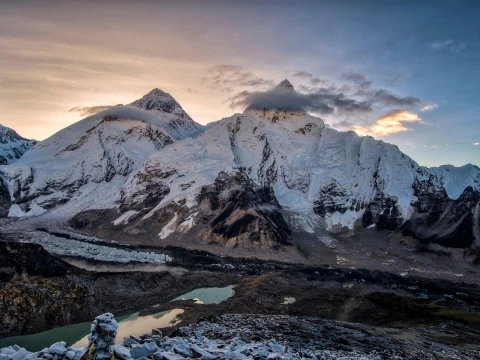
Trekking to Everest Base Camp is more than a hike it’s a journey through legendary landscapes, ancient Sherpa culture, and the heart of the Himalayas, all leading to the foot of the world’s highest mountain.
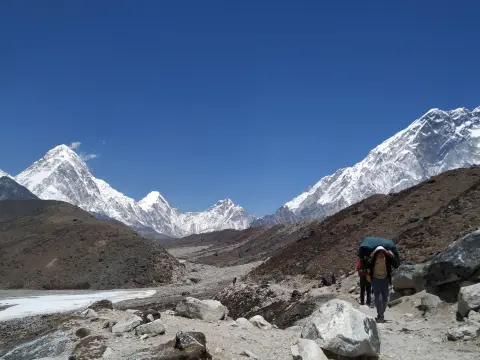
Nepal is one of the most iconic trekking destinations in the world, attracting adventurers of all ages and experience levels. The combination of the majestic Himalayas, rich cultural heritage, and warm local hospitality creates a unique trekking experience that goes beyond just hiking. In 2026, Nepal promises an even more exciting experience
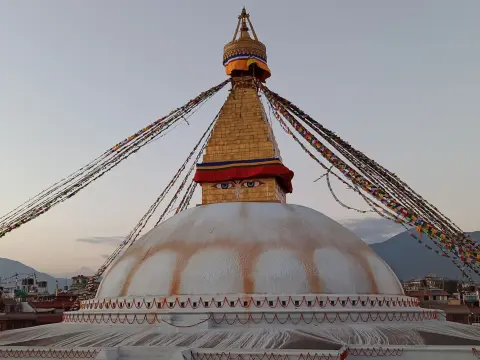
Nepal, a jewel in the heart of the Himalayas, is a country where natural beauty, cultural heritage, and adventure converge in spectacular ways. From the towering peaks of the world’s highest mountains to serene lakes, lush valleys, and ancient temples, Nepal offers experiences that are both breathtaking and soul-stirring. Its diversity in landscapes


 (31)
(31)  94% recommend (244)
 (12)
(12)