The Everest Base Camp Trek is one of the most iconic and rewarding trekking adventures in the world. Every year, thousands of travelers visit Nepal to walk through the heart of the Himalayas and experience the breathtaking beauty of the Everest region. Surrounded by snow-covered mountains, ancient monasteries, traditional Sherpa villages, and dramatic landscapes, the trek offers an unforgettable journey to the base of the world’s highest mountain, Mount Everest. The Everest Base Camp Trek is not simply about reaching a destination. It is about experiencing the culture, nature, and spirit of the Himalayas. The trail passes through remote mountain villages, dense forests, glacial rivers, suspension bridges, and high alpine valleys while offering panoramic views of some of the tallest peaks on Earth. For adventure lovers, photographers, nature enthusiasts, and cultural travelers, the Everest Base Camp Trek remains one of the ultimate bucket-list journeys.
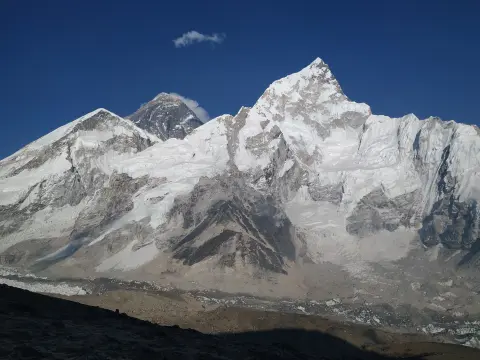
The Everest region, also known as the Khumbu region, lies in northeastern Nepal within the protected area of Sagarmatha National Park. This UNESCO World Heritage Site is famous for its dramatic Himalayan scenery, rare wildlife, glaciers, and deep valleys. The region is home to the Sherpa people, internationally respected for their mountaineering skills, hospitality, and rich Buddhist traditions. Throughout the trek, travelers encounter prayer flags, chortens, mani walls, monasteries, and traditional mountain villages that reflect the strong spiritual culture of the Himalayas. The Everest Base Camp itself sits at an altitude of 5,364 meters (17,598 feet), while nearby Kala Patthar rises to 5,545 meters and provides one of the best panoramic viewpoints of Mount Everest.
The Everest Base Camp Trek is considered one of the world’s greatest trekking routes because it combines natural beauty, adventure, culture, and personal achievement in a single journey. One of the main reasons trekkers choose this adventure is the opportunity to witness Mount Everest up close. Standing beneath the world’s tallest mountain creates a feeling that is difficult to describe. The surrounding peaks, including Lhotse, Nuptse, Ama Dablam, and Pumori, create some of the most spectacular mountain scenery anywhere on Earth. Another reason for the trek’s popularity is the rich Sherpa culture. Unlike many mountain destinations, the Everest region is filled with vibrant villages, Buddhist monasteries, and warm local hospitality. Trekkers are not only exploring mountains but also experiencing a unique Himalayan way of life. The Everest Base Camp Trek also offers a strong sense of personal accomplishment. Walking through high-altitude trails and reaching Everest Base Camp requires determination, patience, and mental strength, making the journey deeply rewarding. Trek with Glacier Nepal Treks
For travelers looking for a reliable local trekking company in Nepal, Glacier Nepal Treks offers professionally organized Everest Base Camp trekking experiences with experienced local guides, flexible itineraries, and personalized service. Based in Kathmandu, the company has more than 22 years of experience operating trekking adventures across Nepal, including the Everest, Annapurna, Langtang, and Manaslu regions. Glacier Nepal Treks focuses on providing safe, authentic, and memorable Himalayan adventures while supporting responsible tourism and local communities. Their trekking packages are designed for both beginners and experienced trekkers seeking a comfortable and rewarding Everest trekking experience. The company is also listed with the Trekking Agencies' Association of Nepal, which adds additional credibility for travelers planning their Himalayan adventure.
One of the highlights of the Everest Base Camp Trek is the constantly changing landscape. The scenery transforms dramatically as trekkers gain altitude. The lower sections of the trail pass through green forests filled with rhododendron, pine, and fir trees. Rivers flow through deep valleys, while suspension bridges decorated with colorful prayer flags connect remote mountain villages. As trekkers climb higher, the forests slowly disappear and are replaced by rugged alpine terrain, glaciers, rocky hillsides, and snow-covered peaks. Massive mountains dominate the skyline in every direction. The mountain views become more impressive each day. Trekkers enjoy unforgettable panoramas of Everest, Ama Dablam, Thamserku, Kangtega, Lhotse, and many other Himalayan giants. Sunrise and sunset in the Everest region are especially magical. The golden sunlight reflecting on the snowy peaks creates incredible photographic moments that remain unforgettable forever.
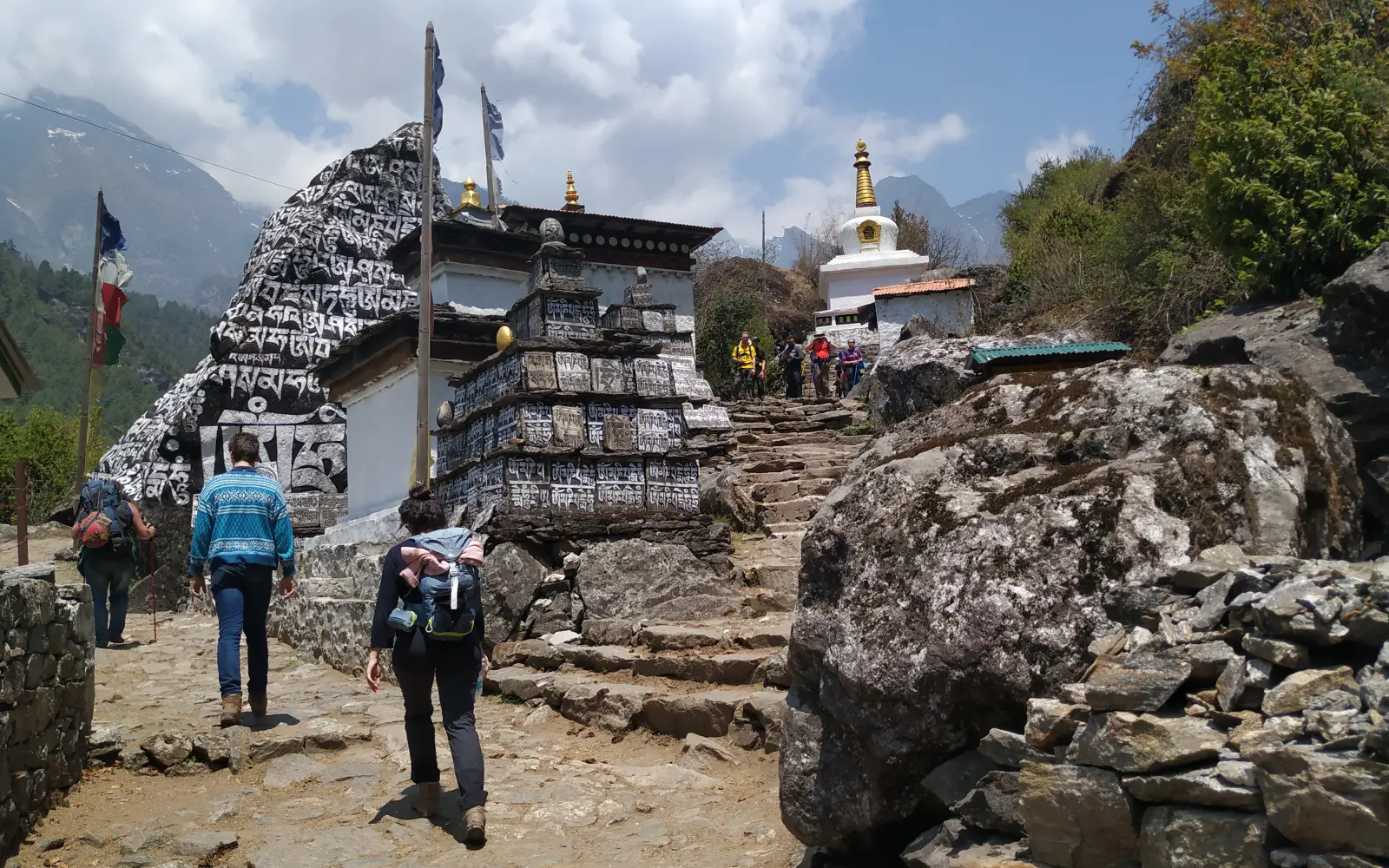
The Everest region is deeply connected to Sherpa culture and Tibetan Buddhism. The Sherpa people have lived in the Himalayas for generations and are known worldwide for their mountaineering expertise and resilience. Throughout the trek, travelers pass traditional Sherpa villages where life remains closely tied to the mountains and Buddhist traditions. Prayer wheels, mani stones, stupas, and monasteries can be seen along the trails.
The famous Tengboche Monastery is one of the spiritual highlights of the region. Surrounded by spectacular mountain scenery, the monastery offers a peaceful atmosphere and insight into local religious practices. Trekkers often experience the warm hospitality of local families in teahouses and lodges. Sharing meals and conversations with local people adds cultural depth to the journey and creates meaningful travel memories.
Choosing the right season plays a major role in the overall trekking experience.
Spring, from March to May, is one of the best times to trek to Everest Base Camp. Temperatures are relatively moderate, weather conditions are stable, and rhododendron forests bloom beautifully at lower elevations. Spring is also the Everest climbing season, so trekkers may see mountaineering expeditions preparing at base camp.
Autumn, from September to November, is another highly recommended trekking season. After the monsoon rains, the skies become exceptionally clear, providing excellent mountain visibility and ideal trekking conditions. This season offers crisp air, stable weather, and some of the clearest panoramic Himalayan views of the year.
Winter trekking is possible for experienced trekkers prepared for cold temperatures and snow. Trails are quieter during winter, but nighttime temperatures can drop far below freezing at higher elevations.
The monsoon season, from June to August, brings heavy rainfall, slippery trails, cloudy weather, and possible flight delays. Mountain views are often limited during this period.
The Everest Base Camp Trek is considered moderately challenging. It does not require technical climbing skills, but the high altitude and long walking days make it physically demanding. Trekkers typically walk several hours daily over uneven terrain. The altitude becomes the biggest challenge as oxygen levels decrease significantly above 3,000 meters. Altitude sickness can affect anyone regardless of age or fitness level. Common symptoms include headaches, fatigue, nausea, dizziness, and difficulty sleeping. Proper acclimatization, hydration, and gradual altitude gain are extremely important for a safe trekking experience. Although the trek is demanding, people of various ages successfully complete it every year with proper preparation and determination.
Good physical fitness greatly improves the Everest Base Camp trekking experience. Trekkers should prepare their bodies several weeks or months before the journey.
Recommended training activities include:
Mental preparation is also important. Trekking in the Himalayas involves basic conditions, unpredictable weather, and physical fatigue. Maintaining a positive mindset helps trekkers enjoy the adventure even during difficult moments.
Accommodation in the Everest region mainly consists of teahouses and mountain lodges. These lodges provide basic but comfortable facilities for trekkers. Rooms usually include twin beds, blankets, and pillows. Bathrooms are often shared, especially at higher elevations. Dining halls are warm gathering places where trekkers relax, eat meals, and socialize after hiking. Lower elevation villages generally offer better facilities, while higher villages become more basic due to the remote mountain environment. Luxury trekking options are also available in some parts of the Everest region. These upgraded lodges may include heated rooms, attached bathrooms, comfortable beds, and improved dining experiences.
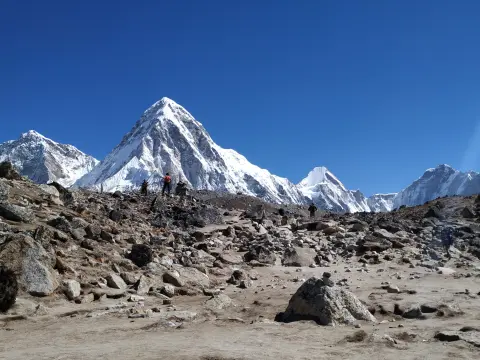
Despite the remote location, food options during the Everest Base Camp Trek are surprisingly varied.
Popular meals include:
Dal Bhat is especially popular among trekkers because it provides high energy and is often served with unlimited refills. Maintaining hydration is essential at high altitude. Drinking plenty of water helps the body adapt to elevation and reduces the risk of altitude sickness.
The Everest region is home to unique Himalayan wildlife and stunning natural landscapes.
Trekkers may encounter:
The protected forests and alpine ecosystems of Sagarmatha National Park support a rich variety of plant and animal life. The dramatic glaciers, icy rivers, towering peaks, and remote valleys create one of the world’s most beautiful mountain environments.
Packing properly is very important for comfort and safety in the Himalayas.
Essential trekking gear includes:
Layered clothing is highly recommended because temperatures can change quickly between daytime and nighttime.
The cost of the Everest Base Camp Trek depends on trekking style, duration, and included services. Budget treks usually include basic teahouse accommodation, permits, local transportation, and guide services. Luxury treks offer upgraded lodges, private services, and sometimes helicopter returns.
Typical trekking costs include:
Airport & Transportation
Round-trip domestic flight ticket (Kathmandu / Manthali – Lukla – Kathmandu / Manthali)
Accommodation
Attached bathroom facilities available in Lukla, Namche and Phakding
Meals
Welcome or farewell dinner in a typical Nepali restaurant
Permits & Documentation
All government taxes, VAT and official paperwork required for trekking
Trekking Staff & Support
Trekking company service charge and field management
Trekking Equipment & Safety
Emergency coordination service (in case of rescue / evacuation)
Additional Services
Hiring an experienced guide adds safety, navigation support, and cultural insight to the overall experience.
For many trekkers, reaching Everest Base Camp is an emotional and life-changing achievement. After days of walking through rugged Himalayan terrain, standing beneath Mount Everest creates an incredible feeling of accomplishment. The journey teaches patience, resilience, and appreciation for nature. Many trekkers describe the experience as spiritually uplifting and mentally transformative. The friendships formed along the trail, the shared challenges, and the peaceful mountain environment make the trek memorable long after returning home.
The Everest Base Camp Trek offers a perfect combination of adventure, natural beauty, culture, and personal achievement. Few destinations in the world provide such a unique and inspiring experience.
Trekkers experience:
Whether you are an experienced hiker or a first-time adventurer, trekking to Everest Base Camp is one of the most rewarding journeys you can experience.
The Everest Base Camp Trek remains one of the world’s greatest trekking adventures. From dramatic mountain scenery and traditional Sherpa culture to the unforgettable moment of standing at the base of Mount Everest, every part of the journey is filled with wonder and inspiration. With experienced local operators like Glacier Nepal Treks, trekkers can enjoy a safe, organized, and authentic Himalayan experience guided by professionals who understand the mountains deeply. The trek challenges both body and mind while rewarding travelers with breathtaking landscapes, cultural experiences, and memories that last a lifetime. For anyone dreaming of experiencing the Himalayas in their purest form, the Everest Base Camp Trek is truly an adventure of a lifetime.
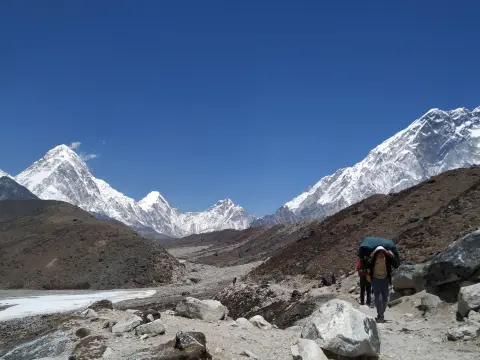
Nepal is one of the most iconic trekking destinations in the world, attracting adventurers of all ages and experience levels. The combination of the majestic Himalayas, rich cultural heritage, and warm local hospitality creates a unique trekking experience that goes beyond just hiking. In 2026, Nepal promises an even more exciting experience
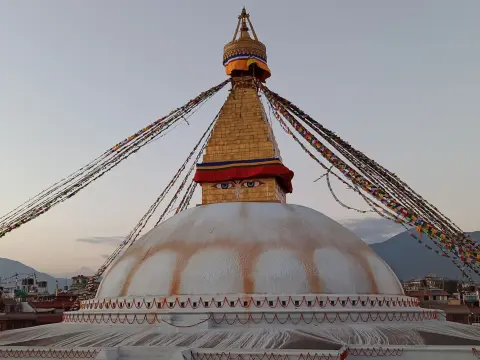
Nepal, a jewel in the heart of the Himalayas, is a country where natural beauty, cultural heritage, and adventure converge in spectacular ways. From the towering peaks of the world’s highest mountains to serene lakes, lush valleys, and ancient temples, Nepal offers experiences that are both breathtaking and soul-stirring. Its diversity in landscapes
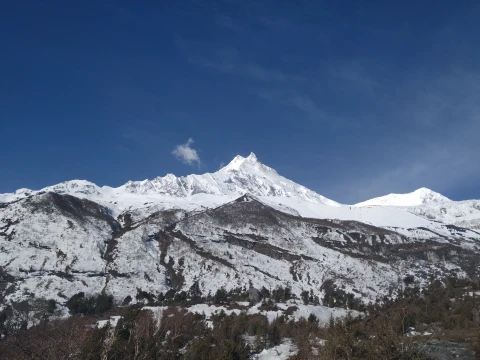
The Manaslu Circuit Trek is one of Nepal’s most spectacular and less-traveled trekking routes. With Glacier Nepal Trek, trekkers can experience the perfect combination of adventure, culture, and nature. Circling Mount Manaslu (8,163 m / 26,781 ft), the trek passes through lush valleys, remote villages, high mountain passes, and serene


 (31)
(31)  94% recommend (244)
 (12)
(12)