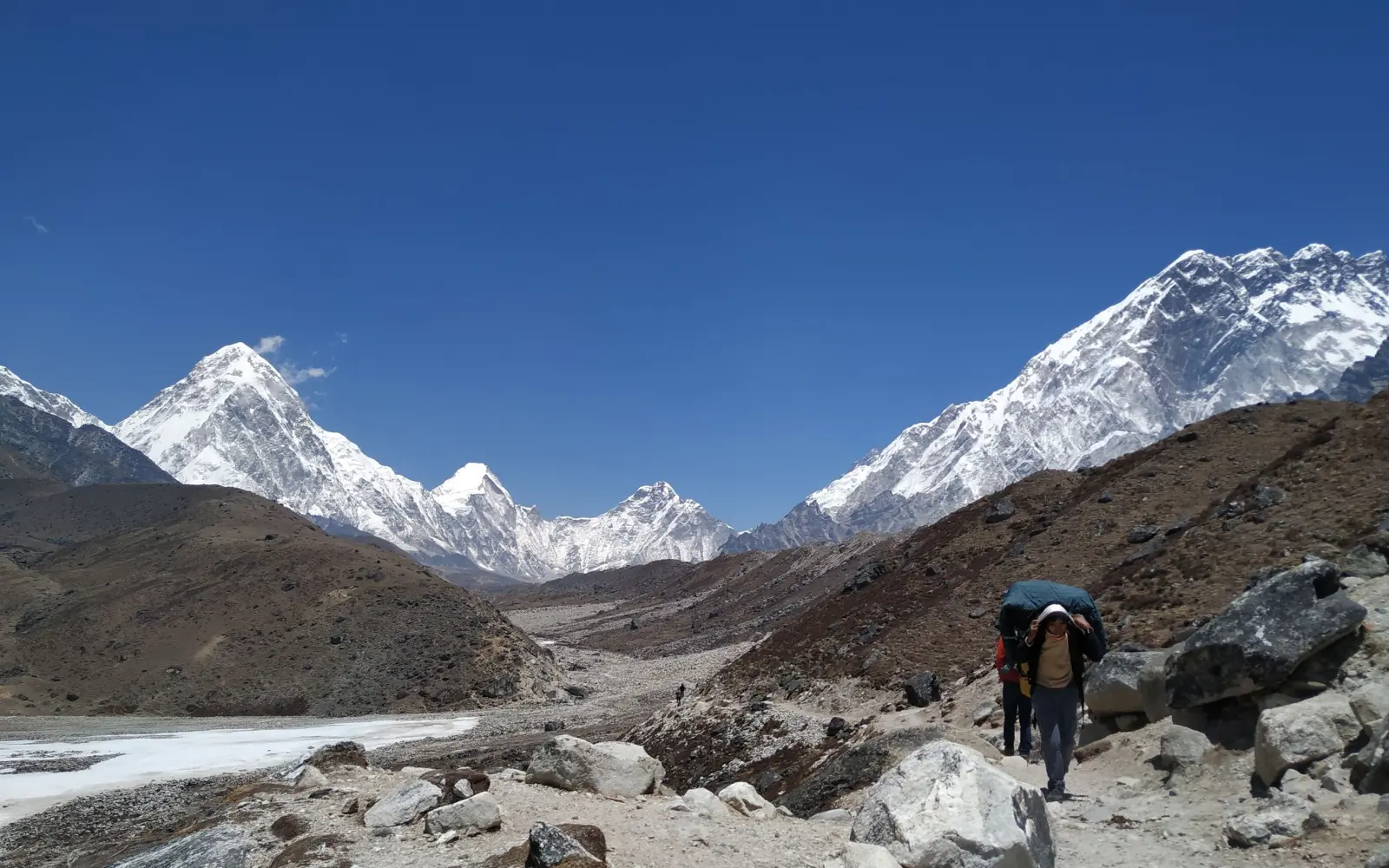
Nepal is one of the most iconic trekking destinations in the world, attracting adventurers of all ages and experience levels. The combination of the majestic Himalayas, rich cultural heritage, and warm local hospitality creates a unique trekking experience that goes beyond just hiking. In 2026, Nepal promises an even more exciting experience for trekkers, with well-maintained trails, improved infrastructure, and an emphasis on sustainable tourism. For beginners, trekking in Nepal is accessible thanks to a wide range of trails suitable for various fitness levels, from short scenic routes to moderate multi-day treks. Trekking in Nepal is not just about reaching summits; it’s about immersing yourself in nature, experiencing vibrant local cultures, and challenging yourself physically and mentally. With the guidance of experienced agencies like Glacier Nepal Treks, even first-time trekkers can navigate the trails safely while enjoying breathtaking views and unforgettable experiences. Proper planning, understanding your limits, and knowing what to expect are key to making your trek successful and enjoyable.
Key Highlights of Trekking in Nepal 2026:
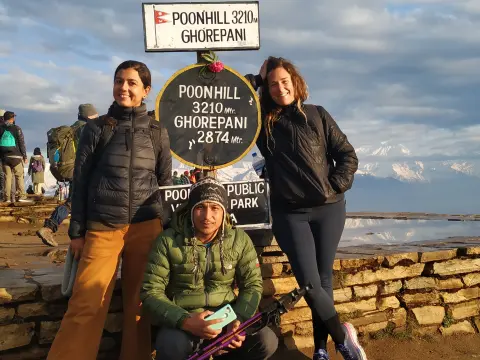
Nepal has long been a magnet for trekkers, hikers, and adventure enthusiasts from around the world. Its combination of towering Himalayan peaks, rich cultural heritage, and welcoming local communities makes it a destination unlike any other. Trekking here offers more than just physical challenge, it’s an opportunity to immerse yourself in nature, experience traditional lifestyles, and witness some of the most breathtaking landscapes on Earth.For beginners, Nepal provides a range of treks suitable for all fitness levels. From shorter, accessible trails like Ghorepani Poon Hill to the iconic Everest Base Camp, newcomers can safely experience the thrill of the Himalayas while enjoying world-class hospitality and support from local guides.
Key Highlights:
Why 2026 is a Special Year for Trekking in Nepal
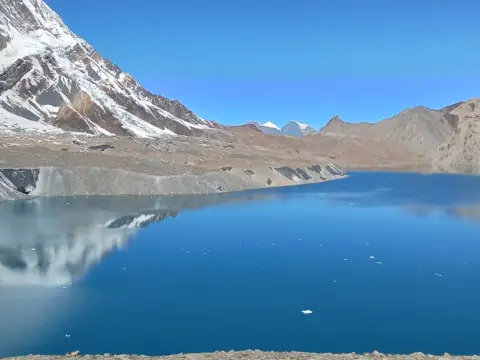
The year 2026 is expected to be a unique time for trekking in Nepal. With post-pandemic recovery fully in place, Nepal is welcoming travelers with enhanced safety measures, improved trail maintenance, and more eco-conscious tourism initiatives. Additionally, the government is investing in better trail signage, trekking routes, and conservation efforts, ensuring a safer and more sustainable trekking experience. For adventure enthusiasts, 2026 also promises exciting festivals and cultural events along trekking routes, offering a deeper connection to Nepal’s heritage. Plus, favorable weather patterns predicted for spring and autumn make this year ideal for clear mountain views, comfortable trekking conditions, and memorable photography opportunities.
Reasons 2026 Stands Out:
Understanding Nepal’s Trekking Appeal
Nepal’s appeal extends beyond the peaks themselves. Each trek is an adventure through different ecosystems from subtropical forests and terraced farmlands to alpine meadows and glacial landscapes. The country’s compact size allows trekkers to experience dramatic environmental changes in just a few days. Moreover, Nepalese hospitality is legendary. Lodges and tea houses offer cozy accommodations, local cuisine, and a chance to connect with fellow trekkers and locals alike. The sense of community, combined with the physical and mental challenge of trekking, creates a rewarding and life-changing experience for beginners and seasoned adventurers alike.
Trekking Attractions in Nepal:
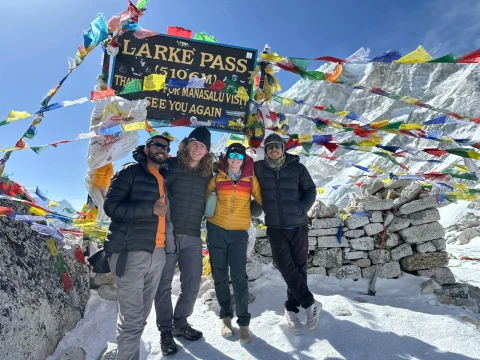
Nepal offers a variety of trekking regions, each with its own unique landscapes, cultures, and challenges. From the towering peaks of Everest to the remote trails of Mustang, beginners and seasoned trekkers alike can find a route suited to their goals. Understanding the different regions helps you pick a trek that matches your fitness level, interests, and the type of scenery you want to experience.
The most popular trekking regions include Everest, Annapurna, Langtang, and Mustang. Everest is famous for the world’s highest peaks and iconic Sherpa culture, while Annapurna offers lush valleys, terraced farmlands, and moderate-altitude treks suitable for beginners. Langtang is less crowded, featuring beautiful rhododendron forests and alpine scenery, whereas Mustang offers a unique desert-like landscape and glimpses of ancient Tibetan culture.
Popular Trekking Regions & Highlights:
Difficulty & Scenery Considerations:
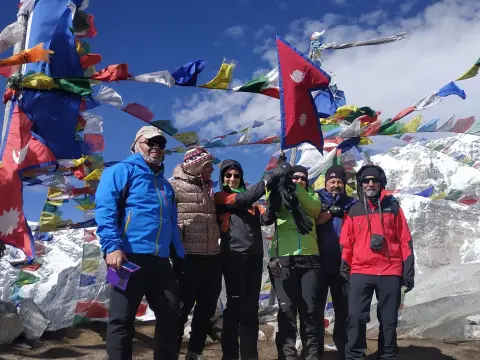
Timing and route selection are crucial for a successful trekking experience. Nepal has two main trekking seasons: spring (March to May) and autumn (September to November). Spring offers blooming rhododendrons, moderate temperatures, and clear views of the Himalayas, while autumn provides stable weather, crisp air, and spectacular sunsets on the mountains.
When planning your trek, consider your fitness level, acclimatization needs, and the type of scenery you want to explore. Shorter treks in lower-altitude regions like Ghorepani or Langtang are ideal for beginners, while longer, high-altitude treks like Everest Base Camp or Annapurna Circuit require more preparation. Glacier Nepal Treks can help customize your itinerary to ensure safety, comfort, and enjoyment.
Planning Essentials:
Trekking in Nepal requires certain permits and adherence to local rules to ensure safety and conservation. The main permits are the TIMS card (Trekkers’ Information Management System) and national park or conservation area permits. TIMS registration helps track trekkers and provides safety assistance, while park permits contribute to preserving Nepal’s unique landscapes and wildlife.
Permit costs and regulations can vary depending on the trekking region. For instance, the Annapurna Conservation Area Permit (ACAP) is required for Annapurna treks, while the Sagarmatha National Park permit is mandatory for Everest treks. Local regulations may also apply in restricted areas, including Mustang or Upper Dolpo. Glacier Nepal Treks ensures all permits are arranged in advance, helping beginners navigate the bureaucracy smoothly.
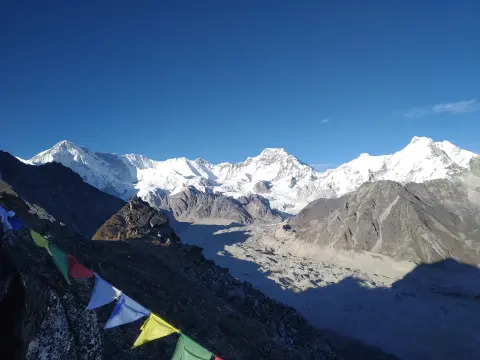
Permit Essentials for 2026:
TIMS Card: Required for most trekking regions; issued at Kathmandu or Pokhara.
National Park Permits:
Costs (2026 Estimate):
How to Apply: Through local trekking agencies like Glacier Nepal Treks or official offices in Kathmandu/Pokhara.
Proper gear is one of the most important factors for a safe and comfortable trekking experience in Nepal. Even beginner trekkers need reliable clothing, footwear, and backpacks to handle changing weather, rough terrain, and long days on the trail. Layering is key: lightweight base layers, insulating mid-layers, and a waterproof outer shell protect you from cold, wind, and rain. Trekking boots should be well-fitted, broken-in, and waterproof to prevent blisters and injuries. A quality backpack with adjustable straps and hydration compatibility will carry your essentials comfortably. Beyond clothing, some basic trekking equipment enhances comfort and safety. Trekking poles reduce strain on knees and joints, especially during steep ascents or descents. A sleeping bag rated for the expected temperatures ensures restful nights in mountain lodges or tea houses. Optional gadgets like headlamps, power banks, and portable water purifiers can make your trek more convenient, particularly in remote areas. Glacier Nepal Treks provides gear recommendations and can help beginners acquire or rent essential equipment.
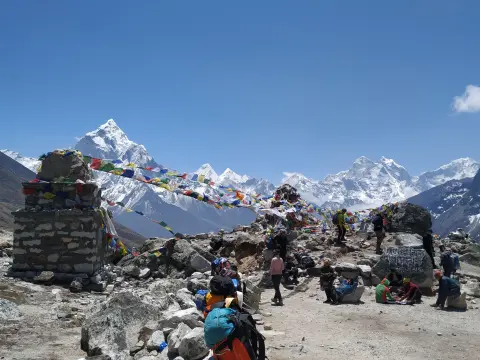
Essential Gear Checklist:
Health and safety are top priorities while trekking in Nepal, particularly for beginners who may not be accustomed to high altitudes. Altitude sickness can occur even on moderate treks, so understanding acclimatization is crucial. Ascend gradually, take rest days when needed, and stay hydrated to minimize the risk. Common signs of altitude sickness include headache, nausea, fatigue, and dizziness. Severe cases require immediate descent and medical attention. Food and water safety are also essential. Stick to bottled or purified water, eat freshly cooked meals, and avoid raw or unwashed foods. Weather conditions can change rapidly in the mountains, so carrying a first-aid kit, sunscreen, and a hat is highly recommended. Glacier Nepal Treks emphasizes safety on all treks by providing experienced guides, educating trekkers on altitude risks, and ensuring proper medical preparedness.
Health & Safety Tips:
Deciding whether to hire a guide and/or porter or trek independently is an important consideration for beginners. Guided treks provide local expertise, navigation, safety monitoring, and cultural insights. Porters can carry heavy loads, allowing trekkers to focus on walking comfortably and enjoying the scenery. Solo trekking offers independence and flexibility but requires good preparation, route knowledge, and confidence in handling emergencies. Costs and etiquette are also important. Hiring a guide typically costs around $25–35 USD per day, while porters charge $15–20 USD per day (plus tips). Tipping is customary in Nepal, generally 5–10% of the total trekking cost or a fixed amount per day for porters and guides. Glacier Nepal Treks organizes guided or porter-supported treks tailored to beginners, ensuring safety, cultural engagement, and a smooth experience without logistical hassles.
Pros & Cons:
Cost & Support Essentials:
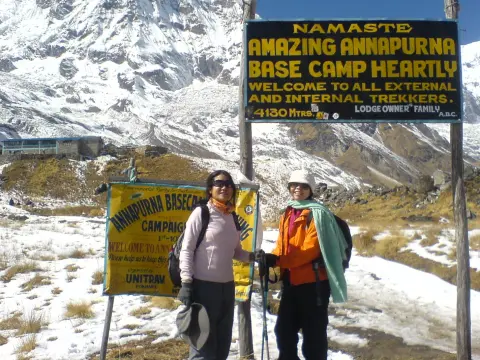
Trekking in Nepal can be surprisingly affordable, but careful budgeting ensures a comfortable and stress-free experience. Daily expenses typically include accommodation, meals, transportation, permits, and optional services such as guides or porters. For beginners, staying in tea houses or lodges along popular trails is convenient and cost-effective. Meals usually range from local dal-bhat to continental dishes, providing nutritious options to fuel long days on the trail. Transportation costs can vary depending on the trek’s starting point. For example, flights to Lukla for the Everest region are more expensive than buses to Pokhara for Annapurna treks. Additional costs may include tips for guides and porters, gear rental, and small personal expenses. Glacier Nepal Treks helps beginners plan realistic budgets, arranging transport, accommodation, and meals efficiently so you can focus on the trekking experience.
Budgeting Tips:
Trekking in Nepal is not only a physical adventure but also a cultural journey. The country is home to diverse ethnic communities, each with unique traditions, languages, and religious practices. Respectful interactions are essential: always ask permission before taking photographs of people, remove shoes before entering homes or temples, and greet locals with a friendly “Namaste.” These small gestures build goodwill and enrich your experience. Nepal offers vibrant festivals, traditional dances, and local cuisine that trekkers should experience whenever possible. Festivals like Dashain (celebrated in autumn) and Tihar (festival of lights) offer a rare glimpse into Nepalese life and spirituality. Participating in local homestays, tasting traditional foods, and visiting monasteries along the trekking route deepen your understanding of the culture while supporting local communities. Glacier Nepal Treks integrates cultural experiences into treks, ensuring beginners can enjoy both nature and heritage responsibly.
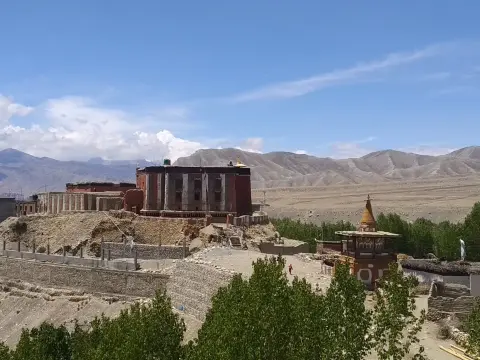
Cultural Etiquette Tips:
Must-Try Experiences:
Proper physical and mental preparation is key to enjoying trekking in Nepal. Beginner trekkers should focus on cardiovascular fitness, leg strength, and endurance. Exercises such as hiking with a weighted backpack, stair climbing, squats, and lunges build the stamina and muscle strength needed for long days on trails. Flexibility and core exercises also help prevent injuries and maintain balance on uneven terrain. Equally important is mental preparation. Multi-day treks involve long hours of walking, unpredictable weather, and altitude challenges. Developing patience, a positive mindset, and realistic expectations will help you overcome discomfort and enjoy the journey. Planning rest days, staying hydrated, and trusting your guides all contribute to a successful trek. Glacier Nepal Treks provides pre-trek guidance, customized itineraries, and tips to help beginners train both physically and mentally for a memorable Himalayan adventure.
Fitness Tips:
Mental Preparation:
Packing efficiently is crucial for a comfortable trekking experience. For beginners, the goal is to carry what’s necessary without overloading your backpack. Minimalist packing focuses on lightweight clothing, essential gear, and versatile items, while fully equipped packing may include extra layers, gadgets, and specialty gear for colder or remote treks. The choice depends on your trek’s duration, altitude, and personal comfort preferences. Regardless of approach, certain items are non-negotiable. Weather in the Himalayas can be unpredictable, so waterproof jackets, warm layers, and sturdy footwear are critical. Technology such as a phone, camera, and portable chargers helps capture memories, while emergency essentials like first-aid kits, headlamps, and water purification systems ensure safety. Glacier Nepal Treks provides beginners with packing guidance and optional rental gear to minimize hassle and cost.
Packing Checklist for Beginners:
Planning a trekking itinerary is easier with examples tailored for beginners. Shorter treks of 3–5 days allow newcomers to experience the Himalayas without extensive preparation or high-altitude risks. Popular short treks include Ghorepani Poon Hill and Everest View Trek, offering scenic mountain vistas, sunrise views, and cultural immersion in local villages. These routes are ideal for testing your endurance and enjoying a fulfilling trekking experience in a manageable timeframe. For those ready for a classic adventure, 7–14 day treks provide a more comprehensive Himalayan experience. Annapurna Base Camp Trek or Langtang Valley Trek are excellent choices, combining moderate challenges, village stays, stunning landscapes, and gradual acclimatization. Longer treks allow trekkers to witness varied ecosystems, high-altitude passes, and diverse cultures, all while building confidence for future Himalayan adventures. Glacier Nepal Treks offers custom itineraries, ensuring beginners have realistic daily distances, rest days, and support throughout their trek.
Beginner-Friendly Itinerary Examples:
Short Treks (3–5 days):
Classic Treks (7–14 days):
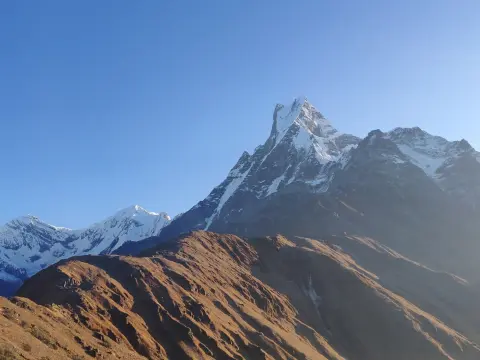
Trekking in Nepal is as much about the journey as it is about reaching the destination. Embracing each day whether it’s a sunrise over the Himalayas, a walk through terraced fields, or sharing a meal with locals creates memories that last a lifetime. Beginners should focus on pacing themselves, enjoying the natural beauty, and interacting with local communities rather than rushing to “check off” peaks. Capturing memories through photography or journaling adds another dimension to your trek. Sunrise and sunset photography, village scenes, and wildlife encounters are highlights to treasure. Be mindful, however, not to let technology distract from fully experiencing the trek. Glacier Nepal Treks encourages beginners to balance capturing moments with immersing themselves in the Himalayan environment, making every trek both safe and unforgettable.
Tips for an Unforgettable Trek:
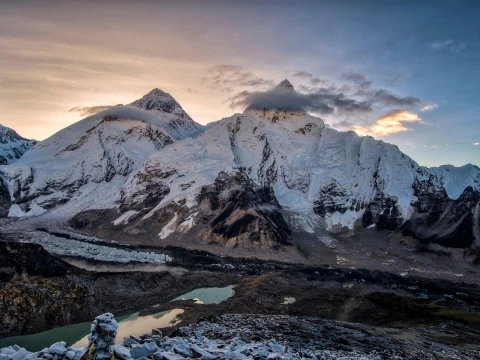
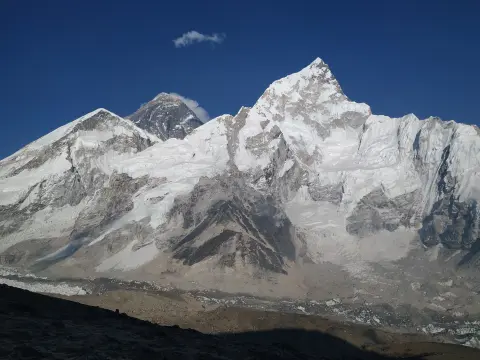
Trekking to Everest Base Camp is more than a hike it’s a journey through legendary landscapes, ancient Sherpa culture, and the heart of the Himalayas, all leading to the foot of the world’s highest mountain.
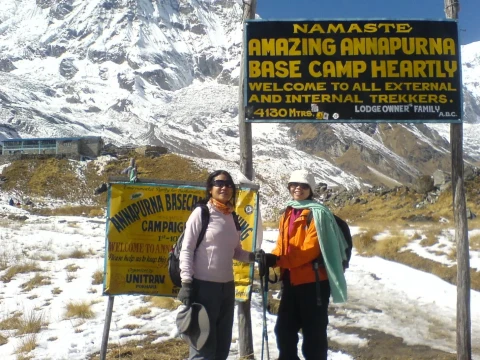
The Annapurna Base Camp (ABC) Trek for Beginners 2026, offered by Glacier Nepal Trek, is one of Nepal’s most rewarding Himalayan adventures designed specifically for first-time trekkers. This trek combines comfortable pacing, gradual altitude gain, and well-established trekking infrastructure, making it ideal for travelers who want a true
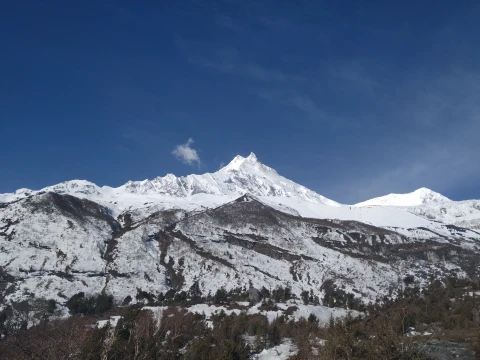
The Manaslu Circuit Trek is one of Nepal’s most spectacular and less-traveled trekking routes. With Glacier Nepal Trek, trekkers can experience the perfect combination of adventure, culture, and nature. Circling Mount Manaslu (8,163 m / 26,781 ft), the trek passes through lush valleys, remote villages, high mountain passes, and serene


 (31)
(31)  94% recommend (244)
 (12)
(12)