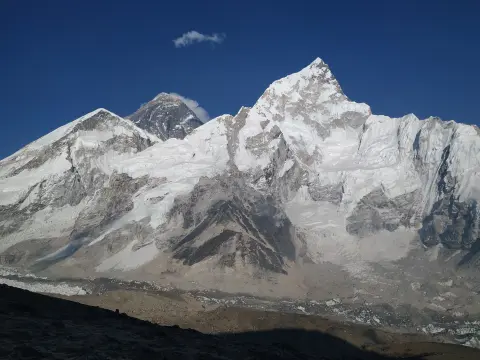
The Everest Base Camp Trek is one of the most iconic trekking adventures in the world, offering an extraordinary combination of awe-inspiring mountain landscapes, rich Himalayan culture, and a rewarding physical challenge. Operated by Glacier Nepal Treks, this trek takes adventurers into the heart of the Khumbu region, home to Mount Everest, the world’s highest peak at 8,848 meters, and the legendary Sherpa communities who have preserved centuries of tradition and mountaineering expertise.The journey begins with a thrilling 40-minute flight from Kathmandu to Lukla, often considered one of the most exhilarating short flights in the world. From Lukla, trekkers follow scenic trails that wind through rhododendron forests, across suspension bridges adorned with colorful prayer flags, and past ancient monasteries. The route passes through the UNESCO World Heritage Site of Sagarmatha National Park, where dramatic peaks, deep valleys, glaciers, and alpine wildlife create a spectacular backdrop for every step of the trek.Careful acclimatization is built into the itinerary, with days in Namche Bazaar and Dingboche allowing trekkers to adjust to increasing altitudes while exploring local culture, traditional markets, and spectacular viewpoints. The trek’s highlight is reaching Everest Base Camp (5,364m), where climbers launch their expeditions to the summit. A sunrise hike to Kala Patthar (5,545m) offers some of the most breathtaking panoramic views of Everest, Lhotse, Nuptse, and Ama Dablam, a photographer’s dream.Glacier Nepal Treks ensures a well-organized experience with experienced guides, trained local staff, and comfortable teahouse accommodations. This trek is designed for individuals with good physical fitness and a sense of adventure, providing a safe and unforgettable Himalayan experience. With the combination of natural beauty, cultural richness, and personal achievement, the Everest Base Camp Trek is truly a once-in-a-lifetime journey.Flight from Kathmandu to Lukla, one of the world’s most scenic flights.Trek through Sagarmatha National Park, a UNESCO World Heritage Site.Acclimatization days at Namche Bazaar and Dingboche.Visit historical monasteries like Tengboche and Pangboche.Everest Base Camp (5,364m) and sunrise at Kala Patthar (5,545m).Rich Sherpa culture, traditional villages, and Himalayan wildlife.Best Season for Everest Base Camp TrekThe best time to trek to Everest Base Camp is during spring (March to May) and autumn (late September to November). These seasons are ideal because the weather is stable, the skies are clear, and the mountain views are spectacular. During spring, rhododendrons bloom along the trails, adding vibrant colors to the landscape. Trekkers also enjoy moderate temperatures, making walking at high altitudes more comfortable. Spring is particularly popular among photographers, as clear skies often offer unobstructed views of Everest and surrounding peaks.Autumn is considered the most favorable trekking season overall. After the monsoon, the air is crisp and clean, the weather is predictable, and panoramic mountain vistas are at their finest. Local festivals during autumn allow trekkers to experience authentic Sherpa culture, including traditional dances, prayer ceremonies, and community gatherings. While winter treks are possible, they involve extremely cold temperatures and some lodges may be closed. The monsoon season (June to August) is generally avoided due to heavy rain, slippery trails, and high risk of landslides.Best season highlights:Spring (Mar–May): Blooming rhododendrons, moderate temperaturesAutumn (Sep–Nov): Clear skies, panoramic mountain views, local festivalsWinter (Dec–Feb): Cold, limited facilities, quieter trailsMonsoon (Jun–Aug): Avoided due to rain and landslidesEverest Base Camp Trek Difficulty and TransportationThe Everest Base Camp Trek is considered moderate to challenging. While no technical climbing experience is needed, trekkers should have good physical fitness and stamina. The main challenges include long trekking days of 5–8 hours, steep and rocky trails, and high altitude conditions above 5,000 meters. Glacier Nepal Treks incorporates acclimatization days in key locations like Namche Bazaar and Dingboche to minimize the risk of altitude sickness. Proper pacing, hydration, and professional guidance make the trek accessible to fit and prepared individuals.Transportation during the trek includes:Flight from Kathmandu to Lukla: A scenic 40-minute journey, often regarded as one of the most exciting airports in the world.Trekking on foot: The main mode of travel, following historic trails that pass through valleys, suspension bridges, and villages.Return flight from Lukla to Kathmandu: Offers relaxing aerial views of the Himalayas after the trek.Difficulty and transport highlights:Moderate to challenging trek, suitable for fit trekkersHigh-altitude trekking above 5,000 metersLong walking days with gradual acclimatizationSafe, guided trekking with experienced local staffAdventure begins and ends with thrilling Lukla flightsFood and Accommodation for Everest Base Camp TrekAccommodation along the Everest Base Camp Trek is primarily in teahouses, small family-run lodges that provide warmth, meals, and a chance to connect with locals. Glacier Nepal Treks ensures that all accommodations are safe, clean, and comfortable. Teahouses vary from basic rooms with shared bathrooms to more modern facilities with private rooms and hot showers at lower altitudes. Higher elevations may have simpler lodges due to the remote environment.Food options on the trek include traditional Nepali dishes such as dal bhat (lentils with rice), momos (dumplings), and soups, as well as simple Western dishes like noodles, pasta, and toast. Tea, coffee, and hot chocolate are widely available, though prices increase with altitude. Trekkers are encouraged to eat balanced meals and drink plenty of water to maintain energy levels and support acclimatization.Food and accommodation highlights:Comfortable teahouses along the routeTraditional Nepali meals: dal bhat, momos, soupsWestern food available in most lodgesHot drinks and soups to cope with cold, high-altitude conditionsOpportunity to experience authentic Sherpa hospitalityEverest Base Camp Trek PermitsTrekking in the Everest region requires official permits to ensure safety, conservation, and legal compliance. Glacier Nepal Treks assists trekkers in obtaining all necessary documents before the journey begins.The required permits include:Sagarmatha National Park Permit (SNP): Mandatory for all trekkers entering the park, supports conservation of the Himalayan ecosystem.Khumbu Pasang Lhamu Rural Municipality Permit (KPL): Required for travel in the Solu-Khumbu region, including Lukla, Namche Bazaar, and Everest Base Camp.Having permits ensures trekkers are registered, can legally access the trail, and contribute to local conservation and community efforts. Glacier Nepal Treks handles all paperwork to simplify the process, allowing trekkers to focus entirely on the adventure.Permits highlights:Sagarmatha National Park Permit (SNP)Khumbu Pasang Lhamu Rural Municipality Permit (KPL)Ensures legal, safe, and environmentally responsible trekkingAll paperwork handled by Glacier Nepal TreksWhy Choose Everest Base Camp TrekThe Everest Base Camp Trek is more than a journey it’s a transformative experience that combines adventure, culture, and nature. Choosing Glacier Nepal Treks ensures trekkers enjoy a professional, safe, and well-organized trip. The trek provides breathtaking views of Everest, Lhotse, Nuptse, Ama Dablam, and other Himalayan peaks while offering insight into Sherpa life and traditions.Glacier Nepal Treks emphasizes safety, comfort, and cultural immersion. Experienced guides and trained staff prioritize acclimatization, proper trekking pace, and emergency preparedness. Comfortable teahouse accommodations, organized meals, and reliable transportation make the trek accessible and enjoyable. Walking the historic trails used by legendary mountaineers adds a sense of connection to Everest’s rich history.Why choose Glacier Nepal Treks highlights:Professional guides and trained local staff for safetyWell-organized logistics and comfortable teahouse staysAuthentic cultural experiences in Sherpa villagesStunning Himalayan scenery and close-up views of EverestTrekking along the historic paths of famous mountaineersLife-changing adventure combining challenge, culture, and nature


 (31)
(31)  94% recommend (244)
 (12)
(12)