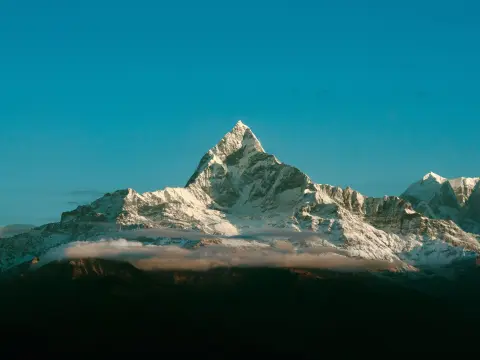
The Royal Trek is one of Nepal’s most culturally immersive and scenic treks, offering a unique blend of natural beauty, traditional villages, and Himalayan vistas. Unlike high-altitude treks, the Royal Trek is perfect for travelers seeking moderate adventure with minimal altitude-related challenges. The journey begins in Kathmandu, Nepal’s vibrant capital, before moving to the serene city of Pokhara, and then venturing into the hills and villages of the Annapurna region. The trek route passes through charming villages such as Kalikasthan, Syaklung, and Chisapani, offering trekkers a close encounter with the local Gurung and Magar communities. Along the way, panoramic views of Annapurna, Machapuchare, and other Himalayan peaks create countless photo opportunities.The Royal Trek is known for its gentle trails, lush forests, terraced fields, and riverside paths, making it suitable for both beginners and experienced trekkers. It provides a blend of cultural immersion, natural beauty, and light adventure. Unlike more crowded trails, it maintains a quieter, off-the-beaten-path experience, which allows trekkers to explore authentic rural Nepal life. Local teahouses and lodges offer warm hospitality, giving travelers a deeper understanding of Nepalese culture. This trek is an ideal choice for those who want a short yet fulfilling Himalayan experience without the need for strenuous high-altitude trekking.Best Season for Royal TrekThe best time for the Royal Trek is during Nepal’s two major trekking seasons: autumn (September to November) and spring (March to May). During autumn, the weather is clear, the skies are bright, and the views of the Himalayas are stunningly sharp. Spring offers a colorful landscape with blooming rhododendrons, lush green forests, and pleasant temperatures, making it an ideal time for photography and cultural exploration. Both seasons provide moderate weather conditions, ensuring safe and enjoyable trekking without the extreme cold or monsoon-related risks.Although winter (December to February) is also possible, temperatures drop significantly at higher altitudes, and mornings are often foggy, limiting mountain views. Monsoon season (June to August) is generally avoided due to heavy rainfall, slippery trails, and leeches, which can make trekking difficult and unsafe. Planning the trek during the recommended seasons ensures comfortable trekking conditions, clear mountain panoramas, and a more enjoyable overall experience.Quick Points:Autumn: September–November (best views & weather)Spring: March–May (blooming flora & moderate temperatures)Avoid: Monsoon (June–August), Winter (Dec–Feb)Comfortable trekking with less rain and fogRoyal Trek Difficulty and TransportationThe Royal Trek is considered a moderate-level trek, ideal for beginners, families, and travelers with limited trekking experience. The highest point, Syaklung at 1,730m / 5,675ft, is well below high-altitude thresholds, so the risk of altitude sickness is minimal. Daily trekking ranges from 4–6 hours on mostly gentle trails with gradual ascents and descents. The terrain includes forested paths, terraced farmland, and small village trails, offering manageable walking conditions. While the trek is moderate, sturdy trekking shoes, a good level of fitness, and comfortable walking stamina are recommended for an enjoyable experience.Transportation logistics are simple and convenient. The trek begins with a transfer from Kathmandu to Pokhara by tourist bus, a scenic 6–7 hour drive passing through rivers, hills, and valleys. On the trek, all walks are on foot, while the final return from Begnas Lake to Pokhara can be by local taxi or private vehicle. After trekking, a return bus journey takes travelers back to Kathmandu. Glacier Nepal Treks ensures that transfers are smooth and comfortable, providing a hassle-free start and end to the adventure.Quick Points:Trek Difficulty: ModerateMaximum Trekking Time per Day: 4–6 hoursMaximum Altitude: 1,730m / 5,675ftTransportation: Tourist buses, private taxis, and on-foot trekkingFood and Accommodation for Royal TrekAlong the Royal Trek, trekkers enjoy simple, wholesome meals and cozy accommodations at local lodges and teahouses. Traditional Nepalese food such as dal bhat (rice and lentils), vegetable curry, momo, and soups are widely available. Many lodges also serve continental breakfast options like eggs, toast, and tea. Hydration is easy, as bottled water is available at teahouses, though it’s advisable to carry a refillable water bottle. Snack shops along the trail sell energy bars, biscuits, and local fruits, ensuring trekkers remain energized throughout the day.Accommodation is basic yet comfortable, focusing on warmth and cleanliness. Lodges often have shared rooms, simple bedding, and shared bathrooms. Hot showers may be available at some lodges, but are limited, so a travel towel and personal toiletries are recommended. Staying in local teahouses offers a unique cultural experience, where trekkers can interact with locals, learn about their customs, and experience authentic village life. Glacier Nepal Treks arranges accommodations in safe, clean, and friendly establishments, ensuring comfort without compromising the authenticity of the journey.Quick Points:Meals: Traditional Nepalese and some continental optionsAccommodation: Teahouses & lodges with basic amenitiesHot showers: Limited availabilityCultural immersion: Experience local village lifeRoyal Trek PermitsTrekking in Nepal requires proper permits to ensure safety, regulation, and conservation of natural areas. For the Royal Trek, permits include the TIMS (Trekkers’ Information Management System) card and, in some cases, a National Park entry permit if the route passes through protected areas. The TIMS card is essential for all trekkers and acts as an identification and safety measure. Permits can be obtained in Kathmandu or Pokhara, but Glacier Nepal Treks provides full assistance, handling paperwork and ensuring all documents are ready before departure.These permits also support local communities and the preservation of trekking trails. Carrying the proper permits is mandatory; failure to present them at checkpoints can result in fines or denied access. Glacier Nepal Treks ensures that all permits are genuine, up-to-date, and valid throughout the journey. This not only simplifies logistics but also gives trekkers peace of mind, allowing them to focus on the beauty and culture of the Royal Trek without administrative stress.Quick Points:TIMS Card: Mandatory for all trekkersNational Park Permit: Required if entering protected areasPermit assistance: Provided by Glacier Nepal TreksSupports safety and environmental conservationWhy Choose Royal TrekThe Royal Trek is perfect for travelers seeking a moderate, scenic, and culturally rich Himalayan adventure without the extreme challenges of high-altitude treks. It offers a combination of charming villages, lush forests, terraced farmlands, and panoramic mountain views. Unlike crowded trekking routes, it provides a quieter and more intimate exploration of rural Nepal, making it ideal for solo travelers, couples, and families. Each day brings a balance of moderate trekking, cultural interaction, and relaxation at comfortable lodges.Choosing Glacier Nepal Treks ensures a hassle-free experience with experienced guides, reliable transportation, and local support. The company prioritizes safety, comfort, and authentic experiences, arranging permits, meals, and accommodations in advance. Their knowledgeable guides provide cultural insights, historical information, and personal stories, enhancing the overall experience. With Glacier Nepal Treks, travelers enjoy stress-free logistics, expert guidance, and a memorable adventure, making the Royal Trek not just a journey through Nepal, but a deeply enriching Himalayan experience.Quick Points:Moderate trek suitable for beginners and familiesScenic routes with Himalayan panoramasCultural immersion in rural NepalGlacier Nepal Treks ensures a safe, comfortable, and authentic experience
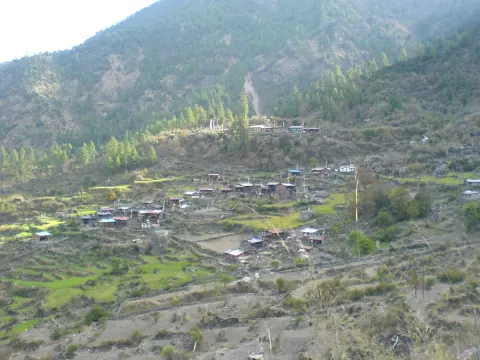
The Tamang Heritage Trail Trek is one of Nepal’s most culturally enriching and scenic trekking routes. Unlike the more crowded trails to Everest or Annapurna, this trek offers travelers an authentic glimpse into the Tamang community, one of Nepal’s indigenous ethnic groups. Stretching from Syabrubesi to Kyanjin Gompa, the trail winds through lush forests, terraced fields, traditional villages, and high-altitude landscapes, making it a perfect blend of cultural immersion and natural beauty. Trekkers can experience centuries-old Buddhist monasteries, prayer flags fluttering in the wind, and the warm hospitality of local Tamang households.The trail is well-known for its moderate altitude gain, starting around 1,350 meters in Kathmandu and gradually ascending to 3,870 meters at Kyanjin Gompa. The journey takes approximately 12 days, including a scenic drive to Syabrubesi, which allows trekkers to ease into the high-altitude environment. Along the route, trekkers pass through villages such as Gatlang, Tatopani, Thuman, Briddim, Lama Hotel, and Langtang Village, each offering unique insights into local customs, traditional architecture, and daily life.Highlights of the trek include:Experiencing authentic Tamang culture and traditions.Trekking through rhododendron and pine forests.Panoramic views of the Langtang Himalayan range.Visiting Kyanjin Gompa, a serene Buddhist monastery.Opportunity for short hikes to glaciers and peaks near Kyanjin.With Glacier Nepal Treks, you’ll have expert guides, responsible tourism practices, and a well-planned itinerary that balances adventure and comfort. This trek is ideal for travelers who wish to combine cultural exploration with Himalayan trekking.Best Season for Tamang Heritage Trail TrekThe Tamang Heritage Trail Trek can be undertaken throughout the year, but certain seasons provide the best trekking experience. Autumn (September to November) is considered the most popular time. During this period, the weather is clear, the skies are bright, and the mountain views are spectacular. Daytime temperatures are moderate, perfect for trekking, while nights are cool, giving you a comfortable experience in teahouses and lodges.Spring (March to May) is another excellent time. The trail comes alive with colorful rhododendron blooms, and the wildlife in the forests becomes more visible. The warmer temperatures at lower altitudes allow trekkers to enjoy longer hikes without feeling fatigued. However, occasional pre-monsoon showers may occur.Winter (December to February) offers fewer crowds and peaceful trails, but trekkers should be prepared for cold nights, occasional snowfall, and icy paths at higher altitudes. Summer or the monsoon season (June to August) is generally not recommended due to heavy rainfall, slippery trails, and potential landslides, though it can be a beautiful time to see lush greenery for experienced trekkers.Seasonal highlights:Autumn: Clear skies, panoramic mountain views, and cultural festivals.Spring: Blooming rhododendrons and vibrant local culture.Winter: Quiet trails, snow-covered landscapes, and serene Himalayan vistas.Monsoon: Lush greenery but slippery trails and heavy rain risks.Choosing the right season ensures safety, comfort, and the best visual experience during your Tamang Heritage Trail Trek with Glacier Nepal Treks.Tamang Heritage Trail Trek Difficulty and TransportationThe Tamang Heritage Trail Trek is categorized as moderate difficulty, making it suitable for both beginners and seasoned trekkers with reasonable fitness. The trek involves gradual altitude gain, with the highest point being Kyanjin Gompa at 3,870 meters, which usually does not require special acclimatization beyond normal trekking precautions. Daily walking hours range from 4 to 7 hours, allowing trekkers to move at a comfortable pace while enjoying scenic stops along the way.The terrain is a mix of well-trodden trails, stone paths, and forested tracks, with occasional steep sections near mountain ridges or village approaches. Trekkers must be prepared for varying conditions: muddy trails during rain, rocky paths, and occasional river crossings. Proper footwear, trekking poles, and layered clothing are recommended to ensure comfort and safety.Transportation logistics:Day 1 starts with arrival in Kathmandu, Nepal’s bustling capital.Day 2 involves a 7–8-hour scenic drive to Syabrubesi, the starting point of the trek.Return to Kathmandu is also by road, offering a chance to see beautiful valleys, terraced farmlands, and Himalayan foothills.Key points:Moderate difficulty, suitable for trekkers with average fitness.Daily walking 4–7 hours with breaks for meals and photography.Gradual altitude gain reduces risk of altitude sickness.Accessible via road transport from Kathmandu to trailhead and back.With Glacier Nepal Treks, transportation is well-organized, and guides provide detailed acclimatization advice to make your trekking experience smooth, safe, and memorable.Food and Accommodation for Tamang Heritage Trail TrekThe Tamang Heritage Trail Trek offers comfortable yet authentic trekking accommodations in the form of teahouses and lodges. These local establishments provide warm hospitality, cozy rooms, and a chance to immerse yourself in the culture of each village you pass. Most teahouses have basic amenities like a bed with blankets, shared bathrooms, and a dining area, but higher altitude lodges near Langtang and Kyanjin Gompa may be more rustic.Food along the trail is fresh, homemade, and nutritious, catering to both local tastes and international travelers. Traditional Nepali meals such as dal bhat (rice and lentils), momo (dumplings), noodles, and vegetable curries are widely available. Tea, coffee, and local snacks help trekkers maintain energy during long walking hours. For those with dietary preferences, vegetarian and limited vegan options are generally available, though it is best to communicate these in advance with your guide.Food and lodging highlights:Daily meals include breakfast, lunch, and dinner, with locally sourced ingredients.Traditional Nepali dishes provide cultural immersion along the trek.Warm teahouses with friendly local hosts.Optional hot showers at some higher-altitude lodges.Cozy rooms for rest and acclimatization before higher altitude days.Glacier Nepal Treks ensures trekkers enjoy both comfort and authenticity, balancing Himalayan adventure with cultural immersion, making each night a relaxing reward after a day of trekking.Tamang Heritage Trail Trek PermitsBefore starting the trek, all trekkers must obtain the necessary permits to comply with Nepalese regulations. These permits ensure safety, environmental protection, and the preservation of cultural heritage along the trail. The main permits for the Tamang Heritage Trail are:TIMS Card (Trekker’s Information Management System): Required for all independent trekkers in Nepal. Glacier Nepal Treks assists with TIMS issuance, which helps track trekkers and enhances safety in case of emergencies.Langtang National Park Permit: Since the trail passes through protected areas, this permit is mandatory. Fees contribute to park conservation and local community support.Permit highlights:Required for legal trekking and entry into protected zones.Fees support environmental conservation and local communities.Glacier Nepal Treks handles permit arrangements for hassle-free trekking.Carry a copy of your passport for verification during permit registration.Obtaining permits in advance or through a trusted company like Glacier Nepal Treks ensures smooth travel, avoids fines, and supports sustainable tourism, making your trek safer and more responsible.Why Choose Tamang Heritage Trail TrekThe Tamang Heritage Trail Trek is a unique combination of culture, nature, and adventure. Unlike other crowded Himalayan routes, this trek offers tranquil trails, authentic village life, and immersive cultural experiences. It is perfect for travelers who want more than just mountain views they want stories, traditions, and personal interactions with local communities.Reasons to choose this trek:Explore Tamang villages and learn about their history, festivals, and crafts.Witness panoramic views of the Langtang and Ganesh Himal ranges.Moderate difficulty makes it accessible to beginners and intermediate trekkers.Well-maintained trails and teahouses ensure comfort without sacrificing authenticity.Glacier Nepal Treks provides experienced guides, safe accommodations, and logistical support.Opportunity for short glacier hikes and Buddhist monastery visits.Choosing the Tamang Heritage Trail with Glacier Nepal Treks means a responsibly organized trek with cultural insights, natural beauty, and personal attention, making it a truly memorable Himalayan adventure. Whether you’re a first-time trekker or a seasoned traveler, this trek is an ideal way to explore Nepal’s mountains, forests, and vibrant communities while experiencing the warmth of the Tamang people.
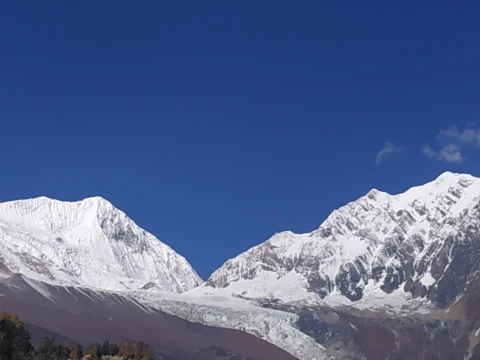
The Tsum Valley Trek, organized by Glacier Nepal Treks, is a hidden gem in northern Nepal, located in the northern part of Gorkha district near the Tibetan border. Known for its unspoiled landscapes, ancient Buddhist culture, and remote Himalayan scenery, Tsum Valley offers a serene trekking experience far from the crowded trails of Everest or Annapurna. The valley is rich in traditional Tibetan-influenced culture, with ancient monasteries, mani walls, and old chortens, providing trekkers with an authentic glimpse of Himalayan life.Starting from Kathmandu, the journey takes you through lush hills, terraced farmlands, and dense forests before reaching the sacred Tsum Valley. Along the way, trekkers cross charming villages like Machha Khola, Jagat, and Lokpa, each offering warm local hospitality. The trek gradually ascends to higher altitudes, passing through Lamagaun and Mu Gumba, where the panoramic views of Ganesh Himal, Sringi Himal, and other Himalayan peaks are breathtaking. One of the highlights is the Mu Gumba Monastery, the spiritual heart of Tsum Valley, providing an opportunity to observe Buddhist rituals and interact with monks.Remote valley with Tibetan Buddhist culturePanoramic Himalayan viewsSacred monasteries and chortensTraditional villages with local hospitalityThis trek is ideal for travelers seeking both adventure and cultural immersion, offering a blend of moderate trekking challenges, spiritual encounters, and untouched nature. Glacier Nepal Treks ensures that the journey is safe, well-organized, and enriching, with expert guides who provide in-depth knowledge about the valley’s history, culture, and geography.Best Season for Tsum Valley TrekThe best time to embark on the Tsum Valley Trek is during autumn (September to November) and spring (March to May). During these months, the weather is stable, the skies are clear, and the Himalayan vistas are at their most spectacular. Autumn is particularly favorable after the monsoon rains, as the air is fresh, the vegetation is lush, and the mountains are sharply visible. Spring offers blooming rhododendrons and other alpine flowers, making the valley vibrant and colorful.Winter (December to February) brings colder temperatures, especially above 3,000 meters, and snow can make trails slippery, though some experienced trekkers prefer it for solitude and snowy landscapes. Summer or monsoon (June to August) is less recommended due to heavy rainfall, landslides, leeches, and limited visibility of the mountains.Key Points:Autumn (Sept–Nov): Clear skies, lush greenery, ideal trekking conditionsSpring (Mar–May): Blooming rhododendrons, pleasant temperaturesWinter (Dec–Feb): Cold, potential snow, fewer touristsMonsoon (Jun–Aug): Heavy rainfall, slippery trails, landslidesGlacier Nepal Treks tailors trips according to the season, ensuring proper gear, safety, and accommodation arrangements so trekkers can enjoy the valley’s unique charm regardless of timing.Tsum Valley Trek Difficulty and TransportationThe Tsum Valley Trek is considered moderate in difficulty. Trekkers should have a basic level of fitness, as the trail involves gradual ascents, some steep sections, and long hours of walking, typically 5–8 hours per day. Altitude gain is manageable, starting at Machha Khola (900m) and reaching a maximum of Mu Gumba (3,700m). Proper acclimatization is necessary to prevent altitude sickness, and the Glacier Nepal Treks includes rest days, particularly in Mu Gumba, for safe adaptation.Transportation to the trailhead involves a drive from Kathmandu to Machha Khola, which can take 7–9 hours via scenic hilly roads. The drive passes through rivers, small towns, and terraced farmlands, giving trekkers a glimpse of rural Nepali life before the trek begins. On return, the same route is followed, allowing trekkers to reflect on their journey while enjoying the beautiful landscapes.Key Points:Moderate trekking difficultyAltitude range: 900m to 3,700mDaily trekking: 5–8 hoursRoad access from Kathmandu to Machha KholaGlacier Nepal Treks provides experienced guides, porters, and vehicles for a comfortable and safe trekking experience, ensuring smooth logistics and support throughout the journey.Food and Accommodation for Tsum Valley TrekThe Tsum Valley Trek offers a comfortable yet rustic experience in terms of food and accommodation. Accommodation is primarily in tea houses and lodges, which are basic but cozy, offering warm beds and communal dining areas. In remote areas like Mu Gumba and Lamagaun, facilities may be limited, but Glacier Nepal Treks ensures trekkers have safe and hygienic lodging.Food along the trail includes a mix of local Nepali cuisine and simple Western dishes. Popular options are dal bhat (rice with lentils), momo (dumplings), noodles, soups, and porridge. Trekkers are advised to stay hydrated and eat sufficient carbohydrates to sustain energy during long trekking hours. Tea houses often provide tea, coffee, and hot chocolate, which are perfect for warming up after a day on the trail.Key Points:Tea houses and lodges along the trailSimple, nutritious local and western mealsHot beverages availableBasic amenities, warm beds, and communal spacesGlacier Nepal Treks takes care of meal planning and accommodations, offering vegetarian or special dietary options on request, ensuring trekkers are well-fed and rested to enjoy the journey.Tsum Valley Trek PermitsTrekking in Tsum Valley requires two main permits: the Manaslu Conservation Area Permit (MCAP) and the Restricted Area Permit (RAP) for Tsum Valley. These permits ensure that trekkers support conservation efforts and respect local regulations in this ecologically and culturally sensitive region.The MCAP permit is needed for entering the Manaslu Conservation Area, which covers a large part of the trek. The Restricted Area Permit is required specifically for the Tsum Valley, as it is a protected area to preserve its unique Tibetan Buddhist culture and environment. Permits are typically arranged in Kathmandu through authorized agencies like Glacier Nepal Treks, saving trekkers time and ensuring all legal requirements are met.Key Points:Manaslu Conservation Area Permit (ACAP)Restricted Area Permit (RAP) for Tsum ValleyRequired for legal entry and conservation supportArranged by Glacier Nepal TreksObtaining permits in advance through Glacier Nepal Treks ensures a smooth start to your trek without delays at checkpoints, allowing trekkers to focus on the experience rather than paperwork.Why Choose Tsum Valley TrekThe Tsum Valley Trek is perfect for trekkers seeking a blend of culture, nature, and adventure. Unlike crowded trekking routes in Nepal, Tsum Valley offers tranquility, pristine landscapes, and deep spiritual encounters. Glacier Nepal Treks specializes in creating customized experiences for this remote valley, ensuring safety, comfort, and cultural immersion. Trekkers can experience ancient Buddhist monasteries, interact with monks, and witness traditional rituals, while also enjoying majestic views of Himalayan peaks. The trek supports sustainable tourism, benefiting local communities while preserving their traditions. Glacier Nepal Treks provides knowledgeable guides, responsible trekking practices, and comprehensive support from Kathmandu to the end of the trek, making the journey smooth and memorable.Key Points:Off-the-beaten-path trekking destinationAuthentic Tibetan Buddhist cultureStunning Himalayan sceneryExperienced guides and full support from Glacier Nepal Treks.Choosing the Tsum Valley Trek with Glacier Nepal Treks ensures a safe, enriching, and unforgettable adventure, combining cultural discovery with natural beauty in one of Nepal’s least explored, most captivating valleys.
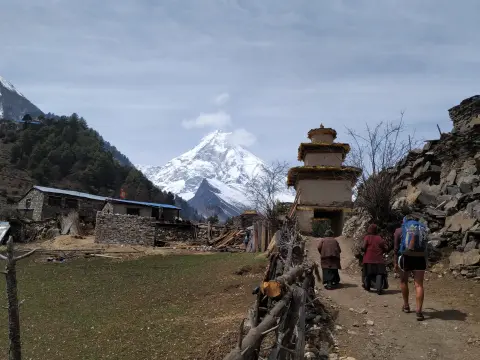
The Manaslu Tsum Valley Trek, offered by Glacier Nepal Treks, is one of Nepal's hidden gems, providing a unique blend of cultural immersion, natural beauty, and high-altitude adventure. Located in the northern part of Gorkha District, this trek explores the sacred Tsum Valley, a restricted region that remains relatively untouched by tourism. The valley is renowned for its ancient monasteries, traditional Tibetan-style villages, and pristine landscapes that include glacial rivers, lush forests, and snow-capped peaks. The trek offers breathtaking views of Manaslu (8,163m), the eighth-highest mountain in the world, along with a journey through diverse flora and fauna.Starting from Kathmandu, trekkers gradually ascend through Machha Khola, Jagat, Lokpa, and Chumling, reaching spiritual hubs like Rachen Gompa, Samagaon, and Samdo. The trek also includes the challenging but rewarding Larkya La Pass (5,160m), offering panoramic Himalayan vistas. The route blends cultural exploration and adventure trekking, allowing visitors to experience the warm hospitality of local Gurung, Tamang, and Tibetan communities.Remote and culturally rich Tsum Valley explorationSpectacular views of Manaslu, Himalchuli, and Ganesh HimalTraditional Tibetan Buddhist monasteries and sacred sitesLarkya La Pass trek with panoramic high-altitude landscapesOpportunity to witness unique flora and wildlifeThis trek is ideal for adventurers who want a combination of spiritual immersion, natural beauty, and moderate to challenging trekking experiences. Glacier Nepal Treks provides expert guidance, support, and logistics to ensure a safe and memorable journey through one of Nepal’s least-explored regions.Best Season for Manaslu Tsum Valley TrekThe Manaslu Tsum Valley Trek can be undertaken in two main trekking seasons: autumn (September to November) and spring (March to May). These months offer stable weather, clear skies, and spectacular mountain views. Autumn is especially popular because the monsoon rains leave behind lush greenery, blooming rhododendrons, and vibrant forests. Spring is perfect for travellers seeking mild temperatures, rhododendron blossoms, and moderate trekking conditions.Winter trekking (December to February) is less recommended due to heavy snow and extremely cold temperatures at high passes like Larkya La, which can make trekking dangerous. Summer and monsoon months (June to August) are generally avoided due to heavy rainfall, landslides, and slippery trails. However, Glacier Nepal Treks occasionally organises monsoon treks for experienced trekkers who are prepared for challenging conditions and fewer crowds.Advantages of Autumn and Spring:Clear views of the Himalayas, including Manaslu and surrounding peaksModerate temperatures for trekking and campingOpportunities for photography and wildlife observationOptimal trekking conditions with reduced risk of altitude sicknessChoosing the right season is crucial for safety and enjoyment. Glacier Nepal Treks advises careful planning based on weather, altitude acclimatization, and personal fitness levels. With the correct season, trekkers can experience the valley in its most pristine and serene form, enjoying cultural interactions, local festivals, and untouched Himalayan landscapes.Manaslu Tsum Valley Trek Difficulty and TransportationThe Manaslu Tsum Valley Trek is considered a moderate to strenuous trek due to its long trekking days, gradual altitude gain, and the challenging Larkya La Pass (5,160m). While most of the trek follows well-established trails, trekkers must be physically prepared for steep ascents, descents, and potentially rugged terrain. Proper acclimatisation is crucial, particularly at high-altitude stops like Samagaon, Samdo, and Larkya Phedi, to avoid altitude sickness.Transportation to and from the trek starts with a drive from Kathmandu to Machha Khola through scenic landscapes. The road journey takes approximately 6-8 hours, offering glimpses of rivers, terraced fields, and small villages. After the trek, travellers are driven back to Kathmandu via the same route. Glacier Nepal Treks ensures safe and comfortable transportation with experienced drivers and well-maintained vehicles, making the journey smooth and enjoyable.Trek Difficulty Summary:Duration: 19 days, including acclimatisationMaximum altitude: 5,160m (Larkya La Pass)Terrain: Mixed – forested trails, river crossings, rocky paths, and high-altitude passesFitness level: Moderate to high, with trekking experience recommendedDespite its challenges, the trek rewards adventurers with serene landscapes, cultural richness, and a true sense of isolation in the Himalayas. Glacier Nepal Treks provides professional guides who monitor acclimatisation, pace the trek according to group fitness, and ensure safety at every step.Food and Accommodation for Manaslu Tsum Valley TrekThe Manaslu Tsum Valley Trek features a mix of teahouse lodges, guesthouses, and local homestays, offering trekkers a cozy and culturally immersive experience. Accommodation is basic but comfortable, often including shared bathrooms and simple bedding. While electricity and Wi-Fi may be limited at higher altitudes, lodges provide warmth, hearty meals, and a welcoming atmosphere. Glacier Nepal Treks arranges all accommodations in advance, ensuring trekkers have safe and reliable lodging throughout the journey.Food on the trek primarily includes traditional Nepalese dishes such as dal bhat (rice and lentils), momos (dumplings), noodles, and soups. Local Tibetan dishes, including thukpa (noodle soup) and tsampa (roasted barley), are also widely available, especially in Tsum Valley villages. Glacier Nepal Treks ensures trekkers have access to a balanced diet to maintain energy levels and promote proper acclimatisation.Highlights:Accommodation in teahouses and local lodgesNutritious meals, including local and Nepalese cuisineOpportunity to experience traditional Tsum Valley hospitalityWarm communal spaces for relaxation and socialisingThe trek combines adventure with comfort, allowing trekkers to rest adequately while being fully immersed in the local culture. Meals and accommodations are tailored to support high-altitude trekking needs, ensuring safety, energy, and memorable experiences.Manaslu Tsum Valley Trek PermitsThe Tsum Valley region is a restricted area, requiring trekkers to obtain special permits. The primary permits include:Manaslu Restricted Area Permit (RAP) – necessary for entering the Manaslu Conservation AreaTsum Valley Special Permit – mandatory for trekking inside the valleyAnnapurna Conservation Area Permit (if applicable for connecting routes)TIMS Card (Trekkers’ Information Management System)Permit costs vary depending on nationality and duration of stay. Glacier Nepal Treks assists trekkers in acquiring all required permits, ensuring compliance with Nepalese regulations. Obtaining these permits supports local conservation efforts, protects the cultural heritage of Tsum Valley, and allows trekking companies like Glacier Nepal Treks to provide legal and safe access to this remote area.Permit Highlights:Ensures access to the restricted and culturally sensitive Tsum ValleySupports environmental and cultural preservationRequired for entry at multiple checkpoints along the trekManaged by Glacier Nepal Treks for hassle-free processingProper permits are crucial for a safe and lawful trekking experience. Glacier Nepal Treks handles all administrative requirements, saving trekkers time and reducing stress, allowing them to focus entirely on the journey, scenery, and cultural encounters.Why Choose Manaslu Tsum Valley Trek with Glacier Nepal TreksChoosing the Glacier Nepal Treks for the Manaslu Tsum Valley Trek ensures a seamless blend of adventure, safety, and cultural exploration. Glacier Nepal Treks has a reputation for expert guidance, reliable logistics, and strong local connections, making it the ideal partner for this off-the-beaten-path trek. They provide trained guides, porters, and support staff who are familiar with high-altitude trekking, local customs, and the restricted Tsum Valley area.The trek offers an unparalleled opportunity to experience untouched Himalayan landscapes, ancient monasteries, and Tibetan Buddhist culture. Glacier Nepal Treks ensures that every aspect of the trek from transportation, meals, accommodations, and permits is professionally managed. Their team also prioritises safety, acclimatisation, and environmental responsibility, making your trek not only adventurous but sustainable.Reasons to Choose Glacier Nepal Treks:Experienced guides familiar with the Tsum Valley and the Manaslu regionWell-organised logistics, transportation, and accommodationsAssistance with permits and legal requirementsFocus on safety, acclimatisation, and environmental sustainabilityOpportunities for cultural immersion with local communitiesBy choosing Glacier Nepal Treks, trekkers gain access to one of Nepal’s most pristine and spiritual trekking destinations, supported by a company committed to quality, safety, and authentic Himalayan experiences. The Manaslu Tsum Valley Trek becomes not just a trek but a journey of discovery, spirituality, and adventure.
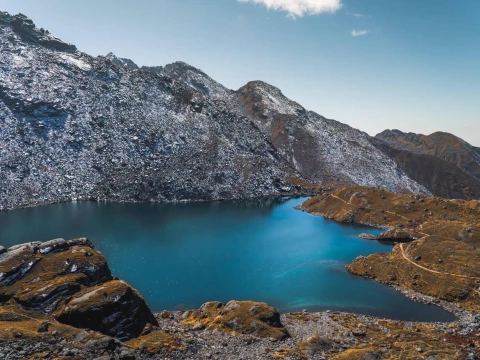
The Langtang Gosaikunda Trek is one of Nepal’s most iconic trekking routes, offering a perfect blend of natural beauty, cultural heritage, and spiritual exploration. Starting from the bustling capital of Kathmandu, trekkers pass through lush forests, traditional villages, and high alpine landscapes, eventually reaching the sacred Gosaikunda Lake, which holds immense religious significance for Hindus and Buddhists alike. This trek is ideal for adventurers seeking a less crowded alternative to the Everest and Annapurna regions while still experiencing dramatic Himalayan scenery.The trail combines the serene Langtang Valley, dotted with rustic villages like Lama Hotel, Langtang Village, and Kyanjin Gompa, with the challenging high-altitude adventure to Gosaikunda Lake, situated at 4,380 meters. Along the way, trekkers witness diverse flora and fauna, stunning views of peaks such as Langtang Lirung, and the vibrant lifestyle of Tamang communities. This trek typically takes around 12–14 days, making it suitable for those with moderate trekking experience and a love for immersive cultural and natural experiences.Panoramic views of Langtang Lirung and Ganesh HimalSacred alpine lakes like GosaikundaTraditional Tamang villages and monasteriesDay hike to Tserko Ri for stunning sunrise viewsBest Season for Langtang Gosaikunda TrekThe best time to trek in the Langtang Gosaikunda region is during spring (March to May) and autumn (September to November). Spring brings vibrant rhododendron blooms, clear skies, and pleasant temperatures, creating perfect trekking conditions. Autumn, on the other hand, offers crisp air, excellent visibility of the Himalayan peaks, and a festive atmosphere in local villages.Winter treks (December to February) are possible but challenging due to snow-covered trails, especially near Gosaikunda. Monsoon season (June to August) is generally avoided because of heavy rainfall, landslides, and leeches along lower trails. Choosing the right season ensures safety, better weather, and more enjoyable trekking experiences.Seasonal Highlights:Spring: Blooming rhododendrons and mild weatherAutumn: Clear skies and panoramic Himalayan viewsWinter: Snow-covered landscapes for experienced trekkersMonsoon: Lush greenery but slippery trailsLangtang Gosaikunda Trek Difficulty and TransportationThe trek is considered moderate to challenging, depending on your fitness level and altitude experience. Daily treks range from 4 to 7 hours with gradual ascents, except for day hikes to high-altitude peaks like Tserko Ri (5,000m) or the climb to Gosaikunda Lake (4,380m). Acclimatization days are crucial to avoid altitude sickness, especially around Kyanjin Gompa and Gosaikunda.Transportation is convenient with a private vehicle or tourist bus from Kathmandu to starting points like Syabrubesi. Roads are partially paved and scenic, offering views of rivers, terraced fields, and rural villages. Returning to Kathmandu after the trek is typically via road, which allows trekkers to rest and enjoy local scenery before heading home.Transportation Highlights:Drive from Kathmandu to Syabrubesi (5–6 hours)Local jeeps or buses for Dhunche-Kathmandu returnShort daily trekking distances with gradual elevation gainEssential acclimatization at high-altitude stopsFood and Accommodation for Langtang Gosaikunda TrekAlong the Langtang Gosaikunda Trek, accommodation mainly consists of teahouses and lodges, offering basic but comfortable rooms with shared or private bathrooms. These lodges provide warmth, a cozy resting place, and a chance to interact with local families. In Kyanjin Gompa and near Gosaikunda, lodges are more basic, and trekkers may need sleeping bags during colder nights. Food along the trek is simple but nutritious, often including Dal Bhat (lentil rice), noodles, soups, pancakes, and local Tibetan dishes like momo (dumplings). Hot beverages like tea and coffee are widely available, keeping trekkers energized in the chilly mountain climate. Glacier Nepal Treks ensures trekkers have access to well-maintained accommodation and quality meals throughout the journey.Food & Stay Highlights:Teahouses with basic rooms and beddingTraditional Nepali and Tibetan cuisineHot meals and beverages for energy at high altitudesLocal hospitality and cultural immersionLangtang Gosaikunda Trek PermitsTo trek in the Langtang and Gosaikunda region, you must obtain the following permits:Langtang National Park Permit (LNP): Required for all trekkers entering Langtang Valley.TIMS Card (Trekkers’ Information Management System): Mandatory for trekking safety and tracking.Permits can be obtained in Kathmandu before the trek or at the park entrance in Syabrubesi. Glacier Nepal Treks provides assistance in securing all necessary permits, ensuring a hassle-free start to your trekking adventure. Proper permits are essential for environmental conservation and legal access to these protected regions.Permit Highlights:Langtang National Park Permit for park accessTIMS Card for trekking registrationGlacier Nepal Treks handles documentationWhy Choose Langtang Gosaikunda TrekChoosing the Langtang Gosaikunda Trek with Glacier Nepal Treks guarantees a balance of adventure, culture, and safety. This trek is perfect for travelers seeking a mix of natural beauty, serene alpine lakes, and authentic village life, away from overcrowded trails. Glacier Nepal Treks provides experienced guides, porters, and full logistical support, ensuring a smooth, enjoyable, and memorable experience.Additionally, the trek is highly rewarding, offering stunning high-altitude panoramas, religiously significant sites like Gosaikunda Lake, and cultural interaction with the Tamang and Sherpa communities. This combination of adventure, culture, and comfort makes it one of the most cherished trekking experiences in Nepal.Reasons to Choose:Experienced guides and well-organized logisticsAccess to less crowded and scenic trailsAuthentic cultural experiences with local communitiesSafe trekking with acclimatization and support
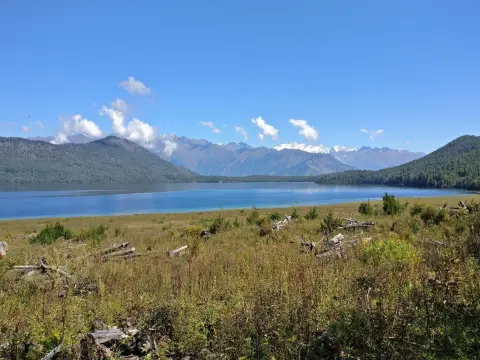
The Rara Lake Trek, organized by Glacier Nepal Treks, is one of Nepal’s most pristine and less-explored trekking adventures. Nestled in the remote northwestern region of Nepal, this trek takes you through the Karnali Province, showcasing rugged landscapes, traditional villages, and diverse flora and fauna. The highlight of the trek is Rara Lake, the largest lake in Nepal, perched at an altitude of 3,010 meters (9,876 ft). Surrounded by the majestic Rara National Park, the lake offers stunning turquoise waters reflecting snow-capped peaks, alpine meadows, and dense forests.The trek usually starts with a flight from Kathmandu to Nepalgunj and then a connecting flight to Jumla, from where the trail begins. Along the journey, trekkers explore charming villages like Chere Chaur, Chalachaur, Sinja Valley, and Ghorosingha, each offering cultural insights and interactions with local communities. The trail passes through a mixture of landscapes, including terraced farmlands, pine and rhododendron forests, and high-altitude meadows. Glacier Nepal Treks ensures every trekker experiences the serenity and untouched beauty of this remote region, far from the crowds of popular trekking areas like Everest or Annapurna.Explore Rara Lake, the “Pearl of Nepal.”Trek through remote villages and historic Sinja Valley.Experience rich biodiversity in Rara National Park.Witness spectacular Himalayan views.Best Season for Rara Lake TrekThe ideal seasons for the Rara Lake Trek are spring (March to May) and autumn (September to November). During spring, the trails are adorned with blooming rhododendrons and wildflowers, creating colorful landscapes. Temperatures are moderate, ranging from 10°C to 20°C during the day, making trekking comfortable. Autumn, on the other hand, offers clear skies and breathtaking panoramic views of the snow-capped Himalayas, ideal for photography and sightseeing.Winter (December to February) can be extremely cold with heavy snowfall, particularly around high-altitude areas like Chere Chaur and Ghorosingha, making trekking more challenging. Monsoon season (June to August) is less recommended due to landslides, slippery trails, and leeches, although the region receives comparatively lighter rainfall than eastern Nepal. Glacier Nepal Treks schedules treks carefully to match these seasons, ensuring safety and the best possible trekking experience.Seasonal advantages:Spring: Blooming rhododendrons, moderate temperatures.Autumn: Clear skies, excellent mountain views.Winter: Solitude, snow-covered landscapes (for experienced trekkers).Monsoon: Not recommended due to rain and slippery trails.Rara Lake Trek Difficulty and TransportationThe Rara Lake Trek is considered a moderate-level trek, suitable for trekkers with a basic level of fitness and prior trekking experience in the Himalayas. Daily trekking hours range from 4 to 6 hours, with altitudes ranging from 2,440 meters (8,006 ft) to 3,055 meters (10,023 ft). While there are no technical climbing sections, some trails can be steep and rocky, especially near Ghorosingha and Rara Lake, requiring careful navigation.Transportation logistics are efficiently managed by Glacier Nepal Treks. The journey begins with a domestic flight from Kathmandu to Nepalgunj, followed by a connecting flight to Jumla, a gateway to the remote Karnali region. From Jumla, all trekking is done on foot, passing through villages and forests. Glacier Nepal Treks provides porters and guides to carry luggage and offer local expertise, ensuring safety and comfort throughout the trek.Key points:Moderate difficulty, 4–6 hours trekking per day.Maximum altitude: 3,055 m (10,023 ft).Domestic flights to Jumla via Nepalgunj.Guided trek with porters for support.Food and Accommodation for Rara Lake TrekAlong the Rara Lake Trek, food and accommodation are basic but comfortable. Most villages offer tea houses and lodges, serving local Nepali meals such as dal bhat (rice and lentil soup), momo (dumplings), and noodles. Hot beverages like tea and coffee are widely available to keep trekkers warm at high altitudes. Glacier Nepal Treks ensures trekkers have access to nutritious meals, considering dietary preferences and energy requirements.Accommodation typically includes shared rooms with basic beds, blankets, and attached or common bathrooms. While facilities are rustic compared to urban hotels, they provide warmth, safety, and an authentic local experience. In more remote areas like Ghorosingha or Pina, accommodations may be simpler, emphasizing the adventure aspect of the trek.Food and lodging highlights:Traditional Nepali cuisine: dal bhat, momo, noodles.Tea house and lodge accommodations.Simple, clean, and cozy rooms.Support for vegetarian and special diets.Rara Lake Trek PermitsTo trek in the Rara Lake region, two main permits are required:TIMS (Trekkers’ Information Management System) Card Mandatory for all trekkers in Nepal to ensure safety and tracking.Rara National Park Entry Permit Required to enter and explore the protected area surrounding Rara Lake.Glacier Nepal Treks assists trekkers with all necessary permits, including their application and payment process, so trekkers can focus on enjoying the adventure. The permits not only ensure legal trekking but also help in the conservation and management of Rara National Park, preserving its pristine natural beauty and wildlife.Permit essentials:TIMS Card: identification and safety tracking.Rara National Park Entry Permit: environmental conservation.Handled efficiently by Glacier Nepal Treks.Why Choose Rara Lake Trek with Glacier Nepal TreksChoosing Glacier Nepal Treks for your Rara Lake adventure ensures a safe, organized, and memorable trekking experience. With years of experience guiding treks in remote regions of Nepal, their team provides expert guides, quality porters, and customized itineraries. They focus on safety, comfort, and cultural immersion, helping trekkers navigate the less-traveled trails with ease.The trek offers a blend of natural beauty, cultural exploration, and adventure, allowing travelers to witness untouched Himalayan landscapes, interact with local communities, and experience authentic rural life in the Karnali region. Glacier Nepal Treks’s meticulous planning ensures that every detail, from flights and accommodation to meals and permits, is taken care of, leaving trekkers free to enjoy the journey.Reasons to choose Glacier Nepal Treks:Expert guides and experienced support staff.Well-planned itinerary with flights, trekking, and accommodation.Focus on safety, culture, and environment.Access to remote, off-the-beaten-path areas.Personalized support for dietary needs and trekking preferences.
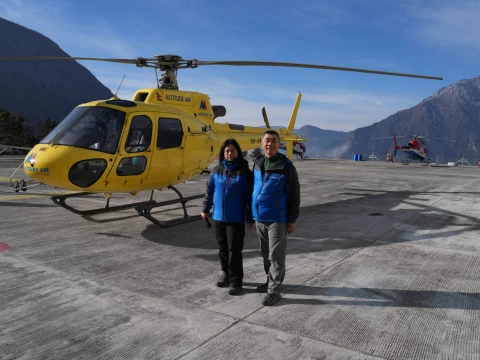
The Everest Base Camp Helicopter Tour with Glacier Nepal Treks is a luxurious and time-efficient way to experience the grandeur of the Himalayas without enduring the traditional trekking challenges. Starting from Kathmandu, participants are picked up from their hotel in the early morning and escorted to Tribhuvan International Airport’s domestic terminal. After completing check-in procedures and a safety briefing, the journey begins with a private helicopter lift-off at around 7:00 AM. As the helicopter ascends, travelers are treated to breathtaking views of Kathmandu Valley’s terraced fields, winding rivers, and distant Himalayan peaks. A first stop at Lukla Airport (2,845 meters) allows a brief refueling, giving travelers a chance to stretch, absorb the crisp mountain air, and admire the rugged landscape.The journey continues to Kala Patthar (5,450 meters), a world-renowned viewpoint offering unparalleled panoramic views of Mount Everest, Lhotse, Nuptse, and surrounding glacial valleys. This stop is ideal for photography, capturing memories of the towering Himalayas, and enjoying the sense of accomplishment of being at such high altitudes without the strenuous trek. The tour then moves to Syangboche, home to the legendary Everest View Hotel (3,950 meters), where travelers are served breakfast or light refreshments while soaking in the stunning scenery. The helicopter then returns to Lukla for a final refueling before descending back to Kathmandu, offering additional scenic aerial views of remote villages, terraced hills, and glacial rivers.Private helicopter flight with an expert pilotPanoramic views of Mount Everest, Lhotse, Nuptse, and surrounding peaksVisit to Kala Patthar and Syangboche for photography and refreshmentsStress-free access to the Everest region without trekking hardshipsExperienced team from Glacier Nepal Trek ensuring comfort and safetyBest Season for Everest Base Camp Helicopter TourChoosing the right season for your Everest Base Camp Helicopter Tour is crucial to ensure clear skies, pleasant temperatures, and maximum visibility of the Himalayan peaks. The ideal periods for this aerial adventure are pre-monsoon (March to May) and post-monsoon (late September to early December). During these months, the weather is generally stable, offering unobstructed views of Everest and the surrounding mountains. The skies are usually clear, and visibility is at its peak, which makes photography particularly rewarding. Pre-monsoon offers blooming rhododendrons in the lower valleys, while post-monsoon ensures crisp air and a bright, cloudless atmosphere across the entire Everest region.Winter months (December to February) can also provide excellent visibility, although the cold temperatures at high altitudes require proper clothing and preparation. Conversely, the monsoon season (June to August) is generally avoided due to heavy rainfall, clouds, and reduced visibility, which can obscure the majestic views and increase the risk of flight delays. Glacier Nepal Treks ensures that the tour is carefully scheduled with real-time weather assessments to maximize safety and scenic beauty.Key Seasonal Tips:Pre-monsoon (March–May): Clear skies, blooming flora, moderate temperaturesPost-monsoon (Sept–Dec): Crisp air, spectacular visibility, snow-capped peaksWinter (Dec–Feb): Cold but clear, fewer touristsMonsoon (Jun–Aug): Not recommended due to clouds and rainfallTravelers choosing the right season will enjoy the most unforgettable experience, capturing Everest in its full glory and ensuring comfort during the helicopter tour.Why Choose Everest Base Camp Helicopter TourThe Everest Base Camp Helicopter Tour by Glacier Nepal Treks is the perfect choice for travelers who want to experience the Himalayas in a short time, without the physical demands of a traditional trek. It combines convenience, safety, and spectacular scenery in a single day, making it ideal for those with limited time, families, or anyone seeking a premium mountain adventure. Unlike trekking, which can take 12–14 days and requires acclimatization, this tour allows participants to witness iconic sites like Kala Patthar and Everest Base Camp from the air, with the option to step out and explore briefly at key locations.The tour is led by highly trained pilots and supported by Glacier Nepal Treks’s professional team, ensuring a seamless experience from hotel pickup in Kathmandu to return. Guests benefit from personalized service, expert guidance, and ample opportunities to capture photographs of the majestic Himalayan landscape. The itinerary is carefully designed to include short stops at Lukla Airport for refueling, Kala Patthar for panoramic views, and Syangboche for breakfast or refreshments, all while maintaining a comfortable and stress-free pace. Additionally, this helicopter tour eliminates altitude sickness risks commonly associated with trekking and allows travelers to enjoy Everest in luxury.Reasons to Choose This Tour:Full-day adventure covering Everest Base Camp without trekkingSafe, reliable, and experienced pilots and support teamQuick, comfortable access to Himalayan highlightsOpportunities for stunning photography and immersive mountain viewsPersonalized service and hotel pickup/drop-off includedWith Glacier Nepal Treks, travelers experience one of the world’s most iconic destinations in a single, unforgettable day, leaving with memories, photos, and stories that last a lifetime.
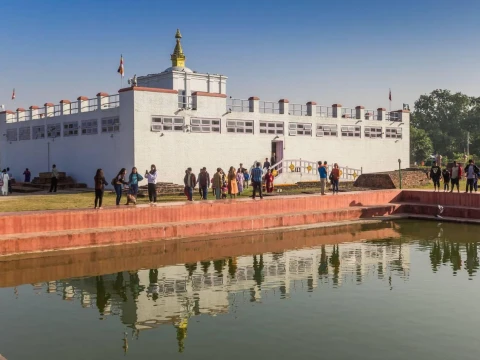
Nepal, often referred to as the land of Himalayan wonders, is also a sacred destination for Buddhist pilgrims from around the world. This Buddhist Pilgrimage Tour in Nepal, organized by Glacier Nepal Treks, provides an immersive spiritual journey, combining visits to ancient monasteries, stupas, and significant sites associated with the life of Lord Buddha. From the bustling streets of Kathmandu to the serene lakeside city of Pokhara, and ultimately to Lumbini, the birthplace of Buddha, this tour offers a unique blend of devotion, culture, and scenic beauty.The tour begins in Kathmandu, exploring the magnificent Boudhanath Stupa, home to vibrant Tibetan monasteries, and Kapan Monastery, a serene retreat offering meditation experiences. Pilgrims also visit the iconic Swayambhunath Stupa, often called the Monkey Temple, which offers panoramic views of Kathmandu Valley. The journey continues to Pokhara, where spiritual exploration meets natural beauty with visits to the World Peace Pagoda, Malepatan Gumba, and the Hyangja Tibetan Refugee Camp. Finally, the tour reaches Lumbini, the sacred birthplace of Lord Buddha, where pilgrims can explore the Maya Devi Temple, monastic zones, and sacred gardens.Visit Boudhanath, Swayambhunath, Kapan Monastery, and World Peace PagodaExplore Lumbini, the birthplace of Lord BuddhaExperience Tibetan monasteries and local spiritual cultureScenic drives connecting Kathmandu, Pokhara, and LumbiniBest Season for Buddhist Pilgrimage Tour in NepalThe ideal time for a Buddhist Pilgrimage Tour in Nepal is during autumn (September to November) and spring (March to May). During these seasons, the weather is generally clear, and the skies are bright, offering stunning views of the Himalayan peaks as well as comfortable conditions for sightseeing and meditation. Autumn is particularly popular for pilgrims due to the festive atmosphere, with several local religious events and ceremonies taking place at key monasteries and stupas.Spring, on the other hand, brings blooming rhododendrons and lush greenery, enhancing the serene ambiance of spiritual sites. Winters (December to February) are colder, especially in Pokhara and Lumbini, but still manageable for dedicated pilgrims. Monsoon season (June to August) is less ideal due to heavy rainfall and the risk of landslides along travel routes. Overall, choosing the right season ensures a peaceful, enriching, and spiritually fulfilling experience.Seasonal pointers:Autumn & Spring: Clear skies and moderate temperaturesWinter: Cold but fewer crowdsMonsoon: Heavy rain, less ideal for travelFestivals: Observe Buddha Jayanti in April for special celebrationsBuddhist Pilgrimage Tour in Nepal Difficulty and TransportationThe Buddhist Pilgrimage Tour in Nepal is designed to be moderate in difficulty, making it accessible to most travelers, including those with limited trekking experience. Unlike high-altitude trekking, this tour primarily involves cultural and spiritual exploration, with walking mostly limited to monastery grounds and stupa complexes. The itinerary includes several short drives between cities such as Kathmandu to Pokhara and Pokhara to Lumbini, ensuring comfort while covering major pilgrimage sites.Transportation during the tour is handled by private vehicles arranged by Glacier Nepal Treks, which are well-maintained and driven by experienced local drivers. Pilgrims can enjoy scenic views along the highways, with opportunities to stop for photos or interact with local communities. In Pokhara and Lumbini, some walking is required to explore monasteries, meditation centers, and sacred gardens, but the pace is gentle and suitable for all ages.Transportation & difficulty summary:Moderate walking at religious and cultural sitesPrivate vehicle transfers between citiesExperienced drivers and safe vehiclesGentle pace suitable for all age groupsFood and Accommodation for Buddhist Pilgrimage Tour in NepalThroughout the Buddhist Pilgrimage Tour in Nepal, travelers enjoy a mix of local Nepali cuisine and vegetarian-friendly options that are widely available near monasteries and cultural sites. Meals often include traditional dishes such as dal bhat (lentil soup with rice), fresh vegetables, momo (dumplings), and Tibetan-inspired dishes like thukpa. Special arrangements can be made for pilgrims seeking strictly vegetarian meals in line with Buddhist dietary practices.Accommodation during the tour is carefully selected for comfort and proximity to spiritual sites, ranging from mid-range hotels in Kathmandu and Pokhara to guesthouses and lodges near Lumbini. Most accommodations provide basic amenities, clean rooms, and quiet surroundings conducive to reflection and meditation. Glacier Nepal Trek ensures a blend of comfort and cultural authenticity, allowing pilgrims to rest well after a day of exploration.Food & lodging highlights:Vegetarian-friendly meals and local Nepali cuisineComfortable hotels and lodges near pilgrimage sitesHygienic and peaceful accommodationsFlexibility for dietary preferencesWhy Choose Buddhist Pilgrimage Tour in NepalChoosing Glacier Nepal Treks for your Buddhist pilgrimage guarantees a well-organized, immersive, and spiritually enriching experience. The company has extensive local knowledge, ensuring that travelers not only visit famous sites but also engage with local monks, participate in meditation sessions, and learn about Nepalese Buddhist traditions firsthand. With careful planning, safe transportation, and experienced guides, pilgrims can focus fully on their spiritual journey without worrying about logistics.Additionally, Glacier Nepal Treks emphasizes personalized service, cultural sensitivity, and sustainable travel practices. This means your pilgrimage supports local communities, respects monastic traditions, and provides meaningful interactions with the people who maintain these sacred sites. By combining cultural education, scenic journeys, and spiritual exploration, this tour transforms a regular trip into a life-enriching pilgrimage.Reasons to choose Glacier Nepal Treks:Expert local guides with spiritual and cultural knowledgeSafe, comfortable transportation and accommodationsFocus on authentic Buddhist experiences and meditationSupport for local communities and sustainable tourism
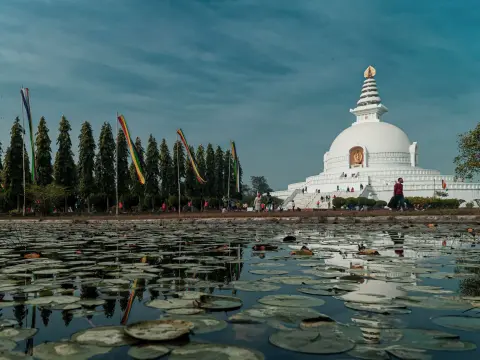
The Kathmandu Pokhara Lumbini Chitwan Tour is one of Nepal’s most complete cultural and nature-based travel experiences, thoughtfully designed by Glacier Nepal Treks. This 10-day journey blends ancient heritage, spiritual discovery, scenic landscapes, and wildlife adventures, offering travelers a deep insight into Nepal’s diverse beauty. From historic temples and royal palaces in Kathmandu to the serene lakes and Himalayan views of Pokhara, the tour unfolds Nepal’s cultural and natural richness step by step.The journey begins in Kathmandu, the vibrant capital city filled with UNESCO World Heritage Sites such as Pashupatinath, Swayambhunath, and Kathmandu Durbar Square. After soaking in the cultural charm, travelers drive to Pokhara, a peaceful lakeside city known for Annapurna mountain views, sunrise at Sarangkot, waterfalls, and caves. Pokhara provides relaxation and natural beauty, perfectly balancing the cultural intensity of Kathmandu.From Pokhara, the tour continues to Lumbini, the sacred birthplace of Lord Buddha. This spiritual destination offers tranquility, monasteries from around the world, and deep historical significance. The final highlight is Chitwan National Park, where travelers enjoy jungle safaris, wildlife spotting, canoeing, and Tharu cultural experiences before returning to Kathmandu.This tour is ideal for families, couples, solo travelers, and senior travelers looking for a comfortable yet enriching Nepal experience without trekking challenges.UNESCO World Heritage sightseeing in KathmanduScenic drive and sunrise views in PokharaSpiritual exploration in LumbiniJungle safari and wildlife adventure in ChitwanComfortable hotels and private transportationBest Season for Kathmandu Pokhara Lumbini Chitwan TourThe best season for the Kathmandu Pokhara Lumbini Chitwan Tour is during spring (March to May) and autumn (September to November). These seasons offer stable weather, clear skies, pleasant temperatures, and excellent visibility for mountain views, sightseeing, and wildlife activities. Glacier Nepal Treks highly recommends these periods for travelers seeking the best overall experience.Spring brings blooming flowers, green hills, and comfortable daytime temperatures across Kathmandu, Pokhara, Lumbini, and Chitwan. The weather is warm but not extreme, making it perfect for city tours, sunrise viewpoints, and jungle safaris. Wildlife sightings in Chitwan are also excellent during this season as animals are active near water sources.Autumn is the most popular travel season in Nepal. After the monsoon rains, the air becomes fresh and crystal clear, offering spectacular Himalayan views from Pokhara and Sarangkot. Festivals like Dashain and Tihar also occur during autumn, adding cultural richness to the journey. Chitwan’s grasslands are ideal for jeep safaris and bird watching.Winter (December–February) is also suitable, especially for travelers who prefer fewer crowds. Summer/monsoon (June–August) is less recommended due to rainfall, but still possible with flexible planning.Best Season Summary:Spring: Clear views, flowers, ideal weatherAutumn: Best visibility, festivals, peak seasonWinter: Calm travel, mild coldMonsoon: Green landscapes, fewer touristsKathmandu Pokhara Lumbini Chitwan Tour Difficulty and TransportationThe Kathmandu Pokhara Lumbini Chitwan Tour is classified as an easy-level tour, making it suitable for travelers of all age groups. There are no trekking or physically demanding activities involved, and most sightseeing is done through short walks and guided tours. Glacier Nepal Treks carefully designs this itinerary to ensure comfort, safety, and smooth travel throughout the journey. Transportation during the tour is primarily by private tourist vehicle, ensuring flexibility and comfort. Scenic drives connect Kathmandu to Pokhara, Pokhara to Lumbini, Lumbini to Chitwan, and Chitwan back to Kathmandu. These drives allow travelers to enjoy Nepal’s countryside, rivers, hills, and rural life along the way. The roads are generally well-maintained, though some sections may be winding in hilly areas. In Chitwan National Park, transportation includes jeep safaris and canoe rides, all operated by licensed and experienced professionals. For travelers who prefer quicker travel, optional domestic flights between Kathmandu and Pokhara can also be arranged.This tour is ideal for:Families with childrenSenior travelersFirst-time visitors to NepalTravelers seeking cultural and nature experiences without trekkingDifficulty & Transport Highlights:Easy and relaxed itineraryNo altitude sickness riskPrivate vehicle for long drivesProfessional drivers and guidesOptional domestic flights availableFood and Accommodation for Kathmandu Pokhara Lumbini Chitwan TourDuring the Kathmandu Pokhara Lumbini Chitwan Tour, Glacier Nepal Treks ensures comfortable accommodations and quality meals throughout the journey. Travelers stay in well-selected 3-star or 4-star hotels in Kathmandu, Pokhara, and Lumbini, while enjoying a unique resort or lodge stay in Chitwan National Park.Hotels in Kathmandu and Pokhara offer modern amenities such as private bathrooms, Wi-Fi, hot showers, and comfortable bedding. In Pokhara, many hotels are located near Phewa Lake, providing peaceful surroundings. In Lumbini, hotels focus on calm and spiritual ambiance, allowing guests to relax after sightseeing.In Chitwan, accommodations are eco-friendly jungle resorts that offer a close-to-nature experience. Meals in Chitwan are often served buffet-style and include local Nepali, Indian, and continental dishes. Special dietary requirements such as vegetarian or vegan meals can be arranged upon request.Food throughout the tour is diverse and hygienic, with options ranging from traditional Nepali dal bhat to international cuisines. Breakfast is typically included, and lunch and dinner are available at local restaurants recommended by guides.Accommodation & Food Features:Comfortable hotels and jungle resortsClean rooms with modern facilitiesNepali and international cuisineVegetarian and special meals availableAuthentic local dining experiencesWhy Choose Kathmandu Pokhara Lumbini Chitwan TourChoosing the Kathmandu Pokhara Lumbini Chitwan Tour with Glacier Nepal Treks means choosing a perfectly balanced journey that showcases Nepal’s cultural heritage, spiritual depth, natural beauty, and wildlife experiences all in one itinerary. This tour is ideal for travelers who want to explore Nepal beyond just the mountains.Glacier Nepal Treks is a trusted local company with experienced guides, professional drivers, and excellent customer service. The tour is carefully paced to avoid rush, allowing travelers to truly enjoy each destination. Personalized service, flexible itineraries, and attention to safety make this tour a top choice.This journey offers something for everyone history lovers in Kathmandu, nature enthusiasts in Pokhara, spiritual seekers in Lumbini, and wildlife lovers in Chitwan. With comfortable accommodations, private transportation, and knowledgeable guides, travelers can relax and focus on enjoying Nepal’s magic.Why This Tour Stands Out:Covers Nepal’s top destinations in one tripEasy and comfortable for all travelersExpert local guides and private transportTrusted company: Glacier Nepal TreksExcellent value for time and experience

The Kathmandu Pokhara Lumbini Tour with Glacier Nepal Treks is an immersive journey through Nepal’s cultural, spiritual, and natural treasures. Starting in Kathmandu, the capital city, travelers explore the ancient Durbar Squares, sacred temples, and bustling local markets, experiencing centuries of history and vibrant traditions. The city’s rich heritage, including UNESCO World Heritage Sites like Swayambhunath Stupa and Pashupatinath Temple, offers a perfect introduction to Nepalese culture.The tour continues to Pokhara, a city renowned for its serene lakes, panoramic Himalayan views, and adventure activities. Guests enjoy sunrise from Sarangkot, boating on Phewa Lake, and strolling through Lakeside markets, providing a blend of relaxation and exploration. The journey then leads to Lumbini, the birthplace of Lord Buddha, where travelers can explore sacred monasteries, meditation centers, and historical gardens that symbolize peace and spirituality.Explore Kathmandu’s UNESCO World Heritage SitesSunrise from Sarangkot in Pokhara with Himalayan viewsBoating and lakeside relaxation in PokharaVisit Lumbini, the birthplace of Lord BuddhaComfortable hotel stays and guided tours throughoutBest Season for Kathmandu Pokhara Lumbini TourThe best time to enjoy the Kathmandu Pokhara Lumbini Tour is during spring (March to May) and autumn (September to November). These months offer mild weather, clear skies, and stunning mountain vistas. Spring showcases vibrant rhododendron blooms and lush landscapes, while autumn brings pleasant weather along with cultural festivals and celebrations across the cities.Spring (Mar–May): Mild temperatures, colorful flowers, and clear Himalayan viewsAutumn (Sep–Nov): Pleasant weather, festive atmosphere, and excellent sightseeing conditionsWinter (Dec–Feb): Cooler temperatures, fewer tourists, and crisp mountain viewsMonsoon (Jun–Aug): Lush green scenery but occasional rainfall may affect travel plansKathmandu Pokhara Lumbini Tour Difficulty and TransportationThis tour is moderate in difficulty, making it suitable for families, solo travelers, and senior visitors. Travel is mainly via private car or tourist coach, providing scenic and comfortable drives between Kathmandu, Pokhara, and Lumbini. Sightseeing involves light walking, making the tour accessible for all age groups.Transportation: Private car, tourist coach, optional domestic flightsPhysical demand: Easy to moderate walking for temples and local sitesTour pace: Relaxed, with optional adventure activities in PokharaFood and AccommodationGlacier Nepal Treks ensures that travelers enjoy comfortable hotels and quality meals throughout the tour. In Kathmandu, Pokhara, and Lumbini, accommodations are well-rated with modern amenities, while the food experience includes a mix of authentic Nepali dishes and international cuisine.Accommodation: 3–4 star hotels with private bathrooms, Wi-Fi, and comfortable facilitiesFood: Traditional Nepali meals, vegetarian and non-vegetarian options, plus international dishesSpecial experiences: Lakeside dining in Pokhara and cultural meals in KathmanduWhy Choose Kathmandu Pokhara Lumbini TourChoosing the Kathmandu Pokhara Lumbini Tour with Glacier Nepal Treks guarantees a well-organized, culturally enriching, and scenic journey across Nepal. Expert local guides, comfortable transport, and thoughtfully planned itineraries ensure travelers experience heritage, nature, and spirituality stress-free.Professional guidance: Experienced local guides with in-depth cultural insightsComprehensive itinerary: Covers major historical, spiritual, and natural attractionsStress-free travel: Comfortable hotels, reliable transport, and tailored experiencesMemorable experience: A perfect blend of adventure, sightseeing, and spiritual exploration

The Kathmandu-Chitwan Tour, organized by Glacier Nepal Treks, offers a perfect blend of cultural exploration and wildlife adventure in Nepal. The journey begins with your arrival in Kathmandu, the capital city, where you will be transferred to a comfortable hotel to rest and acclimatize. On the second day, you will explore the UNESCO World Heritage Sites of Kathmandu Valley, including Swayambhunath (Monkey Temple), Pashupatinath Temple, Boudhanath Stupa, and the Durbar Squares of Kathmandu, Patan, and Bhaktapur. These sites provide a deep insight into Nepal’s rich history, architecture, and spiritual traditions.After exploring Kathmandu, the tour continues with a scenic drive to Chitwan National Park, located at 415 meters above sea level. Known for its lush subtropical forests and abundant wildlife, Chitwan offers a chance to experience nature up close. Here, tourists can enjoy elephant safaris, jeep safaris, canoeing, bird watching, and guided jungle walks to spot rhinos, deer, crocodiles, and, if lucky, even tigers. The tour concludes with a return to Kathmandu and preparation for your final departure, leaving travelers with unforgettable memories of Nepal’s cultural and natural diversity.Kathmandu heritage sightseeing, including temples and squaresScenic drive through the Nepalese countrysideJungle safari and wildlife spotting in ChitwanCultural interactions and local experiencesComfortable hotels and resort staysBest Season for Kathmandu Chitwan TourThe best time to visit Kathmandu and Chitwan is during the spring (March to May) and autumn (September to November) seasons. During these months, the weather is mild, the skies are clear, and wildlife spotting in Chitwan is at its peak. Spring brings blooming rhododendrons, while autumn offers pleasant temperatures and vibrant cultural festivals in Kathmandu.Although the summer monsoon (June to August) brings lush greenery, heavy rainfall may disrupt sightseeing and jungle activities. Winter (December to February) is cooler, which is ideal for wildlife viewing in Chitwan, but requires warm clothing for early morning safaris. Travelers should plan their tour according to the season to maximize comfort and enjoyment.Seasonal Tips:Spring & autumn: Ideal for sightseeing and wildlifeSummer: Less crowded but rainyWinter: Clear skies but chilly mornings and eveningsKathmandu Chitwan Tour Difficulty and TransportationThis tour is suitable for all age groups and fitness levels, as it involves moderate walking for sightseeing and gentle nature walks in Chitwan. The trip does not require strenuous trekking, making it accessible for families, solo travelers, and elderly visitors. Transportation during the tour is arranged by Glacier Nepal Treks, ensuring a comfortable and safe journey. The transfer from Kathmandu to Chitwan is via a scenic 5-hour drive, passing through picturesque towns and hills. Private vehicles and experienced drivers make the journey smooth and convenient. In Chitwan, transportation for jungle safaris and excursions is provided, including jeeps, elephants, and canoes, enhancing your adventure experience without hassle.Transportation Highlights:Private vehicle transfers with experienced driversComfortable road journey between Kathmandu and ChitwanSafari vehicles and guided nature walks in ChitwanFood and Accommodation for Kathmandu Chitwan TourDuring this tour, travelers enjoy comfortable hotels in Kathmandu and resorts in Chitwan, carefully selected for their convenience, cleanliness, and hospitality. Accommodation ranges from standard hotels to luxury resorts, providing a restful environment after active sightseeing and safari excursions.Nepalese cuisine is a highlight of the tour. Guests can savor traditional meals such as dal bhat (lentil rice), momo (dumplings), thukpa (noodle soup), and a variety of continental options at hotels and resorts. Meals are designed to be both safe and delicious, catering to vegetarian and non-vegetarian preferences. Local Tharu-style meals in Chitwan provide an authentic cultural culinary experience, enhancing the overall tour.Food & Accommodation Highlights:Comfortable 3-star or 4-star hotels in KathmanduJungle lodges and resorts in ChitwanDelicious Nepali and international cuisineOptions for vegetarian and special dietary needsWhy Choose Kathmandu Chitwan Tour with Glacier Nepal TreksChoosing the Glacier Nepal Treks for the Kathmandu-Chitwan Tour guarantees a well-organized, safe, and memorable experience. The company specializes in providing customized tours, experienced guides, and reliable transportation, ensuring every aspect of the journey is seamless. Travelers benefit from local knowledge, insider tips, and personalized attention throughout the tour. This tour combines cultural richness and wildlife adventure in one package, making it ideal for travelers who want both heritage exploration and nature experiences. Glacier Nepal Treks emphasizes responsible tourism, ensuring sustainable interactions with local communities and wildlife conservation. From heritage sightseeing in Kathmandu to the thrilling jungle adventures in Chitwan, this tour delivers an authentic Nepalese experience.Reasons to Choose Glacier Nepal Treks:Experienced guides and staffComfortable and safe transportationCultural immersion and wildlife adventureFocus on sustainability and responsible tourismWell-planned itineraries with flexibility
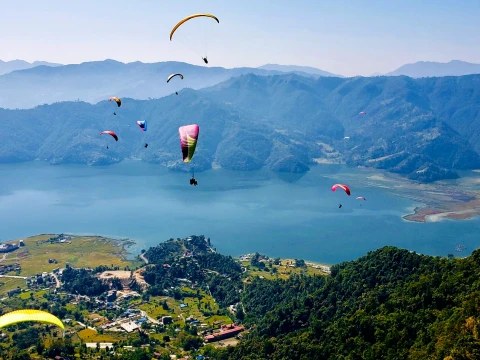
The Kathmandu Pokhara Tour offered by Glacier Nepal Treks is a perfect combination of cultural exploration and natural beauty. Starting in Kathmandu, Nepal’s bustling capital, the tour takes you through ancient temples, palaces, and UNESCO World Heritage Sites. You will have the opportunity to explore the intricate architecture, rich history, and vibrant street life of Kathmandu. Highlights include Swayambhunath Stupa (Monkey Temple), Pashupatinath Temple, Boudhanath Stupa, and the Kathmandu Durbar Square.After absorbing Kathmandu’s cultural essence, the journey continues with a scenic drive to Pokhara, a serene city nestled beside the Phewa Lake and surrounded by the Annapurna mountain range. Pokhara is famous for its tranquil lakes, lush valleys, and panoramic views of the Himalayas. Visitors can enjoy a variety of activities, such as boating on Phewa Lake, exploring Devi’s Fall, and visiting the Gupteshwor Cave. A highlight of the tour is the hike to the Peace Stupa, which offers breathtaking sunrise or sunset views of the Annapurna and Dhaulagiri ranges.Duration: 7 daysMain destinations: Kathmandu and PokharaMix of cultural, historical, and natural attractionsModerate walking and sightseeing activitiesBest Season for Kathmandu Pokhara TourThe best time to visit Kathmandu and Pokhara is during the autumn (September to November) and spring (March to May) seasons. During these months, the weather is clear, and the skies provide unobstructed views of the Himalayan mountains. The temperature is pleasant, making it ideal for sightseeing, hiking, and outdoor activities.Winter (December to February) is cooler and less crowded, but mornings can be foggy in Kathmandu, and Pokhara can be chilly. Summer (June to August) is the monsoon season, bringing heavy rains, landslides, and slippery roads, which may affect travel plans.Highlights:Autumn: Clear skies, vibrant festivals, peak trekking seasonSpring: Blooming rhododendrons, moderate temperature, ideal for photographyWinter: Less crowded, chilly but manageableSummer: Rainy season, not ideal for trekking or drivingKathmandu Pokhara Tour Difficulty and TransportationThis tour is suitable for travelers of moderate fitness, as it involves walking around heritage sites in Kathmandu and a 3-hour hike to the Peace Stupa in Pokhara. The rest of the journey consists of comfortable drives between the two cities. Transportation is provided in private or shared vehicles, ensuring convenience and flexibility. The drive from Kathmandu to Pokhara takes around 6 hours, offering scenic views of hills, rivers, and traditional Nepali villages. Returning to Kathmandu takes about 5 hours, depending on traffic.Key Points:Difficulty Level: Easy to ModerateWalking: 2–3 hours on sightseeing days, 3 hours for Peace Stupa hikeTransport: Private car, tourist bus, or vanRoads: Hilly terrain with scenic viewsFood and Accommodation for Kathmandu Pokhara TourDuring the tour, guests can enjoy a variety of Nepali and international cuisines. Kathmandu and Pokhara offer delicious local dishes such as momo (dumplings), dal bhat (lentil rice), thukpa (noodle soup), and Newari specialties. Most hotels also provide continental breakfast and vegetarian options.Accommodation is in comfortable 3–4 star hotels, with options to upgrade based on preference. In Kathmandu, hotels are centrally located near the main tourist attractions, making sightseeing convenient. In Pokhara, lakeside hotels provide stunning mountain and lake views, creating a peaceful retreat after a day of exploration.Highlights:Traditional Nepali meals and international cuisineComfortable 3–4 star hotelsLakeside stays in PokharaOptions for vegetarian and dietary preferencesWhy Choose Kathmandu Pokhara Tour with Glacier Nepal TreksGlacier Nepal Treks provides a professional, safe, and memorable travel experience. Their expert guides are knowledgeable about Nepali culture, history, and trekking routes, ensuring an enriching journey. The tour is well-organized, combining cultural sightseeing, nature exploration, and moderate trekking without feeling rushed.Travelers benefit from personalized attention, comfortable transport, and carefully selected hotels. The combination of Kathmandu’s heritage and Pokhara’s natural beauty creates a perfect balance of adventure, relaxation, and cultural immersion.Reasons to Choose Glacier Nepal Treks:Experienced guides and reliable serviceSafe and comfortable transportWell-planned itinerary for all fitness levelsMemorable mix of culture, adventure, and nature
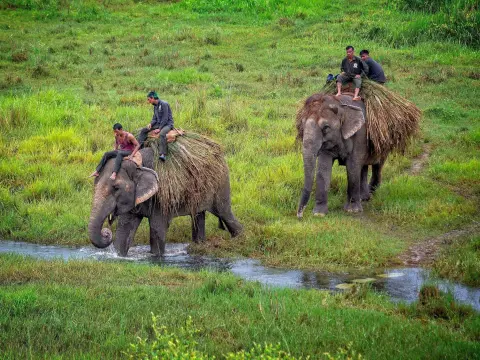
The Chitwan Wildlife Adventure Tour with Glacier Nepal Treks is a carefully designed journey into the heart of Nepal’s premier wildlife destination. This 4-day tour combines thrilling jungle safaris, wildlife encounters, and cultural experiences, offering travelers a deep connection with nature and local communities. The adventure begins with a scenic drive from Kathmandu through winding roads, terraced hills, and picturesque villages, providing a glimpse of rural Nepali life before reaching Chitwan National Park. Once in the park, guests are welcomed into comfortable lodges or resorts, setting the stage for an immersive wildlife experience.The tour focuses on a blend of activities, including elephant-back safaris, canoe rides, guided jungle walks, and jeep safaris, each designed to maximize encounters with the park’s rich biodiversity. Visitors may witness iconic species such as the one-horned rhinoceros, Bengal tiger, sloth bears, wild boars, and numerous exotic birds. Beyond wildlife, the tour incorporates cultural elements, particularly interactions with the indigenous Tharu communities. Guests have the opportunity to enjoy traditional dance performances, learn local crafts, and experience authentic Nepali cuisine. This combination of nature, adventure, and culture makes the Chitwan Wildlife Adventure Tour an enriching and memorable journey.Scenic drive from Kathmandu to Chitwan National ParkJungle activities, including elephant-back safari, canoe rides, and guided walksBirdwatching and wildlife spotting of rare and endangered speciesCultural experiences with Tharu communitiesComfortable lodging with local and international cuisineExpert guidance by trained naturalists and tour leadersBest Season for Chitwan Wildlife Adventure TourThe best time to visit Chitwan National Park largely depends on wildlife visibility, climate comfort, and overall travel experience. The most favorable seasons are autumn (September to November) and spring (March to May). During these periods, the weather is generally mild, sunny, and ideal for jungle activities, photography, and cultural exploration. Wildlife is more active during the cooler mornings and evenings, which improves the chances of spotting elusive animals such as tigers, leopards, and sloth bears.While winter (December to February) offers crisp air and fewer tourists, early mornings can be chilly, and some water-based activities may be limited. The monsoon season (June to August) brings lush greenery but can make roads slippery and certain jungle activities inaccessible due to heavy rains. Despite this, monsoon visitors can enjoy vibrant landscapes, rare bird sightings, and a quieter park experience. Glacier Nepal Treks ensures your tour is scheduled during the optimal time for wildlife sightings, weather comfort, and cultural engagement, tailoring the experience to your preferences and maximizing your adventure in Chitwan.Best Season Highlights:Autumn & Spring: ideal for wildlife spotting and photographyWinter: fewer tourists, crisp mornings, limited water activitiesMonsoon: lush landscapes, rare birdwatching opportunitiesClear skies for sunrise and sunset viewsComfortable temperatures for jungle walks and safarisChitwan Wildlife Adventure Tour Difficulty and TransportationThe Chitwan Wildlife Adventure Tour is suitable for travelers of most fitness levels, including families, solo adventurers, and senior tourists. The activities range from leisurely canoe rides and elephant safaris to moderate guided jungle walks, which are designed to be accessible while still offering an authentic adventure experience. The tour involves minimal physical exertion, with most treks lasting between 1 to 2 hours on relatively flat terrain. Early morning and evening safaris may require waking up before sunrise, but the reward is incredible wildlife encounters and scenic vistas.Transportation during the tour is comfortable and well-organized by Glacier Nepal Treks. The journey begins with a private vehicle transfer from Kathmandu to Chitwan, offering stops at scenic viewpoints and local towns. Within Chitwan, jeeps and elephants are used for safaris, while canoe rides on the Rapti River provide a calm and intimate way to explore the park’s aquatic ecosystems. Return travel to Kathmandu is equally smooth, with optional sightseeing and photography stops along the way. The combination of private vehicles, expert guides, and flexible schedules ensures safety, comfort, and a seamless adventure throughout the tour.Key Points:Moderate difficulty; suitable for most fitness levelsShort guided jungle walks (1–2 hours)Early morning and evening safaris for best wildlife viewingPrivate vehicle transfers between Kathmandu and ChitwanJeeps, elephants, and canoe rides for park explorationSafety-focused and guided by expert naturalistsFood and Accommodation for Chitwan Wildlife Adventure TourDuring the Chitwan Wildlife Adventure Tour, accommodations are carefully selected to provide comfort while immersing guests in the natural beauty of Chitwan National Park. Glacier Nepal Treks partners with lodges and resorts that offer modern amenities alongside traditional Nepali hospitality. Rooms are typically well-appointed with cozy bedding, private bathrooms, and balconies overlooking lush forests or riverbanks. This blend of comfort and nature allows travelers to relax after a full day of adventure and wildlife exploration.The tour also emphasizes authentic Nepali cuisine and locally sourced meals. Breakfasts are hearty to prepare guests for a day of jungle activities, often including eggs, local breads, fruits, and tea or coffee. Lunches and dinners feature traditional dishes such as dal bhat (lentil soup with rice), vegetable curries, momo (dumplings), and occasionally fresh fish or chicken specialties. Evening cultural programs may include meals accompanied by Tharu dances and performances, offering an engaging way to enjoy local flavors and traditions. Gluten-free, vegetarian, or other dietary preferences are typically accommodated with advance notice to ensure every guest enjoys their meals safely and comfortably.Food & Accommodation Highlights:Comfortable lodges and resorts with private amenitiesStunning views of forests, rivers, and wildlife areasTraditional Nepali meals and snacksSpecial cultural dinners with Tharu performancesDietary accommodations available on requestCozy, relaxing spaces for evening reflection and wildlife storytellingWhy Choose Chitwan Wildlife Adventure TourThe Chitwan Wildlife Adventure Tour with Glacier Nepal Treks stands out as an ideal option for travelers seeking a blend of adventure, wildlife encounters, and cultural immersion. Unlike standard tours, this experience is carefully curated to balance comfort with adventure. Travelers enjoy exclusive access to guided safaris, expert naturalist-led walks, and authentic interactions with the Tharu community. The tour is perfect for photographers, nature enthusiasts, and families looking to introduce children to wildlife education in a safe environment.Glacier Nepal Treks’s expertise ensures that every element of the tour is seamless, from transportation and accommodation to cultural experiences and wildlife spotting. Safety protocols are rigorously followed during all jungle activities, and guides provide insightful knowledge about animal behavior, local ecosystems, and cultural traditions. The itinerary is flexible, allowing guests to relax or explore according to their interests. Beyond the adventure, the tour offers a chance to disconnect from urban life, appreciate Nepal’s biodiversity, and create lasting memories. Travelers leave with unforgettable experiences of one-horned rhinoceros sightings, elephant rides, canoe excursions, Tharu cultural encounters, and the serene landscapes of Chitwan National Park.Why Choose Highlights:Expertly organized by Glacier Nepal TreksUnique wildlife and cultural experiencesSafe, guided jungle activities for all agesComfortable accommodations with authentic mealsFlexible itinerary with photography opportunitiesUnforgettable adventure combining nature, culture, and relaxation
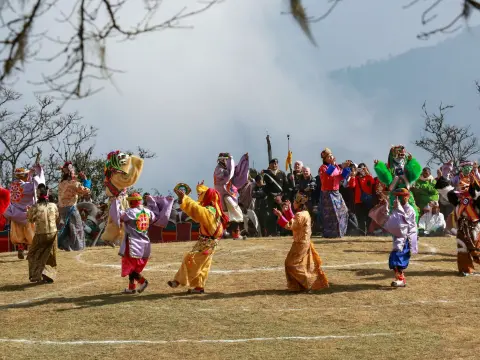
Bhutan, the Land of the Thunder Dragon, offers an immersive cultural experience set amidst the majestic Himalayas. The Bhutan Cultural Tour by Glacier Nepal Treks provides travelers with a blend of scenic landscapes, ancient monasteries, and vibrant local traditions. The journey begins with your arrival at Paro International Airport, followed by a drive to Thimphu, the capital city, where you can explore the bustling markets, the Buddha Dordenma statue, and the National Memorial Chorten.The tour then takes you to Punakha, the ancient winter capital, via scenic mountain roads. Highlights include the Punakha Dzong, one of Bhutan’s most beautiful fortresses, and excursions to Gangtey and Wangdiphodrang, showcasing lush valleys, pine forests, and traditional villages. The final days focus on Paro, including a trek to the iconic Taksang (Tiger’s Nest Monastery), perched dramatically on a cliff. This journey offers a perfect balance of cultural immersion, light adventure, and breathtaking Himalayan vistas.Visit Thimphu, Punakha, Paro, and GangteyExplore ancient monasteries and dzongsScenic drives through Himalayan valleysIconic Tiger’s Nest Monastery hikeBest Season for Bhutan Cultural TourThe best time to visit Bhutan is during spring (March to May) and autumn (September to November). During these months, the weather is pleasant, skies are clear, and the valleys are filled with blooming flowers or golden autumn foliage. Monsoon season (June to August) brings heavy rainfall, making mountain roads slippery and outdoor activities challenging. Winter (December to February) can be cold, especially at higher altitudes, but offers spectacular snow-capped views and fewer tourists.Traveling during the recommended seasons allows you to fully enjoy hiking, sightseeing, and cultural festivals. Bhutan also hosts vibrant festivals like Paro Tsechu and Thimphu Tsechu, which are mesmerizing displays of traditional dance, music, and local rituals perfect for cultural enthusiasts.Seasonal Highlights:Spring: Rhododendron blooms and pleasant weatherAutumn: Clear skies, perfect trekking, and harvest seasonWinter: Fewer crowds and serene snowy landscapesBhutan Cultural Tour Difficulty and TransportationThe tour is moderately paced, making it suitable for travelers with a basic fitness level. While most sightseeing involves easy walks, the Tiger’s Nest Monastery trek is moderately challenging, requiring 4–5 hours round trip. Road conditions are generally good, but mountain driving involves winding roads and occasional steep inclines, so travel time may vary.Transportation:Private vehicle with driver for intercity transfersComfortable cars or vans suitable for hilly terrainLocal guides accompanying for cultural insightsShort hikes with optional horse rides for Taksang MonasteryDifficulty:Mostly easy sightseeing with moderate hikingSuitable for families, solo travelers, and senior travelersMinimal altitude adjustment required (highest point: Gangtey at 2890m)Food and Accommodation for Bhutan Cultural TourBhutanese cuisine is mild but flavorful, with staples like red rice, ema datshi (chili cheese stew), and momos (dumplings). During the tour, meals are arranged at local restaurants and hotels, offering both Bhutanese and continental options to suit international travelers.Accommodations are comfortable and range from 3-star hotels to traditional lodges, blending modern amenities with authentic Bhutanese architecture. Most hotels provide cozy rooms with private bathrooms, hot water, and scenic views of the valley. Staying in Punakha and Paro also gives travelers the chance to enjoy riverside or hillside lodging, enhancing the Himalayan experience.Food & Stay Highlights:Authentic Bhutanese and international mealsComfortable hotels and lodges with scenic viewsSafe and hygienic accommodationsOptional local tea houses for cultural immersionBhutan Cultural Tour PermitsTraveling to Bhutan requires official permits, and these are arranged in advance by the tour operator. The Glacier Nepal Treks team ensures all travelers obtain:Tourist Visa for BhutanEntry permits for Paro, Thimphu, Punakha, and GangteySpecial trekking permits for Tiger’s Nest Monastery and other restricted areasAll permits are processed smoothly, avoiding delays during your trip. Visitors must travel with a licensed Bhutanese tour operator, making Glacier Nepal Treks the ideal choice for hassle-free entry and fully guided experiences.Permit Highlights:Pre-arranged visa and entry permitsAccess to restricted monasteries and heritage sitesLocal guides to assist with documentationWhy Choose Bhutan Cultural Tour with Glacier Nepal TreksGlacier Nepal Treks specializes in creating customized Bhutan experiences that combine culture, adventure, and comfort. Their expertise ensures smooth transportation, knowledgeable guides, and curated itineraries that cover major attractions while leaving time for personal exploration. With a focus on sustainable and responsible tourism, travelers can enjoy Bhutan’s beauty while respecting local traditions and the environment.Reasons to Choose:Expert local guides and driversWell-planned itinerary covering major cultural and scenic highlightsComfortable accommodations and authentic culinary experiencesHassle-free permits and travel arrangementsSupport for eco-friendly and culturally responsible tourismWith Glacier Nepal Treks, your Bhutan journey becomes a seamless blend of exploration, culture, and adventure a truly once in a lifetime Himalayan experience.
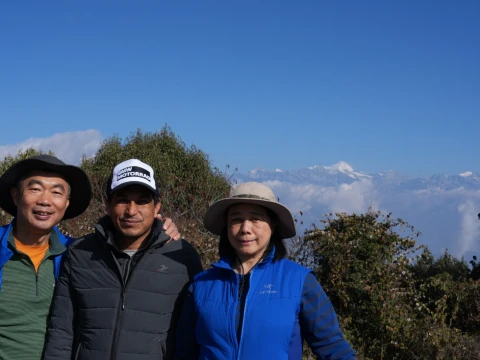
The Nagarkot Sunrise Hike is one of the most enchanting experiences in Nepal, offering a serene escape into the Himalayas. Starting in the early morning around 4:30 AM, Glacier Nepal Treks ensures a seamless pick-up from your Kathmandu hotel and a scenic drive of approximately 1.5 hours to Nagarkot, a charming hill station at 2,174 meters. The journey itself is captivating, passing through winding mountain roads, terraced fields, and traditional villages, allowing travelers to experience rural Nepal even before reaching the destination. Upon arrival, the highlight of the morning the sunrise unfolds as golden light sweeps across the peaks of Mt. Everest, Langtang, Annapurna, and Ganesh Himal, creating an awe-inspiring panorama that is perfect for photography and quiet contemplation.Following the sunrise, hikers can enjoy a hearty breakfast at a local café in Nagarkot while still absorbing the panoramic mountain vistas. The trek then continues toward Changu Narayan, offering an invigorating journey of 3–4 hours through lush forests, terraced farmland, and picturesque Newari villages. Along the way, guides from Glacier Nepal Treks share fascinating insights into local culture, traditions, and history, enriching the trekking experience. This combination of natural beauty, cultural immersion, and physical activity makes the Nagarkot Sunrise Hike an unforgettable adventure for both casual travelers and avid trekkers.Spectacular panoramic sunrise over the HimalayasScenic drive through traditional Nepalese villages and terraced fieldsModerate trekking through forests and farmlandExploration of cultural heritage sites like Changu Narayan TempleExpert guidance from Glacier Nepal TreksBest Season for Nagarkot Sunrise Hike TourThe Nagarkot Sunrise Hike can be enjoyed year-round, but the optimal seasons are autumn (September to November) and spring (March to May). During these periods, the weather is generally clear, with minimal rainfall and excellent visibility of the Himalayan peaks. The skies are crisp, the air fresh, and the temperature comfortably cool, making both the sunrise experience and the trekking portion more enjoyable. Autumn also offers stunning views of post-monsoon lush landscapes, while spring presents vibrant rhododendron blooms along the trails, adding vivid color to the trek.Winter (December to February) is colder, with potential fog and occasional snow, which may obscure views of the mountains but provides a quieter, off-season trekking experience for those seeking solitude. The monsoon season (June to August) is less recommended due to slippery trails and heavy rainfall, although some adventurers enjoy the lush greenery and misty landscapes during this period. Choosing the right season is essential for maximizing visibility of the Himalayas and ensuring a comfortable trekking experience with Glacier Nepal Treks’s professional support.Best Season Insights:Autumn (Sept–Nov): Clear skies, vibrant mountain views, moderate temperaturesSpring (Mar–May): Blooming rhododendrons, scenic trails, ideal trekking weatherWinter (Dec–Feb): Cold but peaceful, potential snow-covered landscapesMonsoon (Jun–Aug): Lush scenery, higher rainfall, slippery trailsWhy Choose Nagarkot Sunrise Hike with Glacier Nepal TreksSelecting Glacier Nepal Treks for your Nagarkot Sunrise Hike guarantees a smooth, safe, and enriching experience. Their team of professional, friendly guides ensures that every aspect of your adventure, from early morning hotel pickup to trekking through villages and exploring cultural sites, is seamless and enjoyable. With in-depth knowledge of local culture, flora, fauna, and history, guides provide informative and engaging commentary that elevates the experience beyond a typical sightseeing tour. The company also prioritizes comfort and safety, arranging reliable transportation, knowledgeable staff, and well-planned itineraries for a stress-free journey.Glacier Nepal Treks specializes in personalized trekking experiences, catering to both novice and experienced travelers. Their focus on sustainable tourism and supporting local communities ensures that your adventure has a positive impact on the areas you visit. The combination of awe-inspiring Himalayan views, invigorating trekking, and cultural immersion makes the Nagarkot Sunrise Hike an unforgettable journey, and choosing an experienced operator like Glacier Nepal Treks enhances both the safety and enjoyment of the experience.Reasons to Choose Glacier Nepal Treks:Professional and knowledgeable guidesWell-organized itineraries with hotel pickup and drop-offEmphasis on safety and comfort during trekkingInsightful cultural and historical knowledgeCommitment to sustainable tourism and local community support
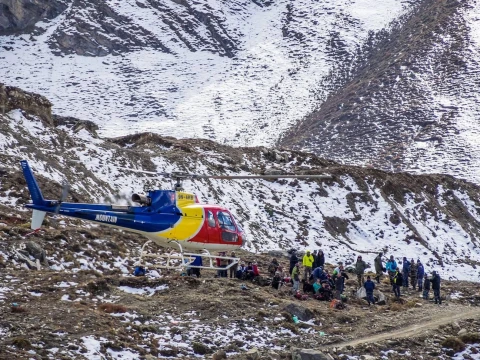
The Muktinath Helicopter Tour is a spectacular one-day aerial adventure offered by Glacier Nepal Treks, designed for travellers who want to experience the Himalayas in a unique and time-efficient way. Starting early in the morning from Pokhara, guests are picked up from their hotels and escorted to the domestic airport for check-in and security. Once at the helipad, a detailed pre-flight briefing is provided by the experienced pilot and Glacier Nepal Treks team, ensuring safety and familiarity with the flight itinerary.The helicopter journey takes you over the Pokhara Valley, allowing panoramic views of its sparkling lakes, verdant hills, and picturesque villages. The flight path offers a remarkable perspective of some of Nepal’s most iconic peaks, including Machhapuchhare (Fish Tail Peak), Annapurna I, Dhaulagiri, and Manaslu. Along the way, passengers also witness the dramatic Kaligandaki Gorge below, with its terraced fields, winding rivers, and remote settlements. A short landing in Jomsom provides an opportunity to observe the Thakali culture and their traditional stone architecture. The journey culminates at the sacred Muktinath Temple, where visitors explore the holy site, witness pilgrims at the 108 sacred water spouts, and immerse themselves in the serene spiritual atmosphere before returning to Pokhara in the afternoon.Early morning hotel pickup and airport transfer in PokharaScenic helicopter flight over Pokhara Valley and Himalayan peaksViews of Annapurna, Dhaulagiri, Manaslu, and MachhapuchhareStopover at Jomsom to explore local culture and architectureVisit the sacred Muktinath Temple and experience spiritual ritualsBest Season for Muktinath Helicopter TourThe Muktinath Helicopter Tour is best undertaken during Nepal’s clear and dry seasons, which ensure optimal visibility of the Himalayan peaks and a comfortable flying experience. The two primary windows for this tour are autumn (September to November) and spring (March to May). During these months, the skies are mostly clear, temperatures are moderate, and the mountain panoramas are at their most vibrant.Autumn is particularly ideal as the monsoon clouds have cleared, leaving lush green landscapes and pristine air. Spring, on the other hand, offers blooming rhododendrons along the lower valleys and the chance to witness snow-capped peaks under a brilliant blue sky. Winter (December to February) is possible but involves colder temperatures and occasional snowfall, which may affect flight schedules. Monsoon (June to August) is generally avoided due to heavy rains, low visibility, and turbulent flying conditions.Best season considerations:Autumn (Sept–Nov): Clear skies, crisp views, and comfortable weatherSpring (Mar–May): Blooming landscapes and snow-capped peaksWinter (Dec–Feb): Cold but possible; limited visibility on some daysMonsoon (Jun–Aug): Not recommended due to rain and cloud coverWhy Choose Muktinath Helicopter Tour with Glacier Nepal TreksChoosing the Muktinath Helicopter Tour with Glacier Nepal Treks ensures a safe, seamless, and unforgettable experience in the Himalayas. Glacier Nepal Treksis known for its professionalism, experienced pilots, and attention to detail, providing travellers with a stress-free adventure. From hotel pickup to airport transfers, pre-flight briefings, and guided temple visits, every aspect of the tour is meticulously planned.The company emphasises safety and comfort with modern helicopters equipped for smooth flying in mountainous terrain. Additionally, their team offers insider knowledge about the Himalayan peaks, cultural highlights of Jomsom, and the spiritual significance of Muktinath Temple, enriching the journey beyond just sightseeing. By choosing Glacier Nepal Treks, visitors can maximise their one-day itinerary without the need for long and strenuous treks, making it ideal for those short on time but eager for a once-in-a-lifetime Himalayan adventure.Reasons to choose Glacier Nepal Treks:Professional team with experience in Himalayan helicopter toursModern helicopters ensure comfort and safetyDetailed pre-flight briefing and attentive customer supportCultural insights and guided exploration at Jomsom and MuktinathEfficient itinerary offering maximum experience in a single day
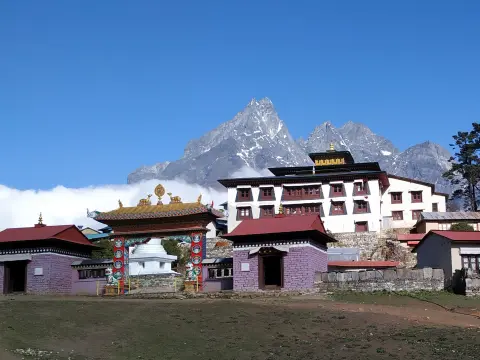
The Everest Panorama Yoga Trek offered by Glacier Nepal Treks is a unique journey combining the thrill of trekking in the Everest region with wellness-focused yoga practices. Unlike standard Everest Base Camp treks, this itinerary emphasizes mindful movement, meditation, and rejuvenation amidst the Himalayan landscape. Starting from Kathmandu, the trek covers scenic flights, picturesque villages, suspension bridges, rivers, and iconic Sherpa settlements. Key highlights include Namche Bazaar, Tengboche Monastery, and multiple viewpoints offering panoramic views of Everest, Lhotse, Ama Dablam, Nuptse, and other Himalayan giants. Along the trek, participants enjoy daily yoga sessions designed to aid acclimatization, reduce muscle tension, and enhance flexibility. The trek’s moderate pace allows for cultural immersion, including interaction with Sherpa communities, visiting local monasteries, and exploring traditional markets. This combination of adventure and wellness makes the Everest Panorama Yoga Trek ideal for travelers seeking spiritual, cultural, and physical enrichment in one transformative journey.Scenic flights between Kathmandu and LuklaPanoramic views of Everest, Lhotse, Ama Dablam, NuptseAcclimatization hikes and yoga sessions in Namche BazaarVisits to Tengboche Monastery and Sherpa villagesCultural immersion in local markets and traditional craftsBest Season for Everest Panorama Yoga TrekThe Everest Panorama Yoga Trek is best undertaken during two main trekking seasons: pre-monsoon (March to May) and post-monsoon (late September to November). During these months, the weather is generally stable, with clear skies and optimal visibility of the Himalayan peaks. March to May offers the additional charm of blooming rhododendron forests, while September to November provides crisp, fresh air and vibrant mountain landscapes.Winter months (December to February) are colder, especially at higher altitudes, and some trails may be icy or snow-covered, requiring additional gear and experience. Monsoon season (June to early September) is generally avoided due to heavy rainfall, slippery trails, and the risk of landslides. Planning your trek during the recommended seasons ensures better weather, safer trekking conditions, and more rewarding yoga and meditation experiences amidst panoramic Himalayan views.Seasonal Overview:Spring (March–May): Blooming rhododendrons, moderate temperaturesAutumn (September–November): Clear skies, excellent mountain viewsWinter (December–February): Cold, fewer crowds, snow-covered trailsMonsoon (June–August): Heavy rains, slippery paths, and less visibilityEverest Panorama Yoga Trek Difficulty and TransportationThe Everest Panorama Yoga Trek is classified as a moderate trek, suitable for trekkers with basic fitness levels and a willingness to walk 4–7 hours daily at high altitudes. The trail features a mix of uphill climbs, downhill descents, suspension bridges, and narrow paths along rivers, requiring a good sense of balance and endurance. Acclimatization days, gentle hiking, and yoga sessions are built into the itinerary to minimize altitude sickness and fatigue.Transportation during the trek includes:Private vehicle transfer from Kathmandu to the airportScenic flights between Kathmandu and Lukla (approx. 35 minutes)Daily trekking on well-marked trailsReturn flights from Lukla to Kathmandu for convenience and comfortThe combination of scenic flights, moderate trekking hours, and yoga-focused rest days ensures a balanced adventure for physical activity and mental rejuvenation, even for those new to Himalayan trekking.Key Points:Moderate trekking difficulty; 4–7 hours/daySteep ascents and descents, suspension bridgesAltitude up to 3,867m (Tengboche)Yoga sessions to aid acclimatization and flexibilityFlights reduce overall trekking strainFood and Accommodation for Everest Panorama Yoga TrekGlacier Nepal Treks ensures that trekkers enjoy comfortable lodges and traditional Nepali cuisine throughout the Everest Panorama Yoga Trek. Lodges range from basic to moderately comfortable, with hot showers, clean bedding, and cozy dining areas. In Namche Bazaar and Tengboche, trekkers have access to more developed facilities while still experiencing authentic Himalayan hospitality. Meals focus on nutritious, energy-sustaining options essential for trekking and yoga practice. Breakfasts typically include eggs, porridge, bread, and tea or coffee, while lunches feature dal bhat (rice and lentils), soups, and sandwiches. Dinner offers hearty meals to restore energy after trekking, including local specialties, vegetarian options, and hot beverages. Tea breaks and snacks are available throughout the day to maintain energy levels and hydration.Highlights:Accommodation in cozy lodges with clean beddingHot meals and beverages, with vegetarian and non-vegetarian optionsLocal Nepali dishes like dal bhat, momo, and soupsEnergy snacks during trekking and yoga breaksHygienic and safe food preparation practicesEverest Panorama Yoga Trek PermitsTrekking in the Everest region requires several permits, which Glacier Nepal Treks arranges for trekkers to ensure a hassle-free journey. Two primary permits are needed: Sagarmatha National Park Entry Permit and Khumbu (or Solukhumbu) Trekking Permit (TIMS card). These permits are essential for accessing protected areas, monitoring trekkers, and supporting conservation efforts.The permits are obtained through registered agencies, with ID verification and fees paid at the start of the trek. Carrying these permits is mandatory, and rangers in the national park may check them at entry points. Glacier Nepal Treks also provides guidance on additional permits if trekking routes extend beyond the standard Everest Panorama Yoga Trek, ensuring full compliance with local regulations and a safe trekking experience.Permit Summary:Sagarmatha National Park Entry Permit – required for park entryTIMS (Trekkers’ Information Management System) Card – for trekking in the Khumbu regionPermits arranged by Glacier Nepal TreksMandatory for safety, legal compliance, and conservation supportWhy Choose Everest Panorama Yoga Trek with Glacier Nepal TreksChoosing Glacier Nepal Treks for the Everest Panorama Yoga Trek ensures a professional, safe, and immersive experience. The company has extensive expertise in Himalayan trekking and focuses on personalized service, cultural immersion, and wellness integration. Every aspect of the trek from flight arrangements and accommodation to yoga sessions and guided hikes is designed to provide a seamless experience for trekkers of varying skill levels.Glacier Nepal Treks emphasizes responsible tourism and local community support, including hiring Sherpa guides, porters, and staff from local villages. Their experienced guides offer insightful commentary on Himalayan culture, flora, fauna, and geography, while maintaining high safety standards. Additionally, the combination of trekking with yoga sessions, meditation breaks, and cultural exploration makes this trek uniquely holistic, balancing physical exertion with mental relaxation and spiritual enrichment.Reasons to Choose Glacier Nepal Trek:Expert guidance by certified Himalayan trekking guidesOrganized logistics: flights, accommodation, and mealsFocus on wellness: yoga, meditation, and rejuvenationCultural immersion in Sherpa villages and monasteriesCommitment to safety, sustainability, and responsible tourism
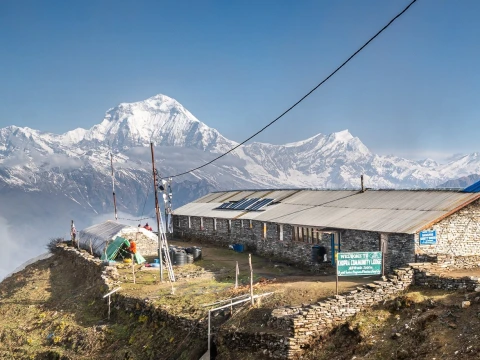
The Khopra Danda Yoga Trek, organized by Glacier Nepal Treks, is a serene and less-crowded Himalayan adventure designed for those seeking both physical challenge and spiritual rejuvenation. Unlike the popular Annapurna Base Camp or Poon Hill treks, this route offers a peaceful escape into the heart of the Annapurna region, passing through remote villages, dense rhododendron and oak forests, terraced hillsides, and high ridges. The trek provides an excellent opportunity to disconnect from the modern world and immerse yourself in nature while practicing yoga and meditation in tranquil surroundings. The highlight is Khopra Danda, a ridge at 3,660 meters that offers panoramic views of Dhaulagiri, Tukuche Peak, Nilgiri, Annapurna I, Annapurna South, and other majestic Himalayan peaks. A side excursion to Khayer Lake (4,600m) further enhances the spiritual and adventurous aspect of this trek.This trek is ideal for travelers looking for a combination of adventure, culture, and wellness. The route passes through traditional Gurung and Magar villages, where trekkers can interact with local families, observe age-old traditions, and savor authentic Nepali cuisine. With Glacier Nepal Treks, trekkers are guided by experienced professionals who provide logistical support, cultural insights, and safety precautions, ensuring a smooth and enriching experience. The trek is designed to offer a balance of moderate trekking, spiritual retreats, and breathtaking photography opportunities, making it suitable for both first-time trekkers and experienced hikers who value serenity over crowded trails.Remote, less-crowded trekking route in the Annapurna regionPanoramic Himalayan views from Khopra Danda and Khayer LakeCultural immersion in Gurung and Magar villagesOpportunities for yoga, meditation, and spiritual reflectionScenic forests, terraced hills, and high ridgesBest Season for Khopra Danda Yoga TrekThe best seasons for the Khopra Danda Yoga Trek are autumn (September to November) and spring (March to May). During autumn, the skies are generally clear, offering crisp, unobstructed views of the Himalayan peaks, while the weather is mild, making trekking comfortable. Spring brings blooming rhododendrons, lush green landscapes, and moderate temperatures that enhance the overall trekking experience. Both seasons are ideal for photography, hiking, and outdoor yoga practices, as the trails are safer and the weather conditions are stable.Winter (December to February) can be very cold, especially at higher altitudes like Khopra Danda and Khayer Lake. Heavy snowfall may also block trails, making trekking difficult and increasing risks. Summer (June to August) coincides with the monsoon season, bringing heavy rains, slippery paths, and leeches in the lower forested sections. While some trekkers do visit in summer for solitude, it is generally not recommended due to potential weather hazards. Glacier Nepal Treks carefully plans itineraries during the best seasons to maximize safety, scenic beauty, and spiritual experiences.Best season highlights:Autumn: Clear skies, mild temperatures, ideal for panoramic photographySpring: Blooming rhododendrons, moderate weather, vibrant landscapesAvoid: Monsoon (June–August) and deep winter (December–February) for safetyKhopra Danda Yoga Trek Difficulty and TransportationThe Khopra Danda Yoga Trek is considered moderate in difficulty, suitable for trekkers with basic fitness levels. While most days involve 4–6 hours of walking, certain sections, like the ascent to Khopra Danda and the hike to Khayer Lake, are steep and require stamina. The altitude is another factor; the trek reaches a maximum of 4,600m at Khayer Lake, where acclimatization is crucial to avoid altitude sickness. Proper preparation, such as cardiovascular exercises, hiking practice, and core strength workouts, is recommended before departure. Transportation to the starting point is convenient with multiple options. Trekkers begin in Kathmandu and have the choice of a scenic 6–7 hour drive or a 30-minute flight to Pokhara. From Pokhara, a 1.5-hour taxi ride takes you to Nayapul, the trek’s starting point. After the trek, the descent route passes through Tikhedunga to Nayapul, followed by a taxi ride back to Pokhara, and finally a tourist bus or flight to Kathmandu. Glacier Nepal Treks ensures all transportation is private, safe, and comfortable, with opportunities to stop for refreshments and photo breaks.Key points:Moderate trekking difficulty, 4–6 hrs/dayMaximum altitude: 4,600m at Khayer LakeInitial transportation: Kathmandu → Pokhara (bus or flight)Trek start: Nayapul, Pokhara taxi transferReturn: Tikhedunga → Nayapul → Pokhara → KathmanduFood and Accommodation for Khopra Danda Yoga TrekDuring the trek, food and accommodation are a mix of teahouses and lodges offering authentic Nepali meals and basic amenities. Teahouses serve a variety of dishes such as dal bhat (rice and lentil soup), noodles, momo (dumplings), soups, and continental breakfasts, catering to different dietary preferences. Trekking with Glacier Nepal Treks, you are provided with nutritious, freshly prepared meals to maintain energy levels throughout the trek, along with warm drinks and snacks.Accommodation is generally simple yet comfortable, with shared or private rooms depending on availability. Most lodges provide blankets, pillows, and basic hygiene facilities, while higher-altitude locations like Khopra Danda may have more basic amenities. Despite simplicity, the accommodations offer spectacular views and cozy spaces for relaxation after a long day of trekking and yoga practice. The combination of local hospitality, scenic surroundings, and home-cooked meals makes each overnight stay memorable.Highlights:Teahouses offering Nepali and continental cuisineNutritious meals for trekking energySimple yet comfortable lodging with Himalayan viewsShared or private rooms, depending on locationKhopra Danda Yoga Trek PermitsTrekking in the Annapurna region requires a few essential permits, which Glacier Nepal Treks assists with. The key permits include:Annapurna Conservation Area Permit (ACAP): Mandatory for all trekkers entering the Annapurna region. The permit helps fund conservation efforts and preserve the natural and cultural heritage of the area.Trekkers’ Information Management System (TIMS) Card: Ensures trekkers’ safety and allows monitoring by local authorities. For this trek, a green card (individual trekker) or a group card (if trekking with a guide) is issued.Glacier Nepal Treks handles all permit arrangements in advance, ensuring trekkers avoid bureaucratic delays. It is advisable for travelers to carry a passport-sized photo and a copy of their passport for permit processing. Proper permits are essential not only for legality but also for safety and access to the full trekking route, including high ridges like Khopra Danda and excursions such as Khayer Lake.Permit Summary:ACAP Permit: Required for the Annapurna regionTIMS Card: Mandatory for trekking registration and safetyGlacier Nepal Treks assists with processing to ensure smooth travelWhy Choose Khopra Danda Yoga TrekThe Khopra Danda Yoga Trek stands out as a unique trekking experience because it combines adventure, culture, wellness, and spirituality in one journey. Unlike popular trails, it remains off the beaten path, offering solitude, tranquility, and authentic interactions with rural communities. Trekkers can practice yoga and meditation in pristine environments with minimal distractions, making it perfect for mental rejuvenation and self-reflection. The ridge at Khopra Danda and the serene Khayer Lake provide unmatched panoramic views of the Annapurna and Dhaulagiri ranges, making it a photographer’s paradise.Choosing Glacier Nepal Treks guarantees a professionally organized experience. They provide experienced guides, porters, quality accommodations, and full logistical support, ensuring safety, comfort, and a culturally rich trekking journey. Their itineraries are thoughtfully designed to allow proper acclimatization, ample rest, and time for yoga or meditation. The trek is suitable for a wide range of travelers from wellness enthusiasts to moderate trekkers who want a holistic Himalayan adventure combining nature, culture, and spiritual well-being.Reasons to choose:Off-the-beaten-path trekking with fewer crowdsPanoramic Himalayan views and spiritual retreat opportunitiesProfessional guides and logistical support by Glacier Nepal TreksCultural immersion in Gurung and Magar villagesPerfect blend of trekking, yoga, and meditation
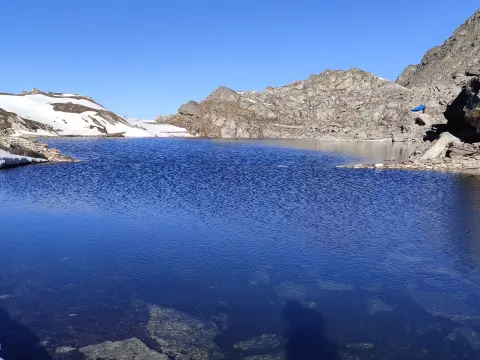
The Chakure Trek, organized by Glacier Nepal Treks, is an adventurous and culturally rich trekking route located in the remote regions of northwestern Nepal. This trek offers travelers a unique opportunity to explore untouched villages, pristine forests, and panoramic Himalayan vistas far from the usual tourist circuits. Starting from the bustling capital city of Kathmandu at 1,350 meters (4,428 ft), the journey quickly transitions from urban landscapes to serene rural life. Travelers fly to Nepalgunj, a small regional hub, before embarking on the road journey to Jajarkot, the gateway to the trek.The trek covers a variety of terrains, including river valleys, terraced farmlands, dense forests, and high mountain ridges. Along the way, trekkers will encounter traditional villages such as Kalimati, Saphukhola, and Kaulebagar, where local culture and lifestyle remain largely unchanged. The trek continues through Daha, Langna, Chautari, Tumti, Napani, and Guthichour before reaching Jumla, a historic region famous for its ancient architecture and agricultural heritage. One of the highlights is the stunning views of the Himalayan range from higher elevations, offering a photographer’s paradise.Remote trekking route in northwestern NepalStarts from Kathmandu, ends at Jumla, and returnsVillages include Kalimati, Saphukhola, Kaulebagar, and TumtiA mix of river valleys, forests, and high ridgesOpportunities for cultural immersion and photographyBest Season for Chakure TrekThe best season for trekking in Chakure is primarily during the spring (March to May) and autumn (September to November). These periods provide the most stable weather, clearer skies, and ideal temperatures for trekking. During spring, the hills and valleys come alive with rhododendron blossoms, creating breathtaking landscapes dotted with vibrant colors. Autumn offers crisp air and spectacular mountain visibility, perfect for panoramic Himalayan views, especially around Jumla and higher ridges.Winter (December to February) is generally cold with potential snow at higher elevations, which can make trails slippery and challenging, while summer (June to August) coincides with the monsoon, bringing heavy rainfall, muddy trails, and leeches in forested areas. Trekking during these off-seasons is not impossible, but it requires extra preparation and caution.Short Point List:Spring (March–May): blooming flowers, moderate temperaturesAutumn (September–November): clear skies, excellent mountain viewsWinter (December–February): cold, possible snow, less crowdedMonsoon (June–August): heavy rain, slippery trails, leechesBest months for photography and cultural exploration: March–May, September–NovemberChakure Trek Difficulty and TransportationThe Chakure Trek is considered a moderate-level trek, suitable for trekkers with some prior trekking experience and a good level of fitness. The daily walking duration ranges from 4 to 7 hours, with some sections involving steep ascents and descents. While the altitude is not extreme, trekkers still ascend up to 2,000–2,500 meters, which can be physically challenging for beginners. Proper acclimatization is crucial, especially when transitioning from lowlands such as Nepalgunj to the mid-hill regions.Transportation to the trailhead involves a short domestic flight from Kathmandu to Nepalgunj (approximately 1 hour), followed by a 6-hour drive to Jajarkot. From there, the trek begins on foot, following narrow trails through villages and forests. While some paths are well-marked, others require careful navigation, making a knowledgeable guide from Glacier Nepal Treks essential for safety and local insights.Short Point List:Trek difficulty: Moderate, suitable for fit beginnersDaily walking: 4–7 hours with moderate ascentsHighest elevation: around 2,500 metersTransportation: Kathmandu → Nepalgunj (flight) → Jajarkot (6-hour drive)Local guide recommended for navigation and safetyFood and Accommodation for Chakure TrekDuring the Chakure Trek, accommodation is primarily in local teahouses and lodges in villages along the route. These lodges offer basic but comfortable rooms, often with shared bathrooms. While facilities may not match urban hotels, they provide a welcoming and authentic experience of rural Nepali hospitality. Trekkers should be prepared for simple amenities, including limited electricity and hot water, especially in remote villages like Tumti and Guthichour.Food along the trek is generally home-cooked Nepali cuisine, including staples such as rice, dal (lentil soup), vegetables, momo (dumplings), and noodles. While dishes may be simple, they are nutritious and provide the energy needed for long trekking days. Trekkers with specific dietary requirements should inform the company beforehand, as most lodges can accommodate vegetarian or basic dietary needs. Hydration is essential, and carrying water purification tablets or using boiled water is recommended.Short Point List:Accommodation: local teahouses and lodgesBasic amenities: limited electricity, shared bathrooms, hot water available in some lodgesFood: Nepali staples like rice, dal, vegetables, momoDietary requirements: vegetarian options are usually availableStay immersed in local culture through village homestaysChakure Trekking PermitsTo undertake the Chakure Trek, trekkers require certain permits and permissions. As the trek passes through remote rural districts, the main permits include the TIMS card (Trekkers’ Information Management System) and possibly local entry permits, depending on recent regulations. TIMS registration ensures the safety of trekkers and is monitored by local authorities. Glacier Nepal Treks assists in obtaining all necessary permits before the trek begins, streamlining the process for international travelers.Additionally, trekkers should carry identification documents, such as a passport or a Nepali visa. It is also advisable to check for any updates on regional restrictions or travel advisories, as remote areas may occasionally have access limitations due to weather or infrastructure. Having a licensed trekking company handle permits reduces bureaucratic hurdles and ensures compliance with local regulations.Short Point List:TIMS card requiredPossible local district permitsA passport or Nepali visa is neededPermit assistance provided by Glacier Nepal TreksEnsures legal trekking and access to all villagesWhy Choose Chakure TrekChoosing the Chakure Trek with Glacier Nepal Treks offers a combination of adventure, culture, and tranquility that few other treks provide. Unlike popular trekking routes in Nepal, Chakure remains off-the-beaten-path, allowing trekkers to experience authentic village life, untouched natural landscapes, and the warm hospitality of local communities. The trek is ideal for those who want a peaceful journey without the crowds commonly found on routes like the Annapurna or Everest Base Camp treks.Glacier Nepal Treks brings professional planning, experienced guides, and logistical support, ensuring that trekkers can focus on enjoying the journey rather than worrying about transportation, accommodation, or permits. The company prioritizes safety, environmental sustainability, and cultural respect, giving travelers a fulfilling experience that supports local communities. Whether you are a nature enthusiast, photography lover, or culture explorer, the Chakure Trek offers an unforgettable journey into one of Nepal’s most scenic and secluded regions.Short Point List:Off-the-beaten-path trekking experienceAuthentic village and cultural immersionExperienced guides and logistical supportFocus on safety, sustainability, and comfortIdeal for photography, nature, and cultural exploration
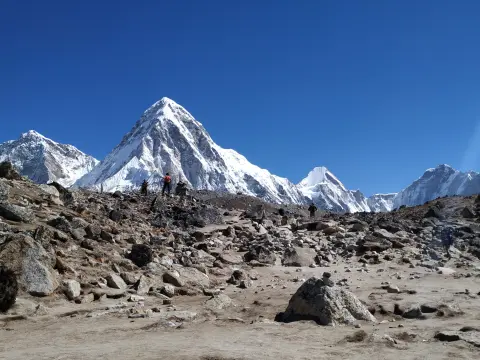
The Everest Base Camp Luxury Trek redefines one of the world’s most iconic adventures by blending breathtaking Himalayan scenery with elevated comfort and personalized service. Crafted for discerning travelers, this journey leads you into the heart of the Khumbu region home to Mount Everest (8,848m) while offering refined accommodations, seamless logistics, and an immersive cultural experience among the legendary Sherpa communities.Your journey begins with a spectacular helicopter or premium flight to Lukla, providing a smooth and scenic start to the adventure. From there, follow beautifully curated trails through rhododendron forests, across suspension bridges draped in prayer flags, and past centuries-old monasteries. As you enter Sagarmatha National Park, the landscape unfolds into a dramatic panorama of towering peaks, glaciers, and pristine alpine wilderness experienced at a relaxed and comfortable pace.Thoughtfully designed acclimatization days in Namche Bazaar and Dingboche allow for both altitude adjustment and cultural exploration, with access to premium lodges, boutique stays, and exceptional viewpoints. The highlight remains reaching Everest Base Camp (5,364m), followed by a sunrise excursion to Kala Patthar (5,545m), where you’ll witness unforgettable panoramic views of Everest, Lhotse, Nuptse, and Ama Dablam in absolute serenity.Throughout the trek, luxury lodges and upgraded teahouses provide private rooms, en-suite facilities (where available), fine meals, and warm hospitality. Experienced guides, dedicated support staff, and meticulous planning ensure a safe, smooth, and indulgent Himalayan journey ideal for those seeking adventure without compromising comfort.Flight from Kathmandu to Lukla, one of the world’s most scenic flights.Trek through Sagarmatha National Park, a UNESCO World Heritage Site.Acclimatization days at Namche Bazaar and Dingboche.Visit historical monasteries like Tengboche and Pangboche.Everest Base Camp (5,364m) and sunrise at Kala Patthar (5,545m).Rich Sherpa culture, traditional villages, and Himalayan wildlife.Best Season for Everest Base Camp TrekThe best time to trek to Everest Base Camp is during spring (March to May) and autumn (late September to November). These seasons are ideal because the weather is stable, the skies are clear, and the mountain views are spectacular. During spring, rhododendrons bloom along the trails, adding vibrant colors to the landscape. Trekkers also enjoy moderate temperatures, making walking at high altitudes more comfortable. Spring is particularly popular among photographers, as clear skies often offer unobstructed views of Everest and surrounding peaks.Autumn is considered the most favorable trekking season overall. After the monsoon, the air is crisp and clean, the weather is predictable, and panoramic mountain vistas are at their finest. Local festivals during autumn allow trekkers to experience authentic Sherpa culture, including traditional dances, prayer ceremonies, and community gatherings. While winter treks are possible, they involve extremely cold temperatures and some lodges may be closed. The monsoon season (June to August) is generally avoided due to heavy rain, slippery trails, and high risk of landslides.Best season highlights:Spring (Mar–May): Blooming rhododendrons, moderate temperaturesAutumn (Sep–Nov): Clear skies, panoramic mountain views, local festivalsWinter (Dec–Feb): Cold, limited facilities, quieter trailsMonsoon (Jun–Aug): Avoided due to rain and landslidesEverest Base Camp Trek Difficulty and TransportationThe Everest Base Camp Trek is considered moderate to challenging. While no technical climbing experience is needed, trekkers should have good physical fitness and stamina. The main challenges include long trekking days of 5–8 hours, steep and rocky trails, and high altitude conditions above 5,000 meters. Glacier Nepal Treks incorporates acclimatization days in key locations like Namche Bazaar and Dingboche to minimize the risk of altitude sickness. Proper pacing, hydration, and professional guidance make the trek accessible to fit and prepared individuals.Transportation during the trek includes:Kathmandu to Lukla: Enjoy a seamless and scenic helicopter offering breathtaking aerial views of the Himalayas and a smooth start to your journey.Trekking Experience: Travel on foot along iconic Himalayan trails, enhanced with a relaxed pace, expert guidance, and carefully selected rest stops for comfort and enjoyment.Lukla to Kathmandu Return: Conclude your adventure with a comfortable helicopter taking in stunning mountain panoramas in style.Difficulty and transport highlights:Moderate to challenging trek, suitable for fit trekkersHigh-altitude trekking above 5,000 metersLong walking days with gradual acclimatizationSafe, guided trekking with experienced local staffAdventure begins and ends with thrilling Lukla flightsFood and Accommodation for Everest Base Camp TrekAccommodation along the Everest Base Camp Trek is primarily in teahouses, small family-run lodges that provide warmth, meals, and a chance to connect with locals. Glacier Nepal Treks ensures that all accommodations are safe, clean, and comfortable. Teahouses vary from basic rooms with shared bathrooms to more modern facilities with private rooms and hot showers at lower altitudes. Higher elevations may have simpler lodges due to the remote environment.Food options on the trek include traditional Nepali dishes such as dal bhat (lentils with rice), momos (dumplings), and soups, as well as simple Western dishes like noodles, pasta, and toast. Tea, coffee, and hot chocolate are widely available, though prices increase with altitude. Trekkers are encouraged to eat balanced meals and drink plenty of water to maintain energy levels and support acclimatization.Food and accommodation highlights:Comfortable teahouses along the routeTraditional Nepali meals: dal bhat, momos, soupsWestern food available in most lodgesHot drinks and soups to cope with cold, high-altitude conditionsOpportunity to experience authentic Sherpa hospitalityEverest Base Camp Trek PermitsTrekking in the Everest region requires official permits to ensure safety, conservation, and legal compliance. Glacier Nepal Treks assists trekkers in obtaining all necessary documents before the journey begins.The required permits include:Sagarmatha National Park Permit (SNP): Mandatory for all trekkers entering the park, supports conservation of the Himalayan ecosystem.Khumbu Pasang Lhamu Rural Municipality Permit (KPL): Required for travel in the Solu-Khumbu region, including Lukla, Namche Bazaar, and Everest Base Camp.Having permits ensures trekkers are registered, can legally access the trail, and contribute to local conservation and community efforts. Glacier Nepal Treks handles all paperwork to simplify the process, allowing trekkers to focus entirely on the adventure.Permits highlights:Sagarmatha National Park Permit (SNP)Khumbu Pasang Lhamu Rural Municipality Permit (KPL)Ensures legal, safe, and environmentally responsible trekkingAll paperwork handled by Glacier Nepal TreksWhy Choose Everest Base Camp TrekThe Everest Base Camp Trek is more than a journey, it’s a transformative experience that combines adventure, culture, and nature. Choosing Glacier Nepal Treks ensures trekkers enjoy a professional, safe, and well-organized trip. The trek provides breathtaking views of Everest, Lhotse, Nuptse, Ama Dablam, and other Himalayan peaks while offering insight into Sherpa life and traditions.Glacier Nepal Treks emphasizes safety, comfort, and cultural immersion. Experienced guides and trained staff prioritize acclimatization, proper trekking pace, and emergency preparedness. Comfortable teahouse accommodations, organized meals, and reliable transportation make the trek accessible and enjoyable. Walking the historic trails used by legendary mountaineers adds a sense of connection to Everest’s rich history.Why choose Glacier Nepal Treks highlights:Professional guides and trained local staff for safetyWell-organized logistics and comfortable teahouse staysAuthentic cultural experiences in Sherpa villagesStunning Himalayan scenery and close-up views of EverestTrekking along the historic paths of famous mountaineersLife-changing adventure combining challenge, culture, and nature


 (31)
(31)  94% recommend (244)
 (12)
(12)