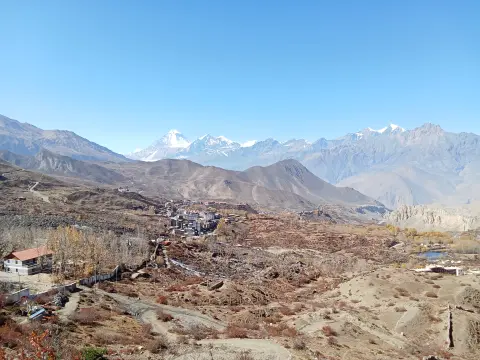
The Lower Mustang Trek is one of the most unique and culturally rich treks in Nepal. Nestled in the rain-shadow region of the Annapurna Range, Mustang offers a stark, desert-like landscape with deep canyons, dramatic cliffs, and ancient Tibetan-influenced villages. Unlike other crowded trekking regions, Lower Mustang retains a sense of mystery and untouched beauty, often called the “Last Forbidden Kingdom” because it was restricted to outsiders until the early 1990s. Trekkers will experience stunning natural landscapes, traditional Buddhist monasteries, caves carved into cliffs, and vibrant local culture along the Kali Gandaki River valley.Starting from Kathmandu, trekkers typically fly to Pokhara and then to Jomsom, the gateway to Mustang. From Jomsom, the trail follows scenic routes passing through villages like Kagbeni, before reaching Muktinath, a sacred pilgrimage site for both Hindus and Buddhists. The trek combines natural splendor with spiritual experiences, offering breathtaking views of peaks such as Dhaulagiri, Nilgiri, and Annapurna II.Explore the ancient walled city of Lo ManthangWitness Tibetan Buddhist culture and monasteriesTrek through the dramatic desert landscapes of MustangVisit sacred pilgrimage sites like Muktinath TempleEnjoy panoramic views of Himalayan peaksThis trek is ideal for travelers seeking a remote adventure that blends cultural immersion with moderate trekking challenges. Glacier Nepal Treks provides expert guides and well-organized itineraries to ensure a safe and memorable experience.Best Season for Lower Mustang TrekThe best time to trek in Lower Mustang is during spring (March to May) and autumn (September to November). These months offer clear skies, moderate temperatures, and ideal trekking conditions. Spring is especially beautiful as the rhododendrons bloom, adding bursts of color to the rugged landscapes. Autumn, on the other hand, provides stable weather and the clearest mountain views, making it perfect for photography enthusiasts.Winter (December to February) can be very cold, with snow in higher altitudes, making trekking difficult. Summer (June to August) is monsoon season, which brings rain and slippery trails, though Mustang itself receives less rainfall due to its rain-shadow location.Reasons to trek during the best season:Clear mountain views of Annapurna, Dhaulagiri, and NilgiriComfortable daytime temperatures (15–20°C at lower altitudes)Dry and manageable trekking trailsVibrant local festivals like Tiji Festival in Lo Manthang during springTrekking during the recommended seasons ensures safety, enjoyable weather, and the best experience of Mustang’s cultural and natural treasures. Glacier Nepal Treks arranges all seasonal logistics, including flights and accommodations, to make the trek hassle-free.Lower Mustang Trek Difficulty and TransportationThe Lower Mustang Trek is considered moderate in difficulty, suitable for trekkers with basic to intermediate experience. The trek involves walking 5–7 hours daily on well-defined trails with moderate ascents and descents. While the altitude is significant reaching around 3,900m at Muktinath proper acclimatization ensures safety and reduces the risk of altitude sickness. Trekkers should be prepared for dusty trails, dry desert air, and occasional strong winds in exposed areas.Transportation details:Kathmandu to Pokhara: 6–7 hours by private vehicle or 25-minute flightPokhara to Jomsom: 25–30 minute flight, weather permittingTrekking route: Jomsom - Kagbeni - Muktinath - JomsomReturn: Flight back to Pokhara and drive to KathmanduUsing Glacier Nepal Treks, transportation is well-organized, including airport transfers, domestic flights, and private vehicles. The company ensures that trekkers experience maximum comfort while focusing on the journey.Food and Accommodation for Lower Mustang TrekFood and accommodation on the Lower Mustang Trek are simple yet comfortable, reflecting the remote Himalayan lifestyle. Along the trail, trekkers stay in teahouses or lodges, which provide basic amenities like beds, blankets, and shared bathrooms. In some areas, facilities may be more rustic, but the experience allows travelers to immerse themselves in the local culture.Typical food options include:Dal Bhat (traditional Nepali lentil rice)Tibetan dishes like momo (dumplings) and thukpa (noodle soup)Soups, noodles, and local breadIn Kathmandu and Pokhara, trekkers enjoy modern hotels with western amenities, while teahouses along the trail focus on warmth, safety, and local hospitality. Glacier Nepal Treks arranges all accommodation, ensuring cleanliness and comfort throughout the journey. Staying in these lodges provides the opportunity to interact with locals, learn about Mustang’s culture, and enjoy the serene landscapes right from your doorstep.Lower Mustang Trek PermitsTrekking in Lower Mustang requires special permits because it is a restricted area. Permits are mandatory for all foreign nationals, and the cost depends on nationality and duration of the stay.The key permits include:Restricted Area Permit (RAP): Required for all travelers visiting Upper MustangAnnapurna Conservation Area Permit (ACAP): Covers the trekking route within the conservation areaImportant details:Permits must be applied for in advancePassport and passport-size photos are requiredTrekking is only allowed with a registered guideGlacier Nepal Treks handles all permit arrangements, ensuring compliance with regulations and a smooth start to your adventure. Obtaining permits through a trusted agency is essential, as solo trekking without them is strictly prohibited.Why Choose Lower Mustang TrekThe Lower Mustang Trek is an exceptional choice for those seeking a combination of natural beauty, cultural richness, and adventure. Unlike crowded trekking routes, Mustang provides a sense of isolation and discovery, where you can witness ancient Tibetan-influenced culture in pristine surroundings. The trek offers spiritual experiences at Muktinath Temple, a peek into walled city life at Lo Manthang, and breathtaking views of Himalayan peaks.Reasons to choose Lower Mustang Trek:Unique desert landscapes rarely seen elsewhere in NepalExploration of Tibetan Buddhist monasteries and traditionsModerate trekking is suitable for most physically active travelersAuthentic cultural experiences with warm, local hospitalityExpert guidance and support from reputable agencies like Glacier Nepal TreksWith Glacier Nepal Treks, trekkers benefit from well-organized itineraries, experienced guides, comfortable accommodations, and full support for permits and transportation. This ensures a safe, memorable, and enriching journey through one of Nepal’s most fascinating regions.
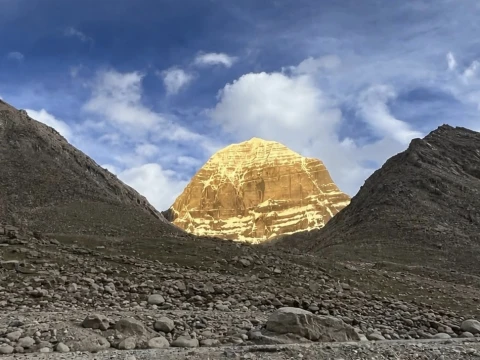
The Kailash Mansarovar Overland Tour with Glacier Nepal Treks is a unique spiritual and adventure journey that takes travelers through the majestic landscapes of Nepal and Tibet, culminating at the sacred Mount Kailash and Lake Mansarovar. This journey combines cultural exploration, high-altitude trekking, and a spiritual experience in one of the most remote regions of the Himalayas. The overland route allows travelers to witness the transition from lush valleys to rugged highlands, offering a perfect blend of sightseeing, pilgrimage, and adventure.The journey starts in Kathmandu, the vibrant capital of Nepal, known for its historic temples, stupas, and bustling markets. From Kathmandu, the route gradually climbs north through the Nepal-Tibet border at Rasuwagadhi and Kyirong, traversing Tibetan plains before reaching Saga and eventually the sacred region of Mount Kailash. Travelers get the opportunity to witness the untouched natural beauty, experience local Tibetan culture, and participate in the holy rituals around Lake Mansarovar.Spiritual journey to Mount Kailash and Lake Mansarovar.Trekking around the sacred Kailash Kora circuit.Scenic drives through Nepalese and Tibetan landscapes.Interaction with local Tibetan communities and monasteries.Participation in rituals, holy baths, and pujas at Mansarovar.This tour is ideal for spiritual seekers, adventure enthusiasts, and those looking to explore one of the most remote yet sacred parts of the world.Best Season for Kailash Mansarovar Overland TourThe ideal time to embark on the Kailash Mansarovar Overland Tour is during spring (April–June) and autumn (September–October). During these periods, the weather is relatively stable, with clear skies and moderate temperatures, making both the driving and trekking segments safer and more enjoyable. Spring brings blooming rhododendrons and vibrant Himalayan landscapes, while autumn offers crisp air and spectacular mountain views.Summer (July–August) is less preferred due to the monsoon rains, which can make roads slippery, increase the risk of landslides, and obscure scenic vistas. Winter (November–March) is extremely cold at high altitudes, and heavy snow can block access to key areas such as Lake Mansarovar and the Kailash Kora circuit. Travelers in winter must be well-prepared for sub-zero temperatures and possible travel delays.Seasonal Considerations:Spring (April–June): Clear skies, blooming flowers, moderate temperatures.Autumn (September–October): Dry weather, vibrant landscapes, best visibility.Summer (July–August): Monsoon rains, slippery roads, potential landslides.Winter (November–March): Harsh, cold, snow-covered roads, limited accessibility.Planning the journey during the recommended seasons ensures a smoother trip, comfortable travel, and a more profound spiritual experience at Kailash and Mansarovar.Kailash Mansarovar Overland Tour Difficulty and TransportationThe Kailash Mansarovar Overland Tour is considered moderately to highly challenging, mainly due to the high-altitude conditions and long travel hours. The highest points of the tour, such as Diraphuk (4950m) and Lake Mansarovar (4600m), require travelers to acclimatize properly to avoid altitude sickness. The trek around Kailash Kora includes walking 14–19 km per day on rugged terrain with steep ascents and descents, demanding stamina and good physical fitness.Transportation during the tour is a combination of private vehicles and trekking. From Kathmandu to Rasuwagadhi and across Tibet to Saga and Darchen, travelers use comfortable overland vehicles suitable for high-altitude roads. The trek sections are guided by experienced local guides who ensure safety and provide support for navigation and acclimatization.Tour Difficulty and Transportation:Trekking Distance: 6–19 km per day on mountainous terrain.High Altitude: Up to 4950m at Diraphuk, requires acclimatization.Driving Hours: 1–9 hours per day on hilly and highland roads.Transportation: Private vehicles, minibuses, and trekking on foot.Guided Support: Experienced guides and porters available for safety.Proper preparation, acclimatization, and a positive mindset are essential for successfully completing this sacred journey.Food and Accommodation for Kailash Mansarovar Overland TourDuring the Kailash Mansarovar Overland Tour, food and accommodation vary according to location and altitude. In Kathmandu, travelers stay in comfortable hotels with standard amenities and can enjoy a variety of Nepalese, Tibetan, and international cuisines. Once in Tibet, accommodation is more basic, including guesthouses, lodges, or tents, especially near remote areas like Darchen, Diraphuk, and Zuthulphuk. Despite the simplicity, care is taken to provide hygienic facilities and warm bedding.Food during the tour is a mix of Tibetan and Nepalese cuisine, often including rice, noodles, lentils, vegetables, and meat dishes. Special arrangements can be made for dietary restrictions. Hot meals are generally available at lodges, while trekking days may include packed lunches or simple local meals. Hydration is critical at high altitude, and purified water or boiled water is recommended throughout the journey.Food and Accommodation Highlights:Hotels in Kathmandu and Kyirong with modern facilities.Guesthouses and lodges at Saga, Darchen, and Lake Mansarovar.Tibetan cuisine: momos, thukpa, butter tea, rice dishes.Packed or simple meals during trekking days.Safe drinking water and warm bedding provided.Comfort may be basic in remote areas, but the focus is on safety, warmth, and an authentic cultural experience.Kailash Mansarovar Overland Tour PermitsTraveling to Mount Kailash and Lake Mansarovar requires several official permits, as the region lies within the Tibet Autonomous Region of China. Glacier Nepal Treks assists travelers in obtaining all necessary documents before the journey to ensure a smooth trip. The main permits include the Tibet Travel Permit, Alien Travel Permit, and Military Permit for restricted border areas.For Nepalese travelers, a Nepal entry visa is required, which can be obtained on arrival at Tribhuvan International Airport. Foreign nationals must provide passport copies, visa details, and medical certificates for high-altitude travel. Permits are generally arranged in Kathmandu or via the travel company in advance, and travelers should carry original copies during the journey.Permit Requirements:Tibet Travel Permit (TTP): Mandatory for entering Tibet.Alien Travel Permit (ATP): Required for travel to restricted zones like Darchen.Military Permit: Needed for areas near the Nepal-Tibet border.Nepal Visa: Obtained on arrival or before arrival in Kathmandu.Medical Clearance: Advisable for high-altitude trekking.Proper permit arrangements ensure legal compliance and avoid last-minute travel disruptions during this sacred tour.Why Choose Kailash Mansarovar Overland Tour with Glacier Nepal TreksChoosing the Kailash Mansarovar Overland Tour with Glacier Nepal Treks offers a combination of spiritual enrichment, adventure, and professional service. Glacier Nepal Treks is experienced in organizing high-altitude overland tours and provides expert guides, well-maintained vehicles, and personalized support for each traveler. The company emphasizes safety, comfort, and cultural immersion, ensuring that pilgrims can focus on the spiritual journey rather than logistical challenges.The tour allows travelers to experience the diverse landscapes of Nepal and Tibet, from lush valleys to high-altitude deserts, while participating in sacred rituals at Lake Mansarovar and the Kailash Kora. With Glacier Nepal Treks, every aspect from permits, accommodation, and food to high-altitude trekking support is professionally managed, allowing travelers to enjoy a worry-free and life-changing pilgrimage.Reasons to Choose Glacier Nepal Treks:Experienced guides familiar with high-altitude and remote regions.Full support for permits, visas, and legal documentation.Comfortable accommodation and safe transport throughout the tour.Focus on spiritual experience and cultural immersion.Safety-first approach with medical and acclimatization support.This journey is ideal for anyone seeking spiritual fulfillment, adventure, and a chance to witness one of the world’s most sacred landscapes in a well-organized and safe manner.

The Tibet Lhasa Tour is a captivating journey into the heart of the Tibetan Plateau, offering travelers a unique blend of spiritual heritage, ancient architecture, and breathtaking Himalayan landscapes. This tour typically begins in Kathmandu, Nepal, where travelers explore the rich cultural and historical sites of the Kathmandu Valley before flying to Lhasa, the sacred capital of Tibet. In Lhasa, visitors can immerse themselves in centuries-old Buddhist traditions while witnessing iconic landmarks such as the Potala Palace, Jokhang Temple, Drepung Monastery, and Sera Monastery. The tour balances cultural exploration with the opportunity to experience the Tibetan lifestyle, bustling local markets, and the stunning vistas of the Himalayan region.Travelers will begin their journey with a detailed Kathmandu sightseeing tour, visiting UNESCO World Heritage Sites such as Patan Durbar Square, Bhaktapur Durbar Square, Swayambhunath Stupa, and Boudhanath Stupa, offering insights into Nepalese architecture and spirituality. After exploring Kathmandu, a short flight to Lhasa introduces visitors to Tibet’s spiritual core. In Lhasa, guided tours provide a deep understanding of Tibetan Buddhism, the historical significance of ancient monasteries, and the regal aura of the Potala Palace, the former residence of the Dalai Lama. The tour concludes with a return to Kathmandu, leaving travelers with lasting memories of Himalayan culture, spirituality, and history.Kathmandu sightseeing: Durbar Squares, Swayambhunath, BouddhanathLhasa cultural tour: Potala Palace, Jokhang Temple, Barkhor StreetMonastery visits: Drepung & Sera MonasteriesScenic Himalayan flightsBest Season for Tibet Lhasa TourThe ideal time for a Tibet Lhasa tour is spring (April to June) and autumn (September to October). During these months, the weather is generally stable, skies are clear, and temperatures are moderate, ranging from 10°C to 20°C, making sightseeing and trekking comfortable. Spring brings blossoming rhododendrons across the valley and a lively atmosphere in local markets, while autumn offers crisp air and panoramic views of snow-capped mountains surrounding Lhasa.Winter (November to February) is cold and less crowded, but travelers may experience limited access to certain high-altitude regions due to snowfall. Summer (July to August) sees occasional heavy rains and cloudy skies, which can limit visibility of the Himalayan peaks. Planning a trip during the recommended seasons ensures travelers enjoy pleasant weather, smooth flights, and vibrant cultural experiences.Best Season Highlights:Spring: April – June, blooming landscapes, moderate temperaturesAutumn: September – October, clear skies, perfect photographyAvoid the heavy monsoon season (July – August) for better sightseeingTibet Lhasa Tour Difficulty and TransportationThe Tibet Lhasa tour is considered moderate in difficulty, as travelers need to acclimate to Lhasa's high altitude (3,650 meters). While no strenuous trekking is required for standard tours, visitors should allow time for acclimatization to avoid altitude sickness. A slow pace is recommended on the first day in Lhasa, along with adequate hydration and rest. Those with pre-existing heart or lung conditions should consult a doctor before the trip.Transportation is well-organized with domestic flights connecting Kathmandu to Lhasa and internal travel in Lhasa arranged via private vehicles. Local guided tours include short walks around historic sites, markets, and monasteries. Most roads are paved and accessible, ensuring a comfortable experience for travelers of varying ages. For more adventurous travelers, optional excursions to nearby highland regions can be arranged.Transportation & Difficulty Highlights:Moderate altitude adaptation is required in LhasaFlights: Kathmandu ↔ LhasaPrivate vehicles and local guides for sightseeingShort walking tours around cultural sitesFood and Accommodation for Tibet Lhasa TourDuring the Tibet Lhasa tour, travelers can enjoy a combination of local Tibetan cuisine and international dishes. Popular Tibetan foods include momos (dumplings), thukpa (noodle soup), yak butter tea, and tsampa (roasted barley flour). Most hotels in Lhasa offer a mix of Chinese, Tibetan, and continental breakfasts, ensuring that travelers with diverse dietary preferences are accommodated.Accommodation is carefully arranged in well-rated hotels in both Kathmandu and Lhasa. In Kathmandu, travelers stay in comfortable city hotels close to cultural sites, while Lhasa offers mid-range to luxury hotels with modern amenities, heating, and easy access to major attractions. Special arrangements can be made for travelers requiring vegetarian or specific dietary options. Staying in central locations allows travelers to explore Lhasa’s attractions conveniently on foot.Food & Accommodation Highlights:Tibetan traditional cuisine: momos, thukpa, yak butter teaComfortable city hotels in KathmanduModern hotels in central Lhasa with easy access to attractionsOptions for dietary preferences and vegetarian mealsTibet Lhasa Tour PermitsTraveling to Tibet requires special permits due to local regulations. For foreign tourists, the Tibet Travel Permit is mandatory and must be arranged in advance through a licensed travel agency, such as Glacier Nepal Treks. This permit allows entry into Lhasa and other designated areas. Additionally, travelers may require the Alien Travel Permit for visits to restricted zones outside Lhasa.Glacier Nepal Treks ensures all permits are arranged before departure, saving travelers the hassle of bureaucratic procedures. Passengers must carry a valid passport and a Chinese visa, as these are essential for the permit process. Permits typically take a few days to process, so early booking is recommended to ensure smooth travel.Permit Highlights:Tibet Travel Permit (mandatory)Alien Travel Permit for restricted areasPassport and Chinese visa requiredArranged by Glacier Nepal Treks for hassle-free travelWhy Choose Tibet Lhasa Tour with Glacier Nepal TreksChoosing the Glacier Nepal Treks for the Tibet Lhasa Tour ensures a well-organized, safe, and culturally immersive experience. With years of expertise in Himalayan travel, the company provides professional guides, secure accommodations, and hassle-free transportation. Glacier Nepal Treks also manages all permits, local liaison services, and flight arrangements, allowing travelers to focus solely on the experience.Moreover, Glacier Nepal Treks emphasizes authentic cultural experiences, including guided tours of sacred monasteries, local markets, and historic sites. Travelers benefit from knowledgeable guides who share insights into Tibetan Buddhism, architecture, and local traditions. With personalized itineraries, comfortable travel options, and dedicated support, Glacier Nepal Treks makes the Tibet Lhasa Tour a seamless, memorable journey for first-time visitors and seasoned travelers alike.Why Choose Glacier Nepal Treks:Expert guides with deep knowledge of Tibetan cultureComplete permit and logistics managementComfortable accommodations and safe transportationPersonalized itineraries for an immersive experience


 (31)
(31)  94% recommend (244)
 (12)
(12)