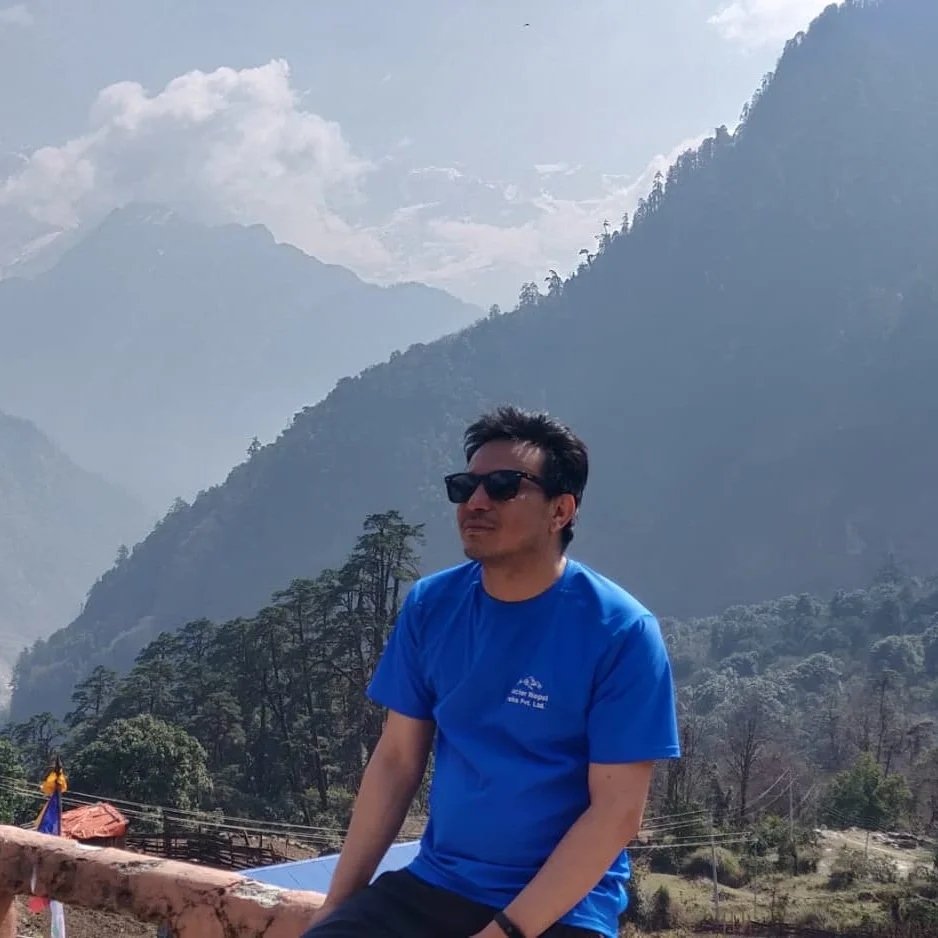
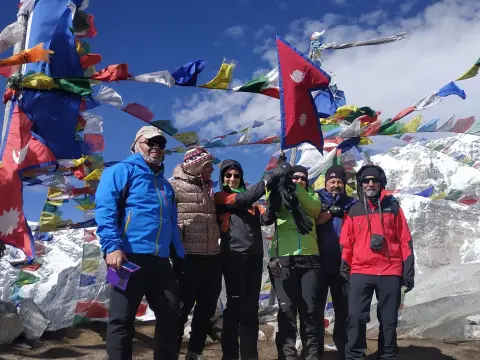
The Langtang Valley Trek is one of Nepal’s most scenic and culturally rich trekking routes, offering an exceptional Himalayan experience within a short distance from Kathmandu. Located north of the capital near the Tibetan border, the trek takes you through Langtang National Park, home to diverse flora, fauna, glaciers, and traditional Tamang villages. This journey blends dramatic mountain landscapes with deep-rooted Buddhist culture, making it ideal for trekkers seeking both natural beauty and cultural immersion.The trek begins with a scenic drive from Kathmandu to Syabrubesi, followed by a gradual ascent through dense forests of rhododendron, oak, and bamboo. As you move higher, the trail opens into wide alpine valleys with breathtaking views of Langtang Lirung (7,227m), Ganesh Himal, and Dorje Lakpa. One of the trek’s highlights is Kyanjin Gompa, a beautiful settlement surrounded by snow-capped peaks and glaciers. An acclimatization hike to Tsergo Ri (4,985m) rewards trekkers with panoramic Himalayan views.Traveling with Glacier Nepal Treks. ensures a well-organized and safe trekking experience. Their expert guides, well-planned itineraries, and focus on responsible tourism allow trekkers to enjoy the journey without stress. This trek is suitable for both first-time trekkers and experienced hikers looking for a rewarding adventure in a relatively quiet region.Stunning mountain and glacier viewsRich Tamang culture and monasteriesWell-paced itinerary with acclimatizationBest Season for Langtang Valley TrekChoosing the right season is crucial for making the most of the Langtang Valley Trek. The best seasons are spring (March–May) and autumn (September–November), when weather conditions are stable, and mountain views are at their best. During these months, trekkers can enjoy clear skies, moderate temperatures, and vibrant landscapes.Spring is particularly beautiful as the forests burst into color with blooming rhododendrons and wildflowers. The temperatures are comfortable, making long trekking days enjoyable. Wildlife sightings are also more common during this season. Autumn, on the other hand, offers crisp air, excellent visibility, and festive cultural experiences due to major Nepali festivals like Dashain and Tihar.Winter treks (December–February) are possible but challenging due to cold temperatures and snowfall at higher elevations. Summer/monsoon season (June–August) brings lush greenery but also rain, leeches, and limited visibility. Glacier Nepal Treks carefully plans departures based on seasonal conditions to ensure safety and enjoyment.With proper planning and guidance, the Langtang Valley Trek can be done year-round, but spring and autumn remain the most rewarding for scenery and comfort.Best Seasons Summary:Spring: Flowers, mild temperatures, clear viewsAutumn: Best visibility, stable weatherWinter: Cold but quiet trailsMonsoon: Green landscapes, fewer trekkersLangtang Valley Trek Difficulty and TransportationThe Langtang Valley Trek is considered a moderate-level trek, making it accessible to trekkers with basic fitness and some hiking experience. Daily walking hours range from 4 to 7 hours on well-defined trails, with gradual altitude gain. The most challenging day is the hike to Tsergo Ri, which involves a steep ascent but no technical climbing.Proper acclimatization is built into the itinerary, reducing the risk of altitude sickness. The highest overnight stay is at Kyanjin Gompa (3,870m), which is manageable for most trekkers. With experienced guides from Glacier Nepal Treks, trekkers receive constant monitoring and support throughout the journey. Transportation involves a scenic but adventurous drive from Kathmandu to Syabrubesi and back. The journey takes 6–8 hours along winding mountain roads, offering stunning river and hillside views. Glacier Nepal Treks arranges safe and comfortable transport options, ensuring a smooth start and end to the trek.Difficulty & Transport Overview:Moderate trekking difficultyNo technical climbing requiredGradual altitude gainPrivate or shared jeep/bus transportFood and Accommodation for Langtang Valley TrekAccommodation during the Langtang Valley Trek is primarily in local teahouses, which provide basic yet comfortable lodging. Rooms usually have twin beds, blankets, and shared bathrooms. As altitude increases, facilities become simpler, but the warm hospitality of local hosts makes the stay pleasant. Glacier Nepal Treks carefully selects reliable teahouses for comfort and hygiene. Food options are surprisingly varied, even at higher elevations. Trekkers can enjoy traditional Nepali meals like Dal Bhat, as well as international dishes such as noodles, pasta, fried rice, soups, pancakes, and eggs. Dal Bhat is especially popular due to its high energy and unlimited refills. Clean drinking water, tea, and coffee are widely available.Glacier Nepal Treks prioritizes food safety and nutrition, ensuring trekkers have enough energy for daily hikes. Special dietary needs can also be accommodated with prior notice. While luxury is limited, the combination of hot meals and cozy lodges adds charm to the trekking experience.Food & Stay Highlights:Comfortable teahouse lodgesNutritious and filling mealsLocal and international food optionsWarm hospitality in villagesLangtang Valley Trek PermitsTo trek in the Langtang region, trekkers must obtain specific permits required by the Nepalese government. These permits help conserve the natural environment and support local communities. The two main permits needed are the Langtang National Park Entry Permit and the TIMS (Trekkers’ Information Management System) Card.The Langtang National Park Permit is mandatory for all trekkers entering the region, while the TIMS card ensures trekker safety and record management. Glacier Nepal Treks handles all permit arrangements in advance, saving trekkers time and hassle. This ensures compliance with regulations and a smooth trekking experience.Permit fees are affordable and contribute directly to conservation efforts and trail maintenance. Trekkers are advised to carry their permits at all times, as checkpoints are located along the route.Required Permits:Langtang National Park Entry PermitTIMS CardArranged by Glacier Nepal TreksMandatory for all trekkersWhy Choose Langtang Valley Trek with Glacier Nepal TreksChoosing the Langtang Valley Trek with Glacier Nepal Treks means choosing professionalism, safety, and authentic experiences. With years of experience in the Himalayas, the company provides knowledgeable guides, well-designed itineraries, and personalized services. Their focus on small groups ensures individual attention and flexibility.Langtang Valley is ideal for trekkers who want a less crowded alternative to Everest or Annapurna while still enjoying spectacular Himalayan scenery. The region’s cultural richness, combined with manageable trekking days, makes it perfect for a wide range of trekkers. Glacier Nepal Treks also emphasizes responsible tourism, supporting local communities and eco-friendly practices.From arrival in Kathmandu to final departure, every detail is carefully managed. This allows trekkers to fully immerse themselves in the adventure, confident that they are in expert hands.Why Glacier Nepal Treks:Experienced local guidesResponsible and sustainable tourismWell-paced itineraryExcellent safety record
The Langtang, Gosainkunda, and Helambu Trek is one of Nepal’s most scenic and culturally rich trekking routes. This journey takes you through the stunning Langtang Valley, the sacred Gosainkunda Lake, and the picturesque Helambu region, combining natural beauty, traditional villages, and Himalayan panoramas. The trek starts with a scenic 7-8 hour drive from Kathmandu to Syabrubesi, situated at the gateway of Langtang National Park. From here, trekkers walk through lush forests, cross wooden suspension bridges, and pass through traditional Tamang villages.Highlights of the trek include Kyanjin Gompa, nestled at the foot of Langtang Lirung (7,227 m), where you can explore ancient monasteries and try climbing nearby peaks like Tserko Ri (4,985 m) for panoramic mountain views. The trek then continues to the sacred Gosainkunda Lake (4,460 m), a revered pilgrimage site for Hindus and Buddhists, known for its purported healing powers. Trekkers cross Lauribina Pass, encountering a series of smaller glacial lakes, before entering the Helambu region, famous for its rich Hyolmo culture, charming villages, and terraced landscapes.The trek concludes with a gradual descent through lush forests, rhododendron trails, and traditional settlements, ending with a 4-hour drive back to Kathmandu. The combination of cultural immersion, serene alpine lakes, and stunning Himalayan vistas makes this trek a memorable adventure.Explore Kyanjin Gompa and nearby peaks.Visit the sacred Gosainkunda Lake.Cross Lauribina Pass and multiple alpine lakes.Experience Helambu’s Hyolmo culture.Spectacular views of the Langtang and Shishapangma ranges.Best Season for Langtang Gosainkunda and Helambu TrekThe Langtang, Gosainkunda, and Helambu Trek can be undertaken year-round, but the most favorable and enjoyable seasons are spring (March to May) and autumn (September to November). These months provide the best combination of weather, trail conditions, and visibility for the stunning Himalayan vistas.Spring (March to May) is particularly magical as the forests and valleys come alive with vibrant rhododendron blooms and other wildflowers. The days are generally mild and sunny, while nights remain cool, creating perfect trekking conditions. The clear skies during spring allow trekkers to enjoy panoramic views of the Langtang and Shishapangma ranges, making it an excellent season for photography and sightseeing.Autumn (September to November) follows the monsoon, leaving the air crisp, clean, and free of haze. The trails are safe, the forests lush, and the views of snow-capped peaks are uninterrupted. Autumn is also ideal for visiting Gosainkunda Lake, as the area is fully accessible with stable trails. This season is considered the peak trekking period in Nepal due to the combination of stable weather, pleasant temperatures, and spectacular mountain scenery.Winter (December to February) offers a quieter trekking experience with fewer crowds. While the lower sections remain accessible, snowfall above 4,000 m can make trails slippery and more challenging, especially around Tserko Ri and Gosainkunda.Summer (June to August) coincides with the monsoon season. Heavy rainfall can make trails muddy and rivers difficult to cross. Landslides are more common, and clouds often obscure mountain views, so this season is generally not recommended for trekking.Short Tips for Seasons:Spring: Vibrant flowers, clear skies, moderate temperatures.Autumn: Crisp air, best Himalayan views, stable trails.Winter: Fewer crowds, snowy trails, cold temperatures.Summer: Heavy rainfall, slippery paths, limited visibility.Langtang Gosainkunda and Helambu Trek Difficulty and TransportationThe Langtang Gosainkunda and Helambu Trek is classified as moderate to challenging, making it suitable for trekkers with reasonable fitness, prior hiking experience, and proper acclimatization practices. The trek covers varying terrains and altitudes, gradually ascending to some high Himalayan passes while descending through forested valleys.Key trekking challenges include:Altitude: The trek reaches a maximum of Tserko Ri (4,985 m) and Gosainkunda Lake (4,460 m). Adequate acclimatization is essential to prevent altitude sickness.Trekking Hours: Daily treks range from 4–8 hours, depending on the terrain, weather, and stops for photography or exploration.Terrain: Trekkers encounter forest trails, rocky paths, river crossings, suspension bridges, steep ascents, and occasional snow-covered sections in higher altitudes.Transportation:The journey begins with a 7–8 hour scenic drive from Kathmandu to Syabrubesi, passing through small towns and picturesque landscapes in the Rasuwa district.Trekking is entirely on foot, with the option to hire porters to carry luggage for convenience.The trek concludes with a 4-hour drive from Melamchi Pul Bazaar back to Kathmandu, providing a comfortable and relaxing end to the adventure.Short Tips:Be prepared for mixed terrain and variable trail conditions.Practice walking long distances on uneven trails before starting the trek.Use trekking poles for steep ascents and descents.Langtang Gosainkunda and Helambu Trek - Food and AccommodationThe Langtang, Gosainkunda, and Helambu Trek offers a blend of tea houses, lodges, and local accommodations. Trekkers will experience both traditional village homestays and basic lodges in higher settlements, providing a genuine Himalayan trekking experience.Accommodation:Lodges provide simple rooms with beds and blankets, while some offer hot showers for a small fee.Higher altitude villages, such as Kyanjin Gompa and Gosainkunda, have more rustic accommodations with basic heating.Food:Popular meals include dal bhat (rice with lentils), noodles, soups, pasta, and local Tibetan dishes like momo.Seasonal vegetables and fruits are available in larger villages, while higher settlements rely on dried and preserved foods.Tea, coffee, and local herbal drinks can be purchased along the way.Tips:Carry energy snacks like nuts and chocolates for long trekking days.Bring a refillable water bottle and water purification tablets or filters to ensure safe drinking water.Try local foods for a cultural experience and support the local economy.Short List:Tea houses and lodges with basic facilities.Traditional village homestays in the Tamang and Hyolmo regions.Simple but hearty meals to fuel trekking.Langtang Gosainkunda and Helambu Trek PermitsTrekking in the Langtang, Gosainkunda, and Helambu region requires official permits to ensure safety and conservation of national parks:Langtang National Park Permit: Mandatory for entering Langtang National Park. The fee contributes to park conservation and management.TIMS Card (Trekkers’ Information Management System): Required for all trekkers, providing safety tracking in case of emergencies.Glacier Nepal Treks assists in arranging all permits before departure, ensuring a smooth and hassle-free start. This avoids delays at checkpoints and allows trekkers to focus entirely on the journey.Short List:Langtang National Park Entry Fee.TIMS Card for trekkers.Permit arrangements handled by Glacier Nepal Treks.Why Choose Langtang, Gosainkunda, and Helambu Trek with Glacier Nepal TreksChoosing the Glacier Nepal Treks for this adventure ensures a safe, enjoyable, and culturally immersive trekking experience. This company specializes in guiding trekkers through Nepal’s most scenic trails while prioritizing safety, comfort, and local community support.Reasons to choose Glacier Nepal Treks:Experienced Guides: Knowledgeable about trail conditions, local culture, and weather patterns.Customized Itineraries: Suitable for moderate to experienced trekkers, with flexible acclimatization schedules.Altitude Support: Guidance and tips to avoid altitude sickness and manage high-altitude trekking safely.Cultural Immersion: Opportunities to explore Tamang and Hyolmo villages, monasteries, and local traditions.Ethical Tourism: Support for local communities, sustainable practices, and minimal environmental impact.The trek offers a perfect mix of adventure, spirituality, culture, and nature. From exploring ancient monasteries in Kyanjin Gompa, taking a holy dip in Gosainkunda Lake, crossing Lauribina Pass, to wandering through the scenic Helambu valleys, trekkers experience Nepal’s rich landscapes and heritage in one unforgettable journey.Short Highlights:Expert-guided trekking and cultural insights.Safe acclimatization and moderate to challenging itinerary.Scenic Himalayan landscapes and sacred sites.Support of local communities and sustainable travel practices.
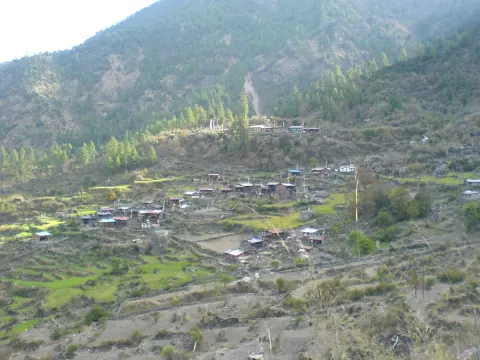
The Tamang Heritage Trail Trek is one of Nepal’s most culturally enriching and scenic trekking routes. Unlike the more crowded trails to Everest or Annapurna, this trek offers travelers an authentic glimpse into the Tamang community, one of Nepal’s indigenous ethnic groups. Stretching from Syabrubesi to Kyanjin Gompa, the trail winds through lush forests, terraced fields, traditional villages, and high-altitude landscapes, making it a perfect blend of cultural immersion and natural beauty. Trekkers can experience centuries-old Buddhist monasteries, prayer flags fluttering in the wind, and the warm hospitality of local Tamang households.The trail is well-known for its moderate altitude gain, starting around 1,350 meters in Kathmandu and gradually ascending to 3,870 meters at Kyanjin Gompa. The journey takes approximately 12 days, including a scenic drive to Syabrubesi, which allows trekkers to ease into the high-altitude environment. Along the route, trekkers pass through villages such as Gatlang, Tatopani, Thuman, Briddim, Lama Hotel, and Langtang Village, each offering unique insights into local customs, traditional architecture, and daily life.Highlights of the trek include:Experiencing authentic Tamang culture and traditions.Trekking through rhododendron and pine forests.Panoramic views of the Langtang Himalayan range.Visiting Kyanjin Gompa, a serene Buddhist monastery.Opportunity for short hikes to glaciers and peaks near Kyanjin.With Glacier Nepal Treks, you’ll have expert guides, responsible tourism practices, and a well-planned itinerary that balances adventure and comfort. This trek is ideal for travelers who wish to combine cultural exploration with Himalayan trekking.Best Season for Tamang Heritage Trail TrekThe Tamang Heritage Trail Trek can be undertaken throughout the year, but certain seasons provide the best trekking experience. Autumn (September to November) is considered the most popular time. During this period, the weather is clear, the skies are bright, and the mountain views are spectacular. Daytime temperatures are moderate, perfect for trekking, while nights are cool, giving you a comfortable experience in teahouses and lodges.Spring (March to May) is another excellent time. The trail comes alive with colorful rhododendron blooms, and the wildlife in the forests becomes more visible. The warmer temperatures at lower altitudes allow trekkers to enjoy longer hikes without feeling fatigued. However, occasional pre-monsoon showers may occur.Winter (December to February) offers fewer crowds and peaceful trails, but trekkers should be prepared for cold nights, occasional snowfall, and icy paths at higher altitudes. Summer or the monsoon season (June to August) is generally not recommended due to heavy rainfall, slippery trails, and potential landslides, though it can be a beautiful time to see lush greenery for experienced trekkers.Seasonal highlights:Autumn: Clear skies, panoramic mountain views, and cultural festivals.Spring: Blooming rhododendrons and vibrant local culture.Winter: Quiet trails, snow-covered landscapes, and serene Himalayan vistas.Monsoon: Lush greenery but slippery trails and heavy rain risks.Choosing the right season ensures safety, comfort, and the best visual experience during your Tamang Heritage Trail Trek with Glacier Nepal Treks.Tamang Heritage Trail Trek Difficulty and TransportationThe Tamang Heritage Trail Trek is categorized as moderate difficulty, making it suitable for both beginners and seasoned trekkers with reasonable fitness. The trek involves gradual altitude gain, with the highest point being Kyanjin Gompa at 3,870 meters, which usually does not require special acclimatization beyond normal trekking precautions. Daily walking hours range from 4 to 7 hours, allowing trekkers to move at a comfortable pace while enjoying scenic stops along the way.The terrain is a mix of well-trodden trails, stone paths, and forested tracks, with occasional steep sections near mountain ridges or village approaches. Trekkers must be prepared for varying conditions: muddy trails during rain, rocky paths, and occasional river crossings. Proper footwear, trekking poles, and layered clothing are recommended to ensure comfort and safety.Transportation logistics:Day 1 starts with arrival in Kathmandu, Nepal’s bustling capital.Day 2 involves a 7–8-hour scenic drive to Syabrubesi, the starting point of the trek.Return to Kathmandu is also by road, offering a chance to see beautiful valleys, terraced farmlands, and Himalayan foothills.Key points:Moderate difficulty, suitable for trekkers with average fitness.Daily walking 4–7 hours with breaks for meals and photography.Gradual altitude gain reduces risk of altitude sickness.Accessible via road transport from Kathmandu to trailhead and back.With Glacier Nepal Treks, transportation is well-organized, and guides provide detailed acclimatization advice to make your trekking experience smooth, safe, and memorable.Food and Accommodation for Tamang Heritage Trail TrekThe Tamang Heritage Trail Trek offers comfortable yet authentic trekking accommodations in the form of teahouses and lodges. These local establishments provide warm hospitality, cozy rooms, and a chance to immerse yourself in the culture of each village you pass. Most teahouses have basic amenities like a bed with blankets, shared bathrooms, and a dining area, but higher altitude lodges near Langtang and Kyanjin Gompa may be more rustic.Food along the trail is fresh, homemade, and nutritious, catering to both local tastes and international travelers. Traditional Nepali meals such as dal bhat (rice and lentils), momo (dumplings), noodles, and vegetable curries are widely available. Tea, coffee, and local snacks help trekkers maintain energy during long walking hours. For those with dietary preferences, vegetarian and limited vegan options are generally available, though it is best to communicate these in advance with your guide.Food and lodging highlights:Daily meals include breakfast, lunch, and dinner, with locally sourced ingredients.Traditional Nepali dishes provide cultural immersion along the trek.Warm teahouses with friendly local hosts.Optional hot showers at some higher-altitude lodges.Cozy rooms for rest and acclimatization before higher altitude days.Glacier Nepal Treks ensures trekkers enjoy both comfort and authenticity, balancing Himalayan adventure with cultural immersion, making each night a relaxing reward after a day of trekking.Tamang Heritage Trail Trek PermitsBefore starting the trek, all trekkers must obtain the necessary permits to comply with Nepalese regulations. These permits ensure safety, environmental protection, and the preservation of cultural heritage along the trail. The main permits for the Tamang Heritage Trail are:TIMS Card (Trekker’s Information Management System): Required for all independent trekkers in Nepal. Glacier Nepal Treks assists with TIMS issuance, which helps track trekkers and enhances safety in case of emergencies.Langtang National Park Permit: Since the trail passes through protected areas, this permit is mandatory. Fees contribute to park conservation and local community support.Permit highlights:Required for legal trekking and entry into protected zones.Fees support environmental conservation and local communities.Glacier Nepal Treks handles permit arrangements for hassle-free trekking.Carry a copy of your passport for verification during permit registration.Obtaining permits in advance or through a trusted company like Glacier Nepal Treks ensures smooth travel, avoids fines, and supports sustainable tourism, making your trek safer and more responsible.Why Choose Tamang Heritage Trail TrekThe Tamang Heritage Trail Trek is a unique combination of culture, nature, and adventure. Unlike other crowded Himalayan routes, this trek offers tranquil trails, authentic village life, and immersive cultural experiences. It is perfect for travelers who want more than just mountain views they want stories, traditions, and personal interactions with local communities.Reasons to choose this trek:Explore Tamang villages and learn about their history, festivals, and crafts.Witness panoramic views of the Langtang and Ganesh Himal ranges.Moderate difficulty makes it accessible to beginners and intermediate trekkers.Well-maintained trails and teahouses ensure comfort without sacrificing authenticity.Glacier Nepal Treks provides experienced guides, safe accommodations, and logistical support.Opportunity for short glacier hikes and Buddhist monastery visits.Choosing the Tamang Heritage Trail with Glacier Nepal Treks means a responsibly organized trek with cultural insights, natural beauty, and personal attention, making it a truly memorable Himalayan adventure. Whether you’re a first-time trekker or a seasoned traveler, this trek is an ideal way to explore Nepal’s mountains, forests, and vibrant communities while experiencing the warmth of the Tamang people.
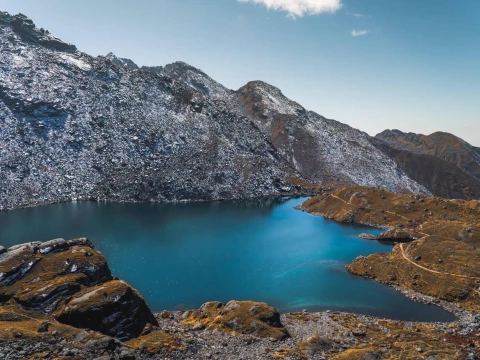
The Langtang Gosaikunda Trek is one of Nepal’s most iconic trekking routes, offering a perfect blend of natural beauty, cultural heritage, and spiritual exploration. Starting from the bustling capital of Kathmandu, trekkers pass through lush forests, traditional villages, and high alpine landscapes, eventually reaching the sacred Gosaikunda Lake, which holds immense religious significance for Hindus and Buddhists alike. This trek is ideal for adventurers seeking a less crowded alternative to the Everest and Annapurna regions while still experiencing dramatic Himalayan scenery.The trail combines the serene Langtang Valley, dotted with rustic villages like Lama Hotel, Langtang Village, and Kyanjin Gompa, with the challenging high-altitude adventure to Gosaikunda Lake, situated at 4,380 meters. Along the way, trekkers witness diverse flora and fauna, stunning views of peaks such as Langtang Lirung, and the vibrant lifestyle of Tamang communities. This trek typically takes around 12–14 days, making it suitable for those with moderate trekking experience and a love for immersive cultural and natural experiences.Panoramic views of Langtang Lirung and Ganesh HimalSacred alpine lakes like GosaikundaTraditional Tamang villages and monasteriesDay hike to Tserko Ri for stunning sunrise viewsBest Season for Langtang Gosaikunda TrekThe best time to trek in the Langtang Gosaikunda region is during spring (March to May) and autumn (September to November). Spring brings vibrant rhododendron blooms, clear skies, and pleasant temperatures, creating perfect trekking conditions. Autumn, on the other hand, offers crisp air, excellent visibility of the Himalayan peaks, and a festive atmosphere in local villages.Winter treks (December to February) are possible but challenging due to snow-covered trails, especially near Gosaikunda. Monsoon season (June to August) is generally avoided because of heavy rainfall, landslides, and leeches along lower trails. Choosing the right season ensures safety, better weather, and more enjoyable trekking experiences.Seasonal Highlights:Spring: Blooming rhododendrons and mild weatherAutumn: Clear skies and panoramic Himalayan viewsWinter: Snow-covered landscapes for experienced trekkersMonsoon: Lush greenery but slippery trailsLangtang Gosaikunda Trek Difficulty and TransportationThe trek is considered moderate to challenging, depending on your fitness level and altitude experience. Daily treks range from 4 to 7 hours with gradual ascents, except for day hikes to high-altitude peaks like Tserko Ri (5,000m) or the climb to Gosaikunda Lake (4,380m). Acclimatization days are crucial to avoid altitude sickness, especially around Kyanjin Gompa and Gosaikunda.Transportation is convenient with a private vehicle or tourist bus from Kathmandu to starting points like Syabrubesi. Roads are partially paved and scenic, offering views of rivers, terraced fields, and rural villages. Returning to Kathmandu after the trek is typically via road, which allows trekkers to rest and enjoy local scenery before heading home.Transportation Highlights:Drive from Kathmandu to Syabrubesi (5–6 hours)Local jeeps or buses for Dhunche-Kathmandu returnShort daily trekking distances with gradual elevation gainEssential acclimatization at high-altitude stopsFood and Accommodation for Langtang Gosaikunda TrekAlong the Langtang Gosaikunda Trek, accommodation mainly consists of teahouses and lodges, offering basic but comfortable rooms with shared or private bathrooms. These lodges provide warmth, a cozy resting place, and a chance to interact with local families. In Kyanjin Gompa and near Gosaikunda, lodges are more basic, and trekkers may need sleeping bags during colder nights. Food along the trek is simple but nutritious, often including Dal Bhat (lentil rice), noodles, soups, pancakes, and local Tibetan dishes like momo (dumplings). Hot beverages like tea and coffee are widely available, keeping trekkers energized in the chilly mountain climate. Glacier Nepal Treks ensures trekkers have access to well-maintained accommodation and quality meals throughout the journey.Food & Stay Highlights:Teahouses with basic rooms and beddingTraditional Nepali and Tibetan cuisineHot meals and beverages for energy at high altitudesLocal hospitality and cultural immersionLangtang Gosaikunda Trek PermitsTo trek in the Langtang and Gosaikunda region, you must obtain the following permits:Langtang National Park Permit (LNP): Required for all trekkers entering Langtang Valley.TIMS Card (Trekkers’ Information Management System): Mandatory for trekking safety and tracking.Permits can be obtained in Kathmandu before the trek or at the park entrance in Syabrubesi. Glacier Nepal Treks provides assistance in securing all necessary permits, ensuring a hassle-free start to your trekking adventure. Proper permits are essential for environmental conservation and legal access to these protected regions.Permit Highlights:Langtang National Park Permit for park accessTIMS Card for trekking registrationGlacier Nepal Treks handles documentationWhy Choose Langtang Gosaikunda TrekChoosing the Langtang Gosaikunda Trek with Glacier Nepal Treks guarantees a balance of adventure, culture, and safety. This trek is perfect for travelers seeking a mix of natural beauty, serene alpine lakes, and authentic village life, away from overcrowded trails. Glacier Nepal Treks provides experienced guides, porters, and full logistical support, ensuring a smooth, enjoyable, and memorable experience.Additionally, the trek is highly rewarding, offering stunning high-altitude panoramas, religiously significant sites like Gosaikunda Lake, and cultural interaction with the Tamang and Sherpa communities. This combination of adventure, culture, and comfort makes it one of the most cherished trekking experiences in Nepal.Reasons to Choose:Experienced guides and well-organized logisticsAccess to less crowded and scenic trailsAuthentic cultural experiences with local communitiesSafe trekking with acclimatization and support
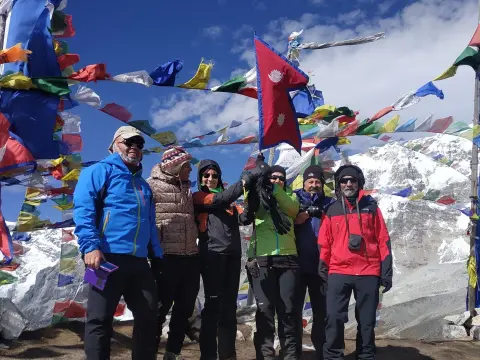
The Langtang Valley Yoga Trek, organized by Glacier Nepal Treks, is a unique Himalayan adventure that combines the physical challenge of trekking with the mental and spiritual benefits of yoga. Nestled in the Langtang region of Nepal, this trek takes you through pristine valleys, dense forests, and traditional Tamang and Sherpa villages, offering both natural beauty and cultural immersion. Unlike many high-altitude treks, this journey is accessible yet rewarding, making it suitable for beginners and experienced trekkers alike. Daily yoga sessions amidst breathtaking landscapes provide a chance to reconnect with your body, mind, and the serene surroundings of the Himalayas.The trek begins in Kathmandu, followed by a scenic drive to Syabrubesi, the trailhead of the Langtang Valley. From here, you ascend gradually through forested valleys and traditional villages like Lama Hotel, Langtang Village, and Kyangjin Gompa. Highlights include panoramic views from Tserko Ri, encounters with glaciers, and the chance to explore local monasteries (Gompas). Each day is designed to balance trekking and yoga, allowing your body to acclimatize and your mind to rejuvenate. Key features include:Trekking through the Langtang Khola ValleyExperiencing traditional Tamang and Sherpa cultureYoga and meditation sessions in natural Himalayan settingsStunning views of Langtang Lirung, Ganesh Himal, and Annapurna rangesOpportunities to witness glaciers, waterfalls, and alpine meadowsThis trek is not just about walking; it is a journey of self-discovery. With the guidance of Glacier Nepal Treks, trekkers receive support in planning, acclimatization, and cultural understanding, ensuring both safety and enjoyment. Whether you are seeking adventure, wellness, or a blend of both, the Langtang Valley Yoga Trek offers a holistic Himalayan experience.Best Season for Langtang Valley Yoga TrekTiming is crucial for trekking in the Langtang Valley, as the region experiences distinct seasonal variations. The best seasons for the Langtang Valley Yoga Trek are spring (March to May) and autumn (September to November).In spring, the valley comes alive with blooming rhododendrons and vibrant alpine flowers, creating a colorful landscape ideal for photography and meditation. Weather conditions are mild, with clear skies that offer panoramic mountain views. Temperatures are moderate, making trekking comfortable while practicing yoga outdoors. Spring is also a season of festivals in Nepal, allowing trekkers to experience local culture and traditions along the route.In autumn, the weather is stable, and visibility is excellent, providing clear views of towering Himalayan peaks. The post-monsoon environment ensures lush green landscapes, flowing rivers, and vibrant wildlife sightings. Days are warm, but nights can be chilly, especially at higher altitudes like Kyangjin Gompa and Tserko Ri. Trekking in winter (December–February) is possible but comes with challenges such as snow, cold temperatures, and occasional trail closures, while summer (June–August) is best avoided due to heavy monsoon rains and landslide risks.Season highlights at a glance:Spring (Mar–May): Blooming flowers, moderate temperatures, festival seasonAutumn (Sep–Nov): Clear skies, excellent visibility, lush green landscapesWinter (Dec–Feb): Cold, snow at high altitudes, fewer trekkersMonsoon (Jun–Aug): Heavy rainfall, slippery trails, landslide risksChoosing the right season ensures safety, better acclimatization, and a more enjoyable yoga trekking experience.Langtang Valley Yoga Trek Difficulty and TransportationThe Langtang Valley Yoga Trek is classified as moderate difficulty, making it suitable for trekkers with basic fitness levels. While the trek does involve ascending to high altitudes, it allows for gradual acclimatization. Daily trekking distances range from 4 to 8 hours, with well-marked trails passing through forests, rivers, and alpine meadows. The highest point, Tserko Ri (4,985m/16,350ft), offers a panoramic view but requires moderate climbing and stamina.The trek is designed to balance physical activity with rest and yoga practice. Acclimatization days, such as the hike to Tserko Ri from Kyangjin Gompa, help prevent altitude sickness and enhance endurance. Trekkers can expect some steep ascents, suspension bridges over rivers, and rocky paths, but no technical climbing equipment is needed. Daily yoga sessions are adapted to the altitude and physical conditions, ensuring safety and relaxation.Transportation to the trailhead is convenient, with a scenic drive from Kathmandu to Syabrubesi (7–8 hours). Private vehicles arranged by Glacier Nepal Treks ensure comfort and flexibility. Upon completion, the trek concludes with a return drive to Kathmandu. Key points about difficulty and transport include:Moderate difficulty with gradual ascents and descentsTrekking duration: 4–8 hours per dayHighest altitude: Tserko Ri – 4,985mNo technical climbing requiredPrivate vehicle transport from Kathmandu to Syabrubesi and backScenic road journey with views of the Himalayan ranges and rural NepalThis combination of manageable trekking distances, proper acclimatization, and guided transport makes the Langtang Valley Yoga Trek accessible without compromising adventure.Food and Accommodation for Langtang Valley Yoga TrekDuring the Langtang Valley Yoga Trek, Glacier Nepal Treks ensures that trekkers enjoy both comfort and traditional local experiences. Accommodation is primarily in tea houses and lodges, which provide cozy rooms with basic amenities. While facilities may be simple, the focus is on clean and warm accommodations that allow trekkers to rest and rejuvenate after a day on the trail. Higher altitude stops like Kyangjin Gompa offer more limited options, but lodges still provide hot meals, warm bedding, and communal spaces to meet fellow trekkers.Food along the trek is a mix of local and familiar dishes, catering to both Nepali flavors and international tastes. Traditional meals include dal bhat (lentil soup with rice), momo (dumplings), noodles, and vegetable curries. Breakfasts are usually light and energizing, while dinners are hearty to replenish calories lost during trekking. Tea, coffee, and other beverages are readily available. Vegetarian options are widely accessible, and special dietary needs can be accommodated with prior notice.Highlights of food and accommodation:Comfortable lodges and tea houses in villages like Lama Hotel, Langtang Village, and Kyangjin GompaClean rooms with shared or private bathroomsHot showers at select lodges (higher altitudes may be limited)Nutritious meals: Nepali and international cuisineLocal specialties: dal bhat, momo, and herbal teasCommunal spaces for relaxation and yoga practiceThe combination of simple yet comfortable lodges and nourishing meals ensures trekkers remain energized and relaxed throughout the journey.Langtang Valley Yoga Trek PermitsTrekking in the Langtang region requires specific permits to ensure safety, conservation, and legal compliance. Glacier Nepal Treks facilitates all necessary paperwork, making the process smooth for trekkers. The key permits include the Langtang National Park Entry Permit (TIMS) and, in some cases, special trekking permits for restricted areas.The Trekkers’ Information Management System (TIMS) card is essential for all Nepalese treks. It helps monitor trekkers and ensures safety in case of emergencies. Langtang National Park, established to protect the unique biodiversity of the region, requires an entry fee, which contributes to conservation efforts and the welfare of local communities. Permits are typically verified at the park entrance and checkpoints along the trek. Carrying permits at all times is mandatory, as park officials and local authorities may request them.Permit highlights:TIMS Card: Required for all trekkers; managed by Glacier Nepal TreksLangtang National Park Entry Permit: Mandatory for entering the protected areaFees contribute to park conservation and local communitiesPermit arrangements are handled by the trekking companyEasy to obtain with prior coordinationBy organizing permits beforehand, Glacier Nepal Treks ensures a hassle-free trekking experience, allowing you to focus on the journey, yoga, and Himalayan exploration.Why Choose Langtang Valley Yoga Trek with Glacier Nepal TreksChoosing Glacier Nepal Treks for your Langtang Valley Yoga Trek guarantees a combination of expertise, safety, and personalized service. As a reputable trekking company, Glacier Nepal Treks has extensive experience in guiding treks in the Langtang region and other Himalayan destinations. Their trained guides provide cultural insights, altitude acclimatization strategies, and yoga instructions, ensuring a holistic trekking experience.The company emphasizes safety, well-being, and environmental responsibility. Trekkers benefit from carefully planned itineraries, comfortable accommodations, nutritious meals, and logistical support throughout the journey. Additionally, Glacier Nepal Treks promotes responsible tourism by supporting local communities and preserving the natural beauty of the Langtang Valley. Choosing them ensures peace of mind, whether you are an experienced trekker or new to Himalayan adventures.Reasons to choose Glacier Nepal Treks:Experienced guides with knowledge of Langtang and Himalayan trailsHolistic itineraries combining trekking, yoga, and cultural immersionEmphasis on safety, acclimatization, and wellnessComfortable lodges, nutritious meals, and logistical supportEnvironmentally responsible and community-focused practicesPersonalized attention and flexible arrangementsBy trekking with Glacier Nepal Treks, you embark on a journey that nourishes body, mind, and soul, leaving you with unforgettable memories of the Himalayas.


 (31)
(31)  94% recommend (244)
 (12)
(12)