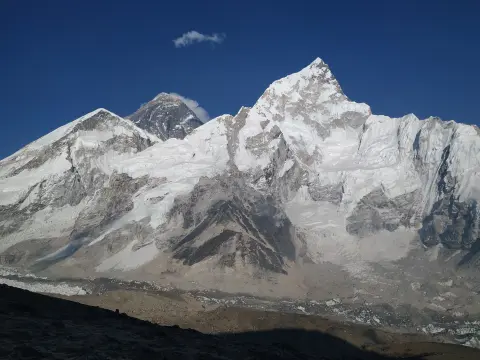
The Everest Base Camp Trek is one of the most iconic trekking adventures in the world, offering an extraordinary combination of awe-inspiring mountain landscapes, rich Himalayan culture, and a rewarding physical challenge. Operated by Glacier Nepal Treks, this trek takes adventurers into the heart of the Khumbu region, home to Mount Everest, the world’s highest peak at 8,848 meters, and the legendary Sherpa communities who have preserved centuries of tradition and mountaineering expertise.The journey begins with a thrilling 40-minute flight from Kathmandu to Lukla, often considered one of the most exhilarating short flights in the world. From Lukla, trekkers follow scenic trails that wind through rhododendron forests, across suspension bridges adorned with colorful prayer flags, and past ancient monasteries. The route passes through the UNESCO World Heritage Site of Sagarmatha National Park, where dramatic peaks, deep valleys, glaciers, and alpine wildlife create a spectacular backdrop for every step of the trek.Careful acclimatization is built into the itinerary, with days in Namche Bazaar and Dingboche allowing trekkers to adjust to increasing altitudes while exploring local culture, traditional markets, and spectacular viewpoints. The trek’s highlight is reaching Everest Base Camp (5,364m), where climbers launch their expeditions to the summit. A sunrise hike to Kala Patthar (5,545m) offers some of the most breathtaking panoramic views of Everest, Lhotse, Nuptse, and Ama Dablam, a photographer’s dream.Glacier Nepal Treks ensures a well-organized experience with experienced guides, trained local staff, and comfortable teahouse accommodations. This trek is designed for individuals with good physical fitness and a sense of adventure, providing a safe and unforgettable Himalayan experience. With the combination of natural beauty, cultural richness, and personal achievement, the Everest Base Camp Trek is truly a once-in-a-lifetime journey.Flight from Kathmandu to Lukla, one of the world’s most scenic flights.Trek through Sagarmatha National Park, a UNESCO World Heritage Site.Acclimatization days at Namche Bazaar and Dingboche.Visit historical monasteries like Tengboche and Pangboche.Everest Base Camp (5,364m) and sunrise at Kala Patthar (5,545m).Rich Sherpa culture, traditional villages, and Himalayan wildlife.Best Season for Everest Base Camp TrekThe best time to trek to Everest Base Camp is during spring (March to May) and autumn (late September to November). These seasons are ideal because the weather is stable, the skies are clear, and the mountain views are spectacular. During spring, rhododendrons bloom along the trails, adding vibrant colors to the landscape. Trekkers also enjoy moderate temperatures, making walking at high altitudes more comfortable. Spring is particularly popular among photographers, as clear skies often offer unobstructed views of Everest and surrounding peaks.Autumn is considered the most favorable trekking season overall. After the monsoon, the air is crisp and clean, the weather is predictable, and panoramic mountain vistas are at their finest. Local festivals during autumn allow trekkers to experience authentic Sherpa culture, including traditional dances, prayer ceremonies, and community gatherings. While winter treks are possible, they involve extremely cold temperatures and some lodges may be closed. The monsoon season (June to August) is generally avoided due to heavy rain, slippery trails, and high risk of landslides.Best season highlights:Spring (Mar–May): Blooming rhododendrons, moderate temperaturesAutumn (Sep–Nov): Clear skies, panoramic mountain views, local festivalsWinter (Dec–Feb): Cold, limited facilities, quieter trailsMonsoon (Jun–Aug): Avoided due to rain and landslidesEverest Base Camp Trek Difficulty and TransportationThe Everest Base Camp Trek is considered moderate to challenging. While no technical climbing experience is needed, trekkers should have good physical fitness and stamina. The main challenges include long trekking days of 5–8 hours, steep and rocky trails, and high altitude conditions above 5,000 meters. Glacier Nepal Treks incorporates acclimatization days in key locations like Namche Bazaar and Dingboche to minimize the risk of altitude sickness. Proper pacing, hydration, and professional guidance make the trek accessible to fit and prepared individuals.Transportation during the trek includes:Flight from Kathmandu to Lukla: A scenic 40-minute journey, often regarded as one of the most exciting airports in the world.Trekking on foot: The main mode of travel, following historic trails that pass through valleys, suspension bridges, and villages.Return flight from Lukla to Kathmandu: Offers relaxing aerial views of the Himalayas after the trek.Difficulty and transport highlights:Moderate to challenging trek, suitable for fit trekkersHigh-altitude trekking above 5,000 metersLong walking days with gradual acclimatizationSafe, guided trekking with experienced local staffAdventure begins and ends with thrilling Lukla flightsFood and Accommodation for Everest Base Camp TrekAccommodation along the Everest Base Camp Trek is primarily in teahouses, small family-run lodges that provide warmth, meals, and a chance to connect with locals. Glacier Nepal Treks ensures that all accommodations are safe, clean, and comfortable. Teahouses vary from basic rooms with shared bathrooms to more modern facilities with private rooms and hot showers at lower altitudes. Higher elevations may have simpler lodges due to the remote environment.Food options on the trek include traditional Nepali dishes such as dal bhat (lentils with rice), momos (dumplings), and soups, as well as simple Western dishes like noodles, pasta, and toast. Tea, coffee, and hot chocolate are widely available, though prices increase with altitude. Trekkers are encouraged to eat balanced meals and drink plenty of water to maintain energy levels and support acclimatization.Food and accommodation highlights:Comfortable teahouses along the routeTraditional Nepali meals: dal bhat, momos, soupsWestern food available in most lodgesHot drinks and soups to cope with cold, high-altitude conditionsOpportunity to experience authentic Sherpa hospitalityEverest Base Camp Trek PermitsTrekking in the Everest region requires official permits to ensure safety, conservation, and legal compliance. Glacier Nepal Treks assists trekkers in obtaining all necessary documents before the journey begins.The required permits include:Sagarmatha National Park Permit (SNP): Mandatory for all trekkers entering the park, supports conservation of the Himalayan ecosystem.Khumbu Pasang Lhamu Rural Municipality Permit (KPL): Required for travel in the Solu-Khumbu region, including Lukla, Namche Bazaar, and Everest Base Camp.Having permits ensures trekkers are registered, can legally access the trail, and contribute to local conservation and community efforts. Glacier Nepal Treks handles all paperwork to simplify the process, allowing trekkers to focus entirely on the adventure.Permits highlights:Sagarmatha National Park Permit (SNP)Khumbu Pasang Lhamu Rural Municipality Permit (KPL)Ensures legal, safe, and environmentally responsible trekkingAll paperwork handled by Glacier Nepal TreksWhy Choose Everest Base Camp TrekThe Everest Base Camp Trek is more than a journey it’s a transformative experience that combines adventure, culture, and nature. Choosing Glacier Nepal Treks ensures trekkers enjoy a professional, safe, and well-organized trip. The trek provides breathtaking views of Everest, Lhotse, Nuptse, Ama Dablam, and other Himalayan peaks while offering insight into Sherpa life and traditions.Glacier Nepal Treks emphasizes safety, comfort, and cultural immersion. Experienced guides and trained staff prioritize acclimatization, proper trekking pace, and emergency preparedness. Comfortable teahouse accommodations, organized meals, and reliable transportation make the trek accessible and enjoyable. Walking the historic trails used by legendary mountaineers adds a sense of connection to Everest’s rich history.Why choose Glacier Nepal Treks highlights:Professional guides and trained local staff for safetyWell-organized logistics and comfortable teahouse staysAuthentic cultural experiences in Sherpa villagesStunning Himalayan scenery and close-up views of EverestTrekking along the historic paths of famous mountaineersLife-changing adventure combining challenge, culture, and nature
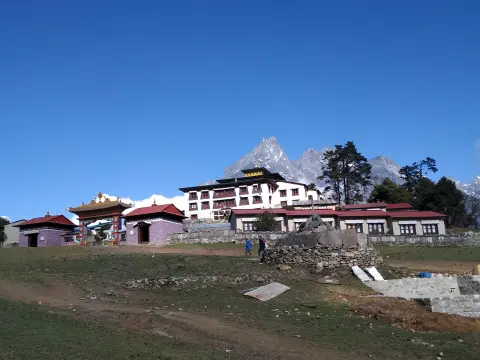
The Everest Panorama Trek is a rewarding short trek in the Everest region, ideal for travelers who want to experience the Himalayan magic without the physical demands of reaching Everest Base Camp. Designed around comfort, acclimatization, and cultural immersion, this trek follows the classic trail to Namche Bazaar and Tengboche, offering breathtaking views of Mount Everest (8,848m), Ama Dablam, Lhotse, and Thamserku.Starting with a scenic flight from Kathmandu to Lukla, the trek passes through charming Sherpa villages, suspension bridges draped with prayer flags, and lush rhododendron forests. A key highlight is the visit to Tengboche Monastery, the spiritual heart of the Khumbu region, set against a dramatic Himalayan backdrop. With well-paced trekking days and an acclimatization stop in Namche Bazaar, this itinerary is perfect for beginners, families, and trekkers with limited time.Glacier Nepal Treks carefully organizes each day to balance adventure, safety, and local experiences, ensuring trekkers enjoy both nature and Sherpa culture at a relaxed pace.Spectacular Everest and Himalayan panoramaCultural exploration of Namche BazaarVisit to Tengboche MonasteryShort and well-paced trekking itineraryBest Season for Everest Panorama TrekThe best seasons for the Everest Panorama Trek are spring (March to May) and autumn (September to November). During these months, weather conditions are stable, skies are clear, and mountain views are at their best. Spring brings blooming rhododendron forests and mild temperatures, making the trail colorful and lively.Autumn is considered the peak trekking season due to crisp air, excellent visibility, and comfortable daytime temperatures. This period also coincides with major Nepali festivals like Dashain and Tihar, adding cultural richness to the journey. Flights to Lukla are more reliable during these seasons, reducing travel disruptions.Winter treks (December to February) are possible but colder, especially in the mornings and evenings, while monsoon season (June to August) brings rain and cloudy conditions, limiting mountain views. Glacier Nepal Treks recommends spring and autumn for the safest and most scenic experience.Best Time Summary:Spring: Clear skies, flowers, mild temperaturesAutumn: Best visibility, stable weatherWinter: Cold but quiet trailsMonsoon: Lush scenery but limited viewsEverest Panorama Trek Difficulty and TransportationThe Everest Panorama Trek is rated easy to moderate, making it suitable for trekkers with basic fitness levels. Daily walking hours range from 3 to 6 hours, with gradual altitude gain and a dedicated acclimatization day in Namche Bazaar. The highest point reached is Tengboche (3,867m), significantly reducing the risk of altitude sickness compared to longer Everest treks.No technical climbing skills are required, and the trails are well-maintained. Regular rest stops and slow ascent ensure comfort and safety. Glacier Nepal Treks provides experienced guides who monitor health conditions and adjust pacing as needed.Transportation includes a domestic flight from Kathmandu to Lukla, one of the world’s most scenic mountain flights. All ground transfers and return flights are arranged in advance for a smooth travel experience.Difficulty & Transport Notes:Suitable for beginners and familiesMax altitude: 3,867mFlight: Kathmandu–Lukla–KathmanduGuided and well-supported trekFood and Accommodation for Everest Panorama TrekDuring the Everest Panorama Trek, trekkers stay in comfortable mountain teahouses that provide basic yet cozy lodging. Rooms are usually twin-shared with warm blankets, and common dining areas are heated with traditional stoves. In Namche Bazaar, accommodation standards are slightly higher, with access to hot showers and bakeries.Meals are freshly prepared and surprisingly varied, considering the remote location. Popular options include Dal Bhat (rice, lentils, vegetables), noodles, soups, pasta, potatoes, and eggs. Breakfast typically consists of porridge, toast, pancakes, or eggs. Glacier Nepal Treks prioritizes hygiene and selects reliable teahouses to ensure food safety and comfort.Although luxury is limited at higher altitudes, the warmth of Sherpa hospitality and mountain views more than compensate.Food & Stay Overview:Teahouse accommodation throughoutNutritious and energy-rich mealsVegetarian-friendly options availableHigher comfort in Namche BazaarEverest Panorama Trek PermitsTo trek in the Everest region, trekkers need two mandatory permits: the Sagarmatha National Park Entry Permit and the Khumbu Pasang Lhamu Rural Municipality Permit. These permits help support conservation efforts and local infrastructure in the Everest region.The permit process is straightforward, and Glacier Nepal Treks handles all paperwork on behalf of trekkers, allowing you to focus entirely on the journey. Permits are checked at multiple points along the trail, so proper documentation is essential.No TIMS card is required for this region, simplifying the process further. All permits are arranged before entering the trekking area to ensure a hassle-free experience.Required Permits:Sagarmatha National Park PermitKhumbu Rural Municipality PermitArranged by Glacier Nepal TreksNo TIMS card neededWhy Choose Everest Panorama Trek with Glacier Nepal TreksChoosing the Everest Panorama Trek means experiencing the essence of the Everest region in a short, accessible, and rewarding format. It offers iconic mountain views, cultural depth, and safe altitude gain without the extreme physical demands of longer treks. This makes it ideal for first-time trekkers and those with limited holiday time.Glacier Nepal Treks stands out for its personalized service, experienced local guides, and strong commitment to safety and sustainability. The company ensures fair treatment of porters, eco-friendly practices, and authentic cultural interactions. With well-planned itineraries and transparent pricing, Glacier Nepal Treks delivers a smooth and memorable Himalayan adventure.Why Glacier Nepal Treks:Experienced local guides and staffFocus on safety and acclimatizationEthical and sustainable trekking practicesExcellent customer support and planning
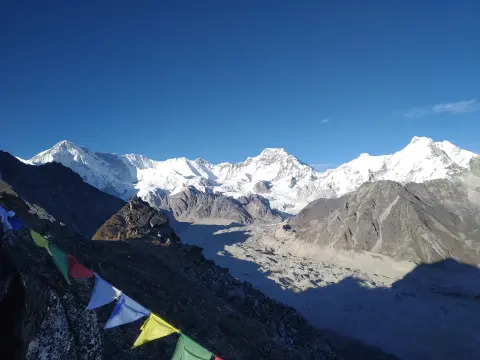
The Gokyo Lake Treks is one of the most scenic trekking routes in the Everest region of Nepal. Unlike the traditional Everest Base Camp trail, this trek takes you through serene valleys, rhododendron forests, suspension bridges, and picturesque Sherpa villages. The highlight of the trek is the Gokyo Lakes, a series of turquoise high-altitude glacial lakes nestled below the towering peaks of the Himalayas, including Cho Oyu (8,188m) and Ngozumpa Glacier, the largest glacier in Nepal.The trek usually starts with a scenic flight from Kathmandu to Lukla, followed by a gradual ascent through Phakding, Namche Bazaar, and other Sherpa settlements. Along the way, trekkers experience rich cultural interactions with local Sherpas, visit ancient monasteries, and enjoy panoramic views of Everest and surrounding peaks. The journey also includes acclimatization days, particularly in Namche Bazaar, to prevent altitude sickness and ensure a safe trekking experience.Stunning views of Gokyo Ri and the surrounding Himalayan peaksVisit to Ngozumpa GlacierExploration of traditional Sherpa villagesOpportunity for trekking beyond the usual Everest Base Camp routeGlacier Nepal Treks specializes in organizing this trek with well-planned itineraries, experienced guides, and safe travel arrangements to ensure every trekker enjoys a smooth and memorable adventure.Best Season for Gokyo Lake TrekThe Gokyo Lake Trek is accessible year-round, but the best seasons are autumn (September to November) and spring (March to May). During these periods, the weather is stable, the skies are clear, and the visibility of the Himalayan peaks is at its best. Autumn offers vibrant landscapes with minimal rainfall, while spring brings blooming rhododendrons and colorful alpine flora.Winter trekking (December to February) is possible but challenging due to heavy snowfall and cold temperatures, making some passes and trails risky. Summer (June to August) coincides with the monsoon season, bringing heavy rain and slippery trails, which can disrupt trekking schedules.Seasonal Highlights:Autumn (Sept–Nov): Clear skies, ideal trekking conditions, and excellent mountain viewsSpring (Mar–May): Blooming rhododendrons, moderate temperatures, and active trekking atmosphereWinter (Dec–Feb): Snow-covered landscapes for experienced trekkersMonsoon (Jun–Aug): Less recommended due to slippery trails and leechesChoosing the right season enhances both safety and the overall trekking experience, allowing trekkers to fully enjoy the natural beauty of the Gokyo region.Gokyo Lake Trek Difficulty and TransportationThe Gokyo Lake Trek is considered moderate to strenuous, suitable for individuals with reasonable fitness levels and some prior trekking experience. The route includes steep ascents, high-altitude passes, and long walking hours (up to 6–7 hours per day). Altitude sickness is a potential risk due to elevations exceeding 4,700 meters at Gokyo Ri, so proper acclimatization and gradual trekking are crucial.Transportation:Kathmandu to Lukla: 35-minute scenic flight; weather-dependentOn the trek: Walking is the primary mode; trails are well-markedReturn: Trek back to Lukla and fly to KathmanduDifficulty Key Points:Moderate to strenuous due to elevation gain and trekking hoursSteep inclines near Gokyo and Cho La Pass (if included)High-altitude trekking requires proper acclimatizationGlacier Nepal Treks ensures the use of experienced guides, pre-planned acclimatization days, and safe transport logistics to help trekkers manage difficulty efficiently.Food and Accommodation for Gokyo Lake TrekAccommodation along the Gokyo Lake Trek consists mainly of teahouses and lodges, which are simple but provide warm meals, clean rooms, and a comfortable place to rest. The facilities are basic compared to hotels in Kathmandu, but they are sufficient for a trekking experience at high altitudes.Food options are a mix of Nepali, Tibetan, and Western cuisine, including dal bhat (traditional lentil rice), noodles, soups, pancakes, and pasta. Vegetarians can easily find meals along the route. Tea and coffee are available, but it’s advisable to carry snacks for long trekking stretches.Food and Accommodation Highlights:Simple lodges and teahouses in each villageHot showers and Wi-Fi may be available in bigger villages (like Namche Bazaar)Local cuisine such as momo, dal bhat, noodles, and soupsPacked meals or snacks are recommended for long hiking daysGlacier Nepal Treks carefully selects comfortable lodges and provides trekking tips for staying healthy and well-nourished during the journey.Gokyo Lake Trek PermitsTrekking in the Everest region requires two main permits:Sagarmatha National Park Entry Permit (SNP) – mandatory for all trekkers in the parkKhumbu Pasang Lhamu Rural Municipality Permit (KPL)Trekkers’ Information Management System (TIMS) Card – ensures trekker registration and safetyPermit Details:SNP: Around USD 30–35 for foreign nationalsTIMS: USD 10–20 depending on nationalityCan be obtained in Kathmandu or LuklaGlacier Nepal Treks handles all permit arrangements, ensuring a hassle-free start to the trek and compliance with local regulations.Why Choose Gokyo Lake TrekThe Gokyo Lake Trek offers a less crowded, breathtaking alternative to the traditional Everest Base Camp route. Trekkers experience pristine glacial lakes, extraordinary panoramic views of Himalayan giants, and peaceful Sherpa settlements without the bustling tourist traffic of the main trail.Reasons to Choose This Trek with Glacier Nepal Treks:Expert local guides familiar with trails and cultureSafe and well-organized itinerary with proper acclimatizationEmphasis on authentic cultural experiencesHigh-quality food and lodging arrangementsOpportunity to explore Gokyo Ri and Ngozumpa GlacierThis trek perfectly combines adventure, nature, and culture, making it an unforgettable experience for trekkers of all levels.
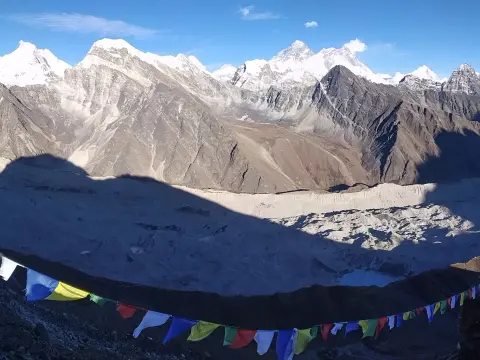
The Everest Base Camp Trek via Gokyo Lake is a remarkable journey through the heart of the Khumbu region, offering trekkers the chance to explore some of the most iconic landscapes in the Himalayas. Beginning with a scenic flight from Kathmandu to Lukla, the trail leads adventurers through picturesque villages, lush forests, and rugged mountain terrains. Unlike the classic Everest Base Camp trek, this route takes you through the Gokyo Valley, home to the stunning turquoise Gokyo Lakes, and includes the challenging Chola Pass (5,420m/17,782ft), providing an alternative high vantage point for panoramic views of Mount Everest, Cho Oyu, Lhotse, Makalu, Ama Dablam, Nuptse, and Pumori.The trek is a perfect combination of natural beauty, adventure, and cultural immersion. Trekkers will encounter Sherpa villages like Namche Bazaar, Dole, and Machhermo, offering insights into local customs and lifestyle. The trail passes through the Sagarmatha National Park, a UNESCO World Heritage Site, known for its rich flora, fauna, and breathtaking landscapes. Key highlights include witnessing the Khumbu Icefall from Gorak Shep, experiencing serene Gokyo Lake sunrise views, and reaching Kala Patthar, a vantage point providing an up-close perspective of Everest. With proper acclimatization, physical preparation, and the guidance of experienced trekking staff from Glacier Nepal Treks, adventurers can enjoy a safe and unforgettable Himalayan expedition.Scenic flight to Lukla with Himalayan viewsGokyo Lakes and Cho La Pass adventureEverest Base Camp and Kala Patthar trekCultural experiences in Sherpa villagesSagarmatha National Park biodiversityBest Season for Everest Base Camp Trek via Gokyo LakeThe trek can be undertaken almost year-round, but the best seasons are pre-monsoon (March to May) and post-monsoon (late September to November). During these periods, the weather is stable, skies are clear, and mountain vistas are at their most spectacular. Spring brings rhododendron blooms across the valleys, while autumn offers crisp air and colorful landscapes, making photography an absolute delight.Winter treks (December to February) are less crowded but can be extremely cold, especially at high altitudes like Gokyo and Chola Pass. Monsoon season (June to early September) is generally avoided due to slippery trails, landslides, and cloud-covered mountain views. Trekkers aiming for a balance of adventure and scenic beauty should plan their expedition in spring or autumn to maximize safety and visual reward.Season Overview:Spring (Mar–May): Blooming flora, moderate weather, clear skiesAutumn (Sep–Nov): Stable weather, excellent visibility, vibrant sceneryWinter (Dec–Feb): Cold, fewer crowds, snow-covered peaksMonsoon (Jun–Aug): Rainy, landslides, limited mountain viewsEverest Base Camp Trek via Gokyo Lake: Difficulty and TransportationThe Everest Base Camp via Gokyo Lakes is considered moderate to strenuous. The trek involves long days of walking, steep ascents, and high-altitude trekking over 5,000 meters, particularly at Chola Pass and Kala Patthar. It requires good cardiovascular fitness, endurance, and proper acclimatization to avoid altitude sickness.Transportation starts with a 30- to 40-minute scenic flight from Kathmandu to Lukla, offering thrilling aerial views of the Himalayas. From Lukla, trekkers proceed on foot through well-marked trails. Daily hikes range from 3–8 hours depending on the stage, altitude gain, and terrain. Porters and pack animals are often available to carry heavy luggage, and experienced guides from Glacier Nepal Treks. ensure a smooth journey.Difficulty & Transport Overview:Moderate to strenuous trekDaily trekking: 3–8 hoursHigh-altitude challenges (4,000–5,545m)Lukla flight for starting pointPorters and guides available for supportFood and Accommodation for Everest Base Camp Trek via Gokyo LakeAlong the trek, food and accommodation are primarily in teahouses, which are small lodges run by local families. These lodges offer basic rooms with twin beds, blankets, and shared bathrooms. At higher altitudes, facilities may be more rustic, but they provide the essential warmth and comfort needed for recovery.The cuisine mainly consists of Nepali dishes such as dal bhat (lentil soup with rice), momo (dumplings), noodles, soups, and occasional western food. Tea, coffee, and hot chocolate are widely available. Staying hydrated and consuming high-energy meals is crucial, especially as the trek ascends to high-altitude regions. Trekkers can rely on the support of Glacier Nepal Treks guides to recommend safe and nourishing food options along the route.Food & Accommodation Highlights:Teahouse accommodations with basic amenitiesNepali and some Western dishes are availableShared bathrooms, hot showers (at select lodges)Tea, coffee, and high-energy snacksEverest Base Camp Trek via Gokyo Lake PermitsTrekking in the Everest region requires official permits to ensure conservation and safety. The main permits include:Sagarmatha National Park Entry Permit: Mandatory for all trekkers to enter the park, ensuring protection of natural and cultural resources.Khumbu Pasang Lhamu Rural Municipality Permit: Required for villages along the Gokyo and Chola Pass route.TIMS Card (Trekkers’ Information Management System): Tracks all trekkers for safety and administrative purposes.Glacier Nepal Treks assists trekkers in obtaining these permits beforehand to ensure a hassle-free experience. Carrying permits at all times is mandatory, as park officials frequently check them at checkpoints along the trail.Permits Overview:Sagarmatha National Park PermitKhumbu Pasang Lhamu Rural Municipality PermitTIMS Card for trekking registrationWhy Choose Everest Base Camp Trek via Gokyo Lake with Glacier Nepal TreksChoosing Glacier Nepal Treks guarantees a professionally guided and well-organized expedition. Their team of experienced guides and porters ensures trekkers are safe, acclimatized, and supported throughout the journey. The company emphasizes personalized trekking experiences, small group sizes, and local cultural immersion while prioritizing environmental conservation.The EBC via Gokyo Lake trek with Glacier Nepal Treks offers:Customized itineraries for comfort and acclimatizationExpert guidance for high-altitude safety and challengesAssistance with permits, accommodations, and food arrangementsOpportunity to explore off-the-beaten-path trails and Gokyo LakesUnforgettable Himalayan landscapes and cultural experiencesBy trekking with Glacier Nepal Treks, adventurers can focus entirely on the thrill of the mountains, the beauty of the lakes, and the sense of accomplishment that comes with reaching Everest Base Camp and Kala Patthar through a scenic, culturally rich route.
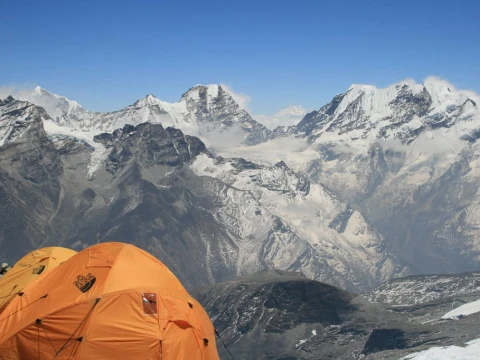
Mera Peak Climbing is one of Nepal’s most rewarding high-altitude adventures, offering an unforgettable Himalayan experience combined with cultural exploration and alpine climbing. Standing at 6,461 meters (21,199 ft), Mera Peak is the highest trekking peak in Nepal and is ideal for climbers who want to step into mountaineering without highly technical challenges. The journey begins in Kathmandu and gradually moves through remote valleys, traditional Sherpa villages, dense rhododendron forests, and high-altitude glaciers before reaching the summit.The climbing route via Paiya, Panggom, and Khare is less crowded than the classic route, making it perfect for trekkers seeking solitude and pristine landscapes. From the summit, climbers are rewarded with spectacular panoramic views of Everest, Lhotse, Makalu, Cho Oyu, and Kanchenjunga. Glacier Nepal Treks carefully designs this itinerary with proper acclimatization days, pre-climb training, and a reserve day to maximize summit success and safety.The highest trekking peak in NepalStunning views of five 8,000m peaksRemote and less crowded trekking routeIdeal for beginner mountaineersBest Season for Mera Peak ClimbingThe best seasons for Mera Peak Climbing are spring (March to May) and autumn (September to November). During spring, the weather is stable, the skies are clear, and the trekking trails are beautifully decorated with blooming rhododendrons. This season offers warmer temperatures at lower elevations and excellent summit conditions at higher altitudes.Autumn is another prime season due to its crystal-clear mountain views, dry trails, and stable weather patterns. After the monsoon, the landscapes are fresh and green, and visibility is at its best. Although winter climbing is possible, extreme cold and heavy snowfall make it more challenging. Monsoon season is generally not recommended due to flight delays and slippery trails.Best Months:March, April, MaySeptember, October, NovemberStable weather and clear visibilityMera Peak Climbing Difficulty and TransportationMera Peak is classified as a moderately difficult trekking peak, making it suitable for trekkers with good physical fitness and some high-altitude trekking experience. Technical climbing skills are not mandatory, but basic knowledge of crampons, ice axes, and rope techniques is required. Glacier Nepal Treks provides pre-climb training at Khare to ensure climbers are confident and prepared.Transportation plays a vital role in the adventure. The journey includes a scenic flight from Kathmandu to Lukla, one of the most thrilling mountain airports in the world. From Lukla, the trek progresses gradually through remote regions, allowing climbers to acclimatize properly before summit day.Difficulty Factors:High altitude and long trekking daysGlacier walking and snow climbingRequires good stamina and mental strengthFood and Accommodation for Mera Peak ClimbingDuring the trek, accommodation is provided in local teahouses and lodges, offering basic but comfortable facilities. Rooms are usually twin-sharing with shared bathrooms at lower elevations. At higher camps, especially Mera High Camp, accommodation is in well-equipped tents managed by Glacier Nepal Treks’s experienced climbing crew.Meals are nutritious and designed to maintain energy levels at high altitude. Trekkers can enjoy traditional Nepali food such as dal bhat, as well as international options like pasta, noodles, soup, potatoes, eggs, and porridge. Special hygienic care is taken during food preparation, especially at higher altitudes.Food & Stay Features:Clean teahouses during trekTent camping at High CampHigh-energy and hygienic mealsMera Peak Climbing PermitsMera Peak Climbing requires several official permits regulated by the Nepal Government and Nepal Mountaineering Association (NMA). Glacier Nepal Treks arranges all necessary permits, ensuring a hassle-free experience for climbers. These permits help conserve the environment and support local communities. Required permits include the Mera Peak Climbing Permit, Makalu Barun National Park Permit, and TIMS Card. Permit costs vary depending on the season, with spring being the most expensive and winter the least.Required Permits:NMA Mera Peak Climbing PermitMakalu Barun National Park PermitTIMS CardWhy Choose Mera Peak Climbing with Glacier Nepal TreksChoosing Glacier Nepal Treks for your Mera Peak Climbing adventure means choosing safety, experience, and personalized service. Our team consists of highly experienced, government-licensed guides and climbing Sherpas who have successfully summited Mera Peak multiple times. We prioritize acclimatization, safety protocols, and proper logistics to ensure a successful and enjoyable climb.Glacier Nepal Treks is committed to responsible tourism, fair treatment of staff, and customer satisfaction. From airport pickup to final departure, every detail is professionally managed, allowing you to focus entirely on your adventure and achievement.Why Glacier Nepal Treks:Experienced climbing guides and SherpasHigh summit success ratePersonalized and flexible itinerariesStrong focus on safety and acclimatization
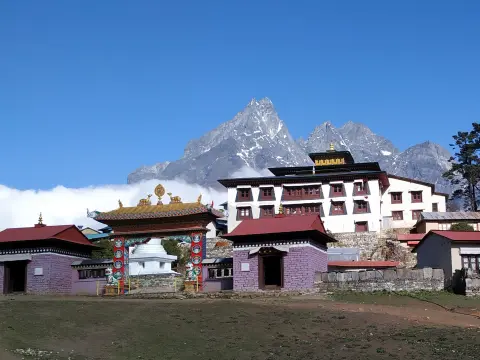
The Everest Panorama Yoga Trek offered by Glacier Nepal Treks is a unique journey combining the thrill of trekking in the Everest region with wellness-focused yoga practices. Unlike standard Everest Base Camp treks, this itinerary emphasizes mindful movement, meditation, and rejuvenation amidst the Himalayan landscape. Starting from Kathmandu, the trek covers scenic flights, picturesque villages, suspension bridges, rivers, and iconic Sherpa settlements. Key highlights include Namche Bazaar, Tengboche Monastery, and multiple viewpoints offering panoramic views of Everest, Lhotse, Ama Dablam, Nuptse, and other Himalayan giants. Along the trek, participants enjoy daily yoga sessions designed to aid acclimatization, reduce muscle tension, and enhance flexibility. The trek’s moderate pace allows for cultural immersion, including interaction with Sherpa communities, visiting local monasteries, and exploring traditional markets. This combination of adventure and wellness makes the Everest Panorama Yoga Trek ideal for travelers seeking spiritual, cultural, and physical enrichment in one transformative journey.Scenic flights between Kathmandu and LuklaPanoramic views of Everest, Lhotse, Ama Dablam, NuptseAcclimatization hikes and yoga sessions in Namche BazaarVisits to Tengboche Monastery and Sherpa villagesCultural immersion in local markets and traditional craftsBest Season for Everest Panorama Yoga TrekThe Everest Panorama Yoga Trek is best undertaken during two main trekking seasons: pre-monsoon (March to May) and post-monsoon (late September to November). During these months, the weather is generally stable, with clear skies and optimal visibility of the Himalayan peaks. March to May offers the additional charm of blooming rhododendron forests, while September to November provides crisp, fresh air and vibrant mountain landscapes.Winter months (December to February) are colder, especially at higher altitudes, and some trails may be icy or snow-covered, requiring additional gear and experience. Monsoon season (June to early September) is generally avoided due to heavy rainfall, slippery trails, and the risk of landslides. Planning your trek during the recommended seasons ensures better weather, safer trekking conditions, and more rewarding yoga and meditation experiences amidst panoramic Himalayan views.Seasonal Overview:Spring (March–May): Blooming rhododendrons, moderate temperaturesAutumn (September–November): Clear skies, excellent mountain viewsWinter (December–February): Cold, fewer crowds, snow-covered trailsMonsoon (June–August): Heavy rains, slippery paths, and less visibilityEverest Panorama Yoga Trek Difficulty and TransportationThe Everest Panorama Yoga Trek is classified as a moderate trek, suitable for trekkers with basic fitness levels and a willingness to walk 4–7 hours daily at high altitudes. The trail features a mix of uphill climbs, downhill descents, suspension bridges, and narrow paths along rivers, requiring a good sense of balance and endurance. Acclimatization days, gentle hiking, and yoga sessions are built into the itinerary to minimize altitude sickness and fatigue.Transportation during the trek includes:Private vehicle transfer from Kathmandu to the airportScenic flights between Kathmandu and Lukla (approx. 35 minutes)Daily trekking on well-marked trailsReturn flights from Lukla to Kathmandu for convenience and comfortThe combination of scenic flights, moderate trekking hours, and yoga-focused rest days ensures a balanced adventure for physical activity and mental rejuvenation, even for those new to Himalayan trekking.Key Points:Moderate trekking difficulty; 4–7 hours/daySteep ascents and descents, suspension bridgesAltitude up to 3,867m (Tengboche)Yoga sessions to aid acclimatization and flexibilityFlights reduce overall trekking strainFood and Accommodation for Everest Panorama Yoga TrekGlacier Nepal Treks ensures that trekkers enjoy comfortable lodges and traditional Nepali cuisine throughout the Everest Panorama Yoga Trek. Lodges range from basic to moderately comfortable, with hot showers, clean bedding, and cozy dining areas. In Namche Bazaar and Tengboche, trekkers have access to more developed facilities while still experiencing authentic Himalayan hospitality. Meals focus on nutritious, energy-sustaining options essential for trekking and yoga practice. Breakfasts typically include eggs, porridge, bread, and tea or coffee, while lunches feature dal bhat (rice and lentils), soups, and sandwiches. Dinner offers hearty meals to restore energy after trekking, including local specialties, vegetarian options, and hot beverages. Tea breaks and snacks are available throughout the day to maintain energy levels and hydration.Highlights:Accommodation in cozy lodges with clean beddingHot meals and beverages, with vegetarian and non-vegetarian optionsLocal Nepali dishes like dal bhat, momo, and soupsEnergy snacks during trekking and yoga breaksHygienic and safe food preparation practicesEverest Panorama Yoga Trek PermitsTrekking in the Everest region requires several permits, which Glacier Nepal Treks arranges for trekkers to ensure a hassle-free journey. Two primary permits are needed: Sagarmatha National Park Entry Permit and Khumbu (or Solukhumbu) Trekking Permit (TIMS card). These permits are essential for accessing protected areas, monitoring trekkers, and supporting conservation efforts.The permits are obtained through registered agencies, with ID verification and fees paid at the start of the trek. Carrying these permits is mandatory, and rangers in the national park may check them at entry points. Glacier Nepal Treks also provides guidance on additional permits if trekking routes extend beyond the standard Everest Panorama Yoga Trek, ensuring full compliance with local regulations and a safe trekking experience.Permit Summary:Sagarmatha National Park Entry Permit – required for park entryTIMS (Trekkers’ Information Management System) Card – for trekking in the Khumbu regionPermits arranged by Glacier Nepal TreksMandatory for safety, legal compliance, and conservation supportWhy Choose Everest Panorama Yoga Trek with Glacier Nepal TreksChoosing Glacier Nepal Treks for the Everest Panorama Yoga Trek ensures a professional, safe, and immersive experience. The company has extensive expertise in Himalayan trekking and focuses on personalized service, cultural immersion, and wellness integration. Every aspect of the trek from flight arrangements and accommodation to yoga sessions and guided hikes is designed to provide a seamless experience for trekkers of varying skill levels.Glacier Nepal Treks emphasizes responsible tourism and local community support, including hiring Sherpa guides, porters, and staff from local villages. Their experienced guides offer insightful commentary on Himalayan culture, flora, fauna, and geography, while maintaining high safety standards. Additionally, the combination of trekking with yoga sessions, meditation breaks, and cultural exploration makes this trek uniquely holistic, balancing physical exertion with mental relaxation and spiritual enrichment.Reasons to Choose Glacier Nepal Trek:Expert guidance by certified Himalayan trekking guidesOrganized logistics: flights, accommodation, and mealsFocus on wellness: yoga, meditation, and rejuvenationCultural immersion in Sherpa villages and monasteriesCommitment to safety, sustainability, and responsible tourism
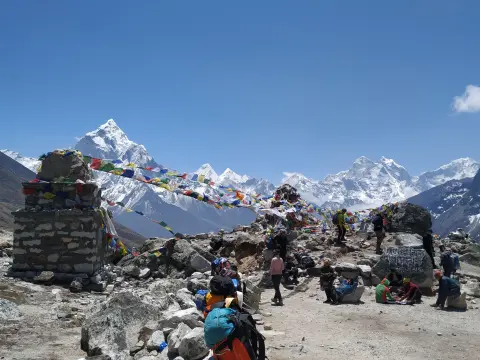
The Everest Base Camp (EBC) Trek via Jiri is one of the most authentic and traditional trekking routes in the Everest region. Unlike the more popular Lukla-based approach, the Jiri route starts from a lower elevation in eastern Nepal, allowing trekkers to gradually acclimatize to higher altitudes while immersing themselves in Sherpa culture and rural Himalayan life. The trek begins with a scenic drive from Kathmandu to Bhandar via Jiri, winding through terraced fields, dense forests, and remote villages. This route follows ancient trade paths historically used by porters and traders traveling to Tibet, offering a unique perspective on local livelihoods and the natural environment.As the trek progresses, travelers move through picturesque villages such as Sete, Junbeshi, Bupsa, and Surke, passing through rhododendron forests, pine groves, and sparkling rivers. Higher up, destinations like Namche Bazaar, Tengboche, Dingboche, and Lobuche provide a mix of vibrant Sherpa culture and stunning Himalayan panoramas. The journey culminates at Everest Base Camp (5,364m), with an optional hike to Kala Patthar (5,545m) for breathtaking sunrise views of Everest, Lhotse, and Nuptse. The return journey retraces parts of the trail to Lukla, offering a well-balanced mix of adventure, cultural immersion, and natural beauty.Gradual acclimatization due to lower starting elevation.Authentic experience of traditional Sherpa villages.Stunning views of Everest, Ama Dablam, Lhotse, and Nuptse.Scenic landscapes of forests, rivers, and terraced hills.Opportunity to explore off-the-beaten-path routes.Glacier Nepal Treks ensures every part of the journey is safe, well-organized, and culturally enriching, providing experienced guides, comfortable lodging, and expert logistical support.Best Season for Everest Base Camp Trek via JiriThe best time to trek via Jiri to Everest Base Camp is during the pre-monsoon spring (March to May) and post-monsoon autumn (late September to November) seasons. During spring, the valleys and hillsides bloom with colorful rhododendrons, and the weather is generally clear, offering panoramic views of the Himalayan peaks. The temperatures are moderate at lower altitudes, making the trek comfortable while providing excellent photography opportunities. In autumn, the skies are usually clear and dry, with crisp air enhancing the visibility of distant peaks. This season also coincides with major Sherpa festivals and cultural events, offering trekkers the chance to witness local traditions.While summer (June to August) brings lush green landscapes, it is also the monsoon period, characterized by heavy rainfall, slippery trails, and reduced visibility of mountain peaks. Winter (December to February) is the least crowded but can be extremely cold, especially above 4,000 meters, with snow making trails challenging. Proper winter gear and prior trekking experience are essential during this season.Seasonal considerations for trekking via Jiri:Spring (March–May): Rhododendron blooms, moderate temperatures, and clear views.Autumn (September–November): Crisp weather, clear skies, and cultural events.Summer (June–August): Lush landscapes, but heavy monsoon rains.Winter (December–February): Less crowded, very cold, snow-covered trails.Glacier Nepal Treks provides tailored itineraries to match the season, ensuring trekkers maximize safety, comfort, and scenic enjoyment.Everest Base Camp Trek via Jiri Difficulty and TransportationThe EBC Trek via Jiri is a moderately challenging trek due to its length, gradual altitude gain, and rugged terrain. Starting from 1,350m in Kathmandu and reaching 5,364m at Everest Base Camp, trekkers experience a cumulative altitude gain of more than 4,000 meters over 18 days. The trek is physically demanding, with daily walks ranging from 4–8 hours, including steep ascents, rocky trails, and occasional river crossings. Despite the challenges, the gradual climb from Jiri allows for better acclimatization, reducing the risk of altitude sickness compared to the standard Lukla route.Transportation to the trailhead involves a scenic drive from Kathmandu to Bhandar via Jiri. This journey passes through rolling hills, terraced farmland, and quaint villages, offering trekkers a taste of rural Nepal before the adventure begins on foot. The return journey includes a short flight from Lukla to Kathmandu, providing a dramatic aerial perspective of the Everest region. Local jeeps or buses can also be arranged depending on the group size and schedule.Key points on difficulty and transportation:Moderate to challenging trek; daily trekking 4–8 hours.Gradual altitude gain reduces the risk of altitude sickness.Mixed terrain: forest paths, rocky trails, and suspension bridges.Transportation: Kathmandu to Bhandar via scenic drive; Lukla to Kathmandu by flight.Glacier Nepal Treks provides professional guides, porters, and logistics support.This trek is ideal for trekkers with good fitness levels who seek both adventure and cultural immersion in the Himalayan heartland.Food and Accommodation for Everest Base Camp Trek via JiriAlong the Jiri to Everest Base Camp route, accommodation primarily consists of teahouses, which are simple lodges offering basic rooms, warmth, and meals. These teahouses are found in almost every village along the trail, from Bhandar to Lobuche and Gorak Shep. Facilities improve in larger villages such as Namche Bazaar, Tengboche, and Dingboche, where some teahouses offer private rooms, Wi-Fi, and hot showers. Despite their simplicity, teahouses provide a cozy atmosphere and a chance to interact with local Sherpa families, learn about their culture, and share trekking experiences with fellow adventurers.Food on the trek is hearty and designed to provide the necessary energy for long days of trekking. Common meals include dal bhat (rice and lentils), noodles, pasta, soups, and vegetables, with local specialties such as momo (dumplings) and sherpa bread. While most meals are vegetarian-friendly, options with meat or eggs are also available. Tea, coffee, and hot chocolate are popular beverages, helping trekkers stay warm at higher altitudes. Glacier Nepal Treks ensures that trekkers are guided to clean and hygienic teahouses, with attention to dietary preferences and altitude nutrition needs.Highlights of food and accommodation:Teahouse accommodation throughout the trek.Private and shared rooms, depending on availability.Warm meals: dal bhat, noodles, pasta, soups, and momos.Hot beverages for energy and warmth.Friendly Sherpa hospitality and cultural interactions.This combination of local lodging and nutritious meals ensures comfort while maintaining an authentic trekking experience.Everest Base Camp Trek via Jiri PermitsTrekking in the Everest region requires specific permits to ensure safe, regulated, and environmentally responsible travel. For the EBC Trek via Jiri, the following permits are mandatory:TIMS (Trekkers’ Information Management System) Card: Required for all trekkers in Nepal, issued at Kathmandu or Pokhara.Sagarmatha National Park Entry Permit: Needed to enter the Everest region, obtained in Monjo or Lukla.These permits serve multiple purposes: they help authorities monitor trekking traffic, contribute to park conservation, and ensure trekkers’ safety in high-altitude environments. Glacier Nepal Treks assists in acquiring all necessary permits before departure, providing a hassle-free experience. Additionally, guides carry copies of permits, ensuring that trekkers comply with regulations at all checkpoints along the trail.Permit essentials for Jiri EBC Trek:TIMS card: mandatory for all trekkers.Sagarmatha National Park permit: entry into the Everest region.Permit fees contribute to conservation and local development.Glacier Nepal Treks handles permit arrangements to ensure compliance.Securing these permits through a trusted company like Glacier Nepal Treks guarantees peace of mind and a smooth trekking experience in the Everest region.Why Choose Everest Base Camp Trek via JiriThe Jiri route to Everest Base Camp is ideal for trekkers seeking an authentic, immersive Himalayan experience. Unlike the more commercial Lukla route, Jiri provides a gradual acclimatization path, rich cultural exposure, and a true sense of adventure. Starting at lower elevations, the trek allows trekkers to witness traditional Sherpa villages, prayer walls, monasteries, and terraced fields, offering a deeper connection with the people and landscapes of the Solukhumbu region.Choosing Glacier Nepal Treks enhances this experience. With years of expertise, professional guides, experienced porters, and comprehensive logistical support, the company ensures safety, comfort, and a personalized trekking experience. Glacier Nepal Treks also emphasizes cultural immersion, sustainable practices, and off-the-beaten-path exploration, allowing trekkers to fully appreciate the Everest region beyond the usual tourist routes. Whether it’s photographing sunrise from Kala Patthar, exploring Namche Bazaar, or reaching the iconic Everest Base Camp, Glacier Nepal Treks provides every support to make the journey unforgettable.Reasons to choose EBC Trek via Jiri with Glacier Nepal Treks:Gradual altitude gain reduces the risk of sickness.Authentic Sherpa villages and rural landscapes.Expert guides, porters, and logistics support.Less crowded, off-the-beaten-path trekking route.Safety, comfort, and cultural immersion were ensured.This trek is perfect for adventurers seeking a challenging yet rewarding Himalayan experience with a focus on both natural beauty and local culture.
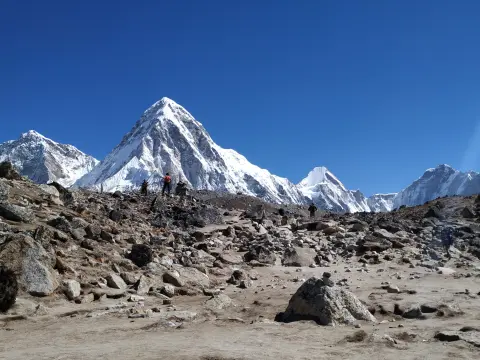
The Everest Base Camp Luxury Trek redefines one of the world’s most iconic adventures by blending breathtaking Himalayan scenery with elevated comfort and personalized service. Crafted for discerning travelers, this journey leads you into the heart of the Khumbu region home to Mount Everest (8,848m) while offering refined accommodations, seamless logistics, and an immersive cultural experience among the legendary Sherpa communities.Your journey begins with a spectacular helicopter or premium flight to Lukla, providing a smooth and scenic start to the adventure. From there, follow beautifully curated trails through rhododendron forests, across suspension bridges draped in prayer flags, and past centuries-old monasteries. As you enter Sagarmatha National Park, the landscape unfolds into a dramatic panorama of towering peaks, glaciers, and pristine alpine wilderness experienced at a relaxed and comfortable pace.Thoughtfully designed acclimatization days in Namche Bazaar and Dingboche allow for both altitude adjustment and cultural exploration, with access to premium lodges, boutique stays, and exceptional viewpoints. The highlight remains reaching Everest Base Camp (5,364m), followed by a sunrise excursion to Kala Patthar (5,545m), where you’ll witness unforgettable panoramic views of Everest, Lhotse, Nuptse, and Ama Dablam in absolute serenity.Throughout the trek, luxury lodges and upgraded teahouses provide private rooms, en-suite facilities (where available), fine meals, and warm hospitality. Experienced guides, dedicated support staff, and meticulous planning ensure a safe, smooth, and indulgent Himalayan journey ideal for those seeking adventure without compromising comfort.Flight from Kathmandu to Lukla, one of the world’s most scenic flights.Trek through Sagarmatha National Park, a UNESCO World Heritage Site.Acclimatization days at Namche Bazaar and Dingboche.Visit historical monasteries like Tengboche and Pangboche.Everest Base Camp (5,364m) and sunrise at Kala Patthar (5,545m).Rich Sherpa culture, traditional villages, and Himalayan wildlife.Best Season for Everest Base Camp TrekThe best time to trek to Everest Base Camp is during spring (March to May) and autumn (late September to November). These seasons are ideal because the weather is stable, the skies are clear, and the mountain views are spectacular. During spring, rhododendrons bloom along the trails, adding vibrant colors to the landscape. Trekkers also enjoy moderate temperatures, making walking at high altitudes more comfortable. Spring is particularly popular among photographers, as clear skies often offer unobstructed views of Everest and surrounding peaks.Autumn is considered the most favorable trekking season overall. After the monsoon, the air is crisp and clean, the weather is predictable, and panoramic mountain vistas are at their finest. Local festivals during autumn allow trekkers to experience authentic Sherpa culture, including traditional dances, prayer ceremonies, and community gatherings. While winter treks are possible, they involve extremely cold temperatures and some lodges may be closed. The monsoon season (June to August) is generally avoided due to heavy rain, slippery trails, and high risk of landslides.Best season highlights:Spring (Mar–May): Blooming rhododendrons, moderate temperaturesAutumn (Sep–Nov): Clear skies, panoramic mountain views, local festivalsWinter (Dec–Feb): Cold, limited facilities, quieter trailsMonsoon (Jun–Aug): Avoided due to rain and landslidesEverest Base Camp Trek Difficulty and TransportationThe Everest Base Camp Trek is considered moderate to challenging. While no technical climbing experience is needed, trekkers should have good physical fitness and stamina. The main challenges include long trekking days of 5–8 hours, steep and rocky trails, and high altitude conditions above 5,000 meters. Glacier Nepal Treks incorporates acclimatization days in key locations like Namche Bazaar and Dingboche to minimize the risk of altitude sickness. Proper pacing, hydration, and professional guidance make the trek accessible to fit and prepared individuals.Transportation during the trek includes:Kathmandu to Lukla: Enjoy a seamless and scenic helicopter offering breathtaking aerial views of the Himalayas and a smooth start to your journey.Trekking Experience: Travel on foot along iconic Himalayan trails, enhanced with a relaxed pace, expert guidance, and carefully selected rest stops for comfort and enjoyment.Lukla to Kathmandu Return: Conclude your adventure with a comfortable helicopter taking in stunning mountain panoramas in style.Difficulty and transport highlights:Moderate to challenging trek, suitable for fit trekkersHigh-altitude trekking above 5,000 metersLong walking days with gradual acclimatizationSafe, guided trekking with experienced local staffAdventure begins and ends with thrilling Lukla flightsFood and Accommodation for Everest Base Camp TrekAccommodation along the Everest Base Camp Trek is primarily in teahouses, small family-run lodges that provide warmth, meals, and a chance to connect with locals. Glacier Nepal Treks ensures that all accommodations are safe, clean, and comfortable. Teahouses vary from basic rooms with shared bathrooms to more modern facilities with private rooms and hot showers at lower altitudes. Higher elevations may have simpler lodges due to the remote environment.Food options on the trek include traditional Nepali dishes such as dal bhat (lentils with rice), momos (dumplings), and soups, as well as simple Western dishes like noodles, pasta, and toast. Tea, coffee, and hot chocolate are widely available, though prices increase with altitude. Trekkers are encouraged to eat balanced meals and drink plenty of water to maintain energy levels and support acclimatization.Food and accommodation highlights:Comfortable teahouses along the routeTraditional Nepali meals: dal bhat, momos, soupsWestern food available in most lodgesHot drinks and soups to cope with cold, high-altitude conditionsOpportunity to experience authentic Sherpa hospitalityEverest Base Camp Trek PermitsTrekking in the Everest region requires official permits to ensure safety, conservation, and legal compliance. Glacier Nepal Treks assists trekkers in obtaining all necessary documents before the journey begins.The required permits include:Sagarmatha National Park Permit (SNP): Mandatory for all trekkers entering the park, supports conservation of the Himalayan ecosystem.Khumbu Pasang Lhamu Rural Municipality Permit (KPL): Required for travel in the Solu-Khumbu region, including Lukla, Namche Bazaar, and Everest Base Camp.Having permits ensures trekkers are registered, can legally access the trail, and contribute to local conservation and community efforts. Glacier Nepal Treks handles all paperwork to simplify the process, allowing trekkers to focus entirely on the adventure.Permits highlights:Sagarmatha National Park Permit (SNP)Khumbu Pasang Lhamu Rural Municipality Permit (KPL)Ensures legal, safe, and environmentally responsible trekkingAll paperwork handled by Glacier Nepal TreksWhy Choose Everest Base Camp TrekThe Everest Base Camp Trek is more than a journey, it’s a transformative experience that combines adventure, culture, and nature. Choosing Glacier Nepal Treks ensures trekkers enjoy a professional, safe, and well-organized trip. The trek provides breathtaking views of Everest, Lhotse, Nuptse, Ama Dablam, and other Himalayan peaks while offering insight into Sherpa life and traditions.Glacier Nepal Treks emphasizes safety, comfort, and cultural immersion. Experienced guides and trained staff prioritize acclimatization, proper trekking pace, and emergency preparedness. Comfortable teahouse accommodations, organized meals, and reliable transportation make the trek accessible and enjoyable. Walking the historic trails used by legendary mountaineers adds a sense of connection to Everest’s rich history.Why choose Glacier Nepal Treks highlights:Professional guides and trained local staff for safetyWell-organized logistics and comfortable teahouse staysAuthentic cultural experiences in Sherpa villagesStunning Himalayan scenery and close-up views of EverestTrekking along the historic paths of famous mountaineersLife-changing adventure combining challenge, culture, and nature


 (31)
(31)  94% recommend (244)
 (12)
(12)