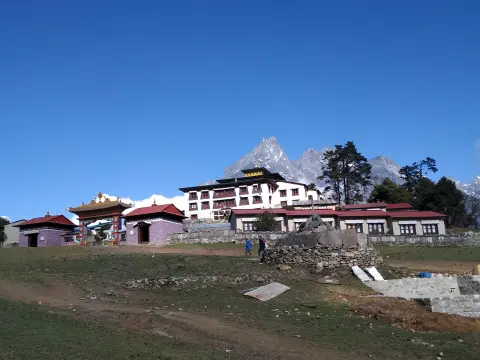
The Everest Panorama Trek is a rewarding short trek in the Everest region, ideal for travelers who want to experience the Himalayan magic without the physical demands of reaching Everest Base Camp. Designed around comfort, acclimatization, and cultural immersion, this trek follows the classic trail to Namche Bazaar and Tengboche, offering breathtaking views of Mount Everest (8,848m), Ama Dablam, Lhotse, and Thamserku.Starting with a scenic flight from Kathmandu to Lukla, the trek passes through charming Sherpa villages, suspension bridges draped with prayer flags, and lush rhododendron forests. A key highlight is the visit to Tengboche Monastery, the spiritual heart of the Khumbu region, set against a dramatic Himalayan backdrop. With well-paced trekking days and an acclimatization stop in Namche Bazaar, this itinerary is perfect for beginners, families, and trekkers with limited time.Glacier Nepal Treks carefully organizes each day to balance adventure, safety, and local experiences, ensuring trekkers enjoy both nature and Sherpa culture at a relaxed pace.Spectacular Everest and Himalayan panoramaCultural exploration of Namche BazaarVisit to Tengboche MonasteryShort and well-paced trekking itineraryBest Season for Everest Panorama TrekThe best seasons for the Everest Panorama Trek are spring (March to May) and autumn (September to November). During these months, weather conditions are stable, skies are clear, and mountain views are at their best. Spring brings blooming rhododendron forests and mild temperatures, making the trail colorful and lively.Autumn is considered the peak trekking season due to crisp air, excellent visibility, and comfortable daytime temperatures. This period also coincides with major Nepali festivals like Dashain and Tihar, adding cultural richness to the journey. Flights to Lukla are more reliable during these seasons, reducing travel disruptions.Winter treks (December to February) are possible but colder, especially in the mornings and evenings, while monsoon season (June to August) brings rain and cloudy conditions, limiting mountain views. Glacier Nepal Treks recommends spring and autumn for the safest and most scenic experience.Best Time Summary:Spring: Clear skies, flowers, mild temperaturesAutumn: Best visibility, stable weatherWinter: Cold but quiet trailsMonsoon: Lush scenery but limited viewsEverest Panorama Trek Difficulty and TransportationThe Everest Panorama Trek is rated easy to moderate, making it suitable for trekkers with basic fitness levels. Daily walking hours range from 3 to 6 hours, with gradual altitude gain and a dedicated acclimatization day in Namche Bazaar. The highest point reached is Tengboche (3,867m), significantly reducing the risk of altitude sickness compared to longer Everest treks.No technical climbing skills are required, and the trails are well-maintained. Regular rest stops and slow ascent ensure comfort and safety. Glacier Nepal Treks provides experienced guides who monitor health conditions and adjust pacing as needed.Transportation includes a domestic flight from Kathmandu to Lukla, one of the world’s most scenic mountain flights. All ground transfers and return flights are arranged in advance for a smooth travel experience.Difficulty & Transport Notes:Suitable for beginners and familiesMax altitude: 3,867mFlight: Kathmandu–Lukla–KathmanduGuided and well-supported trekFood and Accommodation for Everest Panorama TrekDuring the Everest Panorama Trek, trekkers stay in comfortable mountain teahouses that provide basic yet cozy lodging. Rooms are usually twin-shared with warm blankets, and common dining areas are heated with traditional stoves. In Namche Bazaar, accommodation standards are slightly higher, with access to hot showers and bakeries.Meals are freshly prepared and surprisingly varied, considering the remote location. Popular options include Dal Bhat (rice, lentils, vegetables), noodles, soups, pasta, potatoes, and eggs. Breakfast typically consists of porridge, toast, pancakes, or eggs. Glacier Nepal Treks prioritizes hygiene and selects reliable teahouses to ensure food safety and comfort.Although luxury is limited at higher altitudes, the warmth of Sherpa hospitality and mountain views more than compensate.Food & Stay Overview:Teahouse accommodation throughoutNutritious and energy-rich mealsVegetarian-friendly options availableHigher comfort in Namche BazaarEverest Panorama Trek PermitsTo trek in the Everest region, trekkers need two mandatory permits: the Sagarmatha National Park Entry Permit and the Khumbu Pasang Lhamu Rural Municipality Permit. These permits help support conservation efforts and local infrastructure in the Everest region.The permit process is straightforward, and Glacier Nepal Treks handles all paperwork on behalf of trekkers, allowing you to focus entirely on the journey. Permits are checked at multiple points along the trail, so proper documentation is essential.No TIMS card is required for this region, simplifying the process further. All permits are arranged before entering the trekking area to ensure a hassle-free experience.Required Permits:Sagarmatha National Park PermitKhumbu Rural Municipality PermitArranged by Glacier Nepal TreksNo TIMS card neededWhy Choose Everest Panorama Trek with Glacier Nepal TreksChoosing the Everest Panorama Trek means experiencing the essence of the Everest region in a short, accessible, and rewarding format. It offers iconic mountain views, cultural depth, and safe altitude gain without the extreme physical demands of longer treks. This makes it ideal for first-time trekkers and those with limited holiday time.Glacier Nepal Treks stands out for its personalized service, experienced local guides, and strong commitment to safety and sustainability. The company ensures fair treatment of porters, eco-friendly practices, and authentic cultural interactions. With well-planned itineraries and transparent pricing, Glacier Nepal Treks delivers a smooth and memorable Himalayan adventure.Why Glacier Nepal Treks:Experienced local guides and staffFocus on safety and acclimatizationEthical and sustainable trekking practicesExcellent customer support and planning
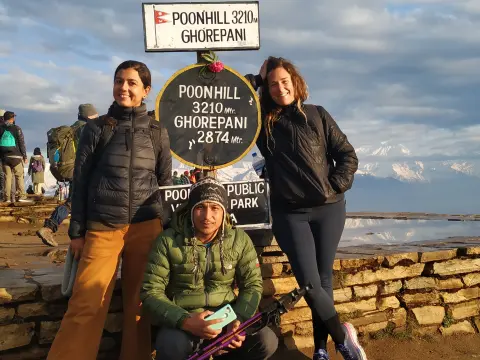
The Ghorepani Poon Hill Trek is one of the most popular short treks in Nepal, offering spectacular panoramic views of the Annapurna and Dhaulagiri mountain ranges. Starting from Nayapul, the trail passes through lush forests, terraced fields, and traditional Gurung villages before reaching Ghorepani, a quaint village nestled at 2,850 meters (9,350 feet). Poon Hill, located nearby at 3,210 meters, provides a breathtaking sunrise viewpoint, allowing trekkers to witness the snow-capped peaks of Annapurna, Machhapuchhre (Fishtail), Dhaulagiri, and Hiunchuli. This trek, once used by traders and horse caravans traveling between Pokhara and Mustang, also gives insight into the traditional lifestyle of the local Gurung and Magar communities.Throughout the trek, you will walk through dense rhododendron forests that turn vibrant red, pink, and white during spring, adding a magical touch to your journey. The trail also offers encounters with wildlife, including Himalayan monals, pheasants, and occasionally musk deer. Glacier Nepal Treks. ensures a seamless experience, providing airport pickups in Kathmandu, comfortable hotels, and guided city tours before the trek. Starting with a scenic drive from Kathmandu to Pokhara, the journey continues with a drive to Nayapul, where the trekking adventure begins. Along the trail, you will stay in cozy teahouses offering warm meals, local hospitality, and cultural interactions.Breathtaking sunrise at Poon Hill (3,210m/10,531ft)Spectacular views of Annapurna, Dhaulagiri, and MachhapuchhreTraditional Gurung and Magar villagesDense rhododendron forests and terraced landscapesComfortable tea house accommodations with Nepalese hospitalityBest Season for Ghorepani Poon Hill TrekThe Ghorepani Poon Hill Trek is accessible throughout the year, but the ideal seasons are spring (March–May) and autumn (September–November). During spring, the rhododendrons are in full bloom, painting the forests with vibrant shades of red, pink, and white, making the trek visually stunning. The weather is pleasant, with daytime temperatures ranging between 15–25°C (59–77°F) at lower elevations and cooler evenings at higher altitudes. The sky is usually clear, providing perfect conditions for photographing the Annapurna and Dhaulagiri ranges.Autumn is another popular time, as it follows the monsoon season when the air is fresh, and the mountains are snow-capped, offering crisp, panoramic views. The days are slightly cooler than spring, but visibility is excellent, making it ideal for trekking and sightseeing. The winter season (December–February) is less crowded but colder, with possible snowfall above 2,500 meters, which can make the trail slippery but enchanting for experienced trekkers. Summer (June–August) is the monsoon season, and heavy rainfall may cause landslides, slippery trails, and limited visibility.Key points for seasons:Spring (Mar–May): Rhododendron blooms, pleasant weather, great visibilityAutumn (Sep–Nov): Post-monsoon clarity, snow-capped peaks, ideal trekking conditionsWinter (Dec–Feb): Fewer tourists, cold nights, occasional snowSummer (Jun–Aug): Rainy season, slippery trails, reduced visibilityGhorepani Poon Hill Trek Difficulty and TransportationThe Ghorepani Poon Hill Trek is considered a moderate trek, suitable for beginners with a reasonable level of fitness. The trek’s moderate difficulty is due to gradual ascents and descents, along with some steep stairways in villages like Ulleri. Daily trekking duration ranges from 4 to 6 hours, allowing time for acclimatization, photography, and cultural interaction. The highest point, Poon Hill at 3,210 meters, is well within safe limits for acclimatization, reducing the risk of altitude sickness.Transportation is convenient and organized by Glacier Nepal Treks, starting with a private vehicle from Kathmandu to Pokhara (6–7 hours). From Pokhara, a scenic drive to Nayapul marks the trekking starting point. All vehicles are comfortable, with stops for refreshments and sightseeing along the route. During the trek, walking remains the primary mode of transport, with trails well-marked and teahouse villages providing rest points. Local porters and guides can be arranged to assist with luggage and navigation, ensuring a smooth trekking experience.Key points on difficulty and transportation:Moderate trek, suitable for beginners and experienced trekkersDaily trekking: 4–6 hoursHighest point: Poon Hill (3,210m/10,531ft)Private transport from Kathmandu → Pokhara → NayapulAssistance from local guides and porters availableFood and Accommodation for Ghorepani Poon Hill TrekDuring the Ghorepani Poon Hill Trek, food and accommodation are simple but comfortable, providing a cozy environment after a day of trekking. Most trekkers stay in tea houses, family-run lodges that offer basic rooms with shared bathrooms and hot showers. Tea houses provide opportunities to interact with locals, enjoy Nepalese culture, and recharge before the next day’s trek. In some remote areas, facilities may be more basic, but warmth and hospitality are always guaranteed.Food on the trek is varied, with options including Nepali dishes such as dal bhat (lentil soup with rice), momos (dumplings), noodles, pasta, and soups. Vegetarian and non-vegetarian options are widely available, and most teahouses also serve tea, coffee, and local beverages. Glacier Nepal Treks ensures that meals are hygienic, nutritious, and sufficient to maintain energy levels during long trekking days. Hydration is essential, so bottled water or water purification tablets are recommended.Key points on food and accommodation:Tea house accommodation, simple and cozyPrivate and shared rooms with hot showers (where available)Nepali cuisine: dal bhat, momos, noodles, soupsSnacks, tea, and coffee available throughout the trekHygienic meals provided, with options for dietary preferencesGhorepani Poon Hill Trek PermitsTrekking in the Annapurna region requires permits to ensure safety and conservation. For the Ghorepani Poon Hill Trek, two main permits are mandatory: Annapurna Conservation Area Permit (ACAP) and Trekkers’ Information Management System (TIMS) card. The ACAP permit contributes to the protection and maintenance of the natural and cultural heritage of the Annapurna region, including forests, wildlife, and villages. The TIMS card helps monitor trekking activities for safety and emergency purposes.Glacier Nepal Treks facilitates the acquisition of all necessary permits, saving you time and ensuring compliance with local regulations. Permits are typically obtained in Kathmandu or Pokhara and must be carried throughout the trek, as checkpoints along the route may request them. The cost of the ACAP permit is around USD 30 for individual trekkers, and the TIMS card is approximately USD 20. Group trekkers may have discounted rates for the TIMS card. Carrying photocopies and ID proof is advised.Key points on permits:Mandatory permits: ACAP & TIMS cardACAP contributes to conservation of the Annapurna regionTIMS ensures trekking safety and monitoringGlacier Nepal Treks assists with obtaining permitsCarry permits and ID for verification at checkpointsWhy Choose Ghorepani Poon Hill Trek with Glacier Nepal TreksChoosing Ghorepani Poon Hill Trek with Glacier Nepal Treks ensures a professional, safe, and enriching trekking experience. With over a decade of expertise, Glacier Nepal Treks provides personalized itineraries, certified guides, and reliable support throughout your journey. Their guides are knowledgeable in local culture, wildlife, and history, enriching your trek with detailed insights. Safety is a priority, with proper acclimatization schedules, first-aid kits, and emergency response plans in place.The trek combines adventure, culture, and nature, offering breathtaking landscapes and encounters with the friendly Gurung and Magar communities. Glacier Nepal Treks provides airport pickups, comfortable hotels, guided sightseeing in Kathmandu, and all logistical arrangements for a hassle-free experience. You can enjoy the trek knowing that all accommodations, meals, transportation, and permits are professionally handled. Additionally, the company promotes responsible tourism, ensuring minimal environmental impact while supporting local communities.Key reasons to choose Glacier Nepal Treks:Experienced guides with cultural and natural expertiseSafe and well-organized trekking itineraryAll permits, transportation, meals, and accommodation includedFocus on sustainable and responsible tourismCombination of adventure, culture, and natural beauty
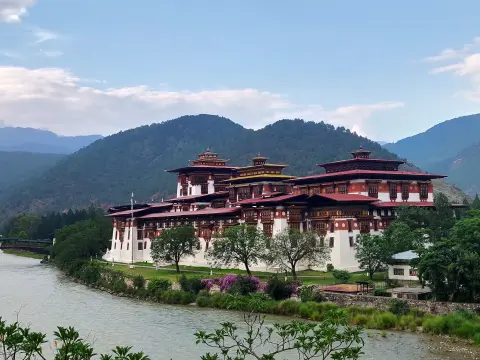
The Best Bhutan Tour by Glacier Nepal Treks is an unforgettable journey through the mystical landscapes, vibrant culture, and historic sites of the Himalayan kingdom of Bhutan. Starting in the bustling city of Kathmandu, the tour offers a seamless blend of cultural exploration, scenic drives, and spiritual experiences. Travelers will explore Bhutan’s serene valleys, traditional villages, and iconic monasteries, including the world-renowned Tiger’s Nest Monastery. This tour is designed for those seeking a balance of adventure and cultural immersion, giving visitors an authentic taste of Bhutanese heritage.The itinerary is carefully crafted to provide a smooth flow from arrival to departure. Beginning with the majestic sights of Kathmandu, visitors fly into Paro and are transferred to Thimphu, the capital city. The tour then covers Punakha, Wangdue, and Paro, ensuring travelers experience Bhutan’s diverse landscapes, from lush river valleys to panoramic mountain views. Each day is thoughtfully planned, combining sightseeing, cultural interactions, and leisure time. The highlight of the tour includes trekking to the Tiger’s Nest Monastery, offering both spiritual reflection and breathtaking views.Arrival and acclimatization in KathmanduFlights from Kathmandu to Paro for a scenic Himalayan aerial viewExploration of Thimphu, Punakha, Wangdue, and ParoVisits to iconic monasteries, dzongs, and cultural landmarksImmersive experience in traditional Bhutanese villagesBest Season for Best Bhutan TourBhutan is a year-round destination, but the Best Bhutan Tour is ideally experienced during the spring (March to May) and autumn (September to November) seasons. During these months, the weather is pleasant with clear skies, making it perfect for sightseeing and trekking. Spring showcases colorful rhododendrons, while autumn offers spectacular views of the Himalayas and vibrant festivals. Winter is colder but less crowded, and summer brings monsoon rains, which can make some areas challenging to access.Timing your trip is essential to maximize your experience:Best time tips:Spring (March–May): Blooming flowers, clear skies, mild temperaturesAutumn (September–November): Clear mountain views, cultural festivalsWinter (December–February): Fewer tourists, crisp air, colder temperaturesMonsoon (June–August): Lush green landscapes, but heavy rainfall and occasional roadblocksChoosing the right season ensures travelers enjoy both scenic beauty and cultural festivities, making the journey more memorable and comfortable.Best Bhutan Tour Difficulty and TransportationThe Best Bhutan Tour is considered a moderate-level journey, suitable for travelers with average fitness levels. The tour involves sightseeing, moderate walking, and a short trek to Tiger’s Nest Monastery, which requires stamina and a steady pace. While it’s not a strenuous trekking expedition, visitors should be prepared for uphill climbs and walking on uneven paths.Transportation throughout the tour is comfortable and efficient:Flights: Kathmandu to Paro via Druk Air or Bhutan AirlinesPrivate Vehicles: Modern cars and vans with experienced drivers for intra-city and valley travelTrekking: Well-marked trails for Tiger’s Nest and other short hikesAirport Transfers: Smooth transfers to and from airports and hotelsWith Glacier Nepal Treks managing logistics, travelers can relax, knowing transportation, safety, and itineraries are professionally coordinated.Food and Accommodation for Best Bhutan TourFood and accommodation are carefully arranged to enhance comfort while providing authentic Bhutanese experiences. Bhutanese cuisine is flavorful and often mild to moderately spicy. Travelers will have opportunities to savor dishes like ema datshi (chili cheese), momos (dumplings), and local Thukpa (noodle soup). International options are also available at hotels and restaurants.Accommodation is in well-selected hotels and lodges, providing a blend of comfort, cleanliness, and local charm:Kathmandu: 3–4 star hotels with modern amenitiesThimphu & Paro: Boutique hotels or heritage lodges reflecting Bhutanese architecturePunakha & Wangdue: Cozy riverside lodges with scenic viewsFacilities: Hot water, Wi-Fi, private bathrooms, and optional spa or wellness servicesThis combination ensures a restful stay after days of sightseeing and trekking, with meals that reflect both local culture and global tastes.Best Bhutan Tour PermitsBhutan is a regulated tourism country, and visitors need official permits for travel. Glacier Nepal Treks handles all the required documentation, ensuring a hassle-free experience. Permits are mandatory and include:Required Permits:Tourist Visa: Issued on arrival in Bhutan with pre-approval from the Bhutan Tourism CouncilEntry Permits: For cities, valleys, and heritage sites such as Paro, Thimphu, and PunakhaTrekking Permits: Required for Tiger’s Nest Monastery and other trekking areasBy managing permits professionally, Glacier Nepal Treks allows travelers to focus on enjoying the journey without bureaucratic delays.Why Choose Best Bhutan Tour by Glacier Nepal TreksGlacier Nepal Treks stands out as a trusted operator for exploring Bhutan due to its personalized service, local expertise, and attention to detail. The company ensures every aspect of the tour is smooth from transportation and permits to meals and accommodations.Reasons to choose Glacier Nepal Treks:Experienced guides knowledgeable about Bhutanese culture and historySeamless logistics, including flights, transfers, and local sightseeingFocus on authentic experiences and off-the-beaten-path explorationHigh safety standards and customer-focused serviceTailored itineraries to suit all types of travelersChoosing Glacier Nepal Treks guarantees a well-organized, culturally immersive, and visually stunning journey through the heart of Bhutan, making it the best Bhutan tour for travelers seeking a lifetime experience.
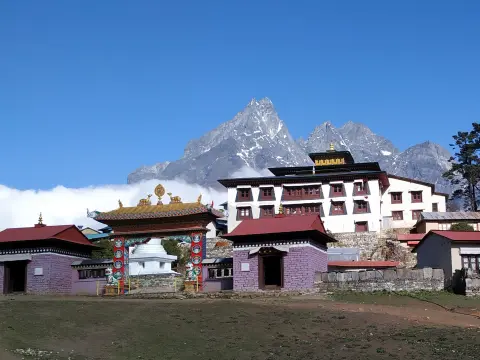
The Everest Panorama Yoga Trek offered by Glacier Nepal Treks is a unique journey combining the thrill of trekking in the Everest region with wellness-focused yoga practices. Unlike standard Everest Base Camp treks, this itinerary emphasizes mindful movement, meditation, and rejuvenation amidst the Himalayan landscape. Starting from Kathmandu, the trek covers scenic flights, picturesque villages, suspension bridges, rivers, and iconic Sherpa settlements. Key highlights include Namche Bazaar, Tengboche Monastery, and multiple viewpoints offering panoramic views of Everest, Lhotse, Ama Dablam, Nuptse, and other Himalayan giants. Along the trek, participants enjoy daily yoga sessions designed to aid acclimatization, reduce muscle tension, and enhance flexibility. The trek’s moderate pace allows for cultural immersion, including interaction with Sherpa communities, visiting local monasteries, and exploring traditional markets. This combination of adventure and wellness makes the Everest Panorama Yoga Trek ideal for travelers seeking spiritual, cultural, and physical enrichment in one transformative journey.Scenic flights between Kathmandu and LuklaPanoramic views of Everest, Lhotse, Ama Dablam, NuptseAcclimatization hikes and yoga sessions in Namche BazaarVisits to Tengboche Monastery and Sherpa villagesCultural immersion in local markets and traditional craftsBest Season for Everest Panorama Yoga TrekThe Everest Panorama Yoga Trek is best undertaken during two main trekking seasons: pre-monsoon (March to May) and post-monsoon (late September to November). During these months, the weather is generally stable, with clear skies and optimal visibility of the Himalayan peaks. March to May offers the additional charm of blooming rhododendron forests, while September to November provides crisp, fresh air and vibrant mountain landscapes.Winter months (December to February) are colder, especially at higher altitudes, and some trails may be icy or snow-covered, requiring additional gear and experience. Monsoon season (June to early September) is generally avoided due to heavy rainfall, slippery trails, and the risk of landslides. Planning your trek during the recommended seasons ensures better weather, safer trekking conditions, and more rewarding yoga and meditation experiences amidst panoramic Himalayan views.Seasonal Overview:Spring (March–May): Blooming rhododendrons, moderate temperaturesAutumn (September–November): Clear skies, excellent mountain viewsWinter (December–February): Cold, fewer crowds, snow-covered trailsMonsoon (June–August): Heavy rains, slippery paths, and less visibilityEverest Panorama Yoga Trek Difficulty and TransportationThe Everest Panorama Yoga Trek is classified as a moderate trek, suitable for trekkers with basic fitness levels and a willingness to walk 4–7 hours daily at high altitudes. The trail features a mix of uphill climbs, downhill descents, suspension bridges, and narrow paths along rivers, requiring a good sense of balance and endurance. Acclimatization days, gentle hiking, and yoga sessions are built into the itinerary to minimize altitude sickness and fatigue.Transportation during the trek includes:Private vehicle transfer from Kathmandu to the airportScenic flights between Kathmandu and Lukla (approx. 35 minutes)Daily trekking on well-marked trailsReturn flights from Lukla to Kathmandu for convenience and comfortThe combination of scenic flights, moderate trekking hours, and yoga-focused rest days ensures a balanced adventure for physical activity and mental rejuvenation, even for those new to Himalayan trekking.Key Points:Moderate trekking difficulty; 4–7 hours/daySteep ascents and descents, suspension bridgesAltitude up to 3,867m (Tengboche)Yoga sessions to aid acclimatization and flexibilityFlights reduce overall trekking strainFood and Accommodation for Everest Panorama Yoga TrekGlacier Nepal Treks ensures that trekkers enjoy comfortable lodges and traditional Nepali cuisine throughout the Everest Panorama Yoga Trek. Lodges range from basic to moderately comfortable, with hot showers, clean bedding, and cozy dining areas. In Namche Bazaar and Tengboche, trekkers have access to more developed facilities while still experiencing authentic Himalayan hospitality. Meals focus on nutritious, energy-sustaining options essential for trekking and yoga practice. Breakfasts typically include eggs, porridge, bread, and tea or coffee, while lunches feature dal bhat (rice and lentils), soups, and sandwiches. Dinner offers hearty meals to restore energy after trekking, including local specialties, vegetarian options, and hot beverages. Tea breaks and snacks are available throughout the day to maintain energy levels and hydration.Highlights:Accommodation in cozy lodges with clean beddingHot meals and beverages, with vegetarian and non-vegetarian optionsLocal Nepali dishes like dal bhat, momo, and soupsEnergy snacks during trekking and yoga breaksHygienic and safe food preparation practicesEverest Panorama Yoga Trek PermitsTrekking in the Everest region requires several permits, which Glacier Nepal Treks arranges for trekkers to ensure a hassle-free journey. Two primary permits are needed: Sagarmatha National Park Entry Permit and Khumbu (or Solukhumbu) Trekking Permit (TIMS card). These permits are essential for accessing protected areas, monitoring trekkers, and supporting conservation efforts.The permits are obtained through registered agencies, with ID verification and fees paid at the start of the trek. Carrying these permits is mandatory, and rangers in the national park may check them at entry points. Glacier Nepal Treks also provides guidance on additional permits if trekking routes extend beyond the standard Everest Panorama Yoga Trek, ensuring full compliance with local regulations and a safe trekking experience.Permit Summary:Sagarmatha National Park Entry Permit – required for park entryTIMS (Trekkers’ Information Management System) Card – for trekking in the Khumbu regionPermits arranged by Glacier Nepal TreksMandatory for safety, legal compliance, and conservation supportWhy Choose Everest Panorama Yoga Trek with Glacier Nepal TreksChoosing Glacier Nepal Treks for the Everest Panorama Yoga Trek ensures a professional, safe, and immersive experience. The company has extensive expertise in Himalayan trekking and focuses on personalized service, cultural immersion, and wellness integration. Every aspect of the trek from flight arrangements and accommodation to yoga sessions and guided hikes is designed to provide a seamless experience for trekkers of varying skill levels.Glacier Nepal Treks emphasizes responsible tourism and local community support, including hiring Sherpa guides, porters, and staff from local villages. Their experienced guides offer insightful commentary on Himalayan culture, flora, fauna, and geography, while maintaining high safety standards. Additionally, the combination of trekking with yoga sessions, meditation breaks, and cultural exploration makes this trek uniquely holistic, balancing physical exertion with mental relaxation and spiritual enrichment.Reasons to Choose Glacier Nepal Trek:Expert guidance by certified Himalayan trekking guidesOrganized logistics: flights, accommodation, and mealsFocus on wellness: yoga, meditation, and rejuvenationCultural immersion in Sherpa villages and monasteriesCommitment to safety, sustainability, and responsible tourism
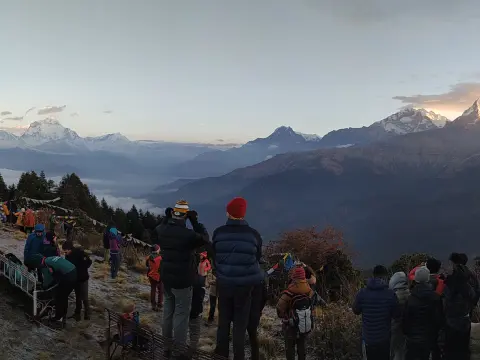
The Poon Hill Yoga Trek is a serene combination of Himalayan trekking and daily yoga practice, designed for those seeking both physical activity and spiritual rejuvenation. Starting from Pokhara, the trek follows a well-established trail through the Annapurna region, passing through lush rhododendron forests, traditional Gurung villages, and terraced farmlands. Along the journey, trekkers experience panoramic views of the Annapurna and Dhaulagiri mountain ranges, culminating in the unforgettable sunrise from Poon Hill (3,210m/10,531ft). This trek is suitable for beginners to moderate trekkers and yoga enthusiasts, offering a perfect blend of adventure, nature, and mindfulness.The trek is structured to provide daily yoga sessions, either in the morning or evening, often overlooking breathtaking Himalayan vistas. Guided meditation sessions help in grounding the mind while the body is gently strengthened through yoga asanas tailored for trekkers. The route passes through Thikhedhunga, Ghorepani, Tadapani, and Ghandruk, allowing trekkers to immerse themselves in local culture and hospitality. The experience not only challenges the body but nourishes the soul, making it a holistic journey for mental, physical, and spiritual wellness.Sunrise view from Poon Hill with panoramic Himalayan scenery.Daily yoga and meditation sessions integrated with trekking.Visit traditional Gurung villages and experience local culture.Moderate trekking suitable for beginners and yoga practitioners.Stunning rhododendron forests and terraced landscapes along the trail.Best Season for Poon Hill Yoga TrekThe Poon Hill Yoga Trek can be undertaken throughout the year, but certain seasons offer optimal conditions for both trekking and yoga practice. Autumn (September to November) is widely regarded as the best season due to clear skies, stable weather, and vibrant landscapes. The Himalayan peaks, including Annapurna South, Dhaulagiri, and Machapuchare, are clearly visible, providing ideal backdrops for sunrise yoga and meditation. Autumn also features moderate temperatures, making the trek comfortable while reducing the risk of altitude-related discomfort.Spring (March to May) is another excellent season, as rhododendron forests along the trail bloom with vivid colors, creating a visually stunning environment for trekking and yoga. The temperatures are moderate, and the days are longer, offering more daylight for trekking and photography. Winter (December to February) offers quieter trails and snow-dusted landscapes, ideal for solitude and mindful practice, although mornings and evenings can be extremely cold. Monsoon season (June to August) is generally avoided due to heavy rainfall, landslides, and slippery trails, which can make trekking and yoga practice unsafe.Best Season Highlights:Autumn (Sept–Nov): Clear skies, perfect Himalayan views, moderate weather.Spring (Mar–May): Blooming rhododendrons, long daylight hours, pleasant temperatures.Winter (Dec–Feb): Fewer crowds, serene landscapes, colder mornings and evenings.Avoid the monsoon (Jun–Aug) due to slippery trails and heavy rain.Poon Hill Yoga Trek Difficulty and TransportationThe Poon Hill Yoga Trek is classified as a moderate trek, suitable for individuals with a basic level of fitness and a willingness to enjoy daily walking at high altitudes. The trek includes gradual ascents, forested trails, and a few steep sections, particularly from Thikhedhunga to Ulleri and Ghorepani. Trekkers are encouraged to take their time during the ascent to Poon Hill, especially to avoid altitude sickness, while enjoying daily yoga sessions to stretch, strengthen, and relax the body.Transportation logistics are straightforward and well-managed by Glacier Nepal Treks. Trekkers typically start the journey in Kathmandu with a transfer to Pokhara either by a 6–7 hour tourist bus or a 30-minute scenic flight. From Pokhara, a private vehicle transports the group to Nayapul, the official starting point of the trek. After completing the trek, the route back follows the same path in reverse, ending in Pokhara, and then returning to Kathmandu by road. The mix of trekking and organized transport ensures a smooth journey, allowing trekkers to focus on yoga practice and the natural beauty around them.Difficulty & Transportation Overview:Moderate trekking is suitable for beginners with basic fitness.Gradual ascents with some steep sections (Thikhedhunga → Ulleri).Daily trekking duration: 4–6 hours, with rest stops.Transportation: Kathmandu ↔ Pokhara by bus or flight; Pokhara → Nayapul by private vehicle.Trek return: Nayapul → Pokhara → Kathmandu.Food and Accommodation for Poon Hill Yoga TrekAccommodation during the Poon Hill Yoga Trek is primarily in teahouses and guesthouses, offering a cozy environment and a chance to experience local hospitality. Facilities are basic but clean, with shared or private rooms depending on the location and availability. Some guesthouses offer hot showers and charging points, although electricity can be limited in remote villages. Staying in local lodges allows trekkers to immerse themselves in the culture, interact with locals, and support village economies.Food along the trail is a combination of local Nepalese cuisine and simple Western dishes. Typical meals include dal bhat (lentil soup with rice), vegetable curries, noodles, pasta, and momos (dumplings). Breakfast options may include porridge, eggs, pancakes, and tea or coffee. Hydration is emphasized, and trekkers are advised to drink bottled or boiled water. Daily yoga sessions are complemented by nutritious meals to maintain energy levels for trekking and meditation.Food & Accommodation Highlights:Cozy guesthouses and teahouses with basic amenities.Traditional Nepalese and western meals (dal bhat, noodles, momos, etc.).Options for hot showers and electricity in some lodges.Interaction with local villagers and cultural immersion.Healthy meals to support trekking and yoga practice.Poon Hill Yoga Trek PermitsTrekking in the Annapurna region requires specific permits, which are handled efficiently by Glacier Nepal Treks. The two main permits for this trek are:Annapurna Conservation Area Permit (ACAP):Mandatory for trekking in the Annapurna region.Fees vary depending on nationality, typically around USD 30–50.Helps preserve the environment and wildlife in the conservation area.Trekkers’ Information Management System (TIMS) Card:Required for all trekkers in Nepal.Ensures safety and monitoring of trekkers.The fee is generally USD 20–30, depending on nationality.Permit Management Highlights:Glacier Nepal Treks organizes all permits before the trek.Permits are checked at checkpoints along the trail.Supports local conservation and responsible tourism.Why Choose Poon Hill Yoga Trek with Glacier Nepal TreksChoosing the Poon Hill Yoga Trek with Glacier Nepal Treks ensures a seamless, safe, and holistic trekking experience. The company is known for professional guides, experienced support staff, and personalized itineraries tailored to individual fitness and yoga needs. Daily yoga sessions integrated into the trek promote flexibility, endurance, and mindfulness, complementing the physical challenge of trekking. Glacier Nepal Treks also emphasizes sustainable tourism, supporting local communities along the route.Trekkers benefit from a fully organized trip, including airport transfers, accommodations, meals, permits, and expert guidance. Safety is a top priority, with trained guides ready to assist with altitude management and first aid. Additionally, the company’s deep knowledge of the Annapurna region ensures an enriching cultural experience, including visits to traditional Gurung villages and local museums. The combination of adventure, nature, yoga, and cultural immersion makes this trek ideal for travelers seeking well-being, adventure, and unforgettable Himalayan vistas.Reasons to Choose Glacier Nepal Treks:Professional guides and experienced trekking staff.Daily yoga and meditation sessions are integrated into trekking.Fully organized itinerary including transport, meals, and permits.Emphasis on safety and altitude management.Cultural immersion and support for local communities.Stunning panoramic views and a serene trekking experience.


 (31)
(31)  94% recommend (244)
 (12)
(12)