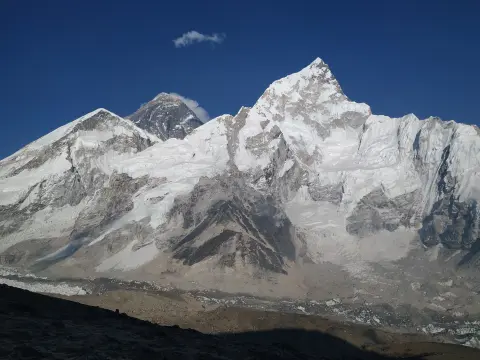
The Everest Base Camp Trek is one of the most iconic trekking adventures in the world, offering an extraordinary combination of awe-inspiring mountain landscapes, rich Himalayan culture, and a rewarding physical challenge. Operated by Glacier Nepal Treks, this trek takes adventurers into the heart of the Khumbu region, home to Mount Everest, the world’s highest peak at 8,848 meters, and the legendary Sherpa communities who have preserved centuries of tradition and mountaineering expertise.The journey begins with a thrilling 40-minute flight from Kathmandu to Lukla, often considered one of the most exhilarating short flights in the world. From Lukla, trekkers follow scenic trails that wind through rhododendron forests, across suspension bridges adorned with colorful prayer flags, and past ancient monasteries. The route passes through the UNESCO World Heritage Site of Sagarmatha National Park, where dramatic peaks, deep valleys, glaciers, and alpine wildlife create a spectacular backdrop for every step of the trek.Careful acclimatization is built into the itinerary, with days in Namche Bazaar and Dingboche allowing trekkers to adjust to increasing altitudes while exploring local culture, traditional markets, and spectacular viewpoints. The trek’s highlight is reaching Everest Base Camp (5,364m), where climbers launch their expeditions to the summit. A sunrise hike to Kala Patthar (5,545m) offers some of the most breathtaking panoramic views of Everest, Lhotse, Nuptse, and Ama Dablam, a photographer’s dream.Glacier Nepal Treks ensures a well-organized experience with experienced guides, trained local staff, and comfortable teahouse accommodations. This trek is designed for individuals with good physical fitness and a sense of adventure, providing a safe and unforgettable Himalayan experience. With the combination of natural beauty, cultural richness, and personal achievement, the Everest Base Camp Trek is truly a once-in-a-lifetime journey.Flight from Kathmandu to Lukla, one of the world’s most scenic flights.Trek through Sagarmatha National Park, a UNESCO World Heritage Site.Acclimatization days at Namche Bazaar and Dingboche.Visit historical monasteries like Tengboche and Pangboche.Everest Base Camp (5,364m) and sunrise at Kala Patthar (5,545m).Rich Sherpa culture, traditional villages, and Himalayan wildlife.Best Season for Everest Base Camp TrekThe best time to trek to Everest Base Camp is during spring (March to May) and autumn (late September to November). These seasons are ideal because the weather is stable, the skies are clear, and the mountain views are spectacular. During spring, rhododendrons bloom along the trails, adding vibrant colors to the landscape. Trekkers also enjoy moderate temperatures, making walking at high altitudes more comfortable. Spring is particularly popular among photographers, as clear skies often offer unobstructed views of Everest and surrounding peaks.Autumn is considered the most favorable trekking season overall. After the monsoon, the air is crisp and clean, the weather is predictable, and panoramic mountain vistas are at their finest. Local festivals during autumn allow trekkers to experience authentic Sherpa culture, including traditional dances, prayer ceremonies, and community gatherings. While winter treks are possible, they involve extremely cold temperatures and some lodges may be closed. The monsoon season (June to August) is generally avoided due to heavy rain, slippery trails, and high risk of landslides.Best season highlights:Spring (Mar–May): Blooming rhododendrons, moderate temperaturesAutumn (Sep–Nov): Clear skies, panoramic mountain views, local festivalsWinter (Dec–Feb): Cold, limited facilities, quieter trailsMonsoon (Jun–Aug): Avoided due to rain and landslidesEverest Base Camp Trek Difficulty and TransportationThe Everest Base Camp Trek is considered moderate to challenging. While no technical climbing experience is needed, trekkers should have good physical fitness and stamina. The main challenges include long trekking days of 5–8 hours, steep and rocky trails, and high altitude conditions above 5,000 meters. Glacier Nepal Treks incorporates acclimatization days in key locations like Namche Bazaar and Dingboche to minimize the risk of altitude sickness. Proper pacing, hydration, and professional guidance make the trek accessible to fit and prepared individuals.Transportation during the trek includes:Flight from Kathmandu to Lukla: A scenic 40-minute journey, often regarded as one of the most exciting airports in the world.Trekking on foot: The main mode of travel, following historic trails that pass through valleys, suspension bridges, and villages.Return flight from Lukla to Kathmandu: Offers relaxing aerial views of the Himalayas after the trek.Difficulty and transport highlights:Moderate to challenging trek, suitable for fit trekkersHigh-altitude trekking above 5,000 metersLong walking days with gradual acclimatizationSafe, guided trekking with experienced local staffAdventure begins and ends with thrilling Lukla flightsFood and Accommodation for Everest Base Camp TrekAccommodation along the Everest Base Camp Trek is primarily in teahouses, small family-run lodges that provide warmth, meals, and a chance to connect with locals. Glacier Nepal Treks ensures that all accommodations are safe, clean, and comfortable. Teahouses vary from basic rooms with shared bathrooms to more modern facilities with private rooms and hot showers at lower altitudes. Higher elevations may have simpler lodges due to the remote environment.Food options on the trek include traditional Nepali dishes such as dal bhat (lentils with rice), momos (dumplings), and soups, as well as simple Western dishes like noodles, pasta, and toast. Tea, coffee, and hot chocolate are widely available, though prices increase with altitude. Trekkers are encouraged to eat balanced meals and drink plenty of water to maintain energy levels and support acclimatization.Food and accommodation highlights:Comfortable teahouses along the routeTraditional Nepali meals: dal bhat, momos, soupsWestern food available in most lodgesHot drinks and soups to cope with cold, high-altitude conditionsOpportunity to experience authentic Sherpa hospitalityEverest Base Camp Trek PermitsTrekking in the Everest region requires official permits to ensure safety, conservation, and legal compliance. Glacier Nepal Treks assists trekkers in obtaining all necessary documents before the journey begins.The required permits include:Sagarmatha National Park Permit (SNP): Mandatory for all trekkers entering the park, supports conservation of the Himalayan ecosystem.Khumbu Pasang Lhamu Rural Municipality Permit (KPL): Required for travel in the Solu-Khumbu region, including Lukla, Namche Bazaar, and Everest Base Camp.Having permits ensures trekkers are registered, can legally access the trail, and contribute to local conservation and community efforts. Glacier Nepal Treks handles all paperwork to simplify the process, allowing trekkers to focus entirely on the adventure.Permits highlights:Sagarmatha National Park Permit (SNP)Khumbu Pasang Lhamu Rural Municipality Permit (KPL)Ensures legal, safe, and environmentally responsible trekkingAll paperwork handled by Glacier Nepal TreksWhy Choose Everest Base Camp TrekThe Everest Base Camp Trek is more than a journey it’s a transformative experience that combines adventure, culture, and nature. Choosing Glacier Nepal Treks ensures trekkers enjoy a professional, safe, and well-organized trip. The trek provides breathtaking views of Everest, Lhotse, Nuptse, Ama Dablam, and other Himalayan peaks while offering insight into Sherpa life and traditions.Glacier Nepal Treks emphasizes safety, comfort, and cultural immersion. Experienced guides and trained staff prioritize acclimatization, proper trekking pace, and emergency preparedness. Comfortable teahouse accommodations, organized meals, and reliable transportation make the trek accessible and enjoyable. Walking the historic trails used by legendary mountaineers adds a sense of connection to Everest’s rich history.Why choose Glacier Nepal Treks highlights:Professional guides and trained local staff for safetyWell-organized logistics and comfortable teahouse staysAuthentic cultural experiences in Sherpa villagesStunning Himalayan scenery and close-up views of EverestTrekking along the historic paths of famous mountaineersLife-changing adventure combining challenge, culture, and nature
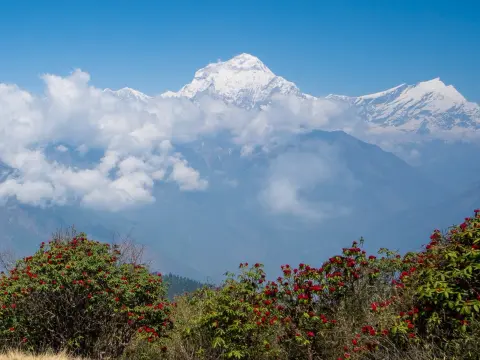
The Khopra Danda Trek is a hidden gem in the Annapurna region of Nepal, offering trekkers a unique combination of panoramic Himalayan views, rich Gurung culture, and serene landscapes away from the usual tourist trail. Unlike the more crowded Annapurna Base Camp or Ghorepani Poon Hill treks, Khopra Danda presents a peaceful and immersive experience. Starting from Pokhara, trekkers typically drive to Nayapul and then begin the trek through traditional villages like Ghandruk, Tadapani, Ghorepani Poon Hill, and Dobato, gradually ascending towards Khopra Danda. At 3,660 meters (12,007 feet), Khopra Danda is renowned for its breathtaking sunrise views over Annapurna South, Machapuchare, and Dhaulagiri. One of the trek’s highlights is the optional side hike to Khayer Lake (4,600m/15,091ft), a pristine high-altitude lake, which offers a rare glimpse of local wildlife and snow-covered peaks.The trek is designed for those who wish to experience authentic mountain life, interact with friendly local communities, and enjoy quieter trails. Along the way, trekkers pass through lush rhododendron forests, terraced fields, and traditional Gurung villages. It’s also a great way to observe Nepal’s diverse flora and fauna in a less commercialised setting. Trekking with a reputable company like Glacier Nepal Treks ensures a well-organised experience, including guides, porters, and cultural insights that enhance the journey.Panoramic sunrise and sunset views over Annapurna and Dhaulagiri rangesOptional hike to Khayer LakeTraditional Gurung villages and cultural experiencesRhododendron and oak forests along the trailLess crowded, peaceful trekking routeBest Season for Khopra Danda TrekThe best season for trekking Khopra Danda is typically during the pre-monsoon (spring: March to May) and post-monsoon (autumn: September to November) periods. During spring, the trail is adorned with blooming rhododendrons and vibrant wildflowers, creating stunning landscapes for photography and nature lovers. The weather is generally clear, providing unobstructed views of the Annapurna and Dhaulagiri ranges. Autumn is considered ideal because the skies are crisp, visibility is excellent, and temperatures are mild, making long days of trekking comfortable.Winter (December to February) is less ideal due to cold temperatures and occasional snowfall at higher altitudes, especially near Khopra Danda and Khayer Lake. The monsoon season (June to August) should generally be avoided because heavy rains can make trails slippery, increase the risk of landslides, and obscure mountain views. However, for trekkers seeking lush green landscapes and fewer crowds, trekking during the early monsoon or late autumn can still be enjoyable with proper preparation.Seasonal Advantages:Spring: Rhododendron blossoms, moderate weather, clear skiesAutumn: Stable weather, excellent mountain visibility, moderate temperaturesWinter: Fewer tourists, snow-covered landscapes (requires winter gear)Monsoon: Lush greenery, but slippery trails and limited mountain viewsTip: For the most rewarding experience, Glacier Nepal Treks recommends spring and autumn due to optimal trail conditions, safety, and scenic highlights.Khopra Danda Trek Difficulty and TransportationThe Khopra Danda Trek is considered a moderate to challenging trek, suitable for trekkers with a reasonable level of fitness and prior trekking experience in the Himalayas. The daily hiking duration ranges from 3 to 7 hours, with elevation gains from 1,950 meters in Ghandruk to 3,660 meters at Khopra Danda. While the trek does not involve technical climbing, it features steep ascents, stone steps, and occasional slippery trails, especially near Dobato and Chistibang. Trekkers must be prepared for sudden weather changes and thinner air at higher altitudes, particularly if planning the optional Khayer Lake hike.Transportation for the trek:Kathmandu to Pokhara: 6–7 hours by tourist bus or private car; scenic views of hills, rivers, and farmlandPokhara to Nayapul: 1–2 hours drive, the starting point of the trekTrek access: All trekking paths are well-established and marked, though less crowded than mainstream routesReturn: Nayapul to Pokhara by jeep or bus, then Pokhara to KathmanduChallenges and Tips:Steep ascents on certain sections, e.g., Dobato to ChistibangThin air and altitude gain beyond 3,500 metersModerate physical fitness required for daily 4–7 hours of hikingSuitable for solo or group trekkersTravelling with Glacier Nepal Treks ensures professional guides, porters, and proper acclimatization schedules, making the trek manageable and enjoyable for a wide range of trekkers.Food and Accommodation for Khopra Danda TrekAlong the Khopra Danda Trek, trekkers enjoy teahouse-style accommodation, which is common in the Annapurna region. These lodges provide basic rooms with twin or triple beds, warm blankets, and shared or private bathrooms, depending on the location. While the facilities are simple, the hospitality is warm, and local hosts often prepare traditional meals with fresh ingredients sourced from nearby villages. The higher you ascend, the more limited the options, but teahouses along Khopra Danda and Khayer Lake provide hearty, nutritious meals to sustain trekkers through long hiking days.Food options include:Traditional Nepalese dishes: dal bhat (rice and lentils), momo, curry, and vegetable stir-friesSnacks: biscuits, noodles, chocolates, and energy barsBeverages: tea, coffee, hot chocolate, and local herbal drinksTrekkers should carry essential snacks and hydration supplies, especially during longer hikes such as Khopra Danda to Khayer Lake. Water purification tablets or filters are recommended as safe drinking water may not always be available. Glacier Nepal Treks ensures all accommodations are booked in advance and that meals are hygienically prepared, offering a balance between comfort and adventure.Key Highlights:Teahouse accommodation with basic facilitiesHome-cooked local meals, often vegetarian-friendlyWarm and welcoming hospitalitySnacks and drinks are available along the main trekking stopsKhopra Danda Trek PermitsTo undertake the Khopra Danda Trek, trekkers are required to obtain two essential permits: the Annapurna Conservation Area Permit (ACAP) and the Trekkers’ Information Management System (TIMS) card. The ACAP permit is mandatory for trekking within the Annapurna Conservation Area and helps support environmental conservation, local communities, and sustainable tourism. The TIMS card is issued by the Nepal Tourism Board and acts as a record of trekkers’ information for safety and monitoring purposes.Permit Details:ACAP Permit: Required for all foreign nationals trekking in the Annapurna region; permits can be obtained in Kathmandu, Pokhara, or at entry points like NayapulTIMS Card: Mandatory for individual trekkers; can be issued in Kathmandu or PokharaCost: ACAP (~$30–$35), TIMS (~$10)Process: Submit passport copies, a passport-sized photo, and pay the feeTravelling with Glacier Nepal Treks makes the permit process seamless. The company handles all documentation, including ACAP, TIMS, and any other necessary local approvals, allowing trekkers to focus solely on enjoying the adventure. This service is especially useful for first-time visitors or those unfamiliar with Nepal’s trekking bureaucracy.Summary:ACAP and TIMS permits are requiredSupports environmental and community conservationEasy processing with Glacier Nepal Treks assistanceEssential for legal trekking in the Annapurna regionWhy Choose Khopra Danda TrekThe Khopra Danda Trek stands out as one of the most serene and culturally immersive treks in the Annapurna region. Unlike crowded trekking routes such as Ghorepani Poon Hill, Khopra Danda offers solitude, peaceful landscapes, and authentic local experiences. Trekkers are treated to spectacular sunrise and sunset views, a glimpse into traditional Gurung village life, and the opportunity to explore less-trodden trails. The optional hike to Khayer Lake adds a sense of adventure and reward for those willing to challenge themselves with higher altitudes.Choosing this trek with Glacier Nepal Treks adds an extra layer of comfort and security. The company provides expert guides, porters, organized itineraries, and logistical support, ensuring that the trekking experience is safe, enjoyable, and tailored to individual needs. Their knowledge of local culture, flora, and fauna enriches the journey, making it more than just a trek it becomes a full cultural and natural exploration. Furthermore, Glacier Nepal Treks emphasizes responsible and sustainable tourism, ensuring that local communities benefit directly from your visit.Key Reasons to Choose Khopra Danda Trek:Less crowded and off-the-beaten-path trekkingSpectacular Himalayan panoramas and sunrise viewsCultural immersion in traditional Gurung villagesOptional side trip to Khayer LakeExpert guidance and logistical support from Glacier Nepal Treks
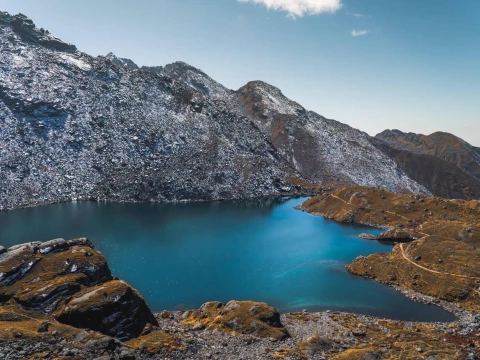
The Langtang Gosaikunda Trek is one of Nepal’s most iconic trekking routes, offering a perfect blend of natural beauty, cultural heritage, and spiritual exploration. Starting from the bustling capital of Kathmandu, trekkers pass through lush forests, traditional villages, and high alpine landscapes, eventually reaching the sacred Gosaikunda Lake, which holds immense religious significance for Hindus and Buddhists alike. This trek is ideal for adventurers seeking a less crowded alternative to the Everest and Annapurna regions while still experiencing dramatic Himalayan scenery.The trail combines the serene Langtang Valley, dotted with rustic villages like Lama Hotel, Langtang Village, and Kyanjin Gompa, with the challenging high-altitude adventure to Gosaikunda Lake, situated at 4,380 meters. Along the way, trekkers witness diverse flora and fauna, stunning views of peaks such as Langtang Lirung, and the vibrant lifestyle of Tamang communities. This trek typically takes around 12–14 days, making it suitable for those with moderate trekking experience and a love for immersive cultural and natural experiences.Panoramic views of Langtang Lirung and Ganesh HimalSacred alpine lakes like GosaikundaTraditional Tamang villages and monasteriesDay hike to Tserko Ri for stunning sunrise viewsBest Season for Langtang Gosaikunda TrekThe best time to trek in the Langtang Gosaikunda region is during spring (March to May) and autumn (September to November). Spring brings vibrant rhododendron blooms, clear skies, and pleasant temperatures, creating perfect trekking conditions. Autumn, on the other hand, offers crisp air, excellent visibility of the Himalayan peaks, and a festive atmosphere in local villages.Winter treks (December to February) are possible but challenging due to snow-covered trails, especially near Gosaikunda. Monsoon season (June to August) is generally avoided because of heavy rainfall, landslides, and leeches along lower trails. Choosing the right season ensures safety, better weather, and more enjoyable trekking experiences.Seasonal Highlights:Spring: Blooming rhododendrons and mild weatherAutumn: Clear skies and panoramic Himalayan viewsWinter: Snow-covered landscapes for experienced trekkersMonsoon: Lush greenery but slippery trailsLangtang Gosaikunda Trek Difficulty and TransportationThe trek is considered moderate to challenging, depending on your fitness level and altitude experience. Daily treks range from 4 to 7 hours with gradual ascents, except for day hikes to high-altitude peaks like Tserko Ri (5,000m) or the climb to Gosaikunda Lake (4,380m). Acclimatization days are crucial to avoid altitude sickness, especially around Kyanjin Gompa and Gosaikunda.Transportation is convenient with a private vehicle or tourist bus from Kathmandu to starting points like Syabrubesi. Roads are partially paved and scenic, offering views of rivers, terraced fields, and rural villages. Returning to Kathmandu after the trek is typically via road, which allows trekkers to rest and enjoy local scenery before heading home.Transportation Highlights:Drive from Kathmandu to Syabrubesi (5–6 hours)Local jeeps or buses for Dhunche-Kathmandu returnShort daily trekking distances with gradual elevation gainEssential acclimatization at high-altitude stopsFood and Accommodation for Langtang Gosaikunda TrekAlong the Langtang Gosaikunda Trek, accommodation mainly consists of teahouses and lodges, offering basic but comfortable rooms with shared or private bathrooms. These lodges provide warmth, a cozy resting place, and a chance to interact with local families. In Kyanjin Gompa and near Gosaikunda, lodges are more basic, and trekkers may need sleeping bags during colder nights. Food along the trek is simple but nutritious, often including Dal Bhat (lentil rice), noodles, soups, pancakes, and local Tibetan dishes like momo (dumplings). Hot beverages like tea and coffee are widely available, keeping trekkers energized in the chilly mountain climate. Glacier Nepal Treks ensures trekkers have access to well-maintained accommodation and quality meals throughout the journey.Food & Stay Highlights:Teahouses with basic rooms and beddingTraditional Nepali and Tibetan cuisineHot meals and beverages for energy at high altitudesLocal hospitality and cultural immersionLangtang Gosaikunda Trek PermitsTo trek in the Langtang and Gosaikunda region, you must obtain the following permits:Langtang National Park Permit (LNP): Required for all trekkers entering Langtang Valley.TIMS Card (Trekkers’ Information Management System): Mandatory for trekking safety and tracking.Permits can be obtained in Kathmandu before the trek or at the park entrance in Syabrubesi. Glacier Nepal Treks provides assistance in securing all necessary permits, ensuring a hassle-free start to your trekking adventure. Proper permits are essential for environmental conservation and legal access to these protected regions.Permit Highlights:Langtang National Park Permit for park accessTIMS Card for trekking registrationGlacier Nepal Treks handles documentationWhy Choose Langtang Gosaikunda TrekChoosing the Langtang Gosaikunda Trek with Glacier Nepal Treks guarantees a balance of adventure, culture, and safety. This trek is perfect for travelers seeking a mix of natural beauty, serene alpine lakes, and authentic village life, away from overcrowded trails. Glacier Nepal Treks provides experienced guides, porters, and full logistical support, ensuring a smooth, enjoyable, and memorable experience.Additionally, the trek is highly rewarding, offering stunning high-altitude panoramas, religiously significant sites like Gosaikunda Lake, and cultural interaction with the Tamang and Sherpa communities. This combination of adventure, culture, and comfort makes it one of the most cherished trekking experiences in Nepal.Reasons to Choose:Experienced guides and well-organized logisticsAccess to less crowded and scenic trailsAuthentic cultural experiences with local communitiesSafe trekking with acclimatization and support
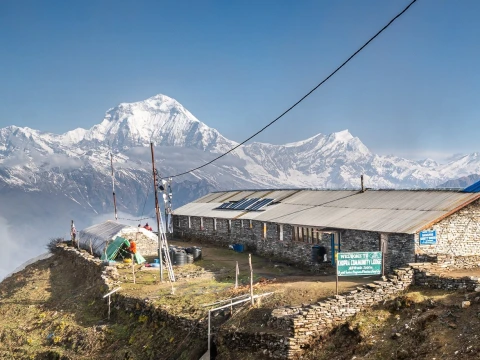
The Khopra Danda Yoga Trek, organized by Glacier Nepal Treks, is a serene and less-crowded Himalayan adventure designed for those seeking both physical challenge and spiritual rejuvenation. Unlike the popular Annapurna Base Camp or Poon Hill treks, this route offers a peaceful escape into the heart of the Annapurna region, passing through remote villages, dense rhododendron and oak forests, terraced hillsides, and high ridges. The trek provides an excellent opportunity to disconnect from the modern world and immerse yourself in nature while practicing yoga and meditation in tranquil surroundings. The highlight is Khopra Danda, a ridge at 3,660 meters that offers panoramic views of Dhaulagiri, Tukuche Peak, Nilgiri, Annapurna I, Annapurna South, and other majestic Himalayan peaks. A side excursion to Khayer Lake (4,600m) further enhances the spiritual and adventurous aspect of this trek.This trek is ideal for travelers looking for a combination of adventure, culture, and wellness. The route passes through traditional Gurung and Magar villages, where trekkers can interact with local families, observe age-old traditions, and savor authentic Nepali cuisine. With Glacier Nepal Treks, trekkers are guided by experienced professionals who provide logistical support, cultural insights, and safety precautions, ensuring a smooth and enriching experience. The trek is designed to offer a balance of moderate trekking, spiritual retreats, and breathtaking photography opportunities, making it suitable for both first-time trekkers and experienced hikers who value serenity over crowded trails.Remote, less-crowded trekking route in the Annapurna regionPanoramic Himalayan views from Khopra Danda and Khayer LakeCultural immersion in Gurung and Magar villagesOpportunities for yoga, meditation, and spiritual reflectionScenic forests, terraced hills, and high ridgesBest Season for Khopra Danda Yoga TrekThe best seasons for the Khopra Danda Yoga Trek are autumn (September to November) and spring (March to May). During autumn, the skies are generally clear, offering crisp, unobstructed views of the Himalayan peaks, while the weather is mild, making trekking comfortable. Spring brings blooming rhododendrons, lush green landscapes, and moderate temperatures that enhance the overall trekking experience. Both seasons are ideal for photography, hiking, and outdoor yoga practices, as the trails are safer and the weather conditions are stable.Winter (December to February) can be very cold, especially at higher altitudes like Khopra Danda and Khayer Lake. Heavy snowfall may also block trails, making trekking difficult and increasing risks. Summer (June to August) coincides with the monsoon season, bringing heavy rains, slippery paths, and leeches in the lower forested sections. While some trekkers do visit in summer for solitude, it is generally not recommended due to potential weather hazards. Glacier Nepal Treks carefully plans itineraries during the best seasons to maximize safety, scenic beauty, and spiritual experiences.Best season highlights:Autumn: Clear skies, mild temperatures, ideal for panoramic photographySpring: Blooming rhododendrons, moderate weather, vibrant landscapesAvoid: Monsoon (June–August) and deep winter (December–February) for safetyKhopra Danda Yoga Trek Difficulty and TransportationThe Khopra Danda Yoga Trek is considered moderate in difficulty, suitable for trekkers with basic fitness levels. While most days involve 4–6 hours of walking, certain sections, like the ascent to Khopra Danda and the hike to Khayer Lake, are steep and require stamina. The altitude is another factor; the trek reaches a maximum of 4,600m at Khayer Lake, where acclimatization is crucial to avoid altitude sickness. Proper preparation, such as cardiovascular exercises, hiking practice, and core strength workouts, is recommended before departure. Transportation to the starting point is convenient with multiple options. Trekkers begin in Kathmandu and have the choice of a scenic 6–7 hour drive or a 30-minute flight to Pokhara. From Pokhara, a 1.5-hour taxi ride takes you to Nayapul, the trek’s starting point. After the trek, the descent route passes through Tikhedunga to Nayapul, followed by a taxi ride back to Pokhara, and finally a tourist bus or flight to Kathmandu. Glacier Nepal Treks ensures all transportation is private, safe, and comfortable, with opportunities to stop for refreshments and photo breaks.Key points:Moderate trekking difficulty, 4–6 hrs/dayMaximum altitude: 4,600m at Khayer LakeInitial transportation: Kathmandu → Pokhara (bus or flight)Trek start: Nayapul, Pokhara taxi transferReturn: Tikhedunga → Nayapul → Pokhara → KathmanduFood and Accommodation for Khopra Danda Yoga TrekDuring the trek, food and accommodation are a mix of teahouses and lodges offering authentic Nepali meals and basic amenities. Teahouses serve a variety of dishes such as dal bhat (rice and lentil soup), noodles, momo (dumplings), soups, and continental breakfasts, catering to different dietary preferences. Trekking with Glacier Nepal Treks, you are provided with nutritious, freshly prepared meals to maintain energy levels throughout the trek, along with warm drinks and snacks.Accommodation is generally simple yet comfortable, with shared or private rooms depending on availability. Most lodges provide blankets, pillows, and basic hygiene facilities, while higher-altitude locations like Khopra Danda may have more basic amenities. Despite simplicity, the accommodations offer spectacular views and cozy spaces for relaxation after a long day of trekking and yoga practice. The combination of local hospitality, scenic surroundings, and home-cooked meals makes each overnight stay memorable.Highlights:Teahouses offering Nepali and continental cuisineNutritious meals for trekking energySimple yet comfortable lodging with Himalayan viewsShared or private rooms, depending on locationKhopra Danda Yoga Trek PermitsTrekking in the Annapurna region requires a few essential permits, which Glacier Nepal Treks assists with. The key permits include:Annapurna Conservation Area Permit (ACAP): Mandatory for all trekkers entering the Annapurna region. The permit helps fund conservation efforts and preserve the natural and cultural heritage of the area.Trekkers’ Information Management System (TIMS) Card: Ensures trekkers’ safety and allows monitoring by local authorities. For this trek, a green card (individual trekker) or a group card (if trekking with a guide) is issued.Glacier Nepal Treks handles all permit arrangements in advance, ensuring trekkers avoid bureaucratic delays. It is advisable for travelers to carry a passport-sized photo and a copy of their passport for permit processing. Proper permits are essential not only for legality but also for safety and access to the full trekking route, including high ridges like Khopra Danda and excursions such as Khayer Lake.Permit Summary:ACAP Permit: Required for the Annapurna regionTIMS Card: Mandatory for trekking registration and safetyGlacier Nepal Treks assists with processing to ensure smooth travelWhy Choose Khopra Danda Yoga TrekThe Khopra Danda Yoga Trek stands out as a unique trekking experience because it combines adventure, culture, wellness, and spirituality in one journey. Unlike popular trails, it remains off the beaten path, offering solitude, tranquility, and authentic interactions with rural communities. Trekkers can practice yoga and meditation in pristine environments with minimal distractions, making it perfect for mental rejuvenation and self-reflection. The ridge at Khopra Danda and the serene Khayer Lake provide unmatched panoramic views of the Annapurna and Dhaulagiri ranges, making it a photographer’s paradise.Choosing Glacier Nepal Treks guarantees a professionally organized experience. They provide experienced guides, porters, quality accommodations, and full logistical support, ensuring safety, comfort, and a culturally rich trekking journey. Their itineraries are thoughtfully designed to allow proper acclimatization, ample rest, and time for yoga or meditation. The trek is suitable for a wide range of travelers from wellness enthusiasts to moderate trekkers who want a holistic Himalayan adventure combining nature, culture, and spiritual well-being.Reasons to choose:Off-the-beaten-path trekking with fewer crowdsPanoramic Himalayan views and spiritual retreat opportunitiesProfessional guides and logistical support by Glacier Nepal TreksCultural immersion in Gurung and Magar villagesPerfect blend of trekking, yoga, and meditation


 (31)
(31)  94% recommend (244)
 (12)
(12)