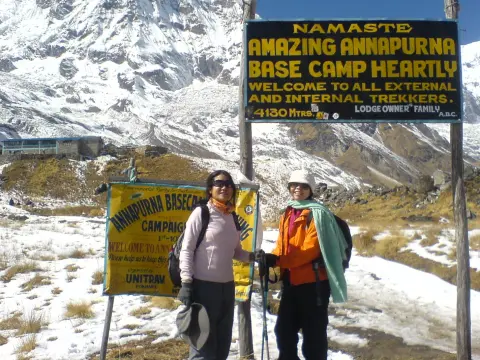
The Annapurna Base Camp Trek is one of Nepal’s most iconic and rewarding trekking journeys, offering a perfect blend of natural beauty, cultural richness, and high Himalayan adventure. Organized by Glacier Nepal Treks, this trek leads you deep into the heart of the Annapurna Sanctuary, surrounded by some of the world’s tallest and most magnificent peaks. The trail passes through charming Gurung and Magar villages, lush rhododendron forests, terraced farmlands, and dramatic river valleys before reaching the breathtaking Annapurna Base Camp at 4,130 meters.Unlike many high-altitude treks, the Annapurna Base Camp Trek is accessible to trekkers with moderate fitness while still delivering a true mountain experience. Standing at base camp, trekkers are rewarded with a 360-degree amphitheater of snow-covered giants, including Annapurna I, Machhapuchhre (Fishtail), Hiunchuli, and Annapurna South. The sunrise views from the sanctuary are unforgettable, making this trek a lifetime memory for nature lovers and photographers alike.With Glacier Nepal Treks, every aspect of the journey is carefully planned from comfortable transportation and experienced guides to well-paced acclimatization. The trek also includes highlights like natural hot springs at Jhinu Danda and cultural encounters in villages such as Ghandruk and Chomrong. This makes the ABC Trek not only a mountain adventure but also a meaningful cultural exploration.Stunning views of the Annapurna Massif and MachhapuchhreTrek through traditional Gurung villagesRhododendron forests and alpine landscapesNatural hot springs at Jhinu DandaFully guided and organized by Glacier Nepal TreksBest Season for Annapurna Base Camp TrekChoosing the right season is essential for a safe and enjoyable Annapurna Base Camp Trek. The best seasons for this trek are spring (March–May) and autumn (September–November), when weather conditions are most stable and mountain views are crystal clear. During these months, Glacier Nepal Treks ensures smooth operations with reliable logistics and experienced local guides.Spring is particularly beautiful as the trail comes alive with blooming rhododendrons and colorful wildflowers. The temperatures are moderate, and the skies are generally clear, offering excellent visibility of the Annapurna range. Wildlife sightings are also more common during this season, and the entire region feels vibrant and fresh after winter.Autumn, on the other hand, is the most popular trekking season in Nepal. After the monsoon, the air is clean, the skies are deep blue, and the mountain views are exceptionally sharp. Daytime temperatures are comfortable, and nights are cool but manageable. This season is ideal for trekkers who want stable weather and well-maintained trails.Winter (December–February) trekking is possible but challenging due to snow at higher elevations, while the monsoon season (June–August) brings heavy rain and leeches, making the trails slippery. Glacier Nepal Treks carefully advises trekkers based on seasonal conditions to ensure safety and enjoyment.Best Seasons at a Glance:Spring (Mar–May): Flowers, mild temperatures, clear viewsAutumn (Sep–Nov): Best visibility, stable weatherWinter: Cold, snowy, less crowdedMonsoon: Rainy, green landscapes, limited viewsAnnapurna Base Camp Trek Difficulty and TransportationThe Annapurna Base Camp Trek is considered a moderate-level trek, suitable for trekkers with basic fitness and some walking experience. While no technical climbing is required, the trek involves daily walks of 5–7 hours, stone staircases, and steady altitude gain. Glacier Nepal Treks designs the itinerary with proper acclimatization and gradual ascent to minimize altitude-related risks.The trail includes both uphill and downhill sections, especially between villages like Ghandruk, Chomrong, and Bamboo. As altitude increases, the air becomes thinner, making the final ascent to Annapurna Base Camp more demanding. However, with proper pacing, rest days, and guidance from experienced trekking leaders, most trekkers successfully complete the journey.Transportation is another key element of the trek. The journey begins with a scenic drive from Kathmandu to Pokhara by tourist bus or private vehicle. From Pokhara, a short drive takes you to Nayapul, the starting point of the trek. Glacier Nepal Treks manages all transportation, ensuring comfort and safety throughout the trip.On the return, trekkers enjoy a relaxing drive back to Pokhara and Kathmandu, reflecting on the incredible journey they’ve completed. This well-organized transport system allows trekkers to focus fully on enjoying the trek without logistical worries.Difficulty & Transport Summary:Moderate trekking difficultyDaily walking: 5–7 hoursNo technical climbing requiredTourist bus/private vehicle optionsAll transport managed by Glacier Nepal TreksFood and Accommodation for Annapurna Base Camp TrekFood and accommodation along the Annapurna Base Camp Trek are surprisingly comfortable, especially when organized by Glacier Nepal Treks. Trekkers stay in local teahouses, which are simple yet cozy lodges run by local families. Rooms typically include twin beds, warm blankets, and shared bathrooms, offering a welcoming place to rest after long trekking days.As you gain altitude, facilities become more basic, but the hospitality remains warm and genuine. Dining areas are usually heated with a central stove, creating a social atmosphere where trekkers can relax and share experiences. Glacier Nepal Treks carefully selects reliable teahouses to ensure cleanliness, safety, and comfort throughout the route.Food options are varied and designed to meet the energy needs of trekkers. Meals include traditional Nepali dishes like dal bhat, as well as international options such as pasta, noodles, fried rice, soups, pancakes, and eggs. Hot drinks like tea, coffee, and ginger lemon honey are widely available and highly recommended at higher elevations.Proper nutrition is essential for high-altitude trekking, and guides from Glacier Nepal Treks provide advice on meal choices to help maintain strength and hydration. While luxury is limited, the combination of hearty food, warm shelter, and stunning surroundings makes the experience deeply satisfying.Food & Accommodation Highlights:Comfortable teahouse lodgingNutritious trekking meals availableVegetarian and non-vegetarian optionsWarm dining areas at higher altitudesCarefully selected lodges by Glacier Nepal TreksAnnapurna Base Camp Trek PermitsTo trek in the Annapurna region, trekkers are required to obtain specific permits regulated by the Government of Nepal. Glacier Nepal Treks takes full responsibility for arranging all necessary permits, allowing trekkers to focus on enjoying the journey without administrative stress.The two main permits required are the Annapurna Conservation Area Permit (ACAP) and the Trekkers’ Information Management System (TIMS) Card. ACAP helps support conservation efforts, wildlife protection, and sustainable tourism in the Annapurna region. TIMS ensures trekker safety by keeping official records of trekking routes and participants.These permits are mandatory and checked at various points along the trail. Without them, trekkers are not allowed to proceed. By booking with Glacier Nepal Treks, all permit formalities are handled efficiently in Kathmandu or Pokhara before the trek begins.Permit fees are included in the trekking package, ensuring transparency and convenience. This organized approach reflects Glacier Nepal Treks’s commitment to responsible tourism and client safety.Required Permits:Annapurna Conservation Area Permit (ACAP)Trekkers’ Information Management System (TIMS)Arranged entirely by Glacier Nepal TreksSupports conservation and trekker safetyWhy Choose Annapurna Base Camp Trek with Glacier Nepal TreksChoosing the Annapurna Base Camp Trek with Glacier Nepal Treks means traveling with a company that prioritizes safety, authenticity, and client satisfaction. With years of experience in Himalayan trekking, Glacier Nepal Treks offers professionally guided journeys led by licensed, knowledgeable, and friendly local guides who understand the terrain, culture, and challenges of the region.The company focuses on small-group trekking, personalized service, and well-designed itineraries that balance adventure with comfort. From arrival in Kathmandu to final departure, every detail is managed efficiently, including accommodation, transportation, permits, and meals. This allows trekkers to enjoy a stress-free and immersive Himalayan experience.Glacier Nepal Treks is also committed to sustainable and responsible tourism. By employing local guides, using family-run teahouses, and supporting conservation efforts, the company ensures that trekking benefits local communities while preserving the natural environment. Whether you are a first-time trekker or an experienced hiker, Glacier Nepal Treks provides the support, expertise, and care needed to make your Annapurna Base Camp journey safe, memorable, and truly life-changing.Why Trek with Glacier Nepal Treks:Experienced local guides and staffWell-organized and safe itinerariesPersonalized and small-group serviceStrong focus on sustainabilityExcellent value and customer care
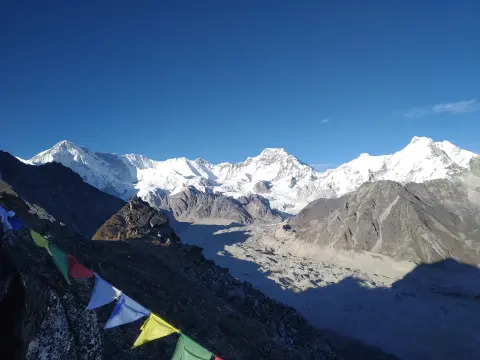
The Gokyo Lake Treks is one of the most scenic trekking routes in the Everest region of Nepal. Unlike the traditional Everest Base Camp trail, this trek takes you through serene valleys, rhododendron forests, suspension bridges, and picturesque Sherpa villages. The highlight of the trek is the Gokyo Lakes, a series of turquoise high-altitude glacial lakes nestled below the towering peaks of the Himalayas, including Cho Oyu (8,188m) and Ngozumpa Glacier, the largest glacier in Nepal.The trek usually starts with a scenic flight from Kathmandu to Lukla, followed by a gradual ascent through Phakding, Namche Bazaar, and other Sherpa settlements. Along the way, trekkers experience rich cultural interactions with local Sherpas, visit ancient monasteries, and enjoy panoramic views of Everest and surrounding peaks. The journey also includes acclimatization days, particularly in Namche Bazaar, to prevent altitude sickness and ensure a safe trekking experience.Stunning views of Gokyo Ri and the surrounding Himalayan peaksVisit to Ngozumpa GlacierExploration of traditional Sherpa villagesOpportunity for trekking beyond the usual Everest Base Camp routeGlacier Nepal Treks specializes in organizing this trek with well-planned itineraries, experienced guides, and safe travel arrangements to ensure every trekker enjoys a smooth and memorable adventure.Best Season for Gokyo Lake TrekThe Gokyo Lake Trek is accessible year-round, but the best seasons are autumn (September to November) and spring (March to May). During these periods, the weather is stable, the skies are clear, and the visibility of the Himalayan peaks is at its best. Autumn offers vibrant landscapes with minimal rainfall, while spring brings blooming rhododendrons and colorful alpine flora.Winter trekking (December to February) is possible but challenging due to heavy snowfall and cold temperatures, making some passes and trails risky. Summer (June to August) coincides with the monsoon season, bringing heavy rain and slippery trails, which can disrupt trekking schedules.Seasonal Highlights:Autumn (Sept–Nov): Clear skies, ideal trekking conditions, and excellent mountain viewsSpring (Mar–May): Blooming rhododendrons, moderate temperatures, and active trekking atmosphereWinter (Dec–Feb): Snow-covered landscapes for experienced trekkersMonsoon (Jun–Aug): Less recommended due to slippery trails and leechesChoosing the right season enhances both safety and the overall trekking experience, allowing trekkers to fully enjoy the natural beauty of the Gokyo region.Gokyo Lake Trek Difficulty and TransportationThe Gokyo Lake Trek is considered moderate to strenuous, suitable for individuals with reasonable fitness levels and some prior trekking experience. The route includes steep ascents, high-altitude passes, and long walking hours (up to 6–7 hours per day). Altitude sickness is a potential risk due to elevations exceeding 4,700 meters at Gokyo Ri, so proper acclimatization and gradual trekking are crucial.Transportation:Kathmandu to Lukla: 35-minute scenic flight; weather-dependentOn the trek: Walking is the primary mode; trails are well-markedReturn: Trek back to Lukla and fly to KathmanduDifficulty Key Points:Moderate to strenuous due to elevation gain and trekking hoursSteep inclines near Gokyo and Cho La Pass (if included)High-altitude trekking requires proper acclimatizationGlacier Nepal Treks ensures the use of experienced guides, pre-planned acclimatization days, and safe transport logistics to help trekkers manage difficulty efficiently.Food and Accommodation for Gokyo Lake TrekAccommodation along the Gokyo Lake Trek consists mainly of teahouses and lodges, which are simple but provide warm meals, clean rooms, and a comfortable place to rest. The facilities are basic compared to hotels in Kathmandu, but they are sufficient for a trekking experience at high altitudes.Food options are a mix of Nepali, Tibetan, and Western cuisine, including dal bhat (traditional lentil rice), noodles, soups, pancakes, and pasta. Vegetarians can easily find meals along the route. Tea and coffee are available, but it’s advisable to carry snacks for long trekking stretches.Food and Accommodation Highlights:Simple lodges and teahouses in each villageHot showers and Wi-Fi may be available in bigger villages (like Namche Bazaar)Local cuisine such as momo, dal bhat, noodles, and soupsPacked meals or snacks are recommended for long hiking daysGlacier Nepal Treks carefully selects comfortable lodges and provides trekking tips for staying healthy and well-nourished during the journey.Gokyo Lake Trek PermitsTrekking in the Everest region requires two main permits:Sagarmatha National Park Entry Permit (SNP) – mandatory for all trekkers in the parkKhumbu Pasang Lhamu Rural Municipality Permit (KPL)Trekkers’ Information Management System (TIMS) Card – ensures trekker registration and safetyPermit Details:SNP: Around USD 30–35 for foreign nationalsTIMS: USD 10–20 depending on nationalityCan be obtained in Kathmandu or LuklaGlacier Nepal Treks handles all permit arrangements, ensuring a hassle-free start to the trek and compliance with local regulations.Why Choose Gokyo Lake TrekThe Gokyo Lake Trek offers a less crowded, breathtaking alternative to the traditional Everest Base Camp route. Trekkers experience pristine glacial lakes, extraordinary panoramic views of Himalayan giants, and peaceful Sherpa settlements without the bustling tourist traffic of the main trail.Reasons to Choose This Trek with Glacier Nepal Treks:Expert local guides familiar with trails and cultureSafe and well-organized itinerary with proper acclimatizationEmphasis on authentic cultural experiencesHigh-quality food and lodging arrangementsOpportunity to explore Gokyo Ri and Ngozumpa GlacierThis trek perfectly combines adventure, nature, and culture, making it an unforgettable experience for trekkers of all levels.
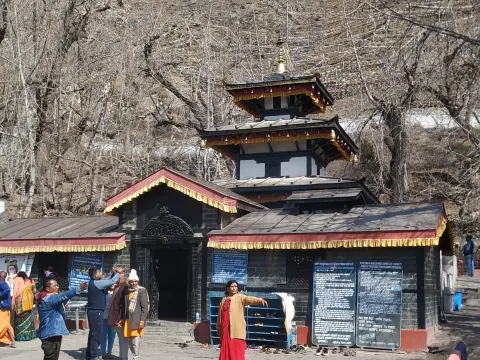
The Jomsom and Muktinath Trek is one of the most popular trekking routes in the Annapurna region of Nepal. It takes you through a diverse range of landscapes, from lush subtropical forests to dry high-altitude deserts. The trail starts with a drive or flight to Pokhara, followed by a drive to Nayapul, from where the trekking journey begins. Trekkers pass through charming villages such as Tikhedhunga, Ghorepani, Tadapani, and Ghasa, each offering a glimpse into traditional Nepali life. The trek is renowned for its stunning views of the Annapurna and Dhaulagiri mountain ranges, as well as its cultural significance, particularly in places like Muktinath, which is sacred to both Hindus and Buddhists.The highlight of this trek is reaching Muktinath, located at 3,710 meters (12,170 ft), a revered pilgrimage site with temples, natural springs, and panoramic Himalayan views. After visiting Muktinath, the trail descends to Jomsom, offering a more comfortable altitude and picturesque landscapes. The trek concludes with a short flight back to Pokhara, providing a scenic view of the mountains and the Kali Gandaki Valley. This trek is ideal for adventurers who want to combine natural beauty with cultural experiences.Duration: 11–13 daysMax altitude: 3,710m / 12,170 ft (Muktinath)Landscapes: Forests, terraced fields, high-altitude desertCultural stops: Traditional villages, Buddhist stupas, Hindu templesUnique features: Kali Gandaki Gorge, Thorong La region viewsBest Season for Jomsom and Muktinath TrekThe best time to trek in the Jomsom and Muktinath region is during the spring (March to May) and autumn (September to November). During spring, the rhododendrons bloom, painting the mountains in vibrant red and pink hues, while the weather is generally mild, with clear skies for panoramic mountain views. Autumn is preferred by many trekkers due to stable weather, dry trails, and excellent visibility of the Annapurna, Dhaulagiri, and Nilgiri ranges.Winter treks are possible but can be very cold, especially in high-altitude areas like Muktinath. Snowfall may block trails, making some parts more challenging. Monsoon season (June to August) is not ideal due to heavy rainfall, slippery paths, and landslide risks in the lower regions. That said, for trekkers seeking solitude, the off-season can offer a quieter experience with unique landscapes.Seasonal Highlights:Spring (Mar–May): Blooming rhododendrons, mild weather, excellent mountain viewsAutumn (Sep–Nov): Clear skies, dry trails, the most popular trekking seasonWinter (Dec–Feb): Fewer tourists, cold weather, possible snow coverMonsoon (Jun–Aug): Risk of landslides, slippery trails, lush green landscapesJomsom and Muktinath Trek Difficulty and TransportationThe difficulty level of this trek is considered moderate, making it suitable for trekkers with some prior hiking experience. Daily walking hours range from 4 to 7 hours, with gradual ascents to places like Ghorepani and Muktinath. Altitude gain is significant, so acclimatization is crucial, particularly before reaching Muktinath at 3,710 meters. The trail is well-established, but it passes through narrow paths, stone steps, and occasional rocky terrain, requiring trekking shoes with good grip.Transportation options make the trek more flexible. Trekkers can either drive from Pokhara to Nayapul and begin trekking or fly from Pokhara to Jomsom to shorten the journey. The trek ends with a short flight from Jomsom back to Pokhara, bypassing long road travel. Helicopter tours are also available for those who prefer a quicker journey or want to experience aerial views of the Annapurna and Dhaulagiri ranges.Key Points:Trek difficulty: ModerateAverage trekking time: 5–7 hours/dayMax altitude: 3,710m / 12,170 ftTransportation: Drive to Nayapul, flight from Jomsom to PokharaTrail type: Mixed terrain with stone paths, forested areas, and high-altitude desertsFood and Accommodation for Jomsom and Muktinath TrekTrekking in the Jomsom and Muktinath region offers a mix of traditional Nepali cuisine and international dishes. Local meals such as dal bhat (lentil soup with rice), momo (dumplings), and thukpa (noodle soup) are widely available. Guesthouses along the route often serve a combination of Nepali and continental options, catering to trekkers’ tastes. Tea houses at higher altitudes provide a cozy place to rest and warm up after a day of hiking.Accommodation on this trek is typically tea house-style, meaning simple lodges with shared or private rooms, basic heating, and western-style toilets in some locations. In lower regions like Tikhedhunga and Ghorepani, facilities are slightly more developed, while higher regions such as Muktinath offer basic but comfortable amenities. Glacier Nepal Treks ensures that trekkers stay in clean and safe accommodations, with meals provided in local lodges that support the local economy.Highlights:Local cuisine: Dal bhat, momo, thukpaTea houses with basic amenitiesRooms: Shared or private, basic heatingGlacier Nepal Treks ensures safe and comfortable lodgingAccess to hot showers in major stopsJomsom and Muktinath Trek PermitsTo trek in the Jomsom and Muktinath area, trekkers need specific permits. The main permits required are the Annapurna Conservation Area Permit (ACAP) and the Trekkers’ Information Management System (TIMS) card. ACAP helps protect the natural environment and wildlife in the Annapurna region, while TIMS ensures trekkers’ safety and registration. Both permits are available in Kathmandu or Pokhara before the trek begins.Glacier Nepal Treks assists trekkers with all permit arrangements, ensuring a smooth start to the journey. Carrying your passport and permit copies is mandatory while trekking, as local authorities may check them at checkpoints along the route. Properly securing permits not only ensures legal trekking but also contributes to sustainable tourism and conservation in the region.Permit Checklist:ACAP Permit: Required for Annapurna Conservation AreaTIMS Card: Ensures trekkers’ registration and safetyValid passport (mandatory)Glacier Nepal Treks handles permit acquisitionWhy Choose Jomsom and Muktinath TrekChoosing the Jomsom and Muktinath Trek offers a unique combination of natural beauty, cultural experiences, and a moderate trekking challenge. The route provides access to some of Nepal’s most spectacular mountain views, including Annapurna, Dhaulagiri, and Nilgiri. It also passes through the culturally rich Mustang region, where Buddhist monasteries, traditional villages, and desert landscapes offer a rare glimpse into a Himalayan lifestyle untouched by modernity.Glacier Nepal Treks specializes in organizing this trek with a focus on safety, comfort, and local immersion. Experienced guides, comfortable tea house accommodations, and thoughtfully planned itineraries ensure that trekkers can enjoy the journey without worrying about logistics. Whether you’re seeking adventure, photography opportunities, or spiritual experiences at Muktinath, this trek provides all of these while supporting sustainable tourism in Nepal.Key Reasons to Choose This Trek:Moderate trekking is suitable for most fitness levelsStunning panoramic views of Annapurna and DhaulagiriRich cultural experience in traditional villages and the Muktinath templeExpert guidance and support from Glacier Nepal TreksA combination of adventure, nature, and spirituality
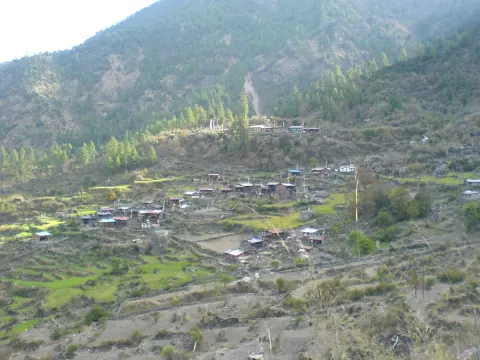
The Tamang Heritage Trail Trek is one of Nepal’s most culturally enriching and scenic trekking routes. Unlike the more crowded trails to Everest or Annapurna, this trek offers travelers an authentic glimpse into the Tamang community, one of Nepal’s indigenous ethnic groups. Stretching from Syabrubesi to Kyanjin Gompa, the trail winds through lush forests, terraced fields, traditional villages, and high-altitude landscapes, making it a perfect blend of cultural immersion and natural beauty. Trekkers can experience centuries-old Buddhist monasteries, prayer flags fluttering in the wind, and the warm hospitality of local Tamang households.The trail is well-known for its moderate altitude gain, starting around 1,350 meters in Kathmandu and gradually ascending to 3,870 meters at Kyanjin Gompa. The journey takes approximately 12 days, including a scenic drive to Syabrubesi, which allows trekkers to ease into the high-altitude environment. Along the route, trekkers pass through villages such as Gatlang, Tatopani, Thuman, Briddim, Lama Hotel, and Langtang Village, each offering unique insights into local customs, traditional architecture, and daily life.Highlights of the trek include:Experiencing authentic Tamang culture and traditions.Trekking through rhododendron and pine forests.Panoramic views of the Langtang Himalayan range.Visiting Kyanjin Gompa, a serene Buddhist monastery.Opportunity for short hikes to glaciers and peaks near Kyanjin.With Glacier Nepal Treks, you’ll have expert guides, responsible tourism practices, and a well-planned itinerary that balances adventure and comfort. This trek is ideal for travelers who wish to combine cultural exploration with Himalayan trekking.Best Season for Tamang Heritage Trail TrekThe Tamang Heritage Trail Trek can be undertaken throughout the year, but certain seasons provide the best trekking experience. Autumn (September to November) is considered the most popular time. During this period, the weather is clear, the skies are bright, and the mountain views are spectacular. Daytime temperatures are moderate, perfect for trekking, while nights are cool, giving you a comfortable experience in teahouses and lodges.Spring (March to May) is another excellent time. The trail comes alive with colorful rhododendron blooms, and the wildlife in the forests becomes more visible. The warmer temperatures at lower altitudes allow trekkers to enjoy longer hikes without feeling fatigued. However, occasional pre-monsoon showers may occur.Winter (December to February) offers fewer crowds and peaceful trails, but trekkers should be prepared for cold nights, occasional snowfall, and icy paths at higher altitudes. Summer or the monsoon season (June to August) is generally not recommended due to heavy rainfall, slippery trails, and potential landslides, though it can be a beautiful time to see lush greenery for experienced trekkers.Seasonal highlights:Autumn: Clear skies, panoramic mountain views, and cultural festivals.Spring: Blooming rhododendrons and vibrant local culture.Winter: Quiet trails, snow-covered landscapes, and serene Himalayan vistas.Monsoon: Lush greenery but slippery trails and heavy rain risks.Choosing the right season ensures safety, comfort, and the best visual experience during your Tamang Heritage Trail Trek with Glacier Nepal Treks.Tamang Heritage Trail Trek Difficulty and TransportationThe Tamang Heritage Trail Trek is categorized as moderate difficulty, making it suitable for both beginners and seasoned trekkers with reasonable fitness. The trek involves gradual altitude gain, with the highest point being Kyanjin Gompa at 3,870 meters, which usually does not require special acclimatization beyond normal trekking precautions. Daily walking hours range from 4 to 7 hours, allowing trekkers to move at a comfortable pace while enjoying scenic stops along the way.The terrain is a mix of well-trodden trails, stone paths, and forested tracks, with occasional steep sections near mountain ridges or village approaches. Trekkers must be prepared for varying conditions: muddy trails during rain, rocky paths, and occasional river crossings. Proper footwear, trekking poles, and layered clothing are recommended to ensure comfort and safety.Transportation logistics:Day 1 starts with arrival in Kathmandu, Nepal’s bustling capital.Day 2 involves a 7–8-hour scenic drive to Syabrubesi, the starting point of the trek.Return to Kathmandu is also by road, offering a chance to see beautiful valleys, terraced farmlands, and Himalayan foothills.Key points:Moderate difficulty, suitable for trekkers with average fitness.Daily walking 4–7 hours with breaks for meals and photography.Gradual altitude gain reduces risk of altitude sickness.Accessible via road transport from Kathmandu to trailhead and back.With Glacier Nepal Treks, transportation is well-organized, and guides provide detailed acclimatization advice to make your trekking experience smooth, safe, and memorable.Food and Accommodation for Tamang Heritage Trail TrekThe Tamang Heritage Trail Trek offers comfortable yet authentic trekking accommodations in the form of teahouses and lodges. These local establishments provide warm hospitality, cozy rooms, and a chance to immerse yourself in the culture of each village you pass. Most teahouses have basic amenities like a bed with blankets, shared bathrooms, and a dining area, but higher altitude lodges near Langtang and Kyanjin Gompa may be more rustic.Food along the trail is fresh, homemade, and nutritious, catering to both local tastes and international travelers. Traditional Nepali meals such as dal bhat (rice and lentils), momo (dumplings), noodles, and vegetable curries are widely available. Tea, coffee, and local snacks help trekkers maintain energy during long walking hours. For those with dietary preferences, vegetarian and limited vegan options are generally available, though it is best to communicate these in advance with your guide.Food and lodging highlights:Daily meals include breakfast, lunch, and dinner, with locally sourced ingredients.Traditional Nepali dishes provide cultural immersion along the trek.Warm teahouses with friendly local hosts.Optional hot showers at some higher-altitude lodges.Cozy rooms for rest and acclimatization before higher altitude days.Glacier Nepal Treks ensures trekkers enjoy both comfort and authenticity, balancing Himalayan adventure with cultural immersion, making each night a relaxing reward after a day of trekking.Tamang Heritage Trail Trek PermitsBefore starting the trek, all trekkers must obtain the necessary permits to comply with Nepalese regulations. These permits ensure safety, environmental protection, and the preservation of cultural heritage along the trail. The main permits for the Tamang Heritage Trail are:TIMS Card (Trekker’s Information Management System): Required for all independent trekkers in Nepal. Glacier Nepal Treks assists with TIMS issuance, which helps track trekkers and enhances safety in case of emergencies.Langtang National Park Permit: Since the trail passes through protected areas, this permit is mandatory. Fees contribute to park conservation and local community support.Permit highlights:Required for legal trekking and entry into protected zones.Fees support environmental conservation and local communities.Glacier Nepal Treks handles permit arrangements for hassle-free trekking.Carry a copy of your passport for verification during permit registration.Obtaining permits in advance or through a trusted company like Glacier Nepal Treks ensures smooth travel, avoids fines, and supports sustainable tourism, making your trek safer and more responsible.Why Choose Tamang Heritage Trail TrekThe Tamang Heritage Trail Trek is a unique combination of culture, nature, and adventure. Unlike other crowded Himalayan routes, this trek offers tranquil trails, authentic village life, and immersive cultural experiences. It is perfect for travelers who want more than just mountain views they want stories, traditions, and personal interactions with local communities.Reasons to choose this trek:Explore Tamang villages and learn about their history, festivals, and crafts.Witness panoramic views of the Langtang and Ganesh Himal ranges.Moderate difficulty makes it accessible to beginners and intermediate trekkers.Well-maintained trails and teahouses ensure comfort without sacrificing authenticity.Glacier Nepal Treks provides experienced guides, safe accommodations, and logistical support.Opportunity for short glacier hikes and Buddhist monastery visits.Choosing the Tamang Heritage Trail with Glacier Nepal Treks means a responsibly organized trek with cultural insights, natural beauty, and personal attention, making it a truly memorable Himalayan adventure. Whether you’re a first-time trekker or a seasoned traveler, this trek is an ideal way to explore Nepal’s mountains, forests, and vibrant communities while experiencing the warmth of the Tamang people.
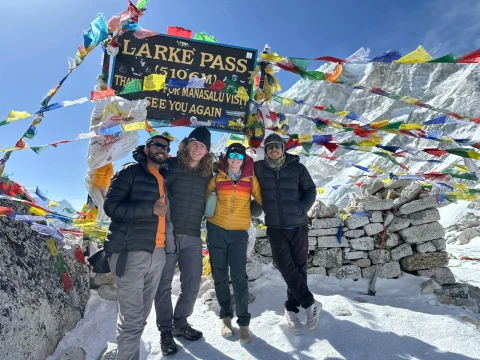
The Manaslu Circuit Trek is one of Nepal’s most spectacular and off-the-beaten-path trekking experiences. Encircling the majestic Mount Manaslu (8,163 m), the world’s eighth-highest peak, this trek offers breathtaking views of snow-capped mountains, deep river valleys, and lush forests. Unlike the more popular Everest or Annapurna regions, the Manaslu Circuit remains relatively untouched by mass tourism, giving trekkers an authentic Himalayan experience. Along the trail, hikers encounter traditional Tibetan-influenced villages, ancient Buddhist monasteries, and warm local hospitality that immerses them in the culture of the region.The trek typically begins in Kathmandu, followed by a drive to Machha Khola, the starting point of the trek. Over the course of 13–15 days, trekkers traverse diverse landscapes from subtropical forests at lower elevations to alpine zones near Larkya La Pass (5,160 m / 16,924 ft). The route crosses suspension bridges, rivers, and high mountain passes, making it a blend of adventure, natural beauty, and cultural discovery. Glacier Nepal Treks provides expert guidance, experienced trekking staff, and proper logistics to ensure a safe and memorable journey along this remote trail.Views of Mount Manaslu and surrounding peaksCrossing Larkya La Pass, one of Nepal’s highest trekking passesAuthentic Tibetan Buddhist villages and monasteriesScenic rivers, forests, and high-altitude landscapesLess crowded trails with serene trekking experiencesBest Season for Manaslu Circuit TrekThe best time to trek the Manaslu Circuit is during the pre-monsoon (spring) and post-monsoon (autumn) seasons. In spring (March to May), the rhododendron forests bloom in vibrant colors, and the weather is generally stable, offering clear mountain views. Autumn (September to November) is another ideal season, with crisp air, minimal clouds, and excellent visibility of the Himalayan peaks. These seasons also provide safer trekking conditions as heavy snowfalls and rainfall are less likely compared to winter or monsoon months.Winter trekking is possible but challenging due to extreme cold, icy trails, and potential road closures, especially around Larkya La Pass. Monsoon trekking (June to August) is not recommended as landslides and heavy rainfall can make trails dangerous and uncomfortable. Glacier Nepal Treks carefully plans itineraries around these ideal seasons, ensuring trekkers enjoy both safety and the spectacular natural beauty of the Manaslu region.Season Highlights:Spring (March–May): Blooming rhododendrons, moderate temperaturesAutumn (September–November): Clear skies, stable weather, and stunning mountain viewsAvoid the monsoon due to landslides and slippery trailsWinter trekking requires advanced preparation and cold-weather gearManaslu Circuit Trek Difficulty and TransportationThe Manaslu Circuit is considered a moderate to challenging trek. Trekkers need a good level of physical fitness to handle long hiking days, varying terrain, and high altitudes. The highlight of the trek, Larkya La Pass (5,160 m), requires careful acclimatization, as altitude sickness can affect even experienced hikers. Glacier Nepal Treks ensures proper acclimatization days, and guides help monitor each trekker’s health throughout the journey.Transportation for the trek is straightforward. Most itineraries start with a drive from Kathmandu to Machha Khola, which can take 8–10 hours depending on road conditions. From Machha Khola, trekking begins on foot through villages, rivers, and forests. After completing the circuit, trekkers are usually driven back to Kathmandu from Dharapani, allowing a seamless start and finish to the adventure.Key Points:Trek difficulty: Moderate to challengingLong hiking days (4–9 hours per day)High-altitude crossing: Larkya La Pass (5,160 m)Transportation: Kathmandu ↔ Machha Khola (drive) / Dharapani ↔ Kathmandu (drive)Glacier Nepal Treks provides experienced guides and portersFood and Accommodation for Manaslu Circuit TrekAlong the Manaslu Circuit, food and accommodation are basic but comfortable. Teahouses and lodges along the trail provide meals like rice, noodles, soups, and local Nepali or Tibetan dishes. Fresh vegetables and meat options are available at major stops, while snacks and energy bars are recommended for remote sections. Staying hydrated and eating nutritious meals is crucial for high-altitude trekking.Accommodations vary from simple rooms with shared bathrooms to slightly more comfortable lodges in larger villages. Some high-altitude teahouses near Larkya La Pass are very basic, offering warm blankets and hot water at a small cost. Glacier Nepal Treks ensures that trekkers are accommodated in safe, clean lodges throughout the journey and that any special dietary needs are communicated in advance.Food & Accommodation Highlights:Traditional Nepali and Tibetan cuisineHot meals and tea are available in most lodgesBasic rooms with shared bathroomsHigher-altitude teahouses are simple, with blankets and hot waterGlacier Nepal Treks arranges all stays and meals for convenienceManaslu Circuit Trek PermitsTrekking in the Manaslu region requires special permits due to its proximity to the Tibetan border. Trekkers must obtain:Manaslu Restricted Area Permit (RAC)Trekkers’ Information Management System (TIMS) cardThe Restricted Area Permit ensures environmental protection and limits the number of trekkers in the region, preserving its pristine landscapes. Glacier Nepal Treks helps arrange all permits in advance, so trekkers do not face any administrative issues during their journey. The cost of permits varies depending on nationality and duration of stay.Permit Summary:Manaslu Restricted Area Permit: Required for all foreign trekkersTIMS card: Required for tracking and safetyPermits arranged by Glacier Nepal Treks for convenienceEnsures legal access to remote villages and protected areasWhy Choose Manaslu Circuit TrekThe Manaslu Circuit Trek is perfect for adventurers seeking serenity, culture, and panoramic mountains. Unlike overcrowded trails in Everest or Annapurna, this trek offers a peaceful journey through traditional villages, sacred monasteries, and spectacular valleys. The combination of natural beauty, challenging terrain, and cultural immersion makes it a rewarding experience for trekkers of all backgrounds. Choosing the Glacier Nepal Treks enhances this adventure significantly. With years of local expertise, certified guides, and professional logistics, the company ensures safety, comfort, and an unforgettable experience. From arranging permits and transportation to providing experienced guides and porters, Glacier Nepal Treks handles all details so trekkers can focus on enjoying the trail and taking in the breathtaking Himalayan scenery.Reasons to Choose Manaslu Circuit Trek:Off-the-beaten-path trekking with fewer crowdsScenic landscapes and high mountain passesAuthentic cultural experiences in Tibetan-influenced villagesExperienced guides and full logistical support from Glacier Nepal TreksSafe, organized, and memorable Himalayan adventure
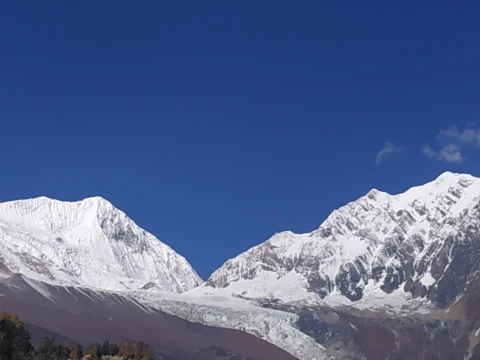
The Tsum Valley Trek, organized by Glacier Nepal Treks, is a hidden gem in northern Nepal, located in the northern part of Gorkha district near the Tibetan border. Known for its unspoiled landscapes, ancient Buddhist culture, and remote Himalayan scenery, Tsum Valley offers a serene trekking experience far from the crowded trails of Everest or Annapurna. The valley is rich in traditional Tibetan-influenced culture, with ancient monasteries, mani walls, and old chortens, providing trekkers with an authentic glimpse of Himalayan life.Starting from Kathmandu, the journey takes you through lush hills, terraced farmlands, and dense forests before reaching the sacred Tsum Valley. Along the way, trekkers cross charming villages like Machha Khola, Jagat, and Lokpa, each offering warm local hospitality. The trek gradually ascends to higher altitudes, passing through Lamagaun and Mu Gumba, where the panoramic views of Ganesh Himal, Sringi Himal, and other Himalayan peaks are breathtaking. One of the highlights is the Mu Gumba Monastery, the spiritual heart of Tsum Valley, providing an opportunity to observe Buddhist rituals and interact with monks.Remote valley with Tibetan Buddhist culturePanoramic Himalayan viewsSacred monasteries and chortensTraditional villages with local hospitalityThis trek is ideal for travelers seeking both adventure and cultural immersion, offering a blend of moderate trekking challenges, spiritual encounters, and untouched nature. Glacier Nepal Treks ensures that the journey is safe, well-organized, and enriching, with expert guides who provide in-depth knowledge about the valley’s history, culture, and geography.Best Season for Tsum Valley TrekThe best time to embark on the Tsum Valley Trek is during autumn (September to November) and spring (March to May). During these months, the weather is stable, the skies are clear, and the Himalayan vistas are at their most spectacular. Autumn is particularly favorable after the monsoon rains, as the air is fresh, the vegetation is lush, and the mountains are sharply visible. Spring offers blooming rhododendrons and other alpine flowers, making the valley vibrant and colorful.Winter (December to February) brings colder temperatures, especially above 3,000 meters, and snow can make trails slippery, though some experienced trekkers prefer it for solitude and snowy landscapes. Summer or monsoon (June to August) is less recommended due to heavy rainfall, landslides, leeches, and limited visibility of the mountains.Key Points:Autumn (Sept–Nov): Clear skies, lush greenery, ideal trekking conditionsSpring (Mar–May): Blooming rhododendrons, pleasant temperaturesWinter (Dec–Feb): Cold, potential snow, fewer touristsMonsoon (Jun–Aug): Heavy rainfall, slippery trails, landslidesGlacier Nepal Treks tailors trips according to the season, ensuring proper gear, safety, and accommodation arrangements so trekkers can enjoy the valley’s unique charm regardless of timing.Tsum Valley Trek Difficulty and TransportationThe Tsum Valley Trek is considered moderate in difficulty. Trekkers should have a basic level of fitness, as the trail involves gradual ascents, some steep sections, and long hours of walking, typically 5–8 hours per day. Altitude gain is manageable, starting at Machha Khola (900m) and reaching a maximum of Mu Gumba (3,700m). Proper acclimatization is necessary to prevent altitude sickness, and the Glacier Nepal Treks includes rest days, particularly in Mu Gumba, for safe adaptation.Transportation to the trailhead involves a drive from Kathmandu to Machha Khola, which can take 7–9 hours via scenic hilly roads. The drive passes through rivers, small towns, and terraced farmlands, giving trekkers a glimpse of rural Nepali life before the trek begins. On return, the same route is followed, allowing trekkers to reflect on their journey while enjoying the beautiful landscapes.Key Points:Moderate trekking difficultyAltitude range: 900m to 3,700mDaily trekking: 5–8 hoursRoad access from Kathmandu to Machha KholaGlacier Nepal Treks provides experienced guides, porters, and vehicles for a comfortable and safe trekking experience, ensuring smooth logistics and support throughout the journey.Food and Accommodation for Tsum Valley TrekThe Tsum Valley Trek offers a comfortable yet rustic experience in terms of food and accommodation. Accommodation is primarily in tea houses and lodges, which are basic but cozy, offering warm beds and communal dining areas. In remote areas like Mu Gumba and Lamagaun, facilities may be limited, but Glacier Nepal Treks ensures trekkers have safe and hygienic lodging.Food along the trail includes a mix of local Nepali cuisine and simple Western dishes. Popular options are dal bhat (rice with lentils), momo (dumplings), noodles, soups, and porridge. Trekkers are advised to stay hydrated and eat sufficient carbohydrates to sustain energy during long trekking hours. Tea houses often provide tea, coffee, and hot chocolate, which are perfect for warming up after a day on the trail.Key Points:Tea houses and lodges along the trailSimple, nutritious local and western mealsHot beverages availableBasic amenities, warm beds, and communal spacesGlacier Nepal Treks takes care of meal planning and accommodations, offering vegetarian or special dietary options on request, ensuring trekkers are well-fed and rested to enjoy the journey.Tsum Valley Trek PermitsTrekking in Tsum Valley requires two main permits: the Manaslu Conservation Area Permit (MCAP) and the Restricted Area Permit (RAP) for Tsum Valley. These permits ensure that trekkers support conservation efforts and respect local regulations in this ecologically and culturally sensitive region.The MCAP permit is needed for entering the Manaslu Conservation Area, which covers a large part of the trek. The Restricted Area Permit is required specifically for the Tsum Valley, as it is a protected area to preserve its unique Tibetan Buddhist culture and environment. Permits are typically arranged in Kathmandu through authorized agencies like Glacier Nepal Treks, saving trekkers time and ensuring all legal requirements are met.Key Points:Manaslu Conservation Area Permit (ACAP)Restricted Area Permit (RAP) for Tsum ValleyRequired for legal entry and conservation supportArranged by Glacier Nepal TreksObtaining permits in advance through Glacier Nepal Treks ensures a smooth start to your trek without delays at checkpoints, allowing trekkers to focus on the experience rather than paperwork.Why Choose Tsum Valley TrekThe Tsum Valley Trek is perfect for trekkers seeking a blend of culture, nature, and adventure. Unlike crowded trekking routes in Nepal, Tsum Valley offers tranquility, pristine landscapes, and deep spiritual encounters. Glacier Nepal Treks specializes in creating customized experiences for this remote valley, ensuring safety, comfort, and cultural immersion. Trekkers can experience ancient Buddhist monasteries, interact with monks, and witness traditional rituals, while also enjoying majestic views of Himalayan peaks. The trek supports sustainable tourism, benefiting local communities while preserving their traditions. Glacier Nepal Treks provides knowledgeable guides, responsible trekking practices, and comprehensive support from Kathmandu to the end of the trek, making the journey smooth and memorable.Key Points:Off-the-beaten-path trekking destinationAuthentic Tibetan Buddhist cultureStunning Himalayan sceneryExperienced guides and full support from Glacier Nepal Treks.Choosing the Tsum Valley Trek with Glacier Nepal Treks ensures a safe, enriching, and unforgettable adventure, combining cultural discovery with natural beauty in one of Nepal’s least explored, most captivating valleys.
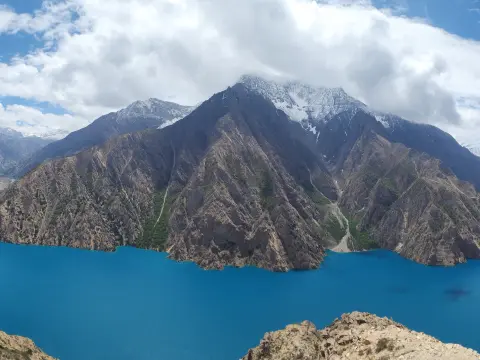
The Lower Dolpo Trek is one of Nepal’s most remote and culturally rich trekking experiences. Located in the far western region of Nepal, this trek takes adventurers through pristine landscapes, ancient Tibetan Buddhist villages, high mountain passes, and the stunning turquoise waters of Phoksundo Lake. The trail winds through dense pine forests, river valleys, and arid highlands that are home to rare wildlife like the snow leopard, blue sheep, and Himalayan marmot. Unlike more crowded trekking routes like Annapurna or Everest, Lower Dolpo offers solitude, authentic cultural encounters, and untouched natural beauty.Trekking with Glacier Nepal Treks. ensures a well-organized adventure, with expert guides who are familiar with the region’s challenging terrain and local culture. The journey begins in Kathmandu, Nepal’s bustling capital, and progresses through flights and scenic treks to remote villages such as Dunai, Chhepka, and Shyanta. The highlight of the trek is Phoksundo Lake, renowned for its stunning turquoise color, high-altitude setting at 3,611 meters (11,847 ft), and the surrounding Shey Phoksundo National Park. This trek offers not only physical challenge but also spiritual immersion, as trekkers encounter ancient gompas, mani walls, and Tibetan-style settlements along the way.Remote, off-the-beaten-path trekking route in western NepalStunning high-altitude landscapes and diverse wildlifeCultural encounters with Tibetan Buddhist communitiesHighlights: Phoksundo Lake and Shey Phoksundo National ParkBest Season for Lower Dolpo TrekThe ideal seasons for trekking in Lower Dolpo are autumn (September to November) and spring (March to May). During these months, the weather is stable, the skies are clear, and the temperature is moderate, making it perfect for long trekking days. Autumn is particularly favored for its vibrant rhododendron blooms and the post-monsoon clarity, which offers spectacular views of the surrounding Himalayan peaks. Spring is excellent for those who want to witness blooming flowers and milder temperatures in the lower valleys.Winter (December to February) is extremely cold, with heavy snowfall at higher altitudes, making trekking risky. Summer (June to August) coincides with the monsoon season, which can lead to landslides, slippery trails, and disrupted flights, so it is generally not recommended. Planning your trek during the recommended seasons with Glacier Nepal Treks ensures maximum safety, comfort, and the opportunity to fully enjoy the breathtaking landscapes of Lower Dolpo.Key Points:Best seasons: Autumn (Sept–Nov) and Spring (Mar–May)Avoid: Winter (extreme cold) and Summer (monsoon rains)Clear skies and stable weather ideal for photography and trekkingLower Dolpo Trek Difficulty and TransportationThe Lower Dolpo Trek is considered moderate to challenging due to its remote location, long trekking days, and high altitudes. Trekkers need a reasonable level of fitness, experience with multi-day hikes, and the ability to acclimatize to altitudes up to 3,600 meters (11,847 ft). While the trails are less crowded, they can be rugged and involve river crossings, steep ascents, and descents. The trek is perfect for adventure seekers looking for an off-the-beaten-path experience without the commercialized crowds of other popular trails.Transportation to Lower Dolpo involves multiple flights and transfers. The journey starts with a flight from Kathmandu to Nepalgunj, followed by a domestic flight to Jhupal, a small airstrip in Dolpo. From Jhupal, the trekking portion begins, passing through villages such as Dunai, Chhepka, and Shyanta, eventually reaching Phoksundo Lake. Glacier Nepal Treks handles all logistics, including flights, local transfers, and trekking arrangements, ensuring a seamless travel experience despite the remoteness of the region.Key Points:Difficulty: Moderate to challengingHigh-altitude trekking up to 3,611 meters (11,847 ft)Transportation: Kathmandu → Nepalgunj → Jhupal → Trekking trailRemote trails require fitness and adaptabilityFood and Accommodation for Lower Dolpo TrekFood and accommodation on the Lower Dolpo Trek are simple but comfortable, offering a mix of local and traditional meals. In villages like Dunai, Chhepka, and Shyanta, teahouses serve home-cooked Nepali dishes such as dal bhat (lentil soup with rice), momo (dumplings), and noodles. Some lodges also provide limited Western options like pasta and soups. Staying in these villages allows trekkers to experience local culture, hospitality, and a close connection with the community.Accommodations are basic, usually consisting of shared rooms with mats or simple beds and shared bathrooms. Hot showers are rare at higher altitudes, so trekkers should be prepared for rustic living conditions. Glacier Nepal Treks ensures that trekkers have reliable lodging, arrangements for safe drinking water, and nutritious meals to maintain energy during long trekking days. The rest day at Phoksundo Lake is perfect for rejuvenating, enjoying scenic views, and experiencing the serene surroundings of the Shey Phoksundo National Park.Key Points:Village teahouses with Nepali and simple Western foodBasic rooms with shared facilities; limited hot waterTrekking meals: dal bhat, momo, noodles, soupsFocus on comfort, nutrition, and local experienceLower Dolpo Trek PermitsTrekking in Lower Dolpo requires special permits due to its remote location and inclusion in a national park. Trekkers need the following permits:TIMS Card (Trekker Information Management System)Shey Phoksundo National Park Permit – Mandatory for entry into the park and to visit Phoksundo Lake.Dolpo Restricted Area Permit – Required for all foreign nationals trekking in Lower Dolpo.Obtaining these permits independently can be challenging due to the regulations and paperwork. Glacier Nepal Treks takes care of all permit arrangements, ensuring compliance with government regulations. This allows trekkers to focus entirely on their journey without worrying about legal or administrative obstacles.Key Points:Shey Phoksundo National Park PermitDolpo Restricted Area PermitGlacier Nepal Treks handles all paperworkWhy Choose Lower Dolpo TrekThe Lower Dolpo Trek is ideal for those seeking a unique, adventurous, and culturally immersive trekking experience. Its remoteness ensures tranquility and minimal tourist interference, giving trekkers a sense of true exploration. Highlights like Phoksundo Lake, ancient gompas, Tibetan-style villages, and panoramic Himalayan views make this trek unforgettable.Choosing Glacier Nepal Treks enhances the experience with professional guides, logistical support, and local expertise. Their team ensures safety, cultural insight, and smooth coordination for flights, permits, accommodation, and meals. Lower Dolpo Trek is not just a physical journey but also a spiritual and cultural adventure that leaves a lasting impression on every traveler.Key Points:Off-the-beaten-path trekking with minimal crowdsSpectacular natural and cultural attractionsGuided by experienced local professionalsAdventure, culture, and spiritual exploration combined
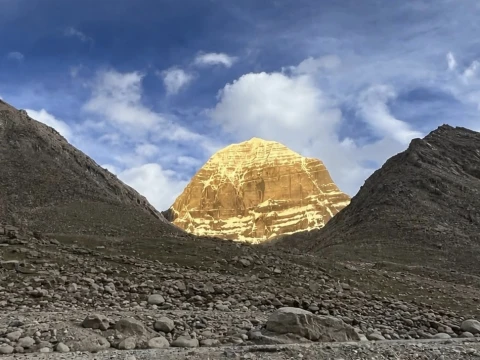
The Kailash Mansarovar Overland Tour with Glacier Nepal Treks is a unique spiritual and adventure journey that takes travelers through the majestic landscapes of Nepal and Tibet, culminating at the sacred Mount Kailash and Lake Mansarovar. This journey combines cultural exploration, high-altitude trekking, and a spiritual experience in one of the most remote regions of the Himalayas. The overland route allows travelers to witness the transition from lush valleys to rugged highlands, offering a perfect blend of sightseeing, pilgrimage, and adventure.The journey starts in Kathmandu, the vibrant capital of Nepal, known for its historic temples, stupas, and bustling markets. From Kathmandu, the route gradually climbs north through the Nepal-Tibet border at Rasuwagadhi and Kyirong, traversing Tibetan plains before reaching Saga and eventually the sacred region of Mount Kailash. Travelers get the opportunity to witness the untouched natural beauty, experience local Tibetan culture, and participate in the holy rituals around Lake Mansarovar.Spiritual journey to Mount Kailash and Lake Mansarovar.Trekking around the sacred Kailash Kora circuit.Scenic drives through Nepalese and Tibetan landscapes.Interaction with local Tibetan communities and monasteries.Participation in rituals, holy baths, and pujas at Mansarovar.This tour is ideal for spiritual seekers, adventure enthusiasts, and those looking to explore one of the most remote yet sacred parts of the world.Best Season for Kailash Mansarovar Overland TourThe ideal time to embark on the Kailash Mansarovar Overland Tour is during spring (April–June) and autumn (September–October). During these periods, the weather is relatively stable, with clear skies and moderate temperatures, making both the driving and trekking segments safer and more enjoyable. Spring brings blooming rhododendrons and vibrant Himalayan landscapes, while autumn offers crisp air and spectacular mountain views.Summer (July–August) is less preferred due to the monsoon rains, which can make roads slippery, increase the risk of landslides, and obscure scenic vistas. Winter (November–March) is extremely cold at high altitudes, and heavy snow can block access to key areas such as Lake Mansarovar and the Kailash Kora circuit. Travelers in winter must be well-prepared for sub-zero temperatures and possible travel delays.Seasonal Considerations:Spring (April–June): Clear skies, blooming flowers, moderate temperatures.Autumn (September–October): Dry weather, vibrant landscapes, best visibility.Summer (July–August): Monsoon rains, slippery roads, potential landslides.Winter (November–March): Harsh, cold, snow-covered roads, limited accessibility.Planning the journey during the recommended seasons ensures a smoother trip, comfortable travel, and a more profound spiritual experience at Kailash and Mansarovar.Kailash Mansarovar Overland Tour Difficulty and TransportationThe Kailash Mansarovar Overland Tour is considered moderately to highly challenging, mainly due to the high-altitude conditions and long travel hours. The highest points of the tour, such as Diraphuk (4950m) and Lake Mansarovar (4600m), require travelers to acclimatize properly to avoid altitude sickness. The trek around Kailash Kora includes walking 14–19 km per day on rugged terrain with steep ascents and descents, demanding stamina and good physical fitness.Transportation during the tour is a combination of private vehicles and trekking. From Kathmandu to Rasuwagadhi and across Tibet to Saga and Darchen, travelers use comfortable overland vehicles suitable for high-altitude roads. The trek sections are guided by experienced local guides who ensure safety and provide support for navigation and acclimatization.Tour Difficulty and Transportation:Trekking Distance: 6–19 km per day on mountainous terrain.High Altitude: Up to 4950m at Diraphuk, requires acclimatization.Driving Hours: 1–9 hours per day on hilly and highland roads.Transportation: Private vehicles, minibuses, and trekking on foot.Guided Support: Experienced guides and porters available for safety.Proper preparation, acclimatization, and a positive mindset are essential for successfully completing this sacred journey.Food and Accommodation for Kailash Mansarovar Overland TourDuring the Kailash Mansarovar Overland Tour, food and accommodation vary according to location and altitude. In Kathmandu, travelers stay in comfortable hotels with standard amenities and can enjoy a variety of Nepalese, Tibetan, and international cuisines. Once in Tibet, accommodation is more basic, including guesthouses, lodges, or tents, especially near remote areas like Darchen, Diraphuk, and Zuthulphuk. Despite the simplicity, care is taken to provide hygienic facilities and warm bedding.Food during the tour is a mix of Tibetan and Nepalese cuisine, often including rice, noodles, lentils, vegetables, and meat dishes. Special arrangements can be made for dietary restrictions. Hot meals are generally available at lodges, while trekking days may include packed lunches or simple local meals. Hydration is critical at high altitude, and purified water or boiled water is recommended throughout the journey.Food and Accommodation Highlights:Hotels in Kathmandu and Kyirong with modern facilities.Guesthouses and lodges at Saga, Darchen, and Lake Mansarovar.Tibetan cuisine: momos, thukpa, butter tea, rice dishes.Packed or simple meals during trekking days.Safe drinking water and warm bedding provided.Comfort may be basic in remote areas, but the focus is on safety, warmth, and an authentic cultural experience.Kailash Mansarovar Overland Tour PermitsTraveling to Mount Kailash and Lake Mansarovar requires several official permits, as the region lies within the Tibet Autonomous Region of China. Glacier Nepal Treks assists travelers in obtaining all necessary documents before the journey to ensure a smooth trip. The main permits include the Tibet Travel Permit, Alien Travel Permit, and Military Permit for restricted border areas.For Nepalese travelers, a Nepal entry visa is required, which can be obtained on arrival at Tribhuvan International Airport. Foreign nationals must provide passport copies, visa details, and medical certificates for high-altitude travel. Permits are generally arranged in Kathmandu or via the travel company in advance, and travelers should carry original copies during the journey.Permit Requirements:Tibet Travel Permit (TTP): Mandatory for entering Tibet.Alien Travel Permit (ATP): Required for travel to restricted zones like Darchen.Military Permit: Needed for areas near the Nepal-Tibet border.Nepal Visa: Obtained on arrival or before arrival in Kathmandu.Medical Clearance: Advisable for high-altitude trekking.Proper permit arrangements ensure legal compliance and avoid last-minute travel disruptions during this sacred tour.Why Choose Kailash Mansarovar Overland Tour with Glacier Nepal TreksChoosing the Kailash Mansarovar Overland Tour with Glacier Nepal Treks offers a combination of spiritual enrichment, adventure, and professional service. Glacier Nepal Treks is experienced in organizing high-altitude overland tours and provides expert guides, well-maintained vehicles, and personalized support for each traveler. The company emphasizes safety, comfort, and cultural immersion, ensuring that pilgrims can focus on the spiritual journey rather than logistical challenges.The tour allows travelers to experience the diverse landscapes of Nepal and Tibet, from lush valleys to high-altitude deserts, while participating in sacred rituals at Lake Mansarovar and the Kailash Kora. With Glacier Nepal Treks, every aspect from permits, accommodation, and food to high-altitude trekking support is professionally managed, allowing travelers to enjoy a worry-free and life-changing pilgrimage.Reasons to Choose Glacier Nepal Treks:Experienced guides familiar with high-altitude and remote regions.Full support for permits, visas, and legal documentation.Comfortable accommodation and safe transport throughout the tour.Focus on spiritual experience and cultural immersion.Safety-first approach with medical and acclimatization support.This journey is ideal for anyone seeking spiritual fulfillment, adventure, and a chance to witness one of the world’s most sacred landscapes in a well-organized and safe manner.


 (31)
(31)  94% recommend (244)
 (12)
(12)