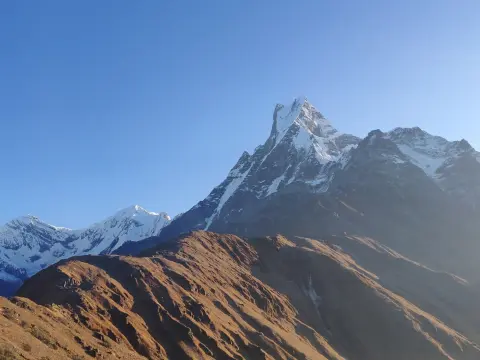
The Mardi Himal Trek, offered by Glacier Nepal Treks, is a hidden gem of the Annapurna region, designed for travelers seeking a combination of moderate trekking, stunning mountain views, and cultural immersion. Unlike the more crowded Annapurna Base Camp or Ghorepani Poon Hill treks, Mardi Himal provides a serene experience with panoramic vistas of the Annapurna Massif, Machapuchare (Fishtail), Mardi Himal, and other surrounding peaks. Starting from the vibrant city of Pokhara, the trail winds through lush rhododendron forests, charming villages, and terraced farmlands, offering trekkers a unique blend of natural beauty and rural Nepalese life. The trek gradually ascends to High Camp at 3,540 meters (11,614 ft) before reaching the Mardi Himal viewpoint at 4,250 meters (13,943 ft), providing spectacular sunrise and sunset views over the Himalayas.Glacier Nepal Treks ensures a well-organized journey with comfortable accommodation, experienced guides, and reliable transportation. The trek is usually completed in 10–11 days, making it ideal for those with limited time but a desire for a complete Himalayan experience. The itinerary is structured to allow proper acclimatization, which reduces the risk of altitude sickness while maximizing enjoyment of the scenic landscapes. This trek is perfect for photographers, adventure enthusiasts, and nature lovers who want a less crowded and authentic trekking experience in Nepal.Spectacular panoramic views of Annapurna, Machapuchare, and Mardi Himal peaks.Diverse landscapes: forests, ridges, and terraced farmlands.Immersion in traditional Gurung and Magar village culture.Less crowded trails, provide a peaceful trekking experience.Gradual ascent allowing for proper acclimatization.Best Season for Mardi Himal TrekThe Mardi Himal Trek is accessible year-round, but the best trekking seasons are autumn (September to November) and spring (March to May). During autumn, the weather is clear, the skies are bright, and the mountain views are at their sharpest, making it ideal for photography and panoramic vistas. Spring is equally beautiful, with rhododendron forests bursting into vibrant colors, adding a magical touch to the trail. Both seasons provide moderate temperatures during the day and relatively safe trekking conditions.Winter (December to February) is possible for trekking, but temperatures can drop significantly, especially at higher altitudes such as High Camp and the Mardi Himal viewpoint. Snowfall may make parts of the trail slippery and more challenging. Summer (June to August) coincides with the monsoon season, which brings heavy rains, landslides, and cloudy skies that may obscure mountain views. However, some trekkers prefer this season for the lush greenery, fewer tourists, and lower prices. Glacier Nepal Treks recommends autumn and spring for the optimal combination of weather, visibility, and trail conditions. Proper preparation, including layered clothing and rain gear, ensures safety and comfort during any season.Seasonal Highlights:Autumn (Sep–Nov): Clear skies, vibrant sunsets, ideal photography.Spring (Mar–May): Blooming rhododendrons, pleasant temperatures, panoramic views.Winter (Dec–Feb): Snowy trails, colder nights, fewer crowds.Monsoon (Jun–Aug): Lush greenery, chance of rain, slippery paths.Recommended: Autumn and spring for the best overall trekking experience.Mardi Himal Trek Difficulty and TransportationThe Mardi Himal Trek is classified as a moderate trek, suitable for travelers with a reasonable level of fitness. While the trek does not require technical climbing skills, it involves several uphill climbs, long hiking days, and altitude gains, which demand stamina and endurance. The trail starts gently from Pokhara, gradually ascending through forests and villages to High Camp at 3,540 meters (11,614 ft), and finally reaching the Mardi Himal viewpoint at 4,250 meters (13,943 ft). The descent to Siding Village and Pokhara involves long downhill walks, which can strain knees and legs. Glacier Nepal Trek emphasizes acclimatization and pacing, with daily trekking hours averaging 3–5 hours to ensure a safe and enjoyable experience.Transportation to the starting point is convenient. Most trekkers travel from Kathmandu to Pokhara by tourist bus (6–7 hours) or domestic flight (25 minutes), depending on preference and budget. From Pokhara, a short drive takes trekkers to Kande or Phedi, where the trekking trail begins. The road journey offers scenic glimpses of rivers, hills, and rural life, setting the stage for the trek. Glacier Nepal Treks provides reliable transfers, ensuring comfort and punctuality. For trekkers looking to explore independently, private vehicles or local buses are also options, although pre-arranged transport through a trekking company reduces stress and logistical challenges.Key Points:Difficulty: Moderate; suitable for reasonably fit trekkers.Altitude: 1,280–4,250m (4,200–13,943ft).Trekking Duration: 3–6 hours/day on average.Transport Options: Tourist bus, domestic flight, private vehicle.Safety Tips: Gradual ascent, proper hydration, and rest days recommended.Food and Accommodation for Mardi Himal TrekDuring the Mardi Himal Trek, accommodation is primarily in tea houses or lodges, offering basic but comfortable facilities for overnight stays. Rooms typically include beds, blankets, and shared or private bathrooms. Glacier Nepal Treks ensures that trekkers are booked in reliable lodges, especially during peak seasons when availability can be limited. Higher up on the trail, facilities may be more basic, and electricity or hot showers could be limited, but the warmth of local hospitality often compensates for these minor inconveniences. Staying in these lodges allows trekkers to experience Nepalese mountain culture first-hand and enjoy interactions with local communities.Meals on the trek are nutritious and cater to both local and international tastes. Common options include rice dishes, noodles, soups, lentils, and fresh vegetables. Breakfasts often feature porridge, eggs, and bread, while dinners include traditional Nepali dishes or simple pasta and soups. Tea, coffee, and local beverages such as lemon tea are widely available. Prices for food increase with altitude, reflecting the difficulty of transporting supplies to higher elevations. Glacier Nepal Treks recommends carrying personal snacks and energy bars to keep energy levels up during longer trekking days. Hydration is crucial, and boiled or bottled water is widely available.Food & Accommodation Summary:Accommodation: Tea houses, lodges, basic to moderate comfort.Facilities: Beds, blankets, shared or private bathrooms, and limited electricity.Meals: Nepali cuisine (dal bhat, momo, noodles), international options available.Extras: Hot drinks, snacks, and energy bars recommended.Tip: Book through Glacier Nepal Treks to secure quality lodges during peak season.Mardi Himal Trek PermitsTrekking in the Mardi Himal region requires specific permits to ensure the conservation of the Annapurna Conservation Area. The two main permits are the Annapurna Conservation Area Permit (ACAP) and the Trekkers’ Information Management System (TIMS) card. The ACAP is mandatory for all treks within the Annapurna region and contributes to environmental protection, community development, and sustainable tourism initiatives. The TIMS card records trekkers’ details for safety and emergency purposes. Both permits are checked at various checkpoints along the trekking route.Glacier Nepal Treks handles all necessary permits for trekkers, simplifying the process and ensuring compliance with local regulations. Permits can also be obtained in Kathmandu or Pokhara before starting the trek. The ACAP fee varies depending on nationality, while the TIMS card is relatively inexpensive. Carrying valid identification, such as a passport, is required when applying. These permits also provide access to the network of tea houses and lodges along the Mardi Himal trail. By securing permits, trekkers contribute to the preservation of the natural beauty and cultural heritage of the Annapurna region, ensuring a sustainable trekking experience for future adventurers.Permit Checklist:ACAP Permit: Required for entry into the Annapurna Conservation Area.TIMS Card: Tracks trekkers for safety and emergency purposes.ID Requirement: Passport copy needed for the application.Fee: ACAP varies by nationality; TIMS card is affordable.Glacier Nepal Treks Service: Assists with all permits for hassle-free trekking.Why Choose Mardi Himal TrekThe Mardi Himal Trek is perfect for trekkers seeking a less crowded, serene, and scenic alternative to the more popular Annapurna Base Camp trek. Glacier Nepal Treks specializes in organizing this trek with professionalism, local knowledge, and attention to detail, ensuring a safe and memorable experience. The trek offers a balance of moderate physical challenge, cultural immersion, and breathtaking Himalayan panoramas. Unlike crowded trails, Mardi Himal allows travelers to connect with nature, experience local village life, and enjoy peaceful hiking without compromising on views or adventure.Choosing this trek also means excellent support and guidance. Glacier Nepal Treks provides experienced guides who know the trail intimately, helping trekkers with navigation, acclimatization, and cultural interpretation. Accommodation and food are arranged to provide comfort while preserving authenticity. The itinerary includes gradual ascents to reduce altitude sickness risks and free time at viewpoints for photography and relaxation. For adventure lovers, nature enthusiasts, and photographers, the Mardi Himal Trek offers a rare combination of pristine landscapes, Himalayan culture, and a rewarding trekking experience without the crowds. It’s ideal for solo travelers, couples, and small groups seeking a Himalayan adventure.Reasons to Choose Mardi Himal Trek with Glacier Nepal Treks:Less crowded trails, peaceful trekking environment.Spectacular panoramic views of Annapurna, Machapuchare, and Mardi Himal.Authentic cultural experience in rural Nepalese villages.Moderate difficulty, suitable for most healthy trekkers.Full support with guides, accommodations, permits, and logistics.
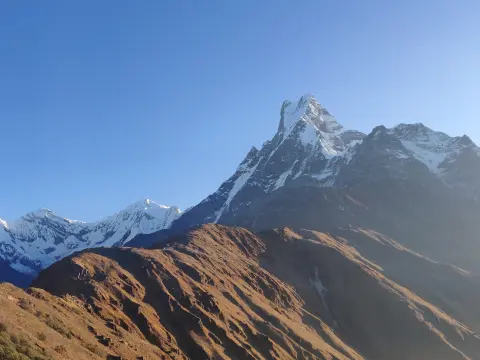
The Mardi Himal Yoga Trek is a unique Himalayan journey that blends adventure, mindfulness, and cultural exploration. Nestled in the Annapurna region of Nepal, this trek offers a perfect balance of challenging mountain trails and serene natural landscapes, making it ideal for trekkers seeking both physical activity and mental rejuvenation. The trek begins in Pokhara, a city known for its tranquil lakes and Himalayan vistas, and winds its way through lush forests, traditional villages, and alpine meadows before reaching the breathtaking Mardi Himal Base Camp. Along the way, trekkers experience unparalleled views of Annapurna South, Machapuchare (Fishtail), and Hiunchuli, providing countless photo opportunities.What makes this trek unique is its focus on yoga and mindfulness practices in nature. Early mornings can be spent practicing yoga with panoramic mountain views, while evenings offer meditation sessions at tranquil guesthouses. This combination of adventure trekking and holistic wellness creates a deeply immersive experience, allowing participants to connect with nature, local culture, and their inner selves. The trail passes through charming villages such as Pothana, Forest Camp, and Siding, where trekkers can witness Nepali traditions, hospitality, and rural life firsthand.Panoramic views of Annapurna South, Machapuchare, and HiunchuliOpportunity to practice yoga and meditation in the Himalayan landscapesVisits to traditional Nepali villages and cultural immersionModerate trekking routes with diverse terrains, including forests, meadows, and mountain trailsSpectacular sunrise and sunset views from High Camp and Mardi Himal Base CampBest Season for Mardi Himal Yoga TrekThe Mardi Himal Yoga Trek can be undertaken almost year-round, but the best seasons are spring (March to May) and autumn (September to November). During spring, the forests and alpine meadows are alive with blooming rhododendrons, vibrant wildflowers, and lush greenery. The weather is generally mild, and the skies are often clear, providing crisp views of the surrounding peaks. Autumn is equally spectacular, as the monsoon clouds clear and the air becomes crisp and clean, creating perfect conditions for photography and mountain vistas.Winter (December to February) is colder, especially at higher altitudes, and may bring snow to the trails, which can enhance the trekking experience for those seeking a quiet, serene journey, but requires proper gear. Summer (June to August) coincides with the monsoon, and while the trek is possible, trails can be muddy, and visibility may be limited due to clouds and rain. Choosing the right season ensures not only safer trekking conditions but also a more enjoyable yoga and meditation experience amidst the Himalayas.Best Season Highlights:Spring (March–May): Blooming rhododendrons, mild weather, clear mountain viewsAutumn (September–November): Crisp air, vibrant landscapes, excellent photography conditionsWinter (December–February): Snow-capped serenity, quieter trailsSummer (June–August): Lush greenery, but a higher chance of rain and cloud coverMardi Himal Yoga Trek Difficulty and TransportationThe Mardi Himal Yoga Trek is categorized as a moderate trek, suitable for trekkers with a reasonable level of fitness. The trek involves gradual ascents, some steep sections, and high-altitude trekking up to 4,500m at Mardi Himal Base Camp. While no technical climbing skills are required, trekkers should be prepared for long walking days of 4–6 hours, uneven trails, and occasional altitude challenges. The key to a successful trek is proper acclimatisation, pacing, and hydration, all of which are carefully planned by Glacier Nepal Treks to ensure safety and comfort. Transportation for this trek begins in Kathmandu, where trekkers are transferred to Pokhara either by a scenic 6–7 hour tourist bus or a short 30-minute domestic flight, offering aerial views of the Himalayas. From Pokhara, a private vehicle or jeep takes trekkers to the starting point at Kande, from where the trekking journey begins. Local transport options, combined with the carefully planned trekking route, make the journey accessible and comfortable, while providing opportunities to enjoy the landscapes and cultural stops along the way.Difficulty and Transportation Highlights:Difficulty: Moderate; suitable for trekkers with basic fitnessMaximum Altitude: 4,500m (Mardi Himal Base Camp)Trekking Duration: 6–7 hours on the longest daysTransportation: Kathmandu to Pokhara by bus or flight; Pokhara to Kande by private vehicleTrail Conditions: Forest paths, alpine meadows, and terraced villagesFood and Accommodation for Mardi Himal Yoga TrekDuring the Mardi Himal Yoga Trek, food and accommodation are carefully arranged to ensure comfort, nutrition, and a taste of local culture. Trekkers stay in teahouses and guesthouses, which are cosy, well-maintained, and offer basic amenities. While higher camps may have simpler facilities due to altitude, the accommodations are clean and welcoming, with warm bedding, hot showers where available, and spaces for evening yoga and meditation sessions.Meals during the trek feature a combination of Nepali cuisine and international dishes. Popular options include dal bhat (lentil soup with rice), vegetable curry, soups, noodles, and pasta. Guests can also enjoy fresh fruits, local snacks, and tea or coffee. All meals are prepared with locally sourced ingredients, ensuring both freshness and authenticity. Glacier Nepal Treks ensures that dietary requirements and preferences are considered, providing vegetarian, vegan, or gluten-free options on request.Food and Accommodation Highlights:Guesthouses/teahouses at each overnight stopClean rooms with bedding; hot showers at most stopsTraditional Nepali meals and international cuisineOpportunities for local cultural interaction over mealsDedicated spaces for yoga and meditation in serene natural settingsMardi Himal Yoga Trek PermitsTrekking in the Annapurna region requires certain permits to ensure safety and environmental responsibility. For the Mardi Himal Yoga Trek, the key permits include the Annapurna Conservation Area Permit (ACAP) and the Trekkers’ Information Management System (TIMS) card. These permits allow access to protected areas, help regulate trekking traffic, and support local conservation initiatives. Glacier Nepal Treks assists trekkers in obtaining all required permits before the trek begins, streamlining the process and minimising logistical challenges.The ACAP permit ensures that visitors contribute to the conservation of the Annapurna region, which is home to diverse wildlife, forests, and pristine mountain landscapes. The TIMS card acts as an identification and safety tool for trekkers, allowing authorities to track trekkers in case of emergencies. Together, these permits not only comply with regulations but also support responsible tourism that benefits local communities and preserves the Himalayan ecosystem for future generations.Permit Highlights:ACAP Permit: Required for Annapurna Conservation Area accessTIMS Card: Tracks trekkers for safety and emergency purposesResponsibility: Promotes sustainable tourism and environmental protectionAssistance: Glacier Nepal Treks handles all permits for trekkersWhy Choose Mardi Himal Yoga TrekChoosing the Mardi Himal Yoga Trek with Glacier Nepal Treks is an investment in adventure, wellness, and cultural exploration. This trek is ideal for individuals seeking a holistic experience, combining mindful trekking, yoga, and immersion in local culture. With expert guides, detailed itineraries, and personalised attention, Glacier Nepal Treks ensures that trekkers enjoy a seamless and memorable journey in the Annapurna region. The company is renowned for its professionalism, safety standards, and commitment to responsible tourism, offering peace of mind for first-time and experienced trekkers alike.Beyond the logistical support, the Mardi Himal Trek is designed to nurture body, mind, and soul. Trekkers enjoy mountain vistas, pristine forests, and alpine meadows while engaging in yoga and meditation practices. The trek encourages reflection, relaxation, and connection with nature, making it more than a physical challenge it’s a rejuvenating experience. Cultural interactions with local villages, traditional foods, and the warm hospitality of guesthouses add a human dimension, making every step rewarding.Why Choose Mardi Himal Yoga Trek Highlights:Experienced guides and professional trekking supportFocus on yoga, meditation, and mindfulness in natureModerate trek suitable for most fitness levelsImmersive cultural experience in Nepali villagesScenic Himalayan views and once-in-a-lifetime photo opportunities


 (31)
(31)  94% recommend (244)
 (12)
(12)